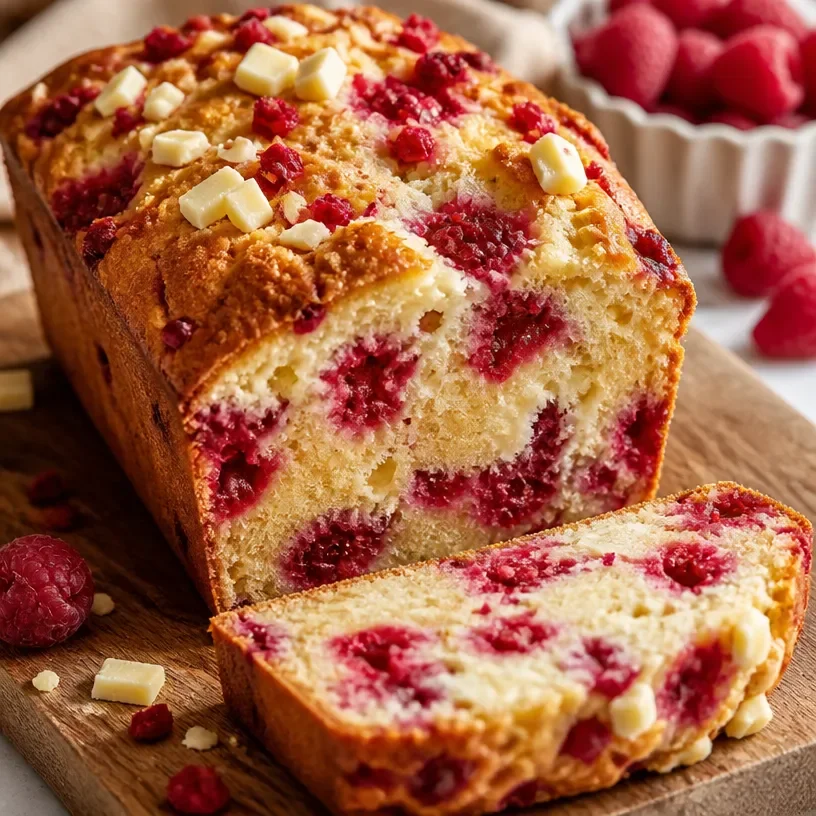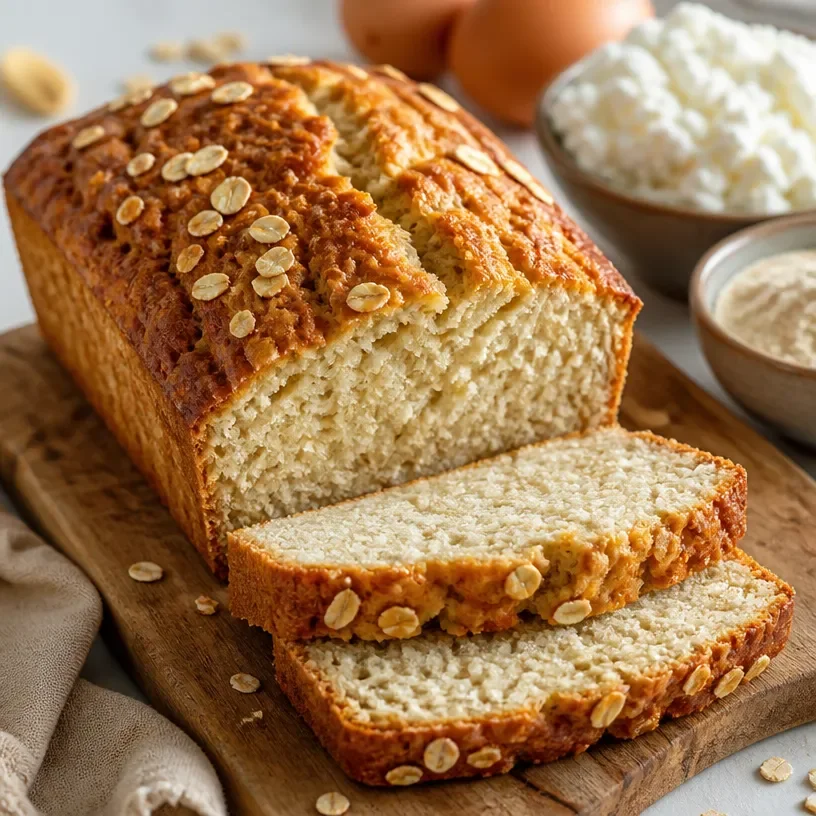
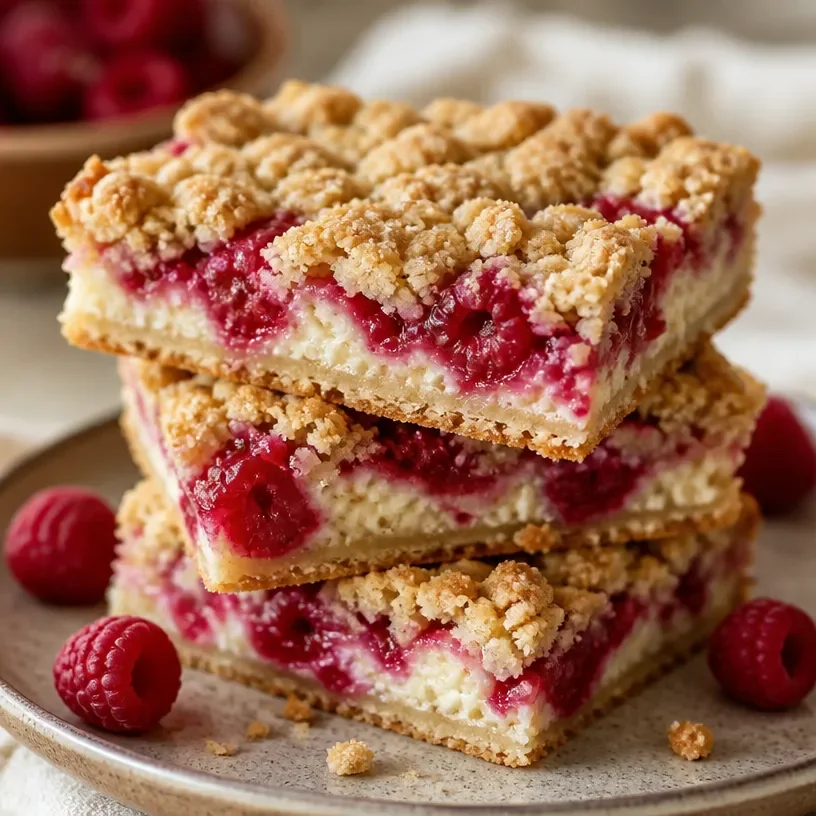
Protein Cottage Cheese Raspberry Crumble Bars
Protein Cottage Cheese Raspberry Crumble Bars: A Slice of Joy
Welcome back to my cozy kitchen! Today, we’re baking up something truly special: Protein Cottage Cheese Raspberry Crumble Bars. These treats are not just delicious; they bring together nutrient-packed ingredients that fuel our bodies and satisfy our cravings. Whether you’re looking for a post-workout snack, a healthy dessert, or even a breakfast on the go, these bars tick all the boxes.
Now, I have to say, there’s something incredibly heartwarming about diving into a baking project that weaves together nostalgia and creativity. The aroma of warm raspberries mingling with the comforting scent of freshly baked crumble brings me back to sun-soaked afternoons spent in my grandmother’s kitchen. I’d watch in awe as she whisked together simple ingredients to create culinary magic, her laughter ringing through the air as she reminisced about family gatherings where everyone would come together to enjoy her sweet treats.
With the inspiring memory of my grandma’s raspberry pies in mind, I decided to turn one of her classic recipes into something a little more modern and nutritious. These Protein Cottage Cheese Raspberry Crumble Bars are a love letter to her baking while packing in protein and flavor. So let’s grab our aprons, channel our inner chefs, and whip up these delightful bars together!
Personal Story: A Sweet Slice of Nostalgia
Growing up, summer was synonymous with my grandmother’s raspberry bushes. Those luscious, plump berries were the stars of her kitchen, and I cherish those golden afternoons spent foraging with her, plucking the ripest ones from their vines. The excitement of finding the perfect berry was matched only by the anticipation of what we would bake once our baskets were full.
One summer, we decided to make pie, but the more we cooked, the more our kitchen turned into a creative space where new ideas were born. My grandma’s sweet tooth guided us, and that’s when I learned about the magic of mixing flavors and textures. One of her beloved creations was a raspberry crumble with a delicate, buttery topping that melded beautifully with the tanginess of the fruit.
Taking that cherished memory as my foundation, I wanted to create something reminiscent of those warm summer days while also providing a healthier twist for our current lifestyle. Enter Protein Cottage Cheese Raspberry Crumble Bars! The protein-packed cottage cheese gives these bars a nutrient-rich boost and a subtle creaminess that perfectly complements the tartness of the raspberries. Trust me, these bars will become a new family favorite — just like Grandma’s pies.
Ingredients
Here’s what you’ll need to make these delightful Protein Cottage Cheese Raspberry Crumble Bars:
-
Cottage Cheese (1 cup)
- Chef Insight: Cottage cheese adds protein and moisture without excessive calories. You can use low-fat or full-fat, depending on your preference. Greek yogurt works as a substitute if you’re looking for a different texture and flavor.
-
Quick Oats (1 ½ cups)
- Substitution Tip: If you’re gluten-free, make sure to use certified gluten-free oats. Rolled oats can also work, but quick oats provide a finer texture that’s perfect for a crumble.
-
Almond Flour (½ cup)
- Chef Insight: This adds a lovely nuttiness and keeps the bars gluten-free. You can swap this with all-purpose flour or coconut flour, but remember that you might need to adjust the liquid content if using coconut flour.
-
Maple Syrup (¼ cup)
- Substitution Tip: You can use honey or agave syrup if you don’t have maple syrup on hand — both provide that touch of sweetness we love!
-
Raspberries (2 cups, fresh or frozen)
- Chef Insight: Fresh raspberries are delightful, but frozen ones work beautifully too! Just thaw and drain them first to avoid soggy bars.
-
Coconut Oil (½ cup, melted)
- Substitution Tip: Unsalted butter or vegetable oil can be used if you prefer — just make sure the butter is melted for easy mixing!
-
Baking Powder (1 teaspoon)
- Chef Insight: Baking powder gives the bars a lovely rise. Ensure it’s fresh for the best results!
-
Salt (1/4 teaspoon)
- Chef Insight: A pinch of salt elevates all the flavors and balances the sweetness.
-
Vanilla Extract (1 teaspoon)
- Substitution Tip: Feel free to use almond extract for a more robust flavor if you like.
Step-by-Step Instructions
Let’s get down to business! Here’s how to make these scrumptious bars step-by-step.
-
Preheat the Oven: Kick things off by preheating your oven to 350°F (175°C). This ensures an even bake and helps to create that enticing aroma that fills your kitchen!
-
Prepare the Pan: Grease an 8×8 inch baking pan or line it with parchment paper. This will make it super easy to lift out the bars later on — nobody likes a sticky pan!
-
Combine the Wet Ingredients: In a large mixing bowl, whisk together the cottage cheese, melted coconut oil, maple syrup, and vanilla extract until smooth. You want it creamy and well-blended.
-
Mix in the Dry Ingredients: In another bowl, combine the quick oats, almond flour, baking powder, and salt. Give it a good stir. Add the dry mix into the wet mix, folding them together gently until combined.
-
Add the Raspberries: Gently fold in the raspberries to the batter. If they are frozen, be careful to not over-mix as they can break apart and turn the batter pink. We want some beautiful whole berries in our bars!
-
Assemble the Crumble Topping: Set a small portion of the mixture aside (about ½ cup) to remain as the crumble topping. For the rest of the batter, spoon it into the prepared baking pan. Spread it evenly into the corners of the pan for a nice, uniform base.
-
Crumb It Up: Crumble the reserved batter over the top. Make it as rustic or neat as you like — it’s all gonna taste amazing anyway!
-
Bake Time: Slide your pan into the preheated oven and bake for about 30-35 minutes, or until the top is golden brown and a toothpick comes out clean from the center.
-
Cool and Cut: Once out of the oven, allow the bars to cool in the pan for about 10 minutes before transferring them to a wire rack to cool completely. Once cooled, slice them into bars and prepare for some deliciousness!
-
Enjoy: Serve them up with a sprinkle of powdered sugar, a dollop of yogurt, or enjoy them as is! These bars are perfect for breakfast, a snack, or dessert!
Serving Suggestions
For a delightful presentation, I like to plate each bar on a rustic wooden platter or a colorful ceramic plate. Add a sprinkle of powdered sugar or a scoop of vanilla yogurt on top for an appealing touch. Pair them with a fresh fruit salad or a cup of tea for a cozy afternoon treat. Trust me; it elevates the whole experience!
Recipe Variations
Feel free to get creative with this recipe! Here are a few variations to try:
- Berry Medley: Swap raspberries for blueberries, blackberries, or even mixed berries for a delightful twist.
- Nuts and Seeds: Stir in some chopped nuts like almonds or walnuts for a bit of crunch and added nutrition.
- Chocolate Twist: Mix in some dark chocolate chips for a decadently rich flavor that pairs beautifully with the tart berries.
- Coconut Flake Topping: Top these bars with unsweetened coconut flakes before baking for an extra layer of flavor.
- Vegan Version: Substitute cottage cheese with silken tofu blended until smooth, and replace the maple syrup with a plant-based sweetener like agave syrup.
Chef’s Notes
These bars have evolved over the years! Originally, I started with a basic crumble recipe, but over time I discovered the creamy goodness of cottage cheese and how it enhances both texture and flavor. It adds a lovely richness while keeping the bars moist. Plus, who doesn’t want more protein in their snack?
I remember one time, I had friends over for coffee, and I wanted to impress them with a healthy treat. I didn’t have any raspberries but found some frozen mango in my freezer. Let me tell you, those mango crumble bars were an unexpected hit! It reminded me that cooking is all about experimenting and having fun in the kitchen!
FAQs and Troubleshooting
Q: Can I use frozen raspberries directly?
A: Yes! Just thaw and drain them first, so your bars don’t get too soggy.
Q: My bars came out too crumbly; what happened?
A: This could be due to not enough binding from the cottage cheese or insufficient moisture. Make sure to measure your ingredients accurately and blend well.
Q: Can I replace the eggs in this recipe?
A: While this recipe doesn’t use eggs, if you’re looking for a binder in other crumble recipes, you can use flax eggs or applesauce as alternatives!
Q: What should I do with leftover bars?
A: Store them in an airtight container in the fridge for up to a week. You can also freeze them for up to three months. Just make sure to wrap them tightly!
Nutritional Info (If Applicable)
Each Protein Cottage Cheese Raspberry Crumble Bar contains approximately:
- Calories: 150
- Protein: 6g
- Carbohydrates: 20g
- Fats: 7g
- Fiber: 3g
There you have it! I’ve shared not just a recipe, but a piece of my heart with you. So, gather your loved ones, share a slice, and create your own cherished memories in the kitchen. Remember to bask in the joy of cooking, and as always, happy baking!
Print
Protein Cottage Cheese Raspberry Crumble Bars
- Total Time: 50 minutes
- Yield: 9 servings
- Diet: Vegetarian
Description
Delicious and nutritious Protein Cottage Cheese Raspberry Crumble Bars that make for a perfect post-workout snack or a healthy dessert.
Ingredients
- Cottage Cheese (1 cup)
- Quick Oats (1 ½ cups)
- Almond Flour (½ cup)
- Maple Syrup (¼ cup)
- Raspberries (2 cups, fresh or frozen)
- Coconut Oil (½ cup, melted)
- Baking Powder (1 teaspoon)
- Salt (1/4 teaspoon)
- Vanilla Extract (1 teaspoon)
Instructions
- Preheat the oven to 350°F (175°C).
- Prepare the baking pan by greasing it or lining it with parchment paper.
- Combine the cottage cheese, melted coconut oil, maple syrup, and vanilla extract in a large mixing bowl.
- Mix the quick oats, almond flour, baking powder, and salt in another bowl.
- Add the dry mix to the wet mix and fold together gently.
- Gently fold in the raspberries, being careful not to over-mix.
- Assemble the crumble by setting aside ½ cup of the mixture and spreading the rest into the prepared pan.
- Crumble the reserved mixture over the top.
- Bake for 30-35 minutes or until the top is golden brown.
- Cool in the pan for 10 minutes, then transfer to a wire rack to cool completely before slicing.
- Enjoy on their own or with powdered sugar and yogurt!
Notes
You can substitute Greek yogurt for cottage cheese, and honey or agave syrup for maple syrup. To make it vegan, use silken tofu instead of cottage cheese.
- Prep Time: 15 minutes
- Cook Time: 35 minutes
- Category: Dessert
- Method: Baking
- Cuisine: American
Nutrition
- Serving Size: 1 bar
- Calories: 150
- Sugar: 6g
- Sodium: 150mg
- Fat: 7g
- Saturated Fat: 5g
- Unsaturated Fat: 2g
- Trans Fat: 0g
- Carbohydrates: 20g
- Fiber: 3g
- Protein: 6g
- Cholesterol: 15mg
Keywords: cottage cheese, raspberry bars, crumble bars, healthy dessert, post-workout snack
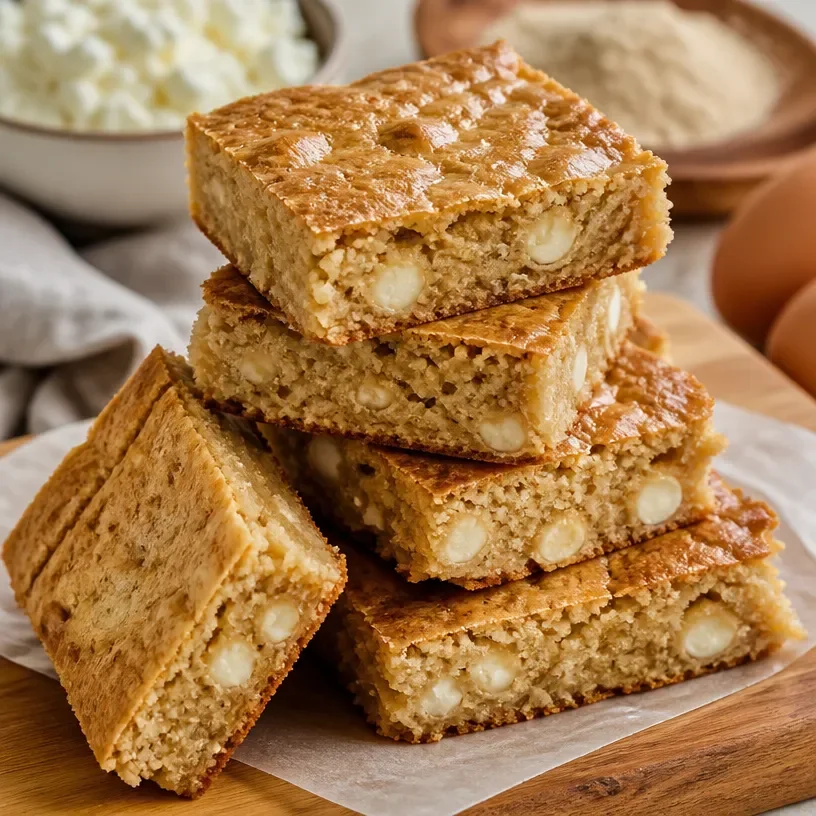
Protein Cottage Cheese Blondies: Simple High-Protein Snack
Protein Cottage Cheese Blondies: A Delightful Twist on a Classic Treat
Welcome to my cozy corner of the kitchen! I’m so excited to share one of my absolute favorite recipes with you today: Protein Cottage Cheese Blondies. Yes, you heard that right—blondies made with cottage cheese! Now, this may sound a bit unconventional, but trust me; these treats are not only delicious but also packed with protein and wholesome ingredients. They’re the perfect sweet bite when you want something satisfying without all the guilt.
When I first started exploring the kitchen as a young home cook, I had a bit of a sweet tooth. My mom used to whip up the most beautiful blondies, their golden edges crisp and their centers chewy and gooey. I can still smell the vanilla and brown sugar wafting through our home, drawing us to the kitchen like moths to a flame. One time, as a teenager, I took it upon myself to bake a batch for my friends, excited to recreate that magical experience. However, in my enthusiasm, I accidentally swapped salt for sugar! Let’s just say my friends were very polite and gracious, but the blondies didn’t quite make the cut!
Fast forward to today, and I’ve turned the tables on that sweet mishap by incorporating protein-packed cottage cheese into a new version of my cherished childhood treat. These blondies are incredibly moist, have a slight tang from the cottage cheese, and feature a wonderfully chewy texture. Plus, they’re so simple to make—perfect for whipping up whenever a craving strikes! So, let’s dive into this scrumptious recipe that will not only satisfy your sweet tooth but also provide a boost of nutrition.
Personal Story
I remember the first time I decided to incorporate cottage cheese into a dessert. My friend, an avid fitness fanatic, challenged me to experiment with healthier ingredients when I was brainstorming ideas for my baking. At first, I was skeptical—cottage cheese in a dessert? That didn’t sound right! But, in the spirit of adventure, I decided to give it a shot.
I was surprised at how well it worked! The blondies turned out moist and rich, with an unexpected but delightful flavor. In a way, it brought back that nostalgic joy of baking with my mom but with a modern, health-conscious twist. It became a hit in my circle of friends, and I loved watching their surprised faces as they took their first bite. It solidified my belief that there’s magic in the kitchen, especially when you’re willing to step outside your comfort zone.
Ingredients
Before we get cooking, let’s gather our ingredients. Here’s what you’ll need to make these scrumptious protein cottage cheese blondies:
-
1 cup cottage cheese
- This is the star of the show! It adds moisture and protein to your blondies. If you’re dairy-free, you can experiment with a silken tofu blend for a similar consistency.
-
1/2 cup almond butter (or your favorite nut butter)
- Almond butter brings a rich flavor and helps to bind the mixture. If you have a nut allergy, sunflower seed butter works beautifully.
-
1/2 cup brown sugar
- A classic for sweetening your blondies while lending caramel-like flavor. You can substitute with coconut sugar for a unrefined option.
-
1/4 cup honey or maple syrup
- For natural sweetness and moisture. You can reduce the amount depending on your sweetness preference.
-
2 large eggs
- Eggs add structure and richness. If you’re looking for an egg-free version, try using flax eggs (1 tablespoon of flaxseed meal mixed with 2.5 tablespoons of water per egg).
-
1 cup rolled oats
- Adds texture and chewiness. For a gluten-free version, ensure you use certified gluten-free oats.
-
1 teaspoon baking powder
- This gives the blondies the perfect lift. If you’re out of baking powder, you can use baking soda at a 1:1 ratio but adjust the acids in the recipe accordingly.
-
1 teaspoon vanilla extract
- Because who doesn’t love vanilla?! It elevates the flavor. You can use almond extract for a nutty twist.
-
1/2 cup chocolate chips (optional)
- Adds indulgent sweetness and richness. You can opt for dark chocolate chips or sugar-free chocolate chips for a healthier version.
Step-by-Step Instructions
Ready to get your bake on? Let’s make these delicious protein cottage cheese blondies together!
-
Preheat Your Oven
Preheat your oven to 350°F (175°C). This is crucial, as a properly heated oven ensures your blondies bake evenly. While you’re at it, line an 8×8-inch baking pan with parchment paper. This helps with easy removal post-baking and minimizes clean-up! -
Blend the Cottage Cheese
In a blender or food processor, combine the cottage cheese and almond butter. Blend until smooth and creamy. This step is essential as it helps incorporate the cottage cheese seamlessly into the batter. You want a velvety texture—no clumps allowed! -
Mix in the Sweeteners
Add in the brown sugar, honey (or maple syrup), and eggs. Blend until everything is well combined. Here’s a chef hack: Make sure your eggs are at room temperature for better emulsification into your batter. -
Combine Dry Ingredients
In a separate bowl, mix the rolled oats, baking powder, and vanilla extract. The dry ingredients need to be combined separately to ensure even distribution in the blondie batter. -
Combine Wet and Dry Ingredients
Pour the dry mixture into the wet mixture and fold gently using a spatula. You want to be gentle here; overmixing can lead to tough blondies. Just fold until there are no dry spots—it’s okay if there are a few lumps! -
Add Chocolate Chips
If you’re adding chocolate chips, fold them in now! I always reserve a few for sprinkling on top before baking. This way, they melt slightly and create a lovely rustic finish! -
Pour and Spread
Pour the batter into the prepared baking pan, spreading it evenly. Use a spatula to smooth out the top; this helps with even baking. -
Bake
Pop your blondies into the preheated oven and bake for 25-30 minutes or until the edges start to pull away from the sides and a toothpick inserted into the center comes out clean or with a few moist crumbs (not wet batter!). -
Cool and Cut
Let them cool in the pan for about 10 minutes, then transfer them to a wire rack to cool completely before cutting into squares. Cooling is critical here—impatience may lead to crumbly blondies, and we don’t want that!
Serving Suggestions
These protein cottage cheese blondies are fantastic on their own, but if you want to jazz them up a bit, consider serving them warm with a scoop of vanilla ice cream or a dollop of Greek yogurt on top. A drizzle of honey or a sprinkle of sea salt can elevate the flavors even more! You can also pair them with a cup of tea or coffee for a delightful afternoon snack—trust me, it’s heavenly!
Recipe Variations
The beauty of this blondie recipe is in its versatility! Here are some creative twists you can try:
-
Nutty Additions: Toss in some chopped walnuts or pecans for extra crunch and flavor.
-
Fruity Flavor: Add in some dried cranberries, blueberries, or chopped apples for a burst of sweetness and a pop of color.
-
Spiced Bliss: Mix in a teaspoon of cinnamon or pumpkin spice for a warm, spiced version perfect for autumn.
-
Peanut Butter Swirl: For an ultra-decadent treat, swirl in some peanut butter before baking for that classic PB and chocolate combo.
-
Chocolate Lovers Unite: Swap in brownie batter for all-night chocolate bliss by adding cocoa powder to the mixture!
Chef’s Notes
I’ll let you in on a little secret: I love to experiment in the kitchen! This recipe has evolved so much since I first tried it. I’ve swapped ingredients countless times and played with flavors—each iteration has taught me something new. One time, I accidentally added too much honey, and what could have been a disaster turned into a ridiculously gooey, delicious mess! Now, I often embrace the gooey consistency on purpose—no matter how they turn out, it’s always a tasty adventure!
FAQs and Troubleshooting
-
Why did my blondies come out dry?
If your blondies turned out dry, you might have overbaked them or used too much flour. Ensure you’re measuring accurately—using the spoon-and-level method is best for dry ingredients. -
Can I freeze these blondies?
Absolutely! Wrap them tightly in plastic wrap or store them in an airtight container for up to 3 months. When you’re ready to enjoy, simply thaw them at room temperature. -
Is there a vegan alternative for this recipe?
Yes! You can use a flax egg (1 tablespoon of flaxseed meal combined with 2.5 tablespoons of water per egg) and swap the honey for maple syrup for a delicious vegan version. -
What can I substitute for cottage cheese?
If you’re not a fan of cottage cheese, you can use Greek yogurt or silken tofu for a similar texture, though the flavor may vary slightly. Just remember that each replacement will alter the overall flavor a bit!
Nutritional Info
While I’m not a nutritionist, I can tell you these blondies are a healthier option compared to traditional treats. They’re packed with protein thanks to the cottage cheese and nut butter, and they utilize natural sweeteners. Enjoying these in moderation is a guilt-free way to satisfy your sweet cravings!
So there you have it—protein cottage cheese blondies that are both delicious and nutritious! I can’t wait for you to try this recipe in your own kitchen. Trust me, once you take that first bite, you’ll be transported to a cozy time filled with warmth and comfort. Happy baking, my friends!
Print
Protein Cottage Cheese Blondies
- Total Time: 45 minutes
- Yield: 16 servings 1x
- Diet: Vegetarian
Description
A delightful twist on classic blondies made with protein-packed cottage cheese for a healthier treat.
Ingredients
- 1 cup cottage cheese
- 1/2 cup almond butter (or your favorite nut butter)
- 1/2 cup brown sugar
- 1/4 cup honey or maple syrup
- 2 large eggs
- 1 cup rolled oats
- 1 teaspoon baking powder
- 1 teaspoon vanilla extract
- 1/2 cup chocolate chips (optional)
Instructions
- Preheat your oven to 350°F (175°C) and line an 8×8-inch baking pan with parchment paper.
- Blend the cottage cheese and almond butter in a blender until smooth.
- Mix in brown sugar, honey (or maple syrup), and eggs until well combined.
- Combine rolled oats, baking powder, and vanilla in a separate bowl.
- Pour the dry mixture into the wet mixture and fold gently with a spatula.
- Add the chocolate chips, if using, and fold in.
- Pour the batter into the prepared pan and spread evenly.
- Bake for 25-30 minutes or until edges pull away from sides and a toothpick comes out clean.
- Cool for 10 minutes before transferring to a wire rack to cool completely before cutting.
Notes
Serve warm with vanilla ice cream or Greek yogurt. These blondies can be frozen for up to 3 months.
- Prep Time: 15 minutes
- Cook Time: 30 minutes
- Category: Dessert
- Method: Baking
- Cuisine: American
Nutrition
- Serving Size: 1 serving
- Calories: 200
- Sugar: 10g
- Sodium: 120mg
- Fat: 10g
- Saturated Fat: 1g
- Unsaturated Fat: 9g
- Trans Fat: 0g
- Carbohydrates: 24g
- Fiber: 3g
- Protein: 6g
- Cholesterol: 30mg
Keywords: blondies, protein dessert, cottage cheese, healthy treats
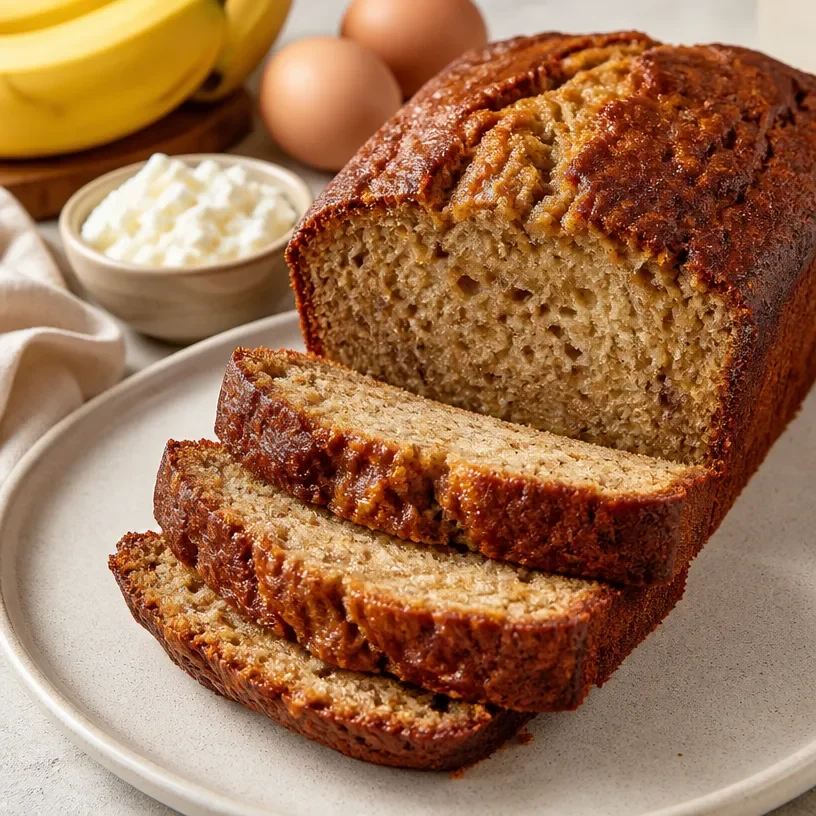
High-Protein Cottage Cheese Banana Bread (One-Bowl Recipe)
Protein Cottage Cheese Banana Bread: A Heartfelt Twist on a Classic Favorite
Welcome, fellow food lovers! I’m thrilled to have you here with me in my cozy kitchen where the sweet aroma of baked goods mingles with laughter and love. Today, I’m sharing a recipe that effortlessly blends nostalgia with nutrition: Protein Cottage Cheese Banana Bread. Now, I know what you might be thinking, “Cottage cheese in banana bread?” But trust me, this unique ingredient adds a moist texture and a protein boost that makes you feel fantastic, all while indulging in a slice of heaven.
Banana bread has a special place in my heart. It’s the quintessential comfort food that my mom used to whip up whenever our home was filled with overripe bananas. I can still picture her in the kitchen, her trusty wooden spoon in hand, energetically mixing the batter while I pretended to help (let’s be honest, I was mainly taste-testing!). The warm, sweet scent wafting through the house was pure magic, and the delight of enjoying that first slice fresh out of the oven was something truly special.
That’s the beauty of this protein-packed version of banana bread — it combines the traditional flavors we all adore with a healthier twist that fits seamlessly into today’s active lifestyles. You’ll get to enjoy the sweetness of ripe bananas, the richness of cottage cheese, and the warmth of cinnamon, all wrapped up in a delightful loaf that’s perfect for breakfast, snacks, or dessert. Join me as we embark on this delicious adventure together!
Personal Story
One treasured memory that comes to mind is a rainy Sunday afternoon spent baking with my best friend, Emily. We decided to tackle banana bread together, which was her favorite treat. As we mashed up the bananas, we laughed about our childhood baking mishaps and shared secrets about the best ways to sneak veggies into sweet treats. When we added cottage cheese to the batter, I remember Emily’s skeptical look. “Are you sure this will work?” she asked, raising an eyebrow. But oh, how those doubts turned into smiles when we pulled the loaf from the oven! Every bite was moist and delicious, proving that sometimes, the unexpected can lead to the best outcomes. It became a staple in our baking adventures, and I still think about that day every time I whip up this recipe.
Ingredients
Here’s what you’ll need to create this scrumptious Protein Cottage Cheese Banana Bread:
-
3 ripe bananas: The riper, the better! Look for bananas with lots of brown spots — they’re naturally sweeter and easier to mash. If you don’t have ripe bananas, you can speed up the ripening process by placing them in a paper bag for a day or two.
-
1 cup cottage cheese: This is the secret ingredient! It adds moisture, protein, and a lovely tang. If you’re not a fan of cottage cheese, Greek yogurt or ricotta cheese can serve as great substitutes.
-
2 eggs: They act as a binding agent. If you prefer a vegan version, you can replace each egg with 1/4 cup of unsweetened applesauce or a flaxseed egg (1 tablespoon ground flaxseed mixed with 2.5 tablespoons water).
-
1/4 cup honey or maple syrup: This will sweeten things up! Use honey for a classic flavor or maple syrup for a rich, earthy sweetness. To keep it sugar-free, consider using a sugar substitute like monk fruit sweetener.
-
1/2 teaspoon vanilla extract: A splash of vanilla enhances the overall flavor and adds warmth.
-
1 cup whole wheat flour: This gives your bread a nutritious boost and hearty texture. If you want a lighter loaf, feel free to use all-purpose flour, almond flour, or even gluten-free flour blends.
-
1 teaspoon baking powder: This will help your bread rise beautifully.
-
1/2 teaspoon baking soda: To give your bread that extra lift.
-
1/2 teaspoon ground cinnamon: Cinnamon adds warmth and depth of flavor. You can also experiment with nutmeg or pumpkin pie spice for a different twist.
-
Pinch of salt: Just a touch helps to enhance all the flavors in the bread.
Step-by-Step Instructions
Alright, let’s get our hands dirty and bring this delicious loaf to life!
-
Preheat the oven: Start by preheating your oven to 350°F (175°C). This is an essential step — you want your oven nice and warm to greet your batter as soon as it’s ready.
-
Mash the bananas: In a large mixing bowl, grab a fork or a potato masher and thoroughly mash those ripe bananas until they’re creamy. No lumps allowed! This is the foundation of your flavor, so take your time with this step. It’s kind of therapeutic, right?
-
Mix in the cottage cheese and eggs: Add the cup of cottage cheese and the 2 eggs to the mashed bananas. Whisk until everything is well combined. The cottage cheese will blend seamlessly into the batter, so don’t worry about it being lumpy. It’s going to taste amazing, trust me!
-
Sweeten the mixture: Pour in your honey or maple syrup and the vanilla extract. Stir until everything is just combined. This mixture will be your sweet, luscious base!
-
Combine dry ingredients: In a separate bowl, whisk together the flour, baking powder, baking soda, cinnamon, and salt. This is a crucial step because it ensures that the baking powder and baking soda are evenly distributed throughout the flour.
-
Merge the mixtures: Gradually add the dry mixture to the wet mixture, folding gently with a spatula. Be careful not to overmix! A few lumps are totally okay — we want a tender crumb, not rubbery bread.
-
Pour into a loaf pan: Grease a 9×5-inch loaf pan with cooking spray or line it with parchment paper. Pour the batter into the pan, spreading it evenly with your spatula.
-
Bake to perfection: Pop that beautiful loaf into the preheated oven. Bake for 50-60 minutes or until a toothpick inserted into the center comes out clean (a few crumbs are alright!). The house will smell absolutely divine during this time — it’s my favorite part!
-
Cool and slice: Once done, remove the loaf from the oven and let it cool in the pan for about 10 minutes. Then carefully transfer it to a wire rack to cool completely (or not; I’m all for stealing a warm slice straight from the pan!).
Serving Suggestions
When it’s finally time to enjoy your Protein Cottage Cheese Banana Bread, consider slicing thick pieces and serving them warm with a pat of butter or a drizzle of almond butter on top. You can also sprinkle a few chopped nuts, flaxseeds, or coconut flakes for added texture and flair. Or, serve it with a scoop of yogurt on the side for a delightful breakfast treat!
Recipe Variations
Feeling adventurous? Here are a few fun twists to try:
-
Nutty Banana Bread: Stir in 1/2 cup of chopped walnuts or pecans into the batter for a satisfying crunch.
-
Chocolate Chip Delight: Add 1/2 cup of dark chocolate chips to the batter for a touch of indulgence.
-
Fruit Fusion: Throw in a handful of blueberries, raspberries, or diced apples for a fruity variation.
-
Spiced Up: Experiment by adding a teaspoon of pumpkin pie spice alongside the cinnamon for a seasonal flair.
-
Chocolate Banana Bread: Swap 1/4 cup of the flour for unsweetened cocoa powder for a rich, chocolaty version.
Chef’s Notes
One of my fondest memories of this recipe was when I decided to bake a batch for a neighborhood gathering. I was so excited to share it with friends but almost forgot it in the oven! The smell wafting through the house was so mouth-watering that I had to remind myself that a little burnt wasn’t the end of the world. Fortunately, it turned out better than I expected, and everyone ended up loving it (even the slightly crispy edges!). It was a gentle reminder that cooking is about experimenting – even when mistakes happen, we can create something wonderful.
FAQs and Troubleshooting
1. My banana bread is too dense. What did I do wrong?
Overmixing can cause your bread to be dense. Make sure you only mix until just combined — it’s okay to have a few lumps!
2. Can I freeze this banana bread?
Absolutely! Once the banana bread is completely cooled, wrap it tightly in plastic wrap or aluminum foil. It can be frozen for up to three months. Just thaw it in the refrigerator overnight before enjoying!
3. What if I don’t have all the ingredients?
No problem! Substitute as needed, using options like Greek yogurt for cottage cheese or almond flour for whole wheat flour. Baking is about flexibility!
4. How do I know when my banana bread is done?
Insert a toothpick into the center of the loaf. If it comes out clean or with a few moist crumbs, it’s ready! If it’s wet, give it a few more minutes in the oven.
Nutritional Info
While specific nutritional values can vary based on exact ingredients and brands, this lovely loaf is generally packed with protein, fiber, and healthy fats when made with whole grains and natural sweeteners. It’s a nourishing snack or breakfast option that will fuel your day!
There you have it, lovely readers! Your chance to whip up this delightful Protein Cottage Cheese Banana Bread and fill your home with warmth and sweetness. I hope it brings as much joy to your kitchen as it has to mine. Happy baking!
Print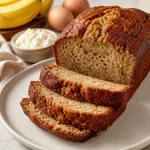
Protein Cottage Cheese Banana Bread
- Total Time: 75 minutes
- Yield: 8 servings 1x
- Diet: Vegetarian
Description
A nutritious twist on classic banana bread, packed with protein from cottage cheese and ripe bananas.
Ingredients
- 3 ripe bananas
- 1 cup cottage cheese
- 2 eggs
- 1/4 cup honey or maple syrup
- 1/2 teaspoon vanilla extract
- 1 cup whole wheat flour
- 1 teaspoon baking powder
- 1/2 teaspoon baking soda
- 1/2 teaspoon ground cinnamon
- Pinch of salt
Instructions
- Preheat the oven to 350°F (175°C).
- Mash the ripe bananas in a large mixing bowl until creamy.
- Mix in the cottage cheese and eggs, whisking until well combined.
- Sweeten the mixture with honey or maple syrup and vanilla extract.
- Combine the dry ingredients in a separate bowl and whisk together.
- Merge the dry mixture into the wet mixture, folding gently.
- Pour the batter into a greased 9×5-inch loaf pan.
- Bake for 50-60 minutes until a toothpick comes out clean.
- Cool in the pan for 10 minutes, then transfer to a wire rack.
Notes
Serve warm with butter or almond butter, and feel free to add nuts or chocolate chips for variations.
- Prep Time: 15 minutes
- Cook Time: 60 minutes
- Category: Snack
- Method: Baking
- Cuisine: American
Nutrition
- Serving Size: 1 slice
- Calories: 220
- Sugar: 12g
- Sodium: 250mg
- Fat: 5g
- Saturated Fat: 2g
- Unsaturated Fat: 3g
- Trans Fat: 0g
- Carbohydrates: 38g
- Fiber: 3g
- Protein: 8g
- Cholesterol: 70mg
Keywords: banana bread, protein bread, cottage cheese bread, healthy baking
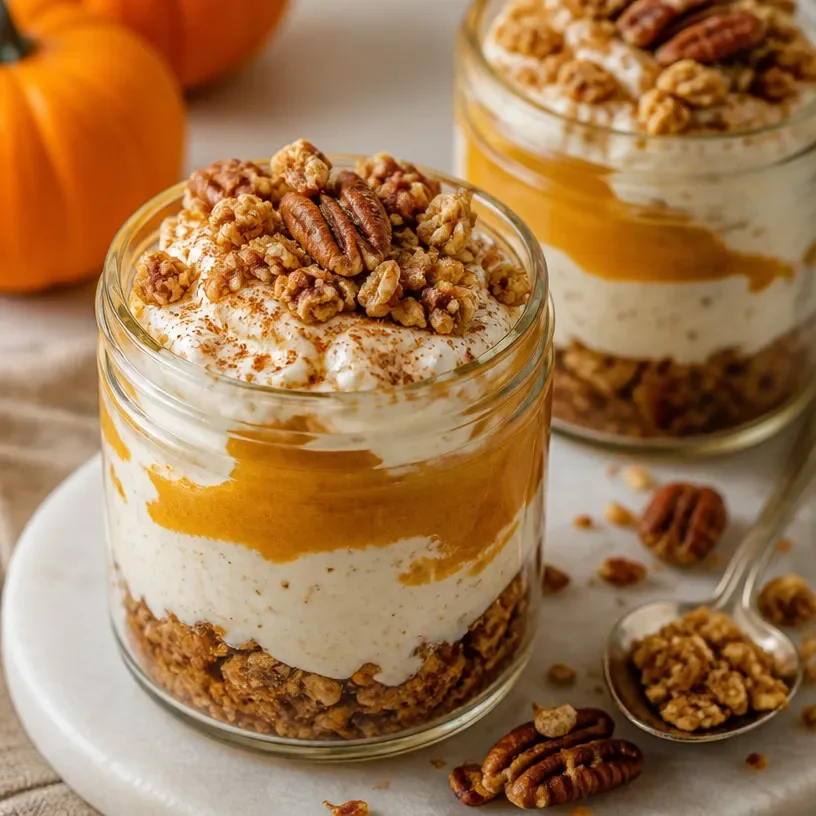
High-Protein Pumpkin Pie Jars for Easy Weeknight Meal Prep
Protein Pumpkin Pie Jar: The Cozy Dessert You Need in Your Life
Welcome to my kitchen! Today, we’re diving into a dessert that brings together the cozy fall flavors of pumpkin pie and the wholesome goodness of protein—all packed into a delightful jar! Whether you’re a fitness fanatic, a pumpkin pie lover, or just someone who enjoys a treat that feels both indulgent and nutritious, this Protein Pumpkin Pie Jar is for you.
Imagine this: the sun is setting, casting a golden hue over the kitchen, and the smell of warm spices fills the air. You take a moment to breathe it all in, feeling cozy in your favorite oversized sweater. This is the essence of fall, and my Protein Pumpkin Pie Jar captures all the cozy vibes beautifully. This recipe is not just about satisfying your sweet tooth; it’s about creating a moment, sharing with loved ones, and adding a playful twist to an age-old classic.
So, grab your mixing bowl and let’s get to work! This recipe is quick, simple, and incredibly rewarding. And remember, cooking is all about having fun and making memories, so let your spirit shine as we embark on this tasty adventure together.
A Slice of History
Growing up, my family celebrated fall with a pumpkin pie that was the centerpiece of our Thanksgiving dinner. I can still remember the excitement in the kitchen as my mom rolled out the flaky crust, and my siblings and I would sneak spoonfuls of the spiced pumpkin filling while she wasn’t looking. That first bite of warm pie, topped with a dollop of whipped cream, was nothing short of magic.
As I ventured into my culinary journey, I wanted to keep that nostalgia alive while giving it a fun twist. That’s how the idea for the Protein Pumpkin Pie Jar was born! Not only does it bring back those cherished memories, but it’s also a healthier option that allows me to indulge in pumpkin pie flavors without guilt.
Now, with every spoonful of this delicious jar, I’m reminded of family gatherings and the power of good food to bring us together, creating new memories along the way. Plus, it’s an enjoyable way to sneak in some protein—perfect for those who are active and on the go!
Ingredients
Here’s what you’ll need to create this deliciously cozy Protein Pumpkin Pie Jar:
-
Canned Pumpkin Puree:
- Use 100% pure pumpkin, not pumpkin pie filling, for better flavor control. It’s rich in vitamins and has a lovely creamy texture.
-
Protein Powder:
- Choose your favorite flavor—vanilla, chocolate, or even unflavored works wonders for this recipe! If you’re vegan, plant-based protein powders are also great alternatives.
-
Greek Yogurt:
- Substitute with dairy-free yogurt or cottage cheese for a similar creaminess and added protein boost.
-
Maple Syrup:
- This natural sweetener gives your pie jars the warmth of fall. You can swap it with honey, agave, or stevia; adjust the quantity based on your sweetness preference.
-
Pumpkin Pie Spice:
- A blend of cinnamon, nutmeg, ginger, and cloves. If you don’t have this, create your own mix or use cinnamon as a substitute.
-
Vanilla Extract:
- Always opt for pure vanilla extract over artificial flavoring for the best flavor and aroma.
-
Almond Milk:
- Unsweetened almond milk is a perfect binder. You can also use coconut milk, cashew milk, or regular dairy milk; adjust based on dietary needs.
-
Crushed Graham Crackers or Oats:
- For the crust layer, use crushed graham crackers for a traditional taste or oats for a healthier twist. Gluten-free options are available too!
Chef Insight:
Always taste along the way! Adjust the sweetness as needed since everyone’s palate is different.
Step-by-Step Instructions
-
Prepare your jars: Start by gathering your favorite glass jars or dessert cups. This is where the beauty of your protein pumpkin pie jars will be displayed, so choose something you love!
-
Mix the Filling: In a bowl, combine 1 cup of canned pumpkin puree, 1 scoop of protein powder, 1 cup of Greek yogurt, 2 tablespoons of maple syrup, 1 teaspoon of pumpkin pie spice, and a splash of vanilla extract. Stir everything together until smooth. Feel free to adjust the sweetness by adding more maple syrup or sweetener to taste.
Chef Tip: Tasting the mixture at this point will give you the chance to adjust flavors—make it as spiced and sweet as you like!
-
Add the Milk: If the mixture seems too thick, add a little almond milk (about 1–2 tablespoons) until you reach a desired creamy consistency. Fold in any extra spices if you wish!
-
Prepare the Crust: In a separate bowl, crush your graham crackers or oats. If using graham crackers, about ½ cup crushed should be good. Mix with a tablespoon of melted butter or coconut oil for added flavor.
Chef Hack: If you want to keep it lighter, skip the butter! Oats bind well on their own with a dash of almond milk mixed in.
-
Layer the Jars: Begin layering your jars! Start with a layer of the crust (about a tablespoon), followed by a generous layer of the pumpkin filling. Repeat the process, ending with filling on top. Make sure to leave space at the top if you want whipped cream or other toppings later.
-
Chill the Jars: Cover the jars and let them chill in the refrigerator for at least an hour. This step isn’t mandatory, but it helps the flavors meld and gets everything deliciously cold.
-
Serve: When you’re ready to dig in, top with whipped cream, a sprinkle of cinnamon, or even some toasted pecans or walnuts for that extra crunch.
Serving Suggestion: Get creative with how you present these jars! Layering them visually appealing can turn something simple into a show-stopping dessert.
Recipe Variations
-
Chocolate Pumpkin Pie Jar: Use chocolate protein powder and add a tablespoon of cocoa powder to the pumpkin mixture for a chocolatey twist!
-
Nutty Delight: Incorporate almond or peanut butter in the filling for a richer flavor and even more protein!
-
Spiced Up: Try adding a dash of cayenne pepper or more ginger to give your jars an unexpected kick!
-
Nut-Free Option: If you need to avoid nuts, simply skip the almond milk and use more Greek yogurt or a nut-free dairy option.
-
Vegan Delight: Swap Greek yogurt for a plant-based yogurt and use maple syrup or agave for sweetening. A vegan protein powder will keep it fully plant-based!
Chef’s Notes
This Protein Pumpkin Pie Jar has been a fun trial-and-error experience in my kitchen. The first time I made it, I got a bit overzealous with the spices and ended up with something that was more “one-note” than harmonious. It reminded me that balance is everything in cooking.
I now love to experiment with layers and textures, making each jar personal and unique to the taste of whoever I’m serving! And who doesn’t love a dessert you can prep ahead of time? It’s great for those busy weeks when you want something sweet at the end of the day but don’t have the energy to bake a full pie.
FAQs and Troubleshooting
-
Can I use fresh pumpkin instead of canned?
- Absolutely! Just make sure it’s well cooked and blended until smooth. Fresh pumpkin can be more watery, so you might want to adjust your almond milk accordingly.
-
What should I do if my mixture is too thick?
- Add a little more almond milk, one tablespoon at a time, until it reaches your desired creaminess.
-
How long do these keep?
- These jars can be stored in the fridge for up to 4–5 days. Just make sure to keep them sealed!
-
Can I freeze them?
- While freezing might alter the texture, you can freeze the filling in airtight containers and thaw before layering them in jars.
Nutritional Info
Each Protein Pumpkin Pie Jar contains approximately:
- Calories: 200
- Protein: 20g
- Carbs: 25g
- Fat: 5g
And there you have it! A cozy, healthy twist on the classic pumpkin pie that’s perfect for sharing or keeping all to yourself. I hope you enjoy making these Protein Pumpkin Pie Jars as much as I do. Cheers to warm flavors, lovely memories, and the joy of cooking! Grab a spoon and dig into those layers—you’ve earned it! 🍂🥧
Print
Protein Pumpkin Pie Jar
- Total Time: 1 hour 15 minutes
- Yield: 4 servings 1x
- Diet: Vegetarian
Description
A cozy dessert combining the flavors of pumpkin pie with protein goodness, packed in a delightful jar.
Ingredients
- 1 cup canned pumpkin puree
- 1 scoop protein powder (vanilla, chocolate, or unflavored)
- 1 cup Greek yogurt (or dairy-free yogurt)
- 2 tablespoons maple syrup (or honey/agave)
- 1 teaspoon pumpkin pie spice
- 1 teaspoon vanilla extract
- 1–2 tablespoons almond milk (unsweetened)
- ½ cup crushed graham crackers or oats
- 1 tablespoon melted butter or coconut oil (optional)
Instructions
- Prepare your jars: Gather your favorite glass jars or dessert cups.
- Mix the filling: In a bowl, combine pumpkin puree, protein powder, Greek yogurt, maple syrup, pumpkin pie spice, and vanilla extract. Stir until smooth.
- Add the milk: If thick, add almond milk until a creamy consistency is reached.
- Prepare the crust: Crush graham crackers or oats and mix with melted butter or almond milk.
- Layer the jars: Start with a layer of crust, followed by pumpkin filling. Repeat, finishing with filling on top.
- Chill the jars: Cover and refrigerate for at least 1 hour.
- Serve: Top with whipped cream, cinnamon, or nuts before enjoying.
Notes
Adjust sweetness and spices based on personal preference. Perfect for prepping ahead of time.
- Prep Time: 15 minutes
- Cook Time: 0 minutes
- Category: Dessert
- Method: No-Bake
- Cuisine: American
Nutrition
- Serving Size: 1 jar
- Calories: 200
- Sugar: 10g
- Sodium: 50mg
- Fat: 5g
- Saturated Fat: 2g
- Unsaturated Fat: 2g
- Trans Fat: 0g
- Carbohydrates: 25g
- Fiber: 3g
- Protein: 20g
- Cholesterol: 10mg
Keywords: pumpkin pie, protein dessert, healthy dessert, no-bake dessert, fall flavors
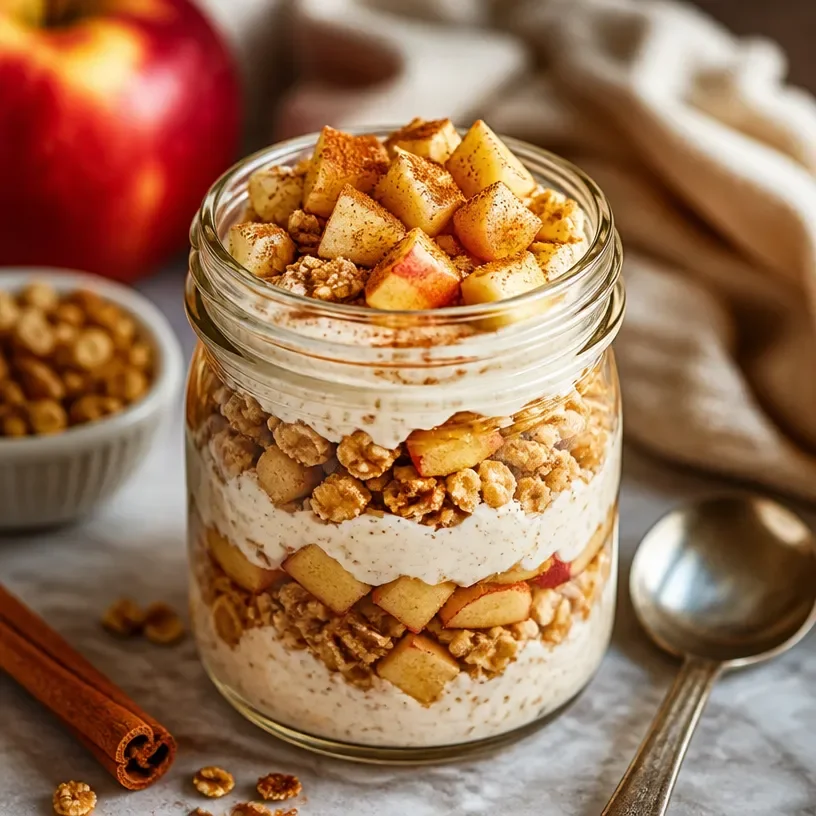
Protein Apple Pie Jar: 5-Minute No-Bake Snack (Meal Prep)
Protein Apple Pie Jar: A Cozy Delight in a Jar
Hey there, fellow food lovers! Welcome back to my cozy corner of the kitchen. Today, I’m thrilled to share a recipe that has the power to instantly evoke warm, happy memories while still supporting your healthy lifestyle. We’re diving into the delightful world of the Protein Apple Pie Jar!
Imagine this: you’ve just walked in from the crisp fall air, and the smell of freshly baked apples and warm spices fills your home. It’s a comforting aroma that wraps around you like a soft blanket. This recipe encapsulates that heartwarming experience and turns it into something fun and portable—perfect for on-the-go snacks or dessert.
This Protein Apple Pie Jar is not just a feast for the taste buds; it’s also loaded with nutrients and flavor. With each spoonful, you’ll savor layers of sweet, spiced apples, creamy protein-packed goodness, and a touch of that beloved pie crust crunch—without all the guilt that often comes with dessert. Plus, jarring up individual servings makes them a fabulous choice for meal prep and sharing!
In this post, I’ll take you through not just the how-tos but also the little moments and memories that make this recipe special. Grab your aprons, warm up those ovens, and let’s create something beautiful together!
Personal Story
This recipe takes me back to my childhood in the bustling kitchen of my grandmother’s house. Every autumn, she would gather us around her kitchen table, her trusty cast-iron skillet by her side, and together we would peel endless apples. I still remember how she would teach us to measure spices with the palm of her hand, insisting that a little extra cinnamon never hurt anyone.
It was during these cozy afternoons, with flour dusting the air and laughter ringing out, that my love for cooking truly blossomed. We would make pie after pie, and while they were all delicious, I always found myself going back to the apple pies. Yes, the glorious, gooey, sweet and spicy apple filling, all enveloped in flaky crust—what’s not to love?
Fast forward a few years, and while my days may not revolve around apple-picking any longer, the warm memories remain. This Protein Apple Pie Jar is inspired by those nostalgic moments, bringing a burst of nostalgia and comfort to modern health-conscious lifestyles. Plus, it’s just so darn cute!
Ingredients
Here’s what you need to make this fabulous Protein Apple Pie Jar:
-
Apples: (about 4, peeled and diced)
- Choose sweet, crisp apples, like Honeycrisp or Fuji, for the best flavor. If you’re looking for a tart twist, Granny Smith apples are a classic choice. You could also substitute with pears for a unique variation.
-
Oats: (1 cup)
- Rolled oats work beautifully for this recipe, offering texture and heartiness. Quick oats can substitute in a pinch, but I love the chewiness of rolled oats.
-
Protein powder: (1 cup, your choice)
- Vanilla or cinnamon-flavored protein powders blend well here, giving that dessert-like taste. You can also use vegan protein if you prefer plant-based options!
-
Cinnamon: (2 teaspoons)
- This essential spice not only brings warmth but also pairs perfectly with apples. Feel free to add nutmeg or allspice for an extra layer of flavor!
-
Nut butter: (1/2 cup)
- Almond, peanut, or cashew butter works great! If you’re looking for a nut-free alternative, sunflower seed butter is a fantastic replacement.
-
Honey or maple syrup: (1/4 cup)
- A natural sweetener to enhance the flavors without adding too much sugar. Adjust to taste; you can use less if you prefer a less sweet treat.
-
Greek yogurt: (1 1/2 cups, for layering)
- Look for plain, unsweetened yogurt that’s packed with protein. Non-dairy yogurts can substitute if you’re looking to keep things dairy-free.
-
Chopped nuts or granola: (for topping)
- Remember to top your jars with a sprinkle of your favorite nuts or granola for that crunchy pie-crust vibe.
Step-by-Step Instructions
Ready to make your Protein Apple Pie Jars? Let’s get started with these simple steps that guide you to cozy, delicious perfection!
Step 1: Prepping the Apples
Start by peeling, coring, and dicing your apples into small chunks. The smaller the pieces, the better they’ll soften and blend perfectly with the other ingredients. In a medium saucepan, toss the diced apples with 1 tablespoon of honey or maple syrup and 1 teaspoon of cinnamon.
Chef Tip: Cook the apples down over medium heat for about 5 to 7 minutes, stirring occasionally until they are tender and fragrant. The syrup will create a sweet sauce, so don’t forget to taste-test! You want just the right amount of sweetness.
Step 2: Making the Oat Mixture
In a mixing bowl, combine your oats, nut butter, remaining honey or maple syrup, and a pinch of salt. Stir this mixture until every oat is coated.
Chef Hack: If your nut butter is a little too thick (we all know that feeling), just pop it in the microwave for a few seconds until it softens up a bit. This makes mixing a breeze!
Step 3: Layering the Ingredients
Now it’s time to layer! Grab your favorite jar (or any glass container) and start by spooning in half of the apple mixture at the base. Next, take half of the oat mixture and press it down gently on top of the apples. Follow this with a generous layer of Greek yogurt.
Personal Note: I love making a few jars at once, so I have grab-and-go treats throughout the week. Don’t be afraid to get creative with your layers!
Step 4: Repeat Layers
Now, add the remaining apple mixture on top of the yogurt layer, followed by the rest of the oat mixture. Finish it off with another layer of Greek yogurt.
Chef’s Suggestion: This is the perfect moment to sneak in some chopped nuts or granola on top for that ultimate crunch factor!
Step 5: Chill and Enjoy
Pop your jars in the fridge for at least an hour (or overnight for the best flavor). When you’re ready to dig in, just grab a spoon and sink into those delicious layers. This is truly the best part—the moment of delight when you taste the sweet, spiced apples paired with creamy goodness!
Serving Suggestions
Serve your Protein Apple Pie Jars chilled, or warm them slightly in the microwave for a cozy touch. They make a fantastic breakfast, midday snack, or even a guilt-free dessert by delighting your guests with a twist on traditional apple pie!
Recipe Variations
- Spiced Pumpkin Twist: Swap out half of the apples for pumpkin puree and add pumpkin pie spice for a seasonal twist.
- Berry Apple Fusion: Mix in some fresh berries (blueberries or raspberries) with the apples for a burst of fruity flavor.
- Chocolate Delight: Stir in dark chocolate chips into your oat mixture for a decadent surprise.
- Tropical Apple Pie: Incorporate diced pineapple for a tropical flavor explosion—think apple-pineapple pie!
- Nut-Free Version: Use tahini instead of nut butter for those with nut allergies.
Chef’s Notes
Every time I make these Protein Apple Pie Jars, I can’t help but chuckle at a little mishap from one of my earlier baking adventures. I once cascaded a heaping pile of spices far too generously into the mix. The result? A spiced apple pie that could warm you up on the coldest winter day—much to my family’s amusement! Since that day, I’ve learned to measure twice and sprinkle once.
These jars have evolved over time, too, shifting from a no-protein recipe to a healthier staple in my kitchen. The wonderful thing about cooking is that each dish tells its own story, and I’m so happy to share mine with all of you!
FAQs and Troubleshooting
-
Can I make these jars in advance?
- Absolutely! They keep well in the fridge for up to 5 days. Just layer them and wait to add the toppings until serving.
-
What if my apples become mushy?
- Perfectly cooked apples should be soft yet retain a bit of texture. If they become mushy, consider using them for a quick apple sauce instead!
-
How can I make them dairy-free?
- Simply swap Greek yogurt for coconut yogurt or any plant-based alternative. The flavor will still be delicious!
-
What if I don’t have mason jars?
- Any glass containers or even recycled jars will do just fine—get crafty with what you have at home!
Nutritional Info
Each Protein Apple Pie Jar is packed with flavor and nourishment. While this may vary based on your ingredient choices, you can expect around 300-400 calories per serving. Plus, each jar has protein, fiber, and healthy fats—ideal for keeping you fueled and satisfied all day long!
There you have it—the recipe for my beloved Protein Apple Pie Jar! I hope this warms your heart and fills your kitchen with beautiful aromas. It’s not just about the food; it’s about the love, memories, and joy we share through every bite. Happy cooking, friends! 🍏❤️
Print
Protein Apple Pie Jar
- Total Time: 25 minutes
- Yield: 4 servings 1x
- Diet: High Protein
Description
A delightful twist on classic apple pie, this Protein Apple Pie Jar is sweet, spiced, and perfect for on-the-go snacking.
Ingredients
- 4 Apples, peeled and diced
- 1 cup Oats
- 1 cup Protein powder (your choice)
- 2 teaspoons Cinnamon
- 1/2 cup Nut butter (almond, peanut, or cashew)
- 1/4 cup Honey or maple syrup
- 1 1/2 cups Greek yogurt (for layering)
- Chopped nuts or granola (for topping)
Instructions
- Start by peeling, coring, and dicing your apples into small chunks. Toss the diced apples with honey or maple syrup and cinnamon in a medium saucepan. Cook over medium heat for about 5 to 7 minutes until tender.
- In a mixing bowl, combine your oats, nut butter, remaining honey or maple syrup, and a pinch of salt. Stir until every oat is coated.
- Grab your favorite jar and layer half of the apple mixture at the base, followed by half of the oat mixture and a generous layer of Greek yogurt.
- Add the remaining apple mixture on top of the yogurt layer, followed by the rest of the oat mixture. Finish with another layer of Greek yogurt.
- Pop your jars in the fridge for at least an hour (or overnight) before serving.
Notes
These jars keep well in the fridge for up to 5 days. Feel free to get creative with your layers!
- Prep Time: 15 minutes
- Cook Time: 10 minutes
- Category: Dessert
- Method: No-Bake
- Cuisine: American
Nutrition
- Serving Size: 1 jar
- Calories: 350
- Sugar: 12g
- Sodium: 200mg
- Fat: 15g
- Saturated Fat: 3g
- Unsaturated Fat: 10g
- Trans Fat: 0g
- Carbohydrates: 40g
- Fiber: 5g
- Protein: 15g
- Cholesterol: 10mg
Keywords: apple pie, protein, dessert, healthy snack, meal prep
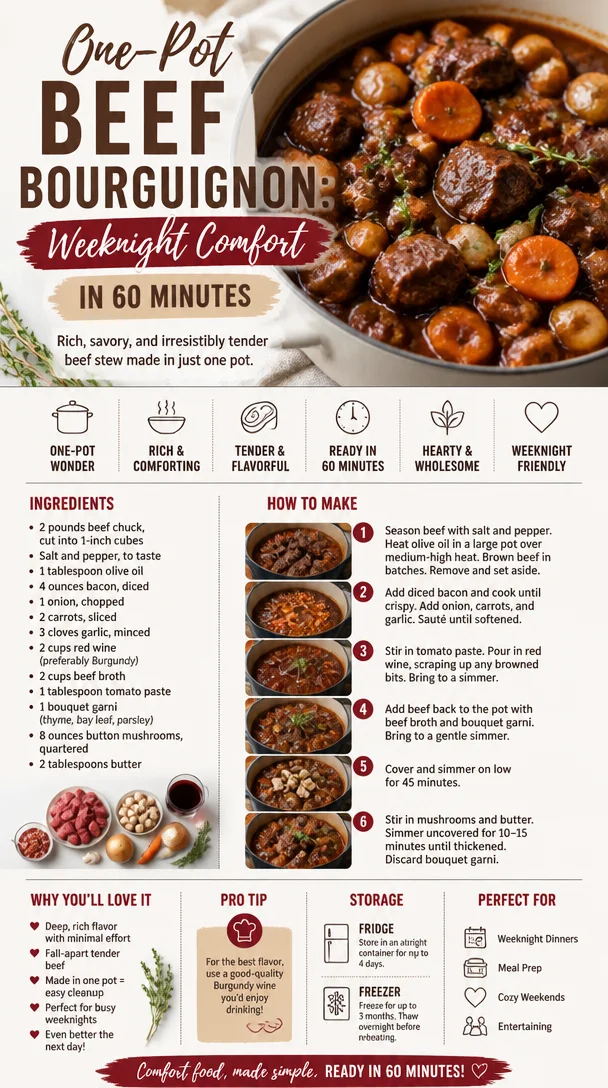
One-Pot Beef Bourguignon: Weeknight Comfort in 60 Minutes
The Ultimate Beef Bourguignon Recipe: A Cozy Culinary Classic
Welcome to my kitchen! I’m thrilled to share a recipe that warms not just the stomach, but the heart: Beef Bourguignon. This French classic is not just a dish; it’s a celebration of flavor, an embrace of comfort, and a nod to slow cooking at its finest. Nothing beats the aroma of tender beef simmering in a rich, red wine sauce, evoking memories of rustic French kitchens and hearty family gatherings. Whether you’re a seasoned chef or a curious beginner, I promise you that making Beef Bourguignon is more achievable than you might think. So grab your apron and let’s dive in!
The magic of Beef Bourguignon lies in its ability to turn simple, humble ingredients into an unforgettable feast. The blend of succulent beef, earthy mushrooms, sweet carrots, and aromatic herbs all coming together in a luscious sauce creates a symphony of flavors that dances on your palate. It’s a dish that brings people together—perfect for cozy dinners, holiday gatherings, or simply a weekend project that fills your kitchen with deliciousness.
As we embark on this culinary adventure, you’ll learn not only how to prepare this dish but also why it’s so special. You’ll hear stories, discover substitutions and variations, and get tips that even the pros use! So, get ready to create some kitchen magic.
A Cozy Memory of Beef Bourguignon
I have a vivid memory that dances in my mind every time I think of Beef Bourguignon. It was a chilly autumn evening, the kind that makes you crave something hearty and warm. My grandmother, an amazing home cook, had invited the whole family over. The kitchen was already filled with the tantalizing scent of beef braising away in red wine, garlic, and herbs.
As I watched her stir the pot, she shared stories of her own grandmother cooking in a tiny Parisian apartment, using whatever was fresh and in season. With each ingredient she added, she reminded me that cooking was not just about the food; it was about love, history, and tradition. I can still hear her gentle laughter mixing with the clinking of pots and the sizzling of onions sautéing away. That evening, we gathered around the table, plates piled high with beef bourguignon, toasted with warm, crusty bread, laughter spilling over just like the wine.
Those moments fueled my passion for cooking, and that’s what I hope to inspire in you too. Let’s create our own memories in the kitchen, one amazing recipe at a time!
Ingredients
Here’s what you’ll need to make this delicious Beef Bourguignon:
-
2-2.5 lbs beef chuck
A cut that benefits from slow cooking, resulting in tender, flavorful morsels. If you can’t find chuck, you can substitute with brisket or round. -
1 bottle (750 ml) red wine
A dry red wine like Pinot Noir or Cabernet Sauvignon works best. If you prefer to cook without alcohol, you can substitute with beef broth mixed with a splash of vinegar for acidity. -
4 cups beef broth
This will add depth to the sauce. Low-sodium broth allows you to control the salt in the dish. -
3 tablespoons vegetable oil
For searing the beef. Olive oil is a great substitute, but vegetable oil can withstand higher cooking temperatures. -
1 large onion, diced
Onions are the foundation of flavor in this dish. If you want a milder flavor, use shallots instead. -
2-3 cloves garlic, minced
Garlic adds a lovely aroma and depth. Fresh is best, but jarred garlic can be used in a pinch. -
4-6 strips of bacon, chopped
Bacon adds smokiness and richness. If you’re looking for a healthier option, turkey bacon can work, or omit it entirely for a lighter dish. -
4 large carrots, chopped
Sweet carrots balance the dish. For a twist, try parsnips or even bell peppers. -
8 ounces cremini mushrooms, halved
Earthy mushrooms soak up the savory sauce, enhancing the dish. Button mushrooms are a good alternative if cremini isn’t available. -
2 tablespoons flour
This thickens the sauce. For a gluten-free option, use a cornstarch slurry instead. -
2-3 sprigs fresh thyme
Thyme brings out the earthiness of the beef. Dried thyme can be used instead; just remember to adjust the amount, as it’s more concentrated. -
1-2 bay leaves
Bay leaves add a subtle aromatic flavor. Be sure to discard them before serving! -
Salt and pepper to taste
Seasoning is everything! Usher in the flavors by adjusting to your palate.
Step-by-Step Instructions
Now, let’s get our hands in the mix and whip up this fabulous Beef Bourguignon! Follow these steps for success in your kitchen:
-
Preparation: Start by patting the beef dry with paper towels and cutting it into 1.5-inch cubes. Dry beef browns better, so be sure not to skip this step! Season generously with salt and pepper.
-
Sear the beef: In a large Dutch oven or heavy pot, heat 2 tablespoons of vegetable oil over medium-high heat. Once the oil is hot, sear the beef in batches until browned on all sides (about 3-4 minutes per side). Remove beef and set aside. This step creates a flavorful crust!
-
Cook the bacon: In the same pot, add the chopped bacon and cook until crispy (about 5 minutes). The drippings will add a wonderful depth of flavor.
-
Sauté the aromatics: Add the chopped onions to the pot with any leftover fat from the bacon. Cook, stirring occasionally, until softened (about 5-7 minutes). Then toss in the garlic and cook for another minute until fragrant.
-
Build the sauce: Sprinkle flour over the onion mixture and stir for about 2 minutes, allowing the flour to cook a bit. This will help thicken your sauce. Gradually pour in the red wine while scraping up any browned bits from the bottom of the pot (this is where the flavor is!).
-
Add the rest: Return the beef to the pot, then add the beef broth, chopped carrots, mushrooms, thyme, bay leaves, and some more salt and pepper. Give it a good stir!
-
Simmer low and slow: Bring the mixture to a gentle boil. Once boiling, cover and reduce the heat, allowing it to simmer for about 2-3 hours. The longer it cooks, the more tender the beef becomes. Stir it occasionally and make sure it doesn’t stick.
-
Finishing touches: After a few hours, remove the lid and allow the sauce to reduce for about 30 minutes, until it thickens to your liking. Check for seasoning and adjust as necessary. Remove the bay leaves and thyme stems before serving.
Serving Suggestions
Beef Bourguignon is perfect when served over creamy mashed potatoes, buttery egg noodles, or even a hearty crusty baguette to soak up that delicious gravy. Garnish with fresh parsley for a pop of color and a hint of freshness. A glass of the same red wine you used in cooking pairs beautifully with this dish, making the meal cohesive and even more enjoyable!
Recipe Variations
- Vegetarian Twist: Try replacing beef with hearty mushrooms or jackfruit for a plant-based alternative that still delivers on flavor.
- Herbacious Addition: Add a splash of red wine vinegar at the end for an unexpected zing.
- Spicy Kick: Incorporate diced jalapeños or a splash of hot sauce for a spicy version!
- Different Wines: Experiment with different red wines, such as Merlot or Zinfandel, to discover new flavor profiles.
Chef’s Notes
The beauty of Beef Bourguignon is its versatility and ability to evolve. I remember experimenting with adding a splash of orange juice once, inspired by the winter season—and it was a delightful twist that brightened the flavors! Don’t be afraid to let your creativity flourish in the kitchen. Your version might just become a new family favorite!
Cooking can be messy, and let’s face it, life happens. I’ve spilled red wine more times than I care to admit! Embrace your kitchen mishaps—they often lead to happy accidents (and hilarious stories).
FAQs and Troubleshooting
Q: My sauce came out too thin. What can I do?
A: If your sauce isn’t thick enough, make a slurry with cornstarch and water, slowly add it while simmering until you reach your desired consistency.
Q: Can I make Beef Bourguignon in advance?
A: Absolutely! In fact, it tastes even better the next day after the flavors meld together. Just store it in an airtight container and reheat gently.
Q: What can I serve with Beef Bourguignon?
A: Aside from mashed potatoes or crusty bread, consider a fresh green salad or roasted vegetables to balance the richness of the dish.
Q: Can I freeze leftovers?
A: Yes! Beef Bourguignon freezes beautifully. Just allow it to cool completely, then transfer it to labeled freezer-safe containers. Reheat on low on the stovetop or in the microwave.
Nutritional Info
While pleases of comfort food can vary greatly, a standard serving of Beef Bourguignon typically contains approximately 500-600 calories. However, it’s rich in protein and delicious satisfaction!
There you have it – an invitation to create a dish that’s more than just a meal; it’s a connection to family, tradition, and those cozy moments in the kitchen. I can’t wait to hear your stories about making this Beef Bourguignon. Happy cooking!
Print
Beef Bourguignon
- Total Time: 195 minutes
- Yield: 6 servings 1x
- Diet: None
Description
A cozy culinary classic that combines tender beef, earthy mushrooms, and rich red wine sauce, perfect for hearty dinners and family gatherings.
Ingredients
- 2–2.5 lbs beef chuck
- 1 bottle (750 ml) dry red wine (e.g., Pinot Noir or Cabernet Sauvignon)
- 4 cups beef broth
- 3 tablespoons vegetable oil
- 1 large onion, diced
- 2–3 cloves garlic, minced
- 4–6 strips of bacon, chopped
- 4 large carrots, chopped
- 8 ounces cremini mushrooms, halved
- 2 tablespoons flour
- 2–3 sprigs fresh thyme
- 1–2 bay leaves
- Salt and pepper to taste
Instructions
- Preparation: Start by patting the beef dry with paper towels and cutting it into 1.5-inch cubes. Season generously with salt and pepper.
- Sear: In a large Dutch oven, heat 2 tablespoons of vegetable oil over medium-high heat. Sear the beef in batches until browned (about 3-4 minutes per side) and remove.
- Cook: In the same pot, add the chopped bacon and cook until crispy (about 5 minutes).
- Sauté: Add the onions to the pot and cook until softened (about 5-7 minutes). Then add the garlic and cook for another minute.
- Build: Sprinkle flour over the onion mixture and stir for about 2 minutes. Gradually pour in the red wine, scraping the browned bits from the bottom.
- Add: Return the beef to the pot with broth, carrots, mushrooms, thyme, bay leaves, and more salt and pepper. Stir well.
- Simmer: Bring to a gentle boil, then cover and reduce heat to simmer for 2-3 hours.
- Finishing: After 2-3 hours, remove the lid and let the sauce reduce for about 30 minutes. Adjust seasoning and remove bay leaves.
Notes
Beef Bourguignon tastes even better the next day. Can be frozen for later use.
- Prep Time: 15 minutes
- Cook Time: 180 minutes
- Category: Main Course
- Method: Braised
- Cuisine: French
Nutrition
- Serving Size: 1 serving
- Calories: 600
- Sugar: 6g
- Sodium: 700mg
- Fat: 25g
- Saturated Fat: 10g
- Unsaturated Fat: 10g
- Trans Fat: 0g
- Carbohydrates: 45g
- Fiber: 4g
- Protein: 40g
- Cholesterol: 90mg
Keywords: Beef Bourguignon, French cuisine, cozy dinner, comfort food
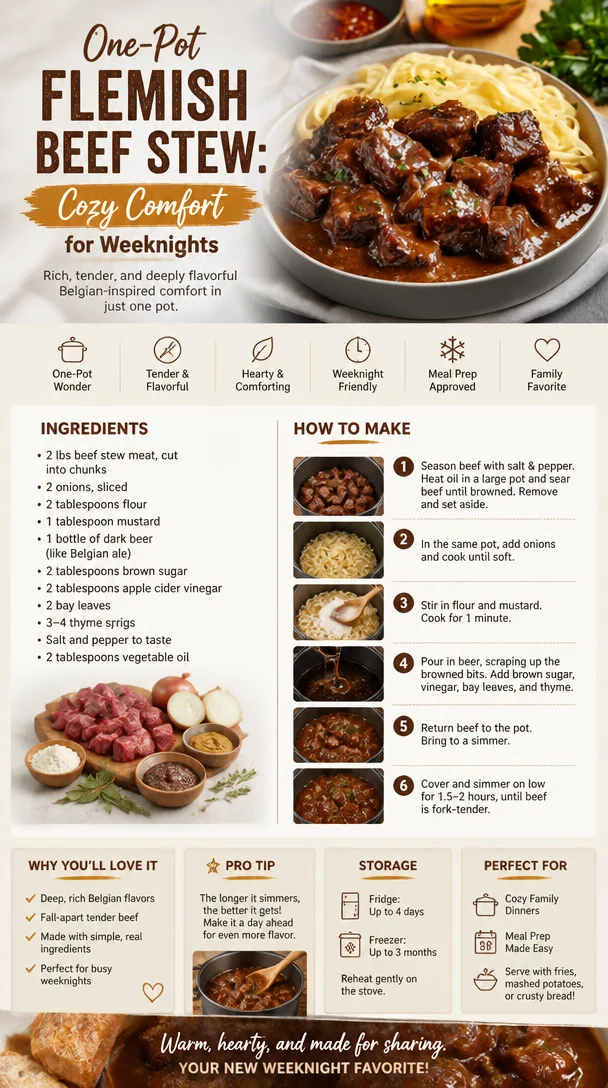
One-Pot Flemish Beef Stew: Cozy Comfort for Weeknights
La Carbonade Flamande: A Cozy Hug in a Bowl
Welcome to my kitchen, dear foodies! Today, we’re diving into the delectable world of La Carbonade Flamande, a classic Belgian beef stew that’s as rich in history as it is in flavor. Picture this: the fragrant aroma of tender beef simmering in a hearty sauce of onions, beer, and subtle spices wafts through the air, and you can’t help but smile. This dish is all about comfort and warmth—a true cozy hug in a bowl that beckons you to gather around the table with family and friends.
When I first tasted La Carbonade Flamande years ago during a chilly autumn trip to Belgium, I was instantly smitten. I remember walking into a quaint little bistro in Bruges, where the atmosphere was charmingly rustic, complete with flickering candlelight and the inviting scent of something delicious brooding away in the kitchen. I ordered the Carbonade Flamande out of curiosity, and as soon as I took that first bite, I felt a wave of warmth. It was a beautiful marriage of rich, savory, and slightly sweet flavors that danced on my palate! I knew in that moment that I had to recreate this comforting dish back at home.
The beauty of La Carbonade Flamande lies not just in its straightforward ingredients but in the love and patience that goes into making it. It’s a dish that tells a story, one that’s meant to be savored and shared. With this recipe, you don’t need to be a culinary wizard to bring this masterpiece to your dinner table; all you need is a little time, the right ingredients, and a sprinkle of enthusiasm. Let’s roll up our sleeves and get cooking!
Personal Story
I vividly recall the first time I attempted to make La Carbonade Flamande in my own kitchen. It was a rainy Sunday afternoon, and I was determined to bring a taste of Belgium to my little home in the suburbs. Armed with my favorite Dutch oven and a recipe I found online, I set out on this stewing adventure.
The scent of onions sizzling in butter filled my kitchen, and I couldn’t help but feel nostalgic, as it reminded me of the grand kitchen at my grandmother’s house. It felt like the universe was conspiring to create an atmosphere of warmth and joy. As the beef browned and the beer simmered, my kitchen transformed into a cozy haven. I invited some friends over, and together we dived into delightful conversation as the Carbonade Flamande braised to perfection. That day wasn’t just about food—it was about connection, laughter, and creating new memories together.
Now, let’s explore how to make this delightful dish right at home. You’ll be amazed at how simple it is to whip up such a masterpiece!
Ingredients
Here’s what you’ll need to create your own La Carbonade Flamande:
- 2 lbs beef chuck roast: Look for well-marbled meat for superior tenderness. If you can’t find chuck, brisket is a nice alternative.
- 2 large onions, thinly sliced: Sweet onions work beautifully, but you can use yellow onions if that’s what you have on hand.
- 3 cloves garlic, minced: Fresh garlic adds a lovely depth of flavor. If you’re in a pinch, garlic powder will work, too—just use about 1 teaspoon.
- 2 cups Belgian ale: A dark ale or a Dubbel works wonders, but any good-quality beer you enjoy drinking will do!
- 2 tablespoons brown sugar: This helps balance the bitterness of the beer. If you prefer, you can substitute honey.
- 2 tablespoons Dijon mustard: This traditional ingredient adds a delightful tang and depth; you can swap it for whole-grain mustard for a different texture.
- 1 teaspoon dried thyme: If fresh thyme is on hand, use about 1 tablespoon for a brighter flavor.
- 2 bay leaves: These add aromatic undertones; just remember to remove them before serving!
- Salt and pepper, to taste: Always essential! You can also experiment with smoked paprika for added depth.
- 2 tablespoons vegetable oil: For searing the beef. You could use olive oil for a richer flavor, but it has a lower smoke point, so keep an eye on it.
- Fresh parsley, for garnish (optional): Adds a pop of color and freshness. You can substitute with chives or thyme.
With these ingredients in your pantry, you’re well on your way to making La Carbonade Flamande that will have everyone asking for seconds!
Step-by-Step Instructions
Let’s get down to business! Here’s how to craft the perfect Carbonade Flamande:
-
Prep Your Ingredients: Start by gathering all your ingredients together. This makes the cooking process feel seamless and enjoyable. Always, always chop your onions and garlic first—onions tend to bring out the tears, so do yourself a favor!
-
Brown the Beef: Heat the vegetable oil in your Dutch oven over medium-high heat. Generously season the beef with salt and pepper. Once the oil is shimmering, add the beef to the pot in batches, making sure not to overcrowd it. Sear each piece until it develops a lovely brown crust on all sides—about 4–5 minutes per side. This caramelization is key; it adds deep flavor to the stew! Once browned, remove the beef from the pot and set it aside.
-
Sauté the Onions: In the same pot, add the sliced onions and a pinch of salt. Reduce the heat to medium and allow the onions to cook slowly until they are soft and golden brown—about 10-15 minutes. This process will enhance their sweetness and provide a fantastic base for the stew. Stir occasionally to avoid sticking.
-
Add Garlic and Deglaze: Once the onions have caramelized, add the minced garlic and sauté for an additional minute until fragrant. Then, pour in the Belgian ale. This is where the magic happens! Use a wooden spoon to scrape up any flavorful little bits stuck to the bottom of the pot—this is called deglazing and really enhances the dish.
-
Combine Ingredients: Add the browned beef back into the pot, along with the brown sugar, Dijon mustard, thyme, bay leaves, and additional salt and pepper to taste. Stir everything together, ensuring the beef is well-coated in that delightful mixture.
-
Simmer: Bring the stew to a gentle boil, then reduce the heat to low, cover with a lid, and let it simmer for about 2–2½ hours. The long, slow cook will tenderize the beef and blend the flavors beautifully!
-
Check and Adjust Seasoning: About 15-20 minutes before it’s done, taste and adjust any seasoning if needed. I often like to add a touch more mustard for extra zing if I’m feeling adventurous!
-
Serve: Once the beef is fork-tender and the sauce is thickened, it’s time to serve!
Serving Suggestions
La Carbonade Flamande is best served with hearty accompaniments that can soak up all that delicious sauce. Consider pairing it with creamy mashed potatoes, crusty bread, or even soft polenta. Don’t forget to sprinkle a bit of freshly chopped parsley on top for that lovely touch of green—after all, we eat with our eyes first!
Recipe Variations
Feeling adventurous? Here are some fun twists to switch things up a bit:
-
Vegetarian Option: Substitute the beef with hearty mushrooms (like portobello or cremini), and use vegetable broth instead of beer. A splash of balsamic vinegar helps to maintain that deep flavor.
-
Spicy Version: Add crushed red pepper flakes or diced jalapeños to the onions for a spicy kick; just be careful to balance the heat with some extra sugar!
-
Sweet and Savory: Toss in some carrots or parsnips for added sweetness and texture—just chop them up and add them alongside the beef.
-
Smoky Flavor: Try adding smoked sausage or pancetta for a delicious smoky element that pairs wonderfully with the stew’s richness.
-
Herb Infusion: Play with fresh herbs like rosemary or oregano for a fresh flavor twist. Just remember to adjust the amount as these herbs can be more potent.
Chef’s Notes
Over the years, I’ve put my own spin on this classic stew numerous times. One delightful evolution was when I decided to incorporate leftover Guinness from a gathering. By doing so, I discovered a hidden depth that made my Carbonade Flamande stand out at dinner parties! Each time, I cherish how this recipe welcomes experimentation and creativity in the kitchen.
A little kitchen tip: if you have any leftovers (which might be a challenge considering how irresistible this dish is), they get even better after a night in the fridge—just reheat and serve. Trust me, that next-day flavor is worth waiting for!
FAQs and Troubleshooting
1. Can I use a slow cooker for this recipe?
Absolutely! After browning your meat and sautéing the onions, simply add everything to your slow cooker. Cook it on low for 6–8 hours, and you’ll have a luscious stew waiting for you by dinner time!
2. What should I do if my sauce is too thin?
If you find the sauce is too thin, you can thicken it by mixing a tablespoon of cornstarch with a little cold water to create a slurry, and then stir it into the stew. Let it simmer for a few minutes until thickened.
3. Can I freeze La Carbonade Flamande?
Yes! This stew freezes beautifully. Allow it to cool completely, then transfer to airtight containers. It can last in the freezer for about 3 months. Just reheat on low, and it’ll taste fantastic!
4. Why does my dish taste bitter?
If you’re finding bitterness, it might be overcooked onions or beer that’s too bitter. Adjust with a bit more sugar or mustard to balance the flavors. Taste as you go, and remember, cooking is all about love and intuition!
Cooking La Carbonade Flamande may just become one of your new favorite kitchen adventures. As you savor each delicious bite, remember that the true essence of this dish goes beyond mere ingredients—it’s about putting your heart into every step and sharing that passion with others. Enjoy the cozy hug in a bowl and the journeys it creates! Happy cooking!
Print
La Carbonade Flamande
- Total Time: 165 minutes
- Yield: 6 servings 1x
- Diet: None
Description
A classic Belgian beef stew simmered in a hearty sauce of onions, beer, and spices, perfect for cozy gatherings.
Ingredients
- 2 lbs beef chuck roast
- 2 large onions, thinly sliced
- 3 cloves garlic, minced
- 2 cups Belgian ale
- 2 tablespoons brown sugar
- 2 tablespoons Dijon mustard
- 1 teaspoon dried thyme
- 2 bay leaves
- Salt and pepper, to taste
- 2 tablespoons vegetable oil
- Fresh parsley, for garnish (optional)
Instructions
- Prep Your Ingredients: Gather all your ingredients together, chop onions and garlic first.
- Brown the Beef: Heat oil in a Dutch oven, season beef, and sear until brown on all sides.
- Sauté the Onions: Cook sliced onions with a pinch of salt until soft and golden brown.
- Add Garlic and Deglaze: Stir in minced garlic and pour in the Belgian ale, scraping up bits from the pot.
- Combine Ingredients: Return beef to pot, add brown sugar, mustard, thyme, bay leaves, salt, and pepper.
- Simmer: Bring to a boil, then cover and let simmer for 120-150 minutes.
- Check and Adjust Seasoning: Taste and adjust seasoning with more mustard if desired.
- Serve: Enjoy once the beef is fork-tender and sauce thickened.
Notes
Serve with mashed potatoes, crusty bread, or soft polenta, and garnish with parsley.
- Prep Time: 15 minutes
- Cook Time: 150 minutes
- Category: Main Course
- Method: Braising
- Cuisine: Belgian
Nutrition
- Serving Size: 1 serving
- Calories: 460
- Sugar: 6g
- Sodium: 450mg
- Fat: 20g
- Saturated Fat: 7g
- Unsaturated Fat: 10g
- Trans Fat: 0g
- Carbohydrates: 36g
- Fiber: 2g
- Protein: 35g
- Cholesterol: 80mg
Keywords: beef stew, Belgian recipe, comfort food, cozy meal
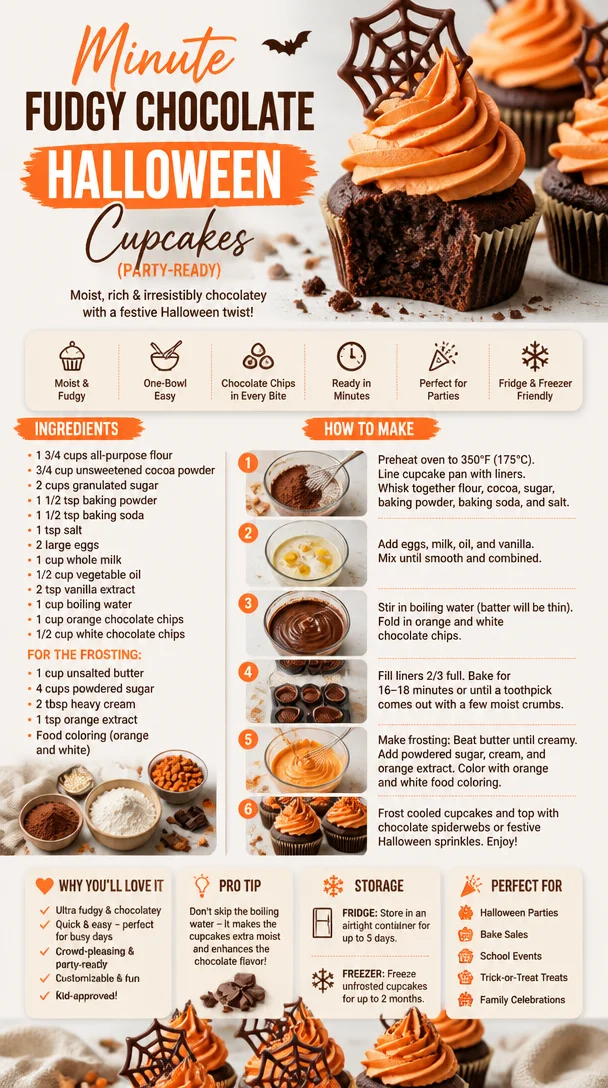
Minute Fudgy Chocolate Halloween Cupcakes (Party-Ready)
The Spooktacular Delight of Chocolate Halloween Cupcakes
Welcome back to my cozy kitchen! As the leaves turn that beautiful shade of amber and the air gets a hint of chill, I can’t help but get excited about one of my favorite holidays—Halloween! It’s a delightful time when we can embrace all things spooky, playful, and, of course, delicious. And what better way to celebrate than with a batch of rich, chocolate Halloween cupcakes? These little treats aren’t just tasty; they’re a canvas for creativity, allowing you to unleash your inner artist and celebrate the season in style.
Picture this: You smell the warm, comforting aroma of chocolate wafting through your home, pulling you into the kitchen like a friendly ghost. You grab your mixing bowl, toss in your ingredients, and dance to your favorite Halloween playlist while whisking it all together. Whether you’re whipping these up for a spooky soirée, a school bake sale, or just to indulge in some festive fun, these cupcakes are perfect for spreading joy and chills alike.
These cupcakes are wonderfully moist and decadent, offering a sumptuous chocolate flavor that’s totally irresistible. Topped with fluffy, orange-tinged frosting and adorned with eerie sprinkles, they not only taste heavenly but also look hauntingly adorable! So, let’s dive into this spooky culinary adventure together and make some memories—because nothing brings people together like a homemade treat (especially one filled with chocolate goodness!). Grab your apron, tie it on, and let’s get baking!
A Sweet Memory from My Childhood
As a young girl, Halloween was always a magical time in our household. I remember eagerly anticipating the moment when my mom would bring out her collection of spooky-themed recipes. The front of our kitchen would transform into a miniature bakery, and I’d often steal bites of cookie dough, doused in semi-sweet chocolate chips, as I helped her prepare for our neighborhood Halloween party.
One year, we decided to host a ‘witches and wizards’ theme, complete with flying broomsticks and floating ghosts hanging from the ceiling. My mom made her famous chocolate cupcakes and turned them into mummies with white frosting and chocolate chip eyes. It was a huge hit, and the joy on the kids’ faces as they devoured the treats is a memory I cherish to this day. That experience sparked my love for baking and the idea that food can ignite joy and connection. Now, every time I make chocolate cupcakes, I’m taken back to those thrilling Halloween nights, excited laughter, and treats that brought us all together.
Ingredients
To create these scrumptious chocolate Halloween cupcakes, you’re going to need the following ingredients:
-
1 cup all-purpose flour
A staple in most desserts! This gives the cupcakes their structure. You can substitute with gluten-free flour if needed. -
1 cup granulated sugar
This lends sweetness and helps the cupcakes rise beautifully. Feel free to use coconut sugar for a less refined option. -
1/2 cup unsweetened cocoa powder
The star of the show! Use the highest quality you can find for rich, chocolatey goodness. Dutch-processed cocoa gives a deeper flavor if you like. -
1 teaspoon baking powder
This helps your cupcakes rise and become fluffy. Ensure it’s fresh for the best results. -
1/2 teaspoon baking soda
Works in conjunction with the baking powder for a perfectly aerated cupcake. -
1/4 teaspoon salt
A pinch of salt enhances the sweetness and balances the chocolate flavor. -
2 large eggs
Eggs add moisture and richness. For a vegan version, try flaxseed eggs (1 tbsp ground flaxseed + 2.5 tbsp water = 1 egg). -
1/2 cup vegetable oil
Keeps the cupcakes moist and flavorful. Substitute with melted coconut oil or applesauce for a lighter version. -
1 teaspoon vanilla extract
Adds a delightful aroma and depth of flavor. Use pure vanilla for the best quality. -
1/2 cup milk
This helps to brighten the chocolate flavor. You can use almond milk or oat milk as a dairy-free alternative. -
1/4 cup boiling water
This may seem odd, but it intensifies the cocoa flavor and creates a moist texture. -
Orange food coloring (optional)
To give your frosting that festive Halloween hue! -
Sprinkles or decorations
Get creative with spooky sprinkles, edible eyes, or gummy worms to top your cupcakes and bring them to life (or death!).
Step-by-Step Instructions
Alright, let’s roll up those sleeves and get mixing! Follow these steps for baking your delectable Halloween cupcakes:
-
Preheat the Oven
First things first—preheat your oven to 350°F (175°C). This ensures your cupcakes bake evenly and rise perfectly. -
Line the Cupcake Tin
Prepare a 12-cup muffin tin by lining it with festive cupcake liners. I often go for orange and black to get into the Halloween spirit! -
Mix the Dry Ingredients
In a large mixing bowl, whisk together the flour, sugar, cocoa powder, baking powder, baking soda, and salt. This blending of dry ingredients ensures an even distribution of those flavors. -
Combine the Wet Ingredients
In a separate bowl, combine the eggs, vegetable oil, milk, and vanilla extract. Whisk them until nice and smooth. This is where you can add a drop or two of orange food coloring for a vibrant splash. -
Create the Batter
Gradually pour the wet mixture into the dry mixture and whisk until well combined. Careful not to overmix! A few lumps are okay—you want those cupcakes to be tender, not tough. -
Boiling Water Magic
Stir in the boiling water slowly. This may make your batter seem more runny, but trust me, it’s going to yield some moist, delectable cupcakes. -
Fill the Liners
Use a spoon or an ice cream scoop to fill each liner about two-thirds full. This helps to give them room to rise without overflowing. -
Bake Away!
Pop your cupcake tin into the preheated oven and bake for 18-20 minutes, or until a toothpick inserted in the center comes out clean. The smell will be incredible—prepare for the “ooohs” and “aaahs” from anyone within sniffing distance! -
Cool Down
Once baked, let the cupcakes cool in the tin for about 5 minutes before transferring them to a wire rack to cool completely. They need to be cool for frosting—otherwise, it’ll melt! -
Frost and Decorate
Now comes the fun part! Use a piping bag to swirl your favorite cupcake frosting on top (I suggest a classic buttercream dyed orange) and finish with spooky decorations. Get creative!
Serving Suggestions
When it comes to serving these delightful treats, presentation is key! Place your frosted Halloween cupcakes on a fun, themed platter—think spiderweb designs or pumpkin motifs. Add some additional decorations to your serving area, perhaps miniature pumpkins or spooky props, to really set the atmosphere. If you’re handing them out as treats, consider placing each cupcake in its own little clear cellophane bag, tied with a cute Halloween ribbon.
Recipe Variations
-
Pumpkin Chocolate Swirl: Add a layer of pumpkin purée to your batter for a delicious swirl and a touch of fall spice.
-
Minty Monster Cupcakes: Swap out the vanilla for peppermint extract in the frosting for a refreshing twist!
-
Spider Web Frosting: Use a piping bag to drizzle white frosting over the orange icing to create a spooky spider web design.
-
Nutty Crunch: Fold in some chopped walnuts or pecans into the batter for a crunchy texture throughout.
-
Gluten-Free Delight: Simply swap the all-purpose flour for a gluten-free blend, and you’re all set for those with gluten sensitivities!
Chef’s Notes
Making these chocolate Halloween cupcakes always feels like an adventure! They’ve evolved from a simple recipe I first learned to a canvas for creativity and seasonal delight. I’ve tried them with various toppings, from edible glitter to more advanced fondant decorations, and each iteration brings back those warm memories of baking in the kitchen with my mom. One of the funniest moments involved our family cat sneaking onto the counter and pawing at the frosting—yes, that didn’t end well! Remember to guard your creations from eager paws or curious hands!
FAQs and Troubleshooting
1. My cupcakes didn’t rise! What went wrong?
This could be due to using expired baking powder or baking soda. Always check the expiration dates—fresh leavening agents are essential for fluffy cupcakes!
2. Why are my cupcakes dry?
Overmixing the batter or baking them for too long can lead to dryness. Be gentle when mixing, and keep an eye on the timer!
3. How can I store leftovers?
Store any uneaten cupcakes in an airtight container at room temperature for up to 3 days. If you want to preserve them longer, freeze them without frosting and thaw when you’re ready to serve.
4. Can I make these ahead of time?
Absolutely! You can bake the cupcakes a day in advance. Just frost them the day of your event to keep the frosting fresh and fluffy.
With this easy-to-follow recipe, you’re ready to bake the most delightful chocolate Halloween cupcakes that will make everyone’s taste buds dance. So gather your ingredients, channel your inner culinary spirit, and let’s create something truly spooktacular together! Happy baking and enjoy every bite!
Print
Chocolate Halloween Cupcakes
- Total Time: 40 minutes
- Yield: 12 servings 1x
- Diet: Vegetarian
Description
Delightful and moist chocolate cupcakes topped with fluffy orange frosting, perfect for Halloween celebrations.
Ingredients
- 1 cup all-purpose flour
- 1 cup granulated sugar
- 1/2 cup unsweetened cocoa powder
- 1 teaspoon baking powder
- 1/2 teaspoon baking soda
- 1/4 teaspoon salt
- 2 large eggs
- 1/2 cup vegetable oil
- 1 teaspoon vanilla extract
- 1/2 cup milk
- 1/4 cup boiling water
- Orange food coloring (optional)
- Sprinkles or decorations
Instructions
- Preheat the oven to 350°F (175°C).
- Line a 12-cup muffin tin with festive cupcake liners.
- Mix the flour, sugar, cocoa powder, baking powder, baking soda, and salt in a large mixing bowl.
- Combine the eggs, vegetable oil, milk, and vanilla extract in a separate bowl.
- Create the batter by gradually pouring the wet mixture into the dry mixture and whisk until well combined.
- Stir in the boiling water slowly.
- Fill each liner about two-thirds full with batter.
- Bake for 18-20 minutes, or until a toothpick inserted in the center comes out clean.
- Cool in the tin for about 5 minutes before transferring to a wire rack to cool completely.
- Frost with your favorite cupcake frosting and decorate as desired.
Notes
Enjoy decorating your cupcakes with spooky sprinkles or themed decorations to enhance the Halloween spirit.
- Prep Time: 20 minutes
- Cook Time: 20 minutes
- Category: Dessert
- Method: Baking
- Cuisine: American
Nutrition
- Serving Size: 1 cupcake
- Calories: 280
- Sugar: 22g
- Sodium: 220mg
- Fat: 10g
- Saturated Fat: 1g
- Unsaturated Fat: 8g
- Trans Fat: 0g
- Carbohydrates: 42g
- Fiber: 2g
- Protein: 3g
- Cholesterol: 40mg
Keywords: Halloween, chocolate cupcakes, festive baking, dessert recipes, spooky decorations
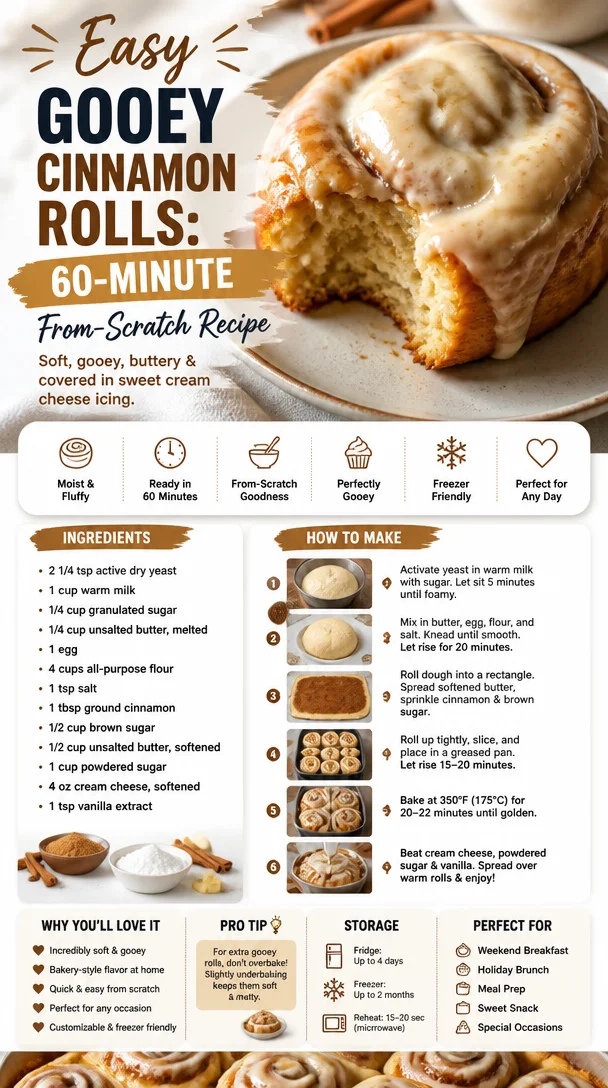
Easy Gooey Cinnamon Rolls: 60-Minute From-Scratch Recipe
Gooey Cinnamon Rolls: The Ultimate Comfort Food
Welcome back to my cozy kitchen! Today, we’re diving into a timeless treat that warms the heart and satisfies the soul—gooey cinnamon rolls! Oh, the smell of sweet cinnamon mingling with freshly baked dough is like a warm hug on a chilly morning. Whether you’re indulging on a lazy Sunday or celebrating a special occasion, these rolls are sure to bring cheer to your table.
There’s something so magical about homemade cinnamon rolls. They remind me of the countless weekends I spent in my grandmother’s kitchen. I can still hear her squeaking wooden chair as she whisked up the dough, her laughter filling the air as she told stories about her youth. The process was a team effort; I would be her little sous-chef, sprinkling cinnamon sugar on the dough with a seriousness only an eight-year-old can muster. We would wait together, peering into the oven, as the sweet aroma enveloped us, making our mouths water in anticipation.
These gooey little delights aren’t just food; they’re a celebration of love, warmth, and togetherness. So roll up your sleeves, put on your favorite apron (yes, the one splattered with flour, just like mine), and let’s get baking! Trust me; you’ll want to save this recipe—it’s guaranteed to become a family favorite.
Personal Story
One crisp autumn morning, with leaves falling outside and a light chill in the air, I decided to recreate my grandmother’s famous cinnamon rolls for our family breakfast. As I kneaded the dough, I felt her presence with me, guiding my hands. The recipe was almost tattooed onto my brain, but there was an element of magic that came with her storytelling and laughter.
As the rolls baked, I set the table and brewed a pot of coffee. The scent wafted through the house, coaxing my loved ones from their cozy corners. When the timer went off, revealing a pan of golden, puffed-up rolls, we all gathered around the kitchen island, eager to dig in. But before we could take a bite, I realized I needed to snap a picture—these gooey beauties took a lot of love to create!
With one bite, we were transported back to that old kitchen, and we shared stories that made us laugh and reminisce. Moments like these are why I love cooking. The joy of feeding those I love and sharing laughter over good food is truly the heart of every gathering.
Ingredients
Here’s what you’ll need for your gooey cinnamon rolls:
-
For the Dough:
- 4 cups all-purpose flour
Tip: For a lighter texture, you can substitute 1 cup of it with bread flour. - 1 packet (2 ¼ tsp) active dry yeast
Chef Insight: Always check the expiration date—active yeast is key to fluffy rolls! - ½ cup granulated sugar
Substitution: Use coconut sugar for a healthier option with caramel notes. - 1 cup whole milk (warm)
Tip: If you’re out of milk, almond or oat milk works too! - ⅓ cup unsalted butter (melted)
Make sure it’s melted but not hot to prevent killing the yeast! - 2 large eggs
Substitution: Ground flaxseed mixed with water (1 tbsp flaxseed + 2.5 tbsp water) makes a great vegan substitute! - 1 teaspoon salt
- 4 cups all-purpose flour
-
For the Filling:
- ¾ cup brown sugar (packed)
Tip: Light brown sugar works, but dark brown gives a richer flavor! - 2 tablespoons ground cinnamon
For a twist, try adding cardamom for an exotic hint! - ⅓ cup unsalted butter (softened)
Don’t melt the butter for spreading; it should be soft enough to spread easily!
- ¾ cup brown sugar (packed)
-
For the Cream Cheese Frosting:
- 4 oz cream cheese (softened)
Tip: For a dairy-free option, try using cashew cream! - ¼ cup unsalted butter (softened)
- 2 cups powdered sugar
For an extra hit of flavor, add a dash of vanilla extract! - 2 tablespoons milk (or plant-based milk)
Adjust the milk quantity for desired consistency!
- 4 oz cream cheese (softened)
Step-by-Step Instructions
Alright, it’s time to turn those ingredients into something truly scrumptious! Here’s how we do it:
-
Activate the Yeast:
- In a small bowl, combine the warm milk with the yeast and a pinch of sugar. Let it sit for about 5-10 minutes until it’s frothy and bubbly. This means your yeast is alive and ready to do its magic!
-
Mix the Dough:
- In a large mixing bowl, combine the flour, sugar, and salt. Create a well in the center, and pour in the melted butter, eggs, and the activated yeast mixture. Stir until a shaggy dough forms, then turn it out onto a floured surface.
-
Knead the Dough:
- Knead the dough for about 8-10 minutes until it’s smooth and elastic. This is a great arm workout, so feel free to take out any stress from the week! If the dough is sticky, sprinkle a little more flour as needed.
-
Let It Rise:
- Place the kneaded dough into a greased bowl, cover it with a kitchen towel, and let it rise in a warm spot (like your kitchen—thank you, oven) for about 1 to 1.5 hours, or until it doubles in size. Patience is key—you want that fluff!
-
Prepare the Filling:
- While the dough is rising, mix together the brown sugar, cinnamon, and softened butter in a medium bowl until well combined—it should resemble a spreadable paste. Set aside.
-
Roll Out the Dough:
- After the dough has risen, punch it down gently (no need to be rough!) and turn it out onto a floured surface. Roll it into a large rectangle about ¼ inch thick.
-
Spread the Filling:
- Evenly spread the cinnamon filling over the dough rectangle, leaving about a ½ inch border at the edges. This is where the goodies will ooze from!
-
Roll It Up:
- Starting from one long edge, roll the dough tightly into a log. Make sure it’s snug but not overly tight—your rolls need room to expand!
-
Cut the Rolls:
- Using a sharp knife or dental floss (yes, you read that right!), slice the log into 12-15 equal pieces, about 1.5 inches thick. Arrange them in a greased baking dish, cut side up, leaving a little space between each for rising.
-
Second Rise:
- Cover the dish with a towel and let the rolls rest for another 30-45 minutes until they’ve puffed up beautifully.
-
Preheat the Oven:
- About 15 minutes before the rolls are ready, preheat your oven to 350°F (175°C).
-
Bake:
- Once the rolls have risen, pop them into the oven and bake for 20-25 minutes until golden brown. If they’re browning too quickly, loosely cover with aluminum foil during the last few minutes.
-
Make the Frosting:
- While the rolls are baking, whip together the softened cream cheese and butter in a mixing bowl until light and fluffy. Gradually add the powdered sugar and mix until smooth, then add milk until you reach the desired consistency.
-
Frost and Serve:
- As soon as the rolls come out of the oven, generously slather them with the cream cheese frosting. Let the frosting melt into the nooks and crannies for maximum gooey goodness.
Serving Suggestions
Ready to serve those tantalizing gooey cinnamon rolls? Place them on a large plate or, for a rustic touch, a wooden board. Drizzle some extra frosting over the top, and sprinkle with chopped nuts or a dusting of powdered sugar for that perfect presentation. Pair them with a steaming cup of coffee or a glass of freshly squeezed orange juice. Your family and friends will be flocking to your kitchen in no time!
Recipe Variations
If you’re feeling adventurous, here are a few fun twists you can try with your cinnamon rolls:
- Nutty Add-In: Fold in some chopped walnuts or pecans for a delicious crunch.
- Fruit-Filled Rolls: Add sliced apples or pears with the cinnamon filling for a fruity surprise!
- Spicy Kick: Mix in a touch of cayenne pepper into the cinnamon filling for a sweet and spicy twist.
- Chocolate Drizzle: After frosting, drizzle some melted chocolate over the rolls for a decadent dessert.
- Pumpkin Spice: Swap some of the sugar for pumpkin puree and add pumpkin spice to the filling for a fall-themed treat!
Chef’s Notes
These gooey cinnamon rolls have been a staple in my kitchen for years, and they continue to evolve. I often play around with the spices, occasionally adding nutmeg or ginger for a seasonal twist. And let’s talk about the frosting—it’s the cherry on top! Some days, I skip the cream cheese for a simple glaze of powdered sugar and milk, while other days I indulge in extra frosting. That’s the beauty of this recipe; you can make it your own!
And let’s not forget those kitchen mishaps—one time, I mistook baking powder for baking soda and ended up with a flat, cookie-like mess! But even then, it turns into a funny story shared over cups of coffee and leftover rolls. Remember, cooking is as much about joy and creativity as it is about precision.
FAQs and Troubleshooting
-
Why are my rolls dense?
- If your rolls didn’t rise properly, it may be due to old yeast or not allowing enough time to rise. Always test your yeast before baking!
-
How do I make my rolls gooey?
- The key to gooeyness lies in the butter and sugar content. Make sure your filling is generous, and fresh out of the oven, slather on that cream cheese frosting!
-
How do I store leftover rolls?
- Store any leftover rolls in an airtight container at room temperature for up to 3 days. You can also freeze them for up to a month; just reheat in the oven for a cozy treat!
-
Can I make the dough ahead of time?
- Absolutely! You can prepare the dough and refrigerate it overnight. Just let it come to room temperature and rise before baking the next day.
Nutritional Info
Here’s a rough estimate per roll (without frosting):
- Calories: 280
- Protein: 4g
- Carbohydrates: 45g
- Fat: 10g
- Fiber: 1g
(Note: Nutrition can vary based on specific brands and measurements used)
Now that you have this deliciously cozy recipe in your hands, go ahead and spread the love—share your newly baked gooey cinnamon rolls with your family and friends. Enjoy the process, embrace the mess, and remember that the best moments happen around the kitchen table. Happy baking, my fellow foodies! 🍽️
Print
Gooey Cinnamon Rolls
- Total Time: 120 minutes
- Yield: 12 servings 1x
- Diet: Vegetarian
Description
Delicious and cozy gooey cinnamon rolls perfect for any occasion.
Ingredients
- 4 cups all-purpose flour
- 1 packet (2 ¼ tsp) active dry yeast
- ½ cup granulated sugar
- 1 cup whole milk (warm)
- ⅓ cup unsalted butter (melted)
- 2 large eggs
- 1 teaspoon salt
- ¾ cup brown sugar (packed)
- 2 tablespoons ground cinnamon
- ⅓ cup unsalted butter (softened)
- 4 oz cream cheese (softened)
- ¼ cup unsalted butter (softened)
- 2 cups powdered sugar
- 2 tablespoons milk (or plant-based milk)
Instructions
- Activate the yeast: In a small bowl, combine the warm milk with the yeast and a pinch of sugar. Let it sit for about 5-10 minutes until frothy.
- Mix the dough: In a large bowl, combine flour, sugar, and salt. Create a well, then add melted butter, eggs, and activated yeast mixture. Stir until shaggy dough forms.
- Knead the dough: Knead for about 8-10 minutes until smooth and elastic. Sprinkle flour if necessary.
- Let it rise: Place dough in a greased bowl, cover, and let it rise for about 1 to 1.5 hours until doubled in size.
- Prepare the filling: Mix brown sugar, cinnamon, and softened butter until well combined.
- Roll out the dough: Punch down the risen dough, turn it out onto a floured surface, and roll it into a large rectangle about ¼ inch thick.
- Spread the filling: Evenly spread the cinnamon filling over the dough, leaving a ½ inch border.
- Roll it up: Starting from one long edge, roll the dough tightly into a log.
- Cut the rolls: Slice the log into 12-15 equal pieces and arrange in a greased baking dish.
- Second rise: Cover and let the rolls rest for 30-45 minutes until puffed up.
- Preheat the oven: About 15 minutes before the rolls are ready, preheat oven to 350°F (175°C).
- Bake: Once risen, bake for 20-25 minutes until golden brown.
- Make the frosting: Whip together cream cheese and butter, then add powdered sugar and milk until desired consistency.
- Frost and serve: Generously slather the frosting on the rolls as soon as they come out of the oven.
Notes
For a healthier twist, consider using coconut sugar and substituting almond or oat milk for whole milk.
- Prep Time: 15 minutes
- Cook Time: 25 minutes
- Category: Dessert
- Method: Baking
- Cuisine: American
Nutrition
- Serving Size: 1 roll
- Calories: 280
- Sugar: 10g
- Sodium: 200mg
- Fat: 10g
- Saturated Fat: 4g
- Unsaturated Fat: 4g
- Trans Fat: 0g
- Carbohydrates: 45g
- Fiber: 1g
- Protein: 4g
- Cholesterol: 30mg
Keywords: cinnamon rolls, gooey cinnamon rolls, desserts, baking, comfort food
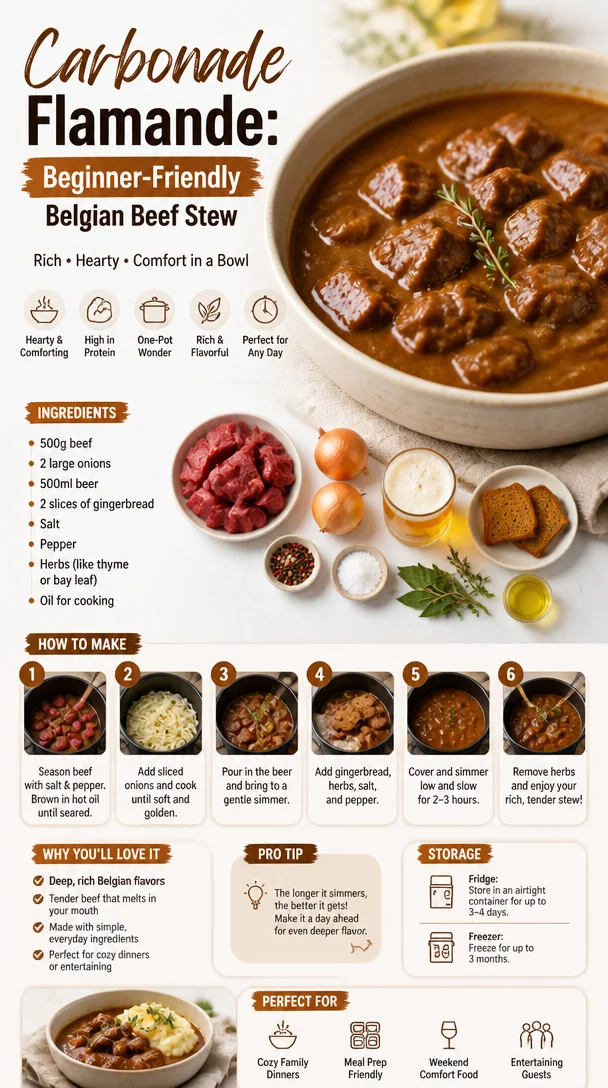
Carbonade Flamande: Beginner-Friendly Belgian Beef Stew
The Heartwarming Tradition of Carbonade Flamande: A Cozy Belgian Stew
Welcome, fellow food lovers! Today, we’re diving into the rich and comforting world of Belgian cuisine with a dish that warms the heart and soul: Carbonade Flamande, also known as Flemish beef stew. I can almost smell the aromatic blend of caramelized onions and robust beer wafting through the air — can you? This traditional stew is not just a meal; it’s a celebration of flavors that have been passed down through generations, perfect for chilly evenings or cozy gatherings.
A Taste of Nostalgia: My Carbonade Flamande Journey
Let me take you on a little stroll down memory lane. The first time I tasted Carbonade Flamande was during a family trip to Bruges. I was just a teenager, and our charming little hotel served it with such pride. As the rich, dark stew arrived at our table, I could hardly contain my excitement. The tender beef seemed to melt in my mouth, beautifully balanced by the slight sweetness of onions and the deep, malty flavor of the beer.
It was more than just a meal; it was an experience. Each bite told a story, each flavor intensified by the laughter and warmth of my family gathered around the table. We swapped stories, teased one another, and created memories that still bring a smile to my face. Ever since that trip, I’ve been on a quest to perfect my own version of this dish, bringing a taste of Belgium into my kitchen. It’s a recipe that not only nourishes the stomach but also the soul, making you feel right at home, no matter where you are.
Ingredients
To create this delightful Carbonade Flamande, you’ll need the following ingredients:
-
2 pounds beef chuck roast (or brisket)
- This cut is perfect for stewing as it’s both flavorful and tender when cooked low and slow. If you’re in a pinch, you can also use round steak or even beef short ribs for a deeper flavor.
-
2 tablespoons olive oil
- For sautéing that beautiful beef and onions. If you prefer, you can also use butter for a richer flavor.
-
3 large onions, sliced
- These bring sweetness and depth to your stew. Yellow onions are your best bet, but feel free to substitute with shallots or even red onions for a different taste.
-
3 cloves garlic, minced
- Garlic adds a punch of flavor. You can also use garlic powder in a pinch, but fresh is always best!
-
2 tablespoons brown sugar
- This is a secret ingredient that enhances the caramelization of the onions. If you’re watching your sugar intake, honey or maple syrup can be a fantastic substitute.
-
2 cups Belgian ale (or stout)
- The star of the dish! A dark beer complements the meat and adds a rich, malty flavor. If you don’t have beer, try beef broth with a splash of vinegar for acidity.
-
1 cup beef broth
- Additional moisture for the stew. Homemade broth is ideal, but store-bought works too.
-
2 tablespoons Dijon mustard
- For a subtle tang. If you’re out of Dijon, spicy brown mustard can do the trick!
-
2 bay leaves
- These add an aromatic depth to the stew. If you don’t have bay leaves, a sprig of fresh thyme can be an excellent alternative.
-
Salt and pepper to taste
- Essential for elevating all those flavors. Feel free to experiment with smoked salt for an extra kick.
Step-by-Step Instructions
Ready to get cooking? Let’s dive into making this comforting stew!
-
Prep the Beef: Start by cutting your beef into 2-inch cubes. Pat them dry with a paper towel — this helps achieve that beautiful brown crust. Season generously with salt and pepper. A well-seasoned beef is the backbone of this dish!
-
Sear the beef: In a large, heavy-bottomed pot (like a Dutch oven), heat the olive oil over medium-high heat. Add the beef in batches, ensuring not to crowd the pot. Brown all sides, which should take about 5-7 minutes. This caramelization is where the flavor magic happens, so don’t rush it!
-
Cook the onions: Once all the beef is browned, remove it from the pot and set it aside. In the same pot, add the sliced onions and a pinch of salt. Lower the heat to medium and stir often, letting the onions soften and caramelize — about 10-15 minutes. If they start to stick, you can deglaze the pan with a splash of beer!
-
Add garlic and sugar: When the onions are beautifully golden, add the minced garlic and brown sugar. Stir well, and let them cook for another 2-3 minutes until the garlic is fragrant and the sugar has dissolved. This is what makes the stew sweet and irresistible!
-
Deglaze the pot: Time to bring it all together! Pour in the Belgian ale, scraping up any brown bits stuck to the bottom of the pot. This adds even more flavor to your stew. Bring it to a simmer.
-
Return the beef: Add the seared beef back into the pot, along with the beef broth, Dijon mustard, bay leaves, and additional salt and pepper if needed. Return to a simmer, then cover and reduce the heat to low. Let it gently bubble away for about 2-3 hours. The longer, the better! Your house will smell incredible.
-
Taste and adjust: Once the beef is fork-tender, taste your stew and adjust any seasonings. Feel free to add more mustard or a sprinkle of fresh herbs for brightness.
-
Serve it up: Remove the bay leaves (they’ve done their job!) and let the stew rest for a few minutes. You can serve Carbonade Flamande over creamy mashed potatoes, egg noodles, or a simple side of crusty bread to soak up all that delicious sauce.
Serving Suggestions
When it’s finally time to serve your Carbonade Flamande, consider presenting it in rustic bowls for a cozy vibe. A sprinkle of freshly chopped parsley adds a delightful pop of color and freshness. For a complete meal, pair it with a side salad tossed in a light vinaigrette to balance out the richness of the stew. And don’t forget a hunk of crusty bread!
Recipe Variations
Now, let’s talk about some fun variations to keep things exciting:
-
Vegetarian Twist: Substitute the beef with hearty mushrooms and root vegetables like carrots and parsnips; use vegetable broth instead of beef broth.
-
Spicy Kick: Add a teaspoon of smoked paprika or a pinch of chili flakes for a delightful heat that contrasts the rich flavors.
-
Herb Infusion: Experiment by adding fresh thyme or rosemary during the cooking process for an aromatic twist.
-
Beer Swap: If you’re not a fan of beer, try a blend of apple cider and beef broth for a slightly sweet and tangy flavor.
-
Comforting Creaminess: Stir in a dollop of sour cream or crème fraîche just before serving for a luxurious finish.
Chef’s Notes
You know, Carbonade Flamande is a dish that gets better with time. I often make a double batch and freeze half for those busy weeks when cooking feels like a chore. I’ve also learned that every cook has their signature touch, and this stew is no exception. I’ve played around with different types of beers and found that each variation brings its own unique twist. It’s a comforting reminder that cooking is all about exploration — take your time and have fun with it!
Oh, and speaking of messes: the first time I made this, I spilled half of the beer on the counter. As frustrating as it was, it turned into a great kitchen laugh with my family – we still joke about it every time we enjoy the dish.
FAQs and Troubleshooting
Q1: Why is my stew tough?
A: If your beef isn’t tender, it’s likely not cooked long enough. Allow it to simmer longer and make sure you’re cooking it on low heat for a good 2-3 hours.
Q2: My stew is too salty! What can I do?
A: If you accidentally oversalt, try adding a peeled potato to the pot while it simmers. It will absorb some of the saltiness. Just remember to remove it before serving!
Q3: Can I make this in a slow cooker?
A: Absolutely! Follow the same steps for browning the beef and onions, then transfer everything to your slow cooker. Cook on low for 6-8 hours.
Q4: What’s the best way to store leftovers?
A: Store any leftovers in an airtight container in the fridge for up to 3 days. It can also be frozen for up to 3 months. Just remember to let it cool before freezing.
Nutritional Info
While I’m all about enjoying the flavors in a dish, here’s a rough breakdown of the nutritional info per serving (assuming a 6 serving yield), which you can adjust based on your ingredients:
- Calories: 450
- Protein: 30g
- Carbohydrates: 22g
- Fat: 25g
- Fiber: 1g
Wrapping It Up
And there you have it! A comforting bowl of Carbonade Flamande, perfect for sharing and bringing warmth to your table. Cooking is a journey, and I hope this recipe inspires you to create your own cozy memories in the kitchen. Remember, it’s not just about the food; it’s about the love and laughter that come with it. Happy cooking, and be sure to stop by again for more kitchen adventures!
Print
Carbonade Flamande
- Total Time: 150 minutes
- Yield: 6 servings 1x
- Diet: none
Description
A rich and comforting Belgian beef stew infused with caramelized onions and Belgian ale, perfect for chilly evenings.
Ingredients
- 2 pounds beef chuck roast (or brisket)
- 2 tablespoons olive oil
- 3 large onions, sliced
- 3 cloves garlic, minced
- 2 tablespoons brown sugar
- 2 cups Belgian ale (or stout)
- 1 cup beef broth
- 2 tablespoons Dijon mustard
- 2 bay leaves
- Salt and pepper to taste
Instructions
- Prep the Beef: Start by cutting your beef into 2-inch cubes. Pat them dry with a paper towel. Season generously with salt and pepper.
- Sear the beef: In a large pot, heat olive oil over medium-high heat. Add the beef in batches and brown all sides, about 5-7 minutes.
- Cook the onions: Remove the beef, add sliced onions and a pinch of salt to the pot. Lower the heat and stir often, caramelizing for 10-15 minutes.
- Add garlic and sugar: Stir in minced garlic and brown sugar. Cook for 2-3 minutes until garlic is fragrant and sugar dissolves.
- Deglaze the pot: Pour in the Belgian ale, scraping any brown bits. Bring to a simmer.
- Return the beef: Add the seared beef, beef broth, Dijon mustard, bay leaves, and more salt and pepper as needed. Simmer, cover, and reduce heat to low. Cook for 2-3 hours.
- Taste and adjust: Once beef is tender, taste and adjust any seasonings.
- Serve it up: Remove bay leaves. Serve Carbonade Flamande over mashed potatoes, egg noodles, or with crusty bread.
Notes
The stew gets better with time; make a double batch and freeze half for busy weeks. Feel free to experiment with different beers for unique flavors.
- Prep Time: 30 minutes
- Cook Time: 120 minutes
- Category: Main Course
- Method: Braising
- Cuisine: Belgian
Nutrition
- Serving Size: 1 serving
- Calories: 450
- Sugar: 7g
- Sodium: 800mg
- Fat: 25g
- Saturated Fat: 10g
- Unsaturated Fat: 15g
- Trans Fat: 0g
- Carbohydrates: 22g
- Fiber: 1g
- Protein: 30g
- Cholesterol: 90mg
Keywords: Belgian stew, comfort food, Carbonade Flamande, beef stew, hearty meal