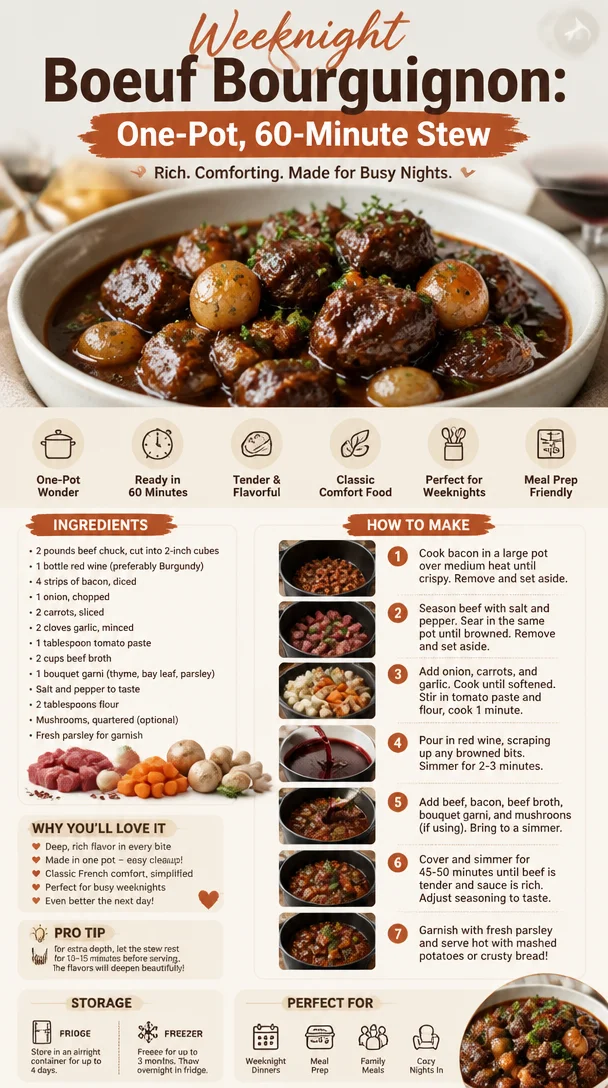
Weeknight Boeuf Bourguignon: One-Pot, 60-Minute Stew
Discovering the Soul of French Cooking: My Take on Boeuf Bourguignon
Welcome to the warm and inviting world of home cooking! I’m Olivia Bennett, your friendly neighborhood chef, always ready to roll up my sleeves and dive into the magic that happens in the kitchen. Today, we’re embracing the cozy charm of a classic French dish that’s sure to become a heartwarming staple in your culinary repertoire: Boeuf Bourguignon.
Ah, Boeuf Bourguignon! Just saying it stirs up dreams of rustic French bistros and nights spent around long tables filled with friends and laughter. This dish beautifully combines tender beef, rich red wine, and a medley of vegetables, resulting in a savory delight that warms the heart and soul. It’s the kind of recipe that begs to be shared, not just with your taste buds but also with people you care about. Whether you’re a cooking novice or a seasoned pro, I promise you can master this dish and impress your loved ones.
As we embark on this culinary journey, remember that cooking is about joy — about the aromas that dance around your kitchen and the little bits of happiness that emerge from simple ingredients. So, grab your apron, pour yourself a glass of that lovely red wine you’ll use for the stew (yes, you can sip while you stir!), and let’s get cooking!
A Taste of Nostalgia: My First Encounter with Boeuf Bourguignon
Years ago, I was a bright-eyed culinary student with much to learn and excitement bubbling under my skin. One chilly winter afternoon, I stepped into the bustling kitchen of a renowned culinary school in Paris for the first time. The air was thick with the scent of herbs and sautéing garlic, but it was the wafting aroma of Boeuf Bourguignon that truly captivated my senses.
Our instructor, Chef Pierre, a jovial man with a flair for storytelling, shared tales of how this dish had fed families through generations. He spoke of intimate gatherings around the family table, of laughter, and stories shared over a steaming pot of simmering beef. Under his watchful eye, I diced vegetables and marinated beef, each step infused with the warmth of tradition. By the end of the lesson, we sat down together to enjoy the fruits of our labor, and with each bite, I felt a connection to the heart of French cuisine.
That day wasn’t just about learning a recipe; it was about understanding the spirit of cooking as a form of love and connection. Now, every time I prepare Boeuf Bourguignon, I’m transported back to that cozy kitchen in Paris, surrounded by laughter and good food. I want to share that magic with you, so let’s gather our ingredients and get started!
Ingredients: What You’ll Need for the Perfect Boeuf Bourguignon
Here’s a handy list of ingredients you’ll need to bring your Boeuf Bourguignon to life. Each component plays a vital role in crafting the deep, savory flavors that make this dish so special.
-
2 pounds of beef chuck (or stew meat): The star of the show! Chuck is ideal for slow cooking due to its rich marbling, which makes for tender meat. If you prefer, you can substitute with brisket or round, but avoid lean cuts, as they won’t provide the same level of richness.
-
4 ounces of pancetta (or bacon): This adds a delightful smokiness and depth of flavor. If you’re looking for a leaner option, turkey bacon can work as a substitute, but it will alter the flavor a bit.
-
1 bottle (750 ml) of dry red wine: A must! Use a Burgundy (if you want to keep it traditional), but any good dry red wine will do. You can also use a non-alcoholic red wine or grape juice diluted with a bit of vinegar if you’re avoiding alcohol.
-
2 cups of beef stock (homemade, if possible): For the luscious sauce texture. Low-sodium store-bought broth works fine, but homemade stock will elevate your dish to heavenly levels.
-
2 tablespoons of tomato paste: This will deepen the sauce’s flavor. You can use ketchup in a pinch, but the sauce won’t have that rich undertone.
-
1 tablespoon of flour: For thickening the sauce slightly. If you’re gluten-free, substitute with cornstarch or a gluten-free flour blend.
-
3-4 cloves of garlic: Adds an aroma that will make your kitchen feel like a French bistro. Fresh is best; however, jarred minced garlic can work in a pinch.
-
1 large onion (yellow or pearl): Sweet and savory, onions build flavor. Shallots can be a great substitute for a more delicate taste.
-
4–5 carrots: For sweetness and color. Baby carrots can also work if you’re short on time.
-
8 ounces of button mushrooms (or your mushroom of choice): Earthy goodness! Cremini or shiitake mushrooms will add even more flavor.
-
Fresh or dried thyme: About 1–2 teaspoons. Fresh thyme elevates the dish, but dried works just fine too.
-
1-2 bay leaves: Essential for that herbal depth. Don’t include them when serving; remember to take them out!
-
Salt and pepper: Essential for seasoning! Always taste along the way and adjust according to your preference.
Now that we have our ingredients ready, let’s dive into the cooking process!
Step-by-Step Instructions: Crafting Your Boeuf Bourguignon
-
Prep Work: Start by trimming excess fat from the beef and cutting it into 1–2 inch cubes. Make sure to season the pieces liberally with salt and pepper. This step is crucial! Proper seasoning will enhance the flavors of the meat as it cooks.
-
Sear the Pancetta: In a large Dutch oven or heavy pot, cook the pancetta (or bacon) over medium heat until crispy, about 5–7 minutes. Remove the pancetta from the pot, leaving the lovely drippings behind; that’s liquid gold, my friend!
-
Brown the Beef: Add a bit of oil if the pot looks dry, then in batches, sear the beef until browned on all sides. Don’t crowd the pot; this will ensure you get a beautiful crust. Remove the beef and set it aside with the pancetta.
-
Sauté the Aromatics: In the same pot, throw in the diced onion, garlic, and carrots. Sauté for about 5 minutes until they soften, scraping up any brown bits from the bottom of the pot — that’s where the flavor lives!
-
Add the Flour: Sprinkle the flour over the vegetables and cook for another 2 minutes, stirring constantly. This will help thicken the sauce later; it’s one of those little kitchen hacks that make a big difference!
-
Deglaze with Wine: Pour in the red wine, making sure to scrape the bottom of the pot to incorporate those delicious browned bits. Allow the mixture to bubble and reduce for about 5–10 minutes.
-
Bring It All Together: Add the beef back into the pot along with the pancetta. Pour in the beef stock, tomato paste, thyme, and bay leaves. Stir well to combine; it’s starting to come together beautifully already!
-
Slow Cook: Bring the stew to a gentle simmer. Cover the pot and reduce the heat to low. Let it cook for 1.5 to 2 hours, stirring occasionally. The longer it simmers, the more flavor it develops, and the meat will become meltingly tender.
-
Mushroom Madness: About 30 minutes before serving, stir in the mushrooms. They’ll soak up all that savory goodness and contribute their earthy flavor.
-
Final Seasoning: Before serving, taste your stew and adjust the seasonings with more salt and pepper as needed. Remove the bay leaves; they’ve done their job!
Serving Suggestions: Plating Your Boeuf Bourguignon
Now comes the best part: plating! Serve your Boeuf Bourguignon in cozy bowls, allowing the rich color of the stew to shine. A sprinkle of fresh parsley on top adds a lovely pop of color and freshness. Pair it with creamy mashed potatoes, a crusty baguette, or egg noodles to soak up that delicious sauce. Your friends and family will be swooning, I promise!
Recipe Variations: Make It Your Own!
Let’s get creative! Here are a few fun twists on this classic dish:
-
Vegetable Twist: Swap out beef for hearty vegetables like mushrooms, eggplant, and zucchini for a delightful vegetarian take.
-
Spicy Kick: Add a touch of smoked paprika or a pinch of red pepper flakes for a mild heat that balances the rich flavors.
-
Herb Infusion: Add fresh rosemary or a few sprigs of fresh basil while it simmers for a fragrant variation.
-
Guinness Swap: Try using a dark stout beer instead of red wine for a rich flavor twist!
-
Slow Cooker Ease: You can make this recipe in a slow cooker! Just follow the steps for searing and sautéing, then transfer everything to the slow cooker and cook on low for 6–8 hours.
Chef’s Notes: The Evolution of My Boeuf Bourguignon
Every time I prepare this dish, I’m reminded of how cooking brings people together. Over the years, I’ve played with this recipe, making it my own, but the essence remains the same: comfort and warmth. There was one memorable dinner where my friends and I gathered, bottle after bottle of wine in hand, crafting our own “Boeuf Taste Test.” We tried a traditional version, then one with all sorts of wild twists. It was a night of culinary exploration, laughter, and a little bit of friendly competition.
Cooking is all about expressing love and sharing experiences, and while the recipe may evolve, the heart behind it never changes. So, when you make your Boeuf Bourguignon, put your own spin on it, add your favorite seasonings, and don’t be afraid to experiment a little!
FAQs and Troubleshooting: Your Cooking Questions Answered
-
Why is my beef tough?
Tough beef usually means it hasn’t cooked long enough. Make sure to simmer it for at least 1.5 to 2 hours on low heat to ensure maximum tenderness. -
Can I make it a day ahead?
Yes! In fact, Boeuf Bourguignon often tastes even better the next day after the flavors have had time to meld. Just reheat gently before serving. -
What if I don’t have red wine?
You can substitute with beef broth or a mix of grape juice and vinegar. While the flavor won’t be exactly the same, you can still achieve a delicious dish! -
How do I store leftovers?
Allow your Boeuf Bourguignon to cool completely before transferring it to an airtight container. Refrigerate for up to 3 days or freeze for longer storage.
Nutritional Info (Optional)
While I usually focus on the joy of cooking, let’s be mindful of nutrition too. A single serving of Boeuf Bourguignon (using the above ingredients) typically contains:
- Calories: Approx. 450
- Protein: 35g
- Fat: 25g
- Carbohydrates: 20g
- Fiber: 3g
(Keep in mind, this will vary based on specific ingredient choices and portion sizes!)
And there you have it! A delicious journey into the heart and soul of Boeuf Bourguignon. This dish is sure to fill your home with warmth and your heart with joy. So gather your loved ones around, savor the evening, and create memories that will last beyond just the meal. Happy cooking!
Print
Boeuf Bourguignon
- Total Time: 150 minutes
- Yield: 6 servings 1x
- Diet: Carnivore
Description
A heartwarming classic French dish combining tender beef, rich red wine, and a medley of vegetables.
Ingredients
- 2 pounds of beef chuck (or stew meat)
- 4 ounces of pancetta (or bacon)
- 1 bottle (750 ml) of dry red wine
- 2 cups of beef stock
- 2 tablespoons of tomato paste
- 1 tablespoon of flour
- 3–4 cloves of garlic
- 1 large onion (yellow or pearl)
- 4–5 carrots
- 8 ounces of button mushrooms
- 1–2 teaspoons of fresh or dried thyme
- 1–2 bay leaves
- Salt and pepper to taste
Instructions
- Prep work: Trim excess fat from the beef and cut it into 1–2 inch cubes. Season liberally with salt and pepper.
- Sear the pancetta in a large Dutch oven over medium heat until crispy, about 5–7 minutes. Remove and set aside.
- Brown the beef in batches until browned on all sides, then remove and set aside.
- Sauté the diced onion, garlic, and carrots for about 5 minutes until softened.
- Add the flour and cook for another 2 minutes, stirring constantly.
- Deglaze with red wine, scraping the bottom of the pot. Allow to bubble for 5–10 minutes.
- Bring everything together: Add the beef, pancetta, beef stock, tomato paste, thyme, and bay leaves.
- Slow cook for 1.5 to 2 hours on low heat.
- Add mushrooms about 30 minutes before serving.
- Final seasoning: Taste and adjust with salt and pepper as needed before serving.
Notes
This dish tastes even better the next day after the flavors have melded.
- Prep Time: 30 minutes
- Cook Time: 120 minutes
- Category: Main Course
- Method: Slow Cooking
- Cuisine: French
Nutrition
- Serving Size: 1 serving
- Calories: 450
- Sugar: 4g
- Sodium: 800mg
- Fat: 25g
- Saturated Fat: 8g
- Unsaturated Fat: 15g
- Trans Fat: 0g
- Carbohydrates: 20g
- Fiber: 3g
- Protein: 35g
- Cholesterol: 90mg
Keywords: Boeuf Bourguignon, French cooking, hearty stew, comfort food
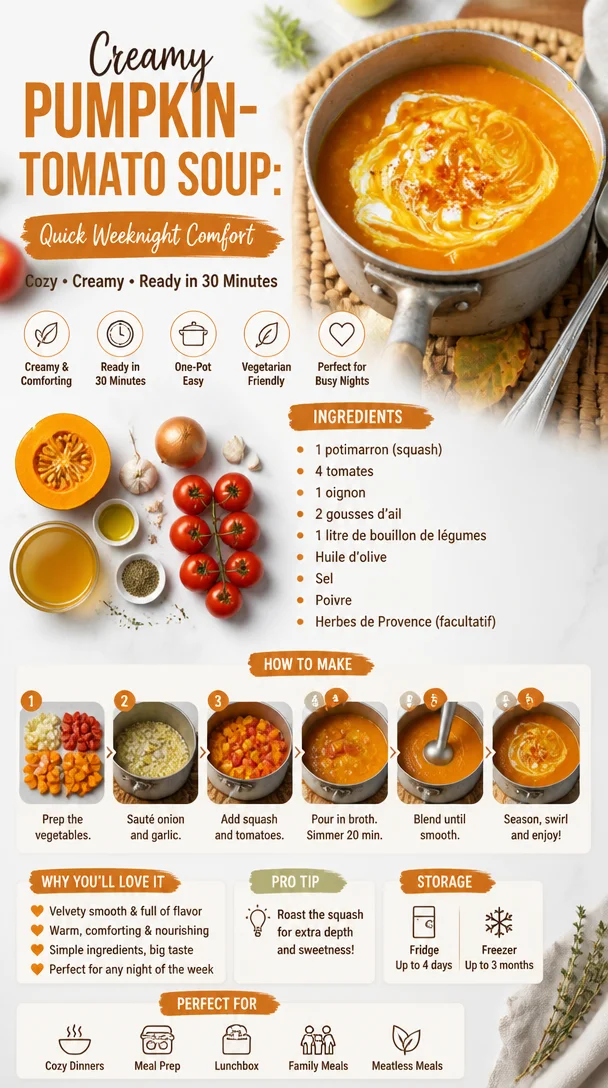
Creamy Pumpkin-Tomato Soup: Quick Weeknight Comfort
Soupe de Potimarron et Tomate: A Cozy Hug in a Bowl
Welcome to the delightful world of cozy cooking! If you’re anything like me, the cooler months bring a special joy who lovingly prepare warm bowls of goodness that not only fill our bellies but also our hearts. Today, I’m excited to share with you my favorite fall recipe — Soupe de Potimarron et Tomate (Pumpkin and Tomato Soup). This dish combines the earthy sweetness of potimarron (red kuri squash) with the vibrant acidity of ripe tomatoes, creating a symphony of flavors that’s perfect for a cozy evening at home or when you want to impress your friends at your next gathering.
Imagine walking into a kitchen filled with the intoxicating aroma of roasting squash, mingling with sautéed onions and garlic. Don’t you just love that feeling? This soup is not just food; it’s a warm embrace on a chilly day, a reminder to slow down and savor the simple joys of life. Plus, it’s one of those recipes that give you extra points for being both delicious and healthy — a win-win in my book!
In my culinary journey, I’ve come to appreciate the beauty of seasonal ingredients. Potimarron, with its beautiful orange color and tender flesh, is at its peak in the fall and winter. When combined with fresh tomatoes, it creates a soup that is rich, creamy, and oh-so-satisfying. So, grab your apron, and let’s get cooking!
A Soup That’s So Much More Than Just Ingredients
The first time I tasted Soupe de Potimarron et Tomate was on a crisp autumn afternoon. I remember it vividly; I was visiting my dear friend, Sophie, in the countryside. She had just harvested her first potimarrons from her garden and was eager to use them. I stood in her small, sunlit kitchen, watching her chop vegetables with her signature flair. As the soup simmered on the stove, the warm, inviting smell enveloped the entire house, and we settled in with bowls of this gorgeous orange creation.
Each spoonful was a burst of childhood nostalgia, igniting memories of family gatherings and cozy evenings spent huddled under blankets while savoring warm meals. Sophie shared her grandmother’s secrets while I jotted them down furiously — the good stuff! It was a simple yet profound moment, a reminder that good food creates bonds and that each recipe carries a little history. Now, this soup has become a staple in my kitchen, shared with friends and family alike, each time sparking conversation and laughter.
Ingredients
Here’s what you’ll need to whip up this delectable Soupe de Potimarron et Tomate. Each ingredient plays a vital role in creating that perfectly balanced flavor profile:
- 1 small potimarron (about 2-3 pounds): This sweet squash is the star of the show. Its flavor is rich with nutty undertones. If unavailable, butternut squash or pumpkin can work as substitutes.
- 4 medium tomatoes (fresh or canned): The acidity of tomatoes complements the sweetness of the potimarron beautifully. If you’re using canned, choose whole tomatoes for a fuller flavor.
- 1 large onion: The base of any good soup! Onions add depth and sweetness as they caramelize. Use shallots for a milder flavor or leeks for a subtle twist.
- 2 cloves garlic: Fresh garlic is a flavor powerhouse! If you’re not a fan, feel free to reduce it or use garlic powder in a pinch.
- 4 cups vegetable stock: This helps in achieving a velvety consistency. Homemade stock is ideal, but store-bought works just fine too. For a hearty kick, chicken stock is a flavorful alternative.
- 2 tablespoons olive oil: For sautéing and bringing out the flavors. Use avocado oil for a high-heat alternative.
- Salt and pepper to taste: Basic yet essential for enhancing flavors.
Voilà! With this rounded list of ingredients, you’re well on your way to creating a soul-warming soup.
Step-by-Step Instructions
Let’s dive right in! Here’s how to prepare your Soupe de Potimarron et Tomate.
-
Prep your ingredients:
Start by washing the potimarron thoroughly. Its skin is edible, so you needn’t peel it. Cut it in half and scoop out the seeds. Chop the squash into bite-sized chunks. Dice the onion, mince the garlic, and chop the tomatoes. If you’re using canned tomatoes, you can skip this step. -
Sauté the onions and garlic:
Heat your olive oil in a large pot over medium heat. Toss in the diced onion and cook until translucent, about 5-7 minutes. Stir frequently to avoid burning. When the onions are soft and starting to caramelize, add the minced garlic and sauté for another minute until fragrant.
Chef tip: The key to a rich flavor base is in cooking the onions low and slow. Patience pays off here! -
Add the potimarron:
Toss the chopped potimarron into the pot with the onions and garlic. Stir it around to coat it in the oil. Let it cook for about 5 minutes. This step allows the squash to start caramelizing, enhancing the overall flavor.
Little hack: Don’t overcrowd the pot! If you double this recipe, use a larger pot or cook in batches. -
Incorporate the tomatoes:
Once the squash is slightly softened, add in your tomatoes (fresh or canned) and give everything a good stir. Let it cook together for another 5 minutes.
Sneaky chef insight: If using canned tomatoes, don’t forget to include the juice. It’s packed with flavor! -
Pour in the stock:
Now, pour in the vegetable stock. Let it come to a gentle boil, then reduce the heat and simmer for about 20-25 minutes. This allows all those beautiful flavors to meld together.
Pro tip: Adjust the salt at this point too. You want to season gradually to keep things balanced. -
Blending time:
Once everything is tender, remove the pot from heat and allow it to cool slightly. Here’s the fun part! Use an immersion blender to puree the soup until it’s nice and creamy. If you don’t have an immersion blender, carefully transfer the soup in batches to a regular blender. Just be cautious of hot splashes!
Chef’s note: For a touch of decadence, you can reserve some of the chunks before blending and add them back in for texture. -
Finishing touch:
Taste your masterpiece! Adjust seasoning if needed. If you want a touch of creaminess, a splash of heavy cream or coconut milk can be added just before serving. Luxuriate in that creamy goodness!
Final thought: A sprinkle of fresh herbs (like basil or cilantro) just before serving can brighten up the flavors beautifully.
Serving Suggestions
Ladle your Soupe de Potimarron et Tomate into warm bowls. I love garnishing it with a dollop of crème fraîche or a swirl of olive oil for a touch of elegance. Serve it alongside crusty bread or homemade croutons — just imagine that crispy texture paired with the velvety soup. You could also sprinkle some toasted pumpkin seeds for an extra crunch!
Recipe Variations
While this soup recipe is already perfection, here are some creative twists to elevate it even further:
- Spicy Kick: Add a pinch of red pepper flakes during the sautéing process for a warm, spicy undertone.
- Herby Delight: Toss in some fresh thyme or sage as it simmers for a wonderful herbal aroma.
- Creamy Version: Blend in some coconut milk for an exotic twist and a slight sweetness.
- Cheesy Goodness: Stir in a scoop of grated Parmesan cheese right before serving for a savory depth.
- Nutty Finish: Drizzle with toasted sesame oil for an unexpected nutty flavor that compliments the sweetness of the squash.
Chef’s Notes
This soup has been a labor of love in my kitchen and has evolved over the years. Initially, I followed a strict recipe, but over time, I learned to adapt and make it my own based on what I had on hand. One memorable experiment involved adding a splash of balsamic vinegar to the mix, resulting in an unexpected twist that I loved!
Funny enough, during one of my cooking sessions, I accidentally dropped my immersion blender into the pot (yikes!). Thankfully, it was just a minor hiccup, and I salvaged it. It’s moments like those that remind me to embrace the chaos in the kitchen!
FAQs and Troubleshooting
-
What if my soup is too thick?
No worries! If the soup turns out thicker than you’d like, simply stir in more vegetable stock or water until you reach your desired consistency. -
How can I store leftovers?
This soup keeps well in the refrigerator for up to 3 days. Make sure to let it cool completely before transferring to airtight containers. It also freezes beautifully for up to 3 months — just thaw and reheat when you’re ready for a cozy bowl! -
Can I make this vegan?
Absolutely! Just ensure that any added cream or cheese is plant-based and check your vegetable stock to confirm it’s vegan-friendly. -
Why does my soup taste bland?
Always taste as you go! If your soup lacks flavor, a little more salt or a touch of acid (like lemon juice) can brighten it up.
Nutritional Info (approx. per serving)
- Calories: 180
- Protein: 3g
- Fat: 7g
- Carbohydrates: 28g
- Fiber: 5g
Enjoy this beautiful bowl of Soupe de Potimarron et Tomate! I hope it brings as much warmth and joy to your kitchen as it has to mine. Happy cooking, my fellow foodies!
Print
Soupe de Potimarron et Tomate
- Total Time: 45 minutes
- Yield: 4 servings 1x
- Diet: Vegetarian
Description
A delicious pumpkin and tomato soup, combining earthy sweetness with vibrant acidity, perfect for cozy evenings.
Ingredients
- 1 small potimarron (about 2–3 pounds)
- 4 medium tomatoes (fresh or canned)
- 1 large onion
- 2 cloves garlic
- 4 cups vegetable stock
- 2 tablespoons olive oil
- Salt and pepper to taste
Instructions
- Prep your ingredients: Wash the potimarron, cut it in half, scoop out the seeds, and chop it into chunks. Dice the onion, mince the garlic, and chop the tomatoes.
- Sauté the onions and garlic: Heat olive oil in a large pot, add diced onion and cook until translucent. Add minced garlic and sauté for another minute.
- Add the potimarron: Toss in the chopped potimarron, stir to coat in oil, and let cook for about 5 minutes.
- Incorporate the tomatoes: Add fresh or canned tomatoes to the pot and stir. Cook for another 5 minutes.
- Pour in the stock: Add vegetable stock and let it boil, then reduce heat and simmer for 20-25 minutes.
- Blend the soup: Allow to cool slightly and use an immersion blender to puree until creamy.
- Finishing touch: Adjust seasoning and for creaminess, add a splash of cream or coconut milk before serving.
Notes
For added flavor, garnish with fresh herbs or a swirl of olive oil. This soup can also be made vegan by using plant-based cream.
- Prep Time: 15 minutes
- Cook Time: 30 minutes
- Category: Soup
- Method: Cooking
- Cuisine: French
Nutrition
- Serving Size: 1 serving
- Calories: 180
- Sugar: 5g
- Sodium: 400mg
- Fat: 7g
- Saturated Fat: 1g
- Unsaturated Fat: 6g
- Trans Fat: 0g
- Carbohydrates: 28g
- Fiber: 5g
- Protein: 3g
- Cholesterol: 0mg
Keywords: pumpkin soup, tomato soup, fall recipe, cozy cooking, vegetarian soup
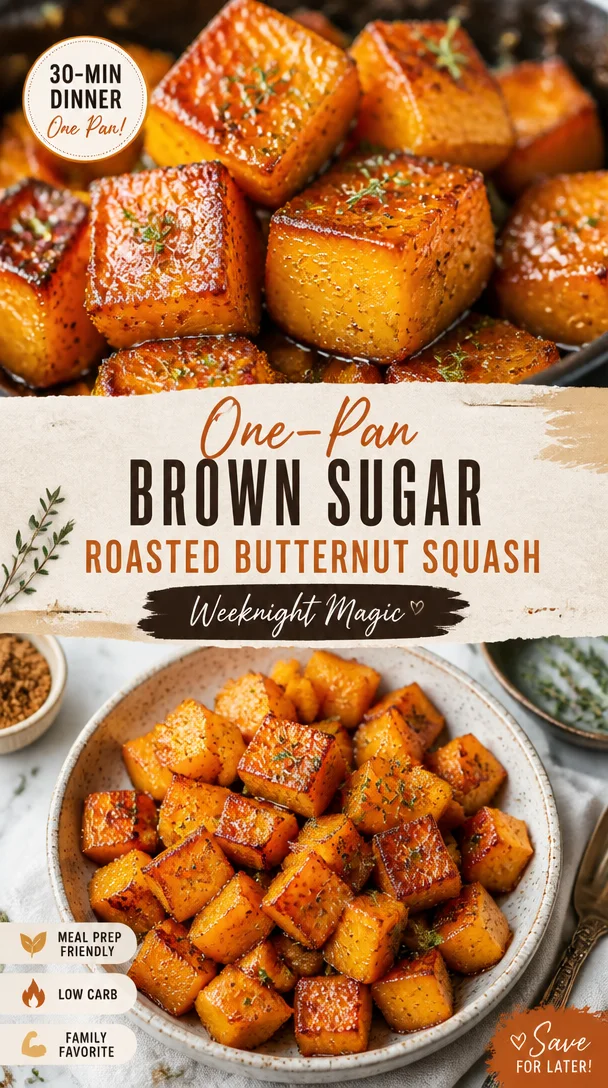
One-Pan Brown Sugar Roasted Butternut Squash (Weeknight)
Brown Sugar Roasted Butternut Squash: A Cozy Kitchen Delight
Welcome to my kitchen! Today, we’re diving into one of my all-time favorite comfort dishes: Brown Sugar Roasted Butternut Squash. As the weather starts cooling down and autumn whispers its arrival, there’s something incredibly special about cozying up with a warm, sweet, and savory dish that feels like a hug in a bowl. This roasted butternut squash recipe is rich, buttery, and kissed with the warm flavors of brown sugar and spices—perfect for adding a touch of fall magic to your dinner table or meal prep.
Imagine the sweet, caramelized aroma filling your kitchen as the squash roasts to golden perfection. Whether served as a side dish at Thanksgiving or enjoyed alongside a hearty grain bowl, this recipe is not only delicious but versatile, too! Plus, it’s so simple to make—if you can chop veggies and set a timer, you’re already halfway there!
So, grab your apron, and let’s embark on this cozy cooking adventure together. Not only will you end up with a delightful dish, but you’ll also find a space to reflect, connect, and enjoy the simple pleasures of cooking!
A Sweet Memory: The First Time I Roasted Squash
The first time I roasted butternut squash, I was a college student trying to impress my friends with my newfound cooking skills. I can still remember the day—it was chilly outside, and the leaves were swirling like dancers in the wind. Armed with my trusty old cookbook, I decided to tackle roasted butternut squash. As I chopped the vibrant orange flesh, the sweet aroma filled my small apartment kitchen, making my roommates flock in like moths to a flame.
With the oven doing its magic, I nervously paced around, waiting for those 30 minutes to pass. When the timer went off, I opened the oven door to find the squash beautifully caramelized, with that irresistible, sweet, and slightly nutty scent wafting through the air. It felt like I had unlocked a culinary treasure! That night, we all gathered around the table, laughter filling the air as we enjoyed our meal. That simple dish ignited my love for cooking and the joy of sharing homemade meals, a tradition I carry on through this blog.
Ingredients You’ll Need
Here’s the rundown of ingredients for this delicious Brown Sugar Roasted Butternut Squash. Each plays a crucial role in creating depth of flavor and that cozy vibe we crave.
-
Butternut Squash (1 medium): The star of the show! Sweet, nutty, and creamy when roasted. You can substitute with acorn or pumpkin if that’s what you have on hand.
-
Brown Sugar (¼ cup): This adds that irresistible caramel-like sweetness. If you want a healthier option, you can use coconut sugar or maple syrup in moderation.
-
Olive Oil (2 tablespoons): This helps in roasting the squash evenly. Feel free to swap it out with melted coconut oil for a different flavor profile.
-
Cinnamon (1 teaspoon): The warm spice perfectly complements the sweetness of the squash. Nutmeg or pumpkin pie spice also works beautifully here.
-
Salt (½ teaspoon): Just a pinch enhances all flavors. Remember, good quality sea salt is a chef’s best friend!
-
Black Pepper (¼ teaspoon): A little kick to offset the sweetness. Try smoked paprika for a more complex flavor twist.
-
Optional Fresh Herbs (½ teaspoon): Such as thyme or rosemary. They add an earthy freshness—perfect if you’re feeling adventurous!
Step-by-Step Instructions
Now, let’s get cooking! Follow these steps closely, and I promise you’ll end up with a stunning dish that will steal the show.
-
Prepare the Squash: Start by preheating your oven to 400°F (200°C). While it heats up, grab your butternut squash. Cutting it can be a bit challenging due to its tough skin. I recommend using a sturdy chef’s knife and being cautious—it’s easy to slip! Cut the squash in half lengthwise, scoop out the seeds with a spoon, and then chop it into bite-sized cubes. If you’re short on time, you can often find pre-cut butternut squash at the grocery store.
-
Mix the Ingredients: In a large mixing bowl, combine the cubed butternut squash, olive oil, brown sugar, cinnamon, salt, and black pepper. Smell that? It’s pure bliss! Toss everything together until the squash is well-coated, ensuring each piece is evenly dressed for roasting. Chef’s tip: Don’t be shy—use your hands for this! You’ll get a better sense of how much oil and sugar is clinging to your squash.
-
Roast, Baby, Roast: Spread the coated squash evenly on a baking sheet lined with parchment paper. This ensures easy cleanup and prevents sticking! Roast in the preheated oven for about 25-30 minutes. Halfway through, give it a good toss with a spatula so every piece gets a chance to caramelize beautifully. The goal is for your squash to be golden brown and fork-tender.
-
Cooling Down: Once ready, take the sheet out of the oven and allow the squash to cool for about 5 minutes. This will allow the flavors to settle in and avoid burning your tongue when you dive in!
-
Serving Time: Transfer the roasted squash to a beautiful serving bowl. Sprinkle with fresh herbs for that extra flair—trust me; your guests will be impressed!
Serving Suggestions
This Brown Sugar Roasted Butternut Squash is fantastic on its own, but let’s get creative! Serve it warm as a side dish alongside roasted chicken or grilled steak, or toss it over a bed of greens for a delicious salad. You can also mix it with quinoa or farro for a hearty, satisfying meal. It’s also incredible nestled into a grain bowl, topped with feta cheese, pumpkin seeds for crunch, and a drizzle of balsamic glaze.
Recipe Variations
Feeling adventurous? Here are a few creative twists to bring to this cozy dish:
-
Maple-Mustard Glaze: Replace the brown sugar with maple syrup and add a teaspoon of Dijon mustard for a sweet and tangy flavor.
-
Spicy Kick: Add a pinch of cayenne or red pepper flakes to the mixture for a delightful and warming heat.
-
Savory Spin: Swap cinnamon with cumin and toss in some chopped garlic. This will transform the squash into a fragrant, savory dish.
-
Herb Infusion: Mix in fresh sage or thyme before roasting to infuse your squash with fragrant herbal notes.
-
Sweet and Tart: Toss in some cranberries or pomegranate seeds after roasting for a burst of color and tartness that pairs perfectly with the sweetness.
Chef’s Notes
Over the years, this recipe has undergone a few transformations in my kitchen. Initially, it started with just olive oil and brown sugar, but as my palate has evolved, I’ve added spices and fresh herbs to enhance the flavors. I’ve even used this roasted squash as a filling in tacos—and let me tell you, it’s a game-changer!
And here’s a little kitchen story for you: One day, I accidentally spilled a whole jar of brown sugar into my bowl. Instead of panicking, I decided to embrace the extra sweetness and ended up with a deliciously caramelized flavor. So don’t be afraid of little accidents—sometimes they turn out to be happy accidents!
FAQs and Troubleshooting
1. My butternut squash didn’t caramelize—what went wrong?
This can happen if your oven isn’t hot enough or if the squash was packed too closely on the baking sheet. Ensure even spacing and that you preheat your oven thoroughly.
2. Can I make this dish ahead of time?
Absolutely! Roast the squash ahead of time and reheat it in the oven or microwave just before serving. It doesn’t lose its charm and flavors even as leftovers!
3. What’s the best way to cut a butternut squash?
Using a sharp knife and a cutting board with a damp towel underneath can help stabilize it. Start by cutting off both ends to create a flat surface for easier handling.
4. How can I store leftovers?
Store any leftover roasted squash in an airtight container in the fridge for up to 3-4 days. Reheat in the oven or the microwave, and enjoy!
Nutritional Information
(Per serving, approximately ½ cup)
- Calories: 150
- Protein: 2g
- Fat: 7g
- Carbohydrates: 25g
- Fiber: 3g
- Sugar: 10g
Isn’t it amazing how something so simple can evoke such joy and warmth? This Brown Sugar Roasted Butternut Squash is more than just a recipe; it’s a reminder to enjoy the little moments in the kitchen and the comfort of good food. Happy cooking, my friends, and may your kitchens always be filled with love and laughter!
Print
Brown Sugar Roasted Butternut Squash
- Total Time: 45 minutes
- Yield: 4 servings 1x
- Diet: Vegetarian
Description
A warm and sweet dish featuring roasted butternut squash caramelized with brown sugar and spices, perfect for fall!
Ingredients
- 1 medium Butternut Squash
- ¼ cup Brown Sugar
- 2 tablespoons Olive Oil
- 1 teaspoon Cinnamon
- ½ teaspoon Salt
- ¼ teaspoon Black Pepper
- ½ teaspoon Optional Fresh Herbs (thyme or rosemary)
Instructions
- Prepare the Squash: Preheat your oven to 400°F (200°C). Cut the squash in half lengthwise, scoop out the seeds, and chop into bite-sized cubes.
- Mix the Ingredients: In a large bowl, combine cubed squash, olive oil, brown sugar, cinnamon, salt, and black pepper. Toss until well-coated.
- Roast: Spread the coated squash on a lined baking sheet. Roast for 25-30 minutes, tossing halfway through, until golden and fork-tender.
- Cooling Down: Allow roasting squash to cool for about 5 minutes.
- Transfer to a serving bowl and sprinkle with fresh herbs if desired.
Notes
This dish can be made ahead of time and reheated before serving.
- Prep Time: 15 minutes
- Cook Time: 30 minutes
- Category: Side Dish
- Method: Roasting
- Cuisine: American
Nutrition
- Serving Size: ½ cup
- Calories: 150
- Sugar: 10g
- Sodium: 300mg
- Fat: 7g
- Saturated Fat: 1g
- Unsaturated Fat: 6g
- Trans Fat: 0g
- Carbohydrates: 25g
- Fiber: 3g
- Protein: 2g
- Cholesterol: 0mg
Keywords: butternut squash, roasted vegetables, fall recipes, vegetarian, cozy meals

Minute Low-Carb Butternut Squash Casserole for Weeknights
Low-Carb Butternut Squash Casserole: A Cozy Culinary Delight
Welcome back to my kitchen, my fellow food lovers! Today, we’re diving into a recipe that’s not only packed with flavor but also brings a sense of warmth and comfort that only home-cooked meals can deliver. We’re talking about Low-Carb Butternut Squash Casserole! This dish is a delightful twist on the classic casserole, ensuring you can enjoy all the coziness it brings without the extra carbs. Imagine a sumptuous, creamy blend of roasted butternut squash—perfectly spiced and baked to golden perfection—that will make your heart sing and your taste buds dance!
But why butternut squash, you ask? Well, this vegetable has always held a special place in my heart and my kitchen. It’s versatile, bright, and its natural sweetness pairs beautifully with both savory and sweet ingredients. Plus, it’s a fantastic option for those looking to reduce their carb intake. As we meander through this recipe, you’ll see how easy it is to whip up this creamy, dreamy casserole bursting with flavors, whether you’re making it for a family dinner or a cozy gathering with friends.
Affiliate Disclaimer: Some of the links in this post are affiliate links, which means if you make a purchase, I might earn a small commission at no extra cost to you. Thank you for supporting my kitchen creations!
A Personal Story
Let me take you back to last fall. The evenings were growing cooler, and my family gathered around the kitchen table as the leaves turned vibrant shades of orange and red. I remember my mom pulling out a big, beautiful butternut squash she had picked up from the local farmer’s market, excited to try a new recipe. The entire kitchen filled with the warm, earthy aroma of spices as she roasted the squash, and I couldn’t help but feel nostalgic.
Sitting at the table, I watched her turn this humble vegetable into something magical. That night, we enjoyed a casserole that was creamy and rich, with flavors exploding in every bite. It sparked a new love for butternut squash in me, and from that moment on, I knew it deserved its own spotlight in my kitchen. Fast forward a few years, and I’ve created my own version that not only holds onto that nostalgic love but also aligns with a healthy lifestyle.
Let’s roll up our sleeves and create this heartwarming Low-Carb Butternut Squash Casserole together!
Ingredients
Here’s what you’ll need to create this delicious casserole:
-
1 medium butternut squash (about 2-3 pounds)
- Super sweet and creamy! If you can’t find butternut, acorn squash works as a nice substitute too!
-
2 cups cauliflower florets (fresh or frozen)
- Cauliflower brings a low-carb element to the dish while maintaining creaminess. You might consider broccoli for a different flavor!
-
1 cup heavy cream or coconut milk
- The cream adds richness. For a dairy-free alternative, coconut milk gives a nice hint of sweetness. Just keep an eye on the flavor balance!
-
1 cup grated cheese (sharp cheddar or Gruyere)
- Cheese lovers rejoice! Sharp cheddar gives a bold flavor. Feel free to swap in mozzarella for a milder taste!
-
2 large eggs
- Eggs act as a binding agent, holding the casserole beautifully together. For a vegan option, try a flaxseed egg!
-
1 teaspoon garlic powder
- A little bit of garlic elevates the flavor. Fresh minced garlic can also add a punch, just use it sparingly!
-
1 teaspoon onion powder
- For a mellow sweetness. Sautéed onion can add a more robust flavor if you prefer!
-
Salt and pepper to taste
- A key seasoning duo! Adjust to your liking—don’t be shy with the salt!
-
Fresh herbs (like thyme or rosemary), optional for garnish
- These provide exquisite color and aroma! Feel free to use dried herbs if fresh ones aren’t available.
Step-by-Step Instructions
Ready to embark on this culinary adventure? Let’s do this step-by-step!
-
Preheat the Oven
- Preheat your oven to 375°F (190°C). A perfectly heated oven helps the casserole bake evenly and achieve that delightful golden crust.
-
Prepare the Butternut Squash
- Peel and cut the butternut squash in half and scoop out the seeds. Then, chop it into small cubes—about 1-inch pieces work best. Pro Tip: An easy way to peel the squash is to microwave it on high for 2-3 minutes to soften the skin slightly.
-
Roast the Squash
- Spread your squash pieces out on a baking sheet, drizzle with olive oil, season with salt, pepper, and a sprinkle of garlic powder. Roast for about 25-30 minutes or until fork-tender and caramelized. Little Chef Hack: You can roast cauliflower on the same tray for added flavor!
-
Cook the Cauliflower
- If you’re using fresh cauliflower, steam or boil it until tender but not mushy—about 5-7 minutes works! Drain well. Note: If you’re using frozen cauliflower, a quick microwave will do the trick.
-
Blend the Base
- In a large mixing bowl, combine roasted butternut squash, steamed cauliflower, heavy cream (or coconut milk), grated cheese, eggs, and the remaining garlic and onion powder. Mix until creamy and combined thoroughly. Chef’s Insight: A potato masher is perfect for creating a smoother base with some chunks for texture!
-
Transfer to a Casserole Dish
- Grease a 9×13-inch casserole dish, then pour in the mixture. Spread it evenly with a spatula and sprinkle extra cheese on top if you’re feeling cheesy!
-
Bake to Perfection
- Bake the casserole for about 30-35 minutes, until it’s bubbly and golden brown on top. Let it cool for a few minutes before serving. Insider Tip: If you see it getting too brown, cover with foil to prevent over-browning!
Serving Suggestions
When it comes to plating this casserole, think of cozy gatherings! Serve it family style directly from the dish, alongside a fresh salad or some roasted vegetables for a complete meal. A sprinkle of fresh herbs like thyme or rosemary adds a lovely touch, making it as pleasing to the eye as it is to the palate.
Recipe Variations
Get creative in the kitchen! Here are some variations you can try:
- Spicy Kick: Add a pinch of cayenne pepper or chili flakes for a mild kick.
- Herbaceous Medley: Mix in fresh chopped herbs like parsley, dill, or sage for additional flavor.
- Nutty Crunch: Top with crushed nuts like pecans for an added crunch and nuttiness.
- Savory Additions: Fold in some crispy cooked bacon or sausage for a meaty touch!
- Vegan Version: Swap the eggs for flaxseed eggs and the cheese for a dairy-free alternative.
Chef’s Notes
This Low-Carb Butternut Squash Casserole has come a long way since that lovely fall dinner with my mom. Over time, I’ve experimented with textures and flavors, and it’s become a go-to dish for gatherings and holidays. One time, I even added a bit of mischief to the recipe—yes, I threw in some maple syrup for a sweet-savory twist, and oh my, it was a hit! As much as I love sharing recipes, nothing warms my heart more than hearing your stories and experiences in the kitchen.
FAQs and Troubleshooting
1. Can I make this casserole in advance?
Absolutely! You can prepare the casserole a day ahead, just cover it and store it in the fridge. Bake when you’re ready to serve, adding a few extra minutes to the baking time.
2. What if I have leftovers?
Lucky you! This casserole stores wonderfully in the fridge for up to 3-4 days. Just reheat in the oven or microwave.
3. Can I freeze this casserole?
Yes! After baking, let the casserole cool completely, then freeze in an airtight container. It will last up to 3 months. To reheat, thaw overnight in the fridge and bake as you would fresh.
4. The casserole is too watery. What did I do wrong?
If your casserole is too watery, it might be due to excess moisture in the squash or cauliflower. Make sure to drain your cauliflower well and consider roasting it a little longer to evaporate moisture.
Nutritional Info
(Per Serving):
- Calories: 250
- Protein: 10g
- Carbohydrates: 12g
- Fat: 20g
- Fiber: 3g
Now that you’ve made it through this lovely journey, I hope you’re inspired to bring this Low-Carb Butternut Squash Casserole to your own kitchen. It’s more than just a recipe; it’s a dish that carries memories, warmth, and all the love that home-cooking can offer. Happy cooking, and remember, the right ingredients make for the best flavors—let your heart guide you!
Print
Low-Carb Butternut Squash Casserole
- Total Time: 50 minutes
- Yield: 6 servings 1x
- Diet: Low-Carb, Vegetarian
Description
A delightful low-carb twist on the classic butternut squash casserole that’s creamy and flavorful.
Ingredients
- 1 medium butternut squash (about 2–3 pounds)
- 2 cups cauliflower florets (fresh or frozen)
- 1 cup heavy cream or coconut milk
- 1 cup grated cheese (sharp cheddar or Gruyere)
- 2 large eggs
- 1 teaspoon garlic powder
- 1 teaspoon onion powder
- Salt and pepper to taste
- Fresh herbs (like thyme or rosemary), optional for garnish
Instructions
- Preheat your oven to 375°F (190°C).
- Prepare the butternut squash by peeling, cutting it in half, and scooping out the seeds. Chop it into small cubes.
- Roast the squash pieces on a baking sheet, drizzling with olive oil, and seasoning with salt, pepper, and garlic powder; roast for about 25-30 minutes.
- Cook the cauliflower by steaming or boiling until tender (about 5-7 minutes). Drain well.
- Blend the roasted butternut squash, cooked cauliflower, heavy cream (or coconut milk), grated cheese, eggs, garlic powder, and onion powder in a large mixing bowl until creamy and combined.
- Transfer the mixture to a greased 9×13-inch casserole dish and spread evenly; sprinkle with extra cheese if desired.
- Bake for about 30-35 minutes until bubbly and golden brown on top.
Notes
Feel free to adjust seasoning to taste and add spices for a kick. This dish also freezes well for up to 3 months.
- Prep Time: 15 minutes
- Cook Time: 35 minutes
- Category: Casserole
- Method: Baking
- Cuisine: American
Nutrition
- Serving Size: 1 serving
- Calories: 250
- Sugar: 5g
- Sodium: 300mg
- Fat: 20g
- Saturated Fat: 10g
- Unsaturated Fat: 8g
- Trans Fat: 0g
- Carbohydrates: 12g
- Fiber: 3g
- Protein: 10g
- Cholesterol: 90mg
Keywords: butternut squash, low-carb casserole, comfort food
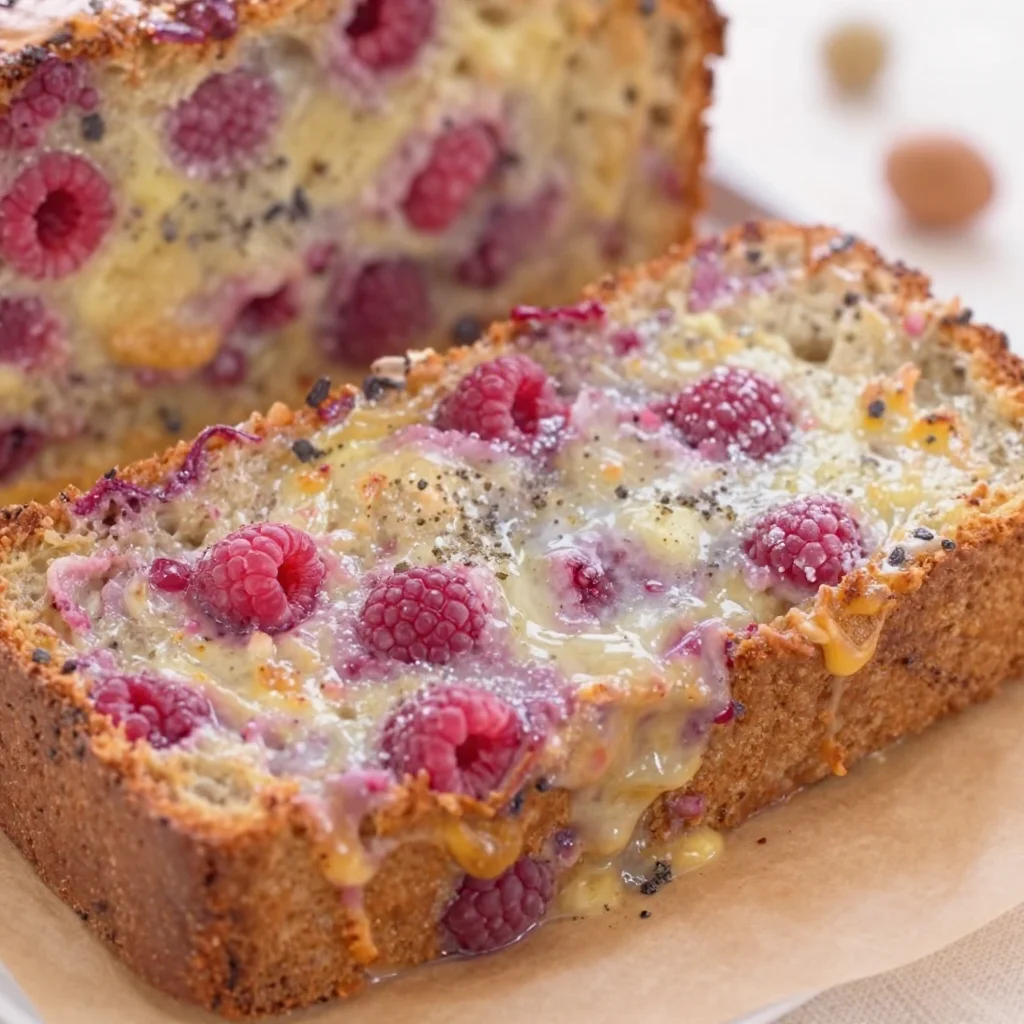
Easy Raspberry Bread for Busy Weeknights (20-Min Prep)
The Best Raspberry Bread: A Sweet Slice of Nostalgia
Welcome to my kitchen, foodies! Today, I want to share a recipe that’s close to my heart—the Best Raspberry Bread. If you’ve ever stepped into a café and been greeted by the tantalizing aroma of baked goods, you know exactly how that scents can brighten your day. This delightful bread brings that cozy vibe straight into your home, and I can promise you, it’s as rewarding to bake as it is to eat!
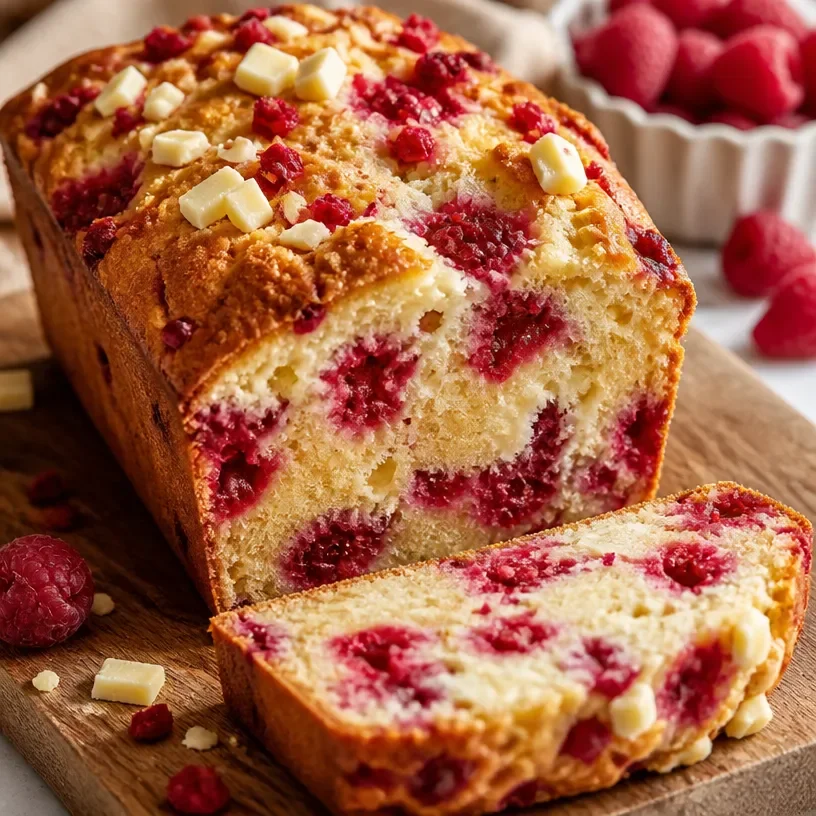
Baking has always been my therapy. The act of mixing flour, sugar, and fresh fruit transports me to memories of my childhood, where Saturdays were reserved for baking marathons with my mom. We’d whip up this luscious raspberry bread, filling our small kitchen with the sweet aroma of berries and vanilla. As we pulled the warm loaves from the oven, we’d share stories, giggles, and a few flour fights—just the kind of chaos that makes a kitchen feel alive! Each slice revealed warm pink-hued ribbons dotted with juicy raspberries, creating a cheerful centerpiece for our weekend breakfasts. This raspberry bread became more than just a recipe for us; it was our love language, our way of forming lasting memories with family and friends.
So, let’s dive into this wonderful world of raspberry bread together! Whether you’re treating yourself to a leisurely brunch or surprising your loved ones with a gift from your kitchen, this recipe is bound to spark joy. Grab your apron, and let’s bake some magic!
Ingredients
Here’s what you’ll need to bring this homemade delight to life:
-
1 ½ cups all-purpose flour
- This is the backbone of our bread. For a gluten-free option, you can substitute with a 1:1 gluten-free flour blend.
-
1 cup granulated sugar
- Sweetness is key here! You can use coconut sugar or monk fruit sweetener for a lower-carb alternative.
-
½ teaspoon baking powder
- This little leavening magic will give your bread a lovely rise. Baking soda can be used, but adjust the quantity to about ⅓ teaspoon if switching.
-
½ teaspoon baking soda
- This works in tandem with baking powder to create a fluffy texture. Make sure it’s fresh for the best results!
-
¼ teaspoon salt
- Enhances the flavors and balances the sweetness. Don’t skip it!
-
2 large eggs
- They provide moisture and act as a binding agent. For a vegan alternative, use flax eggs (1 tablespoon of ground flaxseed mixed with 2.5 tablespoons of water).
-
½ cup unsalted butter, melted
- Adds richness and that delightful buttery flavor. You can use margarine or coconut oil for a dairy-free option.
-
½ cup buttermilk
- This adds moisture and a touch of tang. If you don’t have buttermilk, mix ½ cup of milk with a splash of vinegar or lemon juice and let it sit for a few minutes!
-
1 cup fresh raspberries
- The star of our dish! Frozen berries work too—just make sure to thaw and drain them so they don’t add excess moisture.
-
1 teaspoon vanilla extract
- A must-have for depth of flavor. You can use almond extract for a unique twist!
Feel free to adapt these ingredients based on availability or dietary preferences. Cooking is all about making it your own!
Step-by-Step Instructions
Now that we have our ingredients, let’s get cooking!
Step 1: Preheat Your Oven
First things first, preheat your oven to 350°F (175°C). Preheating ensures even baking, so this step is critical. While it’s heating up, you can prepare your baking pan.
Step 2: Prepare the Baking Pan
Grease a 9×5-inch loaf pan with butter or non-stick spray. If you want an extra layer of protection from sticking, you can line the bottom with parchment paper too.
Step 3: Mix Dry Ingredients
In a medium bowl, whisk together the flour, sugar, baking powder, baking soda, and salt. This step is crucial for evenly distributing the leavening agents and ensuring consistent rise throughout the loaf.
Tip: Always sift your flour before measuring it out. This will help keep your bread light and fluffy!
Step 4: Combine Wet Ingredients
In a large bowl, beat the eggs. Stir in the melted butter, buttermilk, and vanilla extract until everything is well combined. It should look creamy and slightly frothy.
Step 5: Combine Wet and Dry Mixtures
Slowly add the dry ingredients to the wet mixture, stirring gently but swiftly. Mix just until combined; a few lumps are perfectly okay. Overmixing will lead to a dense loaf!
Step 6: Fold in the Raspberries
Gently fold in the fresh raspberries. If you’re using frozen berries, be gentle to avoid turning the batter pink!
Tip: Dust the raspberries with a bit of flour before folding them in. This can help prevent them from sinking to the bottom during baking.
Step 7: Pour into the Pan
Transfer the bright pink batter into your prepared loaf pan. Smooth the top with a spatula to make it look nice and presentable!
Step 8: Bake
Pop that beauty into the preheated oven and let it bake for 55–65 minutes. About halfway, you can rotate the pan for even baking, but this isn’t strictly necessary.
Step 9: Check for Doneness
Check for doneness by inserting a toothpick into the center of the loaf. If it comes out clean or with a few moist crumbs, your bread is done!
Step 10: Cool and Serve
Allow the bread to cool in the pan for 10 minutes before transferring it to a wire rack to cool completely. This waiting game is tough, but trust me—it’s worth it! Once cooled, slice it up and prepare for your taste buds to be dazzled.
Serving Suggestions
This raspberry bread is as versatile as it is delicious! Serve it warm with a pat of butter on top, or enjoy it with a drizzle of honey or maple syrup. For an elegant touch, you can pair it with a scoop of vanilla ice cream or whipped cream. Whether for breakfast, brunch, or dessert, it’s sure to steal the spotlight!
Recipe Variations
- Chocolate Chip Raspberry Bread: Add a cup of dark chocolate chips for a delightful sweetness.
- Nut Lover’s Raspberry Bread: Fold in chopped walnuts or pecans for a crunchy texture.
- Lemon Raspberry Bread: Add a tablespoon of lemon zest and a touch of lemon juice for a refreshing twist.
- Coconut Raspberry Bread: Incorporate shredded coconut for a tropical flair.
Feel free to get creative! Food is all about personal taste, so don’t hesitate to experiment with flavors that speak to your soul.
Chef’s Notes
This raspberry bread has been through various transformations in my kitchen over the years. The first time I made it, I actually forgot to add the sugar (don’t ask how!). Instead of a sweet treat, I ended up with a rather bland loaf. But that unfortunate mishap led to some of my favorite kitchen memories as I tried to salvage the situation with plenty of spreadable goodness on top!
Now, this recipe is one I keep close! It’s the perfect canvas for other flavors, and every time I make it, it fills my kitchen with that nostalgic aroma that I fell in love with as a child.
FAQs and Troubleshooting
1. My bread is too dense. What went wrong?
Overmixing the batter or not measuring your ingredients accurately can cause density. Make sure to fold gently and measure carefully!
2. Why did my raspberries sink to the bottom?
This can happen if the berries are too wet. Dredging them in flour before adding them to the batter can help prevent sinking.
3. Can I use frozen raspberries and if so, how do I prepare them?
Absolutely! Just let them thaw and drain any excess moisture before folding them into the batter to ensure the right texture.
4. What can I do if my bread sticks to the pan?
Make sure to grease your loaf pan well and consider lining the bottom with parchment paper. If it does stick, you can use a butter knife to gently loosen the sides!
Nutritional Info
While I believe in enjoying treats like this bread in moderation, here’s a rough idea of the nutritional content per slice if you slice the loaf into 12 pieces:
- Calories: 190
- Fat: 7g
- Carbohydrates: 29g
- Protein: 3g
- Fiber: 1g
- Sugars: 10g
Note that values may vary based on specific ingredients used.
And there you have it: the Best Raspberry Bread, straight from my heart to yours! Baking shouldn’t be intimidating; it should be fun and filled with love. Share a slice with someone you adore, and you just might spark joy in their day, too! Happy baking, friends!
Print
The Best Raspberry Bread
- Total Time: 75 minutes
- Yield: 12 servings 1x
- Diet: Vegetarian
Description
A delightful raspberry bread that evokes nostalgia and warmth, perfect for any brunch or dessert.
Ingredients
- 1 ½ cups all-purpose flour
- 1 cup granulated sugar
- ½ teaspoon baking powder
- ½ teaspoon baking soda
- ¼ teaspoon salt
- 2 large eggs
- ½ cup unsalted butter, melted
- ½ cup buttermilk
- 1 cup fresh raspberries
- 1 teaspoon vanilla extract
Instructions
- Preheat your oven to 350°F (175°C).
- Grease a 9×5-inch loaf pan with butter or non-stick spray.
- In a medium bowl, whisk together the flour, sugar, baking powder, baking soda, and salt.
- In a large bowl, beat the eggs. Stir in the melted butter, buttermilk, and vanilla extract until well combined.
- Slowly add the dry ingredients to the wet mixture, stirring gently but swiftly until just combined.
- Gently fold in the fresh raspberries.
- Transfer the batter into your prepared loaf pan and smooth the top with a spatula.
- Pop the pan into the preheated oven and let it bake for 55–65 minutes.
- Check for doneness by inserting a toothpick into the center of the loaf.
- Allow the bread to cool in the pan for 10 minutes before transferring it to a wire rack.
Notes
For a gluten-free option, substitute all-purpose flour with a gluten-free blend. Variations include adding chocolate chips or nuts for different flavors.
- Prep Time: 15 minutes
- Cook Time: 60 minutes
- Category: Dessert
- Method: Baking
- Cuisine: American
Nutrition
- Serving Size: 1 slice
- Calories: 190
- Sugar: 10g
- Sodium: 200mg
- Fat: 7g
- Saturated Fat: 4g
- Unsaturated Fat: 2g
- Trans Fat: 0g
- Carbohydrates: 29g
- Fiber: 1g
- Protein: 3g
- Cholesterol: 60mg
Keywords: raspberry bread, dessert, baking, sweet bread, brunch
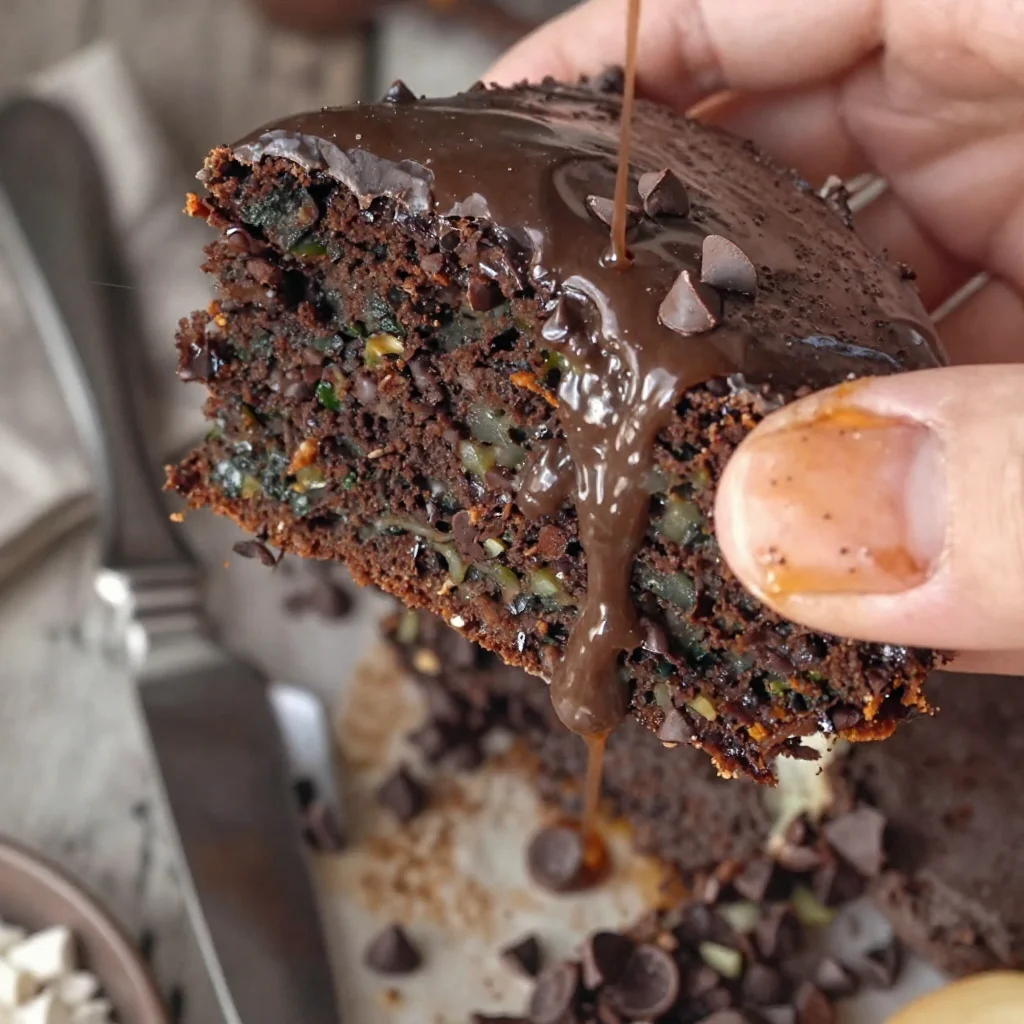
One-Bowl Chocolate Zucchini Cake: Easy Weeknight Dessert
Chocolate Zucchini Cake: A Sweet Surprise from the Garden
Welcome to my kitchen, where the magic of baking is about to unfold! I’m so thrilled to share one of my all-time favorite recipes with you: Chocolate Zucchini Cake. Now, before you raise an eyebrow at the idea of veggie-infused dessert, let me assure you that this cake is velvety, rich, and incredibly delicious. The secret? Fresh zucchini adds moisture and a subtle sweetness that takes chocolate to a whole new level. So grab your apron, let’s make some kitchen magic together!
When summertime rolls around, gardens burst with vibrant zucchinis, and that’s when I find myself getting a little creative. My fondest food memories revolve around those lazy summer afternoons spent in my grandmother’s kitchen. She had a spectacular garden, overflowing with vegetables, and there were always a few overflowing bowls of freshly grated zucchini in her fridge. I can still picture her hands, dusted with flour, stirring a divine chocolate cake batter, while the inviting smell of cocoa danced around the room. It was a baking tradition that filled my heart (and belly) with joy, and today, I continue that legacy right from my cozy kitchen.
Delightfully moist and decadent, this Chocolate Zucchini Cake is a perfect balance of flavors. Whether you have an abundance of zucchini or just want to sneak some veggies into your dessert (no judgment here!), this cake brings smiles all around. Plus, it’s super easy to make—let’s dive into the details!
Ingredients
Here’s what you’ll need to create this scrumptious cake:
- Zucchini: About 2 cups, grated. Choose medium-sized zucchinis for the best flavor. You can use yellow squash if zucchini isn’t available!
- All-Purpose Flour: 1 ½ cups for structure. Whole wheat flour can add nice density, or gluten-free flour works fine too.
- Unsweetened Cocoa Powder: ½ cup for that rich chocolate flavor. Look for high-quality cocoa for the best results; Dutch-processed cocoa gives a deeper taste.
- Granulated Sugar: 1 cup to balance the cocoa. For a healthier twist, substitute with coconut sugar or maple syrup.
- Brown Sugar: ½ cup for added moisture and flavor depth. Use light brown sugar for a milder taste or dark for more robust caramel notes.
- Baking Soda & Baking Powder: 1 tsp each to ensure a fluffy cake. If you’re out of baking powder, you can use 2 tsp of baking soda or swap it with self-rising flour.
- Salt: Just a pinch to enhance sweetness.
- Eggs: 2 large, room temperature. If you’re vegan or egg-free, unsweetened applesauce or flaxseed meal mixed with water can work as great substitutes (1 egg = ¼ cup applesauce or 1 tbsp flaxseed + 2.5 tbsp water).
- Vanilla Extract: 2 tsp for flavor. Homemade vanilla is a game-changer!
- Vegetable Oil: ½ cup for moisture. If you prefer, melted coconut oil or apple sauce can replace it.
- Chopped Walnuts or Pecans: Optional, about ½ cup for crunch! If you have nut allergies, feel free to skip or substitute with seeds.
Step-by-Step Instructions
Baking this Chocolate Zucchini Cake is a delightful journey, and I’m here to guide you step-by-step!
-
Preheat Your Oven: Start by preheating your oven to 350°F (175°C). This is an essential first step—trust me, no one likes a cake that’s in the oven too long after you’ve already mixed the batter.
-
Prep Your Pan: Grease and flour a 9×13-inch baking dish or two 9-inch round cake pans if you want to make a layered cake. If you’re feeling fancy, line the bottom with parchment paper for easy removal.
-
Grate the Zucchini: Grab your box grater, and grate that zucchini! You don’t need to peel it; the skin adds color and nutrients. Once you’ve got the zucchini grated, place it in a clean kitchen towel, twist it up, and squeeze out excess moisture. This keeps your cake from getting overly soggy.
-
Combine Dry Ingredients: In a large mixing bowl, sift together all-purpose flour, cocoa powder, baking soda, baking powder, and salt. Whisking them together ensures even distribution and helps combat lumps.
-
Mix the Sugars: In another bowl, whisk together the granulated sugar, brown sugar, and eggs until blended and slightly frothy. This introduces air into the mix and will help your cake rise beautifully!
-
Pour in Oil and Vanilla: Add the vegetable oil and vanilla extract to your sugar and egg mixture. Whisk until combined. A little tip: Make sure your oil is room temperature too—cold oil can create lumps.
-
Add Zucchini: Stir in the grated zucchini until fully incorporated. This is where the magic happens—the moisture from the zucchini makes the cake luscious.
-
Combine Wet and Dry: Gradually fold the dry ingredients into the wet ingredients using a spatula or wooden spoon. Mix until just combined; overmixing can lead to a dense cake.
-
Include Nuts: If using, fold in your chopped nuts. This is optional but adds a lovely crunch.
-
Bake: Pour the batter into your prepared pan(s) and smooth the top. Bake for about 30–35 minutes, checking for doneness with a toothpick inserted into the center; it should come out clean or with just a few crumbs attached.
-
Cool: Let the cake cool in the pan for about 10 minutes, then transfer it to a wire rack to cool completely before frosting.
Serving Suggestions
This Chocolate Zucchini Cake is divine on its own, but a light dusting of powdered sugar or a generous slather of cream cheese frosting takes it to the next level. Serve it warm with a scoop of vanilla ice cream or drizzle with chocolate sauce for an indulgent dessert. Plate it up with fresh berries or a mint sprig for a pop of color!
Recipe Variations
Get creative with this recipe! Here are a few twists you can try:
- Spicy Chocolate Zucchini Cake: Add a teaspoon of cinnamon or a pinch of cayenne for a flavorful kick.
- Minty Delight: Stir in mint extract or top with mint-flavored frosting for a refreshing zing.
- Double Chocolate: Throw in some chocolate chips for an extra chocolatey experience.
- Gluten-Free Option: Use a 1-to-1 gluten-free flour blend to make this entirely gluten-free without sacrificing flavor.
Chef’s Notes
Ah, the journey of this recipe! It’s evolved over the years, and I’ll confess there have been flops—like the time I thought I could skip squeezing the zucchini and ended up with a chocolate soup! Each failure brought me a fresh perspective: getting the right moisture without compromising the cake’s texture is key. Now, this cake holds a special place in my heart (and on my dinner table) as it embodies what cooking is all about—experimenting, sharing, and enjoying.
FAQs and Troubleshooting
-
Why did my cake turn out too dense?
This can happen if you overmix the batter or inadvertently add too much flour. Remember, just mix until combined! -
How do I know if my cake is done?
The toothpick test is your best friend! A toothpick should come out with a few moist crumbs, not wet batter. Also, the cake should spring back when lightly pressed. -
Can I store leftovers?
Absolutely! Store cooled cake in an airtight container at room temperature for up to 2 days, or refrigerate for up to a week. You can also freeze slices wrapped in plastic wrap for up to 3 months! -
Can I use frozen zucchini?
Yes! Just ensure you thaw it thoroughly and squeeze out excess moisture before adding it to your batter.
Nutritional Info
While I focus more on flavor and joy than strict nutritional guidelines when baking, this cake does offer a delicious way to sneak in some veggies! Each slice is rich in antioxidants from cocoa and adds some fiber from zucchini—great justification for that second piece, right?
Thank you for joining me in this baking adventure! I hope this Chocolate Zucchini Cake finds a special spot in your home, just like it has in mine. Happy baking, and may your kitchen always be filled with love and laughter!
Print
Chocolate Zucchini Cake
- Total Time: 50 minutes
- Yield: 8 servings 1x
- Diet: Vegetarian
Description
A rich and moist chocolate cake infused with fresh zucchini, perfect for sneaking veggies into dessert.
Ingredients
- About 2 cups zucchini, grated
- 1 ½ cups all-purpose flour
- ½ cup unsweetened cocoa powder
- 1 cup granulated sugar
- ½ cup brown sugar
- 1 tsp baking soda
- 1 tsp baking powder
- Salt, a pinch
- 2 large eggs, room temperature
- 2 tsp vanilla extract
- ½ cup vegetable oil
- ½ cup chopped walnuts or pecans (optional)
Instructions
- Preheat your oven to 350°F (175°C).
- Grease and flour a 9×13-inch baking dish or two 9-inch round cake pans.
- Grate the zucchini and squeeze out excess moisture using a clean kitchen towel.
- Combine the flour, cocoa powder, baking soda, baking powder, and salt in a large mixing bowl.
- Mix the granulated sugar, brown sugar, and eggs in another bowl until blended.
- Pour in the oil and vanilla extract, whisking until combined.
- Add the grated zucchini and stir until fully incorporated.
- Combine the dry ingredients with the wet ingredients until just mixed.
- Fold in the chopped nuts if using.
- Bake for about 30–35 minutes, checking with a toothpick for doneness.
- Cool the cake in the pan for 10 minutes before transferring to a wire rack.
Notes
A dusting of powdered sugar or cream cheese frosting enhances the cake’s flavor. Experiment with additional flavors or toppings to make it your own.
- Prep Time: 15 minutes
- Cook Time: 35 minutes
- Category: Dessert
- Method: Baking
- Cuisine: American
Nutrition
- Serving Size: 1 slice
- Calories: 280
- Sugar: 23g
- Sodium: 180mg
- Fat: 10g
- Saturated Fat: 1g
- Unsaturated Fat: 8g
- Trans Fat: 0g
- Carbohydrates: 38g
- Fiber: 2g
- Protein: 3g
- Cholesterol: 60mg
Keywords: chocolate cake, zucchini cake, dessert, baking, garden recipes

Cajun Sausage Pasta
Cajun Sausage Pasta: A Spicy Twist on Comfort Food
Welcome to my kitchen! Today, we’re diving into a dish that’s bursting with flavor and sure to become a beloved staple in your home: Cajun Sausage Pasta. If you’re anything like me, the smell of spicy sausage mingling with creamy sauce brings a smile to your face and warmth to your heart. This dish is not just a dinner; it’s a celebration of flavors, a joyful reunion of ingredients that come together to create something truly special.
I can still remember the first time I had Cajun sausage pasta. It was in a quaint little restaurant tucked away in the French Quarter of New Orleans, and I was enchanted by the vibrant colors and bold flavors. The pasta danced in a sea of creamy sauce, flecked with spices and herbs that painted a picture of warmth and hospitality. As I savored each bite, I was transported to a place where food isn’t just about sustenance; it’s about bringing people together.
Being a home cook, my mission is to recreate that magic in my own kitchen, and I can’t wait to share my take on it with you. Whether you’re having a cozy night in or planning a gathering with friends, this dish is versatile enough for any occasion. So let’s roll up our sleeves and get cooking!
Personal Story
My love affair with Cajun cuisine began in my childhood kitchen, where my family often gathered around the table to enjoy meals inspired by my grandmother’s New Orleans roots. I remember Saturday afternoons spent in her bustling kitchen, the air thick with the intoxicating aroma of spices and simmering sauces. One particular memory stands out: the time we made a batch of her spicy sausage pasta. The whole family was involved; my cousins and I were tasked with stirring the pot while the adults expertly chopped vegetables.
The laughter and stories shared that day created a warmth that enveloped us all. As we dished out generous portions of pasta, I can still hear the clinking of forks and the chorus of satisfied "mmm’s" that filled the room. That simple but flavorful dish became a symbol of love and togetherness. As I grew up and moved away, I promised myself I would carry that legacy of vibrant, spicy flavors into my own cooking.
Ingredients
Let’s gather our ingredients for this Cajun Sausage Pasta. Here’s what you’ll need, along with some insider tips for each:
-
Pasta (Fusilli or Penne)
- Why: These shapes hold onto the sauce beautifully, capturing every morsel of flavor.
- Substitution Tip: Feel free to use gluten-free pasta or any shape you have on hand!
-
Cajun Sausage (or Andouille Sausage)
- Why: This is where the magic begins! The spices in the sausage elevate the entire dish.
- Substitution Tip: If you prefer leaner meat, chicken or turkey sausage works well too.
-
Bell Peppers (Red and Green)
- Why: They add a pop of color and a sweet crunch to the dish.
- Substitution Tip: Zucchini or mushrooms can be excellent alternatives if you want to switch things up or if you have leftovers in the fridge.
-
Onion
- Why: Aromatic foundations like onion are essential for building flavor.
- Substitution Tip: Shallots also provide a sweeter taste that works well in this dish.
-
Garlic
- Why: Because everything is better with garlic! It adds depth and richness.
- Substitution Tip: Fresh garlic is ideal, but if you’re in a pinch, garlic powder will do.
-
Heavy Cream
- Why: This creates the luscious, creamy sauce that binds everything together.
- Substitution Tip: For a lighter sauce, you can use half-and-half, or for a dairy-free version, coconut cream is a creamy alternative.
-
Cajun Seasoning
- Why: This is what gives our dish its signature kick and depth of flavor.
- Substitution Tip: You can make your own blend using paprika, cayenne pepper, garlic powder, onion powder, and oregano.
-
Parmesan Cheese
- Why: A sprinkle of cheese adds a salty, nutty finish that ties the flavors together.
- Substitution Tip: Nutritional yeast can be used for a dairy-free, cheesy flavor.
-
Fresh Parsley
- Why: For a fresh touch to garnish and brighten the dish.
- Substitution Tip: Basil or chives can also lend a lovely flavor!
Step-by-Step Instructions
Now that we have our ingredients prepped and ready to go, let’s dive into the cooking process! Here’s a step-by-step guide to making your Cajun Sausage Pasta:
-
Cook the Pasta
Bring a large pot of salted water to a boil. Add your pasta of choice and cook according to package instructions, usually about 8-10 minutes for al dente.
Tip from the chef: Remember to reserve a cup of pasta water before draining! It works wonders for adjusting the sauce consistency and adds a bit of flavor. -
Sauté the Sausage
While the pasta cooks, heat a large skillet over medium-high heat. Add your sliced Cajun sausage and cook until browned and crisp, about 5-7 minutes.
Chef hack: Don’t overcrowd the pan! Give each piece room to brown nicely, enhancing the flavor. -
Add the Vegetables
Once the sausage is nicely browned, add the chopped onions, bell peppers, and minced garlic. Sauté for another 5-6 minutes until the veggies are tender and fragrant.
Commentary: The colors of the sautéed veggies make the dish visually appealing and appetizing — it’s like a painting in your pan! -
Create the Sauce
Pour in the heavy cream and sprinkle in your Cajun seasoning. Stir well, allowing the sauce to bubble up and thicken slightly, about 3-4 minutes.
Tip: If the sauce is too thick, gradually add a splash of reserved pasta water until you reach your desired consistency. -
Combine the Pasta and Sauce
Add the drained pasta to the skillet and toss everything together until well-coated with the creamy sauce. Season with salt and pepper to taste.
Chef’s insight: Combine the pasta and sauce off the heat to prevent the sauce from overcooking! -
Finishing Touches
Finally, stir in grated Parmesan cheese until melted and creamy. Spoon the pasta into serving bowls and finish with freshly chopped parsley on top.
Serving tip: A little extra cheese never hurts!
Serving Suggestions
To plate your Cajun Sausage Pasta, scoop a generous amount onto a wide, shallow bowl. Add a sprinkle of extra parsley and Parmesan on top for garnish. Pair it with a fresh garden salad and a crusty piece of garlic bread for a truly divine meal that looks as good as it tastes. Don’t forget a glass of crisp white wine to elevate the experience!
Recipe Variations
This recipe is incredibly versatile! Here are a few fun twists you can try:
- Seafood Cajun Pasta: Swap the sausage for shrimp or a mix of your favorite seafood.
- Vegetarian Delight: Remove the sausage and load up on seasonal veggies like spinach, zucchini, and mushrooms instead.
- Spicy Kick: Add a splash of hot sauce or chili flakes during cooking for an extra layer of heat.
- One-Pot Wonder: Make this a one-pot meal by cooking the pasta directly in the sauce with extra liquid — less mess, more flavor!
Chef’s Notes
This Cajun Sausage Pasta recipe has evolved over time in my kitchen, adapting to seasonal ingredients and personal preferences. I remember the time I accidentally burned the garlic, and instead of starting over, I embraced it and created a roasted garlic version! It was a hit! Embracing those kitchen accidents can lead to some delicious discoveries — don’t be afraid to experiment!
FAQs and Troubleshooting
-
Q: My sauce turned out too thick! What do I do?
A: No worries! Just add small amounts of reserved pasta water until you reach your desired consistency. -
Q: I don’t have Cajun seasoning. Can I still make this?
A: Absolutely! Mix your spices like paprika, cayenne, garlic powder, oregano, and pepper for a DIY Cajun seasoning! -
Q: Can I make this ahead of time?
A: You can prepare the creamy sauce and pasta separately and combine them right before serving to keep everything fresh. -
Q: What can I use instead of heavy cream for a lighter dish?
A: Half-and-half works beautifully, or consider using Greek yogurt for a tangy twist!
Nutritional Info
Note: Nutritional info may vary based on ingredient brands and modifications.
- Calories: 550 per serving
- Protein: 25g
- Carbohydrates: 70g
- Fat: 20g
- Fiber: 3g
So there you have it, my friends! A hearty, comforting, and utterly delicious Cajun Sausage Pasta recipe that’s perfect for any occasion. I hope you find as much joy in making this dish as my family did back in the day.
Remember, cooking is all about having fun, experimenting, and making memories. So, roll up those sleeves, get those spices dancing, and enjoy every flavorful bite. Happy cooking! 🍴✨
Print
Cajun Sausage Pasta
- Total Time: 35 minutes
- Yield: 4 servings 1x
- Diet: Paleo
Description
A flavorful Cajun sausage pasta dish with a creamy sauce, perfect for any occasion.
Ingredients
- 8 oz Pasta (Fusilli or Penne)
- 14 oz Cajun Sausage (or Andouille Sausage), sliced
- 1 Red Bell Pepper, chopped
- 1 Green Bell Pepper, chopped
- 1 Onion, chopped
- 3 cloves Garlic, minced
- 1 cup Heavy Cream
- 2 tbsp Cajun Seasoning
- 1/2 cup Parmesan Cheese, grated
- Fresh Parsley, chopped for garnish
Instructions
- Cook the Pasta: Bring a large pot of salted water to a boil. Add pasta and cook according to package instructions, about 8-10 minutes for al dente.
- Sauté the Sausage: Heat a skillet over medium-high heat. Add sliced sausage and cook until browned, about 5-7 minutes.
- Add the Vegetables: Incorporate chopped onions, bell peppers, and minced garlic. Sauté for 5-6 minutes until veggies are tender.
- Create the Sauce: Pour in heavy cream and sprinkle Cajun seasoning. Stir and let simmer until slightly thickened, about 3-4 minutes.
- Combine the Pasta and Sauce: Toss drained pasta with the sauce. Adjust seasoning with salt and pepper.
- Finishing Touches: Stir in grated Parmesan cheese until melted. Serve garnished with parsley.
Notes
This dish pairs beautifully with garden salad and garlic bread. Experiment with seafood or veggie variations.
- Prep Time: 15 minutes
- Cook Time: 20 minutes
- Category: Main Course
- Method: Sautéing
- Cuisine: Cajun
Nutrition
- Serving Size: 1 serving
- Calories: 550
- Sugar: 5g
- Sodium: 900mg
- Fat: 20g
- Saturated Fat: 10g
- Unsaturated Fat: 6g
- Trans Fat: 0g
- Carbohydrates: 70g
- Fiber: 3g
- Protein: 25g
- Cholesterol: 60mg
Keywords: Cajun, Pasta, Sausage, Creamy, Comfort Food