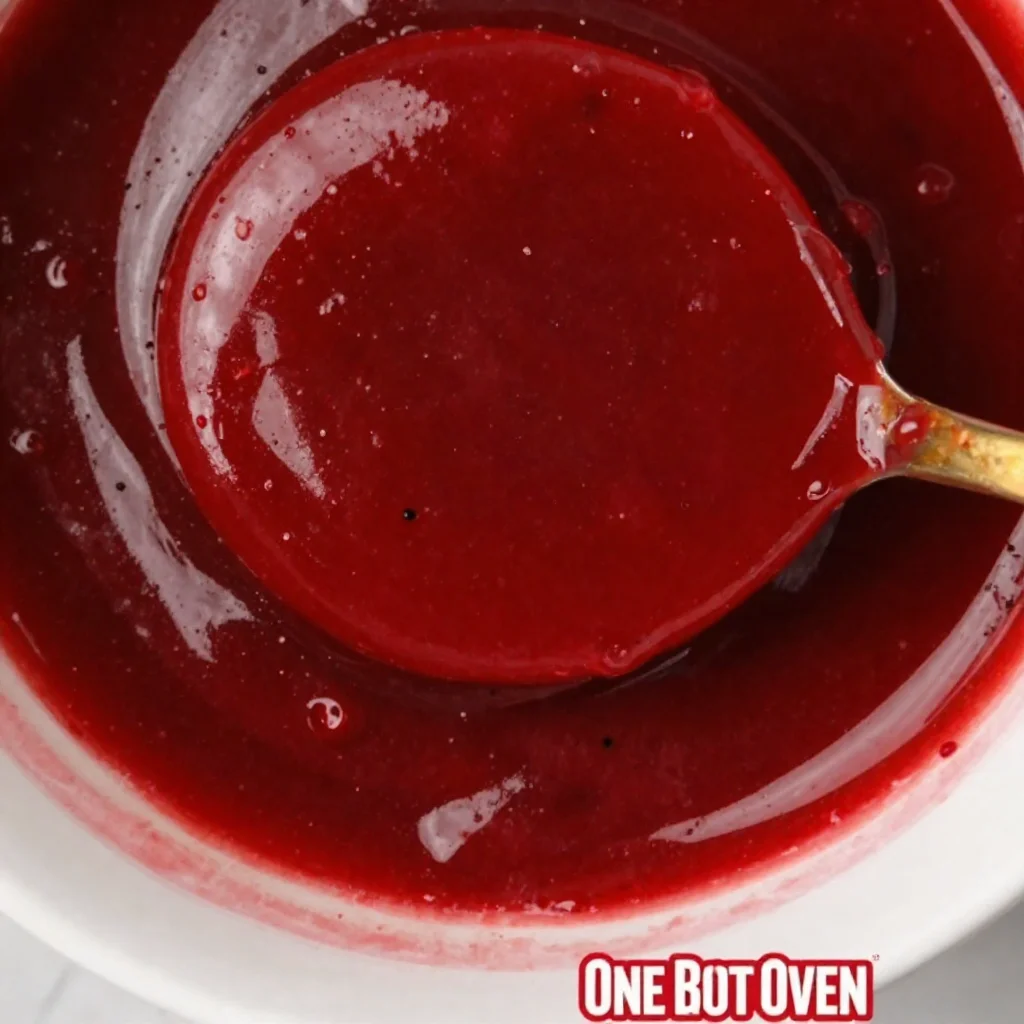
Minute Raspberry Sauce: Fresh, Vibrant & Budget-Friendly
Easy Raspberry Sauce: A Sweet Symphony for Your Taste Buds
Welcome to my kitchen! Today, we’re diving into the vibrant world of Easy Raspberry Sauce. This delightful concoction isn’t just a topping for desserts; it’s a burst of joy that can transform your favorite dishes, whether it’s pancakes drizzled in the morning, a scoop of vanilla ice cream at night, or even a savory twist with roasted meats. I can already hear those delightful raspberry notes singing in harmony with the flavors of your meal.
The beauty of raspberry sauce lies not only in its deliciousness but also in its simplicity. In just a few minutes, you can whip up a sauce that boasts the perfect balance between sweet and tart. It’s like sprinkling a little magic onto your desserts, and trust me, once you’ve made it once, you’ll want to keep a jar in your fridge at all times. So, roll up those sleeves, and let’s embark on this flavorful journey together!
Personal Story
I still remember the first time I made raspberry sauce in my tiny college kitchen. It was exam week, and my friends and I were searching for the ultimate pick-me-up. Armed with a bag of frozen raspberries, I threw caution to the wind. I combined them with sugar, a splash of lemon juice, and then, the pièce de résistance—a sprinkle of love! As I stirred the pot, the sweet aroma filled our cramped space. My friends lounged around, their faces lighting up as they took their first taste. It was as if the stress of finals disappeared for just a moment, replaced by laughter and the sweet-tart magic of raspberries. That day, I realized that cooking is not just about the food; it’s about the memories we create with it.
Ingredients
Here’s what you need for this delectable Easy Raspberry Sauce:
-
Fresh or Frozen Raspberries (2 cups)
Fresh raspberries have a vibrant flavor, but frozen works just as well — just remember to thaw them first! Raspberries are rich in antioxidants and add a delightful tartness. -
Granulated Sugar (½ cup)
This balances the tang of the raspberries. You can adjust the sweetness based on your taste, or swap it with honey or maple syrup for a natural alternative. -
Lemon Juice (1 tablespoon)
Freshly squeezed lemon juice brightens the sauce and enhances the raspberry flavor. If you’re in a pinch, bottled lemon juice can suffice, but fresh is always best! -
Water (¼ cup)
This helps to create the sauce’s desired consistency. If you prefer a thicker sauce, feel free to cut back on the water! -
Cornstarch (1 teaspoon; optional)
If you like your sauce thicker, add this at the end mixed with a little water to form a slurry. It’s a quick kitchen tip for perfecting your sauces!
Step-by-Step Instructions
-
Gather Your Ingredients:
Before you start, make sure you’ve got all your ingredients ready! It’s always easier to whip up a sauce when everything is at your fingertips. -
Combine the Raspberries and Sugar:
In a medium saucepan over medium heat, combine the raspberries and granulated sugar. Stir gently to incorporate the sugar. You’ll hear the berries start to sizzle — that’s the sound of flavor coming to life! -
Add Lemon Juice and Water:
Next, squeeze in the lemon juice and pour in the water, stirring until the mixture begins to bubble. This may take around 2-3 minutes. Don’t rush it; let the heat work its magic as the raspberries break down. -
Simmer:
Lower the heat and let the mixture simmer for about 5 minutes, allowing the raspberries to soften and release their juices. The lovely crimson color will brighten your kitchen! -
Mash and Strain (Optional):
If you want a smoother sauce, use a potato masher to mash the raspberries a bit more, then pour the mixture through a fine-mesh sieve to remove the seeds. This step is optional — I often leave the seeds in for texture and nutrition! -
Thicken (Optional):
If you like your sauce thicker, mix the cornstarch with a tablespoon of water to create a slurry. Gradually add this to the simmering sauce while stirring. It will thicken beautifully in just a minute! -
Cool Down:
Once your sauce has reached your desired consistency, take it off the heat and let it cool. As it cools, it will thicken up a little more. -
Store in Jar:
Transfer the raspberry sauce to an airtight jar and let it chill in the fridge for up to a week. It’s perfect for breakfast, snacks, dessert, or even drizzled over dinner!
Serving Suggestions
Serve your Easy Raspberry Sauce warm or cold, depending on the dish! Drizzle it over pancakes alongside a dollop of whipped cream for a brunch, or serve it with a scoop of vanilla ice cream for a delightful dessert. It also pairs beautifully with grilled meats like chicken or pork, adding a fresh, fruity note to savory dishes. The possibilities are endless!
Recipe Variations
-
Spicy Raspberry Sauce: Add a pinch of cayenne pepper or a dash of chili flakes for a spicy kick that pairs perfectly with savory dishes.
-
Herbed Raspberry Sauce: Mix in some fresh herbs like mint or basil after cooking for a refreshing twist — perfect for summer grilling!
-
Chia Raspberry Sauce: Add a tablespoon of chia seeds for added texture and nutrition. Let it sit to thicken and create a lovely chia pudding texture.
-
Balsamic Raspberry Sauce: Incorporate a splash of balsamic vinegar for a tangy, gourmet feel. This is excellent over grilled meats or salads.
-
Other Berries: Substitute raspberries with strawberries or blueberries for a different flavor profile. You can also mix them for a delightful berry medley!
Chef’s Notes
As I mentioned earlier, this easy raspberry sauce has been a staple in my kitchen for years! I’ve altered the recipe countless times, adding spices or different sweeteners depending on the season or occasion. It truly is a versatile sauce that has evolved in its perfection over time. I even recall a time I accidentally burned the sugar while trying to caramelize it — that tangy, burnt flavor surprisingly took my sauce to a whole new level! That’s what I love about cooking; there’s always room for experimentation and creativity.
FAQs and Troubleshooting
Q: My raspberry sauce turned out too tart. What should I do?
A: If your sauce is too tart, simply add more sugar to taste, heating it gently to dissolve. You can also balance it out with a little more lemon juice or a drizzle of honey.
Q: Can I use other types of berries?
A: Absolutely! This sauce is versatile. Feel free to substitute with strawberries, blueberries, or blackberries — just adjust the sugar depending on their natural sweetness.
Q: How do I store leftover raspberry sauce?
A: Store your sauce in an airtight container in the refrigerator for up to a week. Just give it a stir before using, and feel free to reheat gently on the stove or microwave.
Q: My sauce came out too runny. How can I fix it?
A: No worries! If your sauce is too runny, create a cornstarch slurry (1 teaspoon cornstarch mixed with 1 tablespoon of water) and add it to the sauce while simmering to thicken it up.
Nutritional Info (Optional)
If you’re watching your sugar intake or trying to eat healthier, using alternatives like agave syrup or reducing the sugar can help. This sauce is packed with vitamin C and antioxidants, thanks to the raspberries. Keep in mind, serving size may impact the total calorie count, so enjoy it in moderation!
Thank you for spending time in my kitchen today! I hope this Easy Raspberry Sauce brings as much joy to your table as it has to mine. Happy cooking, and remember: the best meals are the ones filled with love and laughter!
Print
Easy Raspberry Sauce
- Total Time: 20 minutes
- Yield: 1 cup
- Diet: Vegan
Description
A delightful and versatile raspberry sauce that adds a burst of flavor to pancakes, ice cream, and roasted meats.
Ingredients
- Fresh or Frozen Raspberries (2 cups)
- Granulated Sugar (½ cup)
- Lemon Juice (1 tablespoon)
- Water (¼ cup)
- Cornstarch (1 teaspoon; optional)
Instructions
- Gather your ingredients: Make sure you have all your ingredients ready!
- Combine the raspberries and sugar in a saucepan over medium heat.
- Add lemon juice and water, stirring until the mixture bubbles.
- Simmer for about 5 minutes until the raspberries soften.
- Mash and strain (optional) for a smoother sauce.
- Thicken (optional) by adding a cornstarch slurry if desired.
- Cool down and transfer to a jar.
Notes
Serve warm or cold, and try variations like adding spices or using different berries.
- Prep Time: 10 minutes
- Cook Time: 10 minutes
- Category: Sauce
- Method: Stovetop
- Cuisine: American
Nutrition
- Serving Size: 2 tablespoons
- Calories: 50
- Sugar: 10g
- Sodium: 1mg
- Fat: 0g
- Saturated Fat: 0g
- Unsaturated Fat: 0g
- Trans Fat: 0g
- Carbohydrates: 13g
- Fiber: 2g
- Protein: 1g
- Cholesterol: 0mg
Keywords: raspberry sauce, dessert sauce, fruit sauce, easy recipe
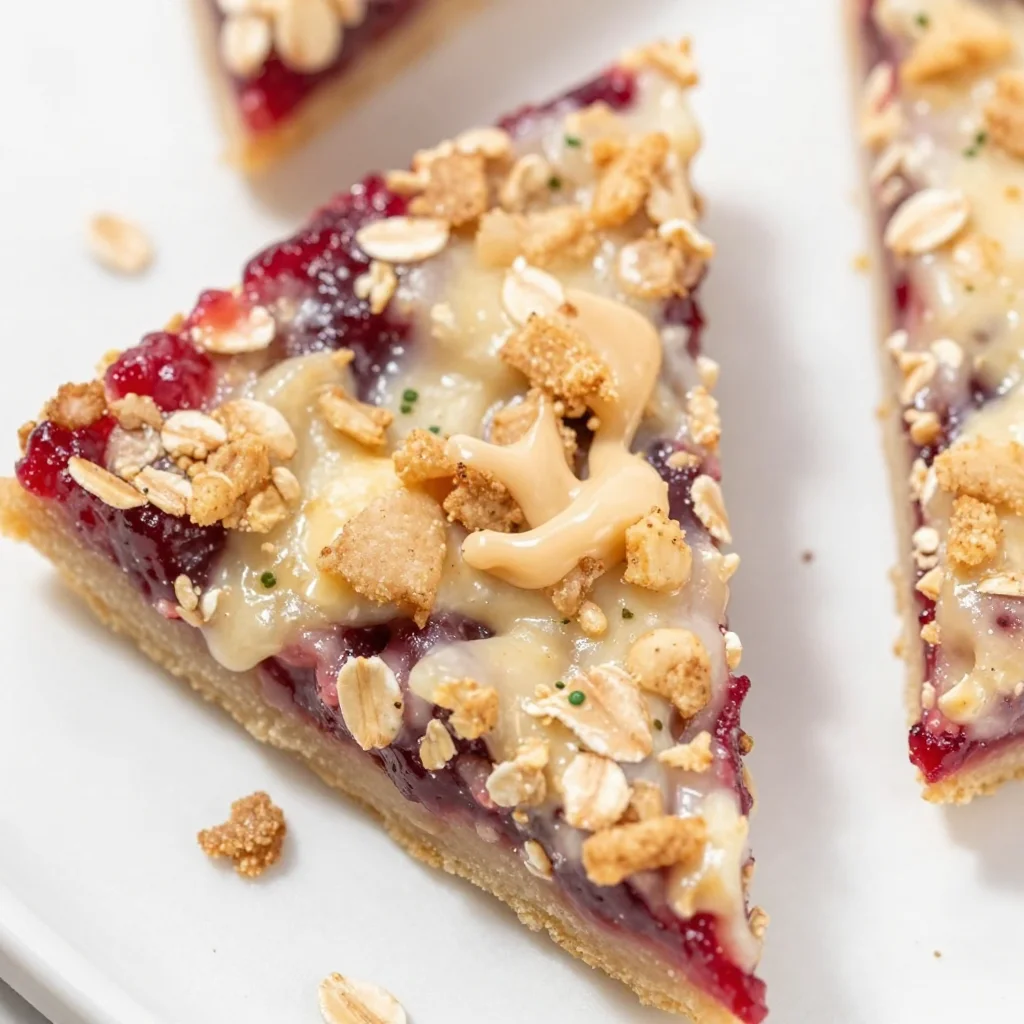
Ingredient Raspberry Oatmeal Bars: Quick & Beginner-Friendly
The Easiest Raspberry Oatmeal Bars: A Sweet Adventure in Every Bite!
Welcome to my cozy corner of the internet, where all things delicious and delightful come together! Today, I am thrilled to share a recipe that’s close to my heart and guaranteed to bring a smile to your face. These Easiest Raspberry Oatmeal Bars are not just scrumptious; they’re a blast from the past—packed with nostalgia, flavor, and the charm of home cooking. Whether you’re whipping them up for breakfast, snacking, or dessert, they’re perfect any time of day.
Picture this: the sun is shining through your kitchen window, the smell of baked oats fills the air, and you’re about to dig into the ultimate treat. These bars are a delightful combination of chewy oatmeal, sweet-tart raspberries, and a hint of cinnamon that makes them so irresistibly good. You won’t need hours in the kitchen or fancy equipment. With just a few simple ingredients and a bit of love, you’ll create a batch of oatmeal bars that everyone will rave about!
Now, let me take you back to where it all began. I vividly remember the summer afternoons spent at my grandmother’s house, surrounded by the enticing scent of her delicious baking. One of my favorite memories is the moment when she pulled a pan of her signature oatmeal bars from the oven, golden and bubbling with fresh fruits. I loved the way her kitchen felt; it was warm and inviting, just like these bars! We would devour those treats together while sharing stories and laughter, creating lasting bonds over a simple snack.
Fast forward to today, and I’ve decided to put my own twist on those nostalgic treats. My Easiest Raspberry Oatmeal Bars embody that warmth and joy. Trust me, once you try them, you’ll want to make them over and over again. So, let’s get cooking and make some magical memories in your kitchen!
What You’ll Need: Ingredients
Before we dive into the cooking process, let me lay out the ingredients for these delicious bars. Each component is simple, accessible, and adds its own unique touch.
-
Old-Fashioned Oats (2 cups): These are the backbone of your bars, giving them that lovely chewy texture. You can substitute quick oats if you prefer, but I find the old-fashioned oats create a heartier bar.
-
All-Purpose Flour (1 cup): This helps to bind everything together. If you’re gluten-free, feel free to swap this with almond flour or a gluten-free blend.
-
Brown Sugar (½ cup): For that rich sweetness and a hint of caramel flavor. If you’re looking to cut down on sugar, coconut sugar works well as a substitute.
-
Baking Powder (1 teaspoon): This helps your bars rise and become fluffy rather than dense.
-
Cinnamon (1 teaspoon): A warm spice that enhances the flavors of the oats and raspberries. If cinnamon isn’t your thing, try nutmeg or leave it out altogether.
-
Salt (½ teaspoon): Just a pinch to balance the sweetness.
-
Unsalted Butter (½ cup, melted): Adds richness and helps with the texture. Coconut oil is a great vegan alternative here.
-
Fresh Raspberries (1 cup): The stars of the show! You can swap these with blueberries, strawberries, or even apples if you like.
-
Egg (1 large): Binds everything together. For a vegan option, replace it with a flaxseed egg (1 tablespoon ground flaxseed mix with 3 tablespoons water).
Step-by-Step Instructions
Alright, let’s get to the fun part! Here’s how to bring these Easiest Raspberry Oatmeal Bars to life:
-
Preheat Your Oven: Start by preheating your oven to 350°F (175°C). This step ensures your bars bake evenly and develop a lovely golden color.
-
Prep Your Pan: Grab an 8×8-inch baking pan and line it with parchment paper for easy removal. You could also grease it lightly with butter or oil to prevent sticking.
-
Mix the Dry Ingredients: In a large bowl, combine the old-fashioned oats, flour, brown sugar, baking powder, cinnamon, and salt. Use a whisk to mix them well. This ensures that the baking powder is evenly distributed, which is key to even rising.
-
Incorporate the Wet Ingredients: In a separate bowl, mix the melted butter and egg. If you’re going vegan, make sure you whisk together the flaxseed and water thoroughly before adding. Pour this mixture into the dry ingredients and combine gently. It should be crumbly but hold together when you squeeze it.
-
Fold in the Raspberries: Gently fold in your fresh raspberries, being careful not to break them up too much. You want to maintain those lovely whole berries throughout your bars!
-
Spread the Mixture: Transfer half of the oatmeal mixture into the prepared pan, pressing it down to form an even layer. This base layer is crucial as it will hold all the delicious filling.
-
Add the Topping: Sprinkle the remaining mixture over the top of the raspberries. The texture should be crumbly and add a beautiful, crunchy top to your bars.
-
Bake: Pop the pan in the preheated oven and bake for 25-30 minutes, or until the top is golden and a toothpick inserted into the center comes out clean.
-
Cool and Slice: Allow your oatmeal bars to cool completely in the pan on a wire rack. This step is vital! If you can be patient, cutting them too soon may result in a lovely crumble instead of neat bars. Once cool, slice into squares or rectangles.
-
Enjoy!: Serve your bars warm, or store them in an airtight container at room temperature for up to a week! They also freeze beautifully if you want to enjoy them later.
Serving Suggestions
When it comes to serving your Easiest Raspberry Oatmeal Bars, simplicity is key! You can plate them up plainly, but for an added touch, consider drizzling them with a little warm honey or adding a dollop of yogurt. Pairing them with a cup of tea or coffee creates the perfect afternoon snack, and they’re great for sharing at brunch or a picnic!
Recipe Variations
Now that you’ve mastered the classic version, let’s talk about how you can give these bars your own spin!
-
Nutty Boost: Add ½ cup of chopped nuts (like almonds, walnuts, or pecans) for added crunch and healthy fats.
-
Chocolate Lovers: Stir in some dark chocolate chips or cacao nibs for a delicious chocolate raspberry combo.
-
Seasonal Swaps: In place of raspberries, use seasonal fruits like peaches, apples, or even cranberries for a fall twist.
-
Spice it Up: Mix in different spices like cardamom or ginger for a unique flavor profile.
-
Vegan Delight: Substitute eggs with flaxseed eggs and use maple syrup instead of brown sugar to make it completely plant-based.
Chef’s Notes
These Easiest Raspberry Oatmeal Bars have become a staple in my kitchen. I’ve experimented with so many variations over the years! One time, I had a batch that didn’t set properly because I was too impatient to let them cool down. Instead of tossing them out, I crumbled the bars over my morning yogurt, and it turned into an accidental breakfast favorite! It was the perfect example of how one little mistake can lead to something delightful.
Cooking is all about enjoying the process and embracing those little imperfections, right?
FAQs and Troubleshooting
1. Why did my bars crumble apart?
If your bars are crumbling, they may not have cooled completely before slicing. Make sure you let them cool in the pan entirely for better slicing. Also, check that you used the right proportions of wet to dry ingredients.
2. Can I use frozen raspberries?
Absolutely! If you’re using frozen raspberries, there’s no need to thaw them beforehand. Just be aware that they might create a bit more liquid, but that just makes them more moist and delicious!
3. How do I store these bars?
Store your oatmeal bars in an airtight container at room temperature for up to a week. If you’d like to keep them longer, freeze them in individual portions, and pull one out whenever you need a sweet treat!
4. Can I double the recipe?
Yes, feel free to double the recipe! Just use a larger baking dish (like a 9×13-inch pan) and extend the baking time slightly, checking for doneness.
Nutritional Info (Optional)
Each bar (based on 12 servings):
- Calories: 180
- Protein: 3g
- Carbohydrates: 29g
- Dietary Fiber: 3g
- Sugars: 8g
- Fat: 7g
With these Easiest Raspberry Oatmeal Bars, you’re all set to create a wholesome, delightful treat that brings joy to your kitchen and to the ones you love. Happy baking, friends! Enjoy every sweet moment! 🍓✨
Print
Easiest Raspberry Oatmeal Bars
- Total Time: 40 minutes
- Yield: 12 servings
- Diet: Vegetarian
Description
Deliciously chewy oatmeal bars packed with sweet-tart raspberries and a hint of cinnamon, perfect for breakfast or as a snack.
Ingredients
- Old-Fashioned Oats (2 cups)
- All-Purpose Flour (1 cup)
- Brown Sugar (½ cup)
- Baking Powder (1 teaspoon)
- Cinnamon (1 teaspoon)
- Salt (½ teaspoon)
- Unsalted Butter (½ cup, melted)
- Fresh Raspberries (1 cup)
- Egg (1 large)
Instructions
- Preheat your oven to 350°F (175°C).
- Prep an 8×8-inch baking pan by lining it with parchment paper.
- Mix the dry ingredients: oats, flour, brown sugar, baking powder, cinnamon, and salt in a bowl.
- Incorporate the wet ingredients: melted butter and egg (or flaxseed egg).
- Fold in the fresh raspberries gently.
- Spread half of the mixture into the prepared pan and press down.
- Add the remaining mixture as a topping.
- Bake for 25-30 minutes, until golden and a toothpick comes out clean.
- Cool completely on a wire rack before slicing.
- Enjoy warm or store in an airtight container for up to a week.
Notes
For a vegan option, substitute butter with coconut oil and egg with a flaxseed egg. These bars can be customized with nuts or chocolate chips.
- Prep Time: 10 minutes
- Cook Time: 30 minutes
- Category: Snack
- Method: Baking
- Cuisine: American
Nutrition
- Serving Size: 1 bar
- Calories: 180
- Sugar: 8g
- Sodium: 50mg
- Fat: 7g
- Saturated Fat: 4g
- Unsaturated Fat: 3g
- Trans Fat: 0g
- Carbohydrates: 29g
- Fiber: 3g
- Protein: 3g
- Cholesterol: 30mg
Keywords: raspberry, oatmeal, bars, dessert, snack
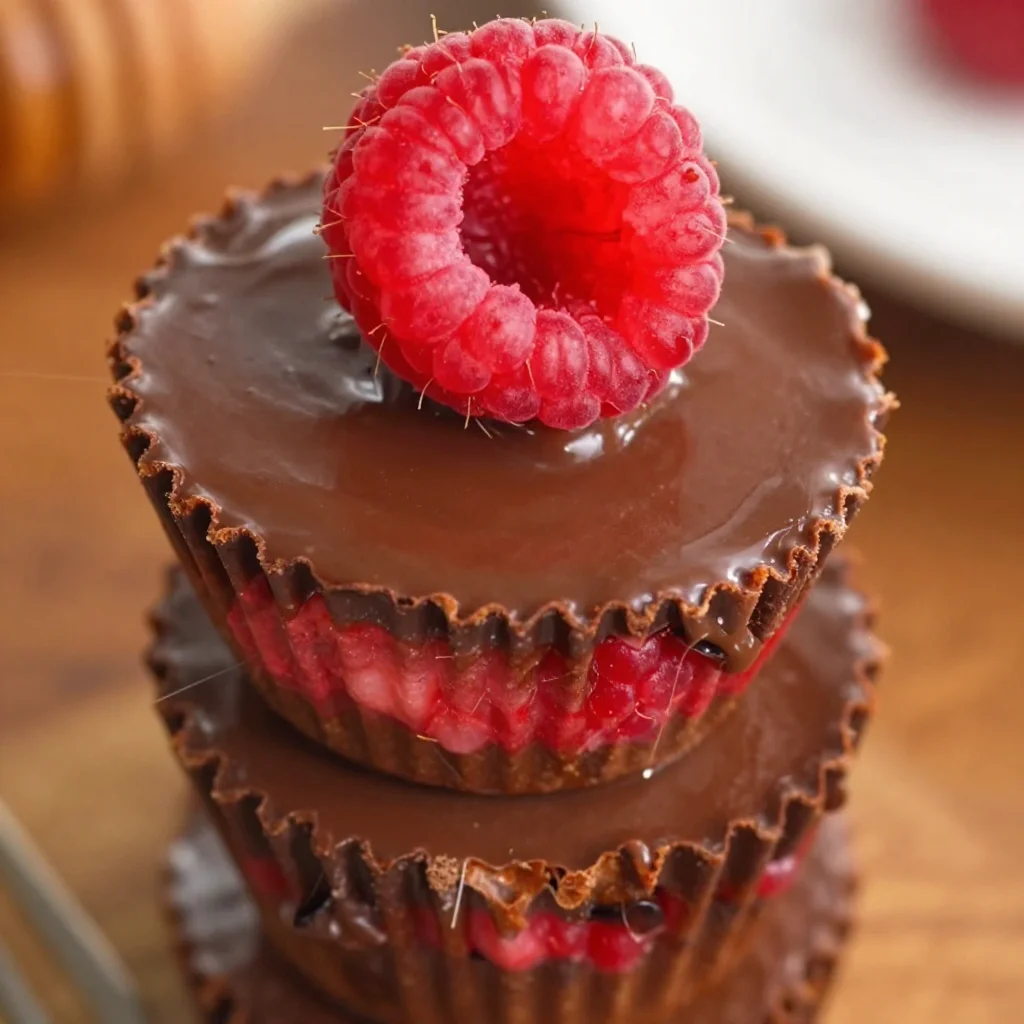
Healthy Chocolate Raspberry Cups: 15-Minute No-Bake Dessert
Indulge Guilt-Free: Healthy Chocolate Raspberry Cups Dessert
Welcome to my cozy kitchen, where the aroma of baking wafts through the air like a warm hug! I’m Olivia Bennett, your friendly culinary companion, and today I’ve got a treat that’s bound to make your taste buds dance. Imagine sinking your teeth into rich, velvety chocolate combined with the bright, tart flavor of fresh raspberries. Sounds heavenly, right? Well, I’m thrilled to share with you my recipe for Healthy Chocolate Raspberry Cups—a delightful dessert that’s not just delicious but also packed with wholesome goodness!
With the hustle and bustle of everyday life, it’s easy to feel overwhelmed when it comes to dessert. We often think of indulgent sweets as being heavy on sugar and calories. But what if I told you that you could satisfy your chocolate cravings without the guilt? These delightful cups bring the best of both worlds together—decadence and health!
Whether you’re hosting a dinner party, celebrating a special occasion, or just craving something sweet at the end of the day, these Healthy Chocolate Raspberry Cups are exactly what you need. They’re simple to make and even easier to enjoy, and I can’t wait for you to dive into this delicious recipe with me.
So, roll up those sleeves, put on your aprons, and let’s get ready to create a delectable dessert that will have everyone talking (and asking for seconds!).
A Sweet Memory
I’ll never forget the summer evenings spent at my grandmother’s house, where the whole family would gather for dinner. There was always laughter, stories, and at the end of every meal, a delicious dessert that brought us together. One of the highlights was when Grandma would whip up her famous chocolate treats—each bite was an explosion of flavor that transported us to a world of sweetness and joy.
I remember one particular evening when she made a raspberry-chocolate mousse. The combination was simply divine! As I savored each spoonful, I realized how powerful food can be; it connects us, evokes memories, and warms our hearts. Inspired by those cherished moments, I wanted to create a dessert that embodies that same joy but with a healthier twist. And thus, the Healthy Chocolate Raspberry Cups were born! With a nod to my grandma’s legacy, these cups are not only delicious but also bring a bit of nostalgia to every bite.
Ingredients
Here’s what you’ll need to whip up these delightful Healthy Chocolate Raspberry Cups:
-
Dark Chocolate (1 cup)
- Look for chocolate that’s at least 70% cocoa for a rich flavor. You can also use dairy-free or vegan chocolate if you prefer. If you’re out of chocolate chips, you can chop a chocolate bar as a great substitute!
-
Coconut Oil (2 tablespoons)
- This adds a nice gloss to your chocolate and enhances the texture. You can use unsalted butter or any neutral oil if you don’t have coconut oil on hand.
-
Greek Yogurt (½ cup)
- Creamy and packed with protein, Greek yogurt gives these treats a delightful texture. For a dairy-free option, try using coconut yogurt!
-
Fresh Raspberries (1 cup)
- These juicy gems bring a burst of flavor and vibrant color. If they aren’t in season, feel free to use frozen raspberries—just thaw and drain excess moisture.
-
Honey or Maple Syrup (2-3 tablespoons)
- For sweetness, these natural sweeteners are simply the best! Adjust according to your taste. You can also use agave nectar or a sugar substitute if you’re looking to cut down on sugar.
-
Vanilla Extract (1 teaspoon)
- This adds depth to the flavor profile. Feel free to use almond extract for a different twist!
-
Pinch of Sea Salt
- This enhances all the flavors, balancing the sweetness.
Chef’s Tip:
Preparation is key! Measure and prep your ingredients before you begin, which will make your cooking process smoother and more enjoyable.
Step-by-Step Instructions
Now, let’s get to the exciting part—preparing these delightful little cups step-by-step.
-
Melt the Chocolate:
Place a heatproof bowl over a pot filled with a couple of inches of simmering water (this is called a double boiler). Add the dark chocolate and coconut oil. Stir slowly until melted and smooth. Remove from heat and let it cool slightly.- Chef’s Hack: If you’re in a hurry, you can also melt the chocolate in the microwave. Just heat it in 20-second bursts, stirring in between to avoid overheating!
-
Prepare the Cups:
Line a muffin tin with cupcake liners (silicone liners work great for easy peeling later). Spoon a tablespoon of the melted chocolate mixture into the bottom of each liner and spread it evenly to form a base.- Tip: Use the back of a spoon to press it flat and create a nice layer!
-
Chill the Base:
Place the muffin tin in the fridge for about 15-20 minutes, or until the chocolate hardens. This ensures a sturdy base for your creamy filling. -
Make the Raspberry Filling:
In a mixing bowl, combine Greek yogurt, honey (or maple syrup), vanilla extract, and a pinch of sea salt. Mix until smooth. Gently fold in the fresh raspberries.- Chef’s Insight: If you want a smoother texture, mash the raspberries a bit before folding them into the yogurt mixture!
-
Fill the Cups:
Once the chocolate base is set, remove the muffin tin from the fridge. Spoon the raspberry yogurt mixture over the hardened chocolate base in each cupcake liner, smoothing out the tops.- Tip: Don’t be afraid to be generous — these cups will be even more delightful with a good amount of filling!
-
Top with More Chocolate:
Drizzle the remaining melted chocolate over the raspberry filling. You’ll want to ensure the filling is covered so everything stays together when you serve!- Pro Tip: If you’d like, sprinkle some crushed nuts or a few whole raspberries on top before the chocolate hardens for some extra flair.
-
Final Chill:
Return the muffin tin to the refrigerator for another 30 minutes to an hour, or until the chocolate is completely firm and set. -
Enjoy:
Carefully peel away the cupcake liners, and voila! You’ve created the most delicious and healthy dessert that’s sure to impress!
Serving Suggestions
For serving, arrange these beautiful Healthy Chocolate Raspberry Cups on a decorative platter or a rustic wooden board. A sprinkle of cocoa powder or a few fresh mint leaves can add a lovely presentation touch. Pair them with a scoop of vanilla ice cream or a dollop of whipped cream (dairy or coconut-based) for an extra treat.
Recipe Variations
-
Nutty Delight: Add chopped nuts (like almonds or hazelnuts) into the chocolate mixture before forming the base for a crunchy texture.
-
Mint Chocolate: Incorporate a few drops of peppermint extract into the chocolate mixture for a refreshing minty twist.
-
Different Berries: If raspberries aren’t your thing, try substituting with blueberries, strawberries, or blackberries for a different flavor!
-
Spicy Kick: Add a pinch of cayenne pepper to the chocolate for a surprising kick that balances the sweetness.
Chef’s Notes
This recipe has evolved over the years, from my grandmother’s chocolate mousse to these delightful cups that fit my healthier lifestyle. I love experimenting with flavors and textures, but I always come back to chocolate and berries as a classic combo. A funny little story: One time I was in a rush and forgot to chill the chocolate base before filling it with yogurt—let’s just say it turned into a bit of a delicious disaster! Even messes can lead to delightful creations in the kitchen!
FAQs and Troubleshooting
1. Why are my cups not setting properly?
Make sure that your chocolate is fully melted and has cooled slightly before adding it to the muffin cups. Also, chilling the cups long enough will ensure they set perfectly.
2. Can I use another type of yogurt?
Absolutely! If you’re not a fan of Greek yogurt, any plain yogurt will work, including non-dairy alternatives like almond or soy yogurt.
3. My chocolate mixture is too thick—what should I do?
If your chocolate is too thick, try adding a small amount of coconut oil or a splash of almond milk to loosen it up before using it in the cups.
4. How long do these healthy cups last?
They should be stored in the refrigerator and will keep well for about a week. However, I doubt they’ll last that long—they’re too delicious!
Nutritional Info (optional)
Each Healthy Chocolate Raspberry Cup contains approximately:
- Calories: 150
- Protein: 4g
- Carbohydrates: 12g
- Fats: 10g
- Fiber: 2g
(Note: Nutritional information may vary based on specific brands and ingredients used.)
And there you have it—my cherished Healthy Chocolate Raspberry Cups Recipe! I hope you enjoy making and indulging in this delightful dessert as much as I do. Each bite is a reminder of love, laughter, and the joy of creating something beautiful in the kitchen. Happy cooking!
Print
Healthy Chocolate Raspberry Cups
- Total Time: 35 minutes
- Yield: 12 servings
- Diet: Vegetarian
Description
A delightful dessert that combines rich chocolate and fresh raspberries in a guilt-free treat.
Ingredients
- Dark Chocolate (1 cup)
- Coconut Oil (2 tablespoons)
- Greek Yogurt (½ cup)
- Fresh Raspberries (1 cup)
- Honey or Maple Syrup (2-3 tablespoons)
- Vanilla Extract (1 teaspoon)
- Pinch of Sea Salt
Instructions
- Melt the chocolate and coconut oil using a double boiler or microwave.
- Prepare the muffin tin with cupcake liners and spoon melted chocolate to form a base.
- Chill the base in the fridge for about 15-20 minutes.
- Make the raspberry filling by combining Greek yogurt, honey, vanilla, and sea salt, then fold in raspberries.
- Fill the cups with the raspberry yogurt mixture over the hardened chocolate base.
- Top with more melted chocolate and optional toppings like crushed nuts.
- Final chill the cups in the refrigerator for 30 minutes to 1 hour.
- Enjoy them once set by peeling away the liners.
Notes
Measure and prep your ingredients beforehand for a smoother cooking process.
- Prep Time: 20 minutes
- Cook Time: 15 minutes
- Category: Dessert
- Method: Chilling
- Cuisine: American
Nutrition
- Serving Size: 1 cup
- Calories: 150
- Sugar: 8g
- Sodium: 50mg
- Fat: 10g
- Saturated Fat: 6g
- Unsaturated Fat: 4g
- Trans Fat: 0g
- Carbohydrates: 12g
- Fiber: 2g
- Protein: 4g
- Cholesterol: 5mg
Keywords: healthy dessert, chocolate raspberry cups, guilt-free treats, summer dessert, easy dessert
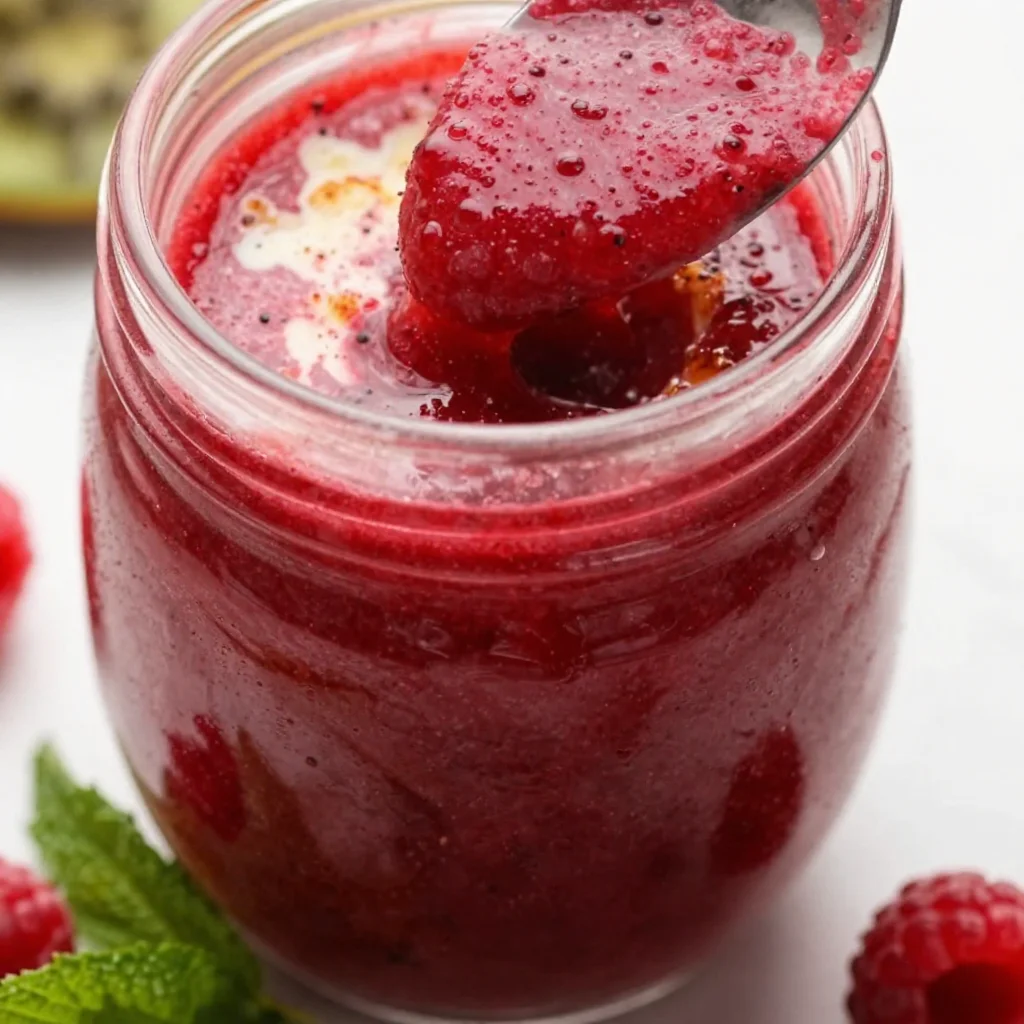
Easy Raspberry Sauce
The Easiest Raspberry Sauce: A Sweet Kitchen Delight
Welcome to my kitchen, dear friends! I’m so thrilled to have you here. Today, we’re diving into one of my absolute favorite recipes: a super simple, utterly delicious Raspberry Sauce. If you’ve ever found yourself with a pint of fresh raspberries and wanted to create something magical, you’re in for a treat. This juicy, vibrant sauce is not only straightforward but also incredibly versatile — perfect for drizzling over pancakes, swirling into yogurt, or even adding a touch of elegance to a baked dessert.
But before we jump into the details, let’s take a moment to appreciate raspberries. These little gems are like nature’s candy — bright, tangy, and bursting with flavor! I remember the first time I tasted a freshly picked raspberry right off the bush. It was like a burst of summer in my mouth, and I’ve been in love ever since. There’s something so nostalgic and delightful about the process of making this sauce; it takes me back to spending lazy afternoons in the kitchen with my grandmother, who would whip up her own version to accompany her famous cheesecake. The sweet and tangy notes of the raspberries paired perfectly with the creamy vanilla.
So, put on your favorite apron (or make a new mess like I do), and let’s create a delightful Raspberry Sauce that will have your friends and family asking for seconds!
A Sweet Memory in Every Bite
Growing up, my grandmother was a culinary wizard; her raspberry sauce was legendary within our family. Every summer, she would gather buckets of fresh raspberries from her garden, and I’d perch beside her, eagerly awaiting the sweet transformations that would unfold. The smell of those bubbling raspberries on the stove was intoxicating, and I can still hear her soft laughter as she tried to keep my sticky little hands from “sampling” too much of the sugary goodness.
Those moments in the kitchen were more than just about cooking; they were filled with stories, laughter, and love. I remember asking her, “Nana, why are raspberries red?” and her playful response was always about them holding the secret to happiness. Little did I know then that each scoop of her raspberry sauce would carry on those cherished memories and brighten future gatherings.
Now, every time I make this sauce, I’m transported back to my grandmother’s cozy kitchen. It serves as a reminder that food isn’t just about taste; it’s about creating connections and weaving memories to share with others. So pull up a chair, and let’s make some more beautiful memories together!
Ingredients
Here’s what you’ll need to whip up this delicious Raspberry Sauce:
-
Fresh raspberries (2 cups)
A star ingredient! Fresh raspberries provide vibrant flavor and color. If you can’t find fresh ones, frozen raspberries work just as well. Just be sure to thaw them first and drain any excess liquid. -
Granulated sugar (3/4 cup)
Sugar is the magic that sweetens the sauce. You can adjust the amount to your taste, or substitute with honey, maple syrup, or a sugar alternative if you’re looking for a lower-sugar option. -
Lemon juice (1 tablespoon)
A splash of lemon juice brightens the flavor and balances the sweetness of the raspberries. Freshly squeezed is best, but bottled lemon juice can work in a pinch. -
Cornstarch (1 tablespoon)
This ingredient helps thicken the sauce, giving it that luscious, syrupy consistency. You can substitute with arrowroot powder if you’re looking for a grain-free option. -
Water (1/4 cup)
This will help dissolve the sugar and create a fluid base for your sauce. If you want more flavor, use raspberry juice if available!
Step-by-Step Instructions
Let’s get cooking, shall we? Follow these simple steps to create your Raspberry Sauce.
-
Prepare the Raspberries
Start by rinsing your fresh raspberries gently under cold water. Place them in a colander and allow them to drain and dry for a few minutes. Make sure to pick out any mushy or discolored berries — we want only the best for our sauce! -
Combine Ingredients
In a medium saucepan, mix together your fresh raspberries, granulated sugar, lemon juice, cornstarch, and water. Swirl it all together gently until the raspberries are mostly intact, as we want some texture in the final product. -
Cook the Mixture
Place the saucepan on medium heat. As the mixture starts to heat up, the raspberries will begin to break down. Stir it occasionally to prevent sticking (and to get that beautiful aroma wafting through your kitchen!). We want to cook it for about 10-15 minutes, or until it starts to bubble vigorously. -
Thickening the Sauce
Once you’ve reached a bubbling stage, reduce the heat to low and let it simmer for an extra 5 minutes. If you prefer a thicker sauce, you can create a slurry by mixing a bit of cornstarch with water before adding it to the sauce, stirring continuously until thickened. -
Strain (if desired)
If you want a smooth sauce, you can strain the mixture through a fine-mesh sieve to remove the seeds. Just push it through with a spoon or spatula for maximum yield. I sometimes choose to keep it chunky for that rustic feel! -
Cool and Store
After cooking, remove the sauce from heat. Let it cool in the saucepan for a bit before transferring it to a jar or airtight container. This sauce can be stored in the refrigerator for up to two weeks — if it lasts that long!
Serving Suggestions
Now that you’ve got your luscious Raspberry Sauce ready, the world is your oyster! Drizzle it over pancakes or waffles for a perfectly sweet breakfast treat. Swirl it into Greek yogurt for a refreshing snack, or use it as a topping for vanilla ice cream to elevate your dessert game. Try it over a slice of cheesecake for a stunning presentation that tastes as good as it looks.
For a fun party idea, serve the sauce alongside a charcuterie board featuring cream cheese, soft cheeses, and crackers. Your guests will be impressed, and it adds a beautiful pop of color!
Recipe Variations
Feel free to get creative! Here are a few variations you can try:
- Minty Raspberry Sauce: Toss in finely chopped mint leaves just as the sauce finishes cooking for a refreshing twist.
- Spicy Raspberry Sauce: Add a pinch of cayenne pepper or crushed red pepper flakes to the mix while cooking for a subtle heat.
- Balsamic Raspberry Sauce: Substitute a tablespoon of balsamic vinegar for the lemon juice to give your sauce a richer, deeper flavor.
- Rum-Infused Raspberry Sauce: Stir in a tablespoons of dark rum once you remove the sauce from the heat for a delightful boozy kick.
- Low-Sugar Option: Replace sugar with a low-calorie sweetener for a guilt-free treat without sacrificing flavor.
Chef’s Notes
As I reflect on this recipe, it’s amazing how something so simple can transform into something truly special. I’ve experimented with this sauce over the years, tweaking the sugar, the tang level, and incorporating different spices. Once, during a summer dinner party, I decided to add some freshly cracked black pepper, and oh my goodness — it took everyone by surprise! They were in awe of the flavor profile and the contrast between the sweet and peppery notes. It’s fun to see how a humble raspberry sauce can evolve and adapt!
And here’s a little secret: the more you make it, the more intuitive you’ll become about your personal preferences. So, don’t be shy; let your kitchen creativity shine!
FAQs and Troubleshooting
Q: Can I use frozen raspberries for this sauce?
A: Absolutely! Frozen raspberries are convenient and work just as well. Just be sure to thaw and drain them first to avoid excess liquid in your sauce.
Q: My sauce turned out too watery. What should I do?
A: If your sauce is too watery, it’s likely that it didn’t simmer long enough. Simply return it to heat and allow it to reduce further until it’s at your desired consistency.
Q: How can I store leftover sauce?
A: Store your Raspberry Sauce in an airtight container in the refrigerator for up to two weeks. You can also freeze it in small portions for up to six months — just thaw in the fridge when you’re ready to use it!
Q: Can I use other berries for this sauce?
A: Yes! Strawberries, blueberries, or blackberries can be swapped in or combined for a mixed berry sauce. Adjust the sweetness according to the berries’ natural flavors.
Nutritional Info
While I won’t go into specific numbers, this Raspberry Sauce is relatively low in calories and can be made even more nutritious by opting for natural sweeteners and reducing sugar.
That’s it, folks! You’ve now mastered a delicious, easy Raspberry Sauce that can elevate a multitude of dishes. I hope my stories and tips inspire you to embrace the joy of cooking and create your unique kitchen memories. Happy cooking, and enjoy every sweet drop of that raspberry goodness!
Print
The Easiest Raspberry Sauce: A Sweet Kitchen Delight
- Total Time: 25 minutes
- Yield: 1 cup of sauce
- Diet: Vegan
Description
A super simple and delicious Raspberry Sauce perfect for drizzling over pancakes, yogurt, or desserts.
Ingredients
- Fresh raspberries (2 cups)
- Granulated sugar (3/4 cup)
- Lemon juice (1 tablespoon)
- Cornstarch (1 tablespoon)
- Water (1/4 cup)
Instructions
- Prepare the raspberries by rinsing them gently under cold water and draining them in a colander.
- Combine ingredients: In a medium saucepan, mix together the raspberries, sugar, lemon juice, cornstarch, and water gently.
- Cook the mixture on medium heat until it starts to break down, stirring occasionally for about 10-15 minutes.
- Thicken the sauce by reducing the heat to low and simmering for an extra 5 minutes.
- Strain if desired, using a fine-mesh sieve to remove seeds for a smooth sauce.
- Cool and store the sauce in an airtight container for up to two weeks.
Notes
Enjoy the sauce over pancakes, yogurt, or desserts. Consider using frozen raspberries if fresh ones are unavailable.
- Prep Time: 10 minutes
- Cook Time: 15 minutes
- Category: Sauce
- Method: Cooking
- Cuisine: American
Nutrition
- Serving Size: 2 tablespoons
- Calories: 50
- Sugar: 10g
- Sodium: 0mg
- Fat: 0g
- Saturated Fat: 0g
- Unsaturated Fat: 0g
- Trans Fat: 0g
- Carbohydrates: 13g
- Fiber: 2g
- Protein: 1g
- Cholesterol: 0mg
Keywords: raspberry sauce, dessert sauce, easy raspberry sauce, fruit sauce, topping
Minute Homemade Raspberry Lemonade (Fresh Summer Sip)
Refreshing Homemade Raspberry Lemonade: A Summer Classic
Welcome to my kitchen, friends! Today, we’re diving into a delightful summertime favorite that is as vibrant and refreshing as a sunny day at the park: homemade raspberry lemonade. Now, if you’re like me, summertime isn’t just about soaking up the sun; it’s also about savoring the delicious, tart, and sweet flavors that fresh fruits have to offer. And there’s really nothing quite like the kick of homemade lemonade, especially when you marry it with the luscious taste of ripe raspberries.
Imagine it: a big glass of ruby-red raspberry lemonade, the ice-cold drink shimmering in the sunlight as you take a sip, and the explosion of flavors dances across your taste buds. It’s the quintessential thirst-quencher and a superb way to impress your friends and family—whether you’re hosting a barbecue, picnicking in the park, or just enjoying a lazy afternoon on your porch.
You don’t need to be a master mixologist to whip this up in your kitchen, and I promise you; it’s simpler than it sounds. In this post, we’ll not only make this vibrant drink together, but I’ll also share some heartwarming stories, helpful tips, and a few creative spins on this classic recipe to keep your summer fun and refreshing! So grab your apron, and let’s get started!
A Little Nostalgia
Before we get into the nitty-gritty of the recipe, let me take you back to my childhood summers. Growing up, my family had a lovely tradition of gathering in our backyard every weekend for a big cookout. The air was filled with laughter, the smell of grilled burgers, and, of course, the occasional splash of water from kids playing in the garden hose. But what stands out most in my memory is my grandmother’s famous lemonade.
She would set up her old wooden table, blending lemons and sugar like a pro while we kids helped her mash fresh fruits from the garden. One summer, we discovered a patch of wild raspberries, and my grandmother had the brilliant idea of adding them into her beloved lemonade recipe. The result? A gloriously sweet and tart drink that quickly became our summer signature!
That buzzy, care-free feeling of sipping on homemade raspberry lemonade while basking in the sun is something I want to share with you today. It’s not just a drink; it’s a memory in a glass!
Ingredients
Let’s gather our ingredients! Here’s what you’ll need to concoct this refreshing homemade raspberry lemonade:
-
Fresh Raspberries (2 cups): Raspberries bring a bright flavor and vibrant color. They’re juicy and sweet with a hint of tartness. If fresh raspberries aren’t available, you can substitute them with frozen ones—just make sure to thaw them before blending.
-
Fresh Lemons (1 cup juice, about 4-6 lemons): The hallmark of any good lemonade is the zesty kick from fresh lemons. If you want to mix it up, try using limes or even some blood oranges for a unique twist!
-
Granulated Sugar (1 cup): This sweetness balances the tartness of the lemons and raspberries. Feel free to adjust the amount depending on your taste. You could also use honey or agave syrup for a natural touch.
-
Water (4 cups): Both for diluting the concentrated lemonade and as a base. You can use sparkling water to add a fun fizz!
-
Ice Cubes: Not exactly an ingredient, but essential for serving cold! You can also freeze some raspberry puree in ice cube trays for a fun twist.
Chef Insight:
Always taste as you go! Every batch of raspberries and lemons may vary in sweetness and acidity, so adjust the sugar according to your preference!
Step-by-Step Instructions
Now, let’s get into the fun part: actually making our luscious raspberry lemonade! Here’s your step-by-step guide:
-
Prepare the Raspberries:
Start by rinsing the fresh raspberries gently under cool water. Place them in a medium saucepan and mash them with the back of a fork or a potato masher until they release their juices. This part is super fun—don’t be shy to get your hands involved! -
Create the Raspberry Syrup:
Add half a cup of water and half a cup of sugar to the saucepan and place it over medium heat. Stir the mixture until the sugar dissolves, allowing the raspberries to steep for about 5-7 minutes. Remove from heat and let it cool. -
Juicing the Lemons:
While your raspberry syrup is cooling, get your lemons juiced! Roll them on the countertop to help release the juice before cutting them in half. Use a citrus juicer to get a full cup of fresh lemon juice. Straining it will help remove seeds and pulp—unless you like the extra texture! -
Mixing Together:
Once your raspberry syrup has cooled down, strain it through a fine-mesh sieve to remove the seeds and pulp, pressing with a spoon to extract as much juice as possible. In a large pitcher, combine the strained raspberry syrup, fresh lemon juice, and the remaining 3.5 cups of cold water. Stir until well mixed. -
Taste Test:
This is a crucial step! Taste the lemonade and adjust the sugar and water according to your preference. Need it sweeter? Add a little more sugar; like it tart? Add more water or lemon juice. -
Chill and Serve:
Add ice cubes to your glass, and pour the raspberry lemonade over to enjoy! You can garnish with fresh raspberries or lemon slices for that Pinterest-ready touch.
Chef Hack:
For an extra burst of flavor, try adding a few mint leaves while you’re mixing up your drink. Not only does it add a refreshing note, but it gives a lovely fragrance to the lemonade too!
Serving Suggestions
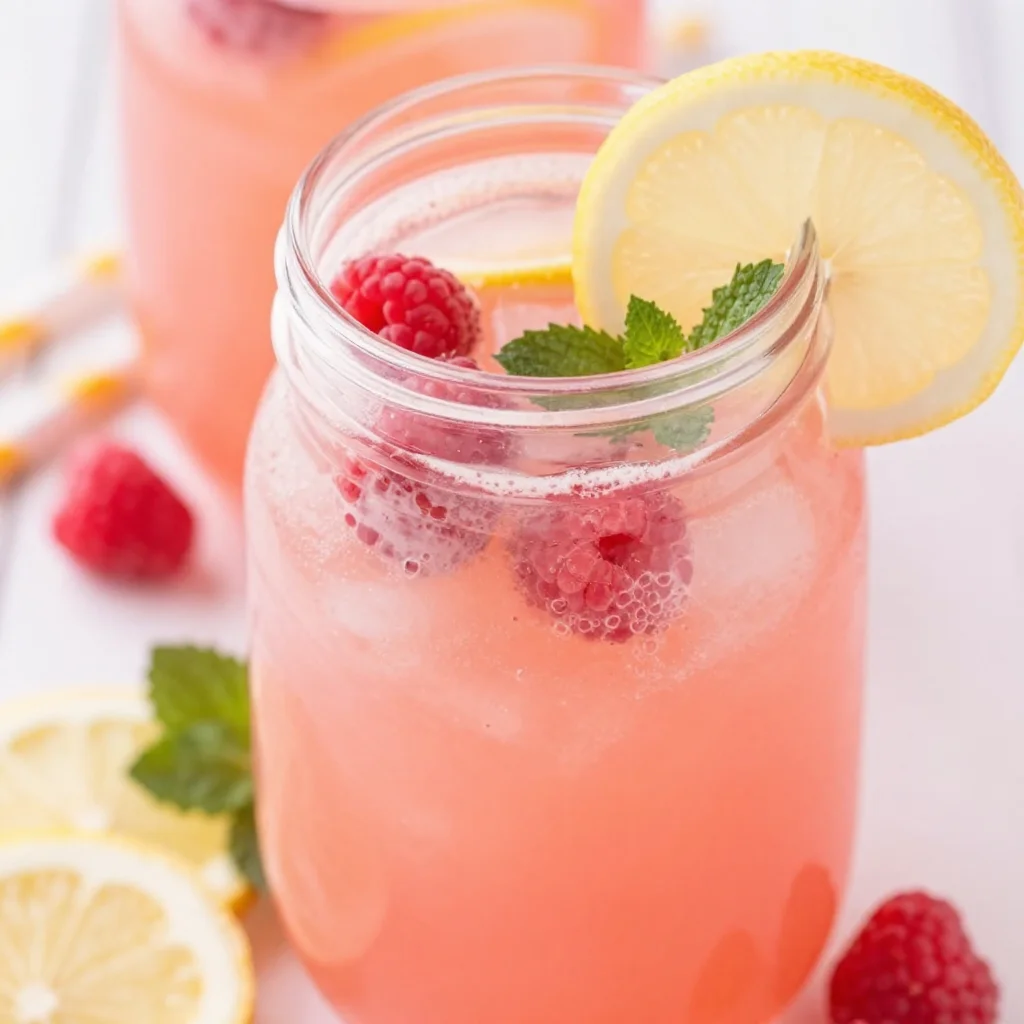
When it comes to serving your homemade raspberry lemonade, presentation can make all the difference! I love to pour it into tall, clear glasses filled with ice, garnished with a few whole raspberries, lemon slices, and a sprig of fresh mint. Serve it on a sunny patio table with colorful paper straws, or you can even create a “lemonade stand” vibe for kids’ gatherings. It’s all about the experience of sharing good times with good drinks!
Recipe Variations
Now that you know the classic way to make raspberry lemonade, let’s get creative with some variations!
-
Raspberry-Lemon Basil Refresher: Add fresh basil leaves to your lemonade for a hint of herbal freshness. Muddle them in with the raspberries!
-
Sparkling Raspberry Lemonade: Swap out still water for sparkling water for a fizzy refreshment! Perfect for summer gatherings!
-
Berry Medley Lemonade: Use a mix of berries—strawberries, blueberries, or blackberries—along with raspberries for a colorful twist.
-
Frozen Raspberry Lemonade: Blend the mixture with ice to create a slushy version that’s perfect for keeping cool.
-
Adult Twist: Consider adding a splash of vodka or gin for a delightful adult beverage at your next gathering!
Chef’s Notes
This homemade raspberry lemonade is truly a reflection of summer joy, and I could go on and on about the little tweaks you can make to personalize it! Over the years, I’ve experimented with different fruits and herbs, and every twist adds an unforgettable spin. I once tried a spicy jalapeño version for a friend’s cookout, which brought a surprising kick! If you have stories or experiments of your own, I’d love to hear them—creating in the kitchen is all about fun and community!
FAQs and Troubleshooting
-
Q: My lemonade is too tart; what can I do?
A: It’s all about balance! If your lemonade is too sour, gradually add more sugar until you reach your preferred sweetness. You can also dilute it with more water! -
Q: How long will raspberry lemonade keep in the fridge?
A: Fresh raspberry lemonade is best enjoyed within 3-5 days. Just be sure to give it a good stir before serving, as ingredients may settle. -
Q: Can I use bottled lemon juice?
A: While fresh lemon juice is always preferred for its bright flavor, bottled lemon juice can certainly work in a pinch. Just be aware that the taste might not be as vibrant! -
Q: What can I do with leftover raspberry pulp?
A: Don’t toss it! Use it in yogurt, smoothies, or even as a topping for pancakes or oatmeal. It’s packed with flavor!
Nutritional Info
(Optional section if applicable)
This refreshing homemade raspberry lemonade is a healthier option compared to bottled versions! Here’s a quick idea of the nutrition per serving (based on an 8 oz glass with the above recipe and 1 cup of sugar divided):
- Calories: About 130
- Sugar: 30g
- Carbohydrates: 33g
- Vitamin C: Rich source!
I hope this homemade raspberry lemonade brings sunny vibes and joy into your kitchen this summer! With every sip, remember to share the love and stories that come with your creations. Happy cooking!
Print
Refreshing Homemade Raspberry Lemonade
- Total Time: 25 minutes
- Yield: 4 servings
- Diet: Vegetarian
Description
A vibrant and refreshing summer drink made with fresh raspberries and lemons.
Ingredients
- Fresh Raspberries (2 cups)
- Fresh Lemons (1 cup juice, about 4-6 lemons)
- Granulated Sugar (1 cup)
- Water (4 cups)
- Ice Cubes
Instructions
- Prepare the raspberries: Rinse gently and mash in a saucepan.
- Create the raspberry syrup: Add water and sugar, stirring over medium heat until dissolved.
- Juicing the lemons: Roll, cut, and juice lemons to make a full cup of juice.
- Mixing together: Strain raspberry syrup and combine with lemon juice and remaining cold water.
- Taste test: Adjust sugar and water according to preference.
- Chill and serve: Pour over ice and garnish as desired.
Notes
For an extra twist, add a few mint leaves or try different berry combinations. Serve in tall glasses with colorful straws for a festive touch.
- Prep Time: 15 minutes
- Cook Time: 10 minutes
- Category: Beverage
- Method: Mixing
- Cuisine: American
Nutrition
- Serving Size: 1 serving
- Calories: 130
- Sugar: 30g
- Sodium: 0mg
- Fat: 0g
- Saturated Fat: 0g
- Unsaturated Fat: 0g
- Trans Fat: 0g
- Carbohydrates: 33g
- Fiber: 1g
- Protein: 1g
- Cholesterol: 0mg
Keywords: raspberry lemonade, summer drink, refreshing beverage, homemade lemonade
Minute Raspberry Filling for Pies and Desserts (Easy)
The Ultimate Raspberry Filling: A Sweet Sensation
Welcome to my cozy corner of the culinary world! I’m thrilled to share one of my absolute favorite recipes with you today that’s perfect for bringing a bit of sweetness to your kitchen: raspberry filling. This vibrant, tangy filling is a superstar in so many desserts, from danishes and pies to cakes and tarts. If you’ve ever stood in front of a bakery display, mesmerized by the colors and textures of pastries, you know that a good filling can make all the difference. So, let’s dive in and whip up something delicious together!
A Slice of Nostalgia
When I think of raspberry filling, I can’t help but remember the summers spent at my grandmother’s house. She had a little garden bursting with raspberry bushes that seemed to go on forever. Every late afternoon, we would venture out with tiny buckets, and, of course, a few handfuls would always end up in our mouths before making it into the bucket. There’s something truly magical about eating fruits straight from the garden — the flavor just hits differently.
One summer, as my grandma guided me through her time-tested recipe, I remember the excitement of waiting for the thick, glossy filling to cool. We used it to fill her famous pastries, which were flaky, buttery, and simply divine! The house was always filled with laughter and delightful aromas that wrapped around you like a warm hug. That memory has stuck with me through the years, and it inspires me to recreate that same warmth whenever I whip up a batch of raspberry filling. Trust me; once you make this filling, you’ll understand the joy that comes with sharing the fruits of your labor with the people you love.
Ingredients
To create the perfect raspberry filling, you’ll need just a few simple ingredients. Let’s take a closer look!
-
Fresh or Frozen Raspberries (2 cups): The star of our show! Fresh raspberries are flavorful but can be pricey and seasonal. Frozen raspberries are a great substitute and often just as tasty. Just be sure to thaw them and drain any excess liquid.
-
Granulated Sugar (1/2 cup): This sweetener balances the tartness of the raspberries. You can adjust this amount based on your personal taste or substitute with honey or maple syrup for a natural sweetness.
-
Cornstarch (2 tablespoons): This thickening agent helps to give the filling a lovely, spreadable consistency. If you’re looking for a gluten-free option, you can use arrowroot powder instead!
-
Lemon Juice (1 tablespoon): The acidity of lemon juice enhances the flavor of the raspberries and helps to balance the sweetness. You can use bottled lemon juice in a pinch, but fresh is always better!
-
Water (1/4 cup): This is used to help dissolve the sugar and cornstarch. If you’d like a richer taste, you can use fruit juice like apple or white grape juice.
Feel free to experiment with different flavors by infusing the filling with herbs like mint for a refreshing twist!
Step-by-Step Instructions
Ready to get cooking? Here’s a simple and straightforward guide to making your raspberry filling with little chef hacks sprinkled in!
-
Prepare Your Ingredients: Start by gathering all your ingredients. This ensures you won’t find yourself frantically searching for something halfway through the process. It’s also a great time to pre-measure your ingredients for efficiency.
-
Combine the Raspberries and Sugar: In a medium saucepan, combine the raspberries and granulated sugar over medium heat. Stir gently to coat the berries in sugar, then let them sit for a couple of minutes until they start to release their juices. This step helps to create that delicious syrupy base for your filling.
-
Makе the Cornstarch Slurry: While the raspberries are settling, mix the cornstarch with the water in a small bowl. This slurry will help thicken our filling later. For a smooth texture, ensure that there are no lumps!
-
Heat Until Bubbly: Place the saucepan over medium-high heat and bring the mixture to a gentle boil. Stir it occasionally to prevent sticking. The raspberries will break down as they simmer—this is what you want!
-
Add the Cornstarch Mixture: Once the raspberry mixture is bubbling, reduce the heat to medium and pour in the cornstarch slurry. Stir continuously until the mixture thickens, which should take about 2-3 minutes. If it seems too thick, you can always add a splash more water.
-
Add Lemon Juice: Just as the filling begins to thicken, remove it from the heat and stir in the lemon juice. The citrus will brighten the flavor and give your filling that zesty kick!
-
Cool and Store: Allow the filling to cool completely in the saucepan. If you’re not using it right away, transfer it to airtight containers. This filling can be kept in the fridge for about one week or in the freezer for up to three months. I love making a big batch, so I always have some on hand for impromptu desserts!
Serving Suggestions
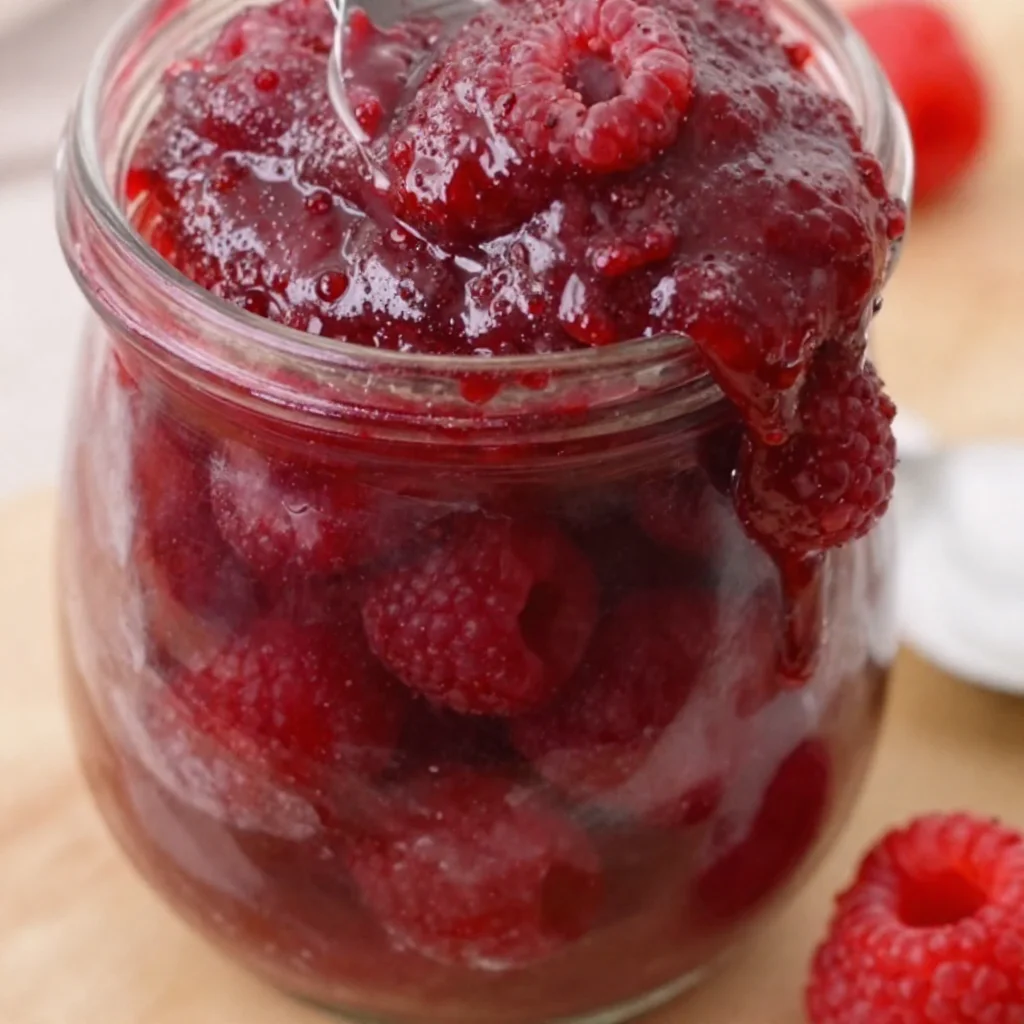
Now that you have your luscious raspberry filling, it’s time to dream up some serving ideas! Spread this filling between two layers of sponge cake for a gorgeous layer cake, or fill puff pastry shells and dust them with powdered sugar for a delightful treat. You could even dollop it onto a bowl of vanilla ice cream or yogurt for a refreshing dessert. The opportunities are endless, and your friends will swoon!
Recipe Variations
-
Mixed Berry Filling: Combine raspberries with blueberries or strawberries for a delightful berry medley.
-
Lemon-Raspberry Twist: Add extra lemon zest to the filling for an invigorating twist that will brighten up any dessert.
-
Chia Raspberry Jam: Replace some of the sugar with chia seeds for a healthy, jam-like filling that’s packed full of fiber.
-
Raspberry-Lavender Fusion: Infuse the cooking mixture with dried lavender flowers for a floral flavor that pairs beautifully with raspberry.
-
Vegan Swap: Use agave nectar instead of sugar and arrowroot powder instead of cornstarch to make a completely plant-based version of this filling!
Chef’s Notes
Making raspberry filling has become a bit of a ritual for me. It’s a time to slow down and appreciate the beauty in cooking—especially when the vibrant colors of the fresh fruit remind me of all those summer days in my grandmother’s garden. I often find myself experimenting with different flavors and tweaking the recipe as needed, discovering new dimensions to an old beloved favorite! Quick tip: if using frozen raspberries, remember they will release more juice than fresh, so you might need to adjust the amount of cornstarch to achieve your desired consistency.
FAQs and Troubleshooting
Q: Why is my filling too runny?
A: If it’s too runny, it likely needs more cornstarch or a longer cooking time. Try returning it to the heat and cooking it for a few minutes longer, allowing it to thicken up properly.
Q: Can this filling be made ahead of time?
A: Absolutely! In fact, I recommend making it ahead of time for maximum flavor. Just store it in the fridge or freezer as described above.
Q: Can I use other fruits for filling?
A: Yes, feel free to experiment! Other berries or even fruits like peaches or apples can work beautifully with similar ratios, but you may need to adjust sugar levels depending on the fruit’s sweetness.
Q: What’s the best way to use this filling?
A: The best way? All of them! Use it to fill pastries, layer it into cakes, or simply enjoy it on its own—just let your creativity run wild!
Nutritional Info
This raspberry filling is naturally low in calories while being bursting with flavor! Here’s a quick breakdown per serving (1 tablespoon):
- Calories: 25
- Total Fat: 0g
- Sodium: 0mg
- Carbohydrates: 6g
- Sugars: 5g
- Fiber: 1g
- Protein: 0g
Creating your own raspberry filling has never been easier or more satisfying. I can’t wait to hear your thoughts and see what delicious treats you create with it! Whip out your apron, and let’s get cooking—your kitchen adventure awaits!
Print
The Ultimate Raspberry Filling
- Total Time: 25 minutes
- Yield: 3 cups
- Diet: Vegetarian
Description
A vibrant, tangy raspberry filling that enhances various desserts from pastries to cakes.
Ingredients
- Fresh or Frozen Raspberries (2 cups)
- Granulated Sugar (1/2 cup)
- Cornstarch (2 tablespoons)
- Lemon Juice (1 tablespoon)
- Water (1/4 cup)
Instructions
- Prepare your ingredients by gathering and pre-measuring them.
- Combine the raspberries and sugar in a medium saucepan over medium heat.
- Make the cornstarch slurry by mixing cornstarch with water in a small bowl.
- Heat the mixture over medium-high heat until bubbly, stirring occasionally.
- Add the cornstarch mixture once bubbling and stir until thickened.
- Stir in the lemon juice to enhance flavor just as it thickens.
- Cool completely before storing in airtight containers.
Notes
This filling can be kept in the fridge for about one week or in the freezer for up to three months. Adjust cornstarch if using frozen raspberries.
- Prep Time: 10 minutes
- Cook Time: 15 minutes
- Category: Dessert
- Method: Cooking
- Cuisine: American
Nutrition
- Serving Size: 1 tablespoon
- Calories: 25
- Sugar: 5g
- Sodium: 0mg
- Fat: 0g
- Saturated Fat: 0g
- Unsaturated Fat: 0g
- Trans Fat: 0g
- Carbohydrates: 6g
- Fiber: 1g
- Protein: 0g
- Cholesterol: 0mg
Keywords: raspberry, filling, dessert, pastries, jam
Easy Chocolate Raspberry Tart
Easy Chocolate Raspberry Tart: A Delightful Indulgence
Welcome to my kitchen, friends! Today, I’m bursting with excitement to share a dessert that never fails to dazzle—my Easy Chocolate Raspberry Tart. You know, the kind of treat that can make a regular Tuesday evening feel like a special occasion. Imagine this: a buttery, flaky crust cradling a rich chocolate ganache, topped with vibrant, juicy raspberries. It’s a dessert that’s not just about flavor; it’s about creating beautiful memories in the kitchen and around the table.
When I first made this tart, it was a labor of love and a delightful way to impress my friends at a little potluck dinner. The anticipation as it cooled on the counter, the aroma of chocolate sinking into my skin, and the thrill of cutting into that shiny ganache are moments etched in my memory. I’ve served it for birthdays, anniversaries, and even casual get-togethers with a glass of red wine. It’s the kind of dessert that always brings smiles and often leads to second helpings—which, let’s be honest, is the best kind of feedback!
So, whether you’re an experienced home cook or just starting your culinary journey, this Easy Chocolate Raspberry Tart is a recipe you’ll want to try. It’s simple yet impressive, and while chocolate and raspberries may seem fancy, I promise you’ll feel like a star chef whipping it up in your cozy kitchen. Let’s dive into the delicious details!
Personal Story: The First Time I Made This Tart
I still remember the day I first attempted this chocolate raspberry tart. It was a chilly evening, and my friend Sarah invited me over for a cozy dinner, encouraging me to bring dessert. Now, I can’t resist a challenge—especially when it comes to impressing friends with something delicious!
Armed with a desire to create magic, I rummaged through my recipe collection and found this tart. Learning to make the buttery crust was a bit like a dance, and let me tell you, I had my fair share of mishaps, flour everywhere and giggles aplenty. But when I pulled the tart from the oven, the sight of that glossy ganache and the vibrant raspberries made all the chaos worthwhile. As I sliced into the tart, the decadent chocolate filling flowed as if it had a heartbeat of its own, and the first bite was pure bliss.
That evening turned into a sweet success story—everybody at the table was asking for seconds. It became a cherished recipe in my repertoire, not just for its rich flavors, but for the memories of laughter and joy that filled that dinner. I hope this tart brings the same warmth and happiness into your home.
Ingredients
Here’s what you’ll need to whip up this delicious tart:
-
1 ½ cups all-purpose flour: The base of our pastry. To make it gluten-free, substitute with a gluten-free 1:1 baking flour blend.
-
½ cup unsalted butter: Freshness is key! For a dairy-free option, try using coconut oil or a non-dairy butter substitute.
-
¼ cup sugar: Sweetens the crust perfectly. For a healthier alternative, coconut sugar does a lovely job too.
-
1 large egg yolk: Adds richness to the crust. If you need an egg-free version, try 3 tablespoons of applesauce or a flax egg (mix 1 tablespoon of flaxseed meal with 2.5 tablespoons of water).
-
1 cup heavy cream: Essential for the ganache’s silky texture. You can use full-fat coconut milk for a dairy-free option.
-
8 ounces dark chocolate (70% cacao or more): This is where the magic happens! Feel free to substitute with semi-sweet chocolate if that’s more your style.
-
1 cup fresh raspberries: They add a gorgeous pop of color and a tangy flavor. If raspberries aren’t in season, you can use frozen, just thaw and drain them beforehand!
-
Powdered sugar (for dusting): This is optional but adds a touch of elegance. You can leave it off if you prefer.
Step-by-Step Instructions
Let’s get started on this delightful tart!
-
Preheat Your Oven: First things first, preheat your oven to 350°F (175°C). This is essential for a perfectly baked crust!
-
Make the Tart Crust: In a mixing bowl, combine 1 ½ cups of all-purpose flour, ¼ cup of sugar, and a pinch of salt. Add the diced cold unsalted butter and use your fingers or a pastry cutter to blend until it resembles coarse crumbs with some pea-sized bits of butter remaining (this is what gives us that flaky texture!).
-
Add Egg Yolk and Form Dough: Mix in 1 large egg yolk and a tablespoon of ice water. Combine until the dough clings together. If it’s too crumbly, add a bit more water, just a teaspoon at a time.
-
Chill Before Rolling: Wrap the dough in plastic wrap and chill it in the refrigerator for about 30 minutes. This step is crucial for keeping the crust from shrinking while baking.
-
Roll Out the Dough: Once chilled, lightly flour your work surface and roll out the dough to about ¼ inch thick. Carefully transfer it to a 9-inch tart pan. Press it gently to fit the bottom and sides. Trim off any excess dough hanging over the edges.
-
Blind Bake the Crust: Prick the bottom of the crust with a fork (to prevent bubbling), cover it with parchment paper, and fill it with pie weights or dried beans. Bake for 20 minutes. After that, remove the weights and parchment, and bake for an additional 10 minutes until golden. Let it cool.
-
Prepare the Ganache: While the crust is cooling, heat 1 cup of heavy cream in a saucepan over medium heat until steaming—not boiling! Remove from heat, then add 8 ounces of chopped dark chocolate. Let it sit for a minute, then stir until smooth and glossy.
-
Assemble the Tart: Pour the chocolate ganache into the cooled tart crust, spreading it evenly. Allow it to set at room temperature for about 30 minutes.
-
Add the Raspberries: Once the ganache is slightly firmed up, artfully arrange 1 cup of fresh raspberries on top. You can go for a loose, casual look or a more structured design—it’s entirely up to you!
-
Chill and Serve: Place the tart in the fridge for at least 2 hours before serving. This allows the ganache to fully set and makes slicing much easier.
Serving Suggestions
When it’s time to serve, grab a sharp knife and cut the tart into wedges. You can simply arrange the slices on beautiful plates or serve it right from the tart pan for a rustic feel. A light dusting of powdered sugar on top brings a whimsical touch. For an extra indulgence, pair it with a dollop of fresh whipped cream or a scoop of vanilla ice cream.
Recipe Variations
Feeling adventurous? Here are a few variations to try:
-
Nutty Crust: Swap out ½ cup of the all-purpose flour for finely ground almonds or hazelnuts for a nutty flavor that combines beautifully with chocolate.
-
Mint Chocolate: Add a few drops of peppermint extract to the ganache for a refreshing minty twist.
-
Different Fruits: Replace the raspberries with strawberries, blueberries, or even a mix of seasonal fruits for a colorful explosion!
-
Spicy Chocolate: Add a pinch of cayenne pepper to your ganache for a subtle kick that pairs perfectly with the sweetness of the tart.
-
Extra Crunch: Fold in crushed cookies or nuts into the ganache for a delightful texture contrast.
Chef’s Notes
I absolutely adore how versatile this tart is; it feels like a blank canvas waiting for your personality to shine through! What I find particularly endearing is how each occasion brings its flavor—whether it’s the laughter of friends or a quiet moment of indulgence at home, this tart always seems to fit right in.
Over the years, I’ve experimented with countless variations, and while I’ve settled on this classic recipe as my go-to, each time I make it, I discover something new about the joy of cooking. Don’t be afraid to get a little messy and experiment in your own kitchen. Who knows? You might just come up with the next big twist on this beloved dessert!
FAQs and Troubleshooting
-
Why did my tart crust shrink?
A common issue! Make sure to chill your dough sufficiently before baking. Blind baking with weights can also help minimize shrinking. -
My ganache didn’t set! What did I do wrong?
If your ganache is too runny, it might not have cooled long enough after mixing. Be patient and let it sit until slightly thickened before pouring into the tart shell. -
Can I make this tart ahead of time?
Absolutely! You can bake the crust and prepare the ganache a day in advance. Just assemble it with the raspberries the day you plan to serve it. -
What if I don’t have a tart pan?
No worries! You can use a pie dish or even a square baking pan—your tart will still be delicious regardless of its shape!
Nutritional Info
While I always encourage baking in moderation and enjoying treats, it’s worth noting that this tart is indulgent! Each slice offers a delightful balance of rich flavors and textures. As a rough estimate (per slice based on an 8-slice tart), expect around 300-400 calories with carbs, fats, and sugars playing a significant role.
So grab your apron, gather your ingredients, and let’s make some kitchen magic together! I can’t wait for you to taste this Easy Chocolate Raspberry Tart and create your cozy moments filled with joy, laughter, and, of course, chocolate! Happy baking!
Print
Easy Chocolate Raspberry Tart
- Total Time: 45 minutes
- Yield: 8 servings 1x
- Diet: Vegetarian
Description
A delightful indulgence featuring a buttery crust, rich chocolate ganache, and vibrant raspberries.
Ingredients
- 1 ½ cups all-purpose flour
- ½ cup unsalted butter
- ¼ cup sugar
- 1 large egg yolk
- 1 cup heavy cream
- 8 ounces dark chocolate (70% cacao or more)
- 1 cup fresh raspberries
- Powdered sugar (for dusting, optional)
Instructions
- Preheat your oven to 350°F (175°C).
- Combine 1 ½ cups of all-purpose flour, ¼ cup of sugar, and a pinch of salt in a mixing bowl. Add the diced cold unsalted butter and blend until it resembles coarse crumbs.
- Mix in 1 large egg yolk and a tablespoon of ice water until the dough clings together.
- Wrap the dough in plastic wrap and chill in the refrigerator for about 30 minutes.
- Roll out the chilled dough to about ¼ inch thick and transfer it to a 9-inch tart pan.
- Prick the bottom of the crust with a fork, cover with parchment paper, and fill with pie weights. Bake for 20 minutes, then remove weights and bake for an additional 10 minutes until golden.
- Heat 1 cup of heavy cream in a saucepan until steaming, then remove from heat and add 8 ounces of chopped dark chocolate. Stir until smooth.
- Pour the chocolate ganache into the cooled tart crust and spread evenly. Allow to set for about 30 minutes.
- Arrange 1 cup of fresh raspberries on top of the ganache.
- Chill the tart in the fridge for at least 2 hours before serving.
Notes
For added flair, dust with powdered sugar before serving. This tart is versatile; feel free to experiment with different fruits or flavorings.
- Prep Time: 15 minutes
- Cook Time: 30 minutes
- Category: Dessert
- Method: Baking
- Cuisine: French
Nutrition
- Serving Size: 1 slice
- Calories: 350
- Sugar: 20g
- Sodium: 150mg
- Fat: 25g
- Saturated Fat: 15g
- Unsaturated Fat: 8g
- Trans Fat: 0g
- Carbohydrates: 30g
- Fiber: 3g
- Protein: 5g
- Cholesterol: 30mg
Keywords: chocolate tart, raspberry tart, dessert recipe, easy dessert, baking

Ingredient 15-Minute No-Bake Raspberry Chocolate Bites
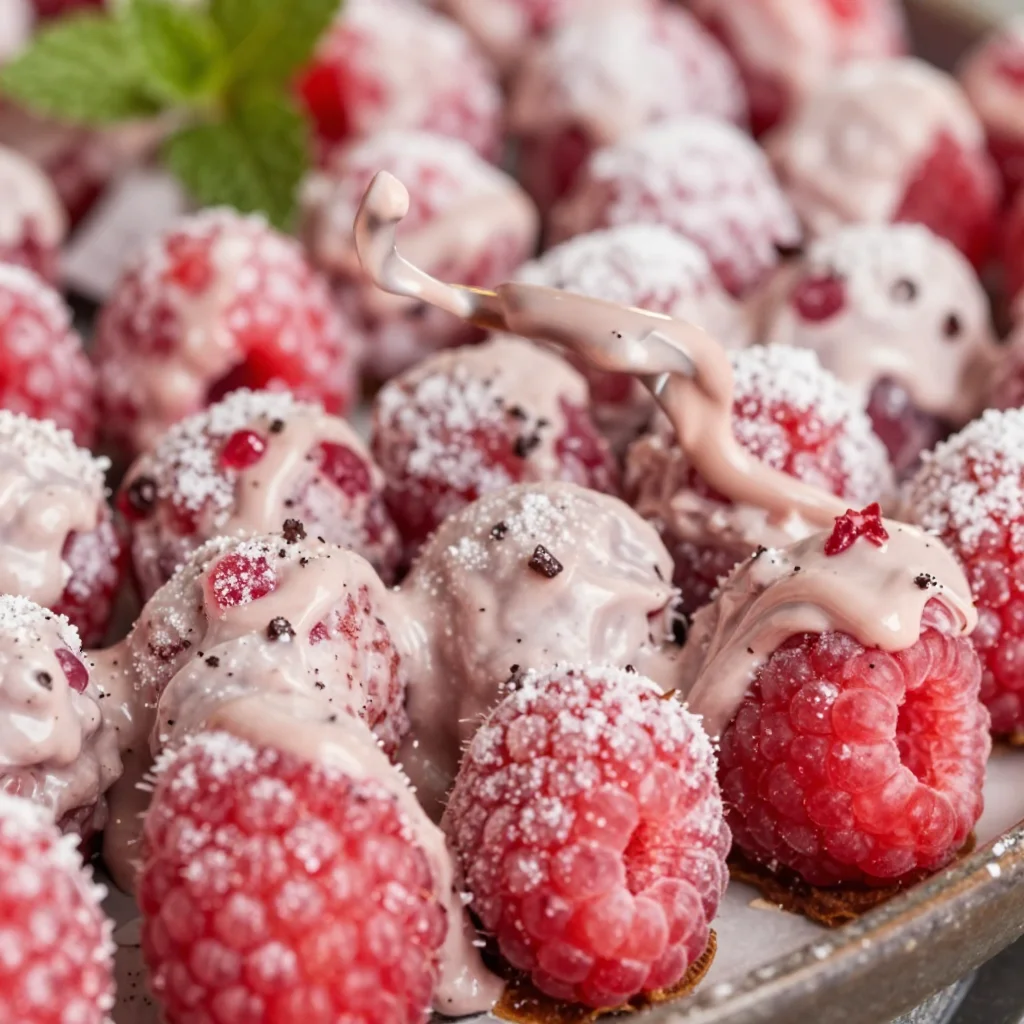
Indulge in the Sweet Symphony of Chocolate-Covered Raspberry Bites
Welcome back to my cozy kitchen! Today, I’m thrilled to share a delightful treat that perfectly balances indulgence and freshness: Chocolate-Covered Raspberry Bites. If you’re like me, the combination of rich chocolate and vibrant, tangy raspberries makes your heart skip a beat. These little bites are not just a feast for the taste buds; they’re also a nod to the sweet moments that we get to share with family and friends.
Now, you might be wondering why I’m so drawn to this delicious combination. Well, let me take you on a little trip down memory lane. When I was a child, my grandmother had the most magical garden overflowing with raspberry bushes. During the summer months, my cousins and I would spend hours picking those ruby-red gems right off the vines. We’d pop them in our mouths like candy, their sweetness bursting with each bite.
One hot afternoon, my grandma decided it was time to create something special with our bounty. We melted chocolate together and dipped those fresh raspberries, creating a dessert that was as beautiful as it was delicious. This moment was more than just about the food; it was about bonding with loved ones and creating lasting memories. Now, every time I make these Chocolate-Covered Raspberry Bites, I’m reminded of those sun-soaked days spent laughing in the garden, and I’m excited to pass that joy along to you!
So, let’s get started on a recipe that’s not just accessible but also a fantastic way to impress. Whether you’re planning a cozy night in or need a sweet addition for a party, these bites are sure to steal the show.
Ingredients
Here’s what you’ll need to whip up these delectable morsels:
-
Fresh Raspberries: About 12 ounces. The freshness makes all the difference! You can also use strawberries or blackberries if raspberries aren’t your thing.
-
Dark Chocolate: 8 ounces, chopped. I love using at least 70% cocoa for that rich taste, but feel free to swap it out for milk chocolate if you prefer something sweeter.
-
White Chocolate: 4 ounces, for drizzling (optional). A touch of sweetness that contrasts beautifully with dark chocolate. If you want a bit more color, use colored candy melts instead!
-
Coconut Oil: 1 tablespoon (optional). Mixing a bit of coconut oil with your chocolate will give it a lovely sheen and a smoother texture when melted.
-
Sea Salt: A sprinkle for garnish. The salt enhances the flavor of the chocolate and berries. It’s optional, but trust me, it’s worth it!
-
Parchment Paper: For easy cooling. Not an ingredient, but a handy tool to make clean-up a breeze!
Let’s get those taste buds tingling with anticipation!
Step-by-Step Instructions
Alright, let’s dive into the fun part! Here’s how to create these divine chocolate-covered raspberry bites:
-
Prepare Your Workspace: Start by gathering all your ingredients and tools. This is a great time to put on your favorite playlist! A little music makes all the difference in the kitchen.
-
Wash and Dry the Raspberries: Gently wash the raspberries under cold water and pat them dry with a paper towel. It’s crucial to get them nice and dry; otherwise, the chocolate won’t stick as well.
-
Melt the Dark Chocolate: In a microwave-safe bowl, combine the chopped dark chocolate and coconut oil, if using. Melt the mixture in 30-second increments, stirring in between until smooth. Be patient — overcooking can lead to a lumpy mess. Alternatively, you can use a double boiler to melt the chocolate gently.
-
Dip the Raspberries: Once the chocolate is melted and silky, it’s time for some fun! Hold each raspberry by the stem and dip it into the chocolate, making sure to cover it completely. You can roll it around a bit to get an even coat. Let the excess chocolate drip off before placing the berry on a parchment-lined baking sheet.
-
Chill: Pop the baking sheet into the refrigerator for about 30 minutes to allow the chocolate to set. This is the perfect time to enjoy a snack or sip on some herbal tea.
-
Melt the White Chocolate (Optional): If you’re feeling fancy and want to add a drizzle, melt the white chocolate in the same way as the dark chocolate. Once melted, use a fork to drizzle it over the set dark chocolate raspberries for that extra touch of flair.
-
Garnish: After drizzling, toss a tiny pinch of sea salt over the top while the chocolate is still warm. This little touch elevates the flavor and adds a subtle crunch.
-
Serve & Enjoy: Once set, you can transfer the raspberry bites to a serving platter or simply keep them on the baking sheet for a more casual presentation. These little gems are perfect for sharing (or keeping all to yourself!).
Serving Suggestions
To make your chocolate-covered raspberry bites truly shine, consider serving them on a beautiful platter alongside a sprig of mint for a pop of color. You can also pair them with a scoop of vanilla ice cream or on a bed of whipped cream for a more indulgent dessert. They’re blissful on their own, but there’s nothing wrong with going all out!
Recipe Variations
Feeling adventurous? Here are a few fun twists you can try:
-
Nutty Addition: Dip the chocolate-covered raspberries in crushed nuts or sprinkles for extra crunch and flavor.
-
Spicy Kick: Add a hint of cayenne pepper or chili powder to the melted chocolate for a surprising kick that offsets the sweetness.
-
Coconut Delight: Roll the chocolate-covered raspberries in shredded coconut before chilling. This gives them a tropical twist!
-
Flavor Infusions: Infuse the melted chocolate with flavors such as orange zest, mint extract, or espresso powder for a flavor boost.
-
Dairy-Free: Swap the dark chocolate for a dairy-free chocolate variant to make these vegan-friendly.
Chef’s Notes
As I’ve been perfecting this recipe over the years, I can’t help but chuckle at the kitchen mishaps along the way. Once, I tried to multitask and ended up with chocolate everywhere — on my hands, my face, and even my hair! These moments remind me that cooking isn’t just about perfection; it’s about joy and laughter. Plus, those little spills can lead to some of the best kitchen stories to share with friends and family.
This recipe has evolved into my go-to for so many occasions, from birthday parties to cozy movie nights. The tantalizing aroma of melted chocolate fills the kitchen, and the first bite back to the summer days spent in my grandmother’s garden is always a heartwarming reminder of where it all began.
FAQs and Troubleshooting
Q1: The chocolate is clumpy! What did I do wrong?
A: This usually happens when the chocolate gets overheated. Always melt chocolate in short intervals and stir well. If it does clump, try adding a tiny bit of coconut oil to smooth it out.
Q2: How do I prevent the chocolate from cracking when bitten?
A: Make sure the raspberries are thoroughly chilled before dipping. This will help the chocolate set perfectly around the berry.
Q3: My chocolate didn’t stick to the raspberries. Why?
A: This usually happens if the raspberries are wet. Ensure they’re completely dry before dipping. If needed, you can give them a quick dip in a thin layer of melted chocolate, let it set, and then dip again.
Q4: How long can I store these chocolate-covered raspberry bites?
A: You can store them in an airtight container in the refrigerator for up to three days. But with how delicious they are, I doubt they’ll last that long!
Nutritional Info
- Serving Size: 1 Chocolate-Covered Raspberry Bite
- Calories: Approx. 50 calories (varies based on chocolate choice)
- Protein: 0.5g
- Carbohydrates: 6g
- Fats: 3.5g
So there you have it — a sweet, simple recipe to brighten your day and fill your home with delicious memories. Give these Chocolate-Covered Raspberry Bites a try this weekend and let me know how they turn out! Happy cooking, my fellow foodies!
Print
Chocolate-Covered Raspberry Bites
- Total Time: 45 minutes
- Yield: 4 servings
- Diet: Vegetarian
Description
Delightful chocolate-covered raspberry bites that perfectly balance indulgence and freshness, inspired by childhood memories.
Ingredients
- Fresh Raspberries: About 12 ounces
- Dark Chocolate: 8 ounces, chopped
- White Chocolate: 4 ounces, for drizzling (optional)
- Coconut Oil: 1 tablespoon (optional)
- Sea Salt: A sprinkle for garnish (optional)
- Parchment Paper: For easy cooling
Instructions
- Prepare Your Workspace: Start by gathering all your ingredients and tools.
- Wash and Dry the Raspberries: Gently wash the raspberries under cold water and pat them dry.
- Melt the Dark Chocolate: In a microwave-safe bowl, combine the chopped dark chocolate and coconut oil, if using. Melt in 30-second increments, stirring until smooth.
- Dip the Raspberries: Hold each raspberry by the stem and dip it into the chocolate, then let the excess drip off.
- Chill: Place the baking sheet in the refrigerator for about 30 minutes.
- Melt the White Chocolate (Optional): Melt the white chocolate and drizzle over the set dark chocolate raspberries.
- Garnish: Sprinkle with sea salt while the chocolate is still warm.
- Serve & Enjoy: Transfer to a serving platter or keep on the baking sheet.
Notes
These bites can be served with mint or alongside ice cream for an indulgent dessert.
- Prep Time: 15 minutes
- Cook Time: 30 minutes
- Category: Dessert
- Method: Dipping
- Cuisine: American
Nutrition
- Serving Size: 1 bite
- Calories: 50
- Sugar: 5g
- Sodium: 30mg
- Fat: 3.5g
- Saturated Fat: 2g
- Unsaturated Fat: 1.5g
- Trans Fat: 0g
- Carbohydrates: 6g
- Fiber: 1g
- Protein: 0.5g
- Cholesterol: 0mg
Keywords: chocolate, raspberries, dessert, sweet treat, snacks
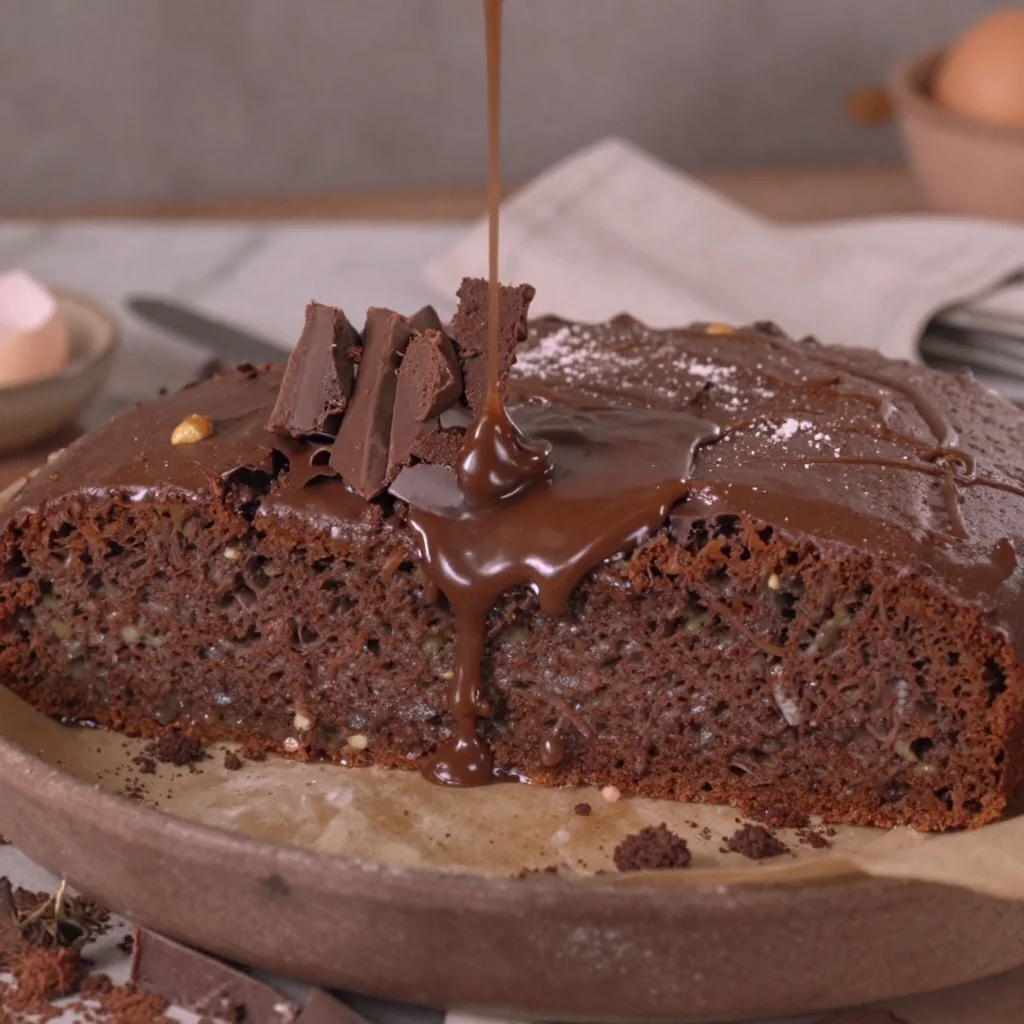
One-Bowl Chocolate Zucchini Cake: Easy, Moist & Quick
A Slice of Love: The Ultimate Chocolate Zucchini Cake Recipe
Welcome to my kitchen, my dear friends! If you’re anything like me, the scent of something baking in the oven can transport you back to cherished moments and warm the soul like nothing else. Today, I’m excited to share a recipe that’s not only decadent and delicious but also incredibly nostalgic: Chocolate Zucchini Cake! This scrumptious dessert perfectly marries the richness of chocolate with the unexpected moisture of zucchini, all while being a fantastic way to sneak in a bit of veggies into our sweets. Let’s embark on this flavorful journey together!
A Sweet Memory
I remember the first time I encountered Chocolate Zucchini Cake. It was during a hot summer in my grandmother’s cozy kitchen, surrounded by the incredible aromas of freshly baked goodies. My grandmother was a wiz in the kitchen — she could turn even the most ordinary ingredients into foodie gold. One day, she whipped up this rich chocolate cake that left us all guessing. “What’s in this?” we kept asking, our forks eagerly digging into the moist, tender slices. Her mischievous smile as she revealed the secret ingredient — zucchini! — was priceless.
That moment has stuck with me through the years, a reminder that the magic often comes from unexpected places. The joy of that cake became a staple in summer gatherings, turning simple zucchini from our garden into a family favorite. It’s not just a cake; it’s a delicious recall of laughter, warmth, and togetherness. That’s the beauty of baking — it brings people closer, and it’s this spirit of shared joy that I strive to capture in my own kitchen.
So, are you ready to bake a cake that will not only tickle your taste buds but also fill your home with love and a dash of nostalgia? Let’s get started!
Ingredients
Here’s what you’ll need to make your own Chocolate Zucchini Cake:
-
2 cups grated zucchini
A great way to use up those garden zucchinis! No need to peel, just wash and grate. For a lighter version, you can swap half of the zucchini for applesauce. -
1/2 cup unsweetened cocoa powder
This adds the deep, rich chocolate flavor. Make sure to choose a high-quality cocoa for best results. You can substitute with dark cocoa powder for a more intense flavor. -
1 cup granulated sugar
This balances the bitterness of the cocoa. For a healthier alternative, you can use coconut sugar or even maple syrup — just remember to adjust the liquid content! -
1/2 cup brown sugar
Brown sugar adds moisture and a lovely caramel undertone. Feel free to replace half with honey or agave syrup. -
1/2 cup vegetable oil
This helps keep the cake moist. Instead, you can use melted coconut oil or even applesauce for a healthier option. -
2 large eggs
These act as a binder for the ingredients. If you’re looking for an egg-free option, try using a flax egg (1 tablespoon flaxseed meal + 3 tablespoons water, mixed and rested for 5 minutes). -
1 teaspoon vanilla extract
Vanilla enhances the overall flavor of the cake. Feel free to experiment with almond extract for a nutty twist. -
1 teaspoon baking soda
This is crucial for that beautiful rise! In a pinch, baking powder can be used — just remember to adjust the quantities. -
1/2 teaspoon baking powder
This also helps with leavening. You can omit this if you’re using self-rising flour. -
1/2 teaspoon salt
A little salt brings out the sweetness and balances flavors. Always use fine sea salt for the best results. -
1 cup semi-sweet chocolate chips (optional)
A delightful addition for those who crave extra chocolate! Feel free to use dark chocolate chips or even chopped nuts for some crunch.
Let’s whip up some magic with these ingredients, shall we?
Step-by-Step Instructions
-
Preheat your oven
Start by preheating your oven to 350°F (175°C). This initial step is essential to achieve that perfect bake. -
Prepare your baking pan
Grease and flour a 9×13 inch baking pan (or line it with parchment paper for easy removal). This little trick makes sure our cake comes out without a fuss. -
Grate the zucchini
Wash and grate 2 cups of zucchini. If you’re feeling productive (and you definitely should be!), squeeze the grated zucchini in a clean kitchen towel to remove excess moisture. This helps maintain the perfect cake consistency. -
Mix the wet ingredients
In a large bowl, whisk together the granulated sugar, brown sugar, and vegetable oil until nice and smooth. Then, beat in the eggs one at a time, followed by the vanilla extract. Feel free to dance around a bit during this step — it’s always more fun to bake with a bit of joyful noise! -
Combine the dry ingredients
In a separate bowl, sift together the flour, cocoa powder, baking soda, baking powder, and salt. Sifting is key here, as it helps aerate the flour and makes for a lighter cake. -
Combine wet and dry
Gradually add the dry ingredient mixture into the wet ingredients, mixing just until combined. Be careful not to overmix — we want that cake tender, not tough! Fold in the grated zucchini and chocolate chips gently. -
Pour and spread
Pour the batter into the greased pan, spreading it evenly with a spatula. Look at that beautiful swirl of chocolatey goodness! -
Bake the cake
Place the pan in the preheated oven and bake for 25-30 minutes, or until a toothpick inserted into the center comes out clean. Oh, the heavenly aroma wafting through your kitchen during this time — it’s truly irresistible! -
Cool and serve
Once baked, allow the cake to cool in the pan for about 10 minutes, then transfer it to a wire rack to cool completely. This cake is delightful warm, but allow yourself to enjoy the tantalizing anticipation of slicing into it.
Serving Suggestions
To serve your delightful Chocolate Zucchini Cake, slice it into squares and dust with powdered sugar or drizzle with a rich chocolate ganache for an extra touch of indulgence. A dollop of whipped cream or a scoop of vanilla ice cream on the side can elevate your serving to blissful heights. Or, if you’re feeling adventurous, serve it with a scoop of creamy salted caramel ice cream for that sweet-salty combo that dreams are made of!
Recipe Variations
Here are some creative twists and alternatives to try with this cake:
-
Double Chocolate Delight: Use chocolate cake mix instead of flour for an ultra-rich chocolate version.
-
Spiced Zucchini Cake: Add a teaspoon of cinnamon or a mix of fall spices for a warm twist.
-
Nutty Chocolate Cake: Stir in some chopped walnuts or pecans for added crunch and flavor.
-
Fruity Zucchini Cake: Mix in 1 cup of mashed bananas or applesauce for a fruity dimension.
-
Gluten-Free Option: Swap the all-purpose flour for a gluten-free flour blend, and make sure your baking powder is gluten-free.
Chef’s Notes
This Chocolate Zucchini Cake has evolved in my kitchen over the years. I’ve tried it with various types of sugars and can attest that each one lends its distinct sweetness to the mix. One particularly memorable baking attempt happened when I decided to add a splash of coffee to enhance the chocolate flavor. Let me tell you — we devoured that version! It’s those little experiments, those kitchen adventures, that keep the love for cooking alive.
And a funny little story? One time, in my excitement to get this cake into the oven, I forgot the baking powder! I was scared it would turn into a chocolate brick, but to my surprise, it still emerged fluffy and delicious. Sometimes, the best baking moments come from those unexpected mishaps!
FAQs and Troubleshooting
1. My cake sank in the middle. What happened?
This can happen if the batter is overmixed or if there wasn’t enough leavening. Make sure to mix just until combined and check the freshness of your baking soda and powder.
2. Can I freeze this cake?
Yes, indeed! Wrap slices tightly in plastic wrap and freeze for up to 3 months. Just remember to thaw them in the fridge overnight before serving.
3. My batter is too thick/runny. Help!
If it’s too thick, you can add a tiny splash of milk. If it’s too runny, simply add a bit more flour or cocoa powder, a tablespoon at a time.
4. How can I tell when it’s done baking?
A toothpick inserted into the center should come out clean or with only a few moist crumbs attached. Don’t rely solely on time; every oven behaves differently, so keep an eye on it!
Nutritional Info
While I believe in balance and indulging in our favorite treats, I know health is also a priority for many of us. This Chocolate Zucchini Cake can be a sneaky source of moisture and nutrients, thanks to the zucchini!
To keep it lighter, consider using natural sweeteners and substituting half of the oil with unsweetened applesauce. It’s a fun and tasty way to enjoy a slice of heaven without the guilt!
So there you have it — a lovingly crafted Chocolate Zucchini Cake recipe, complete with stories, tips, and plenty of joy. I hope it brings as much happiness and warmth to your kitchen as it has to mine. Remember, cooking is all about love, fun, and a pinch of creativity. Happy baking, friends!
Print
Chocolate Zucchini Cake
- Total Time: 45 minutes
- Yield: 12 servings 1x
- Diet: Vegetarian
Description
A decadent Chocolate Zucchini Cake that marries rich chocolate flavor with moist zucchini for a delightful dessert.
Ingredients
- 2 cups grated zucchini
- 1/2 cup unsweetened cocoa powder
- 1 cup granulated sugar
- 1/2 cup brown sugar
- 1/2 cup vegetable oil
- 2 large eggs
- 1 teaspoon vanilla extract
- 1 teaspoon baking soda
- 1/2 teaspoon baking powder
- 1/2 teaspoon salt
- 1 cup semi-sweet chocolate chips (optional)
Instructions
- Preheat your oven to 350°F (175°C).
- Prepare a 9×13 inch baking pan by greasing and flouring it.
- Grate the zucchini and squeeze it in a clean kitchen towel to remove excess moisture.
- Mix together the granulated sugar, brown sugar, and vegetable oil until smooth. Add the eggs one at a time, then the vanilla extract.
- Combine the flour, cocoa powder, baking soda, baking powder, and salt in a separate bowl.
- Combine the dry ingredients into the wet ingredients until just mixed, then fold in the zucchini and chocolate chips.
- Pour the batter into the prepared pan, spreading evenly.
- Bake for 25-30 minutes or until a toothpick comes out clean.
- Cool in the pan for 10 minutes, then transfer to a wire rack to cool completely.
Notes
Serve with powdered sugar dust or chocolate ganache. Pair with whipped cream or ice cream for extra indulgence.
- Prep Time: 15 minutes
- Cook Time: 30 minutes
- Category: Dessert
- Method: Baking
- Cuisine: American
Nutrition
- Serving Size: 1 slice
- Calories: 350
- Sugar: 28g
- Sodium: 200mg
- Fat: 15g
- Saturated Fat: 3g
- Unsaturated Fat: 10g
- Trans Fat: 0g
- Carbohydrates: 50g
- Fiber: 2g
- Protein: 6g
- Cholesterol: 30mg
Keywords: chocolate zucchini cake, dessert, baking, chocolate, summer recipes, zucchini recipes, moist cake
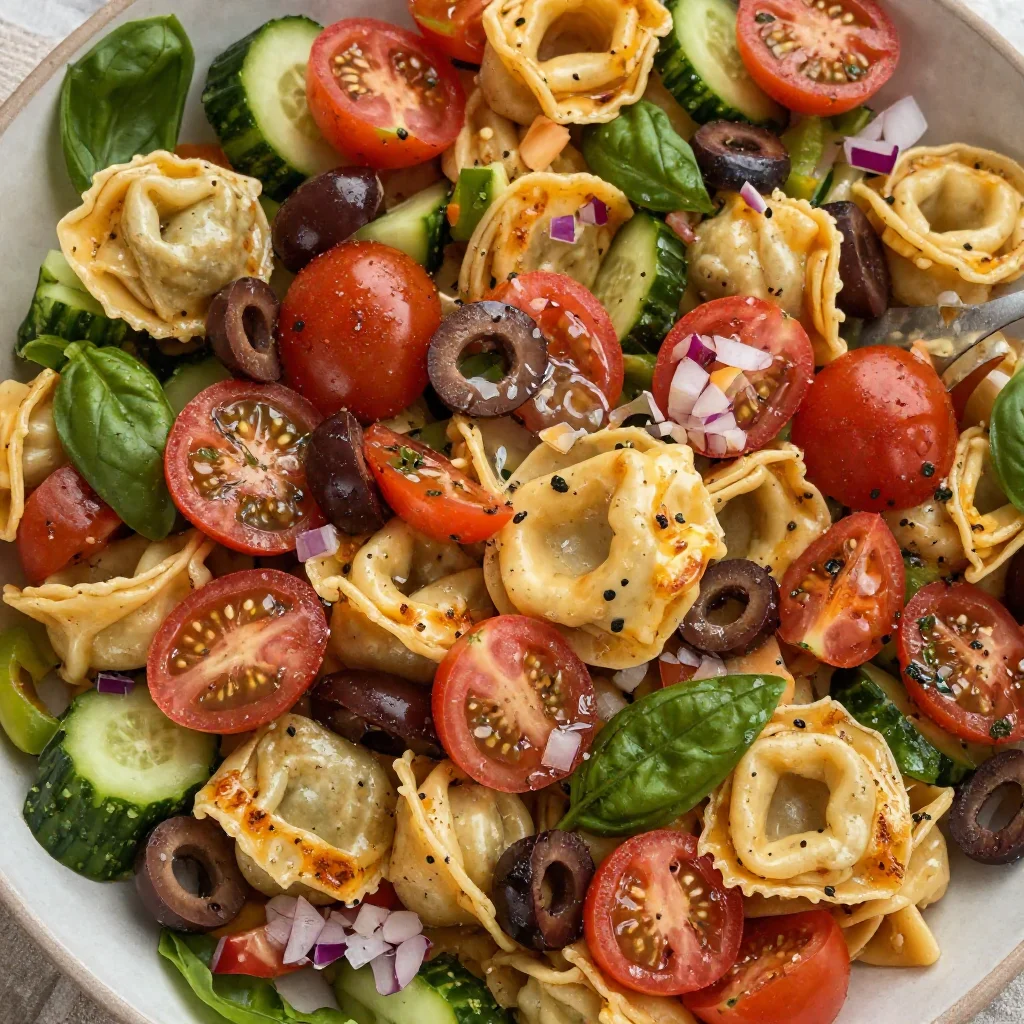
Minute Tortellini Pasta Salad for Busy Weeknights
Tortellini Pasta Salad: A Burst of Flavor and Nostalgia in Every Bite
Welcome to my kitchen, food friends! Today, I’m excited to share a dish that’s not just a delicious meal but a delightful experience. We’re diving into the world of Tortellini Pasta Salad—a dish that brings back warm memories and plenty of flavor. Whether you’re preparing a quick weeknight dinner, hosting a potluck, or planning a summer picnic, this salad is sure to impress!
There’s something so comforting about the combination of tender tortellini, fresh veggies, and a zesty dressing. But let’s not forget the best part—it’s incredibly versatile! You can personalize it with your favorite ingredients, making it a canvas for your culinary creativity. But enough about that for the moment; let’s take a little stroll down memory lane.
A Nostalgic Dive into Family Gatherings
Growing up, my family had this wonderful tradition every summer where we’d gather in my grandma’s sunny backyard for a cookout. She would whip up her famous Tortellini Pasta Salad adorned with a medley of colorful veggies, a sprinkle of cheese, and a generous helping of her secret vinaigrette. The smell of fresh basil, the laughter of cousins running around, and the sight of a big bowl filled with deliciousness always filled my heart with joy.
I remember one year when I was tasked with “helping” Grandma. I was only eight, and my idea of help was mostly taste-testing. As she showed me how to mix the ingredients, I accidentally knocked over a jar of olives. The bright green gems rolled everywhere, and we spent more time laughing and picking them up than making the salad! That day taught me that cooking is not only about the food; it’s about the memories we create, the connections made, and the joy in sharing meals together.
And that’s precisely what this Tortellini Pasta Salad represents to me—a dish brimming with love, laughter, and of course, tasty bites. So, let’s roll up our sleeves and create some new memories together!
Ingredients
Now, let’s talk about what you’ll need for this delightful dish. Here’s a list of the main ingredients along with some fun insights and substitution tips!
-
Cheese Tortellini: This is the star of the dish! You can find cheese-filled tortellini at your local grocery store—fresh or frozen. If you’re feeling adventurous, try spinach or mushroom tortellini for a flavor twist!
-
Cherry Tomatoes: These bite-sized beauties are sweet and juicy. Look for vibrant red or yellow ones! If you can’t find them, you can use chopped regular tomatoes instead, but keep them in bite-sized pieces.
-
Cucumber: Adds a crisp crunch! Use English cucumbers for less bitterness. If you don’t like cucumbers, bell peppers offer a great crunch and sweetness.
-
Red Onion: This gives the salad a lovely bite! Soak chopped onion in cold water for 10 minutes to mellow out the flavor. If red onion isn’t your thing, green onions are a milder alternative.
-
Bell Peppers: I recommend a mix of colors for visual appeal. Use red, yellow, or orange for sweetness. Green peppers are fine too, just know they pack a sharper punch.
-
Fresh Basil: This herb adds a beautiful aroma and flavor. If basil isn’t available, try substituting with fresh parsley or even dill for a different flavor profile.
-
Feta Cheese: Crumbled feta brings a creamy, tangy element to the salad. If you prefer a non-dairy option, you can use vegan feta or leave it out entirely.
-
Olive Oil: A good quality extra virgin olive oil enhances the dressing immensely. For a lighter option, avocado oil works wonderfully too.
-
Red Wine Vinegar: Adds acidity and brightness. If you don’t have it, apple cider vinegar can be used as a substitute.
-
Honey or Maple Syrup: Just a touch of sweetness to balance the acidity. For a vegan alternative, stick with maple syrup.
-
Salt and Pepper: Essential for enhancing flavors. Don’t skip these!
Step-by-Step Instructions
Ready to create some kitchen magic? Let’s jump into the cooking process!
-
Cook the Tortellini: Start by bringing a large pot of salted water to a rolling boil. Gently add the tortellini and cook according to package instructions, usually around 5-7 minutes until they float to the top. Pro tip: don’t overcook! You want them tender but firm. Drain and rinse under cold water to stop the cooking process. This also helps keep them from sticking together.
-
Prep the Veggies: While the tortellini cooks, chop up your veggies. First, slice the cherry tomatoes in half, dice the cucumber, finely chop the red onion, and dice the bell peppers. Take a moment to appreciate how colorful your cutting board is—food is all about delighting the senses!
-
Make the Dressing: In a small bowl, whisk together the olive oil, red wine vinegar, honey (or maple syrup), and a sprinkle of salt and pepper. Taste it! Adjust the seasoning or sweetness as your palate desires. If you fancy a little zing, add a pinch of crushed red pepper flakes!
-
Combine Everything: In a large bowl, add the cooked tortellini, chopped vegetables, and crumbled feta. Drizzle the dressing over the top and gently toss everything together. Take care not to break the tortellini! Remember, they’re delicate little pockets of joy.
-
Add Fresh Herbs: Fold in the freshly chopped basil gently. The aroma will be intoxicating!
-
Taste and Adjust: This is the fun part! Taste your salad and see if it needs more seasoning or maybe some more dressing. Feel free to have a little nibble as you go—it’s really part of the process!
-
Chill: For the best flavor, let your pasta salad chill in the refrigerator for at least 30 minutes before serving. This allows the flavors to meld together beautifully.
Serving Suggestions
Now, let’s talk presentation! This Tortellini Pasta Salad is as pretty as a spring garden, so don’t shy away from showcasing that vibrant color. Serve the salad on a large platter for a family-style gathering or in individual bowls for a casual picnic. For a bit of flair, garnish it with extra basil on top and a drizzle of olive oil. Serve it alongside grilled chicken, crusty bread, or as a stand-alone meal—you really can’t go wrong.
Recipe Variations
-
Mediterranean Twist: Add olives, artichoke hearts, and sun-dried tomatoes for a Mediterranean vibe.
-
Protein Power: Toss in diced grilled chicken, shrimp, or chickpeas for extra protein.
-
Creamy Option: Mix in a dollop of Greek yogurt or mayonnaise to make it creamier.
-
Roasted Veggies: Roast your tomatoes and peppers before adding them to the salad for a different depth of flavor.
-
Spicy Kick: Add diced jalapeños or a few dashes of hot sauce to amp up the heat.
Chef’s Notes
This recipe is like a reliable friend—it’s easy to customize and always brings the smiles! Over the years, I’ve modified this Tortellini Pasta Salad countless times based on what I have on hand or what’s in season. One year, I used grilled veggies and drizzled balsamic reduction on top, which added a fabulous twist. Honestly, don’t be afraid to play with it! Cooking should be fun and an outlet for your creativity.
And remember that time I dropped my entire bowl of salad on the floor? What a disaster! My dog had the best day ever. But it also taught me to always have a backup salad on hand—which is why I often double this recipe.
FAQs and Troubleshooting
-
Can I make this salad ahead of time?
Absolutely! You can prepare it a day in advance. Just wait to add the basil until serving to keep it fresh! -
What if I have leftovers?
This salad holds up beautifully in the fridge for a couple of days. Just be aware that the tortellini may absorb some dressing. -
Can I freeze this salad?
I wouldn’t recommend freezing it, as freezing will change the texture of the tortellini and veggies once defrosted. -
What if I overcooked the tortellini?
No worries! They might be a bit mushy, but the vibrant flavors of the salad will help mask the texture. Consider adding some crunchy elements like nuts or crispy lettuce for contrast.
Now you have the ultimate guide to making Tortellini Pasta Salad! So, gather your ingredients, invite some friends over, and enjoy the process of cooking and sharing this delightful dish. Happy salad-making, friends!
Print
Tortellini Pasta Salad
- Total Time: 45 minutes
- Yield: 4 servings 1x
- Diet: Vegetarian
Description
A refreshing and versatile salad featuring cheese tortellini, fresh vegetables, and a zesty dressing.
Ingredients
- 12 oz cheese tortellini
- 1 cup cherry tomatoes, halved
- 1 cucumber, diced
- 1/2 red onion, finely chopped
- 1 bell pepper, diced
- 1/4 cup fresh basil, chopped
- 1/2 cup feta cheese, crumbled
- 1/4 cup olive oil
- 2 tbsp red wine vinegar
- 1 tbsp honey or maple syrup
- Salt and pepper to taste
Instructions
- Cook the tortellini in salted boiling water according to package instructions for 5-7 minutes until they float to the top. Drain and rinse under cold water.
- Prep the veggies: slice cherry tomatoes, dice cucumber, chop red onion, and dice bell pepper.
- Make the dressing by whisking together olive oil, red wine vinegar, honey, salt, and pepper.
- Combine the cooked tortellini, veggies, and feta in a large bowl. Drizzle with dressing and toss gently.
- Add fresh basil and fold it into the salad carefully.
- Taste the salad and adjust seasoning if necessary.
- Chill the salad in the refrigerator for at least 30 minutes before serving.
Notes
Customize with your favorite ingredients. Serve chilled for best flavor.
- Prep Time: 15 minutes
- Cook Time: 10 minutes
- Category: Salad
- Method: Boiling
- Cuisine: Italian
Nutrition
- Serving Size: 1 serving
- Calories: 350
- Sugar: 5g
- Sodium: 400mg
- Fat: 12g
- Saturated Fat: 4g
- Unsaturated Fat: 6g
- Trans Fat: 0g
- Carbohydrates: 45g
- Fiber: 3g
- Protein: 15g
- Cholesterol: 30mg
Keywords: tortellini salad, pasta salad, summer salad, vegetarian salad