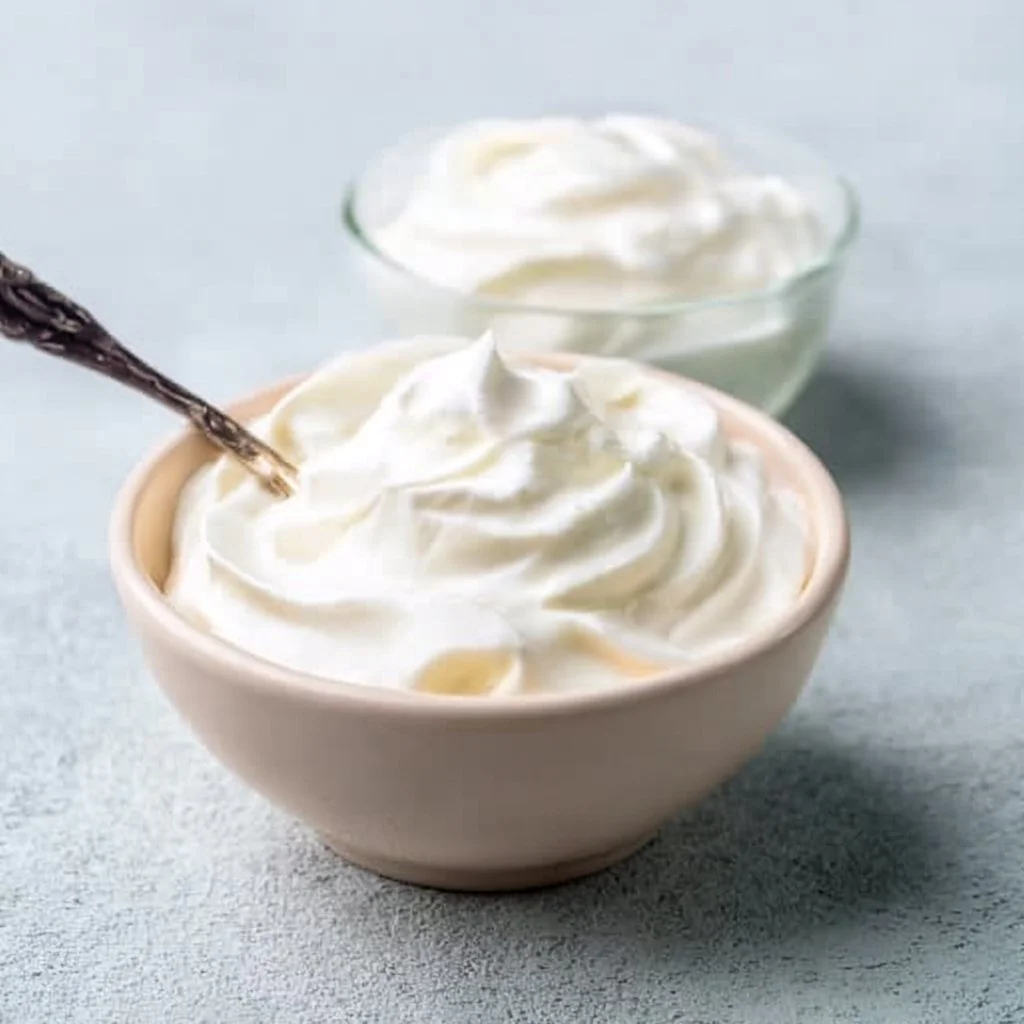
Homemade Greek Yogurt
The Ultimate Guide to Homemade Greek Yogurt: Simple, Delicious, and So Rewarding!
Welcome to my kitchen! I’m Olivia Bennett, your friendly guide on this culinary adventure, and today we’re diving into something incredibly simple yet utterly delightful: homemade Greek yogurt. If you’re a foodie like me who loves creamy textures, tangy flavors, and the satisfaction of making something from scratch, you’re in just the right place!
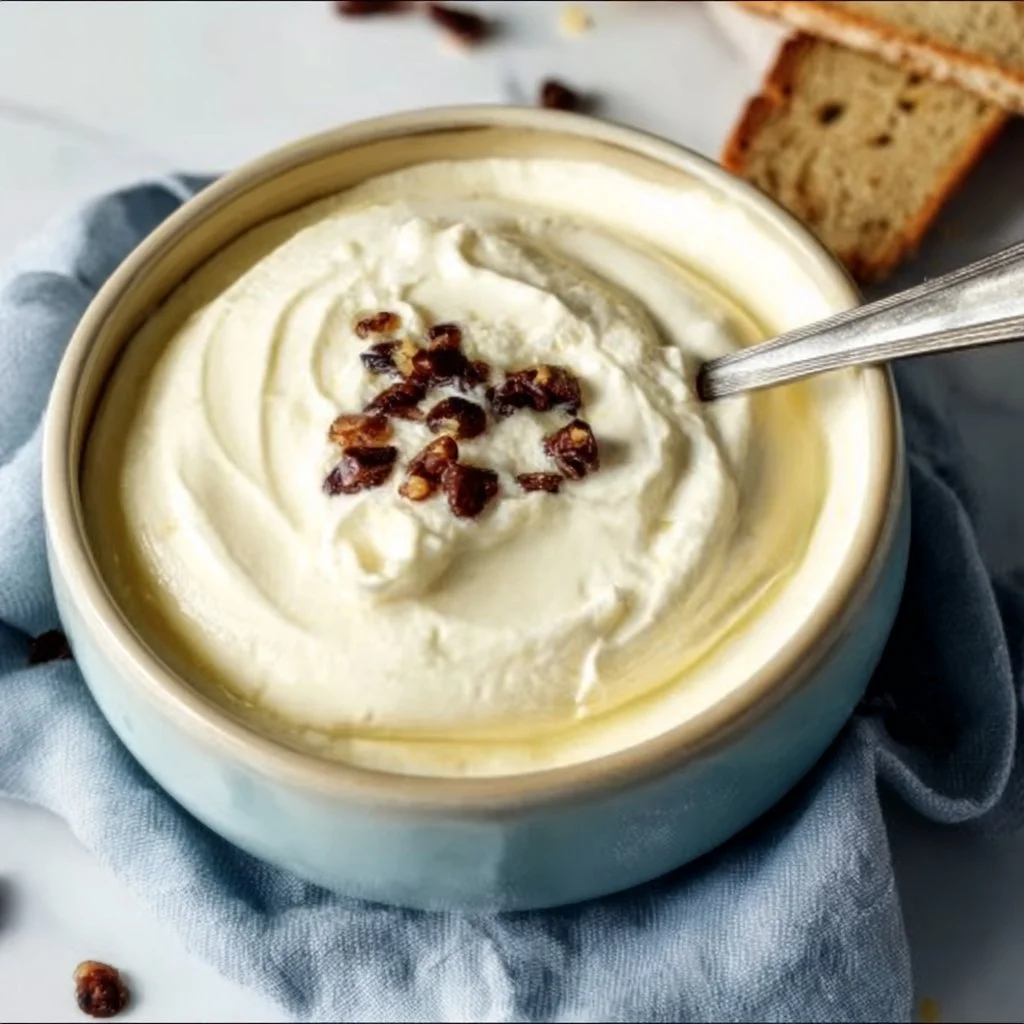
Have you ever tasted fresh yogurt that’s velvety smooth, bursting with flavor, and made with just a few beautiful ingredients? If not, get ready for your taste buds to do a happy dance! Homemade Greek yogurt is a game-changer. It’s vastly different from store-bought versions, often overloaded with additives and preservatives, which can take away from that wholesome natural goodness we all crave.
Picture this: It’s early summer, and the flowers are in full bloom. I’m in my cozy kitchen, sunlight streaming through the windows, the faint aroma of lavender from my herb garden wafting in the air. I’ve just made a fresh batch of Greek yogurt, and the anticipation of tasting that first creamy spoonful sends a flutter through my heart. The nutritional benefits are just the icing on the cake! Packed with probiotics and protein, this yogurt is not just a treat; it’s a powerhouse for your gut health too.
Now, let’s get started! I promise you that making homemade Greek yogurt is one of the most rewarding (and delicious) kitchen projects you’ll ever take on. From setting the yogurt to that magical moment of scooping it out of the strainer, every step is filled with joy. And don’t worry — it’s super easy. Grab your apron, and let’s get creating!
A Little Personal Story
Ah, yogurt! I have fond memories of my grandma — a feisty Italian woman with an unmatched love for food. Every summer, she would set aside a whole day just for yogurt making. I remember standing beside her, eyes wide with fascination, as she carefully poured milk, added the starter, and wrapped the jars in fluffy towels as if they were precious treasures. The whole house smelled divine after a day of waiting, and the first spoonful of her homemade yogurt was always a moment of pure bliss.
What I loved most was that we always topped it with whatever fruit was fresh from the market or whatever was ripe in our garden that day. Whether it was a handful of tart berries or a drizzle of honey, it was personal, it was special, and excitedly messy. My grandmother taught me that cooking is not just about nourishment; it’s about creating memories, sharing flavors, and celebrating the act of togetherness. I carry that tradition with me, and each time I whip up a batch of Greek yogurt, I feel like I’m keeping a little piece of her spirit alive.
Ingredients
Let’s gather everything you’ll need for this lovely homemade Greek yogurt:
-
Whole Milk (1 quart): For the creamiest, richest yogurt, whole milk is the way to go. You can use 2% or skim milk if you prefer a lighter version, but remember, the creamier the milk, the creamier the yogurt!
-
Plain Yogurt (1/4 cup): This will act as your starter culture. Make sure it contains live active cultures, as these little guys are what give your yogurt its signature tang. If you’re dairy-free, you can use a non-dairy yogurt starter.
-
Cheesecloth or Fine Mesh Strainer: This is for straining your yogurt and achieving that thick, luscious Greek yogurt consistency. If you don’t have cheesecloth, you can use a clean dish towel or a coffee filter!
-
A Pot: Any medium-sized pot will do. Just make sure it has enough space to hold the milk without spilling over.
-
A Thermometer: This isn’t absolutely necessary, but a kitchen thermometer makes it easier to ensure your milk is just the right temperature for culturing. If you don’t have one, I’ll guide you through the approximate steps!
-
A Whisk: Perfect for whisking together your yogurt starter with the milk. It helps the cultures blend beautifully.
Step-by-Step Instructions
You ready? Let’s make some magic happen! Here’s how to whip up your Greek yogurt:
Step 1: Heat the Milk
Pour the whole milk into a medium pot and gently heat it over medium-low heat. You want to warm it up to about 180°F (82°C) — this pasteurizes the milk. If you don’t have a thermometer, just keep an eye on it; you’ll see steam forming, and tiny bubbles starting to appear around the edges.
Chef Tip: Stir occasionally to prevent the milk from scorching at the bottom. You want your yogurt to be smooth and silky, not burned!
Step 2: Cool the Milk
Once you’ve reached that magic temperature, remove the pot from heat and let it cool down to around 110°F (43°C). You can whisk it every now and then to speed up the cooling process!
Chef Insight: Patience is key here. Temperature affects how well the yogurt cultures will thrive, which ultimately results in a delicious final product.
Step 3: Mix in the Starter
In a separate bowl, take your plain yogurt and whisk it until smooth. Then, add a couple of tablespoons of the warm milk into the yogurt to temper it. This step is crucial because it helps the cultures gradually adjust to the warmer temperature.
Now, whisk that mixture back into the pot of warm milk until everything is blended evenly.
Step 4: Let It Culture
Transfer the pot to a warm place, like an oven with the light on, or cover it with towels and place it in a cozy spot. Let it sit undisturbed for 6 to 12 hours.
Chef Tip: The longer you let it sit, the tangier it will become! I recommend checking it after 6 hours and deciding if it needs more time.
Step 5: Strain the Yogurt
Once your yogurt has thickened to your liking, it’s time to strain it! Set up a fine mesh strainer over a large bowl, line it with cheesecloth, and pour the yogurt into the strainer.
Cover it with plastic wrap or set it aside to drain for about 2 hours for a creamy Greek texture, or longer if you want it extra thick—up to 8 hours!
Step 6: Transfer and Store
Carefully transfer your strained Greek yogurt into an airtight container, and guess what? You just made yogurt from scratch!
Chef Note: Reserve a couple of tablespoons of your homemade yogurt for the next batch — that’s your starter culture for the next time around!
Serving Suggestions
Homemade Greek yogurt is so versatile! You can enjoy it in a multitude of ways. Serve it in a beautiful bowl topped with fresh berries, a drizzle of honey, and a sprinkle of granola for crunch. Or, mix it into smoothies for an extra protein boost.
You can also use it as a tangy base for savory dishes like tzatziki or as a creamy addition to your favorite salad dressings. The possibilities are endless!
Recipe Variations
-
Flavored Yogurt: Stir in some vanilla extract, cocoa powder, or even fresh herbs for a twisted version.
-
Dairy-Free Option: Substitute whole milk with coconut milk for a tropical twist that’s equally creamy.
-
Honey Vanilla Yogurt: Mix in honey and vanilla extract after straining for a deliciously sweet treat.
-
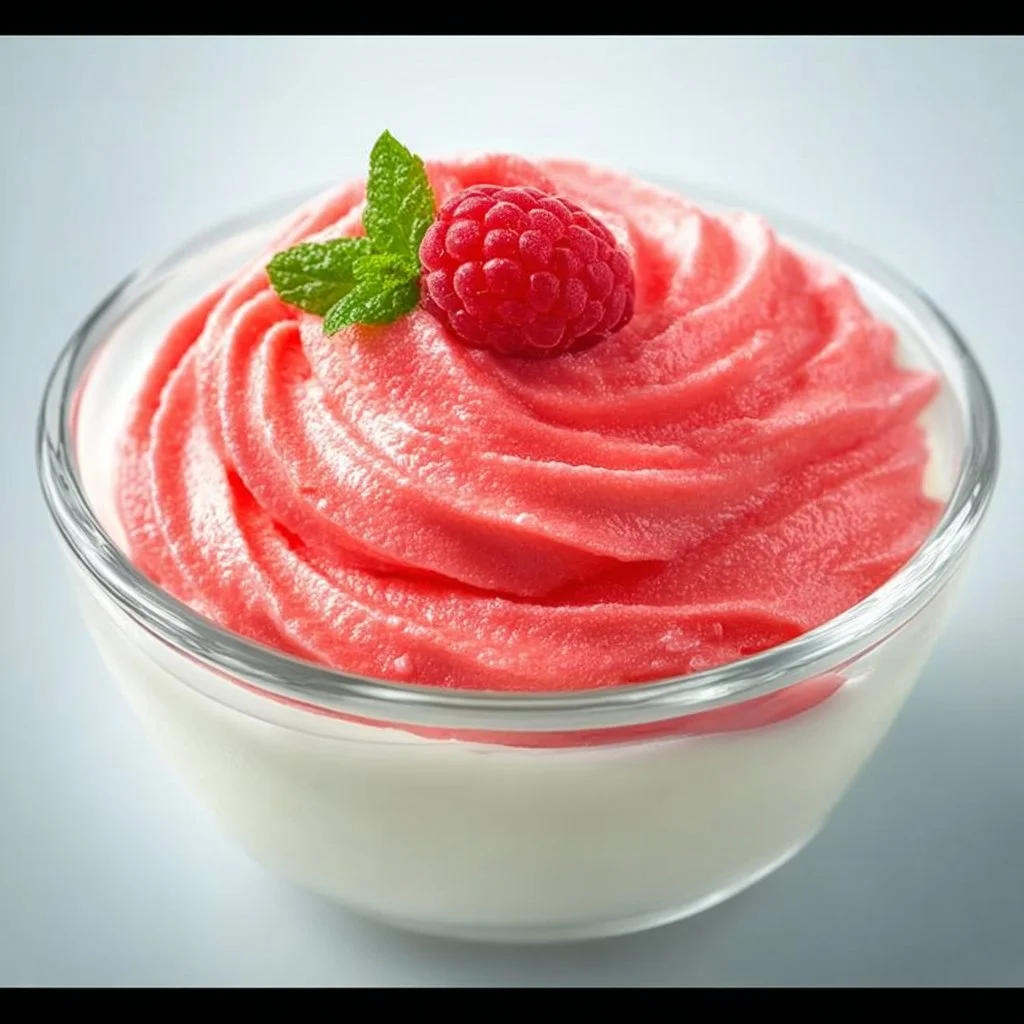
Fruit-Infused Yogurt: Blend fresh fruits like strawberries or mangoes into your Greek yogurt for a fresh burst of flavor.
-
Savory Yogurt Bowls: Top it with olive oil, fresh herbs, and a sprinkle of sea salt for a savory snack or dip.
Chef’s Notes
Homemade Greek yogurt has been a staple in my kitchen, and every time I make it, I think about those warm summer days spent with my grandma. I’ve experimented over the years, trying different cultures, milk varieties, and even different straining times. Each time, I learn something new. The beauty of making yogurt at home is that you can completely customize it and make it your own.
And let me tell you — the first time I made it and tasted that velvety goodness, it felt like the culinary equivalent of discovering a treasure chest! No more store-bought yogurt for me; you can taste the love in every luscious spoonful.
FAQs and Troubleshooting
1. Why didn’t my yogurt thicken?
If your yogurt didn’t thicken properly, it might be due to the milk not being heated to the right temperature or not enough time to culture it. Patience is key — try letting it sit longer next time!
2. How can I make my yogurt less tangy?
For a milder flavor, simply reduce the culturing time. Check it after about 4 hours for a gentler tang.
3. Can I reuse my homemade yogurt as a starter?
Absolutely! Just save a few tablespoons of your batch for your next round. It’s such a great circle of flavor!
4. My yogurt has separated; is it still good?
No worries! It’s completely normal for whey to separate from the yogurt. You can just stir it back in for a creamier texture or drain it off if you prefer a thicker product.
Nutritional Info
While the nutritional content can vary based on specific ingredients used, typically, one cup of homemade Greek yogurt contains:
- Calories: Approximately 140
- Protein: 12-15g
- Fat: 6-10g
- Carbohydrates: 6-8g
- Calcium: A good source!
Now, what are you waiting for? Dive into this delightful culinary project, and savor the joys of homemade Greek yogurt. It truly is a labor of love that brings happiness to both your taste buds and your kitchen! Happy cooking, my fellow food lover! 💖
Print
Homemade Greek Yogurt
- Total Time: 12 hours 15 minutes
- Yield: 4 servings 1x
- Diet: Vegetarian
Description
A simple and rewarding guide to making creamy homemade Greek yogurt from scratch.
Ingredients
- 1 quart Whole Milk
- 1/4 cup Plain Yogurt (with live active cultures)
- Cheesecloth or Fine Mesh Strainer
- A medium-sized Pot
- A Thermometer
- A Whisk
Instructions
- Pour the whole milk into a medium pot and gently heat it over medium-low heat until it reaches about 180°F (82°C).
- Remove the pot from heat and let it cool down to around 110°F (43°C).
- Whisk the plain yogurt in a separate bowl until smooth, then add a couple of tablespoons of warm milk to temper it.
- Blend the tempered yogurt mixture back into the pot of warm milk until evenly mixed.
- Transfer the pot to a warm place and let it sit undisturbed for 6 to 12 hours to culture.
- Set up a fine mesh strainer over a large bowl, line it with cheesecloth, and pour the yogurt into the strainer to strain for about 2 to 8 hours.
- Carefully transfer the strained yogurt into an airtight container.
Notes
Reserve a couple of tablespoons of your homemade yogurt for the next batch as your starter culture.
- Prep Time: 15 minutes
- Cook Time: 12 hours
- Category: Snack
- Method: Culturing
- Cuisine: Greek
Nutrition
- Serving Size: 1 serving
- Calories: 140
- Sugar: 6g
- Sodium: 100mg
- Fat: 8g
- Saturated Fat: 4g
- Unsaturated Fat: 4g
- Trans Fat: 0g
- Carbohydrates: 8g
- Fiber: 0g
- Protein: 12g
- Cholesterol: 30mg
Keywords: Greek yogurt, homemade yogurt, yogurt recipe, dairy recipes, probiotic food