
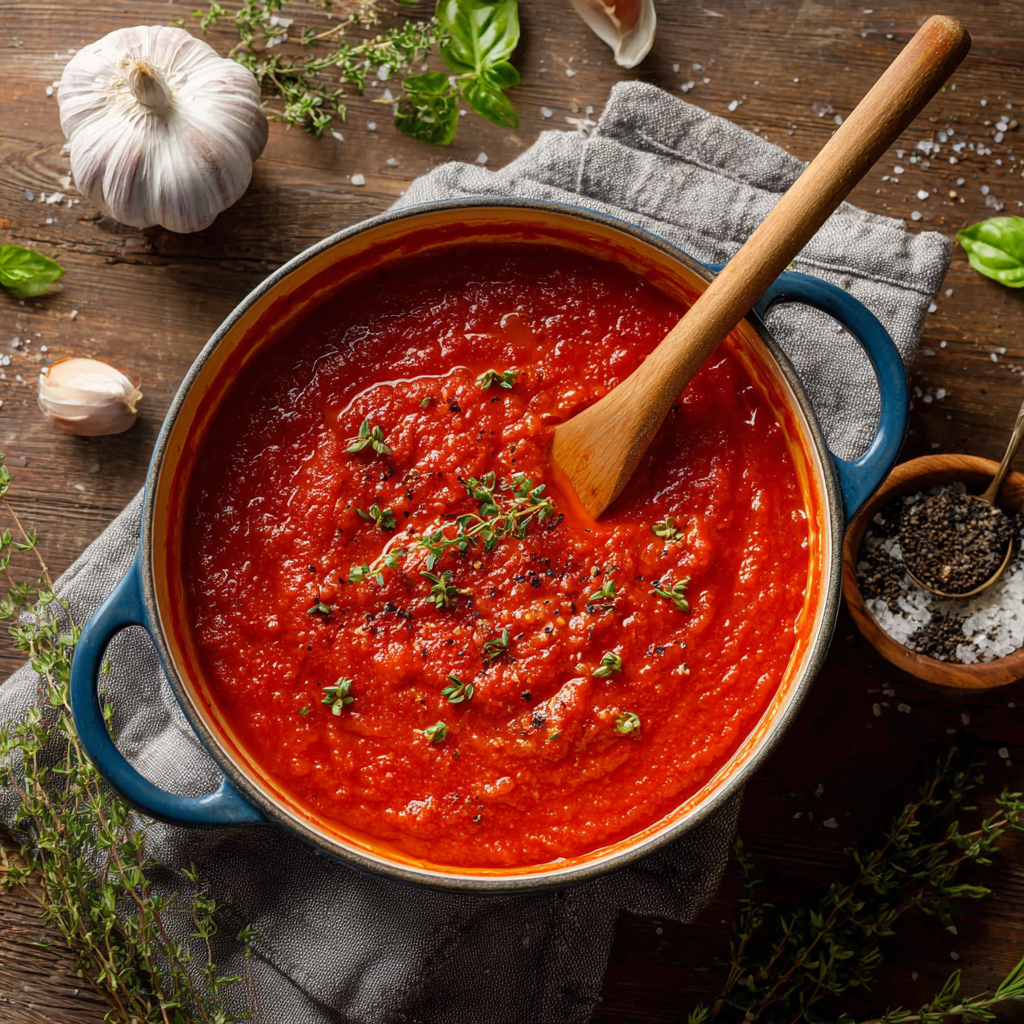
The Sauce That Changed My Kitchen (And My Weeknights!)
Hey there, friend. Can I tell you a secret? For the longest time, I bought my tomato sauce in jars. Yep, Olivia Bennett, self-proclaimed home cook enthusiast, had a pantry shelf dedicated to store-bought marinara. My excuse was always the same: “Who has the time?” But then, I’d look at the ingredient list—the added sugars, the preservatives with names I couldn’t pronounce, the vague “natural flavors”—and feel a tiny pang of kitchen guilt. I knew the tomatoes I bought fresh were gorgeous, so why was the cooked-down version of them so… complicated?
Then, one snowy Sunday when I was stuck inside, I decided to try. Just a pot, some pantry staples, and 30 minutes. Friends, that batch of sauce was a revelation. The kitchen smelled like an Italian grandmother’s hug (the best kind of hug, truly). The flavor was bright, clean, and intensely tomato-y—not masked by sugar or too much dried herb. It tasted… real. And the best part? It was embarrassingly simple.
This healthy tomato sauce recipe is now my weekly warrior. It’s my definition of “simple, clean, and homemade.” It proves that wholesome, from-scratch cooking doesn’t require fancy skills or a whole afternoon. It’s just about letting good ingredients shine. Whether you’re drowning a bowl of pasta, topping a homemade pizza, or giving your zucchini noodles something to cling to, this sauce is your new flavor foundation. Let’s get that pot simmering and fill your kitchen with the coziest smell imaginable.
A Snow Day & The Simmering Pot That Started It All
This sauce’s origin story is one of my favorites. It involves my niece, Sophia, who was about five at the time and the world’s most skeptical eater of anything “red” or “saucy.” On that fateful snow day, she was at my house, her nose pressed against the window, waiting for flakes to pile up. To kill time, I started chopping an onion. She wrinkled her nose. I minced garlic. “Smelly!” she declared. But when I poured those gorgeous crushed tomatoes into the pot and the first bubbles of a simmer started, she drifted over to the stove, pulled up a stool, and just… watched.
“What’s it doing?” she asked. “It’s getting happy,” I told her. “The heat is making all the flavors become friends.” I let her stir (very carefully) and add the pinch of red pepper flakes (“just for a little adventure,” I whispered). For 25 minutes, that pot quietly bubbled away while we played cards. The entire house warmed with the most incredible aroma. When it was time to eat, the skeptical kid who hated “red sauce” asked for “the soup we made.” I tossed it with some pasta, and she devoured it. She called it “Snow Day Magic Sauce.” The name stuck in our family. It taught me that the magic isn’t in complexity; it’s in the process, the smell, and the story you create while it simmers. Now, every time I make it, I think of her, that snowy window, and the power of a patiently simmering pot.
Gathering Your Flavor Friends
Here’s the beautiful part: this is a pantry power play. You likely have most of this already. Let’s walk through why each ingredient is here and how you can swap things if needed!
- 2 tablespoons extra virgin olive oil: Our flavor foundation. A good EVOO adds a fruity, peppery depth you just can’t get from other oils. It’s what we sauté in, and a bit of its flavor stays in the sauce. Chef’s insight: Don’t be tempted to crank the heat too high when you start—we want to infuse, not burn!
- 1 small onion, finely diced: The sweet, savory backbone. When cooked slowly, onions melt into a subtle sweetness that balances the tomatoes’ acidity. Substitution tip: A shallot or two works beautifully for a slightly more delicate flavor.
- 3 cloves garlic, minced: The aromatic heartthrob. We add it after the onion so it doesn’t burn and turn bitter. Chef’s hack: Use a microplane to grate the garlic if you want it to almost dissolve into the sauce seamlessly.
- 28 oz can crushed tomatoes: The STAR. Look for a brand that lists just “tomatoes” and maybe citric acid. Avoid “tomato puree” or anything with added sugar or seasonings. We’re the bosses of flavor here! Insight: San Marzano-style tomatoes are famous for a reason—sweeter, less acidic, with fewer seeds. Worth the splurge for a special batch!
- 1 tablespoon tomato paste (optional): The flavor booster. This isn’t essential, but it adds a rich, concentrated umami depth. I love the little squeeze tubes so I don’t waste a whole can.
- 1 teaspoon dried oregano / ½ tsp dried basil: The herbaceous notes. Dried herbs work great here because they have time to rehydrate and bloom in the simmering sauce. If you have fresh basil, stir in a whole tablespoon, chopped, at the very end for a pop of bright flavor.
- Salt and black pepper, to taste: The essential enhancers. Salt is crucial—it wakes up every other flavor in the pot. Don’t be shy; add in increments and taste.
- Pinch red pepper flakes (optional): The gentle wake-up call. Just a pinch adds a layer of warmth, not heat. It’s my little secret for a sauce that feels more complex.
- 1 teaspoon balsamic vinegar OR 2 tbsp grated carrot (optional): The natural sweeteners. A touch of balsamic adds a gorgeous, subtle sweetness and acidity. The grated carrot is an old Italian nonna trick—it melts into the sauce, adding a natural sugar that cuts acidity without you ever tasting “carrot.”
Let’s Make Some Magic: Step-by-Step
Ready? Tie on your apron (embrace the mess!), and let’s cook. This is less about strict rules and more about building layers of flavor. You’ve got this.
- Build Your Aromatic Base: In a medium saucepan or Dutch oven, heat the olive oil over medium heat. Add the diced onion and a pinch of salt. The salt helps draw out moisture and speeds up the softening. Now, here’s the first chef hack: don’t rush this! Let the onion cook, stirring occasionally, for a good 4-5 minutes. You want them soft, translucent, and sweet, not browned. This patience builds a sweetness that forms the entire foundation of your sauce.
- Wake Up the Garlic: Add the minced garlic and stir constantly. We’re only cooking it for about 30 seconds—just until it becomes incredibly fragrant. If it starts to color even slightly, move quickly to the next step! Burnt garlic is bitter, and we’re all about sweet, mellow vibes here.
- The Tomato Party Starts: Pour in your entire can of crushed tomatoes. It will splutter a bit—that’s okay! Add the tomato paste (if using), dried oregano, basil, a good pinch of salt and pepper, and the red pepper flakes. Stir everything together until the tomato paste is fully dissolved and the herbs are swimming happily.
- The Simmer (Where the Magic Happens): Bring the sauce just to a bubble, then immediately reduce the heat to low. You want a gentle, lazy simmer—just a few bubbles breaking the surface here and there. Let it cook uncovered for 20-30 minutes, stirring every 5-10 minutes to prevent sticking on the bottom. This is non-negotiable downtime. The simmer is reducing the sauce, concentrating the flavors, and mellowing the sharp acidity of the tomatoes. Your kitchen will start to smell incredible.
- Final Flavor Adjustments: After 20 minutes, give it a taste. This is your moment! Need more salt? Add it. Want more herb flavor? Add a pinch more dried oregano. Now is the time to stir in your optional balsamic vinegar or grated carrot if you’re using it. Let it simmer for another 5 minutes to blend.
- Smooth or Chunky? You Decide! For a silky, restaurant-style sauce, use an immersion blender right in the pot (careful of splatters!) or transfer to a standing blender in batches (vent the lid and cover with a towel). I often just give it a few pulses to break it down a bit but leave some texture. Prefer a rustic, chunky sauce? Leave it as is! No wrong answers here.
- Taste, Adjust, and Fall in Love: Give it one final taste. A squeeze of fresh lemon juice can add a last-minute sparkle if it feels a bit flat. A drizzle of fresh olive oil on top when serving? Divine. Your sauce is ready to change the game.
How to Serve Your Homemade Masterpiece
This sauce is the ultimate culinary multi-tool! For classic pasta night, toss it generously with al dente spaghetti or rigatoni, saving a little pasta water to help it cling. Use it as a perfect pizza sauce, spreading a thin layer over your dough. It’s amazing over spiralized zucchini noodles for a low-carb feast, as a base for shakshuka (eggs poached in tomato sauce), or even as a dipping sauce for homemade meatballs or mozzarella sticks. Pour leftovers into a mason jar—it keeps in the fridge for a week or freezes beautifully for up to 3 months.
Make It Your Own: 5 Flavorful Twists
- “Everything But The Kitchen Sink” Veggie: Sauté a diced bell pepper and a handful of sliced mushrooms with the onion for a heartier, chunky vegetable sauce.
- Creamy Vegan Dream: Finish the sauce by stirring in ¼ cup of unsweetened almond milk or a few spoonfuls of raw cashew butter for incredible richness.
- Puttanesca-Inspired Kick: Add 2 tablespoons of rinsed capers and a handful of chopped Kalamata olives with the tomatoes. Anchovy fillets (they’ll melt in) add incredible salty depth.
- Herb Garden Fresh: Skip the dried herbs and stir in a ¼ cup of chopped fresh basil and parsley right at the end.
- Meaty Sunday Gravy Vibe: Brown ½ lb of ground turkey or Italian sausage in the pot before adding the onion. Drain excess fat, then proceed. You’ll have a meaty, robust sauce in no time.
Olivia’s Chef Notes & Kitchen Confessions
This recipe is a living thing in my kitchen! The first time I made it, I was so scared of under-seasoning that I over-salted it. My husband, bless him, drank two full glasses of water with dinner. Lesson learned: season in steps! I’ve also learned that the sauce’s flavor deepens overnight, so making it ahead is always a smart move. One funny fail: I once tried to quadruple the batch in a pot that was way too small. Let’s just say my stovetop looked like a tomato massacre scene. Use a big pot—the sauce likes to bubble and dance as it reduces. Now, I always double the recipe and freeze half. Finding a jar of “Snow Day Magic Sauce” in my freezer on a busy Tuesday is a gift from past Olivia to present, very-hungry Olivia.
Your Questions, Answered!
Q: My sauce tastes a bit acidic or sharp. How can I fix it?
A: This is the most common issue with homemade tomato sauce! Don’t worry, it’s an easy fix. Acidity means it needs balance. Stir in 1 teaspoon of balsamic vinegar, a tablespoon of grated carrot, or even a tiny pinch of sugar. Simmer for another 5 minutes. Often, just cooking it a little longer (another 10-15 minutes on low heat) will also mellow it out beautifully.
Q: Can I use fresh tomatoes instead of canned?
A> Absolutely! You’ll need about 3-4 pounds of fresh Roma or plum tomatoes. Score an “X” on the bottom, blanch them in boiling water for 60 seconds, then plunge into ice water. The skins will peel right off. Chop the flesh and simmer it down (it will take longer, 45-60 minutes) until thickened to your liking.
Q: How can I make this sauce thicker?
A> The simplest way is to let it simmer uncovered for longer. The evaporation will naturally thicken it. If you’re in a rush, you can stir in an extra tablespoon of tomato paste. For a silky thickener, blend 2 tablespoons of the sauce with a few raw cashews or a tablespoon of olive oil until smooth, then stir it back in.
Q: Is it okay to use all fresh herbs instead of dried?
A> Of course! Dried herbs have a more concentrated, earthy flavor that stands up to long cooking. If using fresh, triple the amount (e.g., 1 tablespoon fresh oregano) and add them in the last 5-10 minutes of cooking. Adding them at the very end preserves their bright, fresh color and flavor.
Healthy Tomato Sauce Recipe : Simple, Clean & Homemade
Description
There’s something special about a pot of tomato sauce gently simmering on the stove. This homemade version is fresh, bright, and made with real pantry ingredients—no hidden sugars or hard-to-pronounce additives. It comes together in about 30 minutes and works for pasta, pizza, veggies, or protein bowls. Once you try it, it’s hard to go back to the jar.
Ingredients
-
2 tbsp extra virgin olive oil
-
1 small onion, finely diced
-
3 cloves garlic, minced
-
1 can (28 oz) crushed tomatoes
-
1 tbsp tomato paste (optional, for deeper flavor)
-
1 tsp dried oregano
-
½ tsp dried basil (or 1 tbsp fresh, added at end)
-
Salt and black pepper, to taste
-
Pinch red pepper flakes (optional)
-
1 tsp balsamic vinegar or 2 tbsp finely grated carrot (optional, to balance acidity)
Instructions
-
Sauté the Onion
Heat olive oil in a saucepan over medium heat. Add onion and a pinch of salt. Cook 4–5 minutes until soft and translucent. -
Add Garlic
Stir in garlic and cook about 30 seconds, just until fragrant. Don’t let it brown. -
Add Tomatoes & Seasoning
Pour in crushed tomatoes. Stir in tomato paste (if using), oregano, basil, pepper, chili flakes, and a good pinch of salt. Mix well. -
Simmer Gently
Bring to a light bubble, then reduce heat to low. Simmer uncovered for 20–30 minutes, stirring occasionally, until slightly thickened. -
Balance the Flavor
Taste and adjust salt and pepper. If the sauce tastes sharp, add balsamic vinegar or grated carrot and simmer 5 more minutes. -
Blend (Optional)
Leave chunky, or blend with an immersion blender for a smooth sauce.
Notes
-
Don’t rush the onions — softening them slowly builds natural sweetness.
-
Simmer uncovered so excess water cooks off and flavor concentrates.
-
Too acidic? Add grated carrot or a tiny drizzle of balsamic and keep simmering.
-
Too thin? Cook 10 minutes longer or add 1 extra teaspoon tomato paste.
-
Make a double batch — it freezes well for up to 3 months.
Nutritional Information*
*Approximate values per ½ cup serving. This will vary based on the specific brands of tomatoes and oil you use.
- Calories: 70
- Fat: 4g
- Saturated Fat: 0.5g
- Carbohydrates: 8g
- Fiber: 2g
- Sugar: 5g (naturally occurring from tomatoes)
- Protein: 2g
- Sodium: 180mg
Prep Time: 10 mins | Cook Time: 25 mins | Total Time: 35 mins | Yield: About 3 cups
Final Thoughts
The Sauce That Changed My Kitchen (And My Weeknights!)
Hey there, friend. Can I tell you a secret? For the longest time, I bought my tomato sauce in jars. Yep, Olivia Bennett, self-proclaimed home cook enthusiast, had a pantry shelf dedicated to store-bought marinara. My excuse was always the same: “Who has the time?” But then, I’d look at the ingredient list—the added sugars, the preservatives with names I couldn’t pronounce, the vague “natural flavors”—and feel a tiny pang of kitchen guilt. I knew the tomatoes I bought fresh were gorgeous, so why was the cooked-down version of them so… complicated?
Then, one snowy Sunday when I was stuck inside, I decided to try. Just a pot, some pantry staples, and 30 minutes. Friends, that batch of sauce was a revelation. The kitchen smelled like an Italian grandmother’s hug (the best kind of hug, truly). The flavor was bright, clean, and intensely tomato-y—not masked by sugar or too much dried herb. It tasted… real. And the best part? It was embarrassingly simple.