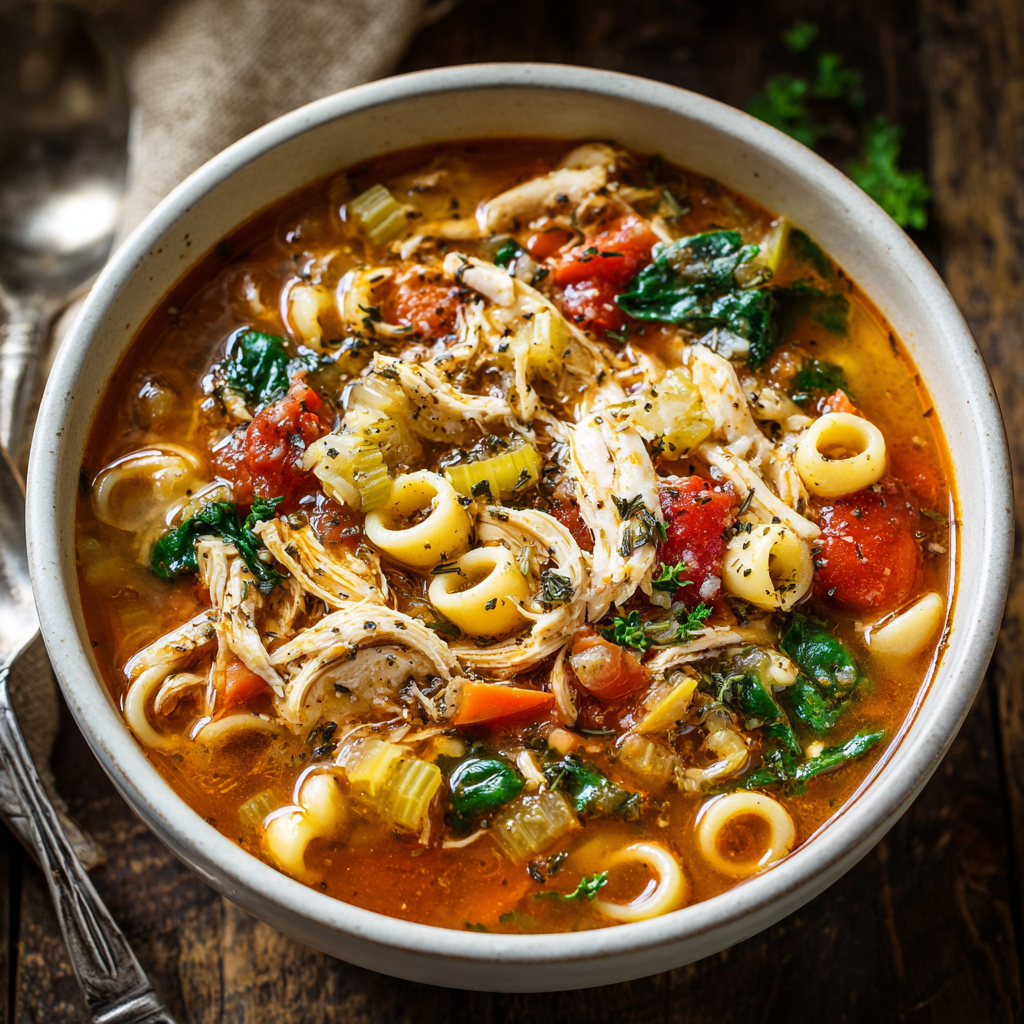
Italian Chicken Soup
Italian Chicken Soup: Your New Go-To Bowl of Sunshine
Hello, my friend! Come on in, pull up a stool, and let’s get something simmering on the stove. Is there anything in the world that smells more like home than a pot of soup bubbling away? That savory, herby aroma that seems to hug every corner of the house? It’s pure magic, I tell you. And today, we’re making my absolute favorite: a Hearty, Herby Italian Chicken Soup that is pure comfort in a bowl.
This isn’t just any soup. This is the soup you make when you need a hug from the inside out. It’s the one you whip up on a crisp autumn afternoon, the one you deliver to a friend who needs a little TLC, and the one that somehow always tastes even better the next day. We’re talking tender shreds of chicken, a garden’s worth of colorful veggies, and cute little pasta shapes all swimming in the most incredible savory tomato broth, fragrant with classic Italian herbs. It’s satisfying, nourishing, and incredibly easy to make. You don’t need to be a professional chef to create something truly unforgettable. You just need a big pot and about 30 minutes. Ready to fill your kitchen with the best smells ever? Let’s do this!
The Soup That Built a Bridge
This recipe will always hold a special place in my heart because it was the first meal I ever cooked for my now-husband’s very Italian, very wonderful family. Talk about pressure! I wanted to make something that felt impressive but was secretly easy, something that spoke of warmth and welcome. I landed on this soup.
I remember my apron was dusted with flour, and I was nervously chopping celery when his Nonna Maria walked into the kitchen. She watched me for a moment, a silent critic I was desperate to impress. Then, she gently took the knife from my hand, showed me her way of slicing the carrots—”so they cook evenly, cara“—and tossed in an extra pinch of oregano she fetched from her own purse. We finished the soup together, and when the whole family gathered around the table and his uncle went back for a third bowl, I knew it was a hit. That soup wasn’t just a meal; it was a bridge. It taught me that the best recipes aren’t about perfection; they’re about connection, a little bit of love, and sometimes, a secret pinch of oregano from a Nonna’s purse.
Gathering Your Sunshine Squad: The Ingredients
Here’s your shopping list! This is a fantastic “clean out the fridge” recipe, so don’t stress about being exact. I’ve included my favorite substitutions so you can make it your own.
- 1 tbsp olive oil: Our cooking fat base. It adds a lovely fruitiness. You can use butter or avocado oil if you prefer!
- 1 small onion, diced: The aromatic foundation of so many great dishes. Yellow or white onion works perfectly here.
- 2 garlic cloves, minced: Non-negotiable for flavor! Feel free to add an extra clove if you’re a garlic lover like me.
- 2 carrots, sliced: They add a subtle sweetness and beautiful color. No carrots? A diced sweet potato or parsnip would be lovely.
- 2 celery stalks, sliced: Part of the classic “holy trinity” with onions and carrots, building a deep, savory base flavor.
- 1 tsp dried basil & 1 tsp dried oregano: The star Italian herbs! Using dried is actually better here than fresh, as they hold up well in the broth and release their oils slowly.
- 1/2 tsp thyme: Adds a slightly earthy, floral note. If you have an Italian seasoning blend, you can use 2 ½ tsp of that instead of the individual dried herbs.
- Salt & pepper to taste: Season as you go! I always add a pinch with the veggies and then again at the end. This is key to a flavorful soup.
- 6 cups chicken broth: Use a good-quality low-sodium broth so you can control the salt level. Vegetable broth works for a pescatarian version!
- 1 (14 oz) can crushed tomatoes: This gives the broth its signature body, heartiness, and slight tang. Fire-roasted crushed tomatoes add a wonderful smoky depth.
- 2 cups cooked, shredded chicken: The ultimate time-saver! Use a rotisserie chicken, leftover baked chicken, or even a can of drained chicken in a pinch. It’s a great way to reduce food waste.
- 1 cup small pasta (like ditalini or orzo): These little shapes are perfect for getting a bit of everything in one spoonful. Ditalini is my favorite, but orzo, small shells, or even broken-up spaghetti work.
- 2 cups spinach or kale (optional): An easy way to sneak in some greens! They wilt down beautifully in the hot broth. Chard or even chopped zucchini would also be great.
- Grated parmesan & fresh parsley for serving: The “finishers”! The parmesan adds a salty, umami punch, and the fresh parsley gives a pop of color and freshness. Don’t skip these!
Let’s Get Cooking: Building Your Bowl of Comfort
Okay, chef! Let’s transform these simple ingredients into something magical. Follow these steps, and you’ll have a perfect pot of soup in no time.
- Heat 1 tbsp olive oil in a large pot or Dutch oven over medium heat. You want a nice, heavy-bottomed pot to distribute heat evenly and prevent burning.
- Add the diced onion, minced garlic, sliced carrots, and celery. Sauté, stirring occasionally, until the vegetables have softened and the onions are translucent, about 5-7 minutes. You’re not looking for color here, just to soften them and release their amazing flavors. This step is called “sweating” the veggies, and it builds the flavor foundation of your entire soup! Chef’s Hack: If things are cooking too quickly and the garlic starts to brown, just lower the heat a touch.
- Add the dried basil, oregano, thyme, and a big pinch of salt and pepper. Stir and cook for just 30 seconds until incredibly fragrant. Blooming the dried herbs in the oil like this wakes up their essential oils and makes their flavor so much more powerful!
- Pour in the 6 cups of chicken broth and the entire can of crushed tomatoes. Give it all a good stir, scraping up any little browned bits from the bottom of the pot—that’s pure flavor!
- Bring the pot to a lively boil, then immediately reduce the heat to low and let it simmer for 10 minutes. This simmering time allows the flavors to start getting to know each other and meld together beautifully.
- Now, add your shredded chicken and 1 cup of dry pasta. Stir it through and bring the soup back up to a gentle simmer. Let it cook, uncovered, for the time recommended on your pasta package, usually 8-10 minutes. Chef’s Hack: Taste a piece of pasta a minute or two before the time is up to ensure it’s cooked to al dente perfection. It will continue to soften a bit in the hot broth even after you turn off the heat.
- Turn off the heat. If you’re using greens, stir in the 2 cups of spinach or kale now. They will wilt perfectly in the residual heat within just 2 minutes. This keeps them bright green and perfectly tender, not mushy.
- Give the soup one final taste. This is the most important step! Does it need another pinch of salt? A crack of black pepper? Adjust the seasoning to your liking. You are the boss of your broth!
Bowls Up! How to Serve Your Masterpiece
Ladle the hot, steaming soup into big, comfortable bowls. Now, for the grand finale: shower each bowl with a generous handful of freshly grated parmesan cheese and a sprinkle of chopped fresh parsley. The cheese will get a little melty and delicious, and the parsley adds that fresh, herby finish. Serve immediately with a big slice of crusty, buttered bread for dipping. Honestly, is there anything better than sopping up that incredible broth with a piece of good bread? I think not.
Make It Your Own: Delicious Recipe Variations
The beauty of this soup is its flexibility! Here are a few ways to switch it up:
- White Bean Twist: Swap the pasta for a can of drained and rinsed cannellini or great northern beans for a gluten-free, fiber-packed version.
- Spicy Arrabbiata Style: Love heat? Add a pinch of red pepper flakes when you add the dried herbs for a gentle, warming kick.
- Lemon & Herb Brightness: Right before serving, stir in the zest of one lemon and a tablespoon of its juice. It cuts through the richness and makes the flavors pop!
- Turkey Leftover Savior: This is the perfect post-Thanksgiving soup! Just use shredded cooked turkey instead of chicken.
- Creamy Version: For a richer, creamier broth, stir in 1/4 cup of heavy cream or half-and-half during the last minute of cooking.
Olivia’s Chef Notes & Kitchen Stories
This recipe has evolved so much from that first nervous pot I made for Nonna Maria! I’ve learned a few things along the way. First, if you know you’ll have leftovers, consider cooking the pasta separately and adding it to each bowl when you serve. This prevents it from soaking up all the broth and becoming too soft overnight in the fridge. Just add a ladle of broth to the bowl with the pasta.
And a funny story: I once, in a major pre-dinner party rush, accidentally used cinnamon instead of paprika for a dust of color on the chicken I was serving on the side. Let’s just say my guests were very surprised! It taught me to always, always taste as I go and to keep my spice jars clearly labeled. Luckily, the soup itself was safe from my mix-up and saved the day! This soup is forgiving like that. It’s hard to mess up, and it’s always there for you.
Your Soup Questions, Answered!
Q: My pasta absorbed all the broth overnight! How can I fix the leftovers?
A: This is the most common “issue” with pasta soups! The pasta continues to absorb liquid. The easy fix is to store the soup and any leftover broth separately if you can. When reheating, add a splash of water or extra broth to loosen it back up to your perfect soup consistency. It will taste just as delicious!
Q: Can I make this soup in a slow cooker or Instant Pot?
A: Absolutely! For the slow cooker, sauté the veggies first (this step is worth it for flavor!), then add everything except the pasta and greens to the pot. Cook on Low for 6-7 hours or High for 3-4. Add the pasta and greens in the last 30 minutes on High. For the Instant Pot, use the Sauté function for the veggies, then add everything except pasta and greens. Cook on High Pressure for 5 minutes, quick release, then use Sauté again to cook the pasta and wilt the greens.
Q: My soup tastes a bit bland. What can I do?
A: No worries! This is an easy fix. Bland soup usually just needs more seasoning. Add more salt, pepper, and dried herbs in small increments, tasting after each addition. A splash of lemon juice or a teaspoon of red wine vinegar can also brighten all the flavors dramatically. Finally, don’t underestimate the power of that parmesan rind! Tossing one into the pot while it simmers adds incredible umami depth.
Q: Can I freeze this soup?
A: Yes, but I recommend freezing it without the pasta for best results. Cooked pasta can become mushy and grainy when thawed and reheated. Freeze the broth, chicken, and veggie mixture. When you’re ready to eat, thaw, reheat, and cook a fresh batch of pasta to add in.
Print
Italian Chicken Soup
- Total Time: 35 mins
Description
Warm, herby, and packed with goodness, this Italian Chicken Soup is comfort you can sip from a spoon. With tender chicken, colorful veggies, little pasta shapes, and a tomato-herb broth, it’s like a hug in a bowl. Perfect for chilly nights, cozy family dinners, or as a gift of comfort for a friend—this soup is all about love and connection.
Ingredients
-
1 tbsp olive oil (or butter/avocado oil)
-
1 onion, diced
-
2 garlic cloves, minced
-
2 carrots, sliced
-
2 celery stalks, sliced
-
1 tsp dried basil
-
1 tsp dried oregano
-
½ tsp thyme
-
Salt & black pepper, to taste
-
6 cups chicken broth (low sodium)
-
1 (14 oz) can crushed tomatoes (fire-roasted if possible)
-
2 cups cooked, shredded chicken (rotisserie works great)
-
1 cup small pasta (ditalini, orzo, shells)
-
2 cups spinach or kale (optional)
-
Grated parmesan & parsley, for garnish
Instructions
-
Heat olive oil in a large pot. Sauté onion, garlic, carrots & celery until softened (5–7 mins).
-
Add herbs, salt & pepper. Cook 30 secs to release aromas.
-
Stir in broth + crushed tomatoes. Bring to boil, then simmer 10 mins.
-
Add shredded chicken + dry pasta. Simmer until pasta is al dente (8–10 mins).
-
Stir in greens at the end, letting them wilt in the hot broth.
-
Taste & adjust seasoning.
-
Ladle into bowls, top with parmesan & parsley. Serve with crusty bread.
Notes
-
Bean Swap: Use cannellini beans instead of pasta.
-
Spicy Kick: Add red pepper flakes with herbs.
-
Lemon Brightness: Stir in zest + juice before serving.
-
Turkey Leftovers: Sub shredded turkey for chicken.
-
Creamy Version: Add ¼ cup cream at the end.
- Prep Time: 10 mins
- Cook Time: 25 mins
Nutrition
- Calories: 280 cal Per Serving
- Carbohydrates: 22g
- Protein: 25g
Nutritional Information*
Per serving (based on 6 servings, using spinach and without extra Parmesan garnish):
Calories: 280 | Carbohydrates: 22g | Protein: 25g | Fat: 10g | Sugar: 5g
*Please note: This is an estimate based on the ingredients used. For precise dietary information, calculate using your specific ingredients and brands.
Prep Time: 10 mins | Cook Time: 25 mins | Yield: 6 generous servings
I hope you love this recipe as much as I do! If you make it, tag me on social media @OliviasCozyKitchen—I love seeing your creations. Now, go forth and make something wonderful!
Final Thoughts
This Italian Chicken Soup is a testament to the idea that the most comforting food is often the simplest. It doesn’t rely on complex techniques or exotic ingredients, but on a reverence for fundamentals: building a strong foundation with a soffritto, choosing a quality broth, and honoring the process. It’s a recipe that welcomes improvisation, inviting you to use what you have and make it your own.
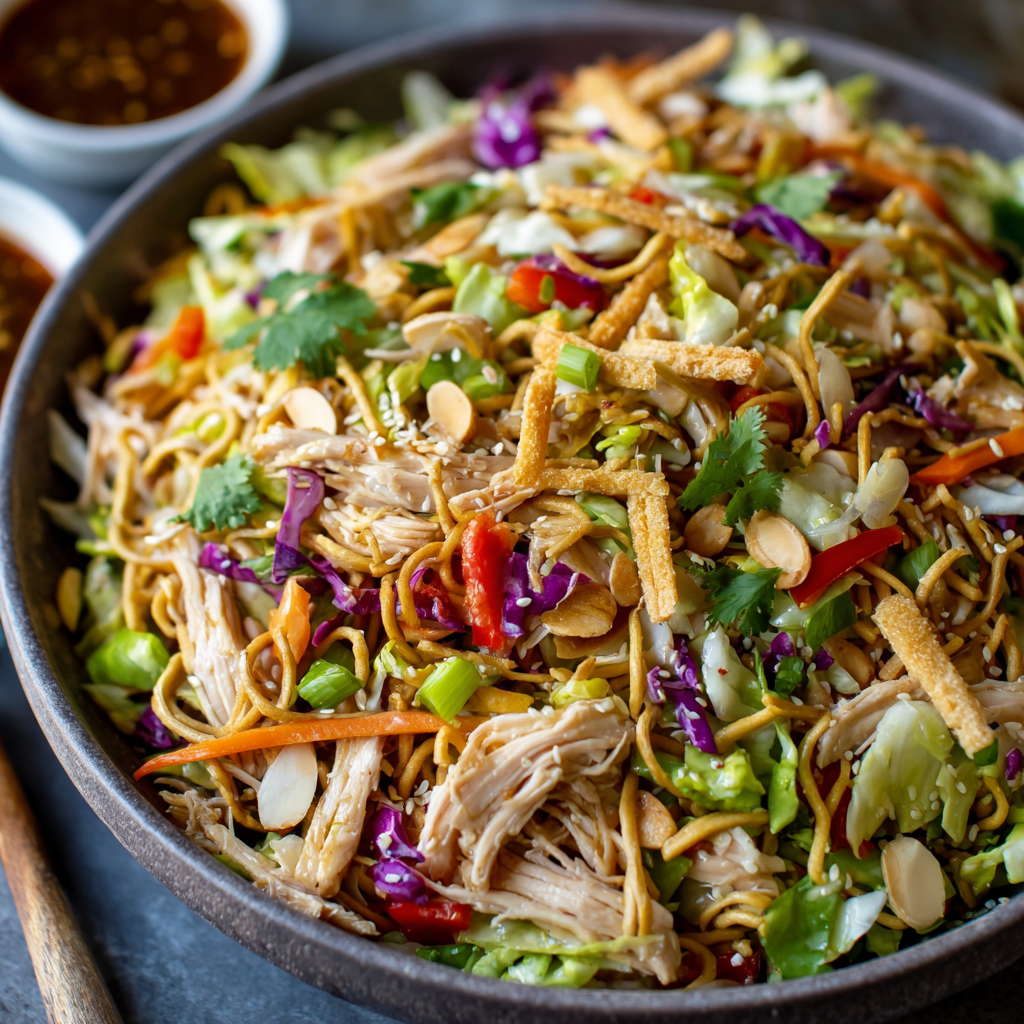
Crunchy Chinese Chicken Salad
Your New Favorite Salad Is Here (And It’s Anything But Boring!)
Hey there, friend! Come on in, pull up a stool. Can you smell that? It’s the nutty, toasty scent of sesame oil meeting the bright, zingy punch of fresh ginger and rice vinegar. That, my friends, is the sound of your taste buds about to throw a serious party. We’re not just making a salad today; we’re crafting an experience. A Crunchy Chinese Chicken Salad to be exact—a vibrant, textural masterpiece that is guaranteed to become a regular in your meal rotation.
I know what you might be thinking: “Salad? For a main event?” But trust me, this isn’t your average bowl of greens. This is a symphony of flavors and textures. We’re talking tender, savory shredded chicken, a confetti of crisp, colorful vegetables, all tossed in a tangy-sweet sesame dressing that you’ll want to put on absolutely everything. And the crowning glory? A generous sprinkle of crunchy almonds and those irresistible crispy wonton strips. It’s a meal that feels simultaneously light and indulgent, fresh and deeply satisfying.
This recipe is my go-to for so many occasions. It’s a lifesaver on busy weeknights, a guaranteed crowd-pleaser at potlucks, and the perfect make-ahead lunch that actually gets better as it sits (well, without the crunchy toppings—we’ll get to that chef’s secret!). So, grab your favorite big wooden bowl and let’s create something truly delicious together. This is the kind of cooking that fills your home with amazing smells and your people with even bigger smiles.
The Potluck Queen & The Salad That Started It All
This recipe will always hold a special place in my heart because it reminds me of my mom. She was, and still is, the undisputed Potluck Queen of our neighborhood. Any gathering, from a casual backyard BBQ to a fancy holiday party, was not complete without one of her legendary dishes. I remember one particularly sweltering summer Sunday, she was tasked with bringing a side to the annual block party. Instead of her usual potato salad, she emerged from the kitchen with this enormous, beautiful bowl filled with colors I’d never seen in a salad before—shredded purple cabbage, bright orange carrots, vibrant red bell peppers.
I was skeptical. My ten-year-old self was firmly in the “no-vegetables-unless-they-are-fried” camp. But the aroma of that dressing was irresistible. I watched as everyone, without exception, went back for seconds… and thirds. Finally, I caved and tried a bite. It was a revelation. The crunch! The tang! The savory-sweet dressing! I must have eaten three helpings myself. That day, my mom taught me a powerful lesson: the right dish doesn’t just feed people; it brings them together and creates a core memory. Now, every time I make this salad, I’m right back at that picnic table, surrounded by friends and family, with the sun setting and the sound of laughter in the air.
Gathering Your Crunchy Crew: The Ingredients
Here’s the beautiful part: this salad is incredibly flexible. Don’t have exactly one of these? No problem! I’ve included my favorite swaps and insights to make this recipe work for you.
- 3 cups cooked, shredded chicken: The star of our protein show! A store-bought rotisserie chicken is your absolute best friend here—it’s flavorful, moist, and a huge time-saver. You can also use leftover grilled chicken, baked chicken breast, or even boiled chicken. Chef’s Insight: For the most tender shred, use two forks or pop the slightly cooled chicken into your stand mixer with the paddle attachment for 30 seconds on low. Magic!
- 4 cups shredded napa or green cabbage: This is our crisp, refreshing base. Napa cabbage is a bit more tender and sweet, while green cabbage offers a sturdier crunch. I love a 50/50 mix! Substitution Tip: Bagged coleslaw mix is a fantastic shortcut. Just make sure it’s the plain kind, without the dressing.
- 1 cup shredded carrots: For a pop of color and a sweet earthiness. Pre-shredded carrots from the store are a perfect time-saver.
- 1 red bell pepper, thinly sliced: Adds a beautiful color and a juicy, fresh crunch. Yellow or orange bell peppers work just as well!
- 2 green onions, sliced: They provide a mild, oniony bite without being overpowering. Use both the green and white parts!
- 1/2 cup cilantro, chopped: Don’t skip this! It adds a crucial burst of freshness. Substitution Tip: If you’re one of those folks who thinks cilantro tastes like soap (no judgment!), fresh parsley or even a little fresh mint are lovely alternatives.
- 1/2 cup sliced almonds, toasted: This is where we build our crunch factor. Toasting them is non-negotiable—it unlocks their nutty, deep flavor. Just toss them in a dry pan over medium heat for 3-5 minutes until golden and fragrant. Substitution Tip: Chopped peanuts or cashews would be delicious here too.
- 1 cup crispy wonton strips or chow mein noodles: The fun, guilty pleasure of the salad! They provide that iconic, irresistible crunch. Find them in the produce aisle or the international foods section.
- 1 tbsp sesame seeds (optional): A final flourish for looks and a tiny bit of extra texture.
For The Tangy Sesame Dressing:
- 1/4 cup rice vinegar: The tangy backbone of our dressing. It’s mild and slightly sweet. Substitution Tip: Apple cider vinegar or white wine vinegar can work in a pinch.
- 2 tbsp soy sauce: For that deep, savory umami flavor. Substitution Tip: Use tamari for a gluten-free version, or coconut aminos for a slightly sweeter, soy-free option.
- 1 tbsp sesame oil: The flavor powerhouse! A little goes a long way. Make sure you’re using toasted sesame oil, not the light/neutral kind.
- 1 tbsp honey or maple syrup: A touch of sweetness to balance the acidity. Agave syrup works too.
- 2 tbsp olive oil: Or any neutral oil like avocado or grapeseed. This helps mellow out the strong flavors and emulsifies everything.
- 1 tsp grated ginger: For a warm, zesty kick. Fresh is best! I keep a knob of ginger in the freezer and just grate it, skin and all, whenever I need it.
- 1 clove garlic, minced: Because garlic makes everything better. For a milder flavor, you can use 1/2 tsp of garlic powder.
Let’s Get Tossing: Step-by-Step Instructions
This comes together in a flash. I like to get my “mise en place” ready—that’s just a fancy chef term for having all your ingredients prepped and measured before you start. It makes the process feel like a fun cooking show and is so much less stressful!
Step 1: The Toasty Bits
First, let’s toast those almonds. Place your sliced almonds in a dry skillet (no oil needed!) over medium heat. Stay with them! They can go from perfectly golden to burnt in seconds. Shake the pan frequently, and in about 3-5 minutes, you’ll smell their nutty aroma and see them turn a light golden brown. Immediately pour them onto a plate to stop the cooking. This little step makes a WORLD of difference.
Step 2: The Main Event Bowl
Take your largest, most beautiful mixing bowl—we need plenty of room for tossing! Add your shredded chicken, cabbage, carrots, sliced bell pepper, green onions, and cilantro. Now, just take a moment to appreciate how gorgeous and colorful that bowl is. That’s eating the rainbow, right there.
Step 3: Whisk, Shake, and Emulsify
Now, for the magic potion. You can whisk everything together in a bowl, but my favorite method is to add all the dressing ingredients—rice vinegar, soy sauce, sesame oil, honey, olive oil, grated ginger, and minced garlic—into a small jar with a tight-fitting lid. Screw the lid on tightly and give it a vigorous shake for about 30 seconds. This is the best way to fully emulsify the oil and vinegar, creating a smooth, cohesive dressing. Taste it! Think about the balance. Want more tang? Add a splash more vinegar. More sweetness? A drizzle more honey. You are the boss of your dressing.
Step 4: The Grand Toss
Pour about three-quarters of your dressing over the salad mixture. Now, using a pair of tongs or two large spoons, toss everything together. Get right down to the bottom of the bowl and lift everything up, ensuring every single strand of cabbage and piece of chicken gets coated in that glorious, shiny dressing. You can add the rest of the dressing if you think it needs it. I usually hold a little back just in case.
Step 5: The Crunchy Finale
(This is the most important chef hack!)
Do NOT add the crispy almonds and wonton strips until you are literally ready to serve. If you toss them in and then let the salad sit, they’ll soak up the dressing and lose their fantastic crunch. It’s a tragedy we must avoid! Right before serving, give the salad one final toss, then generously scatter the toasted almonds, crispy wonton strips, and sesame seeds over the top. This ensures every bite has the perfect mix of creamy, crunchy, fresh, and savory.
How to Serve This Masterpiece
Presentation is part of the fun! I love serving this family-style in one large, wide, shallow bowl so everyone can see all the colorful ingredients and crunchy toppings. For individual plates, use a pair of tongs to create a high, generous mound on each plate, making sure to get plenty of those crunchy toppings on every serving. This salad is a complete meal on its own, but it’s also fantastic alongside a warm cup of miso soup or a few steamed dumplings for an extra-special feast. For a restaurant-worthy touch, garnish the platter with a few extra cilantro leaves and a sprinkle of sesame seeds.
Make It Your Own: Delicious Variations
The beauty of this salad is its versatility. Here are a few of my favorite ways to mix it up:
- Spicy Sriracha Kick: Add 1-2 teaspoons of sriracha or a pinch of red pepper flakes to the dressing for a pleasant, warming heat.
- Mandarin Orange Twist: Add a can of well-drained mandarin orange segments for a sweet, juicy burst. Toasted slivered almonds pair perfectly with this version.
- Vegan/Vegetarian Powerhouse: Replace the chicken with baked tofu cubes or edamame shells for a plant-powered protein punch. Use maple syrup instead of honey.
- Apple & Cashew Crunch: Add 1 diced crisp apple (like Honeycrisp or Fuji) and swap the almonds for chopped, toasted cashews.
- Low-Carb Version: Simply omit the crispy wonton strips and the honey in the dressing (use a zero-carb sweetener if desired). The salad is still packed with flavor and crunch from the veggies and nuts!
Chef Olivia’s Notes & Kitchen Stories
This recipe has evolved so much over the years. The original version I had as a kid was probably made with a packaged seasoning packet and canned chow mein noodles (still delicious in its own right!). My version is a grown-up, from-scratch homage to that memory. I’ve learned that the key truly is in the dressing and the last-minute crunch.
One of my funniest kitchen fails involved this very salad. I was hosting a big dinner party and was so proud of myself for making everything ahead. I prepped the salad, made the dressing, and—in a moment of utter distraction—tossed the crispy wontons right in with the dressing. Four hours later, I had a delicious but… soggy. mess. My friends were lovely about it, but I learned my lesson the hard way! Now, the toppings are always served on the side for DIY crunch. Live and learn, right? The salad still tasted amazing, by the way—proof that this recipe is pretty much foolproof!
Your Questions, Answered: FAQs & Troubleshooting
Q: Can I make this salad ahead of time?
A: Absolutely! This is a fantastic make-ahead meal. Prep the chicken and veggies, mix them together, and store them in an airtight container in the fridge. Make the dressing and store it separately in its jar in the fridge. Keep your toasted almonds and crispy noodles in a bag at room temperature. Combine everything within an hour or two of serving for the best texture. The dressed salad will keep for about a day, but the veggies will soften—it will still taste great, just less crunchy.
Q: My dressing is separating. What did I do wrong?
A: You did nothing wrong! Emulsions (where oil and vinegar mix) can separate over time. Just give your jar a really good shake right before you pour it. If you’re whisking in a bowl, you can add a tiny teaspoon of Dijon mustard, which acts as a natural emulsifier to help hold it all together.
Q: The salad seems a little dry. How can I fix it?
A: Easy fix! Just whip up a half-batch of the dressing and toss it in. The cabbage will release a little water as it sits, so sometimes you need a touch more dressing than you think. Always taste and adjust before serving.
Q: I’m not a fan of cabbage. What else can I use?
A: No problem! Shredded romaine lettuce is a great base. It won’t hold up as long once dressed (it wilts faster), so only dress what you plan to eat immediately. A combination of shredded Brussels sprouts and kale is also a delicious, sturdy alternative.
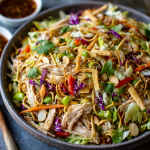
Crunchy Chinese Chicken Salad
- Total Time: 20 minutes
Description
This isn’t just a salad—it’s a flavor-packed experience! Tender shredded chicken, colorful veggies, and a tangy-sweet sesame dressing come together for a dish that’s crunchy, vibrant, and totally crave-worthy. Perfect for weeknights, potlucks, or meal prep, it’s the kind of recipe that turns skeptics into salad lovers. One bite and you’ll see why it’s legendary.
Ingredients
-
3 cups cooked, shredded chicken (rotisserie works great)
-
4 cups shredded napa or green cabbage (or a mix)
-
1 cup shredded carrots
-
1 red bell pepper, thinly sliced
-
2 green onions, sliced
-
½ cup cilantro, chopped (or parsley/mint as sub)
-
½ cup toasted sliced almonds (or peanuts/cashews)
-
1 cup crispy wonton strips or chow mein noodles
-
1 tbsp sesame seeds (optional)
Dressing:
-
¼ cup rice vinegar
-
2 tbsp soy sauce (or tamari/coconut aminos)
-
1 tbsp toasted sesame oil
-
1 tbsp honey or maple syrup
-
2 tbsp olive oil
-
1 tsp grated fresh ginger
-
1 clove garlic, minced
Instructions
-
Toast nuts: In a dry skillet over medium heat, toast almonds until golden & fragrant (3–5 mins). Set aside.
-
Make dressing: Whisk or shake all dressing ingredients in a jar until smooth. Adjust to taste.
-
Build salad: In a large bowl, combine chicken, cabbage, carrots, bell pepper, onions, and cilantro.
-
Toss: Pour most of the dressing over and toss well. Add more if needed.
-
Finish: Just before serving, top with toasted almonds, crispy wontons, and sesame seeds.
Notes
-
Spicy Kick: Add sriracha to the dressing.
-
Mandarin Twist: Toss in orange segments.
-
Vegan: Use tofu or edamame instead of chicken.
-
Apple & Cashew Crunch: Add diced apple + swap almonds for cashews.
- Prep Time: 20 mins
Nutrition
- Calories: 330 cal Per Serving
- Fat: 18g
- Carbohydrates: 18g
- Protein: 25g
Nutritional Information
Per Serving (approximately 1/6th of the recipe):
Calories: 330 | Carbohydrates: 18g | Fat: 18g | Protein: 25g | Sugar: 6g
Please note: This is an estimate based on the specific ingredients used. Values can vary depending on your choices (e.g., type of chicken, specific brands).
Prep Time: 20 mins | Yield: 6 generous servings
Final Thoughts
The Crunchy Chinese Chicken Salad is more than a recipe; it’s a formula for a perfect, satisfying meal. It’s a lesson in balance—between fresh and rich, soft and crisp, tangy and sweet. It teaches us that the most rewarding dishes are often about the harmony of components, each prepared with a little care and combined with intention.
I hope this guide empowers you to see the potential in your bowl. It’s a canvas for your creativity, a solution for your busy schedule, and a guaranteed way to bring a burst of color and joy to your table. It’s a dish that proves healthy eating doesn’t have to be boring and that a salad can absolutely be the main event. So, go forth, crunch fearlessly, and don’t be afraid to make it your own.
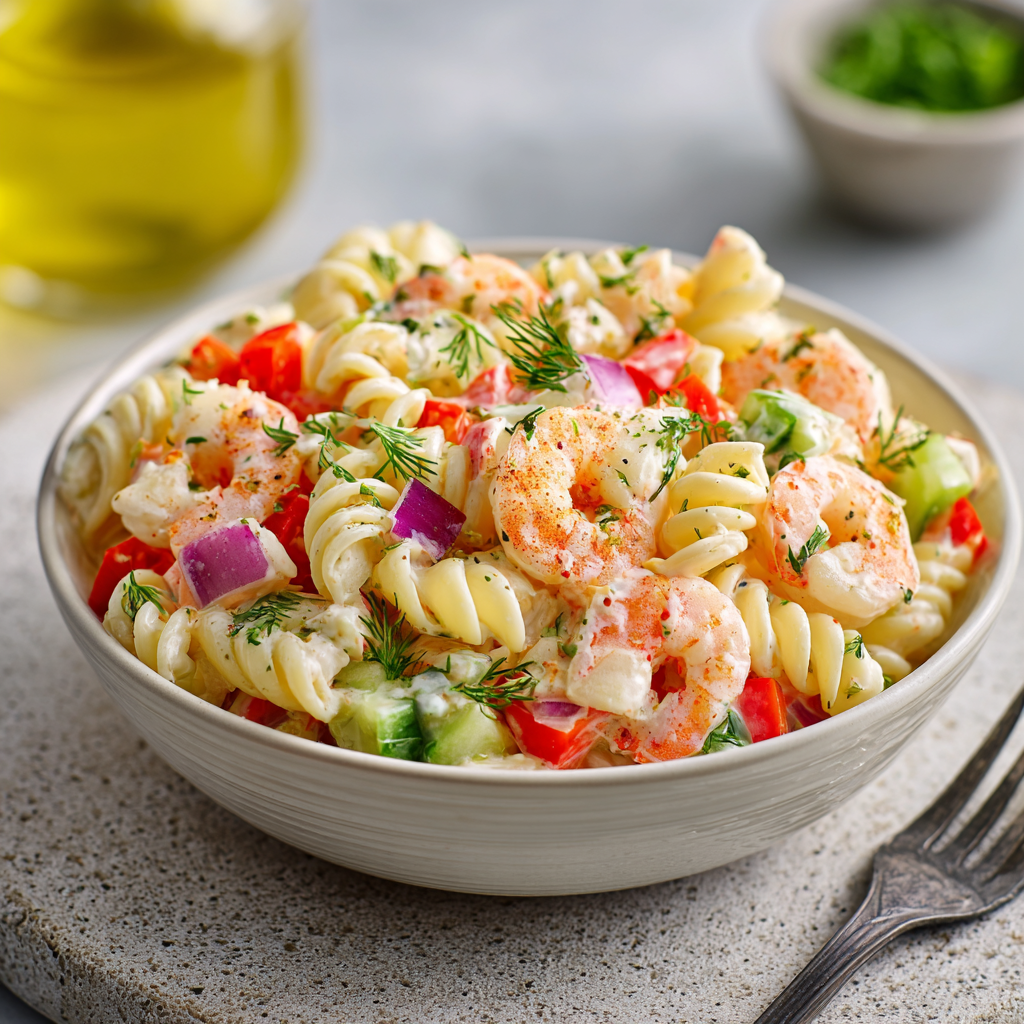
Seafood Pasta Salad
Dive Into a Bowl of Summer Happiness
Hey there, friend! Come on in, pull up a stool. Can you smell that? It’s the scent of sunshine, salty sea air, and a big, beautiful bowl of togetherness. If there’s one dish that screams “happy summer” from the rooftops, it’s this incredibly delicious, chilled, and creamy Seafood Pasta Salad. We’re talking tender pasta, juicy bites of shrimp and crab, a symphony of crunchy veggies, all doing the backstroke in a zesty, herbed dressing that’s so good you’ll want to eat it with a spoon.
This isn’t just a side dish; it’s the main event. It’s the star of the potluck, the hero of the picnic, the reason everyone gathers around the table at your backyard BBQ. It’s protein-packed, incredibly satisfying, and surprisingly simple to whip up. No fancy techniques or hard-to-find ingredients here—just straight-up, soul-satisfying flavor. So, tie on your favorite apron (the messy one with all the stories), and let’s make a memory, one delicious bite at a time.
Sun, Sand, and a Very Important Tupperware
This recipe takes me right back to my family’s annual summer trips to Cape Cod. Picture this: I’m about ten years old, sandy-toed and sun-kissed, building a lopsided sandcastle with my brother. The air is thick with the smell of saltwater and sunscreen. But the real highlight, the thing we’d race back to our striped beach blanket for, was my grandmother’s legendary “beach pasta.”
She’d pack it in a huge, old Tupperware container that had seen better days, but to us, it was a treasure chest. She’d unveil it with a flourish, and we’d dig in with plastic forks, the chilled, creamy pasta and chunks of crab feeling like the most luxurious treat after a morning of battling waves. It was more than food; it was a moment of pure, shared joy. That’s the feeling I try to capture every time I make this salad. It’s my humble homage to Nana, to summer, and to the simple magic of a meal made with love.
Gathering Your Cast of Characters
Here’s everything you’ll need to create this masterpiece. The beauty of a pasta salad is its flexibility, so don’t stress if you need to make a swap or two!
- 12 oz pasta (elbow, rotini, or shells): I’m a rotini girl—those little spirals are genius at trapping pockets of creamy dressing. But use what you love! Chef’s Insight: Cooking your pasta in well-salted water is non-negotiable. It’s your one chance to season the pasta itself from the inside out!
- 1/2 lb cooked shrimp (peeled & deveined): I buy the frozen, pre-cooked kind for super easy prep. Just thaw, pat dry, and you’re golden. For a special touch, use fresh shrimp you’ve boiled yourself with a big squeeze of lemon.
- 1/2 lb imitation crab or lump crab meat: Imitation crab (surimi) is affordable, readily available, and has a great sweet flavor and flaky texture. But if you’re feeling fancy or it’s a special occasion, by all means, splurge on real lump crab meat. You won’t regret it.
- 1 cup celery, chopped: This is your CRUNCH factor. Don’t skip it! It provides a essential fresh, crisp textural contrast to the creamy dressing and soft pasta.
- 1/2 red onion, finely diced: They’re milder and sweeter than yellow onions. If you’re sensitive to the raw onion bite, soak the diced pieces in a bowl of cold water for 10 minutes before adding. It tames the sharpness perfectly.
- 1/2 cup red bell pepper, chopped: A pop of color and a hint of sweetness. Yellow or orange bell pepper work just as beautifully.
- 3/4 cup mayonnaise: The creamy base of our dressing. Use a good-quality mayo you enjoy the taste of. For a tangier kick, I sometimes use half mayo, half Miracle Whip.
- 2 tbsp sour cream or Greek yogurt: This little addition is my secret weapon! It lightens the mayo base just a touch and adds a wonderful tanginess. Greek yogurt is a fantastic healthy swap.
- 1 tbsp Dijon mustard: Not just for heat! Dijon adds depth and helps emulsify the dressing, making it smooth and cohesive.
- 2 tbsp lemon juice: BRIGHTNESS. This is the key that wakes up all the other flavors. Always fresh-squeezed if you can—it makes a world of difference.
- 1 tsp Old Bay or seafood seasoning: The flavor MVP. Old Bay is iconic for a reason—that blend of celery salt, paprika, and spices is pure nostalgia. If you don’t have it, a mix of paprika, a pinch of celery salt, and a dash of cayenne will do in a pinch.
- Salt & pepper to taste: Season as you go! Taste, taste, taste.
- Fresh dill or parsley for garnish: The pretty green finish. Dill pairs especially well with seafood, but parsley is a classic, clean choice.
Let’s Get Mixing! Your Foolproof Guide
Ready to create some magic? Follow these steps for a perfect pasta salad every single time.
Step 1: The Pasta Perfecto
Bring a large pot of generously salted water to a rolling boil. Add your pasta and cook according to the package directions for al dente—that means it should still have a slight bite to it. This is crucial! Mushy pasta will turn into a sad, soggy salad after chilling. Once cooked, drain it immediately and rinse it under cold water until it’s completely cool to the touch. This stops the cooking process and washes away excess starch that can make the salad gummy. Give it a really good shake in the colander to get rid of all that water.
Step 2: The “Could-I-Eat-This-With-A-Spoon?” Dressing
While the pasta is cooling, grab a large mixing bowl—the biggest one you have. This is your command center. To the bowl, add the mayonnaise, sour cream (or Greek yogurt), Dijon mustard, fresh lemon juice, Old Bay seasoning, and a good pinch of salt and pepper. Now, whisk it all together until it’s smooth, creamy, and beautifully uniform. Taste it! This is your moment. Does it need more tang? Add a squeeze more lemon. More zip? More Dijon. More depth? Another pinch of Old Bay. You are the boss of this dressing.
Step 3: The Grand Toss
To the bowl of glorious dressing, add your completely cooled and drained pasta, the cooked shrimp, flaked imitation crab (or luxurious lump crab), and all your chopped crunchy veggies: celery, red onion, and bell pepper. Now, with a large rubber spatula or a big spoon and fork, gently toss everything together. I mean gently. You want every single piece to be lovingly coated in that dressing without breaking up the seafood too much. Fold and lift until you don’t see any more dry spots.
Step 4: The Patience Game (The Hardest Part!)
Cover the bowl tightly with plastic wrap or pop a lid on it. Now, walk away. I know, it’s tough. But you must let this chill in the refrigerator for at least 1 hour, though 2-3 is even better. This waiting period is not optional—it’s when the magic happens. The flavors get to know each other, mingle, and marry into something far greater than the sum of its parts. The pasta absorbs the dressing, and everything becomes perfectly chilled and refreshing.
Step 5: The Grand Finale
Just before serving, give the salad one more gentle stir. Transfer it to a beautiful serving bowl, sprinkle generously with your fresh chopped dill or parsley, and maybe even add an extra light dusting of Old Bay on top for a professional touch. Voila! You’ve just made a masterpiece.
How to Serve This Summer Star
This salad is a dream on its own in a big bowl, but presentation is part of the fun! For a casual backyard BBQ, I serve it straight from the bowl with a beautiful serving spoon. For something more elegant, like a baby shower or bridal luncheon, you can plate it on a bed of soft butter lettuce or vibrant romaine leaves. Garnish with a lemon wedge and a whole shrimp or two on the side for that “wow” factor. It pairs beautifully with grilled corn on the cob, juicy burgers, simple grilled chicken, or just a stack of crispy crackers. Don’t forget the iced tea or a crisp glass of rosé!
Make It Your Own! Delicious Twists
The best recipes are templates for creativity. Here are a few ways to mix it up:
- Mediterranean Twist: Swap the seafood for chopped grilled chicken. Use a dressing of mayo, lemon, and a big spoonful of pesto. Add sun-dried tomatoes, kalamata olives, and crumbled feta cheese.
- Spicy Cajun Kick: Replace the Old Bay with a Cajun seasoning blend. Add a few dashes of hot sauce to the dressing and toss in some sliced jalapeño or a pinch of red pepper flakes.
- Lighter & Brighter: Use whole wheat or chickpea pasta. Swap all the mayo for plain Greek yogurt and add an extra tablespoon of lemon juice. Load up on extra veggies like cucumber and cherry tomatoes.
- Elote-Inspired: Oh yes! Add a cup of sweet corn (thawed frozen or grilled and cut off the cob), a sprinkle of chili powder, and a handful of cotija or feta cheese crumbles.
From My Kitchen to Yours
This recipe has evolved so much from my Nana’s original, which was basically pasta, mayo, and crab—still delicious, but I’ve loved adding my own touches over the years. The sour cream hack came from a near-disaster when I was out of mayo and had to improvise for a party. It was such a hit that I never looked back! Another time, I accidentally used a full tablespoon of cayenne pepper instead of paprika (note to self: label your spice jars!). Let’s just say we called it “Fire-breathing Dragon Pasta Salad” that day and served it with copious amounts of cold milk. The point is, don’t be afraid to play. The kitchen is your playground. This salad is forgiving and flexible, just like a good friend.
Your Questions, Answered!
Q: Can I make this ahead of time?
A: Absolutely! In fact, I highly recommend it. Making it the night before allows the flavors to develop beautifully. Just hold off on adding any fresh herb garnish until right before you serve it to keep them bright and vibrant.
Q: My salad seems a little dry after chilling. What happened?
A: No worries! The pasta continues to absorb the dressing as it sits. This is an easy fix. Just stir in a tablespoon or two of mayonnaise, sour cream, or even a splash of lemon juice to loosen it back up to your desired consistency.
Q: I’m not a fan of shrimp. What else can I use?
A: The seafood mix is totally customizable. Cooked and flaked salmon, canned tuna (well-drained), or even chopped cooked scallops would be fantastic. You could also go for a full pound of imitation crab for a super budget-friendly option.
Q: How long will leftovers keep in the fridge?
A: Stored in an airtight container, your seafood pasta salad will be delicious for 3-4 days. Give it a good stir before serving again. Because it contains mayo, I don’t recommend freezing it, as it can become watery and separate when thawed.
Print
Seafood Pasta Salad
- Total Time: 1 hr 30 mins
Description
This creamy, zesty Seafood Pasta Salad is sunshine in a bowl! Tender rotini, sweet shrimp, flaky crab, and crisp veggies come together in a lemony-herbed dressing that’s as refreshing as a sea breeze. Perfect for potlucks, BBQs, or beach days, this dish is hearty enough to be the main event yet light and vibrant enough to keep you coming back for seconds. Gather your favorite people, grab a fork, and make memories around this summer star.
Ingredients
-
12 oz rotini, shells, or elbows (cooked al dente, cooled)
-
½ lb cooked shrimp (peeled & deveined)
-
½ lb imitation crab or lump crab meat
-
1 cup celery, chopped
-
½ red onion, finely diced
-
½ cup red bell pepper, chopped
-
¾ cup mayonnaise
-
2 tbsp sour cream or Greek yogurt
-
1 tbsp Dijon mustard
-
2 tbsp fresh lemon juice
-
1 tsp Old Bay seasoning (or substitute blend)
-
Salt & pepper, to taste
-
Fresh dill or parsley, for garnish
Instructions
-
Cook Pasta: Boil pasta in salted water until al dente. Drain and rinse under cold water.
-
Make Dressing: In a large bowl, whisk mayo, sour cream, Dijon, lemon juice, Old Bay, salt, and pepper until creamy.
-
Toss Salad: Add cooled pasta, shrimp, crab, celery, onion, and bell pepper. Fold gently until everything is coated.
-
Chill: Cover and refrigerate 1–2 hours for flavors to meld.
-
Serve: Garnish with fresh herbs and a sprinkle of Old Bay. Serve cold.
- Prep Time: 20 mins
Nutrition
- Calories: 310 cal Per Serving
- Fat: 14g
- Carbohydrates: 24g
- Protein: 20g
Nutritional Information*
Per serving (approximately 1 cup), recipe yields ~6 servings:
- Calories: 310 kcal
- Carbohydrates: 24g
- Protein: 20g
- Fat: 14g
- Sugar: 2g
*Please note: This is an estimate provided for informational purposes only. Exact values can vary based on specific ingredients used and portion sizes.
Prep Time: 15 mins | Chill Time: 1 hr | Yield: 6 servings
Final Thoughts
This Seafood Pasta Salad is the culinary equivalent of a perfect summer day: bright, satisfying, and meant to be shared. It masterfully balances textures and flavors, from the tender bite of al dente pasta and seafood to the crisp freshness of the vegetables, all unified by a creamy, zesty dressing. But its true magic lies beyond the ingredients. It’s a dish built on practicality and love, designed for real life—for easy gatherings, for making ahead, and for creating those effortless moments of joy around a table full of good food and good people. It carries with it the spirit of summer nostalgia, of sandy beaches and family traditions, while inviting you to create new memories of your own. So make a big batch, share it generously, and savor every delicious, sunshine-filled bite.
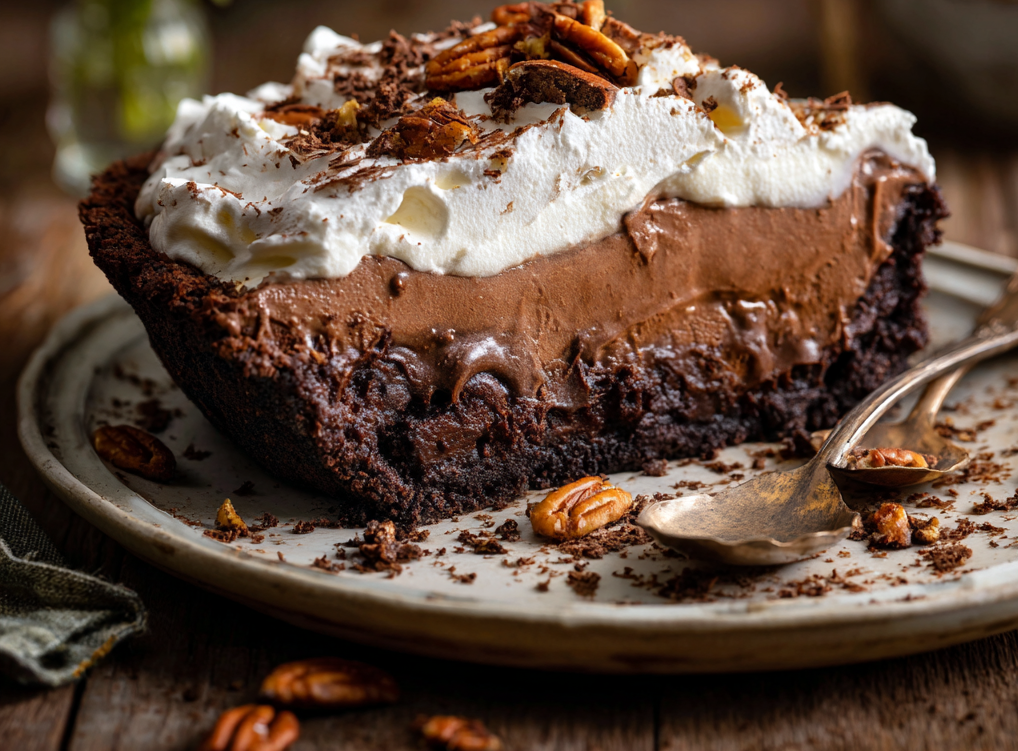
Mississippi Mud Pie
Welcome to the Ultimate Comfort Dessert!
Hey there, friend! Come on in, grab an apron, and let’s get ready to make some magic. If you’ve ever needed a dessert that feels like a warm, chocolatey hug—the kind that makes everyone’s eyes light up the second you bring it to the table—you’ve found it. Mississippi Mud Pie is the undisputed champion of decadent, no-holds-barred chocolate desserts. We’re talking about a buttery cookie crust, a layer of fudgy brownie, smooth and creamy chocolate pudding, and a cloud of whipped cream on top. It’s rich, it’s messy, it’s deeply satisfying, and it has a name that perfectly captures its glorious, dirt-delicious spirit. This isn’t just a pie; it’s an experience. One slice tells a story of tradition, indulgence, and the simple joy of sharing something made with love. So, preheat that oven, and let’s create something unforgettable together!
The Muddy Memory That Started It All
I’ll never forget the first time I encountered this pie. It wasn’t in a fancy bakery or a five-star restaurant; it was at my Great-Aunt Clara’s house one sweltering summer in Alabama. Her kitchen was always a symphony of chaos and incredible smells. She’d hand me a rolling pin and a sleeve of Oreos and put me in charge of crushing them into “dirt” for the crust. I remember the sheer, unadulterated joy of being allowed to make a glorious mess. When she finally pulled the finished pie out of the fridge, its surface swirled with whipped cream and chocolate shavings, it looked like the most elegant mess I’d ever seen. We all dug in with big spoons, getting chocolate on our noses and laughing about it. That pie taught me that the best food isn’t about being perfect—it’s about being real, shared, and utterly joyful. Every time I make it, I’m right back in that kitchen, and I hope this recipe creates a little of that magic for you, too.
Gathering Your Chocolatey Arsenal
Here’s everything you’ll need to build this masterpiece. Don’t stress about having the exact brand names—cooking is about creativity! I’ve included my favorite tips and swaps to make this pie your own.
For the Crust:
- 1 1/2 cups chocolate cookie crumbs (about 20 Oreos, filling included!) – The foundation of our “mud pit.” I use Oreos for that classic flavor, but any chocolate sandwich cookie or even chocolate graham crackers will work beautifully. Gluten-free? There are great GF sandwich cookies out there now!
- 1/4 cup unsalted butter, melted – This is the “glue” that holds our crust together. Using unsalted lets you control the salt level in the recipe. For a little twist, try using browned butter for a deep, nutty flavor.
For the Fudge Brownie Layer:
- 1/2 cup unsalted butter – Melted and slightly cooled. This gives the brownie its fudgy, dense texture.
- 1 cup granulated sugar – Sweetens the deal and helps create that crackly brownie top we all love.
- 2 large eggs – Bring them to room temperature! This is a chef’s secret for a smoother, better-emulsified batter that bakes up evenly.
- 1/3 cup unsweetened cocoa powder – Use natural cocoa, not Dutch-processed, for that classic, tangy brownie flavor. This is your primary chocolate flavor, so make it a good one!
- 1/2 cup all-purpose flour – The structure-builder. For a gluten-free version, a 1:1 GF blend works perfectly here.
- 1/4 tsp salt – Crucial! It enhances all the chocolate flavors and keeps the pie from tasting one-dimensional.
- 1 tsp pure vanilla extract – The flavor booster. Always use pure vanilla for the best taste.
For the Pudding Layer & Topping:
- 1 package (3.9 oz) instant chocolate pudding mix – The “wet mud” layer! Instant pudding is key here because it sets up quickly without cooking. For a darker chocolate flavor, use dark chocolate instant pudding.
- 1 1/2 cups cold whole milk – The colder the milk, the quicker and thicker your pudding will set. Whole milk gives the creamiest result, but 2% will work in a pinch.
- 1 1/2 cups heavy cream, whipped, or whipped topping – The “fresh snow” on top of our mud! I highly highly recommend whipping your own cream. It’s easier than you think and tastes infinitely better. Just whip 1 1/2 cups of cold heavy cream with 2 tbsp of powdered sugar and 1 tsp of vanilla until stiff peaks form.
- Chocolate shavings or chopped pecans for garnish – The finishing touch! This adds texture and makes it look professionally done. A vegetable peeler on a chocolate bar makes beautiful shavings.
Let’s Build This Pie, Step-by-Step!
Follow these steps, and you’ll have a flawless Mud Pie. I’ve packed this section with all my favorite kitchen hacks to ensure your success.
- Preheat & Prep: Preheat your oven to 350°F (175°C). This is our first step to baking success! A properly preheated oven ensures everything cooks evenly from the get-go.
- Create the “Dirt” Crust: In a medium bowl, combine the chocolate cookie crumbs and melted butter. Stir until the mixture looks like wet sand and every crumb is coated. Pour it into a 9-inch pie dish. Now, here’s a pro tip: use a flat-bottomed measuring cup or glass to press the crumbs firmly and evenly into the bottom and up the sides of the dish. This compacts it so it won’t crumble when you slice it. Bake for 8 minutes. This quick bake sets the crust and deepens its flavor. Set it on a wire rack to cool completely. Patience is key here—a hot crust will melt the pudding layer later!
- Whip Up the Brownie Layer: In a microwave-safe bowl, melt the 1/2 cup of butter. Let it cool for a minute so you don’t scramble the eggs! Whisk in the sugar until it’s well combined. Add the eggs, one at a time, whisking vigorously after each addition. You’re looking for a slightly pale and thickened mixture. Now, sift in the cocoa powder, flour, and salt. Sifting is not just for fussy bakers! It removes lumps and aerates the dry ingredients, giving you a smoother, lighter brownie batter. Stir until just combined, then mix in the vanilla. Pour this gorgeous, glossy batter over your cooled crust and spread it evenly.
- Bake the Brownie: Bake for 20-25 minutes. You’ll know it’s done when the top is set and has a slight crackly look. The center might still look a tiny bit soft—that’s perfect! We want a fudgy, dense layer, not a cakey one. Overbaking is the enemy of fudginess. Place the entire pie dish on a wire rack and let it cool to room temperature. This is the hardest part—waiting! But trust me, you must let this layer cool completely before moving on.
- Spread the “Mud”: Once the brownie layer is completely cool, make your pudding. In a bowl, whisk the instant pudding mix with the ice-cold milk. Whisk for a full two minutes until it’s very thick and smooth. Immediately spread it over the brownie layer. Working quickly is your friend here. If you’re worried about mixing the layers, you can even dollop the pudding over the brownie and then gently spread it with an offset spatula.
- Top it Off & Chill: Now, spread your freshly whipped cream or whipped topping over the pudding layer. Seal it right to the edges to lock in the pudding. For a pretty finish, you can create little peaks and swirls with the back of your spoon. Now, the final test of willpower: cover the pie loosely with plastic wrap and refrigerate for at least 2 hours, but ideally 4 hours or even overnight. This chilling time is non-negotiable—it allows all the layers to set firmly so you get a clean, gorgeous slice.
- Garnish and Serve: Just before serving, sprinkle generously with chocolate shavings or chopped pecans. This adds a fantastic textural contrast and makes it look like it came from a dreamy bakery.
How to Serve This Masterpiece
Presentation is part of the fun! Use a sharp knife dipped in hot water and wiped dry to get those picture-perfect clean slices. Serve this pie on its own—it’s rich enough to stand proudly solo. But if you really want to gild the lily, a small scoop of vanilla bean ice cream on the side never hurt anybody. For a cozy dinner party, serve it on simple white plates to let the beautiful layers shine. For a fun family night, hand out spoons and let everyone dig right into the pie dish for that authentic, messy “mud” experience!
Make It Your Own: Delicious Variations
The beauty of this recipe is its adaptability. Don’t be afraid to play!
- Peanut Butter Paradise: Swirl 1/4 cup of warm peanut butter into the brownie batter before baking, and use Reese’s Pieces as a garnish.
- Mint Chocolate Chip: Use a mint chocolate chip instant pudding mix and add a few drops of peppermint extract to your whipped cream.
- Rocky Road: Fold mini marshmallows and chopped almonds into the brownie batter. Garnish with more marshmallows and a drizzle of chocolate sauce.
- Mocha Madness: Add 1-2 teaspoons of instant espresso powder to the brownie batter to intensify the chocolate flavor.
- Dairy-Free Delight: Use vegan butter, flax eggs (2 tbsp ground flax + 5 tbsp water), and your favorite plant-based milk and whipped topping.
From My Kitchen to Yours: Chef’s Notes
This recipe has been a living, evolving thing in my kitchen. The first time I made it, I was so impatient that I put the pudding on a warm brownie layer. Let’s just say I created Mississippi Mud Soup! It was still delicious, but not exactly sliceable. I’ve learned that the chill time is the silent, most important ingredient. Over the years, I’ve also started adding a tiny pinch of instant coffee to the brownie layer—it doesn’t make it taste like coffee, it just makes the chocolate taste more like itself. My husband always hovers around the kitchen, “testing” the chocolate shavings, which is why some of our pies are a little lighter on the garnish! The moral of the story? Don’t fear the mess, embrace the process, and always lick the spoon.
Your Questions, Answered!
Here are answers to the most common questions I get about this recipe.
Q: Can I make this pie ahead of time?
A: Absolutely! In fact, I highly recommend it. You can make the entire pie up to 24 hours in advance. Keep it covered in the refrigerator. The flavors have more time to meld, and it slices even more cleanly. Just add the whipped topping and garnish within a few hours of serving for the freshest look.
Q: My pudding layer is runny. What happened?
A: The most likely culprit is that the milk wasn’t cold enough, or the brownie base was still warm. Both will prevent the pudding from setting properly. Always ensure your milk is straight from the fridge and your brownie layer is completely cool to the touch. If it happens, don’t panic! Pop the whole pie back in the fridge for another hour; it will likely firm up.
Q: Can I use a store-bought crust to save time?
A: You sure can. A pre-made chocolate cookie crust will work in a pinch. I won’t tell! But honestly, the 10 minutes it takes to make your own with melted butter is worth it for the superior flavor and texture.
Q: Why did my brownie layer turn out cakey instead of fudgy?
A: This usually means the batter was over-mixed after the flour was added, or it was baked for a tad too long. For the fudgiest result, mix the dry ingredients in until they *just* disappear, no more. And start checking your oven at the 20-minute mark. Remember, a few crumbs on a toothpick is what you want!
Mississippi Mud Pie
- Total Time: 18 minute
Description
Layers of fudgy brownie, silky pudding, and clouds of whipped cream come together in this messy, magnificent dessert that feels like a chocolate hug. Rich, nostalgic, and joyfully imperfect, this pie isn’t just for eating—it’s for making memories. One bite, and you’ll understand why it’s a Southern classic.
Ingredients
Crust
-
1 ½ cups chocolate cookie crumbs (about 20 Oreos, filling included)
-
¼ cup unsalted butter, melted
Brownie Layer
-
½ cup unsalted butter, melted & cooled
-
1 cup granulated sugar
-
2 large eggs (room temp)
-
⅓ cup unsweetened cocoa powder
-
½ cup all-purpose flour
-
¼ tsp salt
-
1 tsp vanilla extract
Pudding & Topping
-
1 (3.9 oz) pkg instant chocolate pudding mix
-
1 ½ cups cold whole milk
-
1 ½ cups whipped cream (or whipped topping)
-
Chocolate shavings or pecans, for garnish
Instructions
-
Prep: Preheat oven to 350°F (175°C). Grease a 9-inch pie dish.
-
Crust: Mix crumbs + butter until sandy. Press into dish. Bake 8 min. Cool fully.
-
Brownie: Whisk butter + sugar. Beat in eggs. Sift cocoa, flour, salt in; fold gently. Add vanilla. Spread over cooled crust. Bake 20–25 min, until set but fudgy. Cool completely.
-
Pudding: Whisk pudding mix + cold milk for 2 min. Spread over brownie.
-
Topping: Spread whipped cream over pudding. Chill 2–4 hrs, or overnight.
-
Garnish & Serve: Add chocolate shavings or pecans. Slice with a hot knife for clean cuts.
Notes
-
Peanut Butter: Swirl PB into brownie batter.
-
Minty Twist: Use mint pudding + peppermint whipped cream.
-
Rocky Road: Fold marshmallows & almonds into brownie.
-
Mocha: Add instant espresso to brownie mix.
- Prep Time: 20 min
- Cook Time: 30–35 min
Nutrition
- Calories: 430 cal Per Slice
- Fat: 25g
Nutritional Information*
*Please note: This is a decadent dessert! Nutritional info is an estimate and will vary based on specific brands and ingredients used.
Per Slice (based on 10 slices): Calories: ~430 | Fat: 25g | Saturated Fat: 15g | Carbohydrates: 45g | Sugar: 32g | Protein: 5g | Cholesterol: 95mg | Sodium: 280mg
Final Thoughts
The journey of creating and understanding a Mississippi Mud Pie is so much more than a simple baking project. It is an immersion into a story—a story of place, of memory, of scientific wonder, and of global connection. This pie is a testament to the idea that the most beloved foods are those woven with threads of personal history and cultural identity. It reminds us that perfection is overrated and that true comfort often lies in the glorious, delicious mess. From its humorously descriptive name to its meticulously engineered layers of texture and flavor, every aspect of this dessert is designed to bring people together and create a moment of pure, unadulterated happiness. So, the next time you press that cookie crust into the pan or spread that cloud of whipped cream, remember that you are not just making a dessert. You are keeping a tradition alive, engaging in a little kitchen science, and adding your own chapter to a story that spans continents. Now, slice it up, serve it with love, and share a piece of that magic.
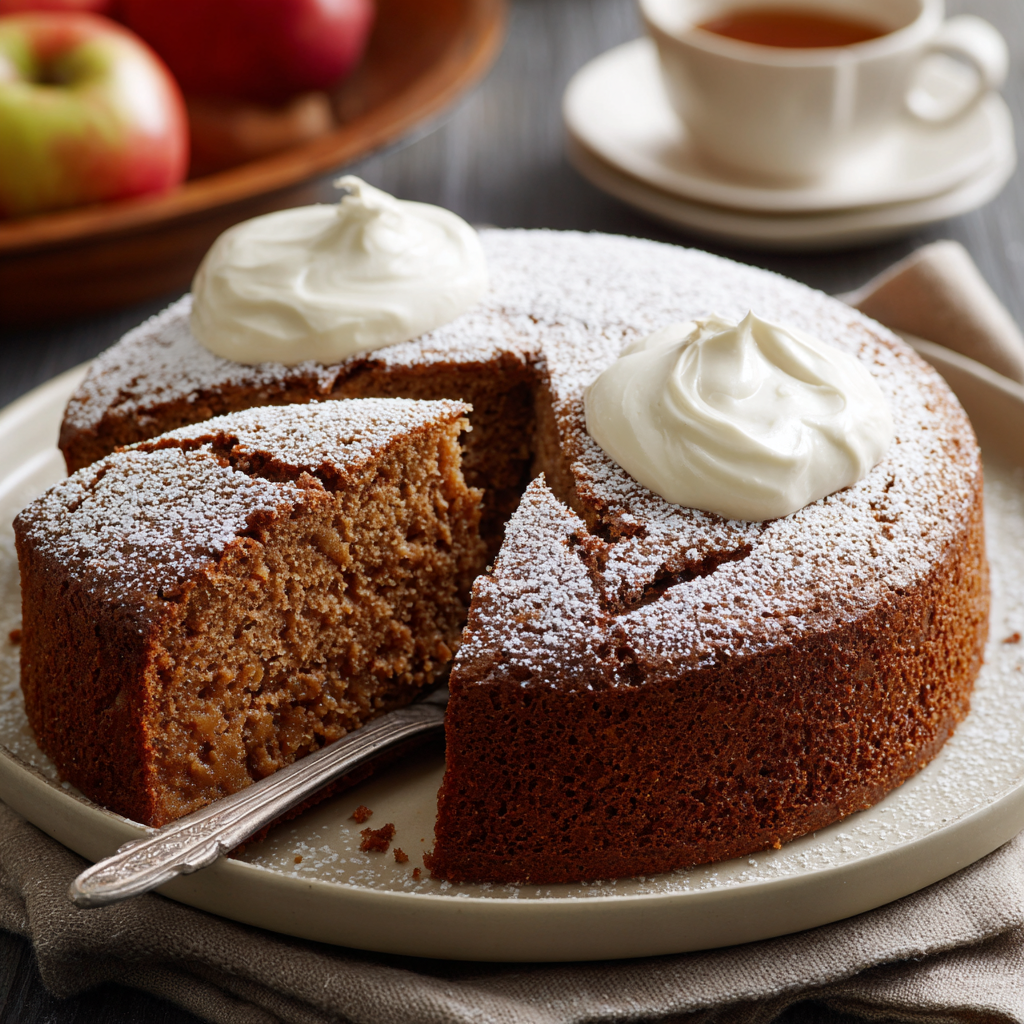
Old-Fashioned Applesauce Cake
Welcome to the Coziest Corner of the Kitchen
Hey there, friend! Come on in, pull up a chair, and let’s get something wonderful baking. Do you smell that? It’s the ghost of cakes past, present, and future—all whispering promises of cinnamon, nutmeg, and sweet, tender apples. There’s something magical about this time of year, isn’t there? The air gets crisp, the sweaters come out, and my oven seems to stay on almost permanently. And if there’s one recipe that truly captures the soul-warming, hug-in-a-pan essence of autumn, it’s this right here: my Old-Fashioned Applesauce Cake.
This isn’t just a cake; it’s a time machine. One bite and you’re transported to a sunny afternoon in your grandma’s kitchen, where the counters are dusted with flour and the air is thick with love and the scent of baking spices. It’s incredibly moist, deeply spiced, and so simple to make. You don’t need any fancy equipment or elusive ingredients. This is honest, humble, and spectacularly delicious food. We’re making magic with a jar of applesauce and a handful of pantry staples. Whether you’re a seasoned baker or just dipping your toes into the world of measuring cups, this recipe is your new best friend. It’s forgiving, flexible, and forever rewarding. So, tie on your favorite apron (the messy one with the stories), and let’s bake a memory together.
The Cake That Built a Fort
I wasn’t always the confident cook chatting with you now. My journey began in my Nana’s kitchen, a place ruled by a well-worn wooden spoon and a seemingly bottomless jar of homemade applesauce. Every fall, we’d spend a weekend turning a bushel of McIntosh apples into jars of gold. But the real prize wasn’t the applesauce itself; it was the cake we’d make with the first jar.
One particularly blustery October afternoon, when I was about eight, the wind howled so hard it knocked the power out. My brother and I were bored and getting, well, brotherly. Nana, in her infinite wisdom, declared it a “candlelit baking adventure.” She handed us flashlights, and we creamed the butter and sugar by hand, our shadows dancing on the walls. I remember her showing me how to crack an egg with one hand, a skill that felt like unlocking a superpower. We mixed the batter by flashlight beam, guessing at the measurements of spices, laughing when a cloud of cinnamon made my brother sneeze. That cake, baked in a dark, quiet oven, was the most delicious thing I had ever tasted. It wasn’t just cake; it was an adventure, a secret fort built of batter and spice. It taught me that some of the best memories are made not in spite of the chaos, but right in the middle of it. This recipe is that memory, and I’m so thrilled to share it with you.
Gathering Your Autumn Arsenal
Here’s everything you’ll need to create this cozy masterpiece. The beauty of this cake is in its simplicity, and I’ve included some of my favorite chef-y insights and swaps to make it your own!
- 1/2 cup unsalted butter, softened – This is the foundation of our cake’s rich flavor and tender crumb. Chef’s Tip: “Softened” means cool to the touch but with a slight give when you press it. Don’t melt it! If you forget to take it out, cut it into chunks and it will soften faster. For a dairy-free version, a good vegan butter works wonderfully.
- 1 cup brown sugar – I prefer brown sugar for its deep molasses notes, which pair perfectly with the warm spices. It also adds to the incredible moisture of the cake.
- 2 large eggs – These are our binders, giving the cake structure. Make sure they’re at room temperature! This helps them emulsify with the butter and sugar, creating a smoother, lighter batter. If you’re in a pinch, place cold eggs in a bowl of warm water for 5-10 minutes.
- 1 tsp pure vanilla extract – The flavor enhancer. It rounds out all the other notes. Always use pure vanilla if you can—it makes a difference!
- 1 1/2 cups unsweetened applesauce – The star of the show! This is what gives the cake its legendary moisture and subtle apple flavor. Homemade is fantastic, but a good store-bought unsweetened variety works perfectly. Chef’s Insight: Using applesauce also allows us to use less butter than a traditional cake recipe. Sneaky, right?
- 2 cups all-purpose flour – The workhorse. I use unbleached all-purpose flour for a sturdy yet tender crumb.
- 1 tsp baking soda – Our primary leavening agent. It reacts with the acidic applesauce to give the cake its beautiful rise. Make sure it’s fresh for the best lift!
- 1/2 tsp baking powder – A little extra help to make sure our cake is nice and light.
- 1/2 tsp salt – Crucial! Salt balances the sweetness and enhances all the other flavors. Don’t skip it.
- 1 tsp cinnamon, 1/2 tsp nutmeg, 1/4 tsp cloves – The holy trinity of cozy. This is the warm, spiced soul of the cake. Feel free to play with this blend! A pinch of cardamom or allspice is a lovely addition.
- 1/2 cup chopped walnuts or raisins (optional) – I’m Team Walnut for that wonderful crunch, but raisins offer a classic, chewy sweetness. If you’re not a fan of either, leave them out! The cake is still phenomenal.
Let’s Bake! Your Step-by-Step Guide to Cozy
Ready? Let’s do this. I’ll walk you through each step, sharing all my best kitchen hacks to ensure your cake is pure perfection.
Step 1: Preheat and Prepare. Start by preheating your oven to 350°F (175°C). This is non-negotiable for even baking! While it’s heating up, generously grease your 9×9” square pan or a 9×5” loaf pan. I’m a big fan of using a parchment paper sling for the loaf pan—just cut a strip to line the bottom and long sides, leaving an overhang. This makes it SO easy to lift the cake out later for flawless slicing. For a square pan, a simple grease-and-flour dusting does the trick.
Step 2: Cream the Butter & Sugar. In a large mixing bowl, beat the softened butter and brown sugar together on medium speed for a good 2-3 minutes. We’re not just mixing; we’re creaming. This step incorporates tiny air bubbles into the fat, which is the first step to a light, fluffy cake texture. You’ll know it’s ready when the mixture turns a shade paler and looks wonderfully fluffy. Chef’s Hack: If you don’t have a stand or hand mixer, a sturdy wooden spoon and some elbow grease will work just fine! It’s a great arm workout.
Step 3: Incorporate the Eggs & Vanilla. Crack in the eggs one at a time, beating well after each addition. This allows the emulsification to happen gradually, preventing the batter from breaking or curdling. Once the eggs are fully incorporated, mix in the vanilla extract. Your batter should now be smooth, glossy, and smell amazing.
Step 4: The Applesauce Addition. Pour in the applesauce and mix on low until it’s just combined. The batter might look a little curdled at this point—that’s totally okay! The water content in the applesauce can sometimes separate from the fat, but it will all come together beautifully once we add the dry ingredients. Promise.
Step 5: Whisk the Dry Goods. In a separate, medium-sized bowl, whisk together the flour, baking soda, baking powder, salt, and all those glorious spices. Whisking here does two things: it combines everything evenly, and it aerates the flour a little, contributing to a lighter cake. No one wants a pocket of baking soda in their slice!
Step 6: Combine Wet and Dry. With your mixer on low speed, gradually add the dry ingredients to the wet ingredients. Mix until the flour streaks just disappear. This is the most important tip: DO NOT OVERMIX. Overmixing develops the gluten in the flour, which can lead to a tough, dense cake. A few small lumps are far better than overmixing. Use a spatula to scrape the bottom and sides of the bowl to ensure no dry pockets are hiding.
Step 7: Fold in the Goodies. If you’re using walnuts or raisins, now’s the time! Sprinkle them over the batter and use a spatula to gently fold them in until they’re evenly distributed.
Step 8: Pan and Smooth. Pour the beautiful, spiced batter into your prepared pan. Use the back of your spatula to smooth the top into an even layer. This ensures it bakes evenly.
Step 9: Bake to Perfection. Place the pan in the center of your preheated oven and bake for 35-40 minutes. Ovens can vary, so start checking at the 30-minute mark. The cake is done when the top is springy to the touch and a toothpick or cake tester inserted into the center comes out with a few moist crumbs attached, but not wet batter. Chef’s Hack: If the top is browning too quickly, you can tent it loosely with a piece of aluminum foil for the last 10 minutes of baking.
Step 10: The Test of Patience (Cooling!). Once baked, transfer the pan to a wire rack and let the cake cool completely in the pan. I know, I know, the smell is irresistible. But cutting into a warm cake will cause it to crumble. Letting it cool allows the structure to set, giving you those perfect, clean slices. It’s worth the wait!
How to Serve Your Masterpiece
This cake is a dream no matter how you serve it! For a simple, homespun treat, dust the top with a generous shower of powdered sugar right before serving. It looks like a light snowfall on a rustic landscape. If you’re feeling indulgent, a slather of creamy cream cheese frosting transforms it into a celebration-level dessert. And honestly? A warm slice, naked and proud, alongside a hot cup of coffee or tea is absolute heaven. It’s the ultimate breakfast cake (I won’t tell!).
Make It Your Own: Delicious Twists & Swaps
The adaptable nature of this cake is one of its greatest strengths. Here are a few ways to play with it:
- Gluten-Free: Swap the all-purpose flour for a 1:1 gluten-free baking blend. I’ve had great success with Bob’s Red Mill.
- Vegan: Use vegan butter, flax eggs (1 tbsp ground flaxseed + 3 tbsp water per egg, let sit for 5 mins), and ensure your sugar is vegan-friendly.
- Different Mix-ins: Try pecans instead of walnuts, dried cranberries for a tart pop, or even a handful of chocolate chips for a fun twist.
- Bundt Pan Beauty: Double the recipe and bake in a greased and floured Bundt pan for about 50-60 minutes for a stunning centerpiece.
- Spice It Up: Add a tablespoon of freshly grated ginger or a pinch of black pepper to the batter for an extra warming kick.
From My Apron to Yours: Chef’s Notes
This recipe has been with me for over two decades, and it’s evolved in the best way. I used to be so precise with my measurements, terrified of deviating from the path. Now? I’ll often throw in a handful of oats for texture, or use a chunky homemade applesauce for little bursts of apple. I once accidentally used sweetened applesauce and just reduced the brown sugar by a quarter cup, and it turned out great! This cake is a loyal friend—it forgives mistakes and celebrates creativity. The biggest lesson it’s taught me is that baking shouldn’t be stressful. It’s about the joy of creating something with your hands, the stories you tell while you wait for the timer to ding, and the people you get to share it with. So, have fun with it. Put on some music, sing into your mixing spoon, and bake a little joy.
Your Applesauce Cake Questions, Answered!
Q: My cake is dense and didn’t rise much. What happened?
A: The most common culprit here is overmixing the batter once the flour is added, which over-develops the gluten. Remember, mix until *just* combined! Other causes could be old baking soda or not properly creaming the butter and sugar at the beginning.
Q: Can I make this into muffins?
A: Absolutely! This batter makes fantastic muffins. Line a muffin tin with papers and fill each cup about 2/3 full. Bake at the same temperature for 18-22 minutes, or until a toothpick comes out clean. Perfect for on-the-go snacks!
Q: How should I store this cake, and how long does it last?
A> Because it’s so moist, it keeps beautifully! Once completely cool, store it in an airtight container at room temperature for up to 3 days. For longer storage, you can wrap it tightly and freeze it for up to 3 months. Just thaw it at room temperature whenever a cake craving strikes.
Q: My cake is very moist, almost gummy, in the center. Is it underbaked?
A> It might be. Ovens can have hot spots. Next time, ensure you’re using a toothpick test in the very center of the cake. If it comes out with wet batter, it needs more time. If it’s happening consistently, your oven might run cool—an oven thermometer is a baker’s best friend for accuracy! The applesauce does create a very moist crumb, but it shouldn’t be wet or uncooked.
Old-Fashioned Applesauce Cake
- Total Time: 13 minute
Description
Golden, moist, and kissed with warm spices—this cake is pure autumn comfort in every bite. Made with pantry staples and a jar of applesauce, it’s the kind of recipe that feels like a hug from the oven. Whether you dust it with powdered sugar, crown it with cream cheese frosting, or enjoy it plain with a hot cup of tea, this cake is all about simple joy and cozy memories.
Ingredients
-
1/2 cup unsalted butter, softened
-
1 cup brown sugar
-
2 large eggs, room temp
-
1 tsp pure vanilla extract
-
1 1/2 cups unsweetened applesauce
-
2 cups all-purpose flour
-
1 tsp baking soda
-
1/2 tsp baking powder
-
1/2 tsp salt
-
1 tsp cinnamon
-
1/2 tsp nutmeg
-
1/4 tsp cloves
-
1/2 cup chopped walnuts or raisins (optional)
Instructions
-
Preheat oven to 350°F (175°C). Grease a 9×9” pan or 9×5” loaf pan; line with parchment for easy removal.
-
Cream butter & brown sugar until light and fluffy (2–3 min).
-
Beat in eggs one at a time, then stir in vanilla.
-
Mix in applesauce (batter may look slightly curdled—totally fine).
-
In a separate bowl, whisk flour, baking soda, baking powder, salt, and spices.
-
Gently combine dry mix with wet ingredients—don’t overmix.
-
Fold in walnuts or raisins if using.
-
Spread batter evenly in pan. Bake 35–40 min, or until toothpick comes out with a few moist crumbs.
-
Cool completely before slicing. Dust with powdered sugar or frost if desired.
Notes
-
Gluten-Free: Swap flour with 1:1 gluten-free blend.
-
Vegan: Use vegan butter + flax eggs.
-
Mix-ins: Pecans, cranberries, or chocolate chips.
-
Bundt: Double recipe, bake 50–60 min.
- Prep Time: 15 min
- Cook Time: 35–40 min
Nutrition
- Calories: 290 cal Per Serving
- Sugar: 22g
- Fat: 12g
- Carbohydrates: 41g
Nutritional Information*
*This is an estimate for 1 slice (based on 12 slices without frosting or added nuts/raisins) and will vary based on specific ingredients used.
Calories: ~290 | Fat: 12g | Carbs: 41g | Sugar: 22g | Protein: 3g
Final Thoughts
This Old-Fashioned Applesauce Cake is more than the sum of its parts. It is a recipe built not just on flour and sugar, but on memory, on science, and on the simple, profound desire to create something good and share it with others. It’s a testament to the fact that the most enduring recipes are often the simplest ones, the ones passed down through generations not because they are fancy, but because they are faithful. They work. They comfort. They feel like home.

Kentucky Butter Cake
Kentucky Butter Cake: The Melt-in-Your-Mouth Dessert You Need in Your Life
Hello, my fellow flavor-chasers! Olivia here, welcoming you back to my cozy kitchen corner. Is there anything better than the smell of something sweet and buttery baking in the oven? That warm, vanilla-scented air that wraps around you like a hug? It’s pure magic, and it’s exactly what we’re conjuring up today.
We’re talking about a legendary dessert that is the very definition of simple elegance: the Kentucky Butter Cake. This isn’t your average pound cake. Oh no. This is a golden, supremely moist, and tender cake that gets absolutely drenched in a buttery, vanilla-infused glaze while it’s still warm. The result? A cake so incredibly rich and flavorful it needs zero frosting. It’s the kind of dessert that turns a regular Tuesday into a celebration and makes any gathering feel special.
If you’ve ever been intimidated by from-scratch cakes, let this be your gateway recipe. It’s straightforward, uses simple ingredients you probably already have, and the payoff is nothing short of spectacular. So, tie on your favorite apron (the messy one with all the stories), and let’s bake a memory together.
A Slice of Sweet Nostalgia
This cake takes me right back to my grandma’s linoleum-floored kitchen. She wasn’t a fancy baker—her recipes were written in cursive on stained index cards—but everything she made was infused with love. This Kentucky Butter Cake was her secret weapon for every church potluck, family reunion, or “just because” afternoon.
I remember peeking over the counter, watching her slowly pour that shimmering butter sauce over the warm cake. She’d always let me “test” a little piece that stuck to the Bundt pan, and it was pure heaven. The cake would sit on her china plate, glistening, and by the end of the day, it would be nearly gone. It was the cake that sparked conversations, the one neighbors would subtly ask about, and the recipe she finally, proudly, handed down to me. Every time I bake it, that buttery scent transports me right back to her side, a reminder that the best recipes are the ones that feed the soul as much as the stomach.
Gathering Your Ingredients
Part of this cake’s charm is its simplicity! Here’s what you’ll need to create this buttery masterpiece. Remember, baking is a science, so measure with care!
For the Cake:
- 1 cup (2 sticks) unsalted butter, softened – This is the star! Using unsalted butter lets you control the salt level. Chef’s Insight: “Softened” means your finger leaves a slight indent when pressed. Don’t melt it! This creates the structure for a fluffy cake.
- 2 cups granulated sugar – For sweetness and that beautiful, tender crumb.
- 4 large eggs, at room temperature – Room temp eggs incorporate into the batter much more smoothly, preventing a curdled look and ensuring an even rise. Quick Tip: Place cold eggs in a bowl of warm water for 5-10 minutes to quickly bring them to temp.
- 1 tablespoon pure vanilla extract – Yes, a full tablespoon! This is a vanilla-forward cake, so use the good stuff if you can.
- 3 cups all-purpose flour – The foundation of our cake. Spoon and level it into your measuring cup to avoid packing in too much.
- 1 teaspoon baking powder – Our primary leavening agent for lift.
- 1/2 teaspoon baking soda – Works with the buttermilk to create a light, tender texture.
- 1/2 teaspoon salt – Crucial for balancing all that sweetness and enhancing the flavors.
- 1 cup buttermilk – The secret weapon! Its acidity tenderizes the gluten and reacts with the baking soda, giving the cake an incredibly soft, velvety texture. Substitution Tip: No buttermilk? No problem! Add 1 tablespoon of white vinegar or lemon juice to a liquid measuring cup, then add enough regular milk to make 1 cup. Stir and let it sit for 5 minutes until it curdles slightly.
For the Luscious Butter Sauce:
- 1/3 cup unsalted butter – More butter? Always.
- 3/4 cup granulated sugar – This dissolves into the butter to create a sweet, soakable syrup.
- 2 tablespoons water – Helps the sugar dissolve without crystallizing.
- 2 teaspoons vanilla extract – Added at the end for maximum flavor punch.
Baking Your Kentucky Butter Cake: A Step-by-Step Journey
Ready to make some magic? Follow these steps, and you’ll have a perfect cake every single time. Let’s do this!
- Preheat and Prepare: Preheat your oven to 325°F (165°C). Now, give your Bundt pan some serious love! Grease every nook and cranny with butter or baking spray, then dust it lightly with flour, tapping out the excess. This is non-negotiable for a clean release later. Chef’s Hack: Use a pastry brush to spread melted butter into all the intricate details of the pan for foolproof results.
- Creaming is Key: In a large bowl, beat the softened butter and sugar together on medium-high speed for a good 3-5 minutes. You’re not just mixing; you’re creaming. This process incorporates air into the butter, which is essential for a light and fluffy cake. It should look pale and wonderfully fluffy.
- Incorporate the Eggs: Add the eggs one at a time, beating well after each addition. Scrape down the sides of the bowl as needed. This ensures everything is evenly mixed. Don’t panic if it looks a little curdled at this stage—the flour will bring it all together.
- Vanilla Time: Beat in that glorious tablespoon of vanilla extract. Your kitchen should already start smelling amazing.
- Whisk the Dry Goods: In a separate bowl, whisk together the flour, baking powder, baking soda, and salt. This aerates the flour and ensures the leaveners are evenly distributed.
- The Alternating Game: With your mixer on low speed, add the dry ingredients and the buttermilk to the butter mixture alternately, beginning and ending with the dry ingredients. I usually do three additions of dry and two of wet. Mix until just combined after each addition. Overmixing at this stage is the enemy of a tender cake! A few streaks of flour are okay.
- Pan and Bake: Pour the thick, luxurious batter into your prepared Bundt pan and smooth the top. Bake for 60-70 minutes. Do not open the oven door before the 60-minute mark! The cake is done when a long toothpick or skewer inserted into the center comes out clean, the top is golden brown, and the cake springs back lightly when touched.
- Create the Butter Sauce: While the cake is baking, make the sauce. In a small saucepan over medium heat, melt the butter with the sugar and water. Stir it constantly until the sugar is completely dissolved and the mixture is smooth and combined. Do not let it boil. Remove it from the heat and stir in the vanilla. Set aside.
- The Soaking Ritual: As soon as the cake comes out of the oven, leave it in the pan and use a long, thin skewer or chopstick to poke holes all over the top (which will become the bottom). Don’t be shy—poke plenty of holes for that sauce to seep deep into the cake. Slowly, slowly pour the warm butter sauce over the warm cake. You’ll hear it sizzle and seep into all those holes—it’s the most satisfying sound! Let the cake cool completely in the pan on a wire rack. This patience allows every single drop of sauce to be absorbed.
- The Grand Finale: Once completely cool, place your serving plate upside-down on top of the pan. With confidence, flip it over. The cake should release beautifully. Give the pan a gentle shake if it’s being stubborn. Slice, serve, and prepare for the compliments to roll in!
How to Serve This Shining Star
This cake is a masterpiece all on its own, needing absolutely nothing but a fork. I love serving it simply on a beautiful cake stand to let its gorgeous Bundt shape shine. For a little extra pizzazz, a light dusting of powdered sugar right before serving looks elegant. If you’re feeling decadent, a small dollop of freshly whipped cream or a handful of fresh berries on the side cuts through the richness perfectly. It’s the ultimate dessert for a coffee break, a potluck, or a fancy dinner party finale.
Make It Your Own: Delicious Variations
The classic version is perfect, but feel free to play with flavors! Here are a few twists I love:
- Bourbon Kentucky Butter Cake: For a true Kentucky Derby twist, replace 1 tablespoon of the buttermilk in the cake with bourbon, and add 1-2 tablespoons of bourbon to the butter sauce along with the vanilla.
- Lemon Poppy Seed: Add the zest of two lemons to the batter and 2 tablespoons of poppy seeds. Substitute lemon juice for the water in the glaze for a bright, citrusy kick.
- Almond Joy: Use 2 teaspoons of almond extract instead of vanilla in both the cake and the glaze. Fold 1 cup of sweetened shredded coconut into the batter.
- Gluten-Free: Swap the all-purpose flour for a 1:1 gluten-free baking blend. The result is just as tender and delicious!
Chef’s Notes & Kitchen Stories
This recipe has been my trusty friend for years, and it’s evolved in my kitchen. I once, in a frantic hurry, used melted butter instead of softened. The cake was dense and greasy—a delicious mistake, but a mistake nonetheless! It taught me the importance of creaming. I’ve also learned that the cooling-in-the-pan step is sacred. I tried to invert a still-warm cake once to speed things up, and it was a tragic, crumbly mess. The wait is absolutely worth it, I promise.
This cake actually tastes even better the next day! The flavors meld and the texture becomes even more impossibly moist. If you can resist, wrap it tightly and let it sit overnight at room temperature. It’s the ultimate make-ahead dessert.
Your Questions, Answered!
Q: My cake is browning too quickly on top before the inside is cooked. What do I do?
A: Ovens can run hot! If you notice the top getting too dark, tent it loosely with a piece of aluminum foil for the remaining baking time. This will shield it from direct heat and allow the interior to finish baking without burning.
Q: Why did my cake stick to the pan?
A: This is the heartbreak we all fear. It almost always comes down to pan preparation. Be religious about greasing and flouring every single crevice. Using a non-stick Bundt pan is highly recommended. Also, ensure the cake is completely cool before attempting to invert it. A warm cake is more fragile and prone to sticking.
Q: Can I make this in a different pan?
A: A standard 10-cup Bundt pan is ideal. You can try a 9×13-inch pan or two loaf pans, but the baking time will need adjustment. Start checking for doneness around the 40-45 minute mark for loaves. The soaking process will be the same.
Q: How should I store leftovers?
A: Because it’s so moist, it’s best stored at room temperature. Keep it in an airtight container or wrapped tightly in plastic wrap for up to 3-4 days. It also freezes beautifully for up to 3 months. Thaw overnight at room temperature.

Kentucky Butter Cake
- Total Time: 2 hrs
Description
Golden, moist, and unapologetically rich—this Kentucky Butter Cake is a true classic. A tender vanilla cake gets soaked in a warm butter glaze, creating a melt-in-your-mouth texture that’s downright irresistible. No frosting needed—just pure, simple indulgence. One slice, and you’ll see why this recipe has stood the test of time. Ready to bake some joy? Let’s go!
Ingredients
For the Cake:
-
1 cup (2 sticks) unsalted butter, softened
-
2 cups granulated sugar
-
4 large eggs, room temp
-
1 tbsp pure vanilla extract
-
3 cups all-purpose flour
-
1 tsp baking powder
-
1/2 tsp baking soda
-
1/2 tsp salt
-
1 cup buttermilk (or milk + 1 tbsp lemon juice/vinegar)
For the Butter Glaze:
-
1/3 cup unsalted butter
-
3/4 cup granulated sugar
-
2 tbsp water
-
2 tsp vanilla extract
Instructions
-
Prep: Preheat oven to 325°F (165°C). Grease and flour a Bundt pan thoroughly.
-
Cream: Beat butter + sugar until light and fluffy (3–5 min).
-
Add eggs: One at a time, then mix in vanilla.
-
Dry mix: Whisk flour, baking powder, soda, and salt.
-
Alternate: Add dry mix and buttermilk to wet batter, starting/ending with dry. Don’t overmix.
-
Bake: Pour into pan, bake 60–70 min, until toothpick comes out clean.
-
Glaze: While cake bakes, melt butter + sugar + water until smooth. Remove from heat, stir in vanilla.
-
Soak: Poke holes in warm cake (still in pan) and slowly pour glaze over. Cool fully in pan before inverting.
- Prep Time: 20 min
- Cook Time: 60–70 min
Nutrition
- Calories: 420cal Per Slice
- Fat: 22g
- Carbohydrates: 52g
Nutritional Information*
Per Slice (based on 12 servings): Calories: ~420 | Total Fat: 22g | Saturated Fat: 13g | Cholesterol: 105mg | Sodium: 220mg | Total Carbohydrates: 52g | Dietary Fiber: 0.5g | Sugars: 35g | Protein: 4g
*This is an estimate provided for informational purposes only. I am not a nutritionist. Values can vary based on specific ingredients used.
Final Thoughts
The Kentucky Butter Cake is more than just a recipe; it’s a testament to the power of simplicity and technique. It proves that you don’t need layers of fussy frosting or a long list of exotic ingredients to create a dessert that leaves a lasting impression. Its magic lies in the alchemy of basic pantry staples, transformed through the creaming method and perfected by the sacred, soaking ritual. It’s a cake that teaches patience, rewards precision, and offers the immense comfort of a timeless, home-baked classic.
Vietnamese Pho with Beef & Star Anise
Your Kitchen Awaits: The Ultimate Bowl of Comfort
Hey there, friend! Come on in, pull up a stool. Can you smell that? It’s the scent of toasted spices, rich beef broth, and fresh herbs wafting through the air—it’s pure magic, I tell you. There’s something almost sacred about a steaming bowl of pho. It’s not just soup; it’s a warm hug from the inside out, a fragrant journey to the bustling streets of Hanoi, and the ultimate comfort food that somehow feels both light and deeply satisfying all at once.
I know what you might be thinking: “Olivia, that sounds incredible, but pho is restaurant food. It’s too complicated for my kitchen!” I’m here to tell you, with a warm heart and a (slightly) messy apron, that you can absolutely create this masterpiece at home. You don’t need a professional kitchen or a secret family recipe. All you need is a little time, a few key ingredients, and a sense of adventure. We’re going to demystify this Vietnamese classic together, turning simple, wholesome ingredients into a soul-warming experience that will have everyone at your table begging for seconds. So, grab your favorite pot, and let’s make some magic!
The Bowl That Started It All
My love affair with pho began not in a fancy restaurant, but in a tiny, hole-in-the-wall spot during a rain-soaked afternoon in college. My best friend, Linh, who is Vietnamese-American, dragged me in, promising it would “fix my soul” after a particularly grueling week of midterms. I was skeptical. It was just soup, right?
Oh, how wrong I was. The moment that enormous bowl was set in front of me, I was captivated. The aroma was a complex symphony of star anise, ginger, and beef. I watched Linh expertly squeeze lime, tear herbs, and add a dot of sriracha, customizing her bowl into a personal work of art. I followed her lead, and that first spoonful? It was a revelation. The rich, clear broth, the tender beef, the springy noodles—it was pure, unadulterated comfort. It wasn’t just a meal; it was a moment of connection, of warmth, of shared joy. That bowl taught me that the best food isn’t about perfection; it’s about heart, history, and the people you share it with. It’s a feeling I’ve been trying to recreate in my own kitchen ever since, and now I get to share it with you.
Gathering Your Pho-nomenal Ingredients
Don’t let the list intimidate you! Many of these are pantry staples, and the fresh components are easy to find at most well-stocked grocery stores or Asian markets. The magic is in the layering of these flavors.
For the Aromatic Broth:
- 1 onion, halved & 1 (3-inch) piece of ginger, halved: We’re going to char these! This isn’t just for looks; it adds a incredible smoky depth that is the secret backbone of a great pho. Chef’s Insight: No broiler? A dry cast-iron skillet on high heat works perfectly!
- 2 star anise: The rockstar of pho spices! It provides that iconic, sweet, licorice-like fragrance. Please don’t skip this—it’s what makes pho, well, pho!
- 3 cloves & 1 cinnamon stick: These warm spices add complexity and round out the flavor profile. Sub Tip: If you only have ground cinnamon, use about 1/4 teaspoon and add it directly to the broth (but whole is best!).
- 1 tbsp coriander seeds: They bring a subtle, citrusy warmth. Toasting them unlocks their beautiful aroma.
- 4 cups beef broth & 2 cups water: Using a good-quality, low-sodium beef broth gives you a head start on flavor. The water ensures the broth isn’t too overpowering.
- 1 tbsp fish sauce: This is your umami powerhouse! It adds a savory, salty depth, not a “fishy” taste. Sub Tip: For a vegetarian version, use soy sauce or tamari, but the flavor will shift.
- 1 tsp sugar: Just a touch to balance the salty and savory notes. Palm sugar is traditional, but white or brown sugar works fine.
- Salt to taste: Always taste at the end! Between the broth and fish sauce, you might need just a pinch.
For the Bowls & Garnishes (The Fun Part!):
- 8 oz rice noodles (pho-style): Look for flat, dry rice noodles labeled “Banh Pho.” Chef’s Hack: Soak them in hot water before assembling to make them perfectly tender and prevent them from sucking up all your glorious broth.
- 1/2 lb very thinly sliced raw beef (sirloin or flank): The key word is thin. Partially freezing the beef for 30-60 minutes makes it infinitely easier to slice paper-thin. The hot broth will cook it perfectly.
- Fresh herbs, bean sprouts, lime, etc.: This is where you make it your own! Thai basil, cilantro, mint, crisp bean sprouts, sharp chilies, and tangy lime wedges are non-negotiable for that fresh, vibrant contrast. Hoisin (sweet) and sriracha (spicy) on the side let everyone customize their bowl to their heart’s content.
Let’s Build Some Flavor: Step-by-Step Pho
Ready? Apron on, let’s do this! The process is simple and incredibly rewarding.
- Char Your Aromatics: Place your halved onion and ginger cut-side down in a dry skillet over medium-high heat. Let them blacken and char for about 5-7 minutes. You’re not burning them; you’re building flavor. Alternatively, you can place them on a baking sheet and broil for a few minutes per side. Once charred, you can even give the ginger a light whack with your knife to help release its juices. Set aside.
- Toast Those Spices: In your large soup pot, add the star anise, cloves, cinnamon stick, and coriander seeds. Toast them over medium heat for 2-3 minutes, until they become incredibly fragrant. This wakes up the essential oils and is a total game-changer. Chef’s Tip: Don’t walk away! Spices can go from toasted to burnt in a flash.
- Simmer Your Broth: Carefully pour in the beef broth and water—it might sizzle a bit! Add the charred onion and ginger. Stir in the fish sauce and sugar. Bring it all to a boil, then immediately reduce the heat to low, cover, and let it simmer gently for 30-40 minutes. Your kitchen will smell like heaven. This is the time to taste and adjust with a pinch of salt if needed.
- Strain and Shine: After simmering, place a fine-mesh strainer over another large pot or bowl. Carefully pour the broth through the strainer to catch all the spices and aromatics. You’re left with a beautiful, clear, aromatic broth. Discard the solids—they’ve given their all! Return the strained broth to the pot and keep it on a very low simmer. This is your liquid gold.
- Noodle Prep: While the broth is simmering, prepare your rice noodles according to the package directions. Usually, this involves soaking them in hot water until they are pliable and tender. Drain them well and divide them equally among your four serving bowls.
- The Grand Finale—Assembly! This is the best part. Arrange your thinly sliced raw beef on top of the noodles in each bowl. The heat from the broth will cook it. Ladle the piping hot broth directly over the beef and noodles. You’ll see the beef turn from pink to perfectly cooked in seconds. Now, the stage is set for your garnishes!
Setting the Stage: How to Serve Pho
Pho is an interactive experience! Serve it immediately while the broth is scalding hot. Bring the bowls to the table alongside large platters piled high with all the fresh garnishes: herb sprigs, bean sprouts, lime wedges, sliced chili, and small dishes of hoisin and sriracha. Encourage everyone to dive in, customizing their bowl by tearing herbs, squeezing lime, and adding as much or as little heat as they like. The act of building the perfect bite is half the fun. Don’t forget the soup spoons and chopsticks!
Make It Your Own: Delicious Pho Variations
The beauty of this recipe is its flexibility. Don’t be afraid to play!
- Chicken Pho (Pho Ga): Swap the beef broth for chicken broth and use thinly sliced cooked chicken breast or shredded rotisserie chicken instead of raw beef.
- Vegetarian/Vegan Pho: Use a rich vegetable broth and swap the fish sauce for soy sauce or tamari. Load up the bowls with tofu, shiitake mushrooms, and extra veggies like bok choy or broccoli.
- Spicy Sriracha Bomb: For heat lovers, stir a teaspoon of sriracha directly into the broth while it simmers for a pervasive, warming spice.
- Breakfast Pho: Top your bowl with a soft-boiled or poached egg for an extra protein-packed, luxurious twist.
From My Kitchen to Yours: Chef’s Notes
This recipe has evolved so much since I first tried to replicate that life-changing bowl from college. My first attempt was… edible. The broth was weak, I didn’t char the aromatics, and I definitely overcooked the beef. But every time I made it, I learned something new. I learned that toasting the spices is non-negotiable. I learned that a sharp knife is your best friend for that paper-thin beef. Most importantly, I learned that pho is forgiving. It doesn’t demand perfection; it just asks for a little patience and a lot of heart.
One of my favorite kitchen memories is the time I was so excited to serve pho to friends that I completely forgot to strain the broth! We spent the meal fishing whole star anise and cloves out of our bowls, laughing the entire time. It was still delicious, and it’s now a running joke. So please, don’t stress. Embrace the process, and remember: even “imperfect” homemade pho is still a glorious thing.
Pho FAQs: Your Questions, Answered!
Q: My broth tastes a bit flat. What can I do to give it more depth?
A: This is common! First, ensure you really charred your onion and ginger—that smokiness is key. Second, double-check that you toasted your spices long enough to make them fragrant. Lastly, don’t be shy with the fish sauce! It’s your primary seasoning. Add another half tablespoon, let it simmer for 5 more minutes, and taste again. A squeeze of lime at the end can also brighten everything up.
Q: How can I get my beef super thin without a deli slicer?
A: The freezer is your secret weapon! Place your piece of beef (sirloin or flank work best) in the freezer for about 30-45 minutes. It will firm up significantly, making it infinitely easier to slice into those delicate, paper-thin slices using a very sharp chef’s knife. Just be careful with your fingers!
Q: Can I make the broth ahead of time?
A: Absolutely! In fact, many argue it tastes even better the next day. Let the broth cool completely, then store it in an airtight container in the refrigerator for up to 3 days, or freeze it for up to 3 months. When you’re ready to serve, simply reheat it to a rolling boil.
Q: My noodles are gummy or stuck together. Help!
A: This usually means they were overcooked or not drained well enough. Follow the package directions for soaking (not boiling) carefully. After draining, you can even give them a quick rinse with cold water to stop the cooking process and toss them with a tiny drop of oil to prevent sticking.

Vietnamese Pho with Beef & Star Anise
Description
This simplified version of the Vietnamese classic delivers incredible, aromatic flavor without requiring hours of simmering. It’s a warm, comforting, and interactive meal that’s perfect for a cozy night in.
Ingredients
For the Aromatic Broth:
-
1 yellow onion, halved
-
1 (3-inch) piece of ginger, halved lengthwise
-
2 whole star anise
-
3 whole cloves
-
1 cinnamon stick
-
1 tbsp coriander seeds
-
4 cups low-sodium beef broth
-
2 cups water
-
1 tbsp fish sauce
-
1 tsp sugar (palm, white, or brown)
-
Salt, to taste
For the Bowls:
-
8 oz dried flat rice noodles (Banh Pho)
-
1/2 lb beef sirloin or flank steak, very thinly sliced
For Serving (The Garnish Tray):
-
Fresh Thai basil or mint sprigs
-
Fresh cilantro sprigs
-
Bean sprouts
-
Lime wedges
-
Sliced jalapeño or Thai chili
-
Hoisin sauce
-
Sriracha
Instructions
1. Char the Aromatics:
-
Place the halved onion and ginger cut-side down in a dry skillet over medium-high heat. Cook for 5-7 minutes until deeply charred and fragrant. (Alternatively, broil on a baking sheet for a few minutes per side). Set aside.
2. Toast the Spices:
-
In a large soup pot, add the star anise, cloves, cinnamon stick, and coriander seeds. Toast over medium heat for 2-3 minutes until fragrant. Do not burn.
3. Simmer the Broth:
-
Carefully add the beef broth, water, charred onion, ginger, fish sauce, and sugar to the pot. Bring to a boil, then reduce heat to low. Cover and simmer gently for 30 minutes to let the flavors meld.
-
Taste and adjust seasoning with more fish sauce or a pinch of salt if needed.
4. Prepare the Noodles:
-
While the broth simmers, place the rice noodles in a large bowl and cover with hot water. Soak according to package directions (usually 15-20 minutes) until soft and pliable. Drain well.
5. Strain the Broth:
-
Place a fine-mesh strainer over another pot. Pour the broth through to strain out and discard all the solids (spices, onion, ginger). Return the clear broth to the pot and keep it at a low simmer.
6. Assemble the Bowls:
-
Divide the drained noodles among four large bowls. Top each with a pile of the thinly sliced raw beef.
-
Ladle the piping hot broth directly over the beef and noodles. The hot broth will cook the beef perfectly.
7. Serve Immediately:
-
Serve the bowls immediately, accompanied by all the fresh garnishes and sauces. Let everyone customize their own bowl.
Notes
-
Slice Meat Thinly: Partially freeze the beef for 30-45 minutes first; it will be much easier to slice paper-thin.
-
Don’t Skip the Char: Charring the onion and ginger is essential for that classic, smoky pho depth.
-
Broth is Key: Use a good-quality, low-sodium beef broth as your base. The straining step ensures a beautifully clear broth.
-
Make-Ahead: The broth can be made up to 3 days in advance and refrigerated, or frozen for 3 months. Reheat to a boil before assembling bowls.
Nutrition
- Calories: 380 cal Per Serving
- Sodium: 900mg
- Fat: 15g
- Carbohydrates: 35g
- Protein: 28g
Nutritional Information*
Per serving (approx. 1 bowl): Calories: ~380 | Protein: 28g | Carbohydrates: 35g | Fat: 15g | Sodium: ~900mg
*Please note: This is an estimate based on the ingredients used and can vary significantly based on specific brands, portion sizes, and garnishes added. The sodium level can be controlled by using low-sodium broth and adjusting the fish sauce to taste.
Final Thoughts
Embarking on the journey to make homemade pho is about so much more than replicating a restaurant favorite. It is an invitation to slow down, to engage deeply with the process of cooking, and to discover the profound satisfaction that comes from creating something complex and beautiful with your own hands. It teaches invaluable kitchen lessons: the transformative power of fire on aromatics, the magic unlocked by toasting whole spices, and the importance of balancing flavors with patience and care.
Spanish Chorizo & Chickpea Stew
Your New Favorite One-Pot Wonder is Here!
Hey there, friend! Come on in, grab an apron, and let’s get something incredibly delicious simmering on the stove. Is there anything better than the smell of garlic and smoked paprika sizzling in a pot? It’s the kind of aroma that wraps around your kitchen like a warm hug, promising a meal that’s both deeply satisfying and wonderfully simple to make.
Today, we’re taking a little trip to the sun-drenched coasts of Spain without ever leaving our kitchens. We’re making my absolute go-to for busy weeknights, lazy Sundays, or when friends unexpectedly pop over: a rustic, boldly flavored Spanish Chorizo and Chickpea Stew. This isn’t just dinner; it’s a bowlful of comfort, conversation, and pure, unadulterated joy.
This stew is the epitome of my cooking philosophy. You don’t need a dozen fancy ingredients or hours of labor. With a handful of pantry staples and one trusty pot, you can create something that feels truly special. It’s smoky from the chorizo and paprika, hearty from the chickpeas, and has a rich, tomato-based broth that you’ll want to soak up with every last bit of crusty bread. It’s forgiving, flexible, and guaranteed to make you feel like a kitchen rockstar. So, let’s turn up some flamenco music (optional, but highly encouraged!) and dive right in.
A Stew That Tastes Like Sunshine and Sangria
This recipe always takes me back to a tiny, bustling tapas bar in Barcelona, tucked away in a cobblestone alley. My husband and I stumbled upon it, lured in by the sound of laughter and the most incredible smells wafting through an open doorway. We squeezed into a corner table and pointed at a few mysterious-but-delicious-looking dishes on the menu.
One of them was a small, earthenware bowl filled with this deep red stew, glistening with paprika oil and studded with chickpeas and chunks of chorizo. We took one bite, looked at each other, and didn’t say a word—we just immediately reached for more bread to scoop up every last drop. It was the kind of simple, powerful food that anchors a memory. It tasted of smoky paprika, garlic, and pure, uncomplicated happiness.
I spent years trying to recreate that flavor at home, tweaking and tasting until I landed on this version. While it might not be 100% authentic to that specific Barcelona bar, it captures its spirit perfectly. It’s my little edible souvenir, and now I’m so excited to share it with you.
Gathering Your Flavor Powerhouses
Here’s the beautiful part: this dish is all about quality, not quantity. Each ingredient brings its own unique personality to the party. Let’s break it down!
- 1 tbsp olive oil: The foundation of so many great dishes! We use it to gently coax the flavors out of our aromatics. Extra virgin is great here for its fruity notes.
- 1 onion, finely chopped: Our aromatic base, providing a subtle sweetness that balances the smokiness of the chorizo.
- 2 cloves garlic, minced: Non-negotiable! It adds that essential pungent, earthy backbone. Don’t be shy with it.
- 1 red bell pepper, diced: This adds a lovely sweetness and a beautiful pop of color. Chef’s Insight: You can use any color bell pepper, but red adds the best sweetness.
- 6 oz Spanish chorizo, sliced: The star of the show! Make sure you’re using Spanish chorizo (which is cured and firm, like salami), not Mexican chorizo (which is raw and needs to be crumbled). Its smoky, paprika-rich oils will season the entire stew. Sub Tip: For a milder version, seek out ‘dulce’ (sweet) paprika-based chorizo. For spice, use ‘picante’.
- 1 tsp smoked paprika: This is the secret weapon! It delivers that iconic smoky flavor. Chef’s Plea: Please use smoked paprika (pimentón) if you can find it—it makes all the difference compared to regular paprika.
- 1/2 tsp cumin: A warm, earthy spice that complements the smokiness beautifully and adds a touch of depth.
- 1 can (15 oz) chickpeas, drained and rinsed: Our hearty, protein-packed powerhouse. They hold their shape beautifully and soak up all the fantastic flavors of the broth. Sub Tip: You can absolutely use 1.5 cups of cooked dry chickpeas if you have them on hand!
- 1 can (14 oz) diced tomatoes: They form the body of our broth, adding acidity and richness. Fire-roasted diced tomatoes are a fantastic upgrade here for an extra layer of flavor.
- 2 cups chicken broth: The liquid that brings it all together. Sub Tip: Vegetable broth works perfectly for a pescatarian version!
- Salt & pepper to taste: Wait until the end to season! The chorizo and broth often add plenty of salt on their own.
- Handful of fresh spinach or parsley (optional): I love stirring in a big handful of spinach at the end for a boost of color and greens. Parsley adds a fresh, herbal finish.
- Crusty bread for serving: This is absolutely mandatory in my book. You’ll need it for mopping up that incredible broth.
Let’s Build Some Flavor, Step-by-Step
See? I told you it was simple. Now, let’s turn these beautiful ingredients into magic. Get your largest, heaviest-bottomed pot or Dutch oven—this is a one-pot wonder, after all!
Step 1: The Aromatic Base
Heat your tablespoon of olive oil over medium heat. Add the chopped onion and diced red bell pepper. We’re not looking for color here, just tenderness. Sauté them for about 5-7 minutes, until the onion becomes translucent and the pepper softens. This sweet, soft foundation is what will make the rest of the flavors sing. Chef’s Hack: A little pinch of salt at this stage helps draw the moisture out of the veggies and speeds up the cooking process.
Step 2: The Flavor Bomb
Now, add the minced garlic, sliced chorizo, smoked paprika, and cumin. This is where the magic starts! Stir it all together and let it cook for 2-3 minutes. You’ll know it’s ready when the garlic is fragrant and the chorizo has started to release its gorgeous, red-hued oils into the pot. That oil is liquid gold, packed with smoky, spicy flavor that will infuse the entire stew. Chef’s Tip: Don’t rush this step. Letting the spices toast slightly in the oil wakes them up and deepens their flavor profile immensely.
Step 3: Bring It All Together
Time for the main event! Pour in the drained chickpeas, the entire can of diced tomatoes (with their juices!), and the chicken broth. Give everything a good stir, scraping up any tasty bits that might be stuck to the bottom of the pot. Those browned bits are pure flavor! Bring the pot up to a lively simmer. You’ll see little bubbles breaking the surface all over.
Step 4: The Simmer
Once it’s simmering, reduce the heat to medium-low and let it bubble away, uncovered, for 20-25 minutes. This is where the transformation happens. The broth will reduce and thicken slightly, and all the individual flavors will meld together into one harmonious, incredible stew. You’ll know it’s done when the broth is no longer watery but has a rich, stew-like consistency. Give it a taste—is it amazing? I thought so.
Step 5: The Finishing Touches
Turn off the heat. Now is the time to stir in your handful of fresh spinach, if using. It will wilt perfectly in the residual heat within a minute. This is also when you should taste and adjust the seasoning with salt and pepper. Remember, your chorizo is salty, so you might not need much! Give it one final stir, and you are done!
How to Serve This Spanish Sunshine
Ladle the stew into deep, wide bowls—the kind that make you feel cozy just holding them. The presentation is naturally rustic and beautiful. I like to drizzle a tiny bit of extra virgin olive oil over the top and finish with a sprinkle of fresh parsley or a few cracks of black pepper. But the most important part? Do not forget the bread! A huge chunk of warm, crusty bread on the side is non-negotiable for sopping up every last bit of that smoky, paprika-kissed broth. For a real treat, rub a garlic clove on the toasted bread before diving in. ¡Olé!
Make It Your Own! Delicious Twists & Swaps
The beauty of this stew is its flexibility. Here’s how you can play around with it:
- Seafood Twist: Add a handful of raw shrimp or chunks of firm white fish (like cod or halibut) in the last 5 minutes of cooking. They’ll cook through perfectly in the hot broth.
- Vegan/Veggie Delight: Omit the chorizo and use a smoked vegan sausage alternative. Use vegetable broth and add a tablespoon of tomato paste in step 2 to help add depth and umami.
- Extra Veggie Boost: Stir in a cup of frozen peas or corn along with the spinach, or add diced zucchini or carrots in with the onions and peppers.
- Creamy Dreamy: Stir in a quarter cup of heavy cream or coconut milk at the very end for a richer, creamier broth.
- Spice Lover’s Edition: Add a pinch of cayenne pepper or a few slices of fresh jalapeño along with the garlic to turn up the heat.
From My Messy Apron to Yours
This recipe has been on quite a journey in my kitchen. The first time I made it, I was so excited that I accidentally used hot smoked paprika instead of the regular smoked. Let’s just say we needed an entire pitcher of water and a lot of bread on standby! It was delicious, but definitely a five-alarm fire situation. Now, I’m careful to check my labels, but it’s a good reminder that you can always adjust the heat to your liking.
This stew also gets better with time, making it a fantastic make-ahead meal. I often double the batch and let it cool completely before storing it in the fridge. The next day, the flavors have mingled and deepened into something even more spectacular. It freezes beautifully, too—just portion it into airtight containers for a future “I don’t feel like cooking” night that still feels special.
Your Stew Questions, Answered!
Q: My stew is too watery! How can I thicken it?
A: No problem! If you prefer a thicker stew, you have a couple of easy options. First, you can simply let it simmer for an extra 5-10 minutes uncovered to allow more liquid to evaporate. Alternatively, take a ladleful of the stew (mostly chickpeas and some broth), mash it with a fork, and stir it back into the pot. This will naturally thicken the broth beautifully.
Q: Can I make this in a slow cooker or Instant Pot?
A: Absolutely! For the Instant Pot: Use the Sauté function for Steps 1 and 2. Then add everything except the spinach, secure the lid, and cook on High Pressure for 10 minutes. Quick release, then stir in the spinach. For the slow cooker: Sauté the aromatics and chorizo on the stove first (this step is key for flavor!), then transfer everything to the crockpot and cook on Low for 6-7 hours or High for 3-4.
Q: What’s the difference between Spanish and Mexican chorizo? Can I use Mexican?
A: They are very different! Spanish chorizo is a dry, cured sausage that you can slice and eat without cooking. Mexican chorizo is a raw, seasoned ground meat that must be cooked. You can use Mexican chorizo, but the result will be different. You’d need to remove it from its casing and cook it thoroughly in the pot first, breaking it up like ground beef, before removing it and then starting with the onions and peppers. Then, you’d add it back in with the tomatoes and broth.
Q: My stew is a bit bland. How can I add more depth?
A: The most common culprit is not toasting the spices enough in Step 2. Next time, let them cook for a full 2-3 minutes until super fragrant. To fix it now, try adding a pinch more smoked paprika and a squeeze of lemon juice or a tiny splash of sherry vinegar at the end. Acid is a brilliant way to wake up and brighten all the other flavors!
Spanish Chorizo & Chickpea Stew
- Total Time: 45 min
Description
Bold, rustic, and full of sunshine in every spoonful—this one-pot wonder is smoky from chorizo and paprika, hearty with chickpeas, and simmered in a rich tomato broth. It’s the kind of meal that feels effortless yet tastes like a special occasion. Perfect for busy weeknights, cozy Sundays, or impromptu dinners with friends. Grab some crusty bread and let’s dig in!
Ingredients
-
1 tbsp olive oil
-
1 onion, finely chopped
-
2 cloves garlic, minced
-
1 red bell pepper, diced
-
6 oz Spanish chorizo, sliced (cured, not raw)
-
1 tsp smoked paprika
-
½ tsp cumin
-
1 can (15 oz) chickpeas, rinsed & drained
-
1 can (14 oz) diced tomatoes (fire-roasted if possible)
-
2 cups chicken broth (or vegetable broth)
-
Salt & black pepper, to taste
-
Handful spinach or parsley (optional)
-
Crusty bread, for serving
Instructions
-
Build Base – Heat oil in a heavy pot. Sauté onion & red pepper 5–7 min until soft.
-
Flavor Boost – Add garlic, chorizo, paprika & cumin. Cook 2–3 min until fragrant and chorizo releases its oils.
-
Stew It Up – Stir in chickpeas, tomatoes (with juices), and broth. Scrape the bottom to lift flavor bits.
-
Simmer – Bring to a boil, then reduce heat. Simmer uncovered 20–25 min until slightly thickened.
-
Finish – Stir in spinach (if using) until wilted. Season with salt & pepper. Serve hot with crusty bread.
Notes
-
Want it thicker? Mash a few chickpeas into the stew.
-
For seafood flair, add shrimp or white fish in the last 5 min.
-
Vegan swap: use smoked vegan sausage & veggie broth.
- Prep Time: 10 min
- Cook Time: 35 min
Nutrition
- Calories: 390 cal Per Serving
- Carbohydrates: 28g
- Protein: 21g
Nutritional Information*
Per Serving (1 of 4 servings, calculated without optional bread):
Calories: ~390 | Protein: 21g | Carbohydrates: 28g | Dietary Fiber: 7g | Sugars: 8g | Fat: 22g | Saturated Fat: 7g | Cholesterol: 45mg | Sodium: 1150mg
*Please note: Nutritional information is an estimate only and can vary based on specific ingredients and brands used. The sodium content is highly dependent on the chorizo and broth used.
***
Final Thoughts
This Spanish Chorizo and Chickpea Stew is so much more than the sum of its parts. It is a testament to the power of simple, quality ingredients treated with respect and combined with intention. It’s a lesson in how a few key techniques—blooming spices, building a foundation, and letting time do the work of melding flavors—can create something extraordinary from the most humble beginnings.
Korean Bulgogi Beef Bowls with Rice & Kimchi
Let’s Make Some Magic in a Bowl!
Hey there, friend! Come on in, pull up a stool, and let’s get something sizzling. Is there anything better than the smell of garlic, ginger, and sesame oil hitting a hot pan? I’m pretty sure it’s one of the top ten best smells in the entire world. It’s the kind of aroma that makes everyone in the house suddenly appear in the kitchen, asking “what’s for dinner?” with hopeful, hungry eyes.
Today, we’re whipping up one of my all-time favorite, feel-good meals: Korean Bulgogi Beef Bowls. If you’ve never had bulgogi, you are in for a serious treat. It literally translates to “fire meat,” but don’t worry—it’s not about heat, it’s about that incredible, caramelized, sweet-and-savory flavor that comes from a simple but powerful marinade. We’re taking thinly sliced beef, letting it soak up all that goodness, and then flash-cooking it so it’s tender, juicy, and packed with flavor.
The best part? We’re building a bowl. And I am a firm believer that food just tastes better when it’s in a bowl. We’re piling that glorious beef on a bed of fluffy rice, adding a big scoop of tangy, crunchy kimchi, and finishing it with all the fresh, crisp veggies we can get our hands on. It’s a perfect, balanced, and utterly crave-worthy meal that comes together faster than you can decide what to stream tonight. So, tie on your favorite apron (the messy one with stories to tell), and let’s make a weeknight dinner that feels like a celebration.
The Night I Fell in Love with Bulgogi
My love affair with bulgogi started not in a fancy restaurant, but in a cramped, steamy, incredibly loud food hall in Seoul. I was traveling with my best friend, and after a long day of getting gloriously lost on subways and exploring bustling markets, we were starving. We pointed at something that looked amazing at a busy stall, paid with a handful of won, and were handed two overflowing, steaming-hot bowls.
I took that first bite and my eyes just went wide. The beef was so tender it practically melted, the rice was the perfect neutral canvas, and the kimchi provided this shocking, delightful punch of tangy heat. We stood there at a tiny counter, shoulder-to-shoulder with strangers, not saying a word because our mouths were too busy being happy. It was one of those pure, joyful food moments that just sticks with you. I came home obsessed with recreating that magic, and after many, many (very delicious) attempts, this recipe is my love letter to that perfect food hall bowl. It’s my go-to meal for impressing friends, for cozy nights in, and for whenever I need a quick trip back to that happy, hungry memory.
Gathering Your Bowl-Building Crew
Here’s your shopping list for flavor town! The beauty of this recipe is in its balance—sweet, salty, tangy, fresh, and crunchy. Don’t be intimidated by the list; most of this is probably already in your pantry.
For the Bulgogi Beef:
- 1 lb thinly sliced ribeye or sirloin: This is KEY. You want it paper-thin so it cooks in a flash and soaks up the marinade like a dream. Chef’s Tip: Ask your butcher to slice it for you, or pop a slightly frozen steak into the freezer for 30 minutes—it will slice much more easily!
- 1/4 cup soy sauce: The salty, umami backbone of our marinade. For a gluten-free version, tamari or coconut aminos work perfectly.
- 2 tbsp brown sugar: Adds that deep, caramelized sweetness that defines bulgogi. Honey or maple syrup are great substitutes in a pinch.
- 2 tbsp sesame oil: Provides that nutty, toasty aroma that is unmistakably Korean. Don’t substitute this with another oil; the flavor is essential!
- 2 tbsp rice vinegar or mirin: A little acid to balance the sweetness and tenderize the meat. Mirin (a sweet rice wine) will add a subtle extra sweetness.
- 2 cloves garlic, minced: Because what’s a good marinade without garlic?
- 1 tsp grated ginger: Fresh is best! It adds a warm, zesty kick that wakes up the whole dish.
- 1/2 small onion, grated or minced: This is a sneaky chef hack! Grating the onion creates a natural paste that helps the marinade cling to the beef and adds a ton of flavor.
- 1 tsp sesame seeds: For a little texture and nutty flavor in the marinade itself.
- Pinch of black pepper: A simple finish to round it all out.
For the Bowls:
- 2 cups cooked white rice: Short-grain sushi rice is my favorite for its sticky, chewy texture, but jasmine or basmati work great too.
- 1 cup kimchi: The tangy, fermented, spicy heart of the bowl. It adds probiotics and a major flavor punch. Find it in the refrigerated section of most grocery stores now!
- 1 carrot, julienned: For a sweet, crunchy pop of color. A peeler makes quick work of this.
- 1 cucumber, thinly sliced: Adds a cool, fresh crunch that contrasts beautifully with the warm beef.
- 2 green onions, sliced: The perfect, sharp, fresh garnish.
- Optional toppings: A runny fried egg on top is a non-negotiable for me! A drizzle of gochujang (Korean chili paste) for more heat, and extra sesame seeds for garnish.
Let’s Get Cooking: Building Your Bulgogi Masterpiece
This process is fast and furious, so it’s best to have all your components prepped and ready to go. Let’s dance!
- Marinate the Beef: In a medium bowl, whisk together the soy sauce, brown sugar, sesame oil, rice vinegar, garlic, ginger, grated onion, sesame seeds, and black pepper. It should smell absolutely incredible already. Add your thinly sliced beef to the bowl and use your hands (the best tools!) to toss everything together, ensuring every single piece of beef is lovingly coated. Cover the bowl and let it hang out in the fridge for at least 30 minutes. If you can plan ahead, letting it marinate overnight will make the flavor even more profound. Chef’s Hack: No time to marinate? Even 15 minutes will do in a pinch! The grated onion acts as a quick tenderizer.
- Cook the Beef: Heat a large skillet, wok, or cast-iron pan over high heat. You want it screaming hot. Using tongs, add the beef in a single layer, shaking off excess marinade. WORK IN BATCHES! This is the most important step. If you crowd the pan, the beef will steam instead of getting that beautiful, caramelized sear. Cook for just 2-3 minutes per batch, flipping once, until the edges are slightly crispy and the marinade has created a gorgeous, glazy coating on the meat. Transfer each batch to a clean plate. Chef’s Tip: Don’t discard that marinade left in the bowl! Once all your beef is cooked, you can pour the remaining marinade into the hot pan and let it boil for a full minute to cook off any raw meat germs. It will reduce into a fantastic, thick glaze to drizzle over your finished bowls.
- Assemble the Bowls: This is the fun part! Divide your fluffy white rice among four bowls. Top each with a generous portion of the sizzling hot bulgogi beef. Artfully (or just enthusiastically) arrange your kimchi, julienned carrot, and sliced cucumber around the edges. The more color, the better!
- The Finishing Touches: Scatter sliced green onions and a sprinkle of sesame seeds over everything. If you’re feeling fancy, slide a perfectly fried egg with a runny yolk on top of each bowl. For a kick of heat, add a dollop of gochujang or a drizzle of sriracha. Serve immediately and watch everyone’s face light up.
How to Serve Your Culinary Creation
Presentation is part of the fun! I love using wide, shallow bowls so you can see all the beautiful layers of ingredients. Serve the bowls immediately while the beef is still hot and sizzling. This is a hands-on, interactive meal—encourage everyone to mix everything together right in their bowl, breaking the egg yolk and letting it coat the rice and beef. It’s a beautiful, delicious mess. For a true Korean BBQ experience at home, serve with a few extra sides like steamed edamame or a simple green salad with a ginger-soy dressing.
Make It Your Own: Delicious Twists & Swaps
The bowl is your canvas! Get creative and adapt it to what you love or what you have on hand.
- Chicken or Pork Bulgogi: Thinly sliced chicken breast or thigh, or even pork tenderloin, work wonderfully with this marinade. Just ensure it’s cooked through.
- Vegetarian Power Bowl: Swap the beef for extra-firm tofu (pressed and cubed), thick slices of king oyster mushroom, or even chickpeas. Marinate for the same amount of time.
- Low-Carb / Keto: Ditch the rice and serve your bulgogi over cauliflower rice, a bed of leafy greens, or even zucchini noodles.
- Different Veggies: Try quick-pickled radishes, sliced bell peppers, blanched spinach, or shredded red cabbage for different colors and textures.
- Spice Level: Control the heat! Add a teaspoon of gochujang to the marinade for a spicy kick, or serve it on the side for people to add themselves.
From My Kitchen to Yours: A Few Extra Thoughts
This recipe has evolved so much since my first attempt, which involved me accidentally using smoked sesame oil (a very strong, distinct flavor that is NOT what you want here!) and cutting the meat way too thick. We live and we learn! The beauty of cooking is that even the “mistakes” are usually still pretty tasty.
Over time, I’ve learned that the grating the onion is the real game-changer. It makes the marinade clingier and adds a subtle sweetness that you just don’t get from diced onion. I also used to be afraid of cooking on high heat, but for this dish, you HAVE to embrace the sizzle. That high heat is what gives you the signature caramelization without toughening up the meat.
This is my ultimate “I have people coming over and no time to cook” meal. It feels special and involved, but the active work is done in less than 20 minutes. The marinade does all the heavy lifting for you. So don’t stress, have fun with it, and know that you’re about to make something truly fantastic.
Your Questions, Answered!
Q: My beef turned out tough. What did I do wrong?
A: The two most common culprits are the cut of meat and the cooking time. First, ensure your beef is sliced paper-thin. Thicker pieces will be chewier. Second, do NOT overcook it! It needs just 2-3 minutes in a very hot pan. If you cook it too long, it will quickly go from tender to tough.
Q: I can’t find kimchi. Is there a substitute?
A: While kimchi adds a unique fermented tang, in a pinch you can use a quick pickle! Thinly slice some cabbage or radishes and toss them with a splash of rice vinegar, a pinch of sugar, and a dash of red pepper flakes. Let it sit for 15 minutes for a crunchy, tangy topping.
Q: Can I make this ahead of time?
A: Absolutely! The beef can be marinated for up to 24 hours, which actually makes the flavor even better. You can also cook the rice and prep all your veggies ahead of time. When you’re ready to eat, just quickly sear the beef and assemble your bowls.
Q: Is there a way to make this less sweet?
A: Of course! Taste your marinade before adding the beef. Start with 1 tablespoon of brown sugar instead of two. You can always add more, but you can’t take it out. Remember, the sugar is key for caramelization, but you can adjust it to your preference.

Korean Bulgogi Beef Bowls with Rice & Kimchi
- Total Time: 55 mins
Description
Get ready for sizzling flavor in every bite! Thinly sliced beef soaks up a sweet-savory marinade, then caramelizes in a hot pan for that irresistible bulgogi magic. Layer it over fluffy rice, add crunchy veggies, tangy kimchi, and a runny fried egg if you’re feeling extra. This is comfort food in a bowl—fast, balanced, and guaranteed to wow.
Ingredients
For the Beef:
-
1 lb ribeye or sirloin, thinly sliced
-
¼ cup soy sauce (or tamari)
-
2 tbsp brown sugar
-
2 tbsp sesame oil
-
2 tbsp rice vinegar or mirin
-
2 garlic cloves, minced
-
1 tsp grated fresh ginger
-
½ small onion, grated
-
1 tsp sesame seeds
-
Black pepper to taste
For the Bowls:
-
2 cups cooked white rice
-
1 cup kimchi
-
1 carrot, julienned
-
1 cucumber, thinly sliced
-
2 green onions, sliced
-
Optional: fried egg, gochujang, extra sesame seeds
Instructions
-
Marinate Beef – Mix soy sauce, sugar, sesame oil, vinegar, garlic, ginger, onion, sesame seeds & pepper. Add beef, toss well, marinate 30 min (up to overnight).
-
Cook Beef – Heat pan/wok on high. Cook beef in small batches, 2–3 min, until caramelized. Optional: reduce leftover marinade into a glaze.
-
Assemble Bowls – Divide rice into 4 bowls. Top with bulgogi, kimchi, carrot, cucumber, and green onion.
-
Finish & Serve – Garnish with sesame seeds, fried egg, or drizzle of gochujang for heat. Serve hot!
Notes
-
Slice beef extra thin for tenderness. Slightly freezing it helps.
-
Don’t overcrowd the pan—batch cooking keeps that caramelization perfect.
-
Make it vegetarian: swap beef for tofu or mushrooms.
- Prep Time: 15 min (plus 30 min marinating)
- Cook Time: 10 min
Nutrition
- Calories: 460 cal Per bowl
- Fat: 20g
- Carbohydrates: 38g
- Protein: 28g
Nutritional Information*
*This is an estimate for 1 bowl (including rice and standard veggies) without a fried egg or extra sauce. Values can vary based on specific ingredients used.
Calories: ~460 | Protein: 28g | Carbs: 38g | Fat: 20g | Fiber: 3g
Final Thoughts
From the bustling food halls of Seoul to the warmth of your own kitchen, the journey of bulgogi is one of powerful aroma, vibrant flavor, and shared joy. This dish is more than just a recipe; it’s an experience. It’s the anticipatory sizzle as the beef hits the scorching pan, the colorful artistry of assembling the bowl, and the quiet, happy moment of that first perfect bite where every component comes together in harmony.
Middle Eastern Roasted Eggplant with Tahini & Pomegranate
A Symphony of Flavor: My Middle Eastern Roasted Eggplant
Hey there, friend! Come on in, pull up a stool, and let’s get cooking. Is there anything better than the smell of something incredible roasting in the oven? That deep, smoky, almost magical aroma that makes your stomach do a little happy dance? That’s exactly what we’re creating today. I’m so excited to share one of my absolute favorite dishes with you: Middle Eastern Roasted Eggplant with Tahini & Pomegranate.
This isn’t just a recipe; it’s a full-on sensory experience. Imagine this: tender, smoky eggplant that practically melts on your tongue, draped in a luxuriously creamy and nutty tahini sauce, all finished with jewel-like, sweet-tart pomegranate seeds and a pop of fresh herbs. Every single bite is a perfect harmony of textures and flavors—creamy, crunchy, smoky, tangy, and sweet. It’s the kind of dish that looks like a million bucks on your dinner table but is deceptively simple to make. Whether you’re a seasoned home cook or just starting to find your footing in the kitchen, this recipe is your new secret weapon for wowing a crowd or treating yourself to something truly special. So, tie on your favorite apron (the messy one tells the best stories), and let’s make something unforgettable together.
The Dinner Party That Started It All
This recipe takes me right back to a tiny, bustling restaurant in London years ago. A friend had dragged me there, promising it would change my view on eggplant forever. I’ll admit, I was skeptical. My only experience with eggplant had been often-mushy parmesan or bland, rubbery slices. But then this beautiful, chaotic plate arrived. It was charred, drizzled, and scattered with ruby-red seeds. One bite and my culinary world tilted on its axis. It was smoky, creamy, bright, and utterly addictive. I spent the rest of the trip trying to reverse-engineer the flavors in my head.
When I got home, I made it my mission to recreate that magic. There were a few… less-than-perfect attempts (we don’t talk about the “Great Tahini Seizure Incident of 2017”). But finally, after much tweaking and tasting, I landed on this version. It’s now my go-to for casual dinners with friends, a stunning starter for holidays, or even a luxurious lunch for one. It’s more than a dish; it’s a delicious memory on a plate, and I can’t wait for you to make it your own.
Gathering Your Flavor Allies
This recipe is all about the quality and harmony of a few simple ingredients. Here’s what you’ll need to create this masterpiece:
- 2 medium eggplants, halved lengthwise: Look for eggplants that feel heavy for their size with smooth, shiny, taut skin. This means they’re fresh and won’t be bitter. The size is key here—too large and they can be seedy; too small and they’ll cook too quickly without developing that deep, smoky flavor.
- 3 tbsp olive oil: A good, fruity extra-virgin olive oil makes a difference here. It helps the eggplant caramelize and adds its own lovely flavor. Don’t be shy with it—eggplants are like sponges and need that fat to become tender and delicious.
- Salt & pepper to taste: Salt is CRUCIAL. It not only seasons the flesh but also helps draw out excess moisture, concentrating the eggplant’s flavor. I use kosher salt for this.
- For the Tahini Sauce:
- 1/4 cup tahini: Tahini is just sesame seed paste, and it’s the star of the sauce. Always stir your jar well before using, as the oil and solids separate! For the best flavor, seek out a good-quality Middle Eastern or Israeli brand—they tend to be smoother and less bitter.
- 2 tbsp lemon juice: Freshly squeezed is non-negotiable for that bright, zesty kick. It cuts through the richness of the tahini and eggplant perfectly.
- 1 clove garlic, minced: A little garlic adds a necessary pungent bite. If you’re sensitive to raw garlic, you can rub the inside of your serving bowl with a cut clove instead for a more subtle flavor.
- 2–4 tbsp cold water: This is our magic trick to transform thick, pasty tahini into a smooth, creamy, drizzle-able sauce. Cold water prevents the sauce from seizing up.
- Salt to taste: Brings all the sauce elements together.
- For the Toppings:
- 1/3 cup pomegranate seeds: These little rubies provide a burst of juicy, sweet, and slightly tart flavor and a fantastic crunch. No fresh pomegranate? A handful of toasted pine nuts make a great savory substitute.
- 2 tbsp chopped fresh parsley or mint: The fresh herbs are not just a garnish! They add a necessary pop of color and a refreshing, light flavor that balances the dish. I love mint for its brightness, but parsley works beautifully too.
- Optional: a sprinkle of sumac or za’atar: This is your chef’s kiss. Sumac adds a tangy, lemony note, and za’atar (a blend of thyme, sumac, and sesame seeds) adds an earthy, herbal complexity. Highly recommended if you can find them!
Let’s Create Some Magic: Step-by-Step
Okay, team! Let’s break this down. It’s incredibly straightforward, but a few chef-y tips will make all the difference between good and “OMG, did you make this?!” good.
Step 1: Preheat & Prep
Preheat your oven to 400°F (200°C). This is the perfect roasting temperature—hot enough to get a beautiful caramelization but not so hot that the skin burns before the inside is tender. While it heats, take your halved eggplants and, using a sharp knife, score the flesh in a deep crosshatch (diamond) pattern. Be careful not to cut all the way through the skin! This little hack creates more surface area for the oil and seasoning to penetrate and helps the steam escape, ensuring the flesh gets creamy, not watery.
Step 2: Oil & Season
Place the eggplant halves on a baking sheet, cut-side up. Brush them generously with the olive oil, making sure to get it into all the nooks and crannies of your scoring. Now, season them with a good pinch of salt and a crack of black pepper. Remember, we’re seasoning the main event, so don’t be timid!
Step 3: Roast to Perfection
Here’s my favorite trick: flip the eggplants so they are cut-side down on the baking sheet. This protects the scored flesh from drying out and lets the skin take the direct heat, which steams the inside and gives the skin that wonderful, smoky, charred quality. Roast for 35-40 minutes. You’ll know they’re done when the backs are wrinkled and charred, and the insides are incredibly soft and tender when pierced with a knife.
Step 4: The Tahini Transformation
While the eggplants are filling your kitchen with that incredible smell, make the sauce. In a bowl, whisk together the tahini, lemon juice, and minced garlic. It will immediately thicken up and look a bit lumpy and pasty—don’t panic! This is totally normal. Now, start adding the cold water, one tablespoon at a time, whisking continuously. Like magic, it will smooth out, lighten in color, and become a beautiful, creamy, pourable sauce. Season with salt to taste. If it’s too thick, add a touch more water; if too thin, a bit more tahini.
Step 5: Assemble with Love
Once the eggplants are out of the oven, carefully transfer them to a serving platter, cut-side up. They will be soft and fragile—that’s how you know they’re perfect. Drizzle that gorgeous tahini sauce all over them. Don’t drizzle neatly—go for artistic, generous swoops and swirls. Now, scatter over the vibrant pomegranate seeds and fresh herbs. Finally, give it that optional but highly recommended sprinkle of sumac or za’atar. Stand back and admire your beautiful creation!
How to Serve This Stunning Dish
This dish is incredibly versatile. I love to serve it warm straight from the oven, but it’s also fantastic at room temperature, making it a perfect make-ahead option. For a light vegetarian main, one half per person is perfect alongside a simple green salad and some warm pita bread for scooping. As a side dish, it pairs beautifully with grilled chicken, lamb kebabs, or a hearty lentil soup. For a party, place the whole platter in the middle of the table and let everyone dig in—it’s meant to be shared!
Make It Your Own: Delicious Variations
The beauty of this recipe is its adaptability. Here are a few ways to mix it up:
- Spice It Up: Add a pinch of cayenne pepper or a drizzle of harissa to the tahini sauce for a warm, spicy kick.
- Nutty Crunch: Swap the pomegranate seeds for a handful of toasted pine nuts or chopped, toasted walnuts for a different kind of crunch and earthy flavor.
- Herb Garden: Use a mix of soft herbs like dill, cilantro, and mint for an even more complex fresh flavor.
- Cheesy Goodness: Crumble over some tangy feta or salty halloumi cheese for a rich, protein-packed twist.
- Gluten-Free/Vegan: This recipe is naturally both! Just ensure all your toppings and add-ins align with your dietary needs.
Olivia’s Chef Notes
This recipe has evolved so much in my kitchen over the years. I mentioned the “Great Tahini Seizure Incident”—that was when I added the water to the tahini all at once and didn’t whisk vigorously enough. I ended up with a lumpy, unappetizing mess. The key is patience: add the water slowly and whisk like you mean it! Another time, I was so eager to eat that I didn’t let the eggplants cool slightly before assembling, and my beautiful tahini sauce melted into a sad puddle. Lesson learned: let the eggplants rest for 5-10 minutes after roasting. Now, it’s a recipe I can make with my eyes closed, and it never fails to bring joy. It’s a testament to the fact that the best dishes often come from a little practice and a lot of heart.
Your Questions, Answered!
Q: My tahini sauce is too bitter. What did I do wrong?
A: Tahini bitterness can vary by brand. The best fix is to balance it with more lemon juice and a tiny pinch of salt. Using a high-quality, well-stirred tahini next time will make a world of difference!
Q: Can I make this ahead of time?
A: Absolutely! You can roast the eggplants and make the sauce up to a day in advance. Store them separately in the fridge. Let the eggplants come to room temperature or gently reheat them in a 350°F (175°C) oven before assembling. The sauce might thicken in the fridge; just whisk in a teaspoon of warm water to loosen it up again.
Q: My eggplant turned out watery. How can I prevent this?
A> Watery eggplant is usually due to under-roasting or not salting enough before cooking. Next time, be generous with the salt in step 2 (you can even salt them and let them sit for 20-30 minutes to draw out moisture, then pat dry before oiling). Also, ensure your oven is fully preheated and you roast until they are deeply golden and very tender.
Q: I can’t find pomegranate. What’s the best substitute?
A> No problem! Toasted pine nuts are a classic and delicious substitute for a crunchy, savory topping. Alternatively, a handful of chopped, fresh cucumber or cherry tomatoes can provide a different but equally refreshing juicy crunch.

Middle Eastern Roasted Eggplant with Tahini & Pomegranate
- Total Time: 50 mins
Description
Bring bold flavors to your table with this stunning dish. Smoky roasted eggplant melts in your mouth, creamy tahini sauce adds a nutty richness, and juicy pomegranate seeds give a burst of sweetness. Perfect as a vegetarian main, a side dish for grilled meats, or a show-stopping starter. Tie on your apron and let’s make magic happen!
Ingredients
-
2 medium eggplants, halved lengthwise
-
3 tbsp olive oil
-
Salt & black pepper to taste
Tahini Sauce:
-
¼ cup tahini
-
2 tbsp lemon juice (freshly squeezed)
-
1 garlic clove, minced
-
2–4 tbsp cold water
-
Salt to taste
Toppings:
-
⅓ cup pomegranate seeds
-
2 tbsp fresh parsley or mint, chopped
-
Optional: sprinkle of za’atar or sumac
Instructions
-
Preheat & Prep – Heat oven to 400°F (200°C). Score eggplants in a crisscross pattern, brush with olive oil, and season well.
-
Roast – Place cut-side down on a baking sheet and roast 35–40 min until skin is wrinkled and flesh tender.
-
Make the Sauce – Whisk tahini, lemon, and garlic. Slowly add cold water until creamy and pourable. Season with salt.
-
Assemble – Place eggplants on a platter cut-side up. Drizzle generously with tahini, scatter pomegranate seeds, herbs, and finish with sumac/za’atar.
Notes
-
Use smaller, shiny eggplants for the best flavor.
-
Let roasted eggplants cool 5 minutes before topping so sauce doesn’t melt.
-
No pomegranate? Swap with toasted pine nuts or cherry tomatoes.
- Prep Time: 10 min
- Cook Time: 40 mins
Nutrition
- Calories: 210 cal Per Serving
- Fat: 17g
- Saturated Fat: 2g
- Carbohydrates: 12g
Nutritional Information*
Per Serving (1 eggplant half with sauce and toppings):
Calories: ~210 | Fat: 17g | Saturated Fat: 2g | Carbohydrates: 12g | Fiber: 6g | Sugar: 6g | Protein: 3g | Sodium: 150mg
*Please note: This is an estimated nutritional analysis provided as a courtesy. Values can vary based on specific ingredient brands and measurements used.
Final Thoughts
This recipe for Middle Eastern Roasted Eggplant is a perfect example of how the most memorable dishes are often built on a foundation of simplicity, transformed by technique and heart. It demonstrates that you don’t need a long list of exotic ingredients to create something extraordinary; you need an understanding of how to treat a few excellent components with respect. It’s a lesson in the alchemy of cooking—how heat coaxes sweetness and smoke from a humble vegetable, how patience and whisking turn a stubborn paste into a silken sauce, and how a handful of bright, crunchy toppings can elevate everything into a harmonious symphony.
Recent Posts
- Thai Shrimp Lettuce Wraps : Fresh, Flavorful & Ready in 20 Minutes
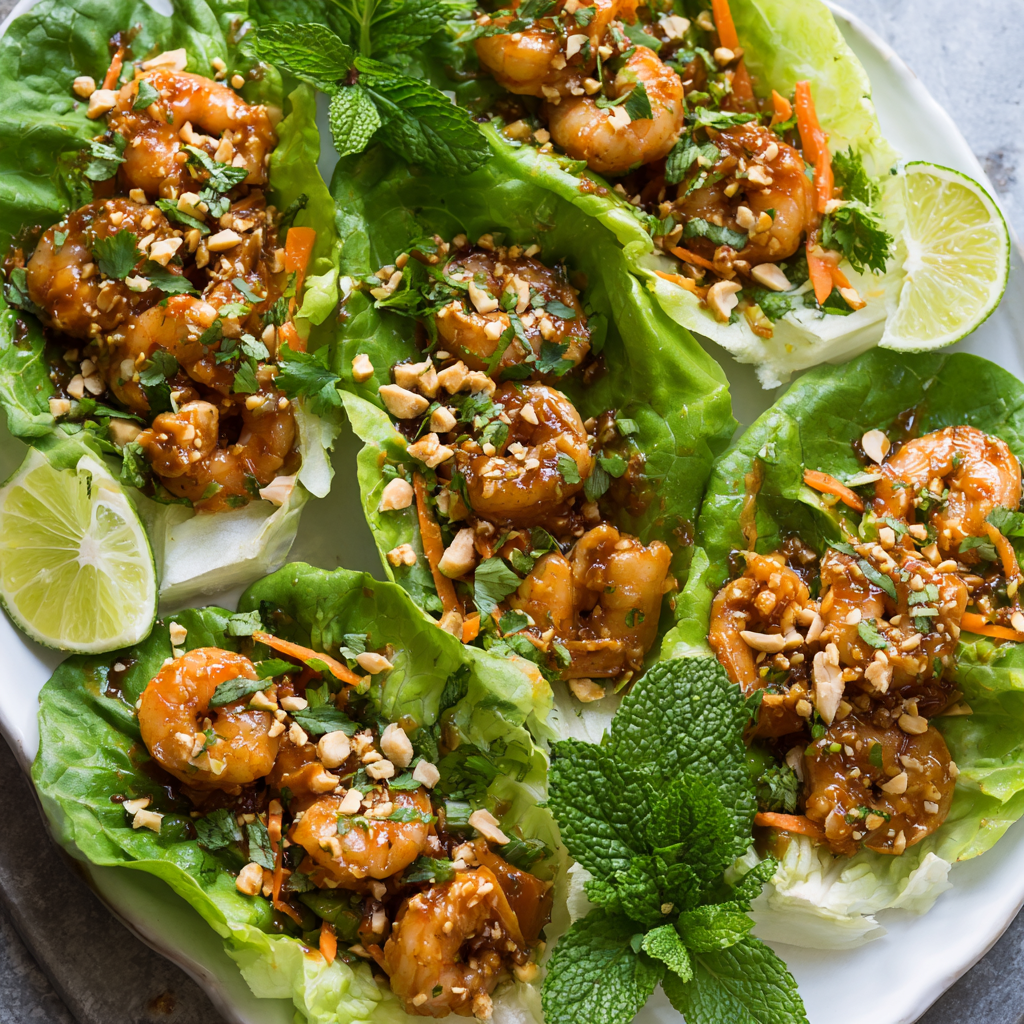
- Easy Hawaiian Pineapple Cake with Cream Cheese Frosting

- Strawberry Rhubarb Pie : A Sweet & Tangy Classic with a Flaky Crust

- Crispy Seafood Egg Rolls : Golden, Crunchy & Loaded with Flavor

- Chocolate Dump Cake : Rich, Gooey, and Amazingly Easy