Hearty Vegan Chili : One-Pot, Protein-Packed & Totally Comforting
Hearty Vegan Chili – One-Pot, Protein-Packed & Totally Comforting
The Ultimate Cozy Bowl – 100% Plant-Based
Hey there, friend! Olivia here, apron already dusted with a bit of chili powder, just the way I like it. Is there anything better than the feeling of a warm, heavy bowl in your hands on a crisp evening? That moment you sink into the couch, take that first savory, smoky, spice-kissed bite, and just… sigh with pure contentment. That’s the magic we’re making today.
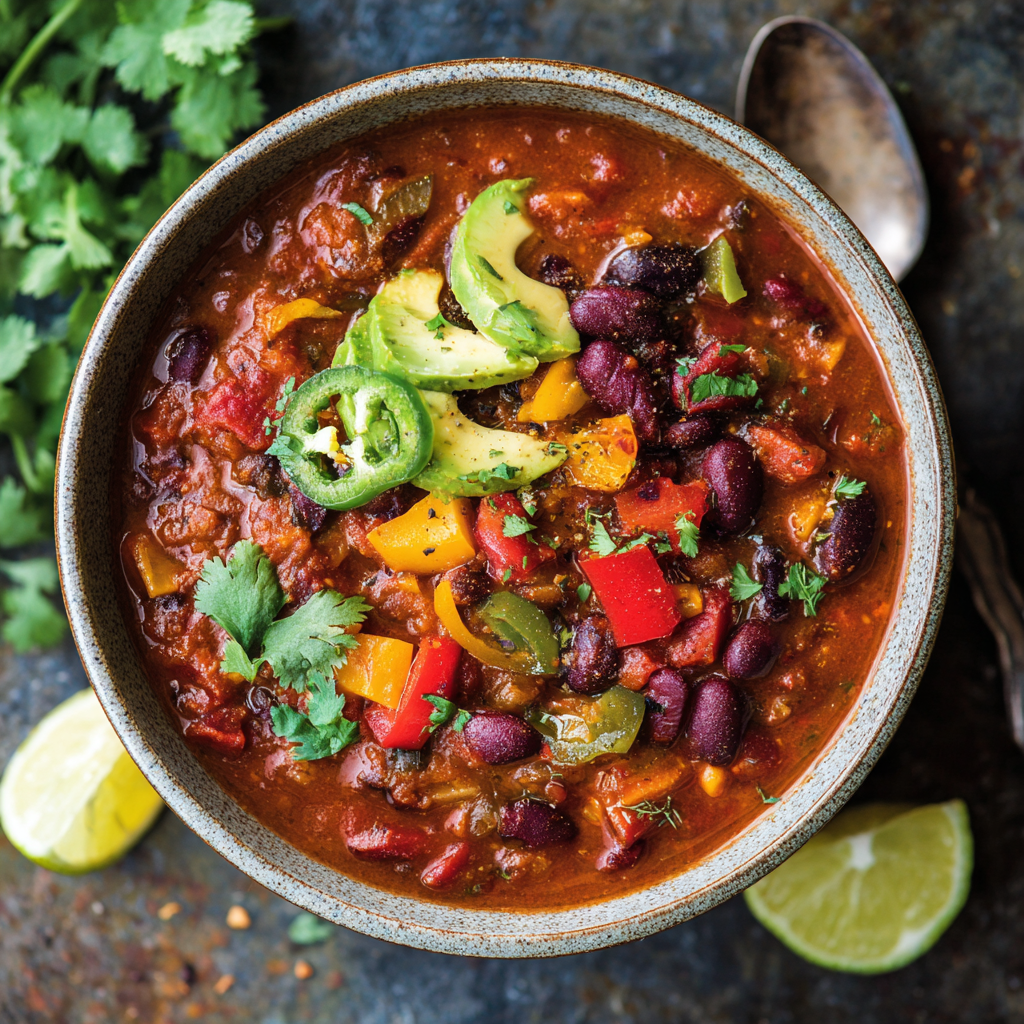
This vegan chili is everything you want in a comfort meal: thick, hearty, and packed with bold, layered flavor that makes you forget it’s 100% plant-based. We’re talking a symphony of three kinds of beans, fire-roasted tomatoes, and a blend of warm spices that’ll have your whole house smelling like a hug. It’s a glorious one-pot wonder that masterfully walks the line between “I need to feed a hungry crowd” and “I just want something deliciously simple for myself.”
The best part? You don’t need to be a professional chef or have hours to spare. This is relaxed, forgiving, “chop-and-drop” cooking at its finest. Whether you’re meal prepping for the week, hosting a casual game-day gathering, or simply answering that deep, soul-level craving for something filling and wholesome, this chili is your answer. So, grab your favorite pot and let’s make a mess and a memory. I promise, no meat is needed for this to be utterly unforgettable.
My First Chili Cook-Off & A Lesson in Boldness
Let me take you back to my first (and only!) backyard chili cook-off. Picture a young, slightly nervous Olivia, surrounded by my partner’s family—a crew of proud Texans whose chili recipes were family heirlooms guarded closer than state secrets. And there I was, the “vegetarian girlfriend,” rolling up with a giant pot of my meatless concoction.
I’ll be honest, my knees were knocking. But I remembered my grandma’s advice: “When in doubt, build flavor with love and layers.” So, I toasted my spices until they were fragrant enough to wake up the neighbors, and I let that pot simmer low and slow, filling the entire backyard with a smell so enticing it drew people over out of pure curiosity. The result? While I didn’t “win” the traditional trophy (a can of beans with a ribbon, it was adorable), I won something better. Empty bowls, requests for the recipe, and the sweetest compliment: “I didn’t even miss the meat.” It was a powerful reminder that good food, made with intention and bold flavors, brings people together, no matter where it comes from.
Gathering Your Flavor Arsenal
Here’s the beautiful cast of characters that’ll come together in your pot. Think of this as building blocks of texture and taste!
- 1 tbsp olive oil – Our flavor-starter. Avocado oil works great here too for its high smoke point.
- 1 yellow onion, diced – The sweet, savory foundation of so many great dishes. Don’t rush sautéing it!
- 3 cloves garlic, minced – Fresh is best! It adds a pungent depth that powder just can’t match.
- 1 bell pepper, chopped (any color!) – I love red for sweetness, but green adds a classic, slightly bitter note. It’s your kitchen—pick your favorite.
- 1 carrot, diced – A little sweet secret! It melts into the chili, adding body and a touch of natural sweetness that balances the spices perfectly.
- 1 zucchini, chopped (optional) – My “clean out the fridge” hero. It adds great texture and soaks up all the surrounding flavors. Summer squash works too!
- 1 tbsp chili powder – The MVP. This is usually a blend of ground chilis, cumin, garlic, and oregano. For more heat, add a pinch of cayenne.
- 1 tsp cumin – Earthy, warm, and absolutely non-negotiable for that authentic chili taste.
- 1 tsp smoked paprika – This is the magic ingredient! It gives that “cooked-over-a-campfire” smoky depth without any actual smoke.
- 1 tsp oregano – Use dried here. Its slightly bitter, aromatic quality is a classic backbone in chili.
- 1 (15 oz) can each: black beans, kidney beans, pinto beans, drained – The protein-packed trio! Draining them gives you control over the chili’s thickness. For a creamier texture, rinse them instead of just draining.
- 1 (28 oz) can crushed tomatoes – I love fire-roasted crushed tomatoes for an extra layer of smoky flavor. Regular works beautifully too.
- 1 cup vegetable broth or water – Broth adds another layer of flavor, but water works perfectly fine—the beans and tomatoes create an incredible base on their own.
- Salt & pepper to taste – Season in layers! A pinch when you sauté the veggies, and then again at the end to make everything pop.
- Optional toppings: avocado, cilantro, lime, tortilla chips, vegan sour cream – The fun part! This is where everyone can customize their bowl.
Let’s Get Cooking: Your Step-by-Step Guide
Alright, let’s fire up the stove! This is where the alchemy happens.
- Build Your Flavor Base: In your largest, heaviest-bottomed pot or Dutch oven, heat the olive oil over medium heat. Add the diced onion, carrot, and bell pepper. Sauté for 5-7 minutes, stirring occasionally, until the onion is translucent and the veggies have just started to soften. Chef’s Tip: We’re not looking for color here, just tenderness. This step sweetens the veggies and builds a foundation of flavor. Now, add the minced garlic and stir for just 30 seconds until incredibly fragrant—don’t let it burn!
- Wake Up the Spices: This is my favorite step! Sprinkle in the chili powder, cumin, smoked paprika, and oregano directly onto the veggies. Stir constantly for about 1 minute. You’ll smell the spices transforming from raw and dusty to warm, toasted, and incredibly aromatic. This “blooming” step unlocks their essential oils and makes a massive difference in depth of flavor.
- The Big Pour & Simmer: Now, add all three cans of drained beans, the entire can of crushed tomatoes, the chopped zucchini (if using), and your vegetable broth or water. Give everything a very good, hearty stir, making sure to scrape up any tasty bits from the bottom of the pot. Bring the mixture to a lively simmer—you should see steady bubbles breaking the surface.
- Low and Slow Magic: Once simmering, reduce the heat to medium-low and cover the pot with a lid. Let it cook for 25-30 minutes, stirring every 10 minutes or so to prevent sticking. This gentle cooking time allows the flavors to marry, the carrots to become perfectly tender, and the chili to thicken beautifully.
- The Final Touch & Thicken Up: After 30 minutes, remove the lid. Taste your masterpiece! This is when you add salt and pepper. Start with ½ tsp of salt, stir, taste, and add more if needed. If you prefer an even thicker, stew-like chili (I usually do!), let it simmer uncovered for an additional 10 minutes. The excess liquid will evaporate, leaving you with a rich, hearty consistency.
- Serve It Up! Ladle the steaming chili into bowls. This is where the party starts with all those fun toppings. A squeeze of lime is non-negotiable for me—the bright acid cuts through the richness perfectly.
How to Serve Your Cozy Creation
Presentation is part of the joy! I love using wide, shallow bowls for chili. Ladle a generous portion into the center, then artfully (or messily—no judgment!) arrange your toppings. A dollop of creamy avocado, a sprinkle of fresh cilantro, a few crunchy tortilla strips standing at attention, and that crucial lime wedge on the side. For a complete meal, serve it alongside a slice of warm, buttery cornbread or over a bed of fluffy quinoa or brown rice to soak up every last drop.
Make It Your Own: Delicious Twists
This recipe is a fantastic canvas! Here are a few ways to play:
- Sweet & Smoky: Add 1 cup of sweet corn (frozen works) and swap the bell pepper for a diced poblano.
- “Beefy” & Hearty: Crumble in a cup of cooked brown lentils or a plant-based ground “meat” alternative when you add the beans.
- Spicy Kick: Add a minced jalapeño (seeds and all for max heat) with the bell pepper, and use hot chili powder.
- Pumpkin Power: For a fall twist, stir in ½ cup of pure pumpkin puree with the tomatoes. It adds creaminess and a subtle earthiness.
- Instant Pot Shortcut: Use the Sauté function for steps 1 & 2. Add everything else, secure lid, and cook on High Pressure for 10 minutes. Quick release!
Olivia’s Kitchen Notes
This recipe has been my trusty companion for years, and it’s evolved with me. The zucchini was a happy accident one summer when my garden overproduced. The smoked paprika was a revelation I discovered after that fateful cook-off! I’ve made this chili for first dates, sick friends, and potlucks where I needed a guaranteed crowd-pleaser. It always delivers. A funny story: I once accidentally doubled the smoked paprika, and you know what? We loved it. It tasted like the chili was grilled. So don’t fear mistakes—they might just be your next favorite twist. Remember, the flavor gets even better the next day, so leftovers are a prize, not an afterthought.
Your Questions, Answered!
Q: My chili turned out too watery. How can I fix it?
A: No worries! The easiest fix is to simmer it uncovered for an extra 10-15 minutes to reduce the liquid. You can also mash a small portion of the beans against the side of the pot with a spoon and stir them back in—this releases their starch and naturally thickens the broth.
Q: Can I make this in a slow cooker?
A> Absolutely! Sauté the onions, peppers, and spices in a skillet first (this step is key for flavor). Then, transfer everything to your slow cooker and cook on LOW for 6-8 hours or HIGH for 3-4 hours.
Q: How long will leftovers keep?
A> Stored in an airtight container in the fridge, this chili is happy for 4-5 days. It also freezes beautifully for up to 3 months. Let it cool completely, then freeze in portion-sized containers for easy future meals.
Q: I’m not a fan of spicy food. Is this chili mild?
A> As written, it’s warmly spiced but not spicy-hot. The “chili powder” blend is generally mild. If you’re sensitive to heat, just ensure your chili powder and paprika are labeled “mild” or “sweet,” and omit any cayenne. You’ll get all the cozy flavor without the burn.
Hearty Vegan Chili : One-Pot, Protein-Packed & Totally Comforting
Description
Hey friend! Olivia here, apron dusted with chili powder, ready to bring you a bowl of comfort in its finest, plant-powered form. This vegan chili is thick, hearty, and bursting with bold flavor—without a hint of meat. Three kinds of beans, fire-roasted tomatoes, and a blend of warm spices make every spoonful feel like a hug in a bowl.
Ingredients
Base & Veggies:
-
1 tbsp olive oil (or avocado oil)
-
1 yellow onion, diced
-
3 cloves garlic, minced
-
1 bell pepper, diced (any color)
-
1 carrot, diced
-
1 zucchini, chopped (optional)
Spices:
-
1 tbsp chili powder (mild or hot, your choice)
-
1 tsp cumin
-
1 tsp smoked paprika
-
1 tsp oregano
-
Salt & pepper, to taste
Beans & Tomatoes:
-
1 (15 oz) can black beans, drained
-
1 (15 oz) can kidney beans, drained
-
1 (15 oz) can pinto beans, drained
-
1 (28 oz) can crushed tomatoes (fire-roasted preferred)
-
1 cup vegetable broth or water
Optional Toppings:
-
Avocado slices
-
Fresh cilantro
-
Lime wedges
-
Tortilla chips
-
Vegan sour cream
Instructions
In a large, heavy-bottomed pot or Dutch oven, heat the olive oil over medium heat.
Add onion, carrot, and bell pepper. Sauté 5–7 minutes, until onion is translucent and veggies start to soften.
Add garlic and stir for 30 seconds until fragrant.
Sprinkle in chili powder, cumin, smoked paprika, and oregano. Stir 1 minute to toast and release their flavors—this is what makes your chili smell irresistible.
Stir in drained beans, crushed tomatoes, zucchini (if using), and broth/water. Scrape up any tasty bits from the bottom. Bring to a gentle simmer.
Reduce heat to medium-low, cover, and cook 25–30 minutes, stirring every 10 minutes. This allows flavors to meld, veggies to soften, and chili to thicken.
Remove lid. Taste and season with salt & pepper. For thicker chili, simmer uncovered 10 more minutes to reduce excess liquid.
Ladle chili into bowls and top as you like: avocado, cilantro, lime, tortilla strips, or vegan sour cream. Serve with cornbread, quinoa, or rice for a hearty meal.
Notes
-
Too watery? Simmer uncovered or mash a few beans to thicken naturally.
-
Slow cooker friendly: Sauté onions, peppers, and spices first. Cook on LOW 6–8 hours or HIGH 3–4 hours.
-
Make it mild: Use sweet/mild chili powder and paprika; omit cayenne.
-
Flavor boost: Chili tastes even better the next day.
Nutritional Information (Per Serving, approx. 1.5 cups)
Calories: ~250 | Protein: 12g | Carbohydrates: 35g | Dietary Fiber: 10g | Sugars: 8g | Fat: 6g | Sodium: 500mg (varies based on broth/beans used). This is a nutrient-dense, high-fiber, and protein-packed meal that’s as wholesome as it is delicious!
Prep Time: 10 mins | Cook Time: 35 mins | Total Time: 45 mins | Serves: 6-8
Final Thoughts
And there you have it—a pot of pure, unapologetic comfort, ready to warm you from the inside out. This chili is more than just a meal; it’s a reminder that plant-based cooking can be deeply satisfying, boldly flavorful, and incredibly generous. It’s the kind of recipe that doesn’t just fill your bowl, but also fills your home with the kind of aroma that makes everyone ask, “What’s cooking?”
As you ladle out that first steaming serving, take a moment to appreciate what you’ve made: a wholesome, one-pot wonder that’s kind to your body, your schedule, and the planet. Whether you’re cozying up solo or serving a table full of friends, this chili has a way of making moments feel a little more special.
Remember, the best dishes are living things—they grow and change with you. So take this recipe and make it your own. Add more heat, try new beans, or throw in that extra veggie hiding in the back of the fridge. Cook it with confidence, share it with joy, and savor every last spoonful.
Here’s to many more cozy bowls ahead. You’ve just added a new classic to your repertoire.
Stay warm and well-fed,
Olivia
Save This Recipe for Later!
The Best Crispy Baked Chicken Nuggets : Healthy, Easy & Kid-Approved
The Best Crispy Baked Chicken Nuggets – Healthy, Easy & Kid-Approved
Hey there, fellow flavor-seeker! Come on in, grab an apron (a messy one is totally welcome here), and let’s talk about one of life’s great universal joys: a really, really good chicken nugget. You know the kind. The ones with that irresistible, shatteringly crisp coating that gives way to the most tender, juicy bite of chicken. The kind that makes everyone, from the pickiest toddler to the most discerning foodie uncle, light up and ask for “just one more.”
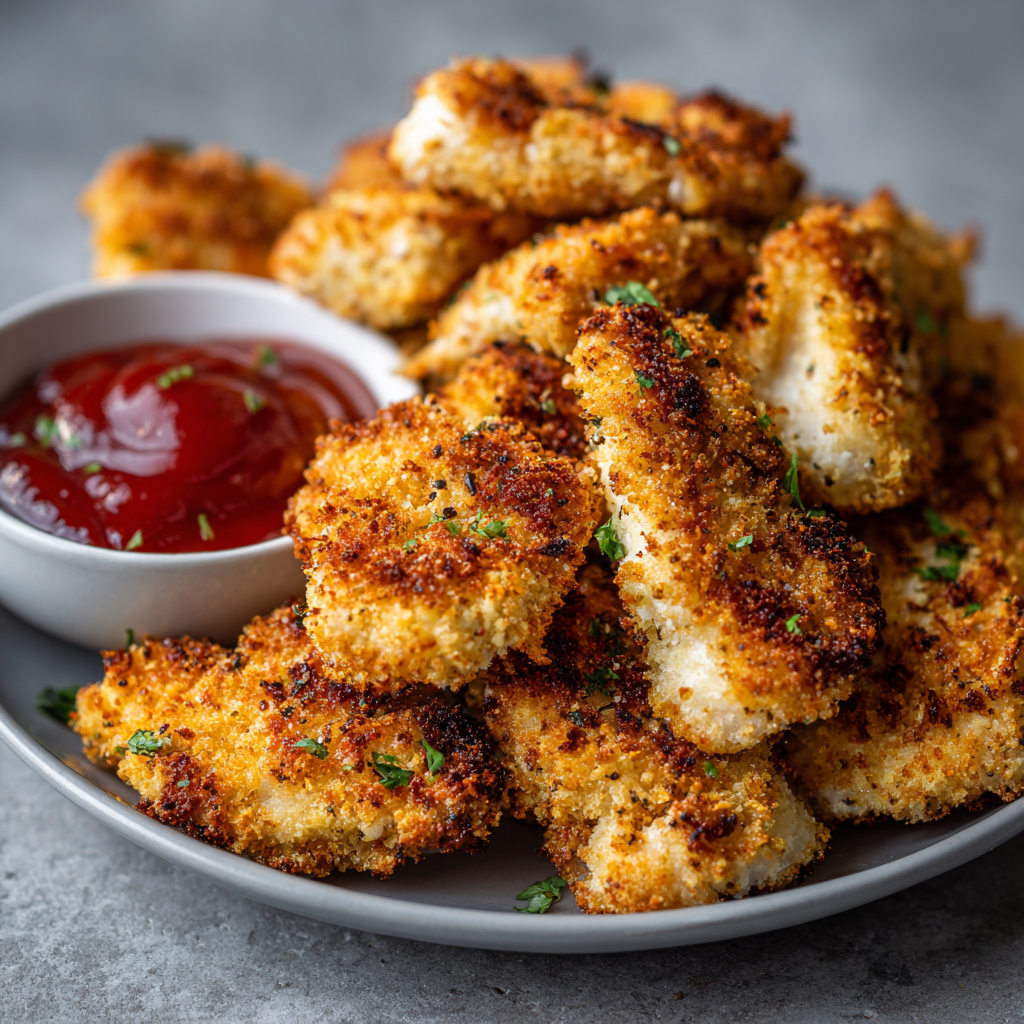
For years, I thought that magical crunch was the exclusive domain of deep fryers and drive-thru windows. But then, through a little kitchen experimentation (and a few not-so-perfect batches), I cracked the code. I’m so excited to share with you my absolute favorite method for making crispy baked chicken nuggets that are not only healthier but, I swear, taste even better than the takeout kind. We’re talking golden-brown, audibly crunchy perfection on the outside, and perfectly moist and flavorful on the inside—all without a vat of oil in sight.
This recipe is my weeknight hero, my party pleaser, and my secret weapon for happy kids. It’s deceptively simple, uses pantry-friendly ingredients, and comes together in about 30 minutes. Whether you’re meal-prepping for easy lunches, hosting a game-day spread, or just need a surefire win for dinner tonight, these nuggets are your answer. So, preheat that oven, and let’s make some magic happen!
Why These Nuggets Hold a Special Place in My Heart (and Freezer)
My love affair with this recipe started not in a fancy test kitchen, but at my slightly wobbly kitchen table, covered in construction paper and glitter. It was my niece Lily’s 5th birthday, and she had one request: “Auntie Liv, can we have a nugget party? But the kind you make, not the box.” My heart melted, and then immediately panicked. Could my from-scratch version really compete with the iconic, salty bliss of her usual favorite?
I tweaked and tested, finally landing on this combo of toasted panko and simple spices. The moment I pulled that first tray out of the oven, the whole house smelled like a cozy, happy dream. Watching Lily’s eyes go wide as she took her first bite, followed by a solemn, sauce-covered thumbs-up, was a victory sweeter than any five-star review. Now, I always keep a batch in the freezer. They’re my edible hug, my go-to for playdates, sick days, and those “I just need something delicious and uncomplicated” evenings. They remind me that the best recipes aren’t about perfection; they’re about connection, one crispy, joyful bite at a time.
Your Nugget Toolbox: Simple Ingredients, Big Flavor
Here’s everything you’ll need to create this crispy masterpiece. I’ve added my little chef notes next to each one because knowing your ingredients is the first step to kitchen confidence!
- 1 ½ cups panko breadcrumbs: This is the MVP of crunch! Panko is a Japanese-style breadcrumb that’s lighter, flakier, and crisps up way better than regular breadcrumbs. Chef’s Tip: Toasting them first is the non-negotiable secret for maximum crunch and golden color.
- Olive oil cooking spray: Helps the panko toast in the oven and gives our nuggets that beautiful, all-over crispness when we spray them before baking. You can use any neutral oil spray you like.
- 1 ½ tsp kosher salt: I prefer kosher salt for its clean taste. If using fine table salt, reduce to about 1 tsp to avoid over-salting.
- 1 tsp black pepper: Freshly ground is always best for the brightest flavor!
- 1 tsp onion powder & ½ tsp garlic powder: These dried wonders add a savory, aromatic base that permeates the coating. No chopping required!
- 1 tsp paprika: Sweet paprika adds a lovely color and a subtle, smoky warmth. Smoked paprika is a fantastic twist if you have it!
- ¼ tsp cayenne pepper (optional): Just a tiny pinch adds a background hum of warmth without being “spicy.” Feel free to skip it for super-sensitive palates.
- 2 large eggs: Our glue! They help the crunchy coating stick to the chicken beautifully.
- 2 tbsp almond milk (or milk of choice): A splash of milk lightens the egg wash just a touch. Any milk—dairy or non-dairy—works perfectly here.
- 1 ½ lbs boneless, skinless chicken breast: The star! Look for evenly-sized breasts for uniform nuggets. Pro Tip: For even more tender nuggets, you can use chicken thighs. They have more fat and stay incredibly juicy.
Let’s Get Cooking: Your Path to Crunchy Bliss
Okay, friends! It’s time to turn these ingredients into golden glory. Follow these steps, lean into my little hacks, and you’ll be a nugget maestro in no time.
Step 1: The Crunch Catalyst (Toast That Panko!)
Preheat your oven to 400°F (200°C). Now, take your panko breadcrumbs and spread them in a thin, even layer on a large, rimmed baking sheet. Give them a generous mist with your cooking spray. This bit of oil helps them toast evenly and get that perfect golden hue. Pop the tray in the oven for 5-6 minutes, but don’t walk away! Stir them around at the halfway mark. You’ll know they’re ready when they turn a light, toasty brown and smell wonderfully nutty. This step is the absolute game-changer—it locks in the crunch before the nuggets even hit the oven.
Step 2: Build Your Flavor Station
Transfer your beautifully toasted panko to a wide, shallow bowl—a pie plate works great here. Immediately stir in all your spices: the salt, pepper, onion powder, paprika, garlic powder, and that optional cayenne. Mixing the spices into the warm panko helps “wake up” their flavors. In a second shallow bowl, whisk your eggs and milk together until completely smooth and uniform. Set up an assembly line: chicken cubes, egg wash, seasoned panko, and finally, a baking sheet fitted with a wire rack that you’ve lightly sprayed with nonstick spray. The wire rack is another key player—it lets hot air circulate all around the nugget for 360-degree crispiness!
Step 3: The Coating Dance
Let’s get those hands messy! Take one piece of chicken and fully submerge it in the egg wash. Let the excess drip off for a second—this prevents a gloopy coating. Then, roll it firmly in the panko mixture, using your dry hand to press the crumbs onto all sides to form a solid, even crust. Place it on the wire rack. Repeat with all pieces, leaving a little space between each nugget on the rack so they crisp up instead of steam. Once they’re all coated, give the tops one more light, even mist of cooking spray. This final spray mimics the effect of frying, helping every nook and cranny turn golden and crisp.
Step 4: Bake to Perfection
Slide your loaded rack into the hot oven and bake for 15-20 minutes. Ovens can vary, so start checking at 15 minutes. You’re looking for a deep, golden-brown crust and an internal temperature of 165°F (74°C) on an instant-read thermometer. Trust me, the thermometer is your best friend for never-overcooked, always-juicy chicken. The nuggets will be firm to the touch and smell absolutely incredible. Let them cool on the rack for just a couple of minutes—this lets the coating set into its final, crunchy form.
Dipping & Serving: The Grand Finale
Now for the fun part! Pile these warm, crispy nuggets high on a big platter or into individual baskets. The serving options are endless! I love setting up a “dipping station” with small bowls of honey mustard, classic ketchup, tangy BBQ sauce, and maybe a creamy ranch or zesty marinara. For a full meal, tuck them into a soft bun with slaw for a killer sandwich, slice them over a big green salad, or serve them alongside some baked sweet potato fries and crunchy veggie sticks. They’re the ultimate crowd-pleasing centerpiece!
Mix It Up! Creative Twists on the Classic
Once you’ve mastered the base recipe, the world is your nugget! Try these easy variations:
- Parmesan-Herb: Add ½ cup finely grated Parmesan and 1 tbsp of dried Italian herbs to the panko mix.
- Gluten-Free: Use certified gluten-free panko breadcrumbs. Almond flour (toasted first) also makes a great crunchy coating.
- Extra Zesty: Add the zest of one lemon to the panko mixture and serve with a lemon-herb yogurt dip.
- Air Fryer Method: Cook at 400°F for 10-12 minutes, shaking halfway. They get insanely crispy!
- “Buffalo” Style: After baking, toss the hot nuggets in a mix of ¼ cup melted butter and ½ cup hot sauce. Serve with blue cheese dressing.
Olivia’s Kitchen Notes & Stories
This recipe has evolved from a “let’s see if this works” experiment to a rock-solid staple in my home. I’ve learned that patting the chicken pieces very dry before dipping is a small step with a big payoff—it helps the coating stick like a dream. And one time, I accidentally used seasoned croutons, blitzed into crumbs, when I was out of panko… and you know what? They were delicious! Don’t be afraid to improvise.
The biggest laugh came when my husband tried to “help” by coating an entire piece of chicken in just the spice mix, forgetting the panko entirely. We called it “Naked Nugget” and it was… intensely seasoned. We still joke about it. The moral? Cooking is supposed to be fun. A little mess, a little laughter, and a lot of flavor—that’s the real recipe.
Your Nugget Questions, Answered
Q: My coating sometimes falls off after baking. How can I prevent that?
A: The most common culprit is not letting the excess egg wash drip off. A quick drip ensures the coating is a thin, adhesive layer, not a thick, sliding one. Also, really press the panko on firmly! And finally, the wire rack is key—it prevents the bottom from getting soggy, which can loosen the crust.
Q: Can I make these ahead of time?
A: Absolutely! You have two great options: 1) Freeze before baking: Prepare nuggets up to placing them on the rack, then freeze solid on the rack before transferring to a freezer bag. Bake from frozen, adding 5-10 minutes to the time. 2) Reheat leftovers: To revive leftover nuggets, reheat them in a 400°F oven or toaster oven for 5-10 minutes. The microwave will make them soft.
Q: Can I use chicken thighs instead of breasts?
A: Yes, and they’ll be incredibly juicy! Just trim any excess fat and cut into even pieces. The baking time may be similar, but always use your thermometer to be sure.
Q: Are these really kid-approved?
A> From my own experience and the countless messages from readers, the resounding answer is YES! Letting kids help with the dipping and coating (expect mess!) or choose their own dips makes them even more invested. The familiar shape with the homemade, tastier flavor is a total win.

The Best Crispy Baked Chicken Nuggets : Healthy, Easy & Kid-Approved
Description
Hey there, fellow flavor-seeker! These crispy baked chicken nuggets are proof that you don’t need a deep fryer to get that crave-worthy crunch. With a golden, shatter-crisp coating and juicy, tender chicken inside, they’re everything we love about nuggets—only lighter, homemade, and just plain better.
Ingredients
-
1½ cups panko breadcrumbs
-
Olive oil cooking spray
-
1½ teaspoons kosher salt
-
1 teaspoon black pepper
-
1 teaspoon onion powder
-
½ teaspoon garlic powder
-
1 teaspoon paprika
-
¼ teaspoon cayenne pepper (optional)
-
2 large eggs
-
2 tablespoons milk (any kind)
-
1½ lbs boneless, skinless chicken breast, cut into bite-size pieces
Instructions
Preheat oven to 400°F (200°C).
Spread panko on a baking sheet and mist lightly with cooking spray. Bake 5–6 minutes, stirring halfway, until lightly golden and fragrant. Transfer to a shallow bowl and stir in salt, pepper, onion powder, garlic powder, paprika, and cayenne.
In a second shallow bowl, whisk eggs and milk until smooth.
Line a baking sheet with a wire rack and lightly spray with nonstick spray.
Dip chicken pieces into egg wash, letting excess drip off. Press firmly into seasoned panko to coat all sides. Place nuggets on the wire rack, leaving space between each. Lightly spray the tops with cooking spray.
Bake for 15–20 minutes, until nuggets are deep golden and reach an internal temperature of 165°F (74°C). Let rest for 2–3 minutes before serving to set the crust.
Notes
-
Toast the panko first for maximum crunch
-
Pat chicken dry before coating for better adhesion
-
Use a wire rack to keep nuggets crisp on all sides
-
Press crumbs firmly onto chicken to prevent coating loss
Nutritional Information*
*This is an estimate for 1 serving (approx. ¼ of the recipe), calculated without dipping sauces. Values can vary based on specific ingredients used.
Per Serving: Calories: 227 | Protein: 29g | Carbohydrates: 19g | Dietary Fiber: 1g | Total Fat: 5g | Saturated Fat: 1g
Final Thoughts
Sometimes, the greatest kitchen victories aren’t about mastering a complicated technique or sourcing a rare ingredient. They’re about taking a beloved classic and making it yours—healthier, crispier, and brimming with the kind of love that only comes from your own oven.
These nuggets are more than just a meal; they’re a promise of a happy table. They prove that you don’t have to choose between wholesome and delicious, or between a quick dinner and a memorable one. With a handful of simple ingredients and a few smart tricks, you can create something that truly delights everyone who gathers around your plate.
So, here’s to crispy triumphs, to sauce-covered smiles, and to the simple joy of a perfectly golden bite. May your baking sheets always be full, your panko always toasted, and your chicken forever juicy.
Now, go on—preheat that oven and get your crunch on.
Happy cooking,
Olivia

Mini Berry Tarts with Vanilla Bean Cream : Elegant, Fresh & Bite-Sized Bliss
Sunshine on a Plate: Welcome to Mini Berry Tart Bliss!
Hey there, friend! Come on in, grab an apron, and let’s chat about one of life’s simplest, most beautiful pleasures: a perfect, bite-sized dessert. You know the one. It looks like it came from the window of a tiny, magical Parisian patisserie, but it’s made with your own two hands, right in your cozy kitchen. If your heart does a little happy dance at the thought of buttery pastry, silky vanilla cream, and a burst of fresh, juicy berries, then you and I are already on the same delicious wavelength.
Today, we’re creating Mini Berry Tarts with Vanilla Bean Cream. These aren’t just desserts; they’re tiny edible celebrations. They’re what you make when you want to turn an ordinary Tuesday into something special, or when you need a show-stopping treat for a baby shower, brunch, or just because the berries at the market looked too good to pass up. The best part? They’re secretly simple. We’re going to walk through every single step together, with plenty of my favorite chef hacks and reassuring whispers. No fancy skills required—just a love for good food and the joy of creating something gorgeous. So, preheat your oven, and let’s make some berry-packed magic!
A Tale of Two Tarts: My Grandma’s Lessons in Love
This recipe always takes me back to my grandma’s linoleum-floored kitchen, a place perpetually dusted with flour and smelling of sugar. She wasn’t a “fancy” baker, but she was a generous one. Her version involved a big, free-form galette piled with whatever fruit was ripe, but the principle was the same: start with a good, honest crust and let the seasonal fruit shine.
I remember one sweltering summer afternoon, maybe eight years old, perched on a stool “helping” her pat dough into her old, warped tart pan. She’d let me painstakingly arrange the raspberries in concentric circles, never minding that my rows were wobbly and juice was running down my arms. “It’s not about perfect, Livvy,” she’d say, wiping her hands on her flower-print apron. “It’s about the love you fold into it. And the butter. Always the good butter.” These mini tarts are my homage to her—scaled down for modern gatherings, with a luxurious vanilla bean cream she’d have called “posh,” but with the same soul. It’s that feeling of sharing something made with care that I want to pass on to you.
Gathering Your Berry Best Friends: The Ingredients
Let’s break down our cast of characters. Using great ingredients is the first secret to a spectacular tart! Don’t worry if you need to swap something—I’ve got you covered.
- For the Tart Shells:
- 1¼ cups all-purpose flour: The foundation. It gives our shells structure. For a slightly more tender, nutty flavor, you can swap out ¼ cup for almond flour.
- ¼ cup powdered sugar: Sweetens the crust subtly and, because it contains cornstarch, helps keep it tender. Granulated sugar works in a pinch but will give a slightly grainier texture.
- ½ cup unsalted butter, cold and cubed: This is non-negotiable for flakiness! Cold butter creates little steam pockets as it bakes. I pop my cubed butter in the freezer for 10 minutes before starting. Unsalted lets us control the salt level.
- 1 egg yolk: Adds richness, flavor, and helps bind the dough. Save the white for a healthy omelet!
- 1–2 tbsp ice water: The “just enough” hydrator. Too much makes tough pastry. Start with one tablespoon and add drops from the second only if the dough won’t come together when pinched.
- For the Vanilla Bean Cream:
- 1½ cups whole milk: Full-fat is key for a luxuriously creamy texture. For a richer custard, sub half the milk with heavy cream.
- 1 vanilla bean (or 1 tsp vanilla bean paste): The star! A split and scraped bean gives incredible flavor and those gorgeous black specks. Paste is a fantastic, convenient alternative. In a true emergency, 2 tsp of pure vanilla extract works (add it after cooking).
- 3 egg yolks: They thicken the cream into a lush custard. Pro tip: Crack your eggs into your hand over a bowl, letting the whites slip through your fingers to catch the yolk cleanly.
- ⅓ cup sugar: Sweetens and balances the tart berries.
- 2 tbsp cornstarch: Our thickening guardian angel. It stabilizes the custard so it holds its shape in the shells. Arrowroot powder is a 1:1 substitute.
- 2 tbsp butter: Stirred in at the end for a silky mouthfeel and gorgeous sheen.
- For the Topping:
- Fresh mixed berries: The jewel box! Use what’s in season and looks best. A mix of colors and sizes (blueberries, raspberries, sliced strawberries, blackberries) is visually stunning.
- Optional: powdered sugar or apricot glaze: A dusting of powdered sugar is the easy, elegant finish. For a professional, glossy shine, warm a tablespoon of apricot jam with a teaspoon of water and brush it lightly over the arranged berries.
Let’s Get Baking: A Step-by-Step Adventure
Ready? We’ll tackle this in three easy acts: the shells, the cream, and the grand assembly. Put on some good music, and let’s do this!
Act I: The Buttery, Crisp Tart Shells
1. Make the Dough: In a food processor, pulse the flour and powdered sugar just to combine. Scatter the ice-cold butter cubes over top. Pulse 8-10 times until the mixture looks like coarse sand with some pea-sized butter bits remaining. Chef’s Whisper: This is the key to flakiness! If you don’t have a processor, use a pastry cutter or even grate the frozen butter into the flour and work it quickly with your fingertips.
2. Bring It Together: Whisk the egg yolk with 1 tbsp of ice water. Drizzle it over the flour mixture while pulsing. Stop as soon as the dough begins to clump. Pinch a bit—if it holds together, you’re done! If it’s too dry, add more ice water a teaspoon at a time.
3. Press & Chill: Turn the crumbly dough out onto a surface. Gently knead it once or twice just to form a disc. Don’t overwork it! Divide into 8-10 pieces and press each piece evenly into your mini tart pans (with removable bottoms if you have them!). Use a small glass or measuring cup to help press it neatly up the sides. Prick the bottoms all over with a fork. Chill for at least 15 minutes. This re-solidifies the butter and prevents major shrinking. Trust me on this chill time!
4. Bake to Golden Perfection: Preheat your oven to 350°F (175°C). Bake the chilled shells for 15-18 minutes, until they are lightly golden all over. Let them cool completely in the pans on a wire rack. They’ll crisp up as they cool.
Act II: The Silky Vanilla Bean Cream
1. Infuse the Milk: In a medium saucepan, pour the milk. Split your vanilla bean lengthwise and scrape out the tiny, fragrant seeds with the back of your knife. Add both the seeds and the empty pod to the milk. Heat over medium until it’s just beginning to simmer (little bubbles around the edges), then remove from heat. Let it steep for 15 minutes. This infuses every molecule with vanilla goodness!
2. Temper the Yolks: In a separate bowl, whisk the egg yolks, sugar, and cornstarch until it’s thick, pale, and smooth. This is called “blanching” and it helps prevent scrambled eggs in your custard. Now, slowly—and I mean a slow, thin stream—whisk about ½ cup of the warm vanilla milk into the yolk mixture. This gently raises their temperature. Then, you can whisk in the rest of the milk.
3. Cook to Creamy Bliss: Pour the entire mixture back into the saucepan. Cook over medium heat, whisking constantly and getting into the corners of the pan. It will thicken quite suddenly after a few minutes. Once you see the first big, lazy bubble plop to the surface, cook for one more minute while whisking vigorously. You’ve made pastry cream!
4. Finish and Chill: Remove from heat. Fish out and discard the vanilla pod. Whisk in the butter until it melts completely and the cream is gloriously smooth. Pour it into a clean bowl, press plastic wrap directly onto the surface (to prevent a skin), and chill for at least 1 hour. It will thicken up perfectly.
Act III: The Grand (& Easy) Assembly
1. Fill ‘Em Up: Once shells and cream are completely cool, spoon or pipe the vanilla cream into the tart shells, leaving a little rim.
2. Berry Artistry: Now for the fun part! Arrange your washed and dried berries in a gorgeous, colorful pattern. Get creative! I love a concentric circle of raspberries, a few plump blueberries tucked in, and a single pristine blackberry in the center.
3. The Final Flourish: Just before serving, dust lightly with powdered sugar using a fine-mesh sieve, or brush with that warm apricot glaze for a professional, fruity shine.
How to Serve These Little Showstoppers
Presentation is part of the fun! Arrange these mini tarts on a simple white platter or a rustic wooden board for a gorgeous contrast. For a party, I love placing each one on a tiny, individual dessert plate—it makes everyone feel special. They pair beautifully with a cup of strong coffee, a glass of sparkling wine, or a light herbal tea. The rule here? Keep it simple and let the tarts be the colorful, delicious stars they were born to be.
Make It Your Own: Delicious Twists & Swaps
- Lemon Zest Brightness: Add the zest of one lemon to the pastry cream along with the butter for a vibrant lemon-berry combo.
- Chocolate Dreams: Brush the inside of your cooled tart shells with melted dark chocolate before adding the cream. It adds a subtle barrier and a rich flavor layer.
- Dairy-Free Delight: Use a high-fat coconut milk for the pastry cream and vegan butter in both the crust and cream. The coconut adds a lovely flavor that works with berries.
- Ginger Snap Crust: Swap the flour for crushed ginger snap cookies mixed with a little melted butter for a spiced, no-bake crust alternative.
- Stone Fruit Fancy: In late summer, top with thinly sliced peaches, nectarines, or plums instead of (or mixed with) berries.
Olivia’s Kitchen Notes & Stories
This recipe is a living thing in my kitchen! It started as one big tart, but I found mini versions just make people smile more—everyone gets their own perfect little world. My biggest “disaster-turned-discovery” was the time I forgot to chill the dough. The shells shrank comically in the oven, like little pastry turtlenecks! Now I know: cold butter + chilled dough = tart shell success. I also used to be terrified of tempering eggs until I realized it’s just about going slow and trusting the process. If a few tiny bits do scramble, don’t panic! Just strain the finished cream through a fine-mesh sieve as you pour it into the bowl. No one will ever know, and you’ll feel like a total kitchen wizard.
Your Questions, Answered!
Q: Can I make these ahead of time?
A: Absolutely! That’s their superpower. Bake the shells and make the cream up to 2 days ahead. Store shells in an airtight container at room temp and the cream in the fridge. Assemble no more than 2-3 hours before serving so the shells stay crisp.
Q: My pastry cream is lumpy! What do I do?
A: First, don’t worry! We can fix it. Immediately strain it through a fine-mesh sieve into your bowl, pressing it through with a spatula. This will catch any cooked egg bits. Then whisk in the butter. It will save the texture completely.
Q: My tart shells got soggy after filling.
A: This usually means the shells or the cream weren’t totally cool before assembly. Make sure both are room-temp cool or chilled. A light brush of melted chocolate inside the shell (as mentioned in variations) also creates a fantastic moisture barrier.
Q: Can I use frozen berries?
A: I don’t recommend it for the fresh topping, as they release too much juice and can make things soggy. However, frozen berries are fantastic for making a quick compote or glaze to spoon under the fresh cream before adding berries!

Mini Berry Tarts with Vanilla Bean Cream : Elegant, Fresh & Bite-Sized Bliss
Description
Hey there, friend! If a dessert could smile back at you, this would be it. These Mini Berry Tarts are buttery, creamy, and bursting with fresh berries—tiny treats that look bakery-fancy but are completely doable at home. Crisp tart shells, silky vanilla bean cream, and jewel-toned berries come together in a dessert that feels special without being stressful.
Ingredients
For the Tart Shells
-
1¼ cups all-purpose flour
-
¼ cup powdered sugar
-
½ cup unsalted butter, cold and cubed
-
1 egg yolk
-
1–2 tablespoons ice water
For the Vanilla Bean Cream
-
1½ cups whole milk
-
1 vanilla bean (or 1 teaspoon vanilla bean paste)
-
3 egg yolks
-
⅓ cup sugar
-
2 tablespoons cornstarch
-
2 tablespoons butter
For the Topping
-
Fresh mixed berries (strawberries, raspberries, blueberries, blackberries)
-
Optional: powdered sugar or apricot glaze
Instructions
Preheat oven to 350°F (175°C).
In a food processor, pulse flour and powdered sugar to combine. Add cold butter and pulse until the mixture resembles coarse crumbs. Add egg yolk and 1 tablespoon ice water; pulse just until dough begins to clump. Add more water only if needed.
Divide dough into 8–10 portions and press evenly into mini tart pans. Prick bottoms with a fork. Chill for 15 minutes, then bake 15–18 minutes, until lightly golden. Cool completely.
Heat milk with vanilla bean seeds and pod until just simmering. Remove from heat and let steep 15 minutes.
Whisk egg yolks, sugar, and cornstarch until smooth. Slowly whisk warm milk into yolks, then return mixture to saucepan. Cook over medium heat, whisking constantly, until thick and bubbling. Cook 1 minute more.
Remove from heat, discard vanilla pod, and whisk in butter. Cover cream with plastic wrap pressed directly on the surface and chill at least 1 hour.
Fill cooled tart shells with vanilla cream. Top with fresh berries. Just before serving, dust with powdered sugar or brush lightly with warm apricot glaze.
Notes
-
Cold butter + chilled dough = crisp shells
-
Let shells and cream cool completely before assembling to avoid sogginess
-
Strain pastry cream if any lumps appear—instant fix
-
Brush shells with melted chocolate for a moisture barrier if making ahead
Nutritional Info (Per Tart, Approximate)
Calories: 220 | Fat: 13g | Saturated Fat: 8g | Carbohydrates: 22g | Sugar: 10g | Protein: 4g | Fiber: 1g
Remember, these are tiny treats meant to be savored! This info is an estimate based on the specific ingredients used.
Final Thoughts: A Tiny Taste of Joy
Making these Mini Berry Tarts isn’t just about baking—it’s about creating small, edible moments of delight. It’s the satisfaction of pressing dough into a pan, the meditative swirl of whisking custard, and the quiet pride of arranging a jewel box of berries into something beautiful.
This recipe proves that elegance doesn’t have to be complicated. With a little patience and care, you can craft a dessert that feels both special and deeply personal. It carries the warmth of my grandma’s kitchen, the lessons from my own happy accidents, and the simple truth that the best food is made to be shared—whether that’s with friends around a table or with yourself as a quiet afternoon treat.
Remember, your version doesn’t have to be perfect. A wobbly berry or a slightly lopsided shell just adds character. What matters is the love and attention you pour into each step. So embrace the process, lick the spoon, and don’t forget the most important ingredient: your own enjoyment.
I hope these little tarts bring as much sunshine to your table as they have to mine. Now, go on—bake, share, and savor every sweet, buttery, berry-filled bite. You’ve earned it.
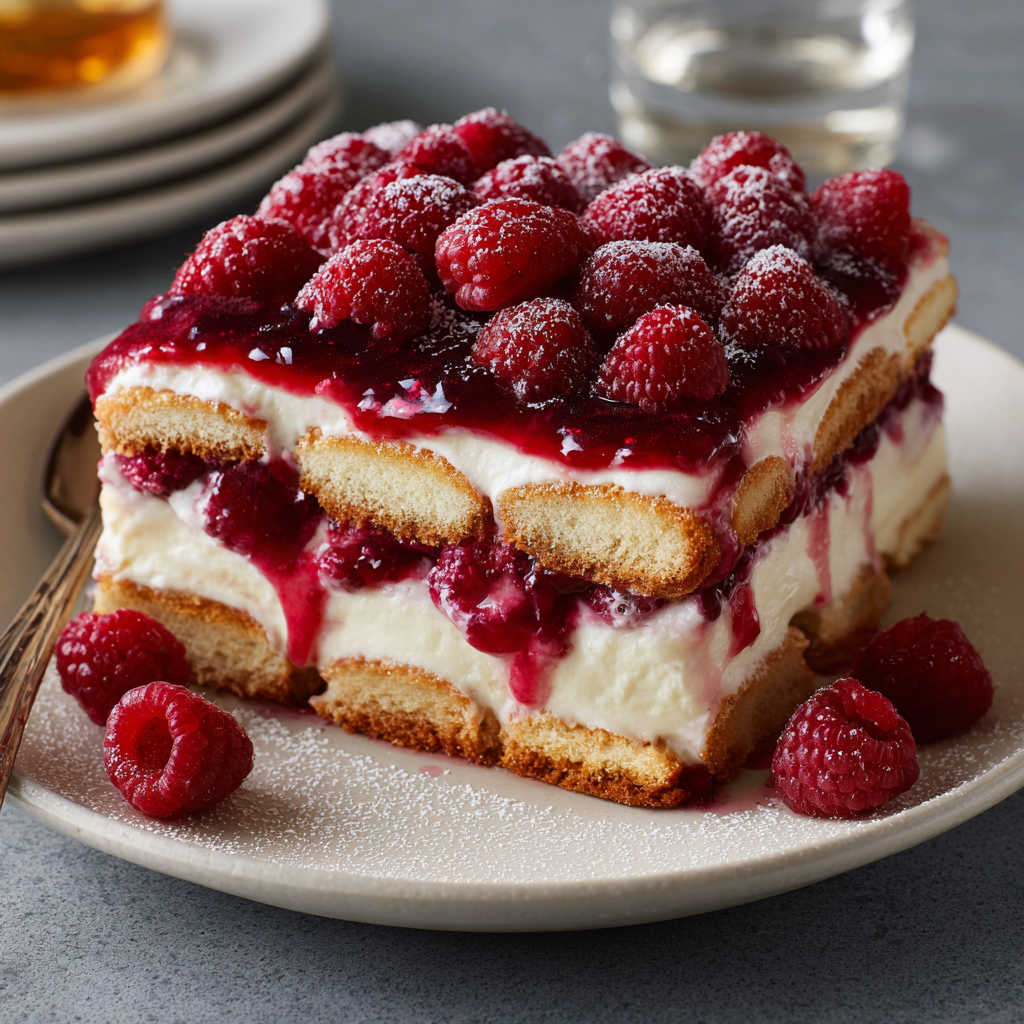
Fresh Raspberry Tiramisu : A Fruity Twist on the Classic Dessert
Fresh Raspberry Tiramisu: The Sun-Kissed Italian Classic You Need to Make
Hey there, friend! Pull up a stool and let’s chat about one of life’s greatest pleasures: dessert. Specifically, that magical, cloud-like, coffee-kissed masterpiece we all know and love—tiramisu. It’s the dessert of celebrations, of “I-love-yous,” and of “oops, I need something spectacular and I need it now.” But what if we took that beloved classic on a little summer adventure? What if we swapped the deep, moody coffee for something bright, tangy, and bursting with sunshine? That, my friends, is the magic of this Fresh Raspberry Tiramisu.
Imagine this: layers of delicate ladyfingers, just barely kissed with a sweet-tart raspberry syrup instead of strong espresso. Between them, a cloud of the creamiest, dreamiest mascarpone filling you’ve ever tasted, punctuated by little pops of fresh, juicy raspberries. It’s elegant enough for your fanciest dinner party, yet simple enough to whip up for a Tuesday treat (because why not?). The best part? It’s a no-bake wonder. No oven, no stress—just you, a few bowls, and the joyful anticipation of that first glorious spoonful after it sets up in the fridge. This dessert isn’t just a recipe; it’s a mood. It’s the taste of a perfect summer afternoon, of garden parties, and of sharing something beautiful with people you adore. So, tie on that apron (the messy one is totally fine), and let’s make a dessert that’s going to have everyone begging for the recipe.
A Berry Sweet Memory: Where This Recipe Was Born
This recipe has its roots in a sun-drenched memory. A few summers back, my husband and I spent a blissful afternoon at a “pick-your-own” berry farm. The air was warm, the sky was impossibly blue, and we ended up with about three pints more raspberries than any two people could reasonably eat. They were perfect—plump, warm from the sun, and so fragrant. That evening, we were having friends over for a last-minute grill-out, and I was desperately craving something sweet to make. Tiramisu was my go-to “impress with minimal effort” dessert, but the strong coffee felt all wrong for a balmy summer night.
Staring at those jewel-toned berries, it hit me. What if I created a syrup with them? I warmed some jam with a splash of water, mashed in a handful of the fresh berries, and let that become my soaking liquid. The result was nothing short of revelatory. The dessert was light, refreshing, and felt completely new yet comfortingly familiar. Our friends devoured it, and it’s been a staple in my summer repertoire ever since. It reminds me that the best cooking often comes from a little improvisation and a lot of love—and maybe an accidental surplus of perfect raspberries.
Gathering Your Sunshine: The Ingredients & Why They Matter
Here’s everything you’ll need to build this berry bliss. Don’t sweat the details—I’ve got notes and swaps for you!
- 1 cup fresh raspberries (plus extra for topping): The star of the show! Look for berries that are bright, plump, and fragrant. If they’re out of season, frozen raspberries (thawed and drained) work in a pinch for the layers, but use fresh for the top if you can. Chef’s Insight: Raspberries bring that essential tangy punch that cuts through the rich cream.
- ½ cup raspberry jam or preserves: This is the flavor booster for our syrup. Seedless jam gives a smoother syrup, but seeded has a lovely rustic texture. Any berry jam (blackberry, strawberry) can step in for a different twist.
- ½ cup water: Just plain water to loosen the jam into a perfect dipping consistency.
- 2 tbsp raspberry liqueur (optional): Like Chambord. This adds a wonderful depth of berry flavor. No-alcohol swap: Use 1 tbsp of raspberry syrup (the kind for drinks) or just skip it—the dessert will still be fantastic!
- 1 cup heavy whipping cream: Must be cold, cold, cold! This whips up into the light structure for our filling. For a stable whip, chill your bowl and beaters for 10 minutes first.
- 8 oz mascarpone cheese: The heart of tiramisu. Let it sit on the counter for 15-20 minutes before using to take the chill off—this prevents lumps when you mix it. In a true emergency, full-fat cream cheese can sub, but the flavor will be tangier and less luxurious.
- ⅓ cup powdered sugar: Sweetens the filling without grittiness. You can adjust this to your taste—a little more if you like it sweeter, a touch less if you love the tartness of the berries.
- 1 tsp vanilla extract: The warm background note that makes everything taste like home. Pure vanilla is worth it here!
- 24 ladyfinger cookies (Savoiardi): The classic choice. They’re dry and sturdy, perfect for a quick dip. Gluten-free? Many stores carry GF ladyfingers now. Chef’s Hack: If you can only find soft ladyfingers, just brush the syrup on lightly—don’t dip!
Let’s Build Some Layers: Your Foolproof Step-by-Step Guide
Ready? Let’s do this. It’s all about layers, and each one is simple. I’ll walk you through it.
- Make the Raspberry “Kiss” (The Syrup): In a small saucepan, combine the raspberry jam, water, and raspberry liqueur (if using). Warm this over low heat, stirring gently, just until the jam melts and everything becomes a smooth, beautiful magenta syrup. This takes about 3-4 minutes. Do not let it boil. Pour it into a shallow dish (a pie plate is perfect) and let it cool completely. We want it at room temperature so it doesn’t melt our gorgeous cream later.
- Whip Up the Cloud (The Mascarpone Cream): Here’s the key to success: two bowls. First, grab your chilled bowl and beaters. Pour in the heavy cream and whip it on medium-high speed until you get soft peaks. That means when you lift the beaters, the cream forms peaks that gently curl over at the tips. Don’t go to stiff peaks—we’ll fold it in, and soft peaks integrate more smoothly. Set this aside. In a larger bowl, combine the slightly softened mascarpone, powdered sugar, and vanilla. Use a spatula or hand mixer on low to blend this until just smooth and combined. Over-mixing mascarpone can make it grainy. Now, use your spatula to add about a third of the whipped cream to the mascarpone mixture. Fold it in gently to lighten it up. Then, carefully fold in the remaining whipped cream until no white streaks remain. Be patient and gentle—you’re preserving all that airy volume! Look at that gorgeous, billowy cream. You’re a star.
- The Dipping Dance (Assemble Layer 1): Grab your serving dish (a 9×9-inch dish, trifle bowl, or even individual glasses work). Working one at a time, quickly dip each ladyfinger into the cooled raspberry syrup. I mean quick—a one-second dip per side is plenty. We want them flavored and softened, not sodden and falling apart. Lay them in a single, snug layer in the bottom of your dish. You may need to break a few to fill in gaps.
- Spread, Scatter, Repeat (Build the Dream): Spread half of your magnificent mascarpone cream evenly over the ladyfinger layer. Now, take half of your fresh raspberries and scatter them over the cream. Gently press them in just a bit. Time for layer two! Dip and arrange another layer of ladyfingers over the berries. Spread the remaining cream on top, making it nice and smooth. Cover the dish with plastic wrap, being careful not to let it touch the cream surface.
- The Torturous Wait (Chill Time): This is the hardest part. Pop the tiramisu into the fridge for at least 4 hours, but honestly, overnight is magic. This time allows the flavors to marry, the ladyfingers to soften perfectly into cake-like layers, and the whole thing to set up so you get a clean, beautiful slice.
- The Grand Finale (Serve!): Just before serving, take the tiramisu out of the fridge. Artfully scatter the remaining fresh raspberries over the top. For extra pizzazz, you can dust with a little powdered sugar or add a few mint leaves. Then, grab a spoon, dig in, and prepare for the compliments to roll in.
How to Serve This Stunner
Presentation is part of the fun! For a family-style vibe, serve it right from the dish at the table with a big spoon. For a more elegant feel, slice it into clean squares (dip your knife in hot water and wipe it dry between cuts for super-clean edges) and plate individually. A little drizzle of the extra raspberry syrup or a dollop of softly whipped cream on the side never hurts. It pairs beautifully with a glass of Prosecco, a cup of herbal tea, or just the joyful chatter of good company.
Make It Your Own: Delicious Twists & Swaps
- Mixed Berry Bonanza: Use a mix of raspberries, blackberries, and blueberries for a summer berry patch in every bite.
- Lemon-Raspberry Love: Add the zest of one lemon to the mascarpone cream for a bright, citrusy zing that sings with the berries.
- Chocolate Berry Dream: Add a layer of finely chopped dark chocolate or a drizzle of chocolate sauce between the cream and berry layers.
- Dairy-Free Delight: Use chilled coconut cream (the solid part from a can) whipped with a little sugar for the cream layer, and a vegan mascarpone alternative.
- Individual Portions: Layer the dipped ladyfingers, cream, and berries in clear glasses or mason jars for adorable, ready-to-go desserts.
From My Kitchen to Yours: A Few Final Thoughts
This recipe has evolved from that first berry farm experiment. I’ve learned that the quality of the mascarpone makes a huge difference—splurge on the good stuff if you can. I’ve also had my share of kitchen “oops” moments, like the time I forgot to cool the syrup and created a raspberry cream soup (we drank it with a straw and called it a smoothie—no dessert wasted here!). The recipe is wonderfully forgiving. The longer it sits, the better it gets, making it the ultimate make-ahead dessert for stress-free entertaining. Remember, cooking is about joy, not perfection. If your layers are a little lopsided or your berries roll where they shouldn’t, it just adds character. It will still taste incredible.
Your Questions, Answered (Let’s Troubleshoot!)
Q: Can I make this more than a day ahead?
A: Absolutely! You can make it up to 2 days in advance. In fact, I think it’s even better on day two. Just hold off on adding the final berry garnish until a few hours before serving so they stay pretty and fresh.
Q: My cream won’t whip! What’s going on?
A> This is usually a temperature issue. Your cream, bowl, and beaters must be very cold. If your kitchen is warm, try placing the bowl of cream inside a larger bowl filled with ice water while you whip it. Also, ensure your cream is “heavy whipping cream” with a fat content of at least 36%.
Q: My mascarpone mixture is lumpy. Can I fix it?
A> Lumps usually happen if the mascarpone was too cold. You can try to vigorously whisk it by hand or beat it with a mixer on low for a few more seconds. If a few tiny lumps remain, don’t worry—they’ll likely disappear when you fold in the whipped cream. For next time, let the mascarpone sit out for 20-30 minutes before using.
Q: Is there a non-alcoholic substitute that adds more flavor than just omitting it?
A> Yes! Instead of the liqueur, you can use 1 tablespoon of high-quality raspberry syrup (like Torani), or even a splash of raspberry juice or pure pomegranate juice for a tangy kick.

Fresh Raspberry Tiramisu : A Fruity Twist on the Classic Dessert
Description
Hey there, friend! Let’s talk dessert—the kind that feels elegant, indulgent, and yet effortlessly light. Fresh Raspberry Tiramisu is a bright, summery twist on the beloved Italian classic. Instead of bold espresso, delicate ladyfingers are gently soaked in a sweet-tart raspberry syrup, then layered with cloud-soft mascarpone cream and bursts of fresh berries.
Ingredients
For the Raspberry Syrup
-
½ cup raspberry jam or preserves
-
½ cup water
-
2 tablespoons raspberry liqueur (optional, such as Chambord)
For the Cream Layer
-
1 cup cold heavy whipping cream
-
8 oz mascarpone cheese, slightly softened
-
⅓ cup powdered sugar
-
1 teaspoon vanilla extract
For Assembly
-
24 ladyfinger cookies (Savoiardi)
-
1 cup fresh raspberries, divided
-
Extra raspberries, for topping
Instructions
In a small saucepan, combine raspberry jam, water, and liqueur (if using).
Warm gently over low heat, stirring until smooth—do not boil.
Pour into a shallow dish and allow to cool completely.
In a chilled bowl, whip the heavy cream until soft peaks form. Set aside.
In a separate bowl, gently mix mascarpone, powdered sugar, and vanilla until smooth.
Fold one-third of the whipped cream into the mascarpone to lighten it, then gently fold in the remaining whipped cream until fluffy and smooth.
Quickly dip each ladyfinger into the cooled raspberry syrup (about 1 second per side).
Arrange in a single layer in the bottom of a 9×9-inch dish or similar serving dish.
Spread half of the mascarpone cream evenly over the ladyfingers.
Scatter half of the fresh raspberries over the cream.
Add a second layer of dipped ladyfingers.
Top with remaining mascarpone cream and smooth the surface.
Cover gently with plastic wrap.
Refrigerate for at least 4 hours, preferably overnight, to allow flavors to meld and layers to set.
Just before serving, top with remaining fresh raspberries.
Optional: dust lightly with powdered sugar or garnish with mint.
Slice and serve chilled.
Notes
-
Dip ladyfingers quickly—do not soak
-
Use high-quality mascarpone for best texture
-
Chill overnight for the best flavor and structure
-
Add berries on top just before serving for freshness
Nutritional Information*
*This is an estimated nutritional breakdown per serving, based on 8 servings. Values may vary based on specific ingredients used.
- Calories: 340
- Fat: 21g
- Carbohydrates: 32g
- Sugar: 17g
- Protein: 4g
- Sodium: 90mg
Prep Time: 25 mins | Chill Time: 4+ hours | Total Time: 4 hours 25 mins | Servings: 8
Final Thoughts
Creating this Fresh Raspberry Tiramisu is more than following a recipe—it’s an invitation to slow down and savor the sweetness of the season. In just a few simple layers, you’ve woven together the brightness of summer berries with the timeless elegance of a classic Italian dessert. The result? A treat that feels both joyfully spontaneous and deeply comforting.
This dessert is a celebration of contrasts: the tangy raspberries against the rich, cloud-like mascarpone, the tender ladyfingers holding just a hint of syrup. It’s proof that the most memorable dishes often come from a moment of inspiration—like a surplus of sun-warmed berries and a desire for something new. It reminds us that traditions can be gently nudged in beautiful new directions, creating fresh memories while honoring the old.
Whether you serve it under twinkling lights at a gathering or sneak a spoonful straight from the dish after a long day, this tiramisu is a little jar of sunshine. It’s the taste of generosity, of shared laughter, and of taking a simple pleasure and making it extraordinary.
So here’s to dessert that makes you smile, to recipes that hold stories, and to the beautiful, delicious moments they create. May your bowl be full, your berries be bright, and your spoon always ready for another bite.
Enjoy every last layer.
With love and a whisk in hand,
Olivia
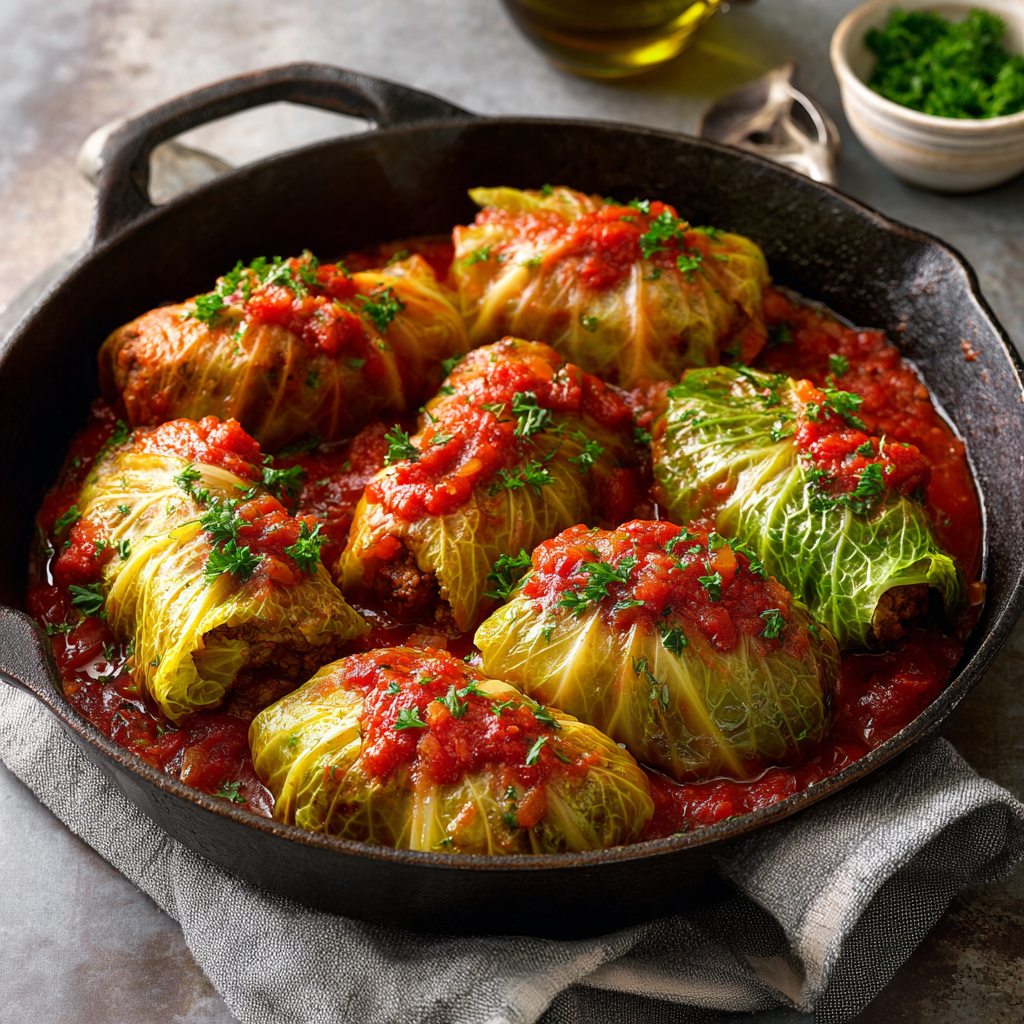
Classic Cabbage Rolls : Hearty, Comforting, and Made from Scratch
Classic Cabbage Rolls – Hearty, Comforting, and Made from Scratch
The Cozy Embrace of a Homemade Classic
Hey there, friend! Come on in, grab an apron, and let’s get something wonderfully comforting simmering in the oven. Today, we’re diving into one of those iconic dishes that feels less like a recipe and more like a warm, delicious hug: Classic Cabbage Rolls. If you’ve never made them before, you might think they’re complicated or old-fashioned. But trust me, once you experience the magic of tender cabbage wrapped around a savory, herby filling, all bathed in a rich tomato sauce, you’ll understand why this dish has been a beloved staple for generations.
This isn’t just food; it’s a feeling. It’s the smell that fills your kitchen and makes everyone wander in, asking, “Is it ready yet?” It’s the perfect make-ahead meal for busy weeks and the ultimate showstopper for a cozy Sunday dinner. Whether your family has passed down a version of this recipe for years or you’re discovering it for the first time, I’m so excited to walk you through it. We’re keeping it approachable, from the cabbage-leaf wrestling (it’s a rite of passage!) to that final, satisfying bake. So, preheat your oven and let’s turn simple ingredients into something absolutely unforgettable together.
Nana’s Kitchen & The First Roll
My love for cabbage rolls is deeply rooted in the memory of my Nana’s tiny, always-warm kitchen. She was a powerhouse of a woman who measured ingredients in “glugs” and “handfuls,” and her cabbage rolls were legendary at every family gathering. I remember standing on a step stool, peering over the counter as she deftly peeled blanched cabbage leaves. To my little-kid eyes, it looked like she was performing wizardry—transforming what I thought was a boring vegetable into soft, pliable wrappers for the most delicious filling I’d ever tasted.
The best part was the “quality control” bite. Before the rolls even hit the baking dish, she’d fry up a tiny patty of the meat-and-rice filling in a sizzling skillet, just for me to try. “We gotta make sure the magic’s in there, Livvy,” she’d say with a wink. That small ritual made me feel like a vital part of the process. Now, every time I core a cabbage or mix that filling, I’m right back in her kitchen. This recipe is my homage to her—a little more measured for clarity, but still packed with all the heart and soul of her original “glug and go” method.
Your Flavor Toolkit: Ingredients & Insights
Great food starts with understanding your ingredients. Here’s everything you’ll need, along with some tips to make this recipe truly yours.
For the Filling:
- 1 lb ground beef or pork (or a mix) – I love a 50/50 blend! The beef brings rich, savory depth, while the pork adds a touch of sweetness and incredible juiciness. For a leaner option, ground turkey or chicken works beautifully, just add an extra tablespoon of olive oil to the mix to keep it moist.
- ½ cup uncooked white rice – Use a long-grain variety like Jasmine or Basmati. It cooks perfectly inside the roll, absorbing all the meaty juices and tomato sauce flavor. Chef’s Insight: The rice is uncooked when you mix it in—it steams to perfection during the long bake!
- 1 small onion, finely chopped & 2 cloves garlic, minced – The aromatic foundation. Don’t rush the chopping here; you want these nice and fine so they integrate seamlessly into the filling.
- 1 egg – Our binder! It holds everything together so your rolls stay firm and sliceable.
- 1 tsp salt, ½ tsp black pepper, 1 tbsp chopped fresh parsley – Simple, classic seasoning. The fresh parsley adds a bright, grassy note. If you only have dried, use 1 tsp.
For the Cabbage:
- 1 large green cabbage – Look for one that feels heavy for its size with crisp, vibrant outer leaves. The core is our friend for easy leaf removal!
- Salt for boiling water – This helps soften the leaves and seasons them from the start.
For the Tomato Sauce:
- 1 can (15 oz) tomato sauce, 1 can (14.5 oz) diced tomatoes, 1 tbsp tomato paste – This trio creates a sauce with perfect body and texture. The tomato paste deepens the flavor, while the diced tomatoes give little pops of freshness. Fire-roasted diced tomatoes are a fantastic upgrade for a smoky twist.
- 1 tsp sugar – A tiny bit balances the acidity of the tomatoes without making the sauce sweet. Trust me on this!
- 1 tsp dried oregano, Salt and pepper to taste – Oregano is the classic herb here. Feel free to add a pinch of smoked paprika or thyme if you’re feeling adventurous.
Let’s Get Rolling: Step-by-Step Guide
Ready for the fun part? Let’s break it down. Don’t worry about perfection—rustic, hearty, and homemade is the goal!
- Prep the Cabbage Like a Pro: Bring a large pot of generously salted water to a rolling boil. While it heats, use a sharp paring knife to cut a deep circle around the core of the cabbage and remove it. This loosens the leaves! Gently peel off 12 of the largest outer leaves. Chef’s Hack: If the inner leaves are stubborn, you can carefully lower the whole cored cabbage into the boiling water for a minute, then peel. The heat will loosen them up! Blanch the leaves, 2-3 at a time, for 2-3 minutes until they are pliable and bright green. Immediately transfer them to a bowl of ice water to stop the cooking, then lay them flat on a clean kitchen towel to drain. Pat them dry—this helps the filling stick!
- Mix the Flavor-Packed Filling: In a large bowl, add your ground meat, uncooked rice, onion, garlic, egg, salt, pepper, and parsley. Now, get your hands in there! Mix everything together just until combined. Over-mixing can make the meat tough, so stop when you no longer see streaks of egg or big clumps of rice. Pro-Tip: Want to check your seasoning? Take a small spoonful of the mixture and microwave it for 20 seconds or pan-fry it. Taste and adjust the salt or pepper if needed.
- The Art of the Roll: Take a cabbage leaf and place it with the stem-end facing you. If the thick center rib is very prominent, you can carefully shave it down with a knife so it rolls easier. Place about 2-3 tablespoons of filling near the base. Fold the bottom flap up over the filling, then fold in the sides (like you’re starting a burrito!), and roll it up tightly towards the top of the leaf. The goal is a neat little package. Don’t stress if a little filling peeks out; they’ll still taste amazing.
- Whisk Up the Simple Sauce: In a medium bowl, combine the tomato sauce, diced tomatoes (with their juices), tomato paste, sugar, oregano, and a good pinch of salt and pepper. Whisk it all together until the tomato paste is fully dissolved. Give it a taste! This is your last chance to adjust the seasoning before the bake.
- Assemble & Bake to Perfection: Preheat your oven to 350°F (175°C). Spread about ½ cup of the tomato sauce on the bottom of a 9×13 inch baking dish. Arrange your cabbage rolls seam-side down in the dish, snuggling them close so they support each other. Pour the remaining sauce all over the top, making sure each roll gets some love. Cover the dish tightly with aluminum foil. Why tight? This creates a steamy environment that cooks the rice and tenderizes the cabbage. Bake for 1 hour. Then, the hardest part: let them rest, still covered, for 10 minutes after baking. This allows the rolls to set and the flavors to meld beautifully.
Setting the Scene: How to Serve
Presentation is part of the joy! I love serving these directly from the baking dish at the table—it’s so homey and inviting. Use a large spoon to lift out 2-3 rolls per person, making sure to get plenty of that luscious sauce. A final sprinkle of fresh chopped parsley or dill adds a gorgeous pop of color. For the ultimate comfort food plate, pair them with a big dollop of creamy mashed potatoes or buttery egg noodles to soak up every drop of sauce. A simple green salad with a bright vinaigrette on the side cuts through the richness perfectly. And don’t forget a chunk of crusty bread for mopping!
Make It Your Own: Delicious Twists
The beauty of this recipe is its adaptability. Here are a few ways to play with it:
- Vegetarian Delight: Swap the meat for a mix of cooked brown lentils and finely chopped mushrooms. Add an extra egg to help bind it. You’ll get a wonderfully earthy and satisfying filling.
- Greek-Inspired: Use ground lamb in the filling and add a teaspoon of dried mint. For the sauce, stir in a cinnamon stick before baking. The aroma is incredible!
- Low-Carb / Keto: Replace the rice with riced cauliflower. No need to pre-cook it! Just squeeze out any excess moisture from the cauliflower rice before mixing it in.
- “Unstuffed” Casserole: Short on time? Chop the blanched cabbage, layer it in the dish with the raw filling mixture and sauce, and bake. All the flavor, half the work!
- Tangy Sweet & Sour: Add ¼ cup of raisins to the filling and use a sauce made with tomato sauce and a few tablespoons of apple cider vinegar and brown sugar.
From My Kitchen to Yours: Chef’s Notes
This recipe has been my kitchen companion for years, and it’s evolved with me. My biggest “aha” moment was realizing I could freeze the whole, unbaked dish (just hold off on the sauce on top until you’re ready to bake). It’s my secret weapon for new parents or busy friends. I just write “Bake at 350°F, covered, for 1.5 hours from frozen” on the foil with a Sharpie.
And a funny story: I once tried to impress a date by making these, only to discover my cabbage was…let’s say, exceptionally fragrant. The whole apartment smelled like a sulfur spring for days! We laughed about it, and he still married me, so I guess the rolls won him over. The moral? Always smell your cabbage at the store and choose a fresh, tight one. These little kitchen adventures are what make cooking so human and so much fun.
Your Questions, Answered
Q: My cabbage leaves keep tearing! How can I get them off in one piece?
A: This is the most common hurdle! First, make sure your core removal cut is deep enough—about 1-2 inches into the cabbage. If they’re still stubborn, try freezing the whole cabbage overnight. Thaw it completely, and the leaves will be wilted and pliable, ready to peel without blanching. If you do get a tear, don’t panic. You can often patch it with a small piece of another leaf, or simply place two smaller leaves together, overlapping them to create a “wrap.”
Q: Can I use pre-cooked rice?
A> You can, but the texture will be different. If using cooked rice, reduce the amount to about 1 ½ cups packed. Be aware that the rolls might be a bit softer, as the rice won’t absorb as much liquid. The baking time remains the same.
Q: My rolls came out a bit dry. What happened?
A> A few things can cause this: 1) The meat was very lean. Next time, use a mix with more fat or add a glug of olive oil to the filling. 2) The foil wasn’t sealed tightly, letting steam escape. Press the foil right against the sauce around the edges. 3) Overbaking. Ovens vary, so start checking at the 50-minute mark. The rolls should be tender when pierced with a knife.
Q: Can I make these ahead of time?
A> Absolutely! They are a fantastic make-ahead meal. Assemble the rolls in the dish, cover with sauce, and refrigerate for up to 24 hours before baking. You may need to add 10-15 minutes to the bake time since you’re starting from cold. You can also freeze the unbaked, sauced dish for up to 3 months.

Classic Cabbage Rolls : Hearty, Comforting, and Made from Scratch
Description
Classic Cabbage Rolls
Hearty, Comforting, and Made from Scratch
Hey there, friend! If comfort food had a signature dish, this would be it. Classic Cabbage Rolls are tender, savory, and wrapped in pure nostalgia. Soft cabbage leaves cradle a flavorful meat-and-rice filling, all baked gently in a rich tomato sauce until everything is cozy, juicy, and deeply satisfying.
Ingredients
For the Filling
-
1 lb ground beef, pork, or a mix
-
½ cup uncooked long-grain white rice
-
1 small onion, finely chopped
-
2 garlic cloves, minced
-
1 large egg
-
1 teaspoon salt
-
½ teaspoon black pepper
-
1 tablespoon fresh parsley, chopped (or 1 teaspoon dried)
For the Cabbage
-
1 large green cabbage
-
Salt, for boiling water
For the Tomato Sauce
-
1 (15 oz) can tomato sauce
-
1 (14.5 oz) can diced tomatoes (with juices)
-
1 tablespoon tomato paste
-
1 teaspoon sugar
-
1 teaspoon dried oregano
-
Salt and black pepper, to taste
Instructions
1. Prepare the Cabbage
Bring a large pot of salted water to a boil. Cut around the core of the cabbage and remove it.
Carefully peel off 12 large outer leaves. Blanch leaves 2–3 at a time for 2–3 minutes until soft and pliable.
Transfer to ice water, then drain and pat dry.
Tip: If the thick rib is very firm, shave it down slightly for easier rolling.
2. Make the Filling
In a large bowl, combine ground meat, uncooked rice, onion, garlic, egg, salt, pepper, and parsley.
Mix gently just until combined—do not overmix.
Optional check: Cook a small spoonful to taste and adjust seasoning.
3. Roll the Cabbage
Place a cabbage leaf flat with the stem end facing you.
Add 2–3 tablespoons of filling near the base.
Fold bottom up, fold in sides, and roll tightly.
Repeat with remaining leaves.
4. Make the Sauce
In a bowl, whisk together tomato sauce, diced tomatoes, tomato paste, sugar, oregano, salt, and pepper.
5. Assemble and Bake
Preheat oven to 350°F (175°C).
Spread ½ cup of sauce in the bottom of a 9×13-inch baking dish.
Arrange rolls seam-side down. Pour remaining sauce over the top.
Cover tightly with foil and bake for 1 hour.
Let rest 10 minutes before serving.
Serving Suggestions
-
Mashed potatoes or buttered egg noodles
-
Crusty bread for soaking up sauce
-
Simple green salad for balance
-
Fresh parsley or dill on top
Notes
-
Use uncooked rice—it cooks perfectly inside the rolls
-
Seal foil tightly to keep steam inside
-
Don’t rush the blanching—pliable leaves roll best
-
Leftovers taste even better the next day
Nutritional Information*
*Estimated values per serving (2 rolls).
Calories: 360 | Protein: 24g | Carbohydrates: 25g | Dietary Fiber: 5g | Sugars: 6g | Fat: 18g | Saturated Fat: 6g | Sodium: 540mg
Final Thoughts: More Than Just a Meal
Classic cabbage rolls are so much more than the sum of their humble parts. They are a testament to the power of home cooking—a dish that transforms simple, affordable ingredients into something nourishing for both body and soul. Yes, there’s a bit of hands-on work involved, but that’s where the magic happens. In the gentle folding of a leaf, in the patient simmering, you’re not just making dinner; you’re creating a memory.
This recipe is a keeper, a blueprint you can return to again and again, adapting it to your taste and the contents of your pantry. It teaches foundational skills, rewards a little patience, and delivers immense comfort. Whether it becomes your new Sunday tradition, your go-to potluck contribution, or a dish you make to share care with a friend, it carries a legacy of warmth.

Flavorful Peruvian Chicken with Green Sauce : Bold, Smoky, and Addictively Good
The Smell That Promises an Adventure: Welcome to Peruvian Chicken Night
Hey there, friend! Come on in, pull up a stool. Can you smell that? It’s the scent of garlic and cumin toasting in the oven, the bright zing of lime, and the herby promise of cilantro. That, my friends, is the soundtrack to one of my absolute favorite weeknight (or any-night!) escapes: Flavorful Peruvian Chicken with Green Sauce. This isn’t just roasted chicken; this is a passport stamp on a plate. It’s juicy, spice-crusted chicken that gives way to a sauce so vibrant, so creamy, and so downright addictive that you’ll be looking for things to put it on for days. (Spoiler: it’s good on everything.)
I know the idea of “world cuisine” can sometimes feel intimidating, like it requires a pantry overhaul or a degree in spice blending. But trust me on this one. This dish is all about bold, simple flavors coming together in the most magical way. We’re talking smoky paprika, earthy cumin, a kick of fresh chile, and the bright freshness of lime—all working in harmony. It’s the kind of meal that feels like a celebration, but is utterly doable on a Wednesday. So, tie on your apron (messy is totally welcome here), and let’s turn your kitchen into a little corner of Peru. I promise, your taste buds will thank you.
The Dinner Party That Started It All
My love affair with this dish began not in a fancy restaurant, but at a packed, noisy, incredibly warm dinner party at my friend Marco’s apartment years ago. His abuelita was visiting from Lima, and she had taken over his tiny kitchen with the confident calm of a five-star general. The air was thick with the smells I just described to you. I watched, mesmerized, as she massaged the chicken with a paste she’d made in a molcajete, laughing and chatting without a recipe in sight.
The real “wow” moment came when she whipped out this electric green sauce from the blender. She handed me a spoonful with a wink. One taste and my eyes went wide. It was cool yet spicy, herby yet rich, and had this unbelievable depth that made you immediately go back for more. That night, we ate with our hands, laughing, dripping sauce everywhere, and sopping it all up with crusty bread. It was more than a meal; it was a connection, a story shared through food. I begged for the recipe, and while I’ve made it my own over the years, every time I make this green sauce, I’m right back at that loud, joyful table, reminded that the best recipes are the ones that gather people and create memories.
Gathering Your Flavor Arsenal
Here’s the beautiful part: the ingredient list is straightforward, but each one plays a starring role. Let’s break it down so you feel like a pro before we even start cooking.
For the Peruvian Chicken:
- 4–6 bone-in, skin-on chicken thighs: The MVP! Thighs are forgiving and stay incredibly juicy. The skin gets beautifully crispy, creating the perfect texture contrast. Chef’s Insight: If you prefer, use a whole spatchcocked chicken! Just increase the marinade slightly and adjust cooking time.
- 2 tbsp olive oil: Our marinade base. It helps the spices cling and promotes that gorgeous browning.
- Juice of 1 lime: Fresh is non-negotiable here! The acidity tenderizes the chicken and cuts through the richness.
- 4 garlic cloves, minced: The flavor foundation. Don’t be shy!
- 1½ tsp ground cumin: Brings that warm, earthy, quintessential Latin American flavor. Toasting it in the marinade wakes it right up.
- 1 tsp smoked paprika: This is the secret to the “smoky” descriptor. It adds a beautiful depth that regular paprika just can’t match.
- 1 tsp dried oregano: Use Mexican or Italian oregano. It adds a subtle, aromatic layer.
- ½ tsp ground coriander: Has a slight citrusy, floral note that complements the cumin beautifully.
- Salt & pepper to taste: Season generously! This is your chance to flavor the chicken from the inside out.
For the Peruvian Green Sauce (Ají Verde):
- 1 cup fresh cilantro leaves & stems: The heart and soul. Stems have tons of flavor, so don’t waste them! If you’re in the “cilantro tastes like soap” camp, substitute flat-leaf parsley, but know the character will change.
- 1–2 jalapeños or 1 ají amarillo: For authentic heat, seek out ají amarillo paste in a Latin market. Jalapeños are a perfect, accessible substitute. Pro-Tip: Leave the seeds in one for more heat, remove them all for a milder sauce.
- 1 garlic clove: A fresh pop for the sauce.
- ¼ cup mayonnaise: Creates the luxurious, creamy body. Use a good-quality mayo you like.
- ¼ cup Greek yogurt or sour cream: Adds tang and lightens up the mayo. Greek yogurt is my go-to for a little protein boost.
- 1 tbsp lime juice: Brightens all the herbal flavors.
- 1 tbsp olive oil: Helps emulsify and adds silkiness.
- Salt, to taste: Crucial for balancing the sauce. You’ll likely need more than you think.
- Optional: 1 tbsp grated parmesan cheese: My little “chef’s secret” add. It melts into the sauce, adding an incredible umami savoriness that makes it even more addictive.
Let’s Get Cooking: Step-by-Step to Flavor Town
Ready? This is where the magic happens. We’re going to marinate, roast, and blend our way to glory.
- Marinate the Chicken: In a bowl big enough to hold your chicken, whisk together the olive oil, lime juice, minced garlic, cumin, smoked paprika, oregano, coriander, salt, and pepper. It’ll look and smell amazing already. Add the chicken thighs and, using your hands (the best tools!), massage that flavorful paste all over every nook and cranny, especially under the skin. Get in there! Chef’s Hack: Place the chicken in a large zip-top bag with the marinade. Seal it and squish it around—minimal mess, maximum coverage! Let it hang out in the fridge for at least 30 minutes, but oh, if you can plan ahead… letting it marinate overnight will make the flavor penetrate deeply. It’s a game-changer.
- Cook the Chicken (Oven Method): Preheat your oven to 425°F (220°C). Take the chicken out of the fridge about 20 minutes before cooking to take the chill off—this helps it cook more evenly. Place the thighs skin-side up on a baking sheet lined with foil or parchment (for easy cleanup). Make sure they’re not crowded so the skin can crisp up. Roast for 35-40 minutes, until the skin is deeply golden, crispy, and the internal temperature hits 165°F when checked with a meat thermometer. Pro-Tip: If you want EXTRA crispy skin, switch your oven to broil for the last 2-3 minutes and watch it like a hawk!
- Make the Green Sauce: While the chicken is roasting, make your superstar sauce. It’s so easy. Simply combine the cilantro, jalapeño(s), garlic, mayo, Greek yogurt, lime juice, olive oil, salt, and that optional parmesan in a blender or food processor. Blend until it’s completely smooth and vibrant green. Stop, scrape down the sides, and taste. This is your moment! Need more salt? More lime? A pinch more heat? Adjust it to your heart’s content. Pour it into a bowl and pop it in the fridge. The flavors get even better as they mingle.
- Rest and Serve: Once the chicken is out of the oven, let it rest for 5-10 minutes on the pan. This lets the juices redistribute so every bite is succulent, not dry. This is a chef’s rule you never want to skip!
Bringing It All to the Table
Presentation is part of the fun! I love serving this family-style for that “gather round” feeling. Spread a big bed of fluffy white rice (or cilantro-lime rice for extra punch!) on a large platter. Nestle those gorgeous, crispy chicken thighs right on top. Now, take that bowl of green sauce and either drizzle it generously over everything or serve it right on the side in a little bowl with a spoon—because people will want extra. Scatter some fresh cilantro leaves over the top and wedge a few lime halves around the edges. The final touch? A big, confident squeeze of lime over everything right at the table. Dig in!
Make It Your Own: Fun Twists & Swaps
This recipe is a fantastic canvas. Here’s how to play with it:
- Grill It! For incredible smoky flavor, cook the marinated chicken on a medium-high grill (or grill pan) until cooked through and charred in spots.
- Spice Level Play: For a milder sauce, use a poblano pepper. For a fruity, unique heat, add a spoonful of chopped habanero (carefully!).
- Dairy-Free/Different Creamy Base: Swap the mayo and yogurt for ½ cup of vegan mayo or even ripe, mashed avocado for a super fresh, green version.
- Veggie-Packed: Add a handful of baby spinach or arugula to the blender with the cilantro for an extra nutrient boost in your sauce.
- Leftover Magic: Shred the leftover chicken, mix it with more green sauce, and stuff it into warm tortillas or lettuce cups for epic next-day tacos.
Olivia’s Kitchen Notes & Stories
This recipe has been on quite a journey in my kitchen! The first time I made it alone, I was so nervous I quadruple-checked every measurement. Now, I make the marinade by feel and taste, and the sauce is a “little of this, little of that” affair. It’s become my go-to for impressing guests without stress—it always gets rave reviews and recipe requests.
A funny story: I once accidentally used hot paprika instead of smoked. Let’s just say we had VERY spicy Peruvian chicken that night! We powered through with extra yogurt in the sauce and lots of laughter. It’s a good reminder that cooking is an adventure, and even the “mistakes” can be delicious. The green sauce has also evolved. The parmesan cheese was a happy accident one day when I was cleaning out the fridge, and now I can’t imagine it without that savory depth. Don’t be afraid to make it your own!
Your Questions, Answered!
Q: My green sauce turned out too runny. What did I do wrong?
A: No worries! This usually happens if the herbs are very wet or if you added a bit too much lime/oil. The fix is easy: add more mayo or Greek yogurt, a tablespoon at a time, and blend again until it thickens up. You can also add a few more cilantro leaves.
Q: Can I use chicken breasts instead of thighs?
A> You can, but be extra vigilant. Boneless, skinless breasts cook much faster and can dry out. If using them, reduce the oven time to 20-25 minutes and use a meat thermometer to pull them out at 165°F exactly. I’d recommend keeping the skin on for bone-in breasts for better flavor and moisture.
Q: How long does the green sauce last in the fridge?
A> It keeps beautifully for up to 5 days in a sealed container. The color may darken slightly, but the flavor is still fantastic. It’s amazing on eggs, sandwiches, roasted veggies, or as a dip.
Q: I don’t have a blender. Can I make the sauce?
A> Yes! You can make a more rustic version by very finely chopping the cilantro and jalapeño, then whisking everything together in a bowl. It won’t be super smooth, but it will still be incredibly tasty.

Flavorful Peruvian Chicken with Green Sauce : Bold, Smoky, and Addictively Good
Description
Hey there, friend! If dinner ever needs to feel like a mini escape, this Peruvian Chicken with Green Sauce is your ticket. The aroma alone—garlic, cumin, lime, and smoky paprika—sets the mood before the first bite. Juicy, spice-rubbed chicken pairs with a vibrant, creamy green sauce that’s fresh, tangy, and completely addictive.
Ingredients
For the Peruvian Chicken
-
4–6 bone-in, skin-on chicken thighs
-
2 tablespoons olive oil
-
Juice of 1 lime
-
4 garlic cloves, minced
-
1½ teaspoons ground cumin
-
1 teaspoon smoked paprika
-
1 teaspoon dried oregano
-
½ teaspoon ground coriander
-
Salt and freshly ground black pepper, to taste
For the Creamy Green Sauce
-
1 cup fresh cilantro (leaves and tender stems)
-
1–2 jalapeños (seeds removed for mild, kept for heat)
-
1 garlic clove
-
¼ cup mayonnaise
-
¼ cup Greek yogurt or sour cream
-
1 tablespoon lime juice
-
1 tablespoon olive oil
-
Salt, to taste
-
Optional: 1 tablespoon grated Parmesan cheese
Instructions
1. Marinate the Chicken
In a large bowl, whisk together olive oil, lime juice, garlic, cumin, smoked paprika, oregano, coriander, salt, and pepper. Add chicken and massage the marinade all over, including under the skin.
Cover and marinate for at least 30 minutes (overnight for best flavor).
2. Roast the Chicken
Preheat oven to 425°F (220°C).
Arrange chicken skin-side up on a lined baking sheet, leaving space between pieces.
Roast for 35–40 minutes, until skin is crispy and internal temperature reaches 165°F (74°C).
Optional: Broil for 2–3 minutes at the end for extra crispiness (watch closely).
Let rest for 5–10 minutes before serving.
3. Make the Green Sauce
While the chicken cooks, add all green sauce ingredients to a blender or food processor.
Blend until smooth and vibrant. Taste and adjust salt, lime, or heat as needed.
Chill until ready to serve—flavor improves as it rests.
Serving Suggestions
-
Serve over steamed white rice or cilantro-lime rice
-
Add roasted potatoes or corn on the cob
-
Drizzle sauce generously—or serve on the side for dipping
-
Finish with fresh cilantro and extra lime wedges
Notes
-
Chicken thighs are best for juiciness and flavor
-
Fresh lime juice matters—it brightens everything
-
Let the sauce rest at least 10 minutes for best flavor
-
Salt the sauce well—it brings all the herbs to life
Nutritional Information (Approximate, per serving with sauce)
Calories: 460 | Protein: 30g | Fat: 34g | Carbohydrates: 6g | Fiber: 1g | Sugar: 1g | Sodium: 360mg
Final Thoughts: More Than Just a Meal
So there you have it—the story, the spices, and the steps to one of my kitchen’s greatest hits. But this Peruvian chicken is more than just a collection of ingredients and instructions. It’s a reminder of what I love most about cooking: its power to transport, connect, and delight.
Every time the scent of toasted cumin and garlic fills my kitchen, I’m reminded that adventure doesn’t require a plane ticket. Sometimes, it’s waiting in a paste of smoked paprika and lime, or whirring away in a blender until it turns electric green. This dish is a celebration of bold, uncomplicated flavors that work in perfect harmony. It proves that “global” cooking can be wonderfully approachable, and that the most memorable meals are often the ones shared with laughter and maybe a little sauce on your chin.
I hope this recipe becomes more than just a dinner in your home. I hope it becomes a conversation starter at your table, a solution for a busy Tuesday, and a reason to gather friends on a Friday. Most of all, I hope it inspires you to play, to taste fearlessly, and to create your own delicious stories.
Now, go forth, roast that chicken, and blend that sauce. Your flavor adventure awaits.
With love from my kitchen to yours,
Olivia

Pesto Chicken Tortellini Skillet with Asparagus and Tomatoes
Pesto Chicken Tortellini Skillet: Your New Favorite 30-Minute Dinner
Hey there, friend! Come on in, pull up a stool, and let me tell you about the dinner that’s been on repeat in my kitchen lately. You know those nights when you crave something that feels special, vibrant, and deliciously comforting, but the clock is loudly ticking past 6 PM? Yeah, me too. That’s exactly why I created this Pesto Chicken Tortellini Skillet.
Imagine this: tender bites of chicken, plush cheese-filled tortellini, crisp-tender asparagus, and sweet, juicy tomatoes, all dancing together in a glorious, fragrant basil pesto sauce. And the best part? It all happens in one single skillet in about 30 minutes. This isn’t just a meal; it’s a burst of sunshine on a plate. It’s the kind of dish that makes everyone at the table lean in for a second helping, and makes you, the brilliant cook, look like a total rockstar with minimal fuss.
Whether you’re a seasoned home cook or just finding your way around a sauté pan, this recipe is for you. It’s forgiving, flexible, and packed with tips from my kitchen to yours. So, tie on that apron (the messy one is welcome here!), and let’s make something incredibly tasty together.
Why This Skillet Holds a Special Place in My Heart
This recipe always takes me right back to my first tiny apartment kitchen. It was the size of a postage stamp, with exactly one usable burner and a window that looked out onto a fire escape. But when spring would hit the city, the farmers’ markets would explode with the most beautiful bundles of asparagus and pints of cherry tomatoes that looked like little gems.
I lived for those market hauls. One particular Saturday, I had friends coming over last-minute, and my budget (and kitchen space) was limited. I had some chicken, a package of tortellini from the corner deli, pesto in my fridge, and that beautiful market produce. In a moment of “what do I have to lose?” energy, I tossed it all in my one decent skillet. The smell of garlicky pesto and roasting vegetables filled my whole apartment, and my friends’ faces when I brought that colorful, steaming pan to the fold-out table… pure magic. It was a reminder that the best meals aren’t about perfection; they’re about flavor, color, and sharing. That’s the spirit I want you to bring to your kitchen tonight.
Gathering Your Flavor Crew
Here’s your shopping list for this flavor party. Don’t stress about exactitudes—cooking is about intuition! I’ve included my favorite tips and swaps for each ingredient.
- 1 lb boneless, skinless chicken breast, cut into bite-sized pieces: The protein anchor. Cutting it evenly ensures everything cooks at the same time. Chef’s Tip: For even more flavor, you can use chicken thighs! They’re juicier and a bit more forgiving if you overcook them slightly.
- 1 tbsp olive oil: Our cooking workhorse. It adds a subtle fruitiness and prevents sticking.
- Salt and freshly ground black pepper to taste: The fundamental flavor boosters. Please, please season your chicken well before it hits the pan—it makes all the difference.
- 1½ cups cherry or grape tomatoes, halved: I love a mix of red and yellow for maximum color pop! They burst slightly in the heat, creating little pockets of sweet, acidic juice that becomes part of the sauce. Substitution: Sun-dried tomatoes (packed in oil, chopped) will add an intense, sweet-savory punch.
- 1 bunch of asparagus, trimmed: The taste of spring! Look for firm, bright green stalks with tight tips. To trim, just snap the woody ends off—they’ll naturally break where the tough part begins.
- 1 package (about 9 oz) refrigerated cheese tortellini: The comforting, cheesy heart of the dish. I love the three-cheese blend. Chef’s Insight: Using refrigerated (not dried) tortellini is key here for the quick cook time and tender texture. Feel free to use spinach tortellini or mushroom tortellini for a different twist!
- ⅓ cup pesto (homemade or a good-quality store-bought): The flavor superstar. A vibrant pesto brings the basil, garlic, pine nut, and parmesan party. Pro Tip: If you’re using store-bought, give it a taste first. Sometimes I stir in an extra handful of freshly grated parmesan or a squeeze of lemon juice to brighten it up.
- Optional: Freshly grated Parmesan cheese and a sprinkle of red pepper flakes for serving: The finishing touches! The parmesan adds a salty, umami-rich finish, and a pinch of red pepper flakes gives the slightest warmth.
Let’s Get Cooking: Your Foolproof Steps to Skillet Success
Ready? Let’s turn these beautiful ingredients into dinner. I’ll walk you through each step with all my favorite kitchen hacks to ensure perfection.
- Prep is Power: Before you even turn on the stove, do all your chopping! Cut the chicken into 1-inch cubes, halve the tomatoes, and trim the asparagus. This “mise en place” (everything in its place) makes the cooking process feel like a smooth, relaxing dance instead of a frantic scramble. My Little Hack: Season your chicken pieces generously with salt and pepper while they’re on the cutting board. This gives the seasoning time to penetrate.
- Cook the Tortellini: Bring a pot of salted water to a boil and cook the tortellini according to the package directions for *al dente* (usually just 2-3 minutes for fresh). Drain it, but do not rinse! That tiny bit of starch helps the pesto cling to every nook and cranny. Set it aside. Chef’s Whisper: I sometimes drizzle a tiny bit of olive oil over the drained tortellini and give it a gentle toss to prevent sticking while it waits.
- Brown That Chicken: Heat the olive oil in a large skillet (I use a 12-inch cast iron or stainless steel) over medium-high heat. Once the oil shimmers, add the chicken in a single layer. Don’t crowd the pan! We want a golden sear, not steam. Cook for 3-4 minutes per side until beautifully browned and cooked through. Transfer the chicken to a clean plate. See those golden bits left in the pan? That’s flavor gold—we’re building our sauce right there.
- Sauté the Veggies: In that same glorious skillet (no need to wash it!), add the asparagus spears. Sauté for 4-5 minutes, until they turn bright green and are tender-crisp. You should be able to pierce them with a fork, but they should still have a pleasant snap. Now, add the halved tomatoes and cook for just 1-2 minutes more. We want them warmed through and just starting to soften and release their juices, but not completely mushy.
- The Grand Reunion: Return the cooked chicken (and any juices from the plate!) to the skillet. Add the cooked tortellini. Dollop the pesto over everything. Here’s the fun part: using a gentle folding motion, toss everything together until every piece of chicken, tortellini, and vegetable is lovingly coated in that vibrant green sauce. Let it heat through for a final minute or two, so all the flavors get to know each other.
Plating Your Masterpiece
Serving this is a joy. I love to bring the whole skillet right to the table—it’s rustic, inviting, and means fewer dishes to wash! Use a big spoon to scoop generous portions into shallow bowls. The final flourish is everything: a generous shower of freshly grated Parmesan cheese, a few cracks of black pepper, and maybe a pinch of red pepper flakes for those who like a kick. A simple green salad with a lemon vinaigrette or a slice of crusty, warm bread to soak up any extra sauce is the perfect sidekick.
Make It Your Own: Delicious Twists & Swaps
This recipe is a fantastic canvas! Here are a few ways to play with it:
- “Creamy Dreamy” Version: Stir in ¼ cup of heavy cream or full-fat coconut milk with the pesto for an ultra-luxurious, creamy sauce.
- Seafood Swap: Replace the chicken with large shrimp or scallops. Cook them quickly (just 1-2 minutes per side) before setting aside and adding back at the end.
- Vegetarian/Vegan Delight: Omit the chicken. Use vegan cheese tortellini and a dairy-free pesto. For extra protein, add a can of drained and rinsed white beans or chickpeas when you add the tortellini.
- Summer Squash Slam: In peak summer, swap the asparagus for sliced zucchini or yellow squash. Sauté just until tender.
- Lemon Zest Zing: Add the zest of one lemon when you add the pesto. It brightens the whole dish phenomenally.
From My Kitchen to Yours: A Few Parting Thoughts
This skillet dinner has evolved from that scrappy apartment meal into my ultimate back-pocket dinner party savior. Over the years, I’ve learned a few things: don’t skimp on searing the chicken, embrace the colorful veggies, and always, always make a little extra because someone will inevitably want seconds. One funny fail? I once tried to shortcut by cooking the raw tortellini directly in the skillet with broth. Friends, it was a starchy, gloppy mess. Lesson learned: boil the pasta separately for the perfect texture.
The beauty of this recipe is in its simplicity and adaptability. It’s a reflection of how I love to cook: with heart, a bit of intuition, and a focus on ingredients that make you smile. I hope it becomes a trusted friend in your recipe rotation, too.
FAQs & Kitchen Rescue Tips
Q: Can I make this ahead of time?
A: You can prep the components! Cook the tortellini, chop the veggies, and cube the chicken ahead (store them separately). When ready to eat, just sauté and combine. The assembled dish is best eaten fresh, as the tortellini can soak up the sauce and soften over time.
Q: My pesto seems thick and isn’t coating everything well. Help!
A: No problem! Pesto can vary in thickness. Simply thin it out with a tablespoon or two of the pasta cooking water, a splash of olive oil, or even a little lemon juice before adding it to the skillet. This will help it become a silky sauce that coats everything beautifully.
Q: Can I use frozen tortellini?
A: You can, but you’ll need to adjust the method. Boil the frozen tortellini separately according to package directions first. Don’t add it to the skillet frozen, as it will release too much starch and water and won’t cook evenly with the other ingredients.
Q: My asparagus is either too crunchy or too mushy. What’s the secret?
A> The key is the size of your asparagus and the heat of your pan. For standard spears, 4-5 minutes over medium heat is perfect. If your spears are very thick, consider slicing them in half lengthwise. If they’re super thin (pencil asparagus), reduce the cook time to 2-3 minutes. You want that vibrant green color and a tender-crisp bite.
Pesto Chicken Tortellini Skillet with Asparagus and Tomatoes
Description
Hey there, friend! This is one of those dinners that looks like you tried really hard—but secretly comes together in about 30 minutes, all in one skillet. Juicy chicken, cheesy tortellini, crisp asparagus, and sweet tomatoes are tossed in vibrant basil pesto for a meal that feels fresh, comforting, and a little bit fancy.
Ingredients
-
1 lb (450 g) boneless, skinless chicken breast, cut into bite-size pieces
-
1 tablespoon olive oil
-
Salt and freshly ground black pepper, to taste
-
1½ cups cherry or grape tomatoes, halved
-
1 bunch asparagus, trimmed and cut into 2-inch pieces
-
1 package (about 9 oz / 250 g) refrigerated cheese tortellini
-
⅓ cup basil pesto (homemade or good-quality store-bought)
Optional for serving:
-
Freshly grated Parmesan cheese
-
Red pepper flakes
Instructions
-
Cook the tortellini
Bring a pot of well-salted water to a boil. Cook tortellini according to package directions until al dente. Drain and set aside (do not rinse). -
Season and cook the chicken
Season chicken generously with salt and pepper. Heat olive oil in a large skillet over medium-high heat. Add chicken in a single layer and cook 3–4 minutes per side until golden and cooked through. Remove to a plate. -
Sauté the vegetables
In the same skillet, add asparagus and sauté for 4–5 minutes until bright green and tender-crisp. Add tomatoes and cook 1–2 minutes, just until slightly softened. -
Bring it all together
Return chicken (and any juices) to the skillet. Add cooked tortellini and pesto. Gently toss until everything is evenly coated and warmed through, about 1–2 minutes. -
Serve
Taste and adjust seasoning. Serve hot with Parmesan and red pepper flakes if desired.
Notes
-
Use refrigerated tortellini for the best texture and fastest cooking time
-
Don’t crowd the chicken—a good sear equals better flavor
-
Thin thick pesto with a splash of pasta water, olive oil, or lemon juice
-
Cut asparagus evenly so it cooks at the same rate
Nutritional Information*
*This is an estimate for informational purposes, based on the specific ingredients listed and using a nutrition calculator.
- Prep Time: 10 minutes
- Cook Time: 20 minutes
- Total Time: 30 minutes
- Servings: 4
Estimated Per Serving: Calories: 480 | Protein: 35g | Carbohydrates: 34g | Dietary Fiber: 5g | Sugars: 4g | Fat: 22g | Saturated Fat: 5g | Sodium: 590mg
Final Thoughts: More Than Just a Meal
So, there you have it—the story, the steps, and the secrets behind my beloved Pesto Chicken Tortellini Skillet. But more than just a recipe, I hope this gives you a little slice of confidence and joy in the kitchen.
Remember, the magic isn’t in following the instructions perfectly. It’s in the sizzle of the chicken hitting the pan, the vibrant green of the pesto coating every bite, and the simple pleasure of gathering around a table to share something made with your own two hands. This recipe is a reminder that a truly great dinner doesn’t have to be complicated. It just has to be made with a bit of heart (and one trusty skillet).
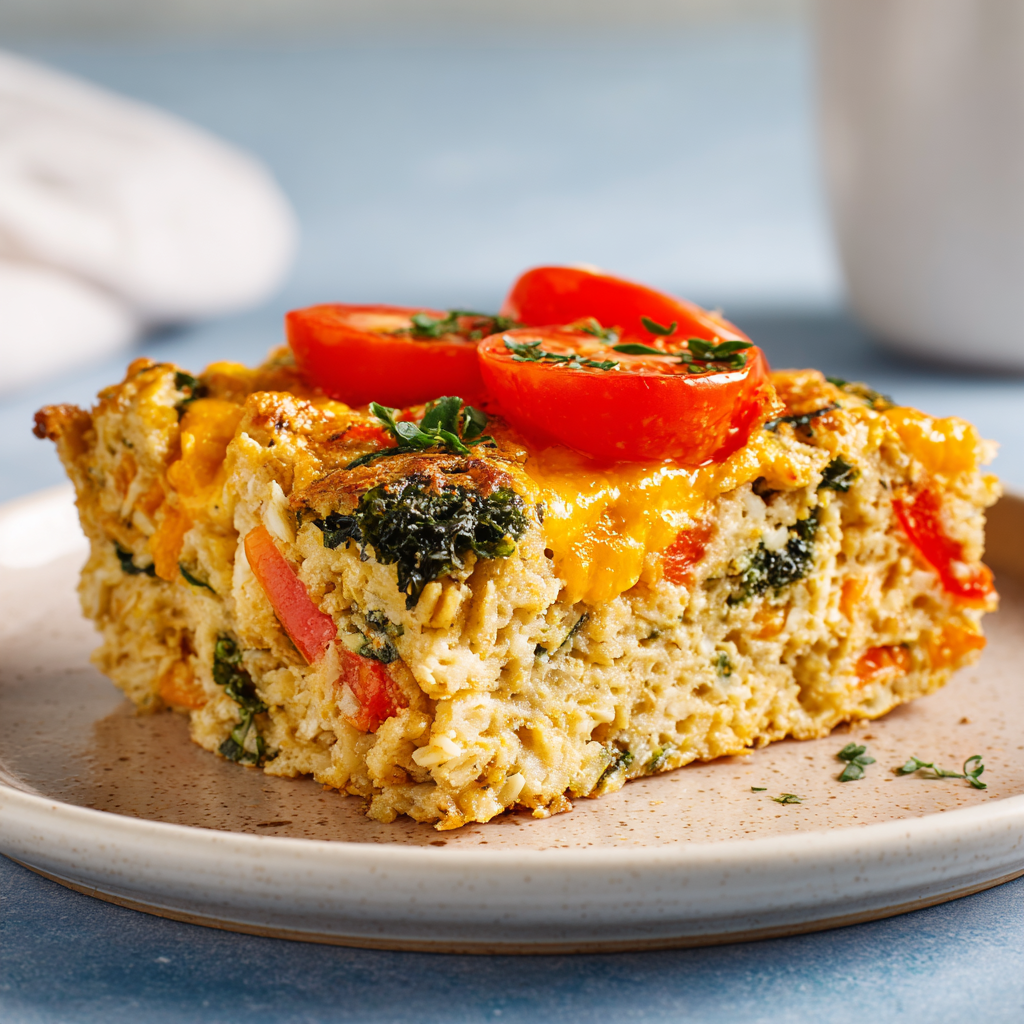
Savory Veggie-Packed Oatmeal Bake : A Wholesome Breakfast Twist
Say Goodbye to Boring Breakfasts: My Savory Veggie-Packed Oatmeal Bake
Hey there, kitchen friend! Olivia here. Can we have a real, cozy-kitchen-counter chat about breakfast for a second? I love a fluffy pancake or a perfect slice of banana bread as much as the next person, but sometimes, first thing in the morning, my body just craves something hearty, savory, and packed with staying power. Something that feels like a warm hug but fuels my day like a superhero. Enter the humble oat.
We all know oats are a breakfast superstar, but if your mind immediately jumps to a bowl of sweet, mushy porridge, I’m about to rock your world. What if I told you that oats could be the base for a dish that’s more like a rustic, vegetable-studded frittata or a crustless quiche? A dish that bakes up golden, slices beautifully, and can be enjoyed hot from the oven or grabbed straight from the fridge on a frantic Tuesday morning? That, my friend, is the magic of this Savory Veggie-Packed Oatmeal Bake.
This recipe is for anyone who’s tired of the sugar crash, who needs a meal-prep hero, or who just wants to start their day feeling genuinely nourished. It’s a forgiving, flexible formula that celebrates whatever veggies are wilting in your crisper drawer and turns them into something truly special. So, tie on your favorite apron (the slightly flour-dusted one is a mood), preheat your oven, and let’s transform the way you think about breakfast together. This isn’t just food; it’s a delicious, feel-good strategy for busy, beautiful mornings.
The Breakfast Rebellion: How This Bake Was Born
This recipe has a little bit of a rebellious origin story. Picture it: me, a few years back, staring into my pantry at the giant canister of rolled oats. I’d just come back from a trip where breakfast was a daily feast of savory delights—think shakshuka, cheesy egg bakes, and herby frittatas. My sweet oatmeal routine suddenly felt… one-note. I missed those bold, savory flavors first thing in the AM!
My mom, the queen of practical kitchen wisdom, always said, “Hunger is the best spice, but creativity is a close second.” One Sunday, faced with a carton of eggs, some wilting spinach, and that same canister of oats, I decided to experiment. What if I treated oats like I would bread in a strata? I whisked, I folded, I poured, and I held my breath as it baked. The smell that filled my kitchen was unreal—toasty, herby, and deeply savory. That first warm, cheesy, veggie-packed slice was a revelation. It was the comfort of oatmeal married with the satisfaction of a hearty bake. It was my personal breakfast rebellion, and it was a delicious success. Now, it’s a weekly ritual, and I’m so thrilled to share that “a-ha!” moment with you.
Gathering Your Flavor Crew: Ingredients & Insights
Here’s your cast of characters! The beauty of this bake is its flexibility, so think of this list as a fantastic blueprint. I’ll give you the why behind each one and plenty of swaps so you can make it your own.
- 2 cups rolled oats (old-fashioned oats): This is our sturdy, fiber-rich foundation. Rolled oats give the perfect texture—they soften and become tender without turning to mush. Chef’s Insight: Don’t use quick oats or steel-cut here; quick oats will get too soft, and steel-cut won’t cook through in time.
- 1½ cups milk (dairy or plant-based): The liquid that brings it all together. Whole milk adds richness, but unsweetened almond, oat, or soy milk work perfectly. Sub Tip: If you only have a nut milk that’s lightly sweetened, don’t worry—the savory ingredients balance it out.
- 3 large eggs: Our binding agents and protein powerhouses. They give the bake structure and a lovely, set texture. Chef’s Insight: Make sure they’re at room temperature for a smoother blend! Just pop them in a bowl of warm water for 5 minutes if you forgot.
- 1 tsp garlic powder & 1 tsp dried oregano (or Italian seasoning): The flavor dynamos! Garlic powder distributes evenly, and oregano brings that sunny, Mediterranean vibe. Sub Tip: Feel free to play with dried basil, thyme, or a pinch of smoked paprika for a different twist.
- Salt & black pepper, to taste: Essential for making all the other flavors pop. I start with ½ tsp of kosher salt and a few good grinds of pepper.
- 1 cup chopped spinach or kale: Our green goodness! It wilts perfectly into the bake. Chef’s Hack: If using kale, remove the tough stems and give it a good massage with a bit of oil to tenderize it first.
- 1 red bell pepper, diced & ½ cup zucchini, grated or diced: Color, texture, and subtle sweetness. The zucchini adds wonderful moisture. Sub Tip: Any summer squash, finely chopped broccoli, or even grated carrot works beautifully here.
- ½ cup crumbled feta or shredded cheese: The salty, creamy, glorious accent. Feta brings a tangy punch, while cheddar or mozzarella offer classic melty goodness. Chef’s Insight: For a richer flavor, use a combo—half feta, half Monterey Jack is a dream.
- 1 small tomato, sliced (for topping): This isn’t just pretty! The tomato slices roast slightly, adding juicy bursts of flavor. Sub Tip: A few halved cherry tomatoes scattered on top are equally delightful.
- 1 tbsp olive oil (optional, for richness): A little fat carries flavor and adds a lovely mouthfeel. You can skip it if you prefer, but I love the depth it adds.
Let’s Get Baking: Your Step-by-Step Guide
Ready to see some kitchen magic happen? This is where the cozy, simple process comes together. Follow these steps, and you’ll be a savory oatmeal bake pro in no time.
- Preheat & Prep: First things first, crank that oven to 375°F (190°C). This gives it plenty of time to get perfectly hot and ready for our bake. While it’s heating, grab an 8×8-inch baking dish. Lightly grease it with butter, cooking spray, or a drizzle of olive oil. You can also line it with parchment paper for ultimate easy cleanup—my secret for lazy Sunday mornings! Chef’s Tip: A well-preheated oven is key for that initial “oven spring” that helps the bake set beautifully.
- The Whisking Party: In a large mixing bowl, crack in your 3 eggs. Grab your whisk and give them a vigorous beating for a good 30 seconds until they’re uniformly pale and bubbly. This incorporates air and is the first step to a light texture. Now, pour in your milk and the optional olive oil. Add the garlic powder, oregano, salt, and pepper. Whisk it all together until it’s one happy, seasoned liquid. You should see little bubbles on the surface—that’s what you want!
- Fold in the Goodness: Time to bring in the team! Dump in your 2 cups of rolled oats. Then, add your chopped spinach, diced bell pepper, grated zucchini, and most of your cheese (save a small handful for topping if you’re feeling fancy). Now, put down the whisk and pick up a sturdy spatula. Gently fold everything together until every oat is coated in the eggy mixture and the veggies are evenly distributed. The batter will look loose and soupy—that’s perfect! The oats will drink up that liquid as it bakes.
- Pour & Decorate: Carefully pour the mixture into your prepared baking dish. Use the spatula to scrape out every last bit and to smooth the top into an even layer. Now for the fun, artistic touch: arrange your tomato slices on top in a pretty pattern. It makes it look like it came from a fancy bakery! Sprinkle that reserved handful of cheese over the tomatoes for extra golden-brown spots.
- The Big Bake: Slide your dish into the middle of your preheated oven. Now, resist the urge to open the door for at least 30 minutes! Let the heat work its magic. Bake for 35-40 minutes total. You’ll know it’s done when the top is a beautiful golden brown, the edges are pulling away slightly from the pan, and the center is firmly set (it shouldn’t jiggle wildly when you give the pan a gentle shake). Chef’s Hack: If the top is browning too quickly, you can loosely tent it with a piece of foil for the last 10 minutes.
- The (Tough) Wait & Serve: This is the hardest part, I know! Pull the bake out of the oven and let it cool in the dish for at least 10-15 minutes. This allows it to finish setting and makes slicing so much cleaner. Then, cut it into squares, rectangles, or triangles—you do you! Serve it warm, right from the pan.
Plating Your Masterpiece: Serving Suggestions
This bake is a star all on its own, but a little accessorizing never hurts! For a complete meal, I love serving a warm square with a dollop of creamy Greek yogurt or a drizzle of hot sauce for a kick. If you’re feeling extra, a simple side of avocado slices or a light arugula salad with lemon vinaigrette makes it a fantastic brunch or lunch. And remember, it’s just as delicious at room temperature or cold, straight from the fridge, making it the ultimate grab-and-go breakfast.
Make It Your Own: Delicious Recipe Variations
- “Everything Bagel” Style: Swap the oregano for 1 tbsp of everything bagel seasoning and use cream cheese instead of feta. Top with extra seeds before baking!
- Mediterranean Twist: Add ¼ cup chopped sun-dried tomatoes and a handful of kalamata olives to the batter. Use all feta cheese. Divine!
- Protein Power-Up: Stir in ½ cup of cooked, crumbled breakfast sausage, diced ham, or even rinsed canned lentils for an extra protein punch.
- Dairy-Free/Vegan: Use plant-based milk, skip the cheese (or use a vegan alternative), and replace the eggs with a “flax egg” (1 tbsp ground flax + 3 tbsp water per egg, let sit 5 mins). The texture will be denser but still delicious.
- Southwestern Fiesta: Use chili powder and cumin instead of oregano. Add a can of drained green chiles and some corn kernels. Top with pepper jack cheese and serve with salsa.
Olivia’s Chef Notes & Kitchen Stories
This recipe has become a living, evolving staple in my kitchen. I’ve made it for sleepy houseguests (who now request it), packed it for picnics, and even crumbled leftovers into a skillet to make savory “oatmeal hash” with a fried egg on top—highly recommend! One time, I was out of bell pepper and used a finely chopped apple instead. The subtle sweetness with the savory herbs was a weirdly wonderful surprise! The moral of the story? Don’t be afraid to play. Your veggies, your cheese, your rules. This bake is forgiving. The only true mistake is not making it at all. It’s a testament to the fact that the coziest, most satisfying meals often come from a simple idea and a willingness to mix things up.
Your Questions, Answered: FAQs & Troubleshooting
Q: Can I make this the night before?
A: Absolutely! You have two great options. 1) Assemble and Refrigerate: Mix everything up, pour it into the dish, cover tightly, and refrigerate overnight. In the morning, let it sit on the counter while the oven preheats, then bake. You may need to add 5-10 minutes to the bake time. 2) Bake and Reheat: I often bake the whole thing on Sunday, let it cool, slice, and store squares in an airtight container. Reheat in the microwave for 60-90 seconds or in a toaster oven to re-crisp the edges.
Q: My bake turned out a bit soggy in the middle. What happened?
A: A few things could be at play. First, ensure your oven is fully preheated. Second, veggies with very high water content (like fresh tomatoes mixed *in*) can release liquid. That’s why I prefer drier veggies inside and tomato only on top. Finally, make sure you’re using the right size pan. An 8×8 is ideal; a larger pan will make a thinner, potentially under-set bake. The center should not jiggle when it’s done.
Q: Can I freeze the leftovers?
A: You can! Let the baked and cooled squares freeze individually on a parchment-lined tray, then transfer them to a freezer bag. They’ll keep for up to 2 months. Reheat from frozen in the microwave (2-3 mins) or wrap in foil and warm in a 350°F oven until heated through.
Q: It tastes a bit bland. How can I boost the flavor?
A: Great question! Seasoning is key. First, don’t be shy with the salt and pepper in the wet mix. Second, consider adding aromatics like ¼ cup finely diced onion or 2 minced garlic cloves (sauté them lightly first to soften). Third, amp up the cheese or add a tablespoon of nutritional yeast for a cheesy, umami kick. A dash of your favorite hot sauce in the batter works wonders, too!
Savory Veggie-Packed Oatmeal Bake : A Wholesome Breakfast Twist
Description
Hey there, kitchen friend! If sweet oatmeal just isn’t doing it for you anymore, this Savory Veggie-Packed Oatmeal Bake is about to become your new breakfast favorite. Think of it as a cozy cross between baked oatmeal and a crustless quiche—hearty, satisfying, and perfect for meal prep. It’s loaded with vegetables, protein-rich eggs, and wholesome oats, making it a warm, nourishing way to start the day without a sugar crash.
Ingredients
-
2 cups rolled oats (old-fashioned)
-
1½ cups milk (dairy or unsweetened plant-based)
-
3 large eggs
-
1 cup chopped spinach or kale
-
1 red bell pepper, diced
-
½ cup zucchini, grated or finely diced
-
½ cup crumbled feta or shredded cheese (cheddar, mozzarella, or a mix)
-
1 teaspoon garlic powder
-
1 teaspoon dried oregano or Italian seasoning
-
½ teaspoon salt (or to taste)
-
¼ teaspoon black pepper
-
1 tablespoon olive oil (optional)
-
1 small tomato, sliced (for topping)
Instructions
-
Preheat oven to 375°F (190°C). Lightly grease an 8×8-inch baking dish.
-
Whisk the wet ingredients: In a large bowl, whisk eggs until smooth. Add milk, olive oil (if using), garlic powder, oregano, salt, and pepper.
-
Add oats and veggies: Stir in oats, spinach, bell pepper, zucchini, and most of the cheese (reserve a little for topping).
-
Assemble: Pour the mixture into the prepared dish and spread evenly. Top with tomato slices and remaining cheese.
-
Bake for 35–40 minutes, until golden on top and the center is set.
-
Rest for 10–15 minutes before slicing and serving.
Notes
-
Use rolled oats only—quick oats get mushy, and steel-cut oats won’t cook through.
-
Let it rest before slicing for clean cuts and better texture.
-
Meal-prep friendly: Store slices in the fridge for up to 4 days or freeze for up to 2 months.
-
Boost flavor with a dash of hot sauce, fresh herbs, or a sprinkle of nutritional yeast.
Nutritional Information*
*This is an approximate estimate per serving (1/6th of the bake), calculated using 2% milk, feta cheese, and olive oil. Values will vary based on your specific ingredients and substitutions.
- Calories: 220
- Protein: 10g
- Carbohydrates: 20g
Final Thoughts
And just like that, you’ve done it. You’ve taken the humble oat and transformed it into something truly special—a savory, nourishing, make-ahead masterpiece that redefines what breakfast can be.
This isn’t just a recipe; it’s an invitation to break the routine. It’s permission to look at your pantry and your crisper drawer with new eyes, to trust your creativity, and to give your mornings a delicious, energizing start. Whether you’re meal-prepping for a chaotic week, hosting a leisurely brunch, or simply treating yourself to something warm and wholesome, this bake is your reliable, versatile companion.
Remember, the greatest meals often come from a spirit of play and a dash of rebellion. So take this blueprint and make it yours. Swap the veggies, change the cheese, spice it up, or keep it simple. Every time you pull this golden, fragrant dish from the oven, you’re not just making breakfast—you’re crafting a moment of feel-good nourishment.
Here’s to no more boring breakfasts, to cozy kitchens, and to meals that fuel both your body and your joy. Now, go enjoy that first delicious bite. You’ve earned it.
Happy cooking,
Olivia

Ultimate Grilled Cheese Sandwich : Crispy, Gooey Comfort in Every Bite
The Ultimate Grilled Cheese: A Love Letter to Simple, Soul-Satisfying Food
Hey there, friend! Come on in, pull up a stool. Can you smell that? It’s the scent of butter hitting a hot pan, the quiet sizzle that promises something truly magical is about to happen. Of all the dishes in my kitchen repertoire, the one that never, ever fails to make everything feel right with the world is the humble, glorious grilled cheese sandwich.
It’s more than just bread and cheese, isn’t it? It’s a warm hug on a plate. It’s the culinary equivalent of your favorite cozy sweater. It’s the quick lunch that turns into a moment of pure, unadulterated joy. But here’s my little kitchen confession: for years, I made “good” grilled cheese. It was fine. It was cheesy. But it wasn’t transcendent. It wasn’t the ultimate version that makes you close your eyes and sigh with the first bite.
So, I got obsessed. I turned my kitchen into a grilled cheese laboratory. I tested breads, cheeses, fats, heats, and presses. I ate more grilled cheese in a month than I care to admit (it’s a tough job, but someone had to do it!). And today, I’m sharing everything I learned. This isn’t just a recipe; it’s your blueprint to grilled cheese perfection. We’re going for maximum crispiness on the outside, and a lava flow of dreamily melted cheese on the inside. Forget everything you thought you knew about this classic. Let’s build your new favorite sandwich together.
My First Kitchen Victory: Dad’s “Secret” Grilled Cheese
My love affair with this sandwich started long before I had any real kitchen skills. It was a rainy Saturday, I was about seven, and my dad was on “lunch duty.” Mom was out, and the prospect of dad cooking was always a little… adventurous. But that day, he declared he was making his “world-famous” grilled cheese. I remember perching on the counter, watching him with skepticism.
He used the big, heavy cast-iron skillet that was usually off-limits. He didn’t just slap margarine on bread; he gently softened real butter in a little dish and painted it on thick, right to the edges. The cheese wasn’t a single slice from a plastic package; it was a mix of orange cheddar and something white and creamy he grated himself. He cooked it low and slow, and he taught me the most important lesson: listen. “Hear that quiet sizzle, Liv? That’s the sound of patience. If it’s spitting and shouting, the heat’s too high and we’ll burn our treasure.” When he slid that golden, crisp sandwich onto my plate and I pulled it apart to see the long, beautiful cheese strands, I was a goner. It was my first understanding that a little attention and love could turn the simplest ingredients into a masterpiece. That’s the spirit we’re bringing to this recipe today.
Gathering Your Golden, Gooey Toolkit
Here’s where we build our foundation. Every ingredient here has a role to play. Choosing great components is the first step to a next-level sandwich.
- 2 Slices of Excellent Bread (about ½” thick): This is your structural canvas. I highly recommend a sturdy sourdough or a country white. The slight chew and robust structure prevent sogginess and give that fantastic crisp. Chef’s Insight: Avoid ultra-soft, thin sandwich bread—it can’t stand up to the butter and heat. Day-old bread is actually perfect here!
- 2-3 tbsp Butter, softened to room temperature: Not melted! Softened butter spreads evenly, creating a consistent, golden-brown crust. This is non-negotiable for the ultimate crisp. Substitution Tip: For an even crispier, more savory edge, you can use an equal amount of high-quality mayonnaise on the outside of the bread. It sounds wild, but trust me—it works.
- 3-4 oz of Your Cheese Dream Team: This is the heart. I use a blend of cheeses for perfect melt and flavor.
- Sharp Cheddar (about 2 oz): Provides the classic, tangy flavor punch and beautiful color.
- Fontina or Gruyère (about 1.5 oz): The melt master. These cheeses get incredibly creamy and oozy without becoming greasy.
- A thin slice of Monterey Jack or American (about 0.5 oz): My secret weapon! These cheeses contain sodium citrate, which helps emulsify the entire cheese blend into one supremely smooth, melt. Don’t knock it till you try it!
Chef’s Insight: Always grate your own cheese! Pre-shredded bags contain anti-caking agents that can hinder a smooth melt.
- A Pinch of Flaky Sea Salt: A tiny sprinkle on the buttered outside of the bread before cooking elevates the buttery flavor to new heights.
Crafting Your Masterpiece: Step-by-Step
Ready? Let’s cook. This is where patience and our senses come into play. Clear your stovetop, grab your favorite spatula, and let’s make some magic.
- Prep is Everything. Take your butter out of the fridge at least 30 minutes before you start. Grate all your cheeses and mix them gently in a bowl. This blend is now ready for maximum meltability. Get your bread sliced to an even ½-inch thickness. Chef’s Hack: I like to spread a very thin layer of Dijon mustard or fig jam on the inside of the bread before adding cheese. It adds a subtle background note that cuts the richness beautifully. Try it once you master the classic!
- Butter to the Edge. Using a knife or the back of a spoon, spread a generous, even layer of softened butter all the way to the very edges of one side of each bread slice. This ensures every single bite of crust gets golden. Sprinkle the buttered sides lightly with flaky salt.
- Build Your Sandwich, Cold. Place one slice of bread, buttered side down, on your cutting board. Pile your cheese blend high in the center, leaving just a small border so it doesn’t all spill out. Top with the second slice, buttered side up. Press down gently.
- Heat & Wait (The Hardest Part!). Place a heavy-bottomed skillet (cast-iron is king) or griddle over medium-low heat. Let it preheat for a full 2-3 minutes. You want steady, gentle heat. Chef’s Tip: If your butter immediately burns and smokes when the sandwich hits the pan, your heat is too high. We’re going for a steady, golden sizzle.
- The First Side: The Foundation of Flavor. Carefully place your sandwich in the pan. Now, here’s the game-changer: cover the skillet with a lid. This traps the heat and acts like a mini-oven, melting the cheese from the top down while the bottom crisps. Cook covered for 3-4 minutes. Peek to check for a deep, golden-brown color.
- The Flip & Final Crisp. Use a confident, smooth motion with your spatula to flip the sandwich. It should feel sturdy. Cook the second side, uncovered now, for another 2-3 minutes, until equally golden and glorious. If you want, press down lightly with the spatula to ensure even contact. Listen for that gentle, buttery sizzle.
- The Rest (Yes, Really!). This is crucial! Transfer your masterpiece to a wire rack (not a plate!) for just 60 seconds. This lets the cheese settle slightly so it doesn’t immediately gush out when you cut it, and it keeps the bottom crust from steaming and getting soft. You’ve waited this long—you can wait one more minute, I promise.
How to Serve This Golden Glory
The presentation is simple but impactful. Use a sharp serrated knife and cut the sandwich diagonally—those triangles just taste better, it’s science (or at least, it feels that way). Plate it with the gooey cheese interior facing up. The classic pairing is, of course, a steaming bowl of creamy tomato soup for dipping. But it’s also fantastic with a simple side of crunchy potato chips, a tangy dill pickle spear, or a bright, crisp apple salad. Serve it immediately and watch the cheese pull!
Get Creative: Your Grilled Cheese, Your Rules!
Once you’ve nailed the classic, the world is your oyster (or, more fittingly, your cheese board!). Here are a few of my favorite twists:
- The “Everything” Grill: Add a schmear of cream cheese mixed with everything bagel seasoning to the inside of the bread before adding cheddar.
- Apple & Sharp Cheddar: Add a few very thin slices of crisp apple (like Honeycrisp) and a drizzle of honey inside with your cheddar blend.
- Caprese Style: Use fresh mozzarella, a slice of ripe tomato, and a few fresh basil leaves. After cooking, drizzle with balsamic glaze.
- For a Dairy-Free Friend: Use your favorite vegan butter and a high-quality melty vegan cheese (the shreds that come in a block often work better). A swipe of miso paste inside adds a fantastic umami depth.
- The “Inside Out”: Butter the bread, then press the buttered sides into grated Parmesan before cooking. You get an incredible, crispy-cheesy crust.
Olivia’s Kitchen Notes & Stories
This recipe has been my edible science project for years. The “lid trick” was a total happy accident discovered one day when I was trying to melt the cheese faster because I was *starving*. It revolutionized my grilled cheese game! I’ve also learned that the type of pan matters. My dad’s heavy cast iron distributes heat evenly and gives an unbeatable sear, but a good non-stick skillet works beautifully, too.
And a funny story: I once hosted a “Grilled Cheese Bar” for friends, with every bread, cheese, and add-in you could imagine. The winner? A bizarre-sounding combo of sourdough, brie, strawberry jam, and crispy bacon that someone invented on the spot. It was insane and incredible. So don’t be afraid to play with your food! The best recipes, even the “ultimate” ones, have room for your own personality.
Grilled Cheese 911: Your Questions, Answered
Let’s tackle some common hiccups so your sandwich is flawless every time.
Q: My bread is burning before my cheese melts! What am I doing wrong?
A: Your heat is too high, my friend! Grilled cheese is a low-and-slow affair. Dial it back to medium-low. If you’re already there, your pan might be too thin or your burner too powerful. Try moving it to a smaller burner. And don’t forget the lid trick from Step 5—this is the ultimate solution to this problem.
Q: Why is my cheese not getting that beautiful, stringy pull?
A: Two likely culprits. First, the cheese type. Some cheeses (like pre-shredded bags or very aged, dry cheddar) don’t melt well. Use the blend I recommend, and always grate it fresh. Second, you might be cutting into it too quickly! That 60-second rest lets the molten cheese cool just enough to become stretchy instead of liquid.
Q: Can I make more than one at a time?
A: Absolutely, but don’t overcrowd the pan. Each sandwich needs its own space for heat circulation. If your pan is big enough, go for it! If not, cook them in batches and keep the finished ones warm on that wire rack in a 250°F oven.
Q: Is mayonnaise really better than butter on the outside?
A: It’s not “better,” but it’s a fantastic alternative with a different result. Mayo (made with oil and eggs) creates an incredibly crisp, evenly browned crust with a slightly tangy flavor. Butter gives a richer, more traditional taste. I say try both and pick your favorite team!

Ultimate Grilled Cheese Sandwich : Crispy, Gooey Comfort in Every Bite
Description
Hey there, friend! Few things in life are as comforting as a perfectly made grilled cheese sandwich. Golden and crisp on the outside, irresistibly gooey on the inside—this is the kind of food that feels like a warm hug. This recipe takes the classic we all love and turns it into the ultimate version, using simple techniques and the right combination of cheeses to deliver maximum flavor and melt. No fancy tricks—just care, patience, and really good ingredients.
Ingredients
-
2 slices sturdy bread (sourdough or country white, about ½-inch thick)
-
2–3 tablespoons butter, softened (or mayonnaise, optional)
-
3–4 oz cheese, freshly grated (see blend below)
-
2 oz sharp cheddar
-
1–1½ oz fontina or Gruyère
-
½ oz Monterey Jack or American (for extra melt)
-
-
Pinch of flaky sea salt (optional)
Instructions
-
Prepare the cheese
Grate all cheeses and gently mix them together in a bowl. Set aside. -
Butter the bread
Spread softened butter evenly over one side of each slice of bread, all the way to the edges. Sprinkle lightly with flaky salt if using. -
Assemble the sandwich
Place one slice of bread butter-side down on a cutting board. Add the cheese mixture evenly on top. Cover with the second slice of bread, butter-side up. Press gently. -
Cook low and slow
Heat a skillet (preferably cast iron) over medium-low heat. Place the sandwich in the pan and cover with a lid. Cook for 3–4 minutes until the bottom is golden brown. -
Flip and finish
Flip carefully and cook uncovered for another 2–3 minutes, until the second side is golden and the cheese is fully melted. -
Rest briefly
Transfer to a wire rack and let rest for about 1 minute. Slice diagonally and serve immediately.
Notes
-
Low heat is key: High heat burns bread before cheese melts. Patience pays off.
-
Always grate your own cheese: Pre-shredded cheese doesn’t melt as smoothly.
-
Cover the pan at first: This traps heat and ensures perfectly melted cheese.
-
Butter vs. mayo: Butter gives classic flavor; mayo creates an ultra-crisp crust—try both!
-
Rest before cutting: This keeps the cheese gooey but not runny.
Nutritional Information*
*For 1 sandwich made with sourdough bread, the specified cheese blend, and 2 tbsp butter. This is an estimate.
Calories: ~520 | Protein: 22g | Carbohydrates: 32g | Fat: 34g | Saturated Fat: 19g | Fiber: 2g
Final Thoughts
The journey to the ultimate grilled cheese is more than just mastering a sandwich—it’s a celebration of the simple, soul-satisfying moments that good food brings into our lives. It’s about the smell of butter in a hot pan, the sound of a gentle sizzle, and the sight of that first, glorious cheese pull.
Whether you stick to the classic blend or venture into wild, creative twists, remember that the heart of this recipe isn’t just in the ingredients—it’s in the patience, the attention, and the little bit of love you pour into it. This sandwich has been my comfort, my kitchen experiment, and my edible love letter to the power of simplicity.
So here’s to rainy days, to shared lunches, and to the humble grilled cheese that feels like home. Now, go forth, butter your bread to the edges, and create your own golden, gooey masterpiece.
Happy cooking, friends.
Olivia
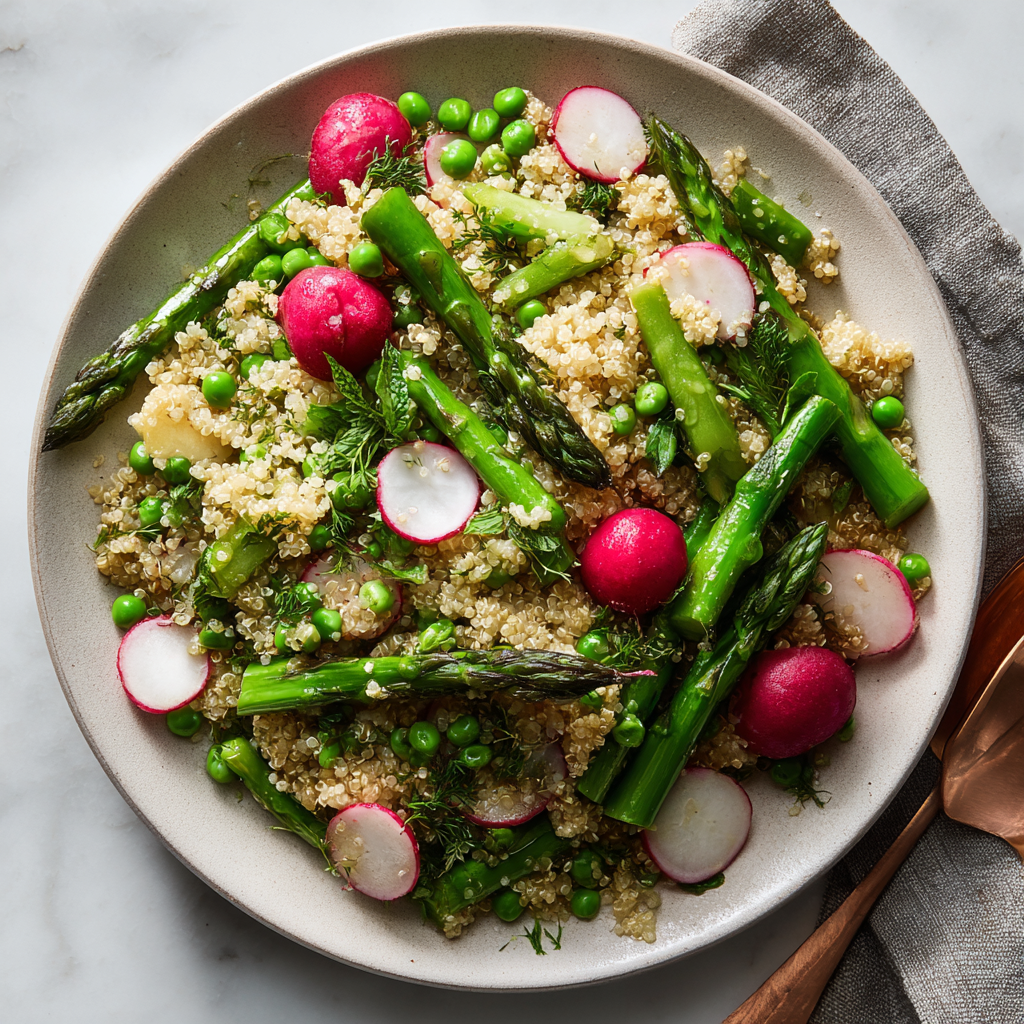
Spring Veggie Quinoa Salad : Fresh, Zesty & Perfect for Warmer Days
Spring Veggie Quinoa Salad: Your Sunny, Crunchy, Happy-Making Bowl
Hey there, friend! Come on in, grab an apron (I promise, a little mess is just a sign of good things happening), and let’s make something that tastes exactly like a perfect spring day feels. You know the ones I mean: sunshine on your shoulders, a light breeze, and that first glimpse of bright green pushing up through the earth. That’s the energy we’re bringing straight to your table today.
I don’t know about you, but as soon as the seasons start to turn, my body starts craving food that’s light, vibrant, and packed with fresh flavor. I want meals that make me feel nourished and energized, not weighed down. Enter this superstar: my Spring Veggie Quinoa Salad. It’s a celebration of all the gorgeous produce popping up at the market—crisp asparagus, sweet little peas, and those peppery, jewel-toned radishes—all tossed together with fluffy, protein-packed quinoa and the zippiest lemon vinaigrette you’ve ever met.
This isn’t just a “side dish.” Oh no. This is a main character meal. It’s perfect for meal prep that you’ll actually look forward to all week, a stunning addition to a picnic spread, or a simple, satisfying lunch that proves healthy eating can be ridiculously delicious. It’s proof that you don’t need complicated techniques or hours in the kitchen to create something truly special. You just need a few good ingredients and a willingness to play. So, are you ready? Let’s get that quinoa cooking and make our kitchens smell like spring.
Why This Salad Has My Heart: A Farmers’ Market Memory
This recipe was born on a Saturday morning that just felt… magic. It was one of the first truly warm weekends of the year, and I was at my local farmers’ market, coffee in hand, just soaking it all in. The air was buzzing, and the stalls were exploding with color: bundles of asparagus standing at attention, baskets of the most vibrant green peas, and radishes so pretty they looked like little rubies with their bright green tops still attached.
I bought a little of everything, not with a plan, but purely on joy. Back in my kitchen, with sunlight streaming across the counter, I started throwing things together. I had some leftover quinoa in the fridge, whipped up my go-to lemon dressing, and gave it all a toss. That first forkful was a revelation. It was fresh, crunchy, zesty, and satisfying all at once. It tasted like optimism on a plate. I’ve tweaked it here and there since, but that spirit of simple, seasonal joy is still the heart of the recipe. Every time I make it, it takes me right back to that sunny morning.
Gathering Your Sunshine: Ingredients & Chef’s Insights
Here’s everything you’ll need to build your bowl of spring. Think of this as your flavor blueprint—feel free to get creative with what you have!
- 1 cup uncooked quinoa (or 3 cups cooked): Our hearty, protein-packed base. I love the tri-color kind for visual pop, but any variety works. Chef’s Insight: Rinsing quinoa before cooking is a non-negotiable step for me—it removes the natural saponin coating that can make it taste bitter. Trust me on this!
- 1 bunch asparagus, trimmed and cut into 1-inch pieces: The symbol of spring! Look for firm, bright green stalks with tight tips. Substitution Tip: No asparagus? Trimmed green beans or chopped broccoli florets are fabulous stand-ins.
- 1 cup fresh or frozen peas: Little bursts of sweet flavor. Frozen peas are a fantastic, year-round pantry hero—they’re flash-frozen at peak ripeness, so they’re often just as good as fresh! No need to thaw if you’re blanching.
- 4–5 radishes, thinly sliced: They bring the crunch and a delightful peppery bite. A mandoline makes quick, paper-thin work of them, but a sharp knife does the job beautifully.
- 2 tbsp fresh parsley or mint, chopped (optional but highly recommended): The “optional” fairy is a liar here. These fresh herbs are the flavor fairy dust that takes this salad to the next level. Parsley is bright and clean; mint adds a surprising, refreshing twist. Or use both!
- Salt & pepper to taste: Your essential flavor enhancers. We’ll season at every stage for a perfectly balanced dish.
For the Lemony Vinaigrette:
- 1/4 cup extra virgin olive oil: The rich, fruity backbone of our dressing. Use the good stuff here—you’ll taste the difference.
- Juice of 1 large lemon (about 3 tbsp): The star of the show! Freshly squeezed is key for that vibrant, sunny acidity. Chef’s Hack: Roll the lemon firmly on the counter before cutting and juicing—you’ll get so much more juice out of it.
- 1 tsp Dijon mustard: Our secret weapon for emulsification (fancy word for keeping the oil and juice together) and adding a subtle depth of flavor.
- 1 clove garlic, minced: A little aromatic punch. Feel free to grate it on a microplane for a more dispersed, milder garlic flavor.
- 1 tsp honey or maple syrup: Just a touch to round out the sharpness of the lemon and mustard. It creates a beautifully balanced dressing.
- Salt & pepper to taste: Season your dressing well—it needs to flavor the entire salad!
Let’s Build Some Flavor: Step-by-Step Instructions
Alright, let’s get cooking! I’ll walk you through each step with all my favorite little kitchen hacks to make this foolproof and fun.
Step 1: Cook the Quinoa. First, give that quinoa a good rinse in a fine-mesh strainer under cold water. This is our bitterness-banishing ritual! Cook it according to your package directions (typically a 1:2 quinoa-to-water ratio, bring to a boil, then simmer covered for 15 minutes). Once it’s done, fluff it immediately with a fork, transfer it to a large mixing bowl, and let it start cooling down. Pro Tip: Spreading it out in the bowl helps it cool faster and stops it from getting gummy.
Step 2: Blanch the Veggies. While the quinoa is cooking, bring a medium pot of salted water to a rolling boil. We’re going to blanch our asparagus and peas. This quick cook in boiling water, followed by an ice bath (or a very cold rinse), is the key to locking in that incredible bright green color and crisp-tender texture. Add the asparagus pieces and peas to the boiling water and let them party for just 2 minutes—set a timer! Then, drain them and immediately rinse under very cold water or plunge them into a bowl of ice water to stop the cooking. Drain again thoroughly. Chef’s Hack: I often use the same pot I boiled the water in to cook the quinoa. Multitasking for the win!
Step 3: Make the Magic Dressing. In a small jar with a tight-fitting lid, combine the olive oil, fresh lemon juice, Dijon mustard, minced garlic, honey, salt, and pepper. Screw the lid on tightly and shake it like you’re celebrating something! Shake until the dressing is creamy and fully combined. Give it a taste and adjust—want more zing? Add a squeeze more lemon. More sweetness? A tiny drizzle more honey. This is your dressing, make it sing to you.
Step 4: The Grand Assembly. To your large bowl with the cooled quinoa, add the blanched (and now perfectly crisp) asparagus and peas, the thinly sliced radishes, and the chopped fresh herbs. Now, here’s an important step: pour about 3/4 of the dressing over everything. Gently toss, toss, toss until every grain and veggie is lightly coated. Let it sit for 5 minutes, then taste. This lets the flavors start to mingle. Now, decide if you want to add the remaining dressing. I usually do, but it’s your call based on how dressed you like your salads!
Step 5: The Final Rest (The Hardest Part!). If you can bear it, let the salad chill in the fridge for 15-20 minutes before serving. This allows the quinoa to fully absorb the dressing and all the flavors to become best friends. Of course, sneaking a bite straight from the bowl is not only allowed, it’s encouraged for quality control.
How to Serve Your Masterpiece
This salad is a beauty, so let it shine! I love serving it in a big, wide, colorful bowl. For a heartier meal, spoon a generous portion into a deep plate or shallow bowl. Top it with extra fresh herbs, a few extra radish slices for garnish, and maybe a sprinkle of crumbled feta or goat cheese if you’re feeling fancy (highly recommended!). It’s fantastic on its own, alongside grilled chicken or salmon, or as part of a spring brunch spread with crusty bread. It packs up beautifully for picnics and potlucks, too.
Make It Your Own: Delicious Twists & Swaps
- Add a Protein Punch: Fold in a can of drained and rinsed chickpeas, flaked grilled salmon, shredded rotisserie chicken, or a handful of toasted nuts (almonds or pistachios are amazing).
- Cheese, Please: Crumble in some tangy feta, creamy goat cheese, or salty ricotta salata for a rich contrast.
- Herb Garden Explosion: Swap or add dill, chives, or basil alongside the parsley and mint for a different herbal profile.
- Grain Swap: Not a quinoa fan? Cooked farro, couscous, or even orzo pasta make great bases.
- Veggie Variations: Use what’s in season! Thinly sliced sugar snap peas, blanched broccoli, chopped artichoke hearts, or diced avocado (add right before serving) are all fantastic.
From My Kitchen to Yours: Chef’s Notes
This recipe is a living, breathing thing in my house! The first time I made it, I completely forgot the Dijon in the dressing. The result was… fine, but the oil and lemon kept separating. The next time, the Dijon went in, and it was a total “AHA!” moment—creamy, cohesive, perfect. A happy accident that taught me a lesson! Over time, I’ve also learned that this salad’s flavor gets even better on day two, as the quinoa soaks up every last drop of that lemony goodness. It’s my ultimate make-ahead, no-fuss hero. Just give it a good stir and maybe a tiny fresh squeeze of lemon before serving leftovers.
Your Questions, Answered: FAQs & Troubleshooting
Q: My quinoa turned out mushy/soggy. What did I do wrong?
A: The most common culprit is too much water or not fluffing it soon enough. Always use the 1:2 ratio (1 cup quinoa to 2 cups water) and set a timer. As soon as it’s done, take off the lid, fluff it with a fork immediately, and get it out of the hot pot to cool. Rinsing beforehand also helps keep the grains separate.
Q: Can I make this ahead of time for meal prep?
A: Absolutely! It’s one of the best meal prep recipes out there. Store it in an airtight container in the fridge for up to 4 days. The veggies will soften slightly but still taste delicious. I often leave the dressing separate and add it the morning I plan to eat it for maximum crunch.
Q: My dressing separated after I shook it. Did I fail?
A> Not at all! Emulsions can break. Just give it another vigorous shake right before you pour it. The Dijon mustard helps stabilize it, but if it separates in the fridge, no worries—a quick shake brings it right back together.
Q: I don’t have fresh lemons. Can I use bottled lemon juice?
A> You can in a pinch, but the flavor won’t be as bright and vibrant. Fresh lemon juice is really the soul of this dressing. If you must use bottled, start with a little less and adjust to taste.
Spring Veggie Quinoa Salad : Fresh, Zesty & Perfect for Warmer Days
Description
Hey there, friend! This Spring Veggie Quinoa Salad tastes exactly like the season feels—fresh, bright, and full of life. When the weather warms up, this is the kind of meal that makes you feel energized and nourished, not weighed down. Fluffy quinoa, crisp spring vegetables, and a zippy lemon vinaigrette come together in a bowl that’s perfect for lunch, meal prep, picnics, or an easy dinner side. Simple ingredients, big flavor, zero fuss.
Ingredients
Salad
-
1 cup uncooked quinoa (or 3 cups cooked), rinsed
-
1 bunch asparagus, trimmed and cut into 1-inch pieces
-
1 cup peas (fresh or frozen)
-
4–5 radishes, thinly sliced
-
2 tablespoons fresh parsley or mint, chopped (or a mix)
-
Salt and black pepper, to taste
Lemon Vinaigrette
-
¼ cup extra-virgin olive oil
-
Juice of 1 large lemon (about 3 tablespoons)
-
1 teaspoon Dijon mustard
-
1 small clove garlic, minced
-
1 teaspoon honey or maple syrup
-
Salt and black pepper, to taste
Instructions
-
Cook the quinoa
Cook quinoa according to package instructions (usually 1 cup quinoa to 2 cups water). Once tender, fluff with a fork and let cool slightly in a large bowl. -
Blanch the vegetables
Bring a pot of salted water to a boil. Add asparagus and peas and cook for 2 minutes until bright green and crisp-tender. Drain and immediately rinse under cold water. Set aside. -
Make the dressing
In a small jar or bowl, combine olive oil, lemon juice, Dijon, garlic, honey, salt, and pepper. Shake or whisk until well combined. -
Assemble the salad
Add blanched vegetables, radishes, and herbs to the quinoa. Pour about ¾ of the dressing over the salad and toss gently. Taste and add more dressing if needed. -
Rest and serve
Let the salad rest for 10–15 minutes (or chill briefly) so the flavors meld. Serve and enjoy!
Notes
-
Always rinse quinoa to remove bitterness and keep the grains fluffy.
-
Don’t overcook the veggies—quick blanching keeps them crisp and vibrant.
-
Make it ahead: This salad tastes even better the next day as the quinoa absorbs the dressing.
-
Boost the protein with chickpeas, grilled chicken, salmon, or toasted nuts.
-
Add creaminess with crumbled feta or goat cheese just before serving.
Nourishment Info (Because Feeling Good is Part of the Joy!)
Estimated per serving (based on 6 servings): Calories: ~240 | Protein: 7g | Carbohydrates: 28g | Fat: 12g | Fiber: 4g. This salad is a fantastic source of plant-based protein, fiber, and healthy fats to keep you full and energized.
Final Thoughts: More Than Just a Salad
This Spring Veggie Quinoa Salad is so much more than a recipe. It’s a reminder that the most joyful food often comes from simple, seasonal ingredients combined with a little bit of intention. It’s about celebrating the bright, hopeful energy of spring and letting that sunshine nourish you from the inside out.
Making this dish is an act of self-care—a promise to your body to feed it something vibrant and full of life. But it’s also a lesson in flexibility. Cooking isn’t about rigid perfection; it’s about tasting, adjusting, and making it your own. Forgot the Dijon? Toss in some chickpeas? Used basil instead of mint? You haven’t made a mistake. You’ve created your own version, and that’s where the real magic happens.
I hope this salad becomes a staple in your kitchen—a trusted friend for busy weekdays, a showstopper for gatherings, and a tangible taste of the season’s beauty. Most of all, I hope it reminds you that cooking can be light, playful, and deeply satisfying. No fancy skills required, just a willingness to embrace fresh flavors and the simple joy of creating something good.
Now, I’d love to hear from you! Did you add a special twist? Did it become your new favorite lunch? Share your creations and stories. After all, the best recipes are the ones we make and share together.