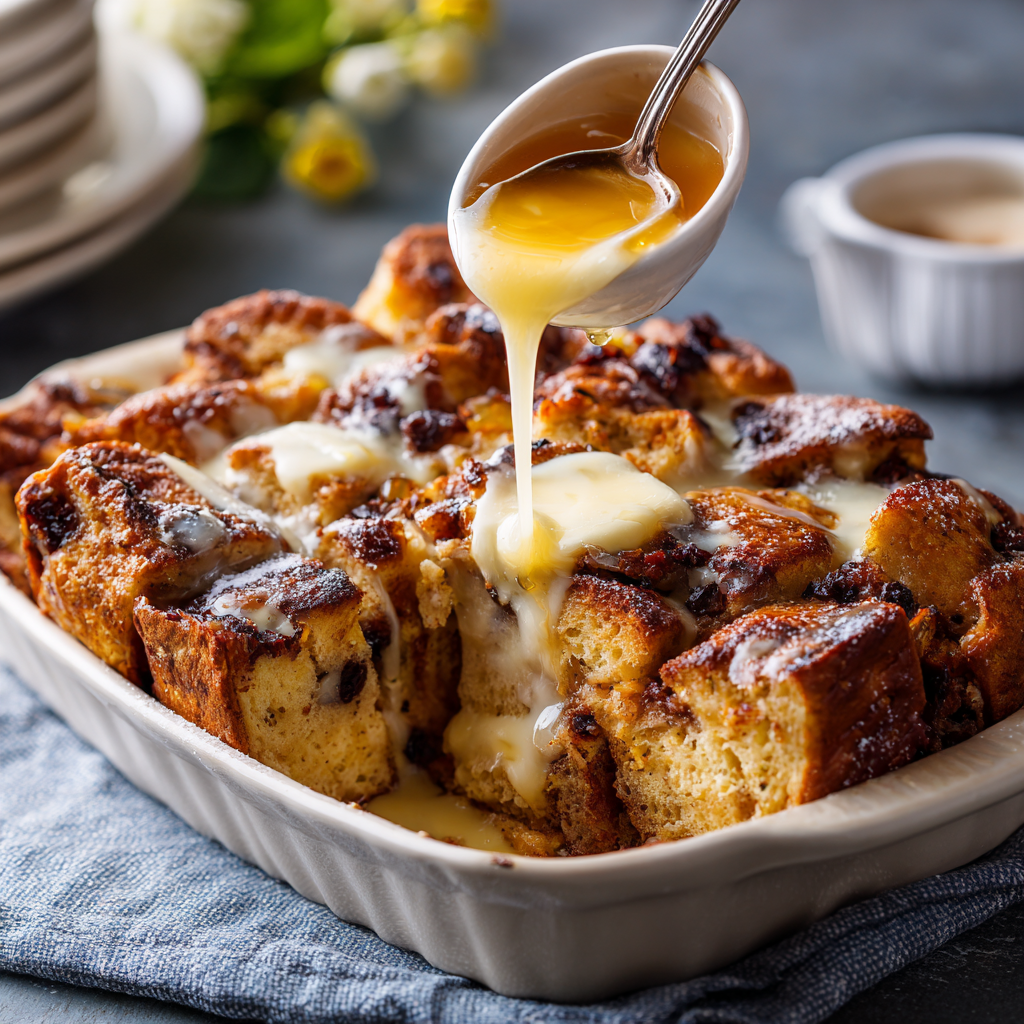
Hot Cross Bun French Toast Bake : Easy Make-Ahead Brunch Favorite
Hot Cross Bun French Toast Bake: Your New Favorite Make-Ahead Brunch
Hey there, friend! Come on in, the oven’s on and the coffee’s brewing. Is there any better feeling than a slow, lazy morning where the only mission is to enjoy a plate of something warm, sweet, and deeply comforting? I’m talking about that magical moment when the scent of cinnamon, vanilla, and toasted bready goodness starts weaving its way from the kitchen into every corner of your home. It’s the universal signal for “brunch is served, and it’s going to be amazing.”
But let’s be real—as much as I love a classic stack of French toast, standing at the stove flipping slices while everyone else is sipping mimosas isn’t always my idea of a relaxing time. That’s where this glorious creation comes in: the Hot Cross Bun French Toast Bake. Imagine all the cozy, spiced flavor of your favorite Easter treat, transformed into a puffed, golden, shareable dish that does all the hard work in the oven. You simply cube, soak, and bake. It’s the ultimate hack for feeding a crowd (or just treating yourself) with zero morning stress.
This recipe is my love letter to easy elegance. It takes those beautifully spiced, fruit-studded hot cross buns and gives them a second act that’s arguably even better than the first. Whether you’ve got leftover buns from the bakery or you snagged a fresh pack just for this purpose, we’re turning them into a creamy, custardy, utterly irresistible bake. So, tie on your favorite apron (the messy one is totally welcome here), and let’s make a brunch memory that’s as easy as it is unforgettable.
A Sweet Slice of Nostalgia
This recipe didn’t start in a fancy test kitchen; it was born from a happy accident and a serious case of “brunch panic.” A few years ago, my family descended for a post-Easter weekend. The night before, I realized I had a whole basket of beautiful, but slightly stale, homemade hot cross buns. I couldn’t let them go to waste! Frantically, I cubed them, threw them in a dish with the classic French toast custard I always make, and shoved it in the fridge, hoping for the best.
The next morning, bleary-eyed and pre-coffee, I popped the dish in the oven. What emerged was nothing short of magic. The spices from the buns had infused the whole custard, the dried fruit had plumped into little juicy gems, and that iconic cross on top became delightfully crispy. My grandma took one bite, her eyes lit up, and she said, “Olivia, you’ve outdone yourself. This tastes like my childhood, but better.” In that moment, I knew this wasn’t just a salvage operation—it was a new tradition. It’s proof that the best recipes often come from a little resourcefulness and a lot of love.
Gathering Your Cozy Ingredients
Here’s what you’ll need to create this cozy masterpiece. Don’t worry about being too precise—this is a wonderfully forgiving dish.
- 6–8 Hot Cross Buns: The star! Their warm spices (cinnamon, nutmeg, allspice) and sweet dried fruit are the flavor foundation. Chef’s Insight: Stale buns are actually perfect here—they soak up the custard like a dream without getting mushy. No buns? A sturdy challah or brioche loaf spiced with 1 extra teaspoon of cinnamon and a handful of raisins works too.
- 4 Large Eggs: The backbone of our rich custard. They create that lovely, tender set.
- 1 ½ cups Milk: Whole milk gives great richness. Substitution Tip: For a decadent twist, use half-and-half or even a mix of milk and cream. Dairy-free? Unsweetened almond or oat milk works beautifully.
- ¼ cup Sugar or Pure Maple Syrup: For sweetness. I love maple syrup for its deep, caramel-like flavor that pairs so well with the spices.
- 1 teaspoon Vanilla Extract: The flavor enhancer. Always use pure vanilla if you have it—it makes a difference.
- 1 teaspoon Cinnamon & ¼ teaspoon Nutmeg: We’re doubling down on the warm, cozy vibes. Freshly grated nutmeg is a game-changer!
- Pinch of Salt: Crucial! It balances the sweetness and makes all the other flavors pop.
- 2 tablespoons Melted Butter: Drizzled over the top before baking for that irresistible golden, slightly crispy finish.
For the Optional (But Highly Recommended) Toppings: Powdered sugar for a snowy finish, more warm maple syrup, a drizzle of honey, or a cascade of fresh berries for a bright, juicy contrast.
Let’s Build Your Brunch Masterpiece: Step-by-Step
Ready? This is the fun, no-fuss part. I’ll walk you through each step with all my favorite tips and hacks.
- Prep Your Stage. Lightly grease your favorite 9×13 inch baking dish with butter or non-stick spray. Cube your hot cross buns into about 1-inch pieces—no need for perfection! Scatter them evenly in the dish. Little Chef Hack: If your buns are very fresh, you can spread the cubes on a baking sheet and toast them in a 300°F oven for 10 minutes first. This dries them out slightly and helps them hold their texture better in the custard.
- Create the Magic Custard. In a large bowl, crack in your eggs and give them a quick whisk. Add the milk, your sweetener of choice, vanilla, cinnamon, nutmeg, and that all-important pinch of salt. Whisk it all together until it’s completely smooth and homogenous. You should see a beautiful, speckled, fragrant liquid. Take a whiff—that’s the smell of success!
- The Soak. Slowly and evenly pour your custard mixture over the cubed buns in the baking dish. Now, here’s a key move: using clean hands or a spatula, gently press down on the buns and give everything a very gentle toss to ensure every single nook and cranny gets kissed by that custard. You want them all to be nicely damp.
- The Butter Drizzle & The Big Chill. Drizzle the melted butter all over the top. This will create those delicious crispy edges we all fight over. Now, cover the dish tightly with plastic wrap or a lid and pop it in the fridge. This is the make-ahead secret weapon! Let it chill for at least 1 hour, but overnight is truly best. This slow soak allows the custard to fully penetrate the bread, resulting in a luxuriously uniform texture and deeper flavor.
- Bake to Golden Perfection. When you’re ready to bake, take the dish out of the fridge while you preheat your oven to 350°F (175°C). This takes the chill off for more even baking. Remove the cover and place the dish right in the center of the oven. Bake, uncovered, for 35-40 minutes. You’re looking for a beautifully puffed center and a deep golden-brown top. A knife inserted in the center should come out clean.
- The (Brief) Rest. I know it’s tempting to dive right in, but let the bake rest for about 5-10 minutes after pulling it from the oven. This lets the custard set fully, making it easier to slice and serve. It also gives you just enough time to brew a fresh pot of coffee or whip some cream!
Serving Up the Cozy
Presentation is easy and beautiful with this bake. Use a large spoon or spatula to scoop out generous portions onto plates or into shallow bowls. I love a dusting of powdered sugar (use a fine-mesh sieve for that professional “snowy” look) right before serving. Then, let everyone customize their plate! Set out little pitchers of warm maple syrup, bowls of fresh berries, dollops of yogurt or whipped cream, and even a small dish of extra cinnamon. The contrast of the warm, soft bake with cool, fresh berries is absolute heaven.
Make It Your Own: Delicious Twists
This recipe is a fantastic canvas! Here are a few ways to play with it:
- Chocolate Chip Delight: Use chocolate chip hot cross buns, or sprinkle ½ cup of dark chocolate chips over the cubed buns before adding the custard.
- Apple Cinnamon Swirl: Thinly slice 1-2 apples and layer them amongst the bun cubes. Add an extra ½ tsp of cinnamon to the custard.
- “Tropical” Escape: Use buns with dried cranberries and orange zest. Add a teaspoon of orange zest to the custard and top with toasted coconut flakes after baking.
- Decadent Cream Cheese Pocket: Before cubing, use a knife to create small pockets in the buns and fill them with a teaspoon of sweetened cream cheese. Then cube and proceed!
- Dairy-Free & Vegan-Friendly: Use your favorite plant-based milk, a flax egg substitute (for binding), and replace the butter with coconut oil. The spices will still shine brilliantly.
Chef Olivia’s Notebook
This recipe has become my go-to for so much more than Easter. It’s my holiday morning lifesaver, my “I-have-company” secret, and sometimes, my Friday night treat (because why should weekends have all the fun?). Over time, I’ve learned that the longer it soaks, the better—I once forgot about it in the fridge for a full 24 hours, and it was the most custardy, pudding-like version yet. A happy accident indeed!
One funny kitchen story: I was once filming this recipe for my blog and was so busy chatting to the camera that I completely forgot to add the sugar to the custard. I baked it, took a triumphant bite for the “final shot,” and my face must have been priceless. It was… very eggy. We had a good laugh, drenched it in syrup, and dubbed it the “Savory Surprise” edition. Moral of the story? Even when it doesn’t go perfectly, it’s still pretty good, and it always makes for a great memory.
Your Questions, Answered!
Q: Can I make this completely the night before?
A: Absolutely, and I highly recommend it! Assemble the entire dish up to the baking step, cover, and refrigerate overnight. In the morning, just take it out while the oven preheats and bake as directed. You might need to add 5-10 extra minutes of bake time since it’s going in cold from the fridge.
Q: My bake turned out soggy in the middle. What happened?
A: This usually means it needed a bit more time in the oven. Ovens can vary! Next time, test for doneness with a knife—it should come out clean. If the top is getting too brown but the center is still wet, loosely tent the dish with aluminum foil for the remainder of the bake time to protect the top while the center cooks through.
Q: Can I freeze this French toast bake?
A: You can! Bake it completely, let it cool fully, then wrap it tightly in plastic wrap and foil. Freeze for up to 2 months. Thaw overnight in the fridge and reheat, covered, in a 325°F oven until warmed through.
Q: I can’t find hot cross buns. What’s the best substitute?
A: No problem! A loaf of challah, brioche, or even a sturdy Italian bread is perfect. Just cube it, and add 1 ½ teaspoons of cinnamon, ½ teaspoon of allspice, and ½ cup of raisins or dried currants to the custard mixture to mimic those classic hot cross bun flavors.
Hot Cross Bun French Toast Bake : Easy Make-Ahead Brunch Favorite
Description
This Hot Cross Bun French Toast Bake is a cozy, crowd-pleasing brunch dish that’s easy to prepare ahead of time. Instead of flipping slices at the stove, you simply cube, soak, and bake. The spiced buns and creamy custard turn into a warm, golden casserole that’s perfect for holidays or relaxed weekend mornings.
Ingredients
-
6–8 hot cross buns, cubed
-
4 large eggs
-
1½ cups milk (or plant-based milk)
-
¼ cup sugar or maple syrup
-
1 tsp vanilla extract
-
1 tsp ground cinnamon
-
¼ tsp nutmeg
-
Pinch of salt
-
2 tbsp melted butter
Optional toppings
-
Powdered sugar
-
Maple syrup or honey
-
Fresh berries
-
Yogurt or whipped cream
Instructions
-
Prepare the dish
Grease a 9×13-inch baking dish. Add cubed hot cross buns and spread evenly. -
Make the custard
In a bowl, whisk eggs, milk, sugar or maple syrup, vanilla, cinnamon, nutmeg, and salt. -
Soak
Pour custard over the bread cubes. Gently press so all pieces are moistened. -
Add butter & chill
Drizzle melted butter on top. Cover and refrigerate at least 1 hour or overnight. -
Bake
Heat oven to 350°F (175°C). Bake uncovered 35–40 minutes, until puffed and golden and the center is set. -
Rest & serve
Let rest 5–10 minutes before serving. Add toppings as desired.
Notes
-
Slightly stale buns work best — they absorb more custard without getting mushy.
-
If buns are very fresh, toast the cubes for 8–10 minutes at low heat first.
-
For extra richness, replace ½ cup of milk with cream.
-
If the top browns too fast, loosely cover with foil near the end.
-
Add sliced apples or chocolate chips for an easy variation.
Nutritional Information (Approximate, per serving)
Please note: This is an estimate for 6 servings, based on the ingredients listed and without extra toppings. Values can vary based on specific brands and ingredients used.
- Calories: 360
- Protein: 11g
- Carbohydrates: 48g
- Fat: 14g
- Prep Time: 15 mins
- Chill Time: 1 hour (or overnight)
- Bake Time: 40 mins
- Total Time: 55 mins (plus chilling)
- Servings: 6
There you have it! The ultimate guide to a stress-free, spectacular brunch. I hope this Hot Cross Bun French Toast Bake becomes a beloved, repeat recipe in your kitchen, filling your home with warmth and your table with happy, well-fed people. Now, go enjoy that well-deserved mimosa. You’ve earned it!
With love and a sprinkle of cinnamon,
Olivia
Pastel Deviled Eggs (Naturally Dyed, Easter-Perfect Appetizer)
Pastel Deviled Eggs: Your New Favorite Easter (or Anytime!) Appetizer
Hey there, friend! Olivia here. Can you smell that? It’s the warm, comforting scent of hard-boiled eggs mingling with the promise of spring. I’m so glad you’ve pulled up a chair in my kitchen today because we’re about to make something that’s equal parts magic and delicious: Naturally Dyed Pastel Deviled Eggs.
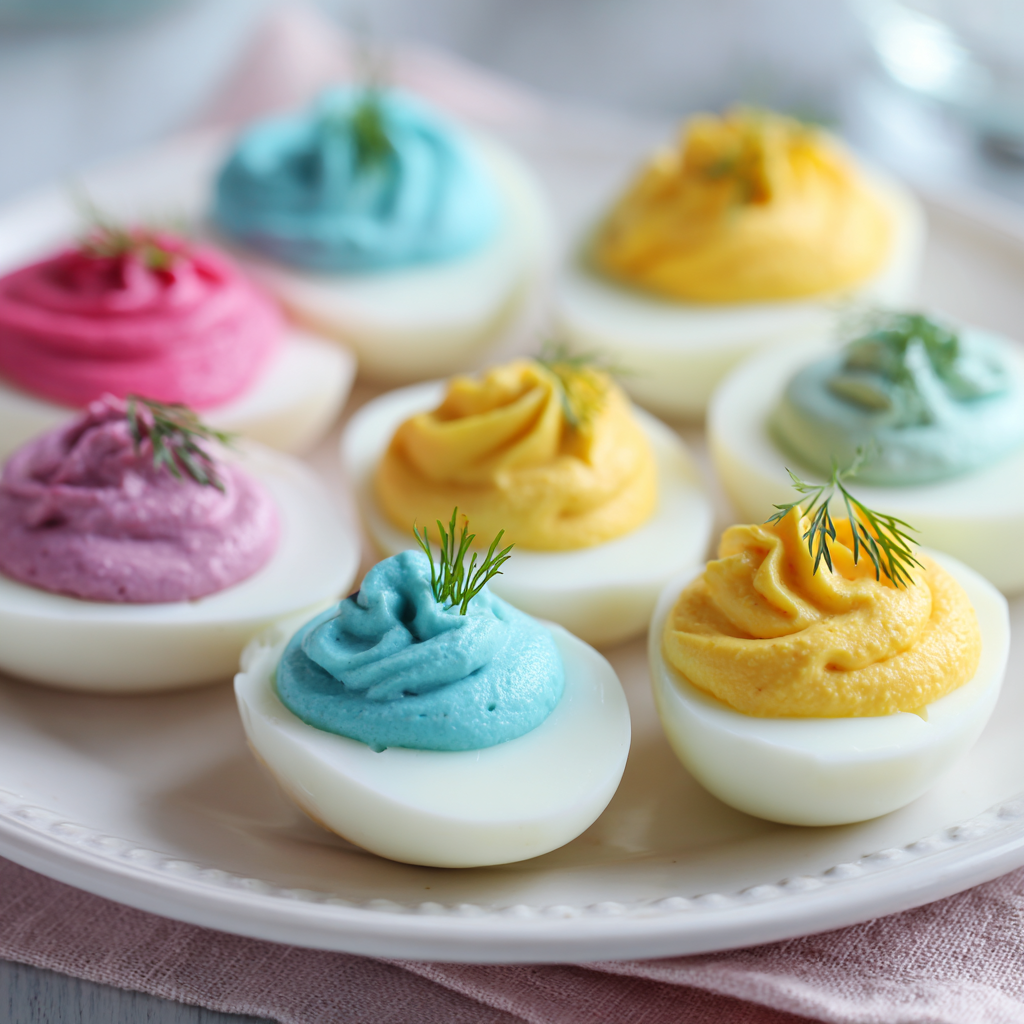
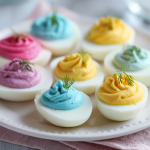
Now, I know what you might be thinking. “Deviled eggs? Aren’t those just a potluck classic?” And you’re right, they are! But that’s exactly why I love giving them a playful, seasonal twist. Imagine a platter of these little gems, their whites glowing in the softest shades of blush pink, sunshine yellow, and lavender blue, all cradling that creamy, savory filling we know and love. They’re a total conversation starter, and the best part? We’re creating all those beautiful colors straight from the earth, using things like beets, turmeric, and cabbage.
This isn’t about complicated kitchen science or fancy tools. It’s about embracing a little whimsy, celebrating the seasons, and creating food that makes people’s eyes light up. Whether you’re hosting Easter brunch, a spring baby shower, or just want to add a splash of joy to Tuesday’s dinner table, these eggs are your ticket. So, tie on that “messy apron” (you know I’m right there with you), and let’s turn simple ingredients into something unforgettable together. I promise, your guests—and your inner food artist—are going to be thrilled.
A Dash of Nostalgia: Why These Eggs Mean Spring to Me
My love affair with deviled eggs started long before I had my own kitchen. It was in my Nana’s warm, always-bustling house on Easter Sunday. While the grown-ups handled the ham, my cousin and I had one sacred job: decorating the deviled eggs. Back then, our “decoration” was a very enthusiastic, slightly haphazard sprinkle of paprika from a height of about two feet, resulting in a festive (if somewhat fiery) red dusting over everything, the countertops included.
Years later, when I first saw the idea of naturally dyed egg whites, it felt like unlocking a new level of that childhood joy. It was my “aha!” moment where classic family tradition met creative play. The first time I slid those pure white halves into a jar of brilliant pink beet juice, I felt like a kitchen wizard. Pulling them out, transformed into the prettiest pastel, brought back that same giddy excitement from Nana’s kitchen. Now, making these is my own spring ritual. It’s my way of honoring those messy, happy memories while creating new ones, proving that the food that brings us together can always find a fresh, beautiful spin.
Gathering Your Rainbow: Ingredients & Why They Work
Here’s everything you’ll need to create your pastel masterpiece. I’ve included my little chef insights for each one, because knowing the “why” makes you feel more confident in the kitchen!
For the Eggs & Natural Dyes:
- 6 large eggs: The star of the show! Older eggs (about 7-10 days) are actually easier to peel after boiling. Size matters here—large eggs give you the perfect canvas-to-filling ratio.
- 1 cup beet juice (for pink): This creates the most gorgeous, natural pink hue. Chef’s Tip: You can juice a small raw beet, use the liquid from canned beets (my easy shortcut!), or simmer a chopped beet in 1.5 cups water for 20 minutes to make your own dye.
- 1 teaspoon turmeric + 1 cup warm water (for yellow): Turmeric is a potent, vibrant natural dye. The warm water helps it dissolve. Substitution Tip: A pinch of saffron steeped in hot water makes a stunning golden yellow, but turmeric is much more budget-friendly.
- 1 cup red cabbage water (for blue/purple): This is the coolest kitchen science trick! Boiled red cabbage water is a pH indicator. Chef’s Insight: It starts blueish and can turn more lavender or even teal depending on the vinegar. It’s pure magic.
- 1 tablespoon white vinegar (per dye bath): This is non-negotiable! The vinegar’s acidity helps set the natural dye onto the egg white proteins, making the color stick beautifully.
For the Dreamy Filling:
- Cooked egg yolks: Reserved from your peeled eggs, of course! They’re the rich, creamy base of our filling.
- 3 tablespoons mayonnaise: This binds everything into luscious, smooth perfection. Use your favorite brand—full-fat will give the richest flavor and texture.
- 1 teaspoon Dijon mustard: My secret weapon! Dijon adds a subtle tang and depth that plain yellow mustard just can’t match. It elevates the flavor without being overpowering.
- Salt and pepper, to taste: Seasoning is key. I always start with a pinch of each, mix, taste, and then add more. Remember, you can always add, but you can’t take away!
- Optional: Fresh herbs (dill, chives, parsley), finely chopped: A pop of green and fresh flavor. Chives are my top pick for a classic, mild oniony bite that complements everything.
Let’s Get Cooking: Step-by-Step with Chef Olivia
Ready to create some magic? Follow these steps, and don’t skip my little commentary—it’s where all my favorite hacks live!
- Perfect Hard-Boiled Eggs: Place your eggs in a single layer in a saucepan. Cover with cold water by about an inch. Bring to a full, rolling boil over high heat. Once boiling, immediately cover the pot, remove it from the heat, and let it sit for exactly 12 minutes. My #1 Tip: This “steam” method prevents that nasty gray/green ring around the yolk! After 12 minutes, transfer the eggs to an ice bath (a bowl of cold water with ice cubes) to stop the cooking. Let them chill completely—this also makes peeling a breeze.
- Peel & Prep: Gently tap each egg on the counter and roll it lightly to crackle the shell all over. Start peeling from the wider end (where there’s usually an air pocket) under a trickle of cool running water—the water helps loosen the membrane. Chef’s Hack: Patience is your friend here. Rinse off any little bits of shell, then pat the eggs completely dry with a paper towel. A dry egg is crucial for clean slicing.
- Slice & Scoop: Using a sharp knife, slice each egg in half lengthwise. Wipe the knife clean between cuts for neat edges. Gently pop the yolks out into a medium bowl. Arrange the empty white halves on a plate or tray—they’re ready for their color bath!
- Create Your Dye Baths: In three separate small bowls or jars, prepare your dyes. For pink: mix 1 cup beet juice with 1 tbsp vinegar. For yellow: dissolve 1 tsp turmeric in 1 cup warm water, then stir in 1 tbsp vinegar. For blue/purple: use 1 cup of the liquid from boiled red cabbage (simmer 1/4 of a chopped cabbage in 2 cups water for 10 min, strain) mixed with 1 tbsp vinegar. Color Note: The cabbage dye might look blue or purple; both are beautiful!
- The Dyeing Magic: Divide your egg white halves among the three dye baths, making sure they’re fully submerged. Pop them in the refrigerator! Check them after 30 minutes for soft pastels. For more vibrant color, you can go up to 2 hours. Don’t leave them overnight—the vinegar will start to toughen the whites.
- Rinse & Dry: Using a slotted spoon, carefully remove the dyed eggs. Give them a very gentle rinse under cool water to remove any surface dye particles, then pat them completely dry with paper towels. This step is important so your filling doesn’t get watery.
- Make the Filling: To your bowl of yolks, add the mayo, Dijon, salt, and pepper. Mash it all together with a fork until it’s perfectly smooth and creamy. Taste it! Adjust seasoning if needed. Fold in your chopped herbs now, if using.
- Fill & Flourish: You can simply spoon the filling back into the wells, but for a truly elegant look, piping is the way to go. Spoon the filling into a zip-top bag, snip off a corner (about 1/2 inch), and pipe away! No fancy piping tip needed. Swirl it, peak it, get creative!
- Chill & Serve: Cover your finished pastel deviled eggs loosely with plastic wrap and refrigerate for at least 15-20 minutes before serving. This lets the flavors meld and makes them the perfect cool, refreshing bite.
Plating Your Pastel Masterpiece
Presentation is part of the fun! I love using a simple white platter or a rustic wooden board to really let the colors sing. Arrange them in a rainbow gradient or mix the colors playfully. For a final touch, garnish the platter with a few sprigs of fresh dill, edible flowers like pansies or violas, or a light dusting of smoked paprika or extra chopped chives. The contrast is stunning! Serve them chilled, and watch them disappear.
Make It Your Own: Fun Twists & Swaps
Once you’ve mastered the classic, the playground is open! Here are a few ways to mix it up:
- Herb Garden Filling: Swap the Dijon for 2 tablespoons of finely minced fresh herbs (think tarragon, chervil, and parsley) for a super fresh, spring-forward flavor.
- The “Avocado Devil”: Replace half the mayonnaise with mashed ripe avocado for a wonderfully creamy, slightly green-tinged filling with healthy fats. Add a squeeze of lime juice to prevent browning.
- Spicy Sriracha Kick: Add 1/2 to 1 teaspoon of sriracha (or your favorite hot sauce) to the yolk mixture. The pink and orange-red filling looks amazing in the pastel shells!
- Dairy-Free & Paleo: Use a high-quality, avocado oil-based mayonnaise to keep things creamy without the dairy. It works like a charm!
- Extra Color: Create a green dye by simmering spinach or kale! Or, add a tiny bit of baking soda (1/4 tsp) to your blue cabbage dye to shift it toward a more turquoise/teal color. Experiment!
Chef Olivia’s Notebook: Extra Thoughts & A Kitchen Story
This recipe has evolved so much in my kitchen. The first time I made them, I was so impatient I didn’t let the dye baths chill—I left them on the counter. The colors were… muted, to say the least. Lesson learned: patience makes pretty pastels! Also, I once got overzealous with the turmeric and my yellow eggs could have doubled as highlighter pens. A little truly goes a long way.
My biggest piece of advice? Don’t stress the small stuff. If an egg tears while peeling, it’s okay. If your colors aren’t perfectly even, they’re more charming for it. If you just want to spoon the filling instead of pipe, do it! These are meant to bring joy, not perfection. The real magic is in the sharing, the “oohs” and “aahs,” and the empty platter at the end of the party. That’s the true sign of a recipe made with love.
Your Questions, Answered (FAQs & Troubleshooting)
Q: My yolks have a gray/green ring! What did I do wrong?
A: Don’t worry, they’re still safe to eat! That ring means they were overcooked or not cooled quickly enough. Next time, try my “cover and steam” method (Step 1) and get them into an ice bath immediately. The ring is just a visual thing, but we’re aiming for pretty, bright yellow yolks!
Q: The dye isn’t sticking to my egg whites very well. Why?
A: Two likely culprits! First, make sure you added the vinegar to the dye bath—it’s essential for setting the color. Second, ensure your peeled egg whites are patted completely dry before submerging.
Pastel Deviled Eggs (Naturally Dyed, Easter-Perfect Appetizer)
Description
These pastel deviled eggs are a fun, colorful twist on the classic appetizer. Naturally dyed with simple ingredients like beet juice, turmeric, and red cabbage, they look impressive but are surprisingly easy to make. Perfect for spring gatherings, brunch tables, or party platters, they taste just as good as they look.
Ingredients
Eggs
-
6 large eggs
Natural Dye Baths
-
1 cup beet juice + 1 tbsp white vinegar (pink)
-
1 cup warm water + 1 tsp turmeric + 1 tbsp white vinegar (yellow)
-
1 cup red cabbage water + 1 tbsp white vinegar (blue/purple)
To make cabbage water: simmer chopped red cabbage in water for 10 minutes, then strain and cool.
Filling
-
Cooked egg yolks (from the eggs)
-
3 tbsp mayonnaise
-
1 tsp Dijon mustard
-
Salt and black pepper, to taste
-
Optional: 1–2 tbsp finely chopped chives or dill
-
Optional garnish: paprika or extra herbs
Instructions
-
Hard-boil the eggs
Place eggs in a saucepan and cover with cold water. Bring to a boil, then cover and remove from heat. Let sit 12 minutes. Transfer to an ice bath and cool completely. -
Peel and slice
Peel eggs and pat dry. Slice in half lengthwise. Remove yolks to a bowl and set whites aside. -
Prepare dye baths
Pour each dye mixture into a separate cup or bowl. -
Dye the egg whites
Submerge egg white halves in the dye baths. Refrigerate 30–90 minutes depending on how deep you want the color. -
Rinse and dry
Remove whites with a spoon, lightly rinse, and pat dry with paper towels. -
Make the filling
Mash yolks with mayonnaise, Dijon, salt, and pepper until smooth. Stir in herbs if using. -
Fill the eggs
Spoon or pipe the filling into each colored egg white half. -
Chill and serve
Refrigerate at least 20 minutes before serving.
Notes
-
Use slightly older eggs — they peel more easily.
-
Always add vinegar to dye baths so the color sticks.
-
Pat egg whites dry before dyeing for more even color.
-
Don’t soak longer than 2 hours or the whites can become firm.
-
Pipe the filling with a zip-top bag (snip the corner) for a neat look.
-
Make them the day of serving for the freshest texture.
Final Thoughts: Your Turn to Shine
And there you have it—your guide to creating little bites of edible, pastel joy. From the science of the perfect hard-boil to the magic of turning cabbage water into a lavender dream, I hope you feel equipped and inspired.
Remember, this recipe is more than just an appetizer; it’s an invitation. An invitation to slow down, play with your food, and add a splash of unexpected beauty to an ordinary day. Whether these eggs grace your Easter table, become the star of a spring picnic, or simply make a Tuesday night feel a bit more special, their purpose is to delight—both you and anyone lucky enough to try one.
So, embrace the process. Don’t fret if a few eggs tear (they’ll still taste amazing), or if your “purple” leans more toward slate blue (it’s gorgeous, I promise). Your version will be uniquely yours, and that’s the best part. The real success isn’t in flawless presentation, but in the shared smiles, the stories told over the platter, and the quiet satisfaction of creating something beautiful with your own two hands.
Thank you for spending this time in my kitchen. Now, go tie on that apron, gather your dyes, and make some magic. I can’t wait to hear how your pastel creations turn out! Happy cooking, friend.
With love and a sprinkle of paprika,
Olivia
Lemon Blueberry Cream Cheese Coffee Cake : A Bright and Buttery Brunch Star
Lemon Blueberry Cream Cheese Coffee Cake: Your New Brunch Best Friend
Hey there, friend! Olivia here. Come on in, pull up a stool, and let me pour you a virtual cup of coffee. I want to talk about one of my absolute favorite moments: that slow, sun-drenched weekend brunch. You know the one. The table is crowded with mismatched mugs, there’s laughter in the air, and the star of the show is sitting right in the center, still warm from the oven, filling the whole kitchen with the most incredible buttery, citrusy perfume.
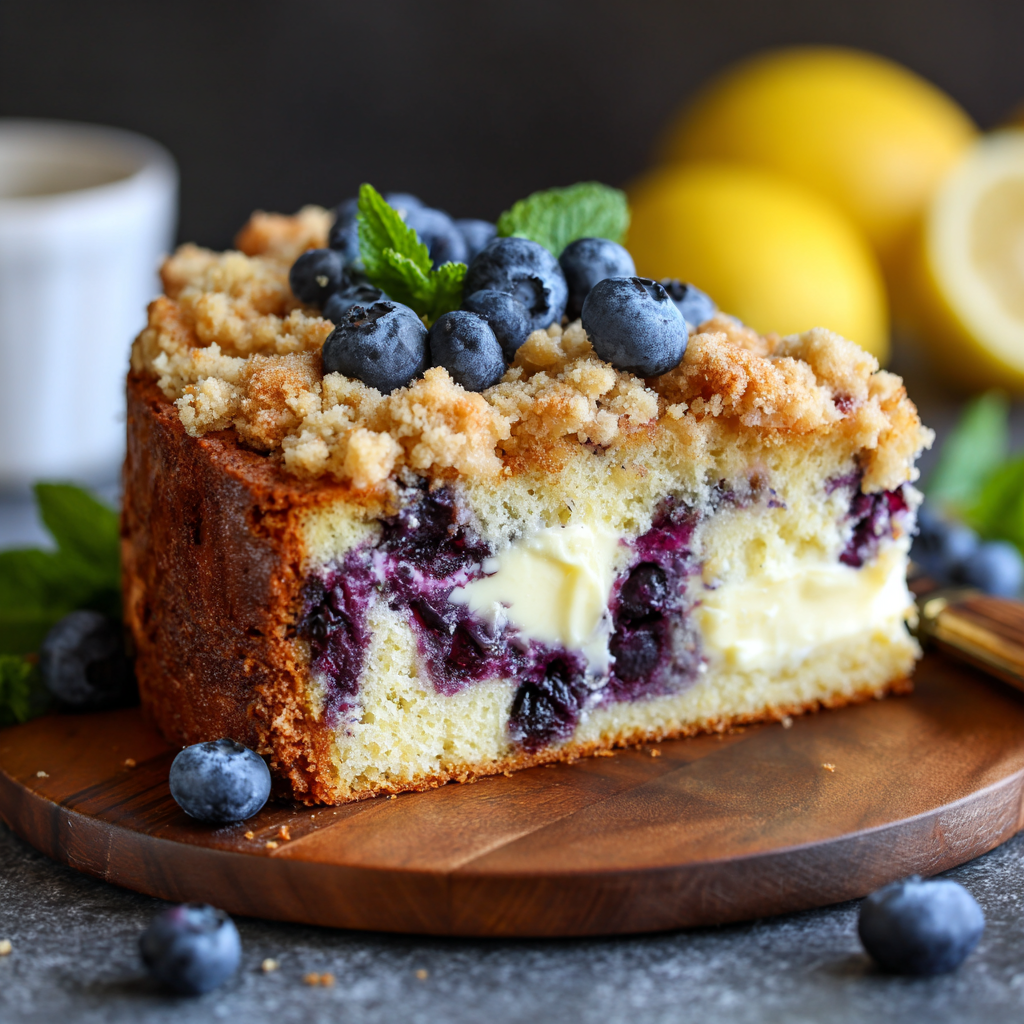
That star, my friends, is what we’re making today. This Lemon Blueberry Cream Cheese Coffee Cake isn’t just a cake; it’s a mood. It’s the promise of a delicious, unhurried morning. Imagine: a supremely tender, moist cake packed with sunny lemon zest and juicy, jammy blueberries. Running through its center is a river of sweet, tangy cream cheese filling that makes every slice feel decadent. And crowning it all? A generous blanket of buttery, brown sugar streusel that adds the perfect crunch.
I know “coffee cake” can sound a little humble, but trust me—this one is a showstopper. It has layers of flavor and texture that will make everyone think you spent hours with a fancy pastry degree. The secret? It’s actually wonderfully straightforward. We’re using simple techniques and ingredients you probably already have. My goal is to guide you through it so you feel like a rockstar, creating something beautiful and soul-warming for the people you love (which, let’s be real, can definitely include just you and a good book on a quiet Sunday). So, tie on that apron, grab your favorite mixing bowl, and let’s bake some joy!
Why This Cake Tastes Like Sunshine & Memories
This recipe always takes me back to my grandma’s kitchen table. She wasn’t a fancy baker, but she had a magical touch with simple, comforting treats. Her version of “special occasion” was a blueberry buckle, warm from the oven, served with a gossipy chat and a pot of strong tea. The kitchen windows would be open, the scent of lilacs mixing with baked sugar and fruit.
I wanted to create a cake that captured that feeling of cozy, generous hospitality but with a little extra “wow” factor my younger self would have adored. Adding the bright punch of lemon was my twist—it cuts through the sweetness and makes the blueberries sing. And the cream cheese swirl? That’s the ultimate indulgence, the hidden treasure in every slice that makes you close your eyes for a second. Every time I make this, it feels like I’m blending her timeless, comforting wisdom with my own love for bold, vibrant flavor. It’s a hug from the past and a high-five for the present, all in one delicious pan.
Gathering Your Flavor Toolkit
Here’s what you’ll need. Don’t just think of these as a list—think of them as the building blocks of something amazing. I’ve added my little chef insights to help you understand the “why” behind each one!
- For the Cake:
- 1/2 cup unsalted butter, softened: The foundation of our rich, tender crumb. Chef’s Tip: “Softened” means when you press it, your finger leaves a clear indent. Too cold and it won’t cream properly; too melted and the texture changes. If you forget to take it out, you can microwave it for 5-7 seconds at a time!
- 3/4 cup granulated sugar: For sweetness and, crucially, helping to create a light, airy texture when creamed with the butter.
- 2 large eggs, at room temperature: They bind everything together and add structure. Room temp eggs incorporate much more smoothly into the butter mixture!
- 1 tsp pure vanilla extract & 1 tbsp lemon zest: Our flavor power couple. The vanilla adds depth, the lemon zest gives that potent, aromatic citrus oil. Use a microplane if you have one!
- 2 tbsp fresh lemon juice: Bright, tangy liquid gold. Please, please use fresh! The bottled stuff just doesn’t compare for flavor.
- 2 cups all-purpose flour: The workhorse. I usually spoon and level it into the cup to avoid packing in too much.
- 2 tsp baking powder & 1/2 tsp baking soda: Our leavening dream team. They work together to give us a perfect, even rise. Check they’re not expired!
- 1/4 tsp salt: The ultimate flavor enhancer. It makes all the other flavors pop, balancing the sweetness.
- 1/2 cup sour cream: This is the SECRET WEAPON for unbelievable moisture and a slight tang. Substitution: Full-fat plain yogurt works in a pinch.
- 1 1/2 cups fresh or frozen blueberries: The juicy gems! If using frozen, do not thaw—toss them in a bit of the measured flour to prevent them from sinking and bleeding too much.
- For the Cream Cheese Filling:
- 8 oz (one block) cream cheese, softened: Full-fat for the best texture and flavor. Softening is key for a smooth, lump-free swirl.
- 1/4 cup granulated sugar & 1 tsp vanilla: Sweetens and flavors our creamy ribbon.
- For the Streusel Topping:
- 1/2 cup all-purpose flour & 1/3 cup packed brown sugar: The base of our crumble. The brown sugar adds molasses notes and helps create clumps.
- 1/4 cup cold unsalted butter, cubed: Cold is non-negotiable! It creates those perfect, pea-sized buttery crumbs as you cut it in.
Let’s Build This Beautiful Cake, Step-by-Step
Ready? Let’s do this. I’ll walk you through each step like you’re here in my (probably slightly flour-dusted) kitchen with me.
- Prep Like a Pro: Preheat your oven to 350°F (175°C). Now, grab a 9-inch springform pan. This is my pan of choice because the removable sides make getting this tall, beautiful cake out a breeze. Grease the bottom and sides generously with butter or baking spray, then line the bottom with a round of parchment paper. This guarantees a clean release. Set it aside. Chef’s Hack: Doing this first means your oven is hot and ready to go when your batter is, which is crucial for a good rise.
- Whip Up the Dreamy Filling: In a medium bowl, beat the softened cream cheese with the 1/4 cup sugar and 1 tsp vanilla. Use a hand mixer or a sturdy whisk. Beat it until it’s completely smooth and silky—no lumps allowed! Set this aside. Why now? Getting this done first means it’s ready to go when we assemble, and we don’t have to wash the beaters before creaming the butter and sugar. Efficiency, my friend!
- Create the Cake Batter: In a large bowl, cream together the softened butter and 3/4 cup granulated sugar. Beat it on medium-high speed for 2-3 minutes until it’s light, fluffy, and almost pale in color. This step incorporates air, which is vital for texture. Scrape down the bowl. Add the eggs, one at a time, beating well after each so they’re fully incorporated. Beat in the vanilla, lemon zest, and lemon juice. The mixture might look a little curdled at this point—that’s the lemon juice doing its thing! Don’t panic; the flour will fix it.
- Bring It All Together: In a separate bowl, whisk together the flour, baking powder, baking soda, and salt. With your mixer on low, add about one-third of the dry ingredients to the butter mixture, mixing just until combined. Follow with half of the sour cream. Repeat with another third of flour, the rest of the sour cream, and finally the last of the flour. Stop mixing as soon as the last streaks of flour disappear. Overmixing = tough cake. Gently fold in the blueberries. If using frozen, they’ll turn the batter a bit purple—that’s part of the charm!
- The Fun Part: Layering! Now for the assembly. Spoon and spread half of the cake batter into your prepared pan. It will be a relatively thin layer; just get it even. Next, carefully dollop all of the cream cheese filling over the batter. Use a spoon or offset spatula to spread it into an even layer, leaving a small border around the edge. Finally, dollop and spread the remaining cake batter over the top. This can be tricky as the cream cheese layer is slippery! It’s okay if some peeks through or if you just drop spoonfuls and gently connect them. It will all bake together beautifully.
- Make the Streusel & Top It Off: In a small bowl, mix the 1/2 cup flour and 1/3 cup brown sugar. Add the cold, cubed butter. Using your fingertips, a pastry cutter, or even two forks, work the butter into the flour mixture until you have a crumbly texture with pieces ranging from sandy bits to pea-sized clumps. Sprinkle this evenly over the entire top of the cake. Don’t press it down!
- Bake to Golden Perfection: Place the pan on the center rack of your preheated oven. Bake for 50-60 minutes. The cake is done when the top is a deep golden brown, the streusel is crisp, and a toothpick inserted into the cake part (avoiding the cream cheese swirl in the center) comes out clean or with just a few moist crumbs. Watch it: Ovens vary! Start checking at 50 minutes. If the top is browning too fast, you can loosely tent it with foil for the last 10-15 minutes.
- The Hardest Step: Let it Cool! Once baked, place the pan on a wire rack. Let it cool for at least 30 minutes before you even think about removing the springform ring. Then, carefully run a thin knife around the edge and release the clasp. Let the cake cool completely (or just until warm—I won’t judge) before slicing. This waiting period allows the structure to set, so you get clean slices instead of a gooey mess (a delicious gooey mess, but still).
How to Serve This Masterpiece
Presentation is part of the fun! I love placing the whole cake (with the springform bottom still on) on a pretty cake stand. Slice it into generous wedges. A light dusting of powdered sugar right before serving looks gorgeous. For an extra touch of luxury, serve each slice with a dollop of lightly sweetened whipped cream or a scoop of vanilla bean ice cream if you’re going the dessert route. And of course, have that pot of coffee or a pitcher of iced tea ready! It’s perfect for a brunch buffet, a holiday morning, or as the sweet grand finale to a weekend dinner with friends.
Make It Your Own: Delicious Twists & Swaps
- Berry Bliss: Swap the blueberries for raspberries, blackberries, or a mix! Chopped strawberries can work too, but pat them very dry.
- Citrus Switch-Up: Try orange zest and juice instead of lemon for a sweeter, warmer citrus note.
- Nutty Crunch: Add 1/3 cup of chopped pecans or sliced almonds to your streusel topping before sprinkling.
- Gluten-Free Friendly: Use a 1:1 gluten-free all-purpose flour blend (like Bob’s Red Mill or King Arthur) for both the cake and streusel. The texture is fantastic.
- Muffin Mode: Turn these into incredible muffins! Layer batter, cream cheese, and more batter in lined muffin tins, top with streusel, and bake for 22-28 minutes. You’ll get about 14-16 show-stopping muffins.
Olivia’s Kitchen Notebook
This recipe has evolved so much over the years! The first time I made it, I completely forgot the baking soda and wondered why it was so dense (we ate it anyway, with spoons). The sour cream was a game-changer—it took the cake from “good” to “OMG, can I have the recipe?” moist. A funny story: I once brought this to a potluck, and a friend spent five minutes trying to find the “store-bought cheesecake” I’d “hidden” in the middle before believing I’d actually made the whole thing. That’s the best compliment! My biggest piece of advice? Don’t stress about the top layer of batter being perfect. It’s a rustic, homemade beauty, and those imperfect swirls where the cream cheese peeks through are what make it special. This cake is forgiving and full of love.
Your Questions, Answered
Q: Can I use frozen blueberries? Do I need to thaw them?
A: Absolutely! Frozen blueberries work great. The key is to use them straight from the freezer. Do not thaw, or they’ll bleed color and moisture everywhere. Toss them in a tablespoon or two of the measured flour right before folding them in—this helps prevent them all from sinking to the bottom.
Q: My cream cheese layer sunk into the cake/swirled too much. What happened?
A: This is common and usually means the cream cheese filling was a bit too soft/runny or the cake batter around it was too thin. Make sure your cream cheese is softened but not *warm*. Also, ensure you spread the bottom layer of batter evenly to create a solid base. Even if it swirls, it still tastes incredible! Some marbling is totally normal and delicious.
Q: How do I store leftovers, and how long will it last?
A: Cover the cooled cake tightly with plastic wrap or store slices in an airtight container in the refrigerator for up to 4 days. The cold will firm up the streusel, so I love letting a slice come to room temp for 20 minutes or warming it gently in the microwave for 10 seconds before eating. You can also freeze the whole cake or individual slices for up to 2 months. Thaw overnight in the fridge.
Q: My toothpick came out wet even after a long bake time. Is it done?
A: First, make sure you’re testing the *cake* part and not hitting a pocket of cream cheese or a blueberry. If the cake itself is still wet, your oven might run cool, or the pan might be in a slightly cooler spot. Give it 5 more minutes and check again. The top should be firm to a gentle touch, and the edges will be pulling away slightly from the pan.
Lemon Blueberry Cream Cheese Coffee Cake : A Bright and Buttery Brunch Star
Description
Bright, buttery, and irresistibly tender, this coffee cake is a weekend brunch dream. Fluffy lemon-scented cake cradles a luscious cream cheese swirl and juicy blueberries, all topped with a crunchy brown sugar streusel. It’s the perfect combination of cozy, indulgent, and showstopping.
Ingredients
For the Cake:
-
½ cup unsalted butter, softened
-
¾ cup granulated sugar
-
2 large eggs, room temperature
-
1 tsp vanilla extract
-
1 tbsp lemon zest (about 1 large lemon)
-
2 tbsp fresh lemon juice
-
2 cups all-purpose flour
-
2 tsp baking powder
-
½ tsp baking soda
-
¼ tsp salt
-
½ cup sour cream (or full-fat plain yogurt)
-
1½ cups fresh or frozen blueberries
For the Cream Cheese Filling:
-
8 oz cream cheese, softened
-
¼ cup granulated sugar
-
1 tsp vanilla extract
For the Streusel Topping:
-
½ cup all-purpose flour
-
⅓ cup packed brown sugar
-
¼ cup cold unsalted butter, cubed
Instructions
1️⃣ Prep & Preheat
-
Preheat oven to 350°F (175°C).
-
Grease a 9-inch springform pan and line the bottom with parchment paper.
2️⃣ Make the Cream Cheese Filling
-
Beat cream cheese, ¼ cup sugar, and 1 tsp vanilla until smooth. Set aside.
3️⃣ Cake Batter
-
Cream butter and ¾ cup sugar until light and fluffy, 2–3 min.
-
Add eggs, one at a time, then vanilla, lemon zest, and lemon juice. Batter may look slightly curdled—no worries!
-
Whisk flour, baking powder, baking soda, and salt in a separate bowl.
-
Mix in flour and sour cream in 3 additions, starting and ending with flour. Fold in blueberries gently.
4️⃣ Assemble the Cake
-
Spread half the batter in the pan.
-
Carefully layer cream cheese filling on top, leaving a small border at edges.
-
Spread remaining batter over the cream cheese. Don’t worry if some filling peeks through.
5️⃣ Streusel Topping
-
Combine flour and brown sugar. Cut in cold butter until pea-sized crumbs form.
-
Sprinkle evenly over the cake.
6️⃣ Bake
-
Bake 50–60 min until top is golden and a toothpick in cake (avoiding cream cheese) comes out clean.
-
Tent with foil if browning too fast.
7️⃣ Cool & Serve
-
Cool at least 30 min before releasing springform.
-
Slice and serve warm or at room temperature. Optional: dust with powdered sugar or serve with whipped cream.
Notes
-
Frozen Blueberries: Toss in 1–2 tbsp flour before folding in.
-
Citrus Twist: Use orange or lime zest/juice instead of lemon.
-
Nutty Crunch: Add ⅓ cup chopped nuts to streusel.
-
Muffin Version: Layer batter, cream cheese, more batter in lined muffin tins, top with streusel, bake 22–28 min for 14–16 muffins.
-
Gluten-Free: Use a 1:1 gluten-free flour blend
Final Thoughts: Your New Brunch Best Friend
So here it is—your new go-to recipe for every occasion that calls for something special, comforting, and undeniably delicious. This Lemon Blueberry Cream Cheese Coffee Cake isn’t just a dessert or a brunch item; it’s a memory-maker. It’s the cake you’ll bake for sleepy weekend mornings, for welcoming new neighbors, for celebrating small victories, and for turning ordinary days into something a little sweeter.
What I love most about this recipe is how it balances elegance with ease. It looks and tastes like you fussed for hours, yet the process is straightforward and forgiving. It’s a reminder that the best baking doesn’t have to be complicated—it just has to be made with a little intention and a lot of heart.
Every time I slide this cake into the oven, I’m reminded of my grandma’s kitchen and the simple truth she lived by: good food is love made visible. Whether you’re sharing it with a crowd or savoring a quiet slice with your coffee, you’re creating a moment of warmth and connection. The bright lemon, the bursting blueberries, the rich cream cheese, and that buttery streusel—they all work together to create something truly greater than the sum of its parts.
So the next time you’re looking for a way to say “I’m glad you’re here,” or “let’s make this morning special,” or even just “I deserve a treat,” I hope you’ll turn to this recipe. Let its sunny aroma fill your kitchen, and let its delicious layers bring a smile to your face. Because sometimes, the simplest pleasures—like a perfect slice of coffee cake shared (or not shared!) with good company—are the ones that stay with us the longest.
Glazed Lemon Monkey Bread : A Bright & Buttery Easter Brunch Showstopper
Glazed Lemon Monkey Bread: Your New Easter Brunch Obsession
Hey there, friend! Olivia here, apron on and lemon zest already under my fingernails. Can you smell it? That incredible, warm, buttery aroma of something sweet baking in the oven, mixed with the bright, sunny burst of lemon. It’s the smell of a kitchen full of love and a table full of people you adore. If you’re looking for that one showstopping dish to anchor your Easter brunch, the star that makes everyone go “WOW” before they’ve even taken a bite, you’ve just found it.
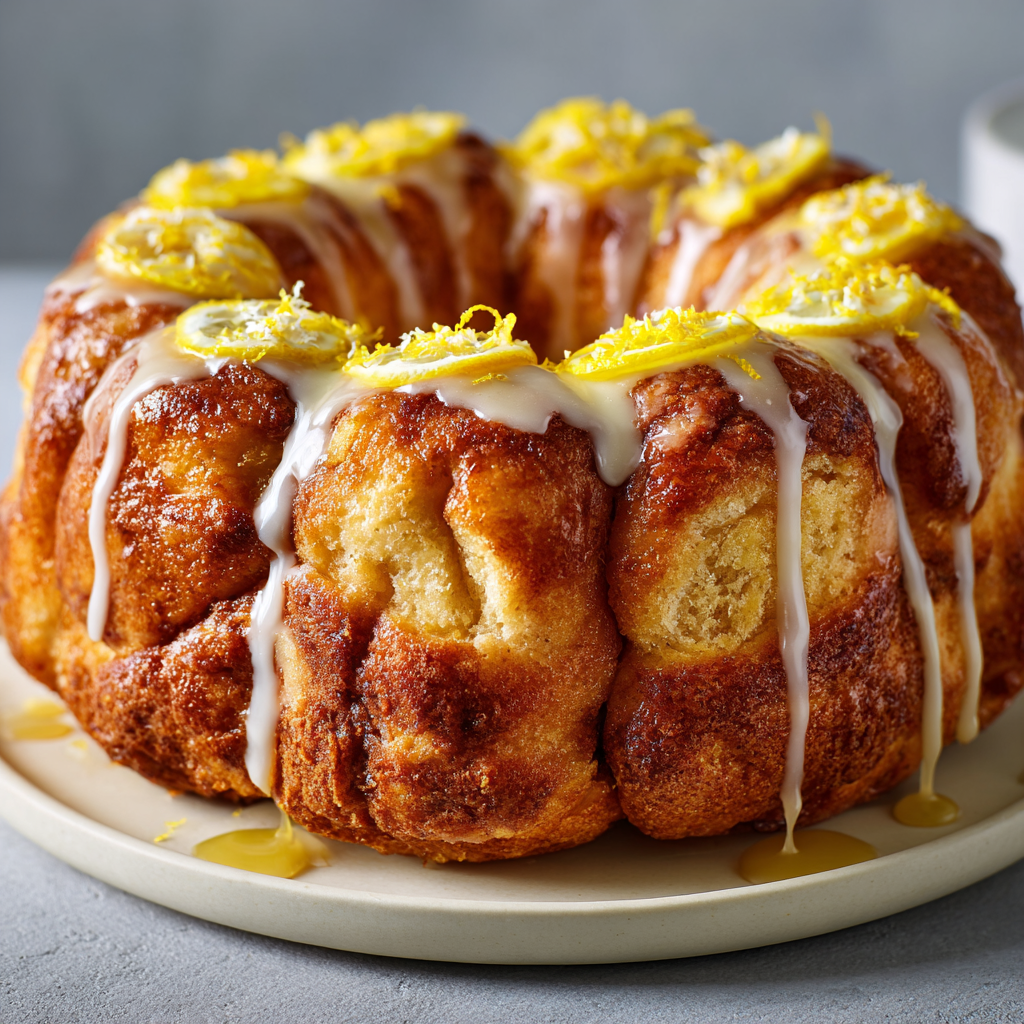
This isn’t just any monkey bread. This is Glazed Lemon Monkey Bread, a sunshiny, pull-apart masterpiece that turns simple ingredients into pure magic. Imagine soft, pillowy homemade dough, each little ball rolled in a sparkly, zesty lemon sugar, then baked until golden and gorgeous. Just when you think it can’t get better, we drench the whole thing in a sweet-tart lemon glaze that soaks into every nook and cranny. It’s sticky, it’s gooey, it’s bursting with spring flavor, and I promise you, it’s an absolute joy to make.
I know the words “homemade dough” can make some folks nervous, but trust me—this recipe is your new best friend. It’s forgiving, fun (hello, rolling dough balls is therapeutic!), and designed for real life. Whether you’re hosting the whole family or just want to make a slow, sweet morning for your inner circle, this bread is about creating a moment. So, preheat that oven, grab your favorite mixing bowl, and let’s make a memory (and a seriously delicious mess) together.
The Lemon Zest That Started It All
This recipe has a special little origin story, as all the best ones do. A few years ago, I was planning my first big Easter brunch in my first real “grown-up” home. I wanted everything to be perfect: the tablecloth, the flowers, the playlist. And for the centerpiece? I defaulted to a classic cinnamon monkey bread. It was delicious, but as I set it on the table, surrounded by all these fresh, vibrant spring dishes, it felt… a little dark. A little wintry. It was missing the season.
Then, my mom walked in, carrying a huge grocery bag. Without a word, she pulled out a net bag bursting with the brightest, most beautiful Meyer lemons. “Found these at the farmer’s market,” she said with a wink. “Thought you could use some sunshine.” In that moment, it clicked. I quickly zested a few lemons, whisked up a simple glaze, and poured it over the still-warm bread. That last-minute shower of lemon zest and juice transformed everything. The bread went from a cozy treat to a celebration of spring. The room filled with that citrusy perfume, and it was the first dish emptied. Now, it’s not Easter in my house without this lemony, pull-apart sunshine. It reminds me that sometimes, the most perfect touches come from a simple, spontaneous act of love (and a well-timed farmer’s market run).
Gathering Your Sunshine: Ingredients & Insights
Here’s everything you’ll need to create this citrusy wonder. I’ve added my little chef notes next to each one because knowing your ingredients is the first step to kitchen confidence!
For the Dough:
- 1 cup warm milk – “Warm” means between 105-110°F—think baby bottle temperature. Too hot and it will kill the yeast; too cold and it won’t wake it up. If you don’t have a thermometer, it should feel pleasantly warm on your wrist. Chef’s Tip: Whole milk gives the richest flavor, but 2% works perfectly!
- 2 ¼ tsp active dry yeast (one standard packet) – This is our magic leavening agent. Make sure your yeast is fresh for the best rise. I always give mine a quick “bloom” in the warm milk with a pinch of sugar to make sure it’s alive and bubbly.
- ¼ cup granulated sugar – Just enough sweetness to feed the yeast and give the dough a lovely base flavor.
- 4 tbsp unsalted butter, melted – Butter equals tenderness and flavor. Using unsalted lets you control the salt level in the dough. Chef’s Tip: Let it cool slightly before adding it to the yeast mixture so you don’t scramble the egg!
- 1 large egg – Our binding agent, adding richness and structure to the dough.
- 3 ½ cups all-purpose flour – The workhorse! I like to fluff the flour in its container, then spoon it gently into my measuring cup and level it off. This prevents packing in too much flour, which leads to a dense bread.
- ½ tsp salt – Never skip the salt in sweet doughs! It balances the sweetness and enhances all the other flavors.
For the Lemon Sugar Coating:
- ¾ cup granulated sugar – This will get transformed with our lemon zest.
- Zest of 2 lemons – Use organic if possible, since we’re using the outer peel. This is where the powerful, aromatic lemon oil lives! Chef’s Hack: Zest your lemons before you juice them—it’s infinitely easier.
- ¼ cup melted butter – For dipping the dough balls. It creates that irresistible, crispy, buttery exterior as it bakes.
For the Lemon Glaze:
- 1 cup powdered sugar – Also called confectioner’s sugar. It dissolves instantly for a smooth glaze.
- 2–3 tbsp fresh lemon juice – Fresh is non-negotiable here! Bottled juice just doesn’t have the same bright, vibrant punch. Start with 2 tablespoons and add more to reach your desired consistency.
- ½ tsp lemon zest – A little extra pop of color and flavor right in the glaze.
Let’s Bake: Step-by-Step with Chef Olivia
Okay, apron tied? Let’s dive into the fun part. Follow these steps, and you’ll have a golden, glorious masterpiece in no time.
Step 1: Wake Up the Yeast & Make the Dough
In the bowl of your stand mixer (or a large mixing bowl), combine the warm milk, yeast, and a pinch of the sugar from your ¼ cup. Give it a quick stir and let it sit for 5-7 minutes. You’re looking for a foamy, creamy-looking layer on top—this tells you your yeast is active and ready to go! If it doesn’t foam, your liquid was likely too hot/cold or your yeast is old. Now, add in the rest of the ¼ cup sugar, the slightly cooled melted butter, and the egg. Use the paddle attachment to mix until just combined. Switch to the dough hook, and add the flour and salt all at once. Mix on low speed until the dough comes together, then increase to medium and knead for 5-7 minutes. The dough should be smooth, slightly tacky but not sticky, and pull away from the sides of the bowl. My Little Kitchen Secret: If you don’t have a stand mixer, you can absolutely do this by hand on a floured surface. Just knead with confidence for about 8-10 minutes—it’s great for working out any stress!
Step 2: The First Rise (Let It Breathe!)
Shape the dough into a ball. Lightly grease a large, clean bowl with a bit of oil or butter. Place your dough ball in, turning it once to coat it lightly in oil. This prevents a dry skin from forming. Cover the bowl with a damp kitchen towel or plastic wrap and let it rise in a warm, draft-free spot for about 1 hour, or until doubled in size. My favorite warm spot? The oven with just the light on (oven OFF!). Patience is key here. A good rise = a light and fluffy bread.
Step 3: The Fun Part: Lemon Sugar Coating
While the dough rises, make your lemon sugar. In a medium bowl, rub the lemon zest into the ¾ cup sugar with your fingertips. This releases the incredible citrus oils and infuses every single granule with flavor. It will smell like sunshine! Place the ¼ cup melted butter in another small bowl. Grease your Bundt pan generously with butter or non-stick spray—don’t be shy.
Once your dough has doubled, gently punch it down to release the air. Turn it out onto a lightly floured surface. Using your hands or a bench scraper, divide the dough into roughly 1-inch pieces (don’t stress about perfection—rustic is charming!). Roll each piece into a ball. Working one at a time, dip a dough ball into the melted butter, letting the excess drip off, then roll it generously in the lemon sugar. Place it in the prepared Bundt pan. Repeat with the remaining dough, creating a single, haphazard layer. This isn’t a puzzle; just pile them in!
Step 4: Second Rise & Bake to Golden Perfection
Cover the pan with that same towel and let the assembled bread rise again for about 30 minutes. It should look puffy. Meanwhile, preheat your oven to 350°F (175°C). Once risen, bake for 30-35 minutes. You’ll know it’s done when the top is a deep golden brown and the sugary, buttery goodness is bubbling up the sides. Pro-Tip: If the top is browning too quickly, loosely tent it with aluminum foil for the last 10 minutes.
Step 5: The Flip & The Glaze
This is the most thrilling (and slightly nerve-wracking) part! Let the bread cool in the pan for exactly 10 minutes—no more, no less. This allows it to set just enough so it doesn’t collapse, but is still warm enough to release from the pan. Place your serving plate upside-down over the pan. With confidence (and oven mitts!), quickly and carefully flip the whole thing over. Give the pan a gentle tap, and lift it off to reveal your beautiful, golden creation. If a piece or two sticks, just gently pry it out and place it back on the bread—the glaze will hide any evidence!
While the bread cools slightly, make the glaze. Whisk the powdered sugar, lemon juice, and zest together. Start with 2 tbsp of juice and add the third only if you want a thinner glaze. Using a spoon or a whisk, drizzle the glaze all over the warm bread, letting it seep down into all the cracks and crevices. Serve it warm and watch the magic happen.
How to Serve This Sunshine on a Plate
Presentation is part of the fun! Place the whole glazed Bundt on a cake stand or a pretty serving platter. I love to scatter a few extra lemon zest curls or edible flowers around the base for a springtime touch. Let people gather around and pull apart their own pieces—it’s interactive and always gets smiles. This bread is rich, so serve it alongside savory brunch staples like a fluffy frittata, crispy bacon, or a simple green salad to balance the sweetness. Of course, a big pot of coffee or a pitcher of mimosas is absolutely mandatory.
Make It Your Own: Creative Twists
Love the base recipe? Here are some fun ways to play with it!
- Blueberry Lemon: Tuck a single fresh blueberry into the center of each dough ball before rolling in the sugar.
- Lavander Infused: Add 1 tsp of culinary-grade dried lavender to the lemon sugar for a beautiful, floral note that screams spring.
- Cream Cheese Glaze: Swap the lemon glaze for one made with 4 oz softened cream cheese, 1 cup powdered sugar, 1 tbsp milk, and 1 tsp vanilla. Drizzle over the cooled bread.
- Dairy-Free/Vegan: Use plant-based milk and butter, and a “flax egg” (1 tbsp ground flaxseed + 3 tbsp water) for the dough.
- Orange or Lime: Swap the lemon zest and juice for orange or lime for a totally different citrus vibe!
Chef Olivia’s Notebook
This recipe has become my Easter staple, but it’s evolved. I used to meticulously weigh each dough ball—now I just eyeball it for that wonderfully rustic look. The “mess” of rolling buttery, sugary dough balls is half the memory-making, especially if you have little helpers. Their hands might be sticky for hours, but the joy on their faces is worth it.
One funny fail? The first time I made it, I was so excited I inverted the bread after only 2 minutes of cooling. It… did not hold its shape. Let’s just say we ate a delicious “monkey bread cobbler” that year! The 10-minute rule is now etched on my heart. Also, this bread is best the day it’s made, but if you have leftovers (a miracle!), they make an unbelievable base for bread pudding the next day.
Your Questions, Answered
Q: My dough didn’t double in size during the first rise. What happened?
A: The most common culprits are old yeast or liquid that was too hot/cold. Yeast is a living thing! Make sure it’s within its expiration date and that your milk is just warm to the touch. Also, ensure your rising spot is warm and draft-free. If it’s a cold day, let it rise longer.
Q: Can I make this the night before?
A: Absolutely! For an overnight version, complete all the steps up through layering the coated dough balls in the Bundt pan. Instead of letting it do the second 30-minute rise, cover the pan tightly with plastic wrap and refrigerate overnight. In the morning, let it sit on the counter for about an hour to take the chill off, then bake as directed. You may need to add a few minutes to the bake time.
Q: I don’t have a Bundt pan. What can I use?
A: No problem! A 9×13-inch baking dish, a deep 9-inch round cake pan, or even a tube pan will work beautifully. Just adjust the bake time slightly—keep an eye on it for that golden brown color.
Q: My glaze is too thin/too thick. How do I fix it?
A> Glazes are very forgiving! Too thin? Whisk in more powdered sugar, a tablespoon at a time. Too thick? Add more lemon juice or a tiny splash of milk, a teaspoon at a time, until it’s pourable.

Glazed Lemon Monkey Bread : A Bright & Buttery Easter Brunch Showstopper
Description
Turn your Easter brunch into a citrus-scented celebration with this sticky, gooey, lemony monkey bread. Soft, buttery dough balls are coated in zesty lemon sugar, baked golden, and finished with a sweet-tart lemon glaze. It’s easy, forgiving, and an instant crowd-pleaser.
Ingredients
For the Dough:
-
1 cup warm milk (105–110°F / 40–43°C)
-
2 ¼ tsp active dry yeast (1 packet)
-
¼ cup granulated sugar
-
4 tbsp unsalted butter, melted
-
1 large egg
-
3 ½ cups all-purpose flour
-
½ tsp salt
For the Lemon Sugar Coating:
-
¾ cup granulated sugar
-
Zest of 2 lemons
-
¼ cup melted butter
For the Lemon Glaze:
-
1 cup powdered sugar
-
2–3 tbsp fresh lemon juice
-
½ tsp lemon zest
Instructions
1️⃣ Wake Up the Yeast & Make Dough
-
Combine warm milk, yeast, and a pinch of sugar; let sit 5–7 min until foamy.
-
Add remaining sugar, cooled melted butter, and egg. Mix until combined.
-
Add flour and salt; knead 5–7 min (stand mixer or by hand) until smooth and slightly tacky.
2️⃣ First Rise
-
Shape dough into a ball, lightly grease a bowl, and coat dough in oil.
-
Cover and let rise in a warm, draft-free spot until doubled (~1 hour).
3️⃣ Lemon Sugar Coating
-
Rub lemon zest into sugar with your fingers. Melt butter in a separate bowl.
-
Punch down risen dough and cut into ~1-inch pieces.
-
Roll each piece in melted butter, then coat in lemon sugar. Place in a greased Bundt pan haphazardly.
4️⃣ Second Rise & Bake
-
Cover pan and let dough rise 30 min.
-
Preheat oven to 350°F (175°C). Bake 30–35 min until golden brown. Tent with foil if browning too quickly.
5️⃣ Flip & Glaze
-
Cool in pan 10 min, then invert onto a serving plate.
-
Whisk powdered sugar, lemon juice, and zest; drizzle over warm bread.
Notes
-
Blueberry Lemon: Add a blueberry inside each dough ball before coating.
-
Lavender Infused: Stir 1 tsp dried culinary lavender into the lemon sugar.
-
Cream Cheese Glaze: Use 4 oz cream cheese, 1 cup powdered sugar, 1 tbsp milk, 1 tsp vanilla.
-
Dairy-Free/Vegan: Substitute plant-based milk/butter, and use a flax egg (1 tbsp flax + 3 tbsp water).
-
Citrus Twist: Swap lemon zest/juice for lime or orange.
Nutritional Information (Per Serving, approximately 1/10th of recipe)
Calories: ~310 | Total Fat: 11g | Saturated Fat: 6g | Cholesterol: 45mg | Sodium: 150mg | Total Carbohydrates: 50g | Dietary Fiber: 1g | Sugars: 28g | Protein: 5g
Note: Nutritional info is an estimate provided by an online calculator. Values may vary based on specific ingredients used and portion sizes.
Final Thoughts
In the end, the best recipes are the ones that engage all our senses: the sight of golden, sugar-crusted dough, the sound of a bubbling glaze, the feel of pillowy softness pulling apart, the bright aroma of lemon and butter warming the air, and finally, the unforgettable taste—a perfect balance of sweet, rich, and tangy.
This bread is an edible sunbeam, a shared delight, a tangible expression of care. It’s the culinary equivalent of a sunny spring morning. So as you pull apart your first piece and see that delicate steam rise, take a moment. You didn’t just follow a recipe; you conjured a little bit of magic. May it brighten your table and fill your home with the sweetest kind of joy.
With love and a sprinkle of lemon zest,
Olivia

Easter Bunny Cinnamon Rolls : Cute, Quick, and Crowd-Pleasing
Easter Morning Magic, Made Easy: Introducing Bunny Cinnamon Rolls!
Is there anything better than the smell of something sweet baking in the oven on a lazy morning? Now, imagine that heavenly scent of cinnamon and sugar wafting through your house on Easter Sunday, mingling with the excitement of little ones hunting for eggs. That’s the exact feeling I wanted to bottle up and share with you today. But here’s my chef’s secret: creating that magical, memory-filled moment doesn’t have to mean waking up at dawn and wrestling with yeast dough. Not today, my friend!
I’m thrilled to share my absolute favorite last-minute Easter brunch idea: these impossibly cute Easter Bunny Cinnamon Rolls. We’re taking a brilliant shortcut (a trusty can of refrigerated dough) and transforming it with just a few clever twists into a whole family of adorable bunny faces. They’re quick, crowd-pleasing, and so simple that you can literally make them with one cup of coffee in your system. Whether you’re hosting a big spring gathering, want a fun project to do with kids, or just need a dose of edible joy on your table, these bunnies are here to deliver. They’re sweet, soft, and decorated with a simple “flower crown” of icing and sprinkles that just screams spring. Let’s put on our favorite aprons and make a breakfast that’s as fun to look at as it is to eat!
The Year of the Lopsided Bunny & A Kitchen Epiphany
This recipe was born out of a happy kitchen disaster, as the best ones often are. A few Easters ago, I ambitiously promised my then five-year-old niece, Chloe, that we would make “special bunny bread” from scratch. Well, life happened, and I found myself the night before with zero time for a dough to rise. Panic set in! But as I stared at a can of cinnamon rolls in my fridge (my secret weeknight treat), I had a wild idea. What if we just… shaped them?
Chloe and I unrolled the dough on my flour-dusted counter, giggling as we attempted to fashion ears from the trimmings. Our first bunny looked more like a sleepy hamster, and the second one’s ears were comically different sizes. But her eyes lit up like I’d just performed actual magic. “Aunt Liv, they’re perfect!” she declared. That moment of pure, unfiltered joy—the mess, the laughter, the proud way she presented our lopsided bunnies to the family—stuck with me. It reminded me that the heart of cooking isn’t perfection; it’s connection, creativity, and the shared smile when you pull something wonderfully whimsical out of the oven. Now, these bunnies are our non-negotiable Easter tradition, and I can’t wait for you to start your own.
Your Bunny-Making Toolkit: Simple Ingredients, Big Flavor
Here’s everything you need to bring these cute characters to life. I’ve included my chef insights and swaps so you can bake with confidence, no matter what’s in your pantry.
- 1 can (typically 12.4 oz) refrigerated cinnamon roll dough (with included icing) – This is our glorious shortcut! I like the classic “grands” size for nice, plump bunny faces. Chef’s Insight: The dough is perfectly portioned and forgiving, making it ideal for shaping. If your can has 8 rolls, you get 8 bunnies!
- Non-stick spray or a dab of butter for the pan – A quick spritz ensures your bunnies slide off the baking sheet with ease, keeping their cute faces intact.
- All-purpose flour, for dusting (just a pinch!) – This is our secret weapon for handling the dough without stickiness. A light sprinkle on your hands and work surface makes shaping a breeze.
- Edible icing flowers or pastel sprinkles (optional, but highly recommended!) – This is where the “flower crown” magic happens. Icing flowers are found in the baking aisle and instantly make these look professional. Substitution Tip: No flowers? Use pastel sprinkles, colored sugar, or even a few mini chocolate chips for eyes and a nose for a different kind of cute!
- Optional: A dash of cinnamon or orange zest – Want to zhuzh up the flavor? Before rolling, you can sprinkle a tiny bit of extra cinnamon on the dough. A little grated orange zest mixed into the icing is also a sunny, spring-like twist!
Step-by-Step: Shaping Your Sweet Bunny Brigade
Follow these simple steps, and in less than 30 minutes, you’ll have a whole basket of baked bunny goodness. I’ve packed each step with my personal tips to guarantee success.
- Preheat & Prep: Fire up your oven to 350°F (or to the temperature specified on your dough package – they’re the experts!). While it warms, line a baking sheet with parchment paper or give it a light coat of non-stick spray. This little step is a game-changer for easy cleanup and no-stick baking. Chef’s Hack: If you don’t have parchment, a silicone baking mat works wonders.
- Unroll & Meet Your Dough: Pop open the can (that satisfying *thwump* never gets old!) and separate the rolls. Place them on a very lightly floured surface. Now, here’s the fun part: gently unroll each cinnamon roll about halfway. You’ll see the beautiful cinnamon swirl. We’re creating the bunny’s head from the larger, coiled portion. My Tip: Don’t unroll it completely—just enough to have a “tail” of dough to work with for the ears.
- Shape the Face & Ears: Take the main, coiled part of the unrolled dough and simply coil it back into a circle, tucking the end underneath. This is your bunny’s face. Now, look at the remaining dough “tail.” Pinch off a small piece (about 1-inch long) and split it in half. Roll each half into a little rope, then form each rope into a loop, pinching the ends together. Place these loop-ears on top of the bunny head, pressing gently to attach. Don’t stress perfection—charming and handmade is the goal! Visual Cue: It should look like a round face with two looped antennae on top.
- Bake to Golden Perfection: Carefully place your shaped bunnies on the prepared baking sheet, giving them about 2 inches of space to puff up. Slide them into your preheated oven and bake for 12-15 minutes, or until they’re a gorgeous, deep golden brown. Chef’s Secret: Ovens vary, so start checking at 10 minutes. The golden color and a firm, springy touch are your best indicators.
- Ice & Create Flower Crowns: The moment they’re out of the oven, spread the included icing over the warm bunnies. The heat will make the icing melt into every nook, creating a delicious glaze. Now, immediately sprinkle on your edible icing flowers or pastel sprinkles to make their festive flower crowns. Do this while the icing is wet so the decorations stick. Step back and admire your adorable edible art!
How to Serve Your Easter Bunnies
Presentation is half the fun! Arrange your bunnies on a festive platter or a wooden board. For a full spring brunch spread, I love pairing them with fresh fruit salad, crispy bacon or savory breakfast sausages to balance the sweetness, and a big pot of coffee or orange juice. They’re the star of the table, so let them shine! Serve them warm for that ultimate soft, gooey experience.
Get Creative: Bunny Roll Variations
Once you’ve mastered the basic bunny, try one of these fun twists!
- Nutty Bunny: Before baking, press a few chopped pecans or walnuts into the dough for a crunchy texture.
- Fruity Bunny: Add a few dried cranberries or raisins to the cinnamon filling before you re-coil the face.
- Citrus Glaze: Mix a teaspoon of fresh lemon or orange zest into the canned icing for a bright, springy flavor.
- Chocolate Chip Bunny: Press mini chocolate chips into the warm icing for eyes and a smile after baking.
- “Carrot Patch” Bunnies: Add a drop of orange food coloring to the icing and a tiny sprinkle of green sprinkles or coconut on top to look like a carrot!
Chef’s Notes: From My Kitchen to Yours
This recipe has become my go-zero-stress Easter staple, and over the years, I’ve learned to embrace the unique personality of each bunny. One year, I was chatting so much with my sister that I accidentally gave a bunny one giant ear and one tiny ear. We named him “Radar” and he was the family favorite! The dough is incredibly forgiving, so if an ear falls off during transfer, just press it back on—it will fuse as it bakes. I also love making a double batch and freezing the un-baked shaped bunnies on a sheet pan, then transferring them to a bag. On Easter morning, I pop them straight from the freezer into the oven (adding a few extra minutes). Fresh, hot bunnies with zero morning effort? That’s my kind of holiday magic.
FAQs & Troubleshooting: Your Questions, Answered
Q: My dough is super sticky and hard to shape. Help!
A: This is common! Simply dust your fingers and the work surface with a tiny amount of all-purpose flour. Don’t go overboard, but just enough to prevent sticking. You can also chill the dough in the can for 15 minutes before starting.
Q: The ears keep falling off my bunnies. What am I doing wrong?
A: Make sure you’re pressing them firmly onto the head. You can also use a tiny dab of water on the ends of the ear loops to act as “glue” before pressing. Once baked, they’ll be firmly attached.
Q: Can I make these ahead of time?
A> Absolutely! For the best texture, I recommend shaping the bunnies the night before, covering the baking sheet tightly with plastic wrap, and refrigerating. In the morning, let them sit at room temp while the oven preheats, then bake as directed. You can also bake, cool completely, and store in an airtight container for 1 day, then briefly warm in the microwave before icing.
Q: I can’t find edible icing flowers. What else can I use?
A> Get creative! Pastel M&Ms, seasonal Easter sprinkles, colored sanding sugar, or even a simple drizzle of extra icing in a zig-zag pattern looks beautiful. The goal is festive and fun!

Easter Bunny Cinnamon Rolls : Cute, Quick, and Crowd-Pleasing
Description
Bring the magic of Easter morning to life with these quick, no-stress Bunny Cinnamon Rolls! Using a can of refrigerated cinnamon roll dough, you can transform simple rolls into cute bunny faces with minimal effort and maximum smiles. Perfect for brunch, a kids’ activity, or a spring dessert centerpiece.
Ingredients
-
1 can (12.4 oz) refrigerated cinnamon roll dough (with icing)
-
Non-stick spray or butter, for the pan
-
All-purpose flour, for dusting
-
Edible icing flowers or pastel sprinkles (optional, for “flower crowns”)
-
Optional flavor boosters: cinnamon, orange or lemon zest, mini chocolate chips
Instructions
1️⃣ Preheat & Prep
-
Preheat oven to 350°F (or per dough package instructions).
-
Line a baking sheet with parchment or lightly grease with non-stick spray.
2️⃣ Unroll & Shape Dough
-
Separate the rolls and unroll each about halfway. The coiled part becomes the bunny’s face.
-
Tuck the end underneath to form a round, smooth head.
3️⃣ Make Ears
-
Pinch off ~1-inch of remaining dough, split in two, roll into ropes, and form loops.
-
Attach looped ears to the top of the face, pressing gently. Don’t worry about perfect symmetry!
4️⃣ Bake
-
Space bunnies ~2 inches apart on the baking sheet.
-
Bake 12–15 minutes until golden brown. Check at 10 minutes for visual cues: deep golden color and springy touch.
5️⃣ Ice & Decorate
-
Spread included icing over warm bunnies.
-
Immediately top with edible flowers or pastel sprinkles for a festive “flower crown.”
Notes
-
Sticky dough? Dust hands and work surface lightly with flour.
-
Falling ears? Press firmly and use a tiny dab of water to “glue” before baking.
-
Make-ahead: Shape bunnies and refrigerate overnight. Bake in the morning. Or freeze unbaked shaped bunnies and bake from frozen, adding a few minutes.
-
Decorations: No flowers? Use pastel sprinkles, colored sugar, mini M&Ms, or simple icing drizzle.
Nutritional Information (Per Bunny, Approximate)
Calories: 180 | Total Fat: 6g | Carbohydrates: 29g | Sugar: 12g | Protein: 2g
Note: Nutrition is estimated based on standard canned dough and will vary by brand.
Final Thoughts
And there you have it—a basketful of edible joy, ready to hop straight onto your Easter table. These Bunny Cinnamon Rolls are proof that holiday magic doesn’t require a chef’s hat or hours of labor. Sometimes, it’s found in a simple tube of dough, a playful twist, and the shared laughter that comes from creating something charming together.
This recipe is more than just a sweet treat; it’s a memory in the making. It’s about the smile on your family’s faces when they see their breakfast smiling back. It’s about turning an ordinary morning into a small, sweet celebration. Whether your bunnies are perfectly symmetrical or delightfully lopsided like my dear “Radar,” they carry the same spirit of love, creativity, and springtime joy.
So this Easter, give yourself the gift of ease. Let the oven do the work while you sip your coffee and enjoy the moment. Embrace the sprinkle of flour on the counter and the gleam of excitement in your loved ones’ eyes. You’re not just baking cinnamon rolls—you’re crafting a warm, delicious tradition that might just become the highlight of your holiday.
From my kitchen (and Chloe’s) to yours, I wish you a morning filled with sweetness, laughter, and the simple, heartwarming magic of homemade happiness.
Happy Easter, and happy baking!
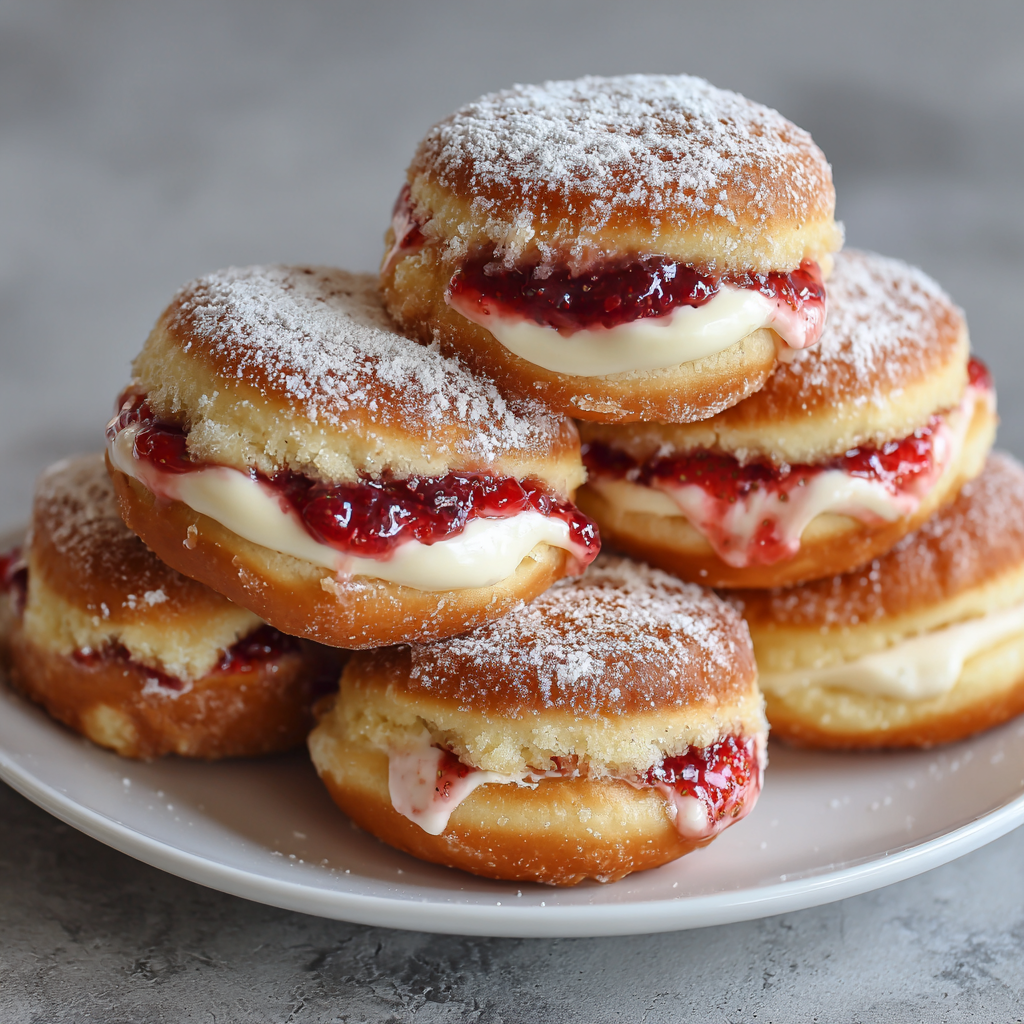
Strawberry Cheesecake Stuffed Donuts : Creamy, Crispy, and Irresistible
The Donut That Dreams Are Made Of: Strawberry Cheesecake Stuffed!
Hey there, friend! Come on in, grab an apron, and let’s get a little messy. Is there anything in the world that smells more like pure, unadulterated joy than something frying in a hot pan? That sweet, toasty scent that floats through the house and magically gathers everyone in the kitchen? Today, we’re making magic. We’re turning a humble can of biscuits into the most spectacular, show-stopping, conversation-halting treat you’ve ever tasted: Strawberry Cheesecake Stuffed Donuts.
Imagine this: a golden-brown, crispy-on-the-outside, cloud-soft-on-the-inside donut. You pick it up, still warm, and take that first bite. Not just a bite into dough, but a bite into a hidden pocket of creamy, tangy cheesecake filling and a burst of sweet, fruity strawberry jam. It’s a surprise party in your mouth, and everyone’s invited. This isn’t just a dessert; it’s an experience. It’s the thing you make on a lazy Sunday morning that turns into a yearly tradition. It’s the “wow” you bring to a brunch that makes you a legend. And the best part? You don’t need to be a pastry chef or have hours to spare. We’re using a brilliant shortcut (refrigerated biscuit dough, you beautiful genius) and focusing all our energy on the fun part: the filling and the frying. So, are you ready to create some kitchen magic and probably become someone’s favorite person? Let’s do this.
My Grandma’s Apron and the Magic of “Fancy” Donuts
This recipe always takes me back to my grandma’s linoleum-floored kitchen. She was a wizard with simple ingredients. One rainy afternoon, when I was about seven and complaining of boredom, she pulled out a can of biscuits. My eyes went wide – we only had those with gravy! She smiled her secret-keeping smile, fried them in a shallow skillet of oil, and rolled them in cinnamon sugar. To my mind, it was the fanciest, most exotic donut ever created. The kitchen filled with that incredible smell, and for that hour, we were in our own warm, sugary world. These Strawberry Cheesecake Stuffed Donuts are my grown-up, extra-indulgent homage to her. It’s that same magical transformation of the ordinary into the extraordinary, but now with a creamy, fruity heart. It’s about creating that same sense of wonder, whether it’s for yourself, your kids, or your friends. Food memories are the best kind, and I have a feeling you’re about to make one.
Gathering Your Treasure: What You’ll Need
Here’s the beautiful lineup. Simple, accessible, and about to become something incredible. Let’s chat about each one:
- 1 can (8 count) refrigerated biscuit dough: Our golden ticket! These flaky, layered biscuits fry up into the most perfect, airy donut base. No yeast, no rising time—just instant pillowy potential. I like the classic buttermilk or “grands” flaky layers variety.
- 4 oz cream cheese, softened: Key word: softened! Leave it on the counter for a good 30-60 minutes before you start. Room temp cream cheese blends into a silky-smooth filling with zero lumps. Trying to beat it cold is a workout for your arm and your patience.
- 1/4 cup powdered sugar: Also called confectioners’ sugar. It dissolves instantly into the cream cheese, sweetening it perfectly without any grit. It also helps thicken the filling a touch.
- 1/2 tsp vanilla extract: The flavor enhancer. It rounds out the sharpness of the cream cheese and adds that warm, classic bakery note. Use pure vanilla if you have it!
- 1/4 cup strawberry jam or preserves: Here’s where you can shine. Use a good-quality jam you love. Preserves have little bits of fruit for texture, while jam is smoother. Either is delicious! Feel free to swap for raspberry, blueberry, or even a citrus marmalade.
- Oil for frying: You’ll need about 1-2 inches in your pot. A neutral oil with a high smoke point is best. Canola, vegetable, or peanut oil are all great choices. They’ll fry the donuts cleanly without imparting any odd flavors.
- Extra powdered sugar for dusting (optional): The snowy, pretty finish that makes them look (and taste) just a bit more special.
Let’s Get Frying: Your Step-by-Step Guide to Donut Bliss
Okay, team. Aprons on, hair tied back, and let’s get into the rhythm of creating. Follow these steps, and you’ll be a donut-stuffing pro in no time.
Step 1: Make the Dreamy Filling. In a medium bowl, plop in your softened cream cheese, powdered sugar, and vanilla. Grab a hand mixer (or a sturdy whisk and some determination) and beat it all together on medium speed until it’s completely smooth, creamy, and lump-free. This should only take a minute or two. Give it a taste – be your own quality control! Set this bowl aside. Chef’s Hack: If you want to pipe the filling later for neatness, scrape it into a plastic baggie, snip off a corner, and you’ve got a makeshift piping bag. Otherwise, a spoon works perfectly!
Step 2: Flatten and Prep the Dough. Pop open that can of biscuits (the best sound in the world, right?). Separate the rounds. On a lightly floured surface, use your fingers or a rolling pin to gently press and stretch each biscuit into a circle about ¼-inch thick. Don’t stress about perfection—we’re not aiming for a perfect circle here! Just a nice, even, flat round that’s about 4-5 inches across. This gives us plenty of room for our filling.
Step 3: The Grand Stuffing Operation. This is the fun part! Lay out your flattened dough rounds. Spoon about 1 ½ teaspoons of strawberry jam into the center of each round. Then, add about 1 tablespoon of the cheesecake filling right on top of the jam. Now, imagine the dough is a little taco. Carefully fold it over the filling to create a half-moon shape. Here’s the MOST IMPORTANT STEP: Pinch the edges together incredibly tightly. Really seal it well, then go back and crimp it with the tines of a fork. We’re creating a watertight (or jam-tight!) seal so our delicious filling doesn’t escape during its hot oil bath. Take your time here.
Step 4: Fry to Golden Perfection. In a heavy-bottomed pot or deep skillet, heat 1-2 inches of oil over medium heat until it reaches 350°F (175°C). If you don’t have a thermometer, test it by dropping a tiny piece of dough in. If it sizzles immediately and rises to the top, you’re good to go. Carefully slide in 2-3 donuts at a time—don’t crowd the pan! Fry for 2-3 minutes on one side until deep golden brown, then gently flip and fry for another 2 minutes. They cook fast, so keep an eye on them. That gorgeous color is your guide.
Step 5: Drain and Glam Up. Use a slotted spoon or spider strainer to lift the donuts out of the oil. Let the excess oil drip off for a second, then transfer them to a plate or baking sheet lined with paper towels. Let them cool for just a minute—they’re molten inside! While still warm, you can dust them generously with that extra powdered sugar. The warmth helps the sugar stick in a lovely, snowy layer.
How to Serve These Little Pieces of Heaven
Serve these beauties warm! The filling will be luxuriously creamy and the jam pleasantly soft. Pile them high on a rustic wooden board or a pretty plate. I love serving them with mugs of strong coffee, glasses of cold milk, or even little cups of espresso for dipping. They are messy, joyful, and meant to be eaten with your hands (napkins mandatory!). The ooze of filling is part of the charm, so lean in and enjoy every single bite.
Mix It Up! Fun Flavor Twists
Once you master the basic technique, the flavor world is your oyster! Try these delicious spins:
- Lemon Blueberry Cheesecake: Use blueberry jam and add 1 tsp of lemon zest to the cream cheese filling. So bright and fresh!
- Chocolate Hazelnut: Swap the jam for a spoonful of chocolate-hazelnut spread (like Nutella). Dust with cocoa powder instead of powdered sugar.
- Apple Pie: Use a thick apple butter or finely chopped cooked apples with a pinch of cinnamon in the filling. Add a pinch of cinnamon to the sugar for dusting.
- Glazed Instead of Dusted: Whisk together 1 cup powdered sugar with 2-3 tbsp milk and 1/2 tsp vanilla for a simple glaze. Dip the warm donuts right in.
- Baked Option: Want to avoid frying? Brush stuffed donuts with melted butter, place on a parchment-lined sheet, and bake at 375°F for 12-15 minutes until puffed and golden. They’ll be more like pastries, but still delicious!
Olivia’s Chef Notes & Kitchen Confessions
This recipe is my ultimate “cheat code” for impressing people. I’ve made it probably fifty times, and it never fails to get gasps. Over time, I’ve learned a few things: First, sealing is EVERYTHING. A poorly sealed donut is a leaky, messy (but still tasty) disaster. Second, don’t be afraid of the oil temperature. If it’s too low, the donuts absorb oil and get greasy. Too high, they brown before the inside cooks. 350°F is the sweet spot. My funniest kitchen fail? The first time I made these, I got so excited I overstuffed them to cartoonish levels. They burst open in the oil like little volcanoes, creating a delicious but chaotic strawberry-cheesecake lava flow in my frying pot. Lesson learned: a heaping tablespoon of filling is plenty! These donuts are best eaten the day they’re made, but honestly, they’ve never lasted more than an hour in my house.
Your Questions, Answered!
Q: My filling keeps leaking out while frying! What am I doing wrong?
A: This is almost always a sealing issue. Make sure you’re pinching the dough edges together very firmly, then double-seal by pressing with a fork. Also, don’t overfill! A tablespoon of cream cheese mix and 1.5 tsp of jam is perfect. Finally, ensure your oil is hot enough (350°F) so the outside sears and sets quickly, locking the filling in.
Q: Can I make these ahead of time?
A: You can prep the components ahead! Make the cream cheese filling and keep it covered in the fridge for up to 2 days. Let it come to room temperature before using. You can also flatten and fill the donuts, place them on a baking sheet, and refrigerate for an hour before frying. Fry just before serving for the best texture.
Q: What’s the best way to dispose of the used frying oil?
A> Great question! Never pour it down the drain. Let the oil cool completely in the pot. Then, carefully pour it back into the original bottle or another sealable container (like an old milk jug) and throw it in the trash. Some municipalities have oil recycling drop-offs—check your local guidelines!
Q: Can I use an air fryer?
A> You can experiment! Brush the stuffed, sealed donuts lightly with oil or melted butter. Air fry at 350°F for about 6-8 minutes, flipping halfway, until golden. The texture will be different—more like a baked pastry—but still tasty.

Strawberry Cheesecake Stuffed Donuts : Creamy, Crispy, and Irresistible
Description
Golden, pillowy donuts with a creamy cheesecake and strawberry jam surprise inside—this recipe is a showstopper for brunch, dessert, or anytime you want to impress (and indulge). Using a simple shortcut—refrigerated biscuit dough—you can make bakery-style stuffed donuts at home without yeast or long rising times.
Ingredients
Dough & Filling
-
1 can (8 count) refrigerated biscuit dough (flaky layers or buttermilk preferred)
-
4 oz cream cheese, softened
-
¼ cup powdered sugar (plus extra for dusting)
-
½ tsp vanilla extract
-
¼ cup strawberry jam or preserves
For Frying
-
1–2 inches neutral oil (canola, vegetable, or peanut)
Optional Decoration / Variations
-
Glaze: 1 cup powdered sugar + 2–3 tbsp milk + ½ tsp vanilla
-
Cocoa powder, cinnamon sugar, or extra sprinkles
-
Fruit variations: blueberry jam, raspberry, lemon curd, etc.
Instructions
1️⃣ Make the Cheesecake Filling
-
In a bowl, beat cream cheese, powdered sugar, and vanilla until smooth and lump-free.
-
Optional: transfer to a piping bag or a plastic baggie with a corner snipped for easy filling.
2️⃣ Prep the Dough
-
Flatten each biscuit on a lightly floured surface to about ¼-inch thick, 4–5 inches wide.
-
Doesn’t need to be perfect—just enough surface to hold the filling.
3️⃣ Stuff & Seal the Donuts
-
Spoon 1 ½ tsp jam onto the center, then top with 1 tbsp cheesecake filling.
-
Fold dough into a half-moon and pinch edges tightly.
-
Crimp with a fork to ensure a secure seal.
4️⃣ Fry to Golden Perfection
-
Heat 1–2 inches of oil to 350°F (175°C).
-
Fry 2–3 donuts at a time for 2–3 minutes per side until deep golden brown.
-
Remove with a slotted spoon and drain on paper towels.
5️⃣ Dust or Glaze
-
While slightly warm, dust with powdered sugar or drizzle with glaze.
-
Optional: top with cinnamon sugar or cocoa for a flavor twist.
Notes
-
Sealing is everything: Poorly sealed donuts = leaks. Pinch and fork-crimp edges.
-
Oil temperature: 350°F is ideal—too low = greasy, too high = browned outside but raw inside.
-
Filling amount: 1 tbsp cream cheese + 1 ½ tsp jam per donut keeps everything tidy.
-
Advance prep: Filling can be made 1–2 days ahead; dough can be stuffed and refrigerated 1 hour before frying.
Nutritional Information*
*Approximate values per donut, based on 8 donuts and using 1 tbsp oil absorption.
Calories: ~220 | Fat: 12g | Saturated Fat: 4g | Cholesterol: 15mg | Sodium: 380mg | Carbohydrates: 25g | Fiber: 0g | Sugar: 10g | Protein: 3g
There you have it! Your guide to creating pure, stuffed donut joy. I hope you make them, share them, and absolutely love them. Don’t forget to tag me if you share a photo—nothing makes me happier than seeing your kitchen creations! Now go forth and fry something wonderful.
Final Thoughts: The Alchemy of Everyday Magic
What we’ve made here is more than a recipe. It’s a lesson in alchemy—the transformative magic of turning the simple and humble into something extraordinary. A can of biscuits becomes a vessel for joy. Cream cheese and jam become a hidden treasure. A few minutes in hot oil creates a memory.
This recipe embodies a beautiful truth: you don’t need professional training or rare ingredients to create wonder. You just need a bit of courage (hello, frying!), a sense of play, and the desire to make an ordinary moment special. It’s a tribute to grandmas everywhere who understood that love is often best expressed through warm, homemade treats.
So remember, the next time you’re faced with a boring afternoon, a last-minute gathering, or simply a craving for something celebratory, you hold the power to create magic. It’s in your hands, your kitchen, and that wonderfully familiar pop of a biscuit can.
Embrace the mess. Share the warmth. Savor the sweet, creamy, golden-brown proof that a little effort can yield pure, unadulterated delight.
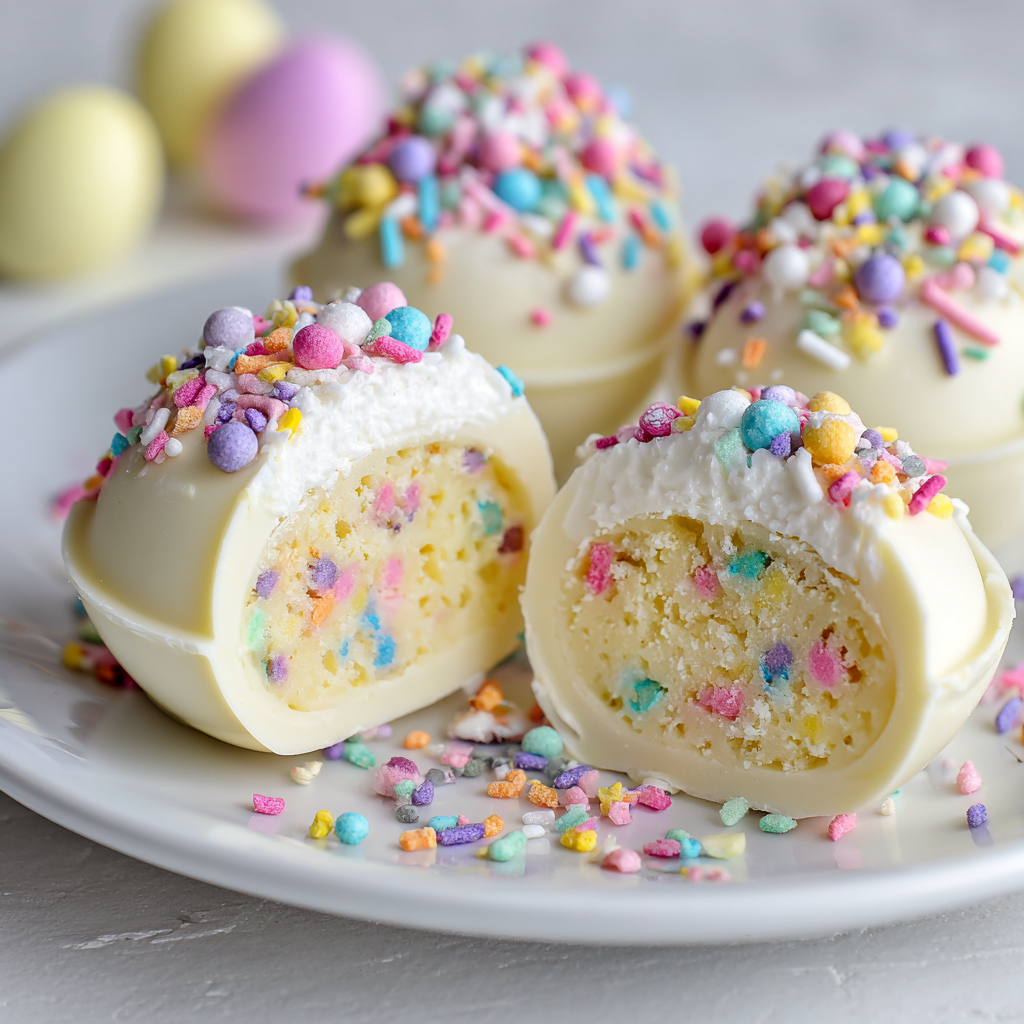
Easter Confetti Pudding Bombs : A No-Bake Surprise in Every Shell
Easter Confetti Pudding Bombs: Your New Favorite No-Bake Tradition
Hey there, friend! Come on in, grab an apron, and let’s make a mess. I’m so glad you’re here. Is there anything better than the promise of a kitchen project that’s equal parts playful and delicious? I don’t think so. Today, we’re trading in our rolling pins for a little bit of kitchen magic as we create the most delightful, surprise-filled Easter treat: Easter Confetti Pudding Bombs.
Imagine this: a crisp, beautiful white chocolate egg sits on your dessert table. It looks almost too pretty to eat. But then, you (or an excited little one) give it a gentle tap. *Crack.* Inside? Not what anyone expects! Instead of a solid center, you reveal a cloud of silky, creamy vanilla pudding, studded with cheerful pastel confetti sprinkles. The combination of that smooth, cool filling and the sweet snap of the chocolate shell is pure, unadulterated joy in every bite.
This is the recipe for the fun-seeker, the busy host, and the person who believes dessert should be an experience. You don’t need an oven, you don’t need professional pastry skills—you just need a sense of adventure and a love for making people smile. These Pudding Bombs are the star of any Easter egg hunt, the dazzling centerpiece of your brunch table, or the most memorable homemade gift. They’re a conversation starter, a memory maker, and proof that the best things in life often come in delicious, surprise packages. Ready to play with your food? Let’s do this!
The Day I Learned Dessert Could Be an Adventure
This recipe takes me straight back to my grandma’s linoleum-floored kitchen, the air thick with the scent of ham and yeast rolls. Easter was a big deal. While the adults handled the savory feast, my cousin Mia and I were always put in charge of “something sweet.” One year, a well-intentioned but slightly chaotic aunt brought over a bag of chocolate molds and a box of instant pudding, telling us to “invent something.” What resulted was… messy. Pudding everywhere, chocolate shells that were more like thick lace, and sprinkles stuck to our foreheads.
But when we finally managed to seal a pudding-filled egg and presented it to my grandpa, his face lit up. The surprise of the soft filling inside the hard shell made him laugh out loud—a deep, rumbling sound that meant true delight. It wasn’t perfect, but it was fun. That’s the spirit I’ve chased ever since. These Confetti Pudding Bombs are the polished, sprinkle-fied version of that childhood experiment. They capture that same feeling of playful surprise, but I’ve worked out all the messy kinks for you. They’re my edible homage to the idea that cooking isn’t just about the final product; it’s about the laughter and the stories you collect along the way.
Gathering Your Rainbow: Ingredients & Insights
Here’s everything you’ll need to create your own batch of edible magic. I’ve added my little chef notes next to each one because knowledge is power (and in this case, power leads to perfect pudding bombs!).
For the Chocolate Shell:
- 12 oz white chocolate, chopped: Use a good-quality baking bar, not chips if you can help it! Chips have stabilizers that help them hold their chip shape, which can make melting and tempering trickier. Chopping a bar gives you smooth, meltable pieces for a gorgeous, snappy shell.
- 2 oz pastel-colored candy melts (optional): These are my secret weapon for that perfect Easter egg color without thinning out the chocolate. You can melt a handful of pink, yellow, or blue melts and stir them into your white chocolate for a soft pastel hue. Chef Tip: If you don’t have these, a tiny drop of oil-based food coloring works, but candy melts are more reliable for color and consistency.
- 2 tbsp rainbow confetti sprinkles: We’re putting sprinkles right in the shell! This gives the outside a festive, textured look and a little extra crunch.
For the Pudding Filling:
- 1 ½ cups cold milk: The colder the better! Instant pudding sets by bonding with the milk proteins, and cold milk speeds this process up, giving you a thick, luscious filling faster.
- 1 (3.4 oz) box instant vanilla pudding mix: The trusty workhorse. It provides the perfect base texture and flavor. For a richer taste, seek out a “cook and serve” pudding mix and prepare it according to package directions, then let it cool completely before using.
- ½ cup whipped cream (optional for fluffier filling): This is the “fluffier filling” game-changer! Fold in some lightly sweetened whipped cream or even thawed whipped topping to make the filling airy and mousse-like.
- 1 tsp vanilla extract: A dash of pure vanilla amplifies that cozy, homemade flavor and rounds out any overly-sweet notes from the chocolate.
- ¼ cup rainbow confetti sprinkles: The “confetti” in the confetti bomb! Use the classic round sprinkles (jimmies) for the best texture. Avoid nonpareils (the tiny balls) inside the filling as their color can bleed.
For Decoration:
- Extra white chocolate for drizzling: A little drizzle makes them look professionally pretty.
- Pastel sprinkles: Go wild! This is where you personalize your bombs.
- Mini chocolate eggs (optional): A cute topper that hints at what’s inside (sort of!).
Let’s Build Some Magic: Step-by-Step Instructions
Put on some happy music, clear a space in your fridge, and let’s get crafting. I’ll walk you through every step with all my favorite hacks.
Step 1: Make the Chocolate Shells. This is the most important step, but don’t stress—I’ve got you. Start by finely chopping your white chocolate bar. Place it in a microwave-safe bowl. Microwave it in 30-second bursts, stirring vigorously between each one. Stop when there are just a few small lumps left; the residual heat will melt them as you stir. This prevents scorching. If using candy melts for color, stir them in now until smooth. Grab your Easter egg molds (silicone is easiest!). Using a pastry brush or a small spoon, coat the inside of each mold cavity with a thick, even layer of melted chocolate. Don’t be shy! A thin shell is a fragile shell. Immediately sprinkle the backs with your 2 tablespoons of confetti sprinkles and gently press them in. Pop the molds onto a tray and into the freezer for a solid 15 minutes. Once set, take them out and apply a second coat of chocolate. This double-layer method is my #1 tip for bombshells that won’t crack prematurely. Freeze again for 15 minutes.
Step 2: Prepare the Pudding Filling. While the shells are setting, let’s make the fluffy surprise. Pour your ice-cold milk into a medium bowl. Sprinkle the entire box of pudding mix over the milk. Immediately start whisking! Whisk for a full 2 minutes—set a timer. You want it thick and smooth. If you’re using the whipped cream option, gently fold it in now along with the vanilla extract. Finally, fold in your ¼ cup of confetti sprinkles with a light hand to avoid over-mixing. Cover the bowl with plastic wrap pressed directly onto the surface of the pudding (this prevents a skin from forming) and pop it in the fridge to firm up a bit more while your second chocolate coat sets.
Step 3: The Grand Assembly. Time for the fun part! Remove your chocolate shells from the freezer. Carefully pop them out of the molds; they should release easily if they’re fully set. You’ll have two halves for each bomb. Place half of the shells (the ones that look the prettiest!) on a parchment-lined tray, sprinkle-side down—these will be your bottoms. Take your chilled pudding and spoon or pipe it into these bottom shells, filling them almost to the top but leaving a tiny lip. Now, take your other shell halves. Using a small amount of your re-melted chocolate (just zap it for a few seconds), “paint” a thin line around the edge of a top shell. Quickly and carefully place it, sprinkle-side up, onto a pudding-filled bottom shell, pressing the edges together gently to seal. The chocolate acts as your edible glue. Repeat with all your eggs. Place the tray back in the fridge for at least 20 minutes to let the seal set.
Step 4: Decorate with Abandon. This is your artist moment! Melt a little more white or pastel chocolate. Using a fork or a piping bag with a tiny tip, drizzle the chocolate over your sealed bombs in zig-zags or swirls. Immediately, before the drizzle sets, shower them with more pastel sprinkles and maybe a mini chocolate egg or two. The key is to work quickly and embrace the happy chaos.
Step 5: Serve & Celebrate! Keep your finished Easter Confetti Pudding Bombs refrigerated until the very moment you’re ready to serve. The cold ensures the shell has a satisfying snap and the filling stays dreamy and creamy. Present them on a platter and watch the delight unfold as everyone discovers the surprise inside.
How to Serve Your Edible Masterpieces
Presentation is half the fun! Arrange your Pudding Bombs on a cake stand lined with Easter grass or nestled in a bed of shredded green coconut “grass.” For a brunch table, place each one in a small, colorful paper cupcake liner on everyone’s plate—it’s an instant individual dessert that feels special. If you’re including them in an egg hunt, tuck them gently into obvious spots (they’re not for hiding in the dirt!). The real magic happens when you encourage everyone to tap their egg with the back of a spoon to crack it open, revealing the hidden confetti treasure inside.
Make It Your Own: Fun Variations
- Chocolate Lover’s Dream: Use milk or dark chocolate for the shell and chocolate pudding mix for the filling. Fold in mini chocolate chips instead of sprinkles.
- Lemon Berry Burst: Use lemon pudding mix. Fold in finely chopped freeze-dried strawberries (they won’t bleed color!) and use a tiny drop of yellow food coloring in the white chocolate shell.
- Cookies & Cream: Fold crushed Oreo pieces into the vanilla pudding. Use a mix of white and black cookie crumbs to decorate the outside.
- Dairy-Free Delight: Use a high-quality dairy-free white chocolate and your favorite non-dairy milk (coconut milk works beautifully for richness) with the pudding mix.
- “Bunny Bait” Version: Add a tablespoon of smooth peanut butter to the pudding mix with the milk, and fold in crushed pretzel bits for a sweet-and-salty surprise.
From My Kitchen to Yours: Chef’s Notes
This recipe has been through more iterations than I can count! The first version used only one coat of chocolate, and let’s just say we had more “pudding puddles” than pudding bombs. The double-coat method is non-negotiable for structural integrity. I also learned the hard way that liquid food coloring can make chocolate seize up into a grainy mess—hence my love for candy melts. One Easter, I accidentally used a sugar cookie sprinkle mix that had little star shapes in it, and it was such a happy accident; the different shapes made the confetti even more fun. Don’t be afraid to play. The worst that can happen is you have to eat your “mistakes,” which are usually still delicious. These bombs are best enjoyed within 2-3 days, but I doubt they’ll last that long!
Your Questions, Answered: FAQs & Troubleshooting
Q: My chocolate shell cracked when I took it out of the mold! What did I do wrong?
A> This usually means the shell was a bit too thin or it warmed up too quickly. The double-coat method is your best defense. Also, when removing from the mold, if it’s resisting, pop the whole mold back in the freezer for 5 more minutes. Handle the shells quickly and by the edges to avoid melting them with the heat of your hands.
Q: Can I make these ahead of time?
A> Absolutely! You can make the shells up to a week ahead and store them in an airtight container in the fridge. Assemble the bombs the day before you plan to serve them. The filling is best fresh, so I don’t recommend filling them more than 24 hours in advance for optimal texture.
Q: My pudding filling is too runny. How can I fix it?
A> First, ensure you whisked for the full 2 minutes. If it’s still runny, the milk may not have been cold enough, or the pudding just needs more time. Pop it in the fridge for another 30 minutes. As a last resort, you can whisk in a tablespoon of instant dry milk powder or a teaspoon of cornstarch to help thicken it up.
Q: I don’t have Easter egg molds. What can I use instead?
A> No problem! Get creative. You can use small silicone half-sphere molds (like for cake pops), mini muffin tins lined with plastic wrap, or even clean, plastic Easter eggs as a mold (just be sure they are food-safe and give them a very thorough coating of chocolate so they release). The shape changes, but the surprise inside is just as wonderful.
Easter Confetti Pudding Bombs : A No-Bake Surprise in Every Shell
Description
These Easter Confetti Pudding Bombs are playful, colorful, and perfect for spring celebrations. A crisp chocolate shell hides a creamy vanilla pudding center packed with cheerful sprinkles. No oven needed, just a little melting, mixing, and decorating. They’re great for Easter tables, party treats, or a fun kitchen project with family.
Ingredients
Chocolate Shell
-
12 oz white chocolate, finely chopped (best quality bars if possible)
-
2 oz pastel candy melts (optional, for color)
-
2 tbsp confetti sprinkles (for inside shell)
Filling
-
1½ cups cold milk
-
1 (3.4 oz) box instant vanilla pudding mix
-
1 tsp vanilla extract
-
½ cup whipped cream or whipped topping (optional, for fluffier texture)
-
¼ cup confetti sprinkles (jimmies style)
Decoration (Optional)
-
Extra melted chocolate for drizzle
-
Pastel sprinkles or mini candy eggs
Equipment: Silicone egg or half-sphere molds
Instructions
Microwave chopped white chocolate in 30-second bursts, stirring each time until smooth.
If using candy melts for pastel color, stir them in now until fully melted.
Brush or spoon a thick layer of melted chocolate inside each mold cavity.
Sprinkle some confetti sprinkles into the shell and press lightly.
Freeze 15 minutes, then add a second chocolate coat for strength. Freeze again.
Whisk cold milk and pudding mix for 2 minutes until thick.
Stir in vanilla. Fold in whipped cream (if using) and sprinkles.
Refrigerate 10–15 minutes to firm up.
Carefully remove chocolate shells from molds.
Spoon or pipe pudding into half of the shells, leaving a small edge clear.
Rewarm remaining chocolate. Pipe or spread a thin ring around the edge of an empty shell.
Press onto a filled half to seal. Chill 20 minutes to set.
Drizzle with melted chocolate and add pastel sprinkles or candy toppers before it sets.
Keep refrigerated until serving.
Notes
-
Double coat the shells — thin chocolate cracks easily.
-
Use jimmies sprinkles inside — tiny ball sprinkles can bleed color.
-
Cold milk matters for thick pudding.
-
Handle shells by the edges so body heat doesn’t melt them.
-
Silicone molds release easiest and reduce breakage.
Nutritional Information (Per Pudding Bomb, Approximate)
Calories: 280 | Fat: 15g | Saturated Fat: 9g | Carbohydrates: 32g | Sugar: 27g | Protein: 3g | Cholesterol: 10mg | Sodium: 150mg
Note: Nutrition information is an estimate and will vary based on specific ingredients used and any optional additions.
Final Thoughts: More Than a Treat, A Memory
And there you have it—your very own edible Easter magic, ready to bring a wave of wonder to your celebration.
These Easter Confetti Pudding Bombs are so much more than a dessert. They’re a tiny spectacle, a moment of shared delight, and a delicious testament to the joy of playful cooking. In the cracking of the shell and the reveal of the cheerful confetti inside, you’re not just serving a sweet—you’re creating a core memory for your family and friends. It’s the “ooh” and “ahh,” the laughter, the gentle tap of a spoon that turns dessert into an event.
This recipe is for anyone who believes holidays are made brighter with a dash of whimsy. It’s for the parent crafting a magical Easter morning, the friend who brings the most talked-about dish to the potluck, and for you—the one who deserves a little kitchen triumph that’s as fun to make as it is to eat.
So embrace the sprinkles, take your time with the chocolate shells, and don’t worry about perfection. The real beauty is in the handmade charm and the surprise within. When you place that platter on the table, you’re offering more than a treat; you’re offering an experience, a conversation, and a whole lot of happiness.
May your Easter be sweet, bright, and filled with the kind of joy that comes from a delicious, crackable surprise.
Happy creating, and happier eating,
Olivia
Your guide in the kitchen
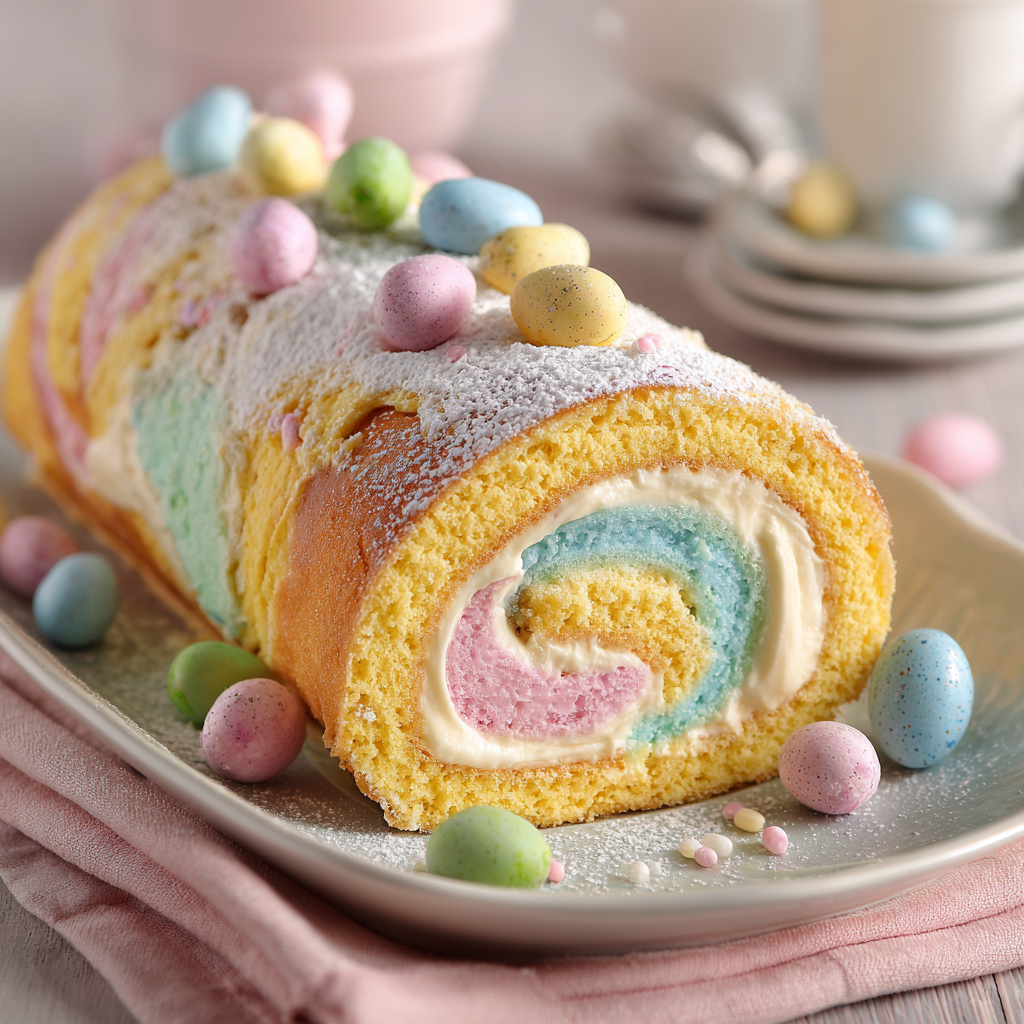
Easter Swiss Roll : A Pastel-Perfect Spring Dessert
Easter Swiss Roll: Your New Spring Tradition Awaits!
Hey there, friend! Can you smell that? It’s the sweet, promising scent of a cake baking, mixed with the crisp, hopeful air of spring. Welcome back to my kitchen—I’m so glad you’re here. As the days get longer and the world outside starts to blush with pastel colors, my baking instincts kick into high gear. There’s something magical about creating a dessert that doesn’t just taste good, but looks like a celebration. That’s exactly what this Easter Swiss Roll is all about.
Imagine slicing into a cloud-soft, marbled sponge cake, revealing a swirl of dreamy cream cheese filling dotted with cheerful bits of pastel candy. It’s whimsical, it’s delicious, and it has that undeniable “wow” factor that makes everyone at the table lean in for a closer look. But here’s my favorite part: it’s deceptively simple. If you’ve ever felt intimidated by the elegant spiral of a roll cake, I’m here to be your guide. We’re going to walk through this together, step-by-cozy-step, and I’ll share all my favorite kitchen hacks to ensure success. This isn’t just a recipe; it’s a chance to create a gorgeous, shareable centerpiece that embodies the joy of the season. So, tie on your favorite apron (the messy one tells the best stories), and let’s make something unforgettable!
Of Sugar, Spring, and Sweet Memories
This recipe always takes me straight back to my Grandma Rose’s sun-drenched kitchen. Easter was her holiday. While other families had elaborate feasts, her pride and joy was the dessert table—a pastel wonderland of coconut nests, lemon bars, and, the crowning glory, her “Rainbow Log.” It wasn’t a Swiss roll per se (hers was a bit denser, packed with walnuts), but the spirit was the same: a beautiful, rolled cake that looked like it came from a fancy bakery. My job, as her designated “sous-chef,” was to sprinkle the crushed pastel mints. I took this duty very seriously, arranging each fragment as if it were a precious jewel.
One year, I got a little… overzealous. A whole cup of candies ended up in the filling. When we went to roll it, the log cracked spectacularly. My heart sank, but Grandma just laughed her warm, crinkly-eyed laugh. “Olivia, darling,” she said, “now it’s a rustic bark!” She slathered on extra frosting, stuck whole marshmallow chicks on top, and declared it the best one yet. That day, she taught me that kitchen “failures” are often just opportunities for creativity, and that the real magic isn’t in perfection—it’s in the joy of making and sharing something with love. This Easter Swiss Roll is my homage to her and that lesson: a little whimsical, a little sweet, and absolutely full of heart.
Gathering Your Pastel Palette
Here’s everything you’ll need to create this spring masterpiece. I’ve included my little chef notes to help you understand the “why” behind each ingredient—knowledge is power (and better baking)!
For the Cake:
- 6 large egg whites: Room temperature is key! They whip up to a much greater volume, giving us that light, airy sponge we crave. Save the yolks for a rich pasta carbonara or custard later.
- 1 tsp lemon juice (or white vinegar): This acidic magic helps stabilize the egg white foam, making it less likely to collapse. It’s our little insurance policy for a tall, fluffy cake.
- ¼ tsp salt: A flavor enhancer! It balances the sweetness and makes all the other flavors pop.
- ¼ cup granulated sugar: We add this gradually while whipping to dissolve it completely, creating a smooth, glossy meringue.
- ½ cup + 1 tbsp sifted cake flour: Cake flour has a lower protein content than all-purpose, which means a more tender, delicate crumb. Sifting is non-negotiable—it aerates the flour, making it easier to fold in without deflating our precious meringue.
- Gel food coloring (pink, yellow, blue, green): Gel is the champion here. It’s super concentrated, so you get vibrant pastels without adding extra liquid that could thin the batter.
- Powdered sugar (for dusting): This will be our “blank canvas” dusting to prevent sticking when we roll the warm cake, and our final snowy finish.
For the Filling:
- 4 oz cream cheese, softened: Leave it on the counter for a good hour. Soft cream cheese blends smoothly, preventing any lumpy surprises. Full-fat gives the best flavor and stability.
- ¾ cup heavy cream (cold): The colder the cream, the faster and better it whips. We’re looking for stiff peaks that will hold our roll’s shape.
- 1 tbsp sugar: Just a touch to subtly sweeten the filling and complement the tang of the cream cheese.
- Dash of vanilla extract: The flavor backbone. A pure vanilla extract makes all the difference.
- Crushed Easter candies: The fun part! Mini eggs, pastel M&M’s, or malted milk eggs add delightful crunch and bursts of chocolatey flavor. Crush them roughly—you want varied sizes for texture.
Let’s Roll! Step-by-Step Instructions
Follow these steps, breathe, and have fun. You’ve got this!
Step 1: Prep Like a Pro. Preheat your oven to 350°F (175°C). Line a standard 10×15 inch jelly roll pan with parchment paper, letting a little excess hang over the short sides for easy lifting. Give it a very light spray with nonstick spray—this glues the paper down and ensures the cake releases perfectly. Chef’s Hack: Do this first. An anxious batter waiting for a pan is a deflating batter!
Step 2: Whip the Meringue Base. In the impeccably clean bowl of your stand mixer (or using a hand mixer), combine the room-temperature egg whites, lemon juice, and salt. Beat on medium-high until the mixture is frothy and opaque. With the mixer running, gradually—I mean, a tablespoon at a time—add the granulated sugar. Once it’s all in, crank the speed to high and whip until you get soft, glossy peaks. This means when you lift the whisk, the peak will curl over gently. Don’t go to stiff peaks; it can make the cake dry and difficult to roll.
Step 3: Fold with a Gentle Touch. Sift the cake flour over the meringue in two additions. Using a large rubber spatula, fold it in gently. Imagine you’re carefully turning the batter over onto itself, scraping from the bottom of the bowl. We want to incorporate the flour while preserving as many of those precious air bubbles as possible. No vigorous stirring!
Step 4: Create Your Pastel Swirl. Now for the art project! Divide the batter evenly between three small bowls. Add a tiny drop of gel food coloring to each—pink, yellow, and one more (blue and green mixed make a lovely spring aqua). Gently fold the color in until just combined. Here’s the fun part: spoon dollops of each colored batter back into one large bowl. With a knife or skewer, give the batter just 2-3 lazy swirls. We want a marbled effect, not mud!
Step 5: Bake & the Critical Warm Roll. Pour and spread the marbled batter evenly into your prepared pan, getting it into the corners. Bake for 10-12 minutes. The cake is done when the top springs back lightly when touched. While it bakes, lay out a clean kitchen towel and dust it liberally with powdered sugar. The moment the cake comes out, invert it onto the towel. Carefully peel off the parchment paper it baked on. Now, starting at a short end, use the towel to gently roll the cake up into a loose spiral. Let it cool completely rolled up like this. This “trains” the cake to roll and prevents cracking later!
Step 6: Make the Dreamy Filling. In your mixer bowl, beat the softened cream cheese and 1 tbsp sugar until smooth. Switch to the whisk attachment. With the mixer on low, gradually pour in the cold heavy cream and vanilla. Once combined, increase speed to medium-high and whip until you have firm, spreadable peaks. Don’t over-whip, or it can become grainy.
Step 7: Assemble with Love. Carefully unroll the completely cooled cake. It’s okay if it stays slightly curled. Spread the cream cheese filling evenly over the surface, leaving a small border at the far edge. Sprinkle the crushed candies generously over the filling. Then, using the towel to help guide you, re-roll the cake forward into a tight spiral, peeling the towel away as you go.
Step 8: Chill, Garnish, and Slice. Place the roll seam-side down on a serving platter and refrigerate for at least 30 minutes (up to 4 hours) to set. This makes slicing cleanly a breeze. Just before serving, dust the top with a snowfall of powdered sugar and decorate with a few whole candies for that “wow” factor. Use a sharp serrated knife, wiping it clean between slices, for perfect pieces.
Presenting Your Masterpiece
Place your finished roll on a long, rustic wooden board or a simple white platter to let the colors shine. For a truly stunning Easter table, scatter a few real or ceramic eggs, sprigs of fresh mint or lavender, and pastel napkins around the platter. Slice it thick for a hearty dessert portion, or thinner for a dainty afternoon tea treat. I love serving it with a pot of fresh herbal tea or a glass of cold milk for the kids (and kids-at-heart).
Make It Your Own: Fun Variations
- Citrus Sunshine: Add 1 tsp of lemon or orange zest to the cake batter and a tbsp of the corresponding juice to the filling for a bright, zingy twist.
- Berry Bliss: Fold 1/2 cup of finely chopped, well-dried strawberries or raspberries into the filling along with the candies.
- Chocolate Indulgence: Swap 2 tbsp of the cake flour for cocoa powder. Use chocolate candies and add a tbsp of cocoa powder to the filling.
- “Bunny Garden”: Skip the candies inside. After frosting, press shredded coconut onto the outside of the roll to look like “grass” and top with jelly bean “eggs” and a marshmallow bunny.
- Dairy-Free Swap: Use a plant-based cream cheese and coconut cream (chilled overnight, use the solid part) for the filling.
Olivia’s Chef Notes
This recipe has been my spring fling for years, and it’s evolved with every batch. The first time I made it, I used liquid food coloring and ended up with a sad, greyish swirl—a true pastel fail! That’s when I became a gel-color evangelist. I’ve also learned that the “roll while warm” step is the hill I will die on. It feels counterintuitive, but it’s the secret handshake of all successful roll cakes. One year, my cat Waffles decided the dusted towel was his new throne mid-process. Let’s just say we had to start over, and he got a powdered sugar mustache. The mess was worth the laugh. Don’t stress the small cracks; a little powdered sugar covers a multitude of sins, and the flavor is always a home run.
Your Questions, Answered
Q: My cake cracked when I re-rolled it with the filling! What happened?
A: The most common culprits are overbaking (which dries it out) or not rolling it tightly enough while it was warm and flexible. Don’t worry! It’s still delicious. Just press it together, chill it well so the filling acts like glue, and dust generously with powdered sugar. It’ll taste incredible, I promise.
Q: Can I make this ahead of time?
A: Absolutely! You can bake the cake, roll it in the towel, and let it cool completely. Then wrap the whole towel-wrapped roll tightly in plastic wrap and keep it at room temperature for up to a day. Make the filling and assemble the day you plan to serve it. The assembled roll holds beautifully in the fridge for up to 24 hours.
Q: Why did my filling turn out runny?
A: This usually means the cream cheese wasn’t soft enough (causing lumps that break the emulsion) or the heavy cream wasn’t cold enough. Also, ensure you’re using full-fat, brick-style cream cheese, not the spreadable kind in a tub. If it’s a bit soft, just pop the whole assembled roll in the freezer for 20 minutes before slicing to firm it up.
Q: I don’t have a jelly roll pan. Can I use a baking sheet?
A> You can, but the result will be different. A standard baking sheet is larger and has lower sides, so the batter will spread thinner and bake faster, leading to a drier cake that’s harder to roll. If it’s all you have, keep a very close eye on the bake time (maybe 7-9 minutes) and be extra gentle.
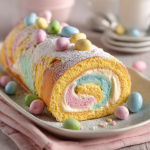
Easter Swiss Roll : A Pastel-Perfect Spring Dessert
Description
This Easter Swiss Roll is soft, fluffy, and filled with creamy goodness and cheerful pastel candy. It looks fancy on the table but is surprisingly simple to make. With a light sponge cake and smooth cream cheese filling, it’s the kind of dessert that becomes a yearly tradition. Perfect for Easter gatherings, spring parties, or a fun weekend bake.
Ingredients
For the Cake
-
6 large egg whites, room temperature
-
1 tsp lemon juice or white vinegar
-
¼ tsp salt
-
¼ cup granulated sugar
-
½ cup + 1 tbsp cake flour, sifted
-
Gel food coloring (pastel colors)
-
Powdered sugar, for dusting
For the Filling
-
4 oz cream cheese, softened
-
¾ cup cold heavy cream
-
1 tbsp sugar
-
1 tsp vanilla extract
-
½–¾ cup crushed pastel Easter candies or mini chocolate eggs
Instructions
1️⃣ Prep Pan & Oven
Preheat oven to 350°F (175°C). Line a 10×15-inch jelly roll pan with parchment and lightly grease.
2️⃣ Whip Egg Whites
Beat egg whites, lemon juice, and salt until foamy. Slowly add sugar while mixing. Beat to soft glossy peaks.
3️⃣ Add Flour
Sift flour over the meringue in two additions. Gently fold with a spatula until just combined.
4️⃣ Color & Marble
Divide batter into 3 bowls. Tint each with gel coloring. Spoon dollops back into one bowl and swirl lightly for a marbled look.
5️⃣ Bake
Spread batter evenly in pan. Bake 10–12 minutes until the top springs back when touched.
6️⃣ Roll While Warm
Dust a clean towel with powdered sugar. Turn hot cake onto towel, peel parchment, and roll up from the short side with the towel. Cool completely.
7️⃣ Make Filling
Beat cream cheese and sugar until smooth. Add cream and vanilla. Whip to firm peaks.
8️⃣ Fill & Roll Again
Unroll cooled cake. Spread filling evenly and sprinkle crushed candies. Roll back up tightly (without towel).
9️⃣ Chill & Serve
Chill at least 30 minutes. Dust with powdered sugar, slice with a serrated knife, and serve.
Notes
-
Roll the cake while warm — this prevents cracking later.
-
Use gel coloring only so the batter doesn’t thin out.
-
Don’t overbake — dry cake cracks more easily.
-
Cold cream whips best for a stable filling.
-
Leave a border when spreading filling so it doesn’t squeeze out.
Nutritional Info (Per Slice, Approximately)
Calories: ~166 | Fat: 8g | Saturated Fat: 5g | Carbohydrates: 19g | Sugar: 12g | Protein: 4g
***
There you have it! Your guide to creating a show-stopping, delicious, and joyful Easter Swiss Roll. I can’t wait for you to try it. Remember, baking is an act of love, especially when shared. Tag me on social if you make it—I love seeing your kitchen creations! Happy baking, and happy spring!
The Final Whisk
In the quiet hum of the oven and the soft peak of whipped cream, we find more than a recipe. We find a rhythm—the rhythm of a season turning, of memories woven into batter, of creating something beautiful to offer up with love.
This Swiss Roll is a celebration captured in cake. A marbled promise of new beginnings, a swirl of sweetness to share. It’s the tangible proof that a bit of flour, eggs, and sugar, handled with care, can become a small piece of art for the people you cherish.
So as you slice into those soft, pastel layers, may it taste like spring itself: light, hopeful, and full of delight. Here’s to sweet traditions, both old and new.
Wishing you and yours an Easter filled with the coziest moments and the most delicious slices of joy.
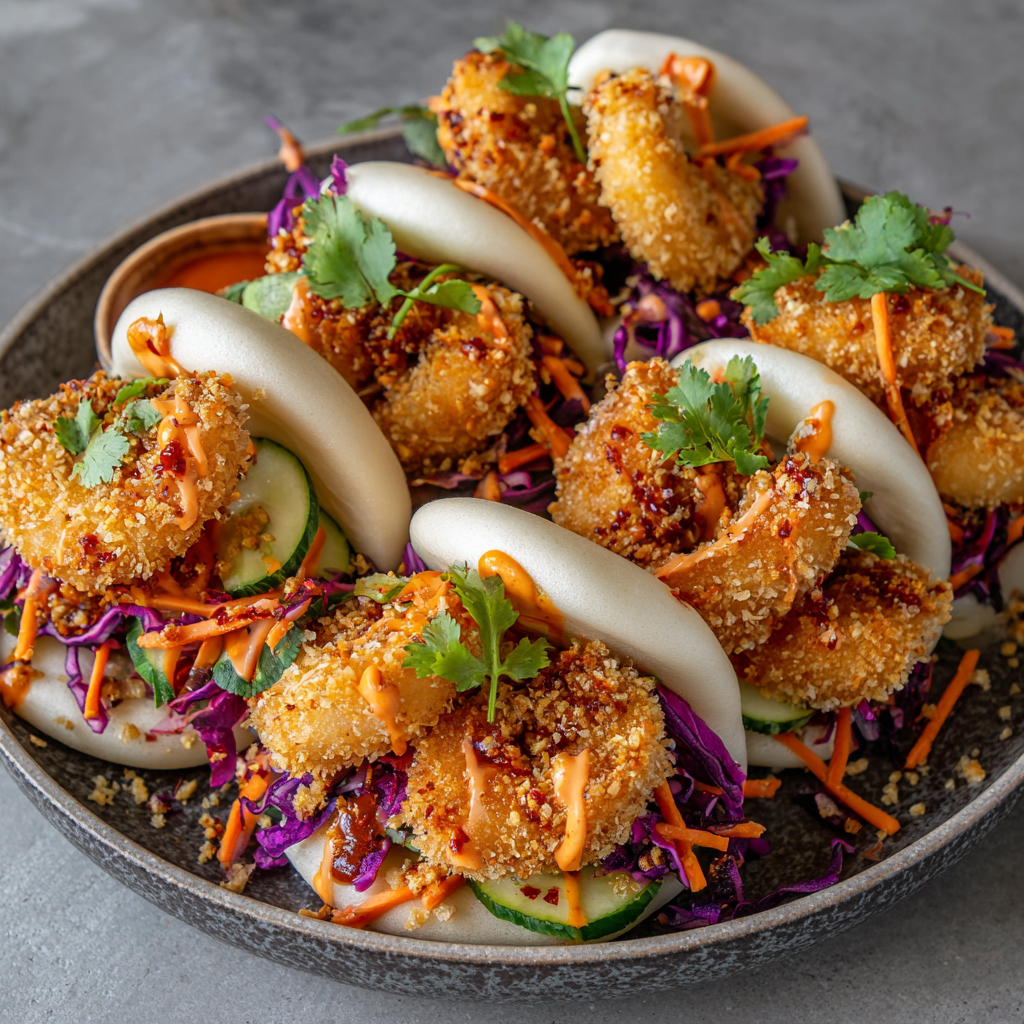
Crispy Shrimp Bao Buns : Panko Crunch, Spicy Mayo & Pickled Veggie Magic
Fluffy Bao, Crispy Shrimp, and the Best Kind of Kitchen Mess
Hey there, friend! Can we talk for a second about that magical moment when you take a bite of something so perfectly balanced, so texturally brilliant, that you just have to stop and close your eyes? The crackle of a golden crust giving way to a tender bite, all hugged by a cloud-soft bun and zinged awake by something spicy and tangy? That’s the exact feeling I’m chasing with these Crispy Shrimp Bao Buns, and let me tell you, they deliver. Big time.
This recipe is my love letter to fun, fearless, and totally approachable cooking. We’re not just making dinner; we’re building a handheld flavor experience. Imagine: juicy shrimp encased in a shatteringly crisp panko jacket, nestled into a pillowy steamed bao, then drizzled with a creamy, spicy mayo and topped with a confetti of bright, quick-pickled veggies. It’s a party in your mouth where every guest—the crunchy, the fluffy, the spicy, the fresh—shows up and gets along famously.
I know the word “bao” might sound a little fancy or intimidating, but I promise you, this is one of the most joyfully simple projects we can tackle together. Whether you use store-bought buns (zero judgment, my secret weapon!) or dive into homemade, the process is a blast. This is the kind of meal that turns a regular Tuesday into a celebration, makes you the star of your next gathering, and fills your kitchen with the kind of smells that make everyone wander in, asking, “What’s cooking and when can I try it?” So, tie on your favorite apron (the messy one tells the best stories), and let’s make some magic.
The Ferry Boat Bao That Started It All
My obsession with bao buns began not in a fancy restaurant, but on a rickety ferry boat chugging across a river in Thailand. I was traveling, wide-eyed and hungry, when a vendor came onboard with a massive steamer basket. The air filled with the warm, sweet scent of steamed dough, and for a few baht, he handed me a little bundle wrapped in paper. It was a steamed bun, split open and stuffed with crispy fried chicken and a sweet-chili sauce. I took my first bite leaning against the railing, the wind in my hair, and it was a revelation. It was messy, bold, hot, cool, crunchy, and soft—all at once.
That moment cemented it for me: the best food is often the simplest concept, executed with love and eaten with gusto. When I got home, I couldn’t stop thinking about that perfect textural contrast. I started playing in my kitchen, swapping in plump shrimp for the chicken, adding a quick pickle for brightness, and whipping up a spicy mayo that had just the right kick. After a few (delicious) trials, I landed on this recipe. It’s my tribute to that ferry boat surprise—a reminder that the most memorable meals are often unplanned, shared with strangers (or loved ones), and delightfully, wonderfully messy. Every time I make these, I’m transported right back to that deck, and I hope they create a little happy memory in your kitchen, too.
Gathering Your Flavor Arsenal
Here’s everything you’ll need to create these little masterpieces. I’ve included my favorite tips and swaps so you can shop and cook with confidence!
- 1 lb large shrimp, peeled and deveined – Size matters here! Go for “large” (31/40 count). They’re substantial enough to be the star. Chef’s Insight: Pat them bone-dry with paper towels. This is the #1 secret for getting the panko to stick perfectly and fry up super crispy.
- 1/2 cup all-purpose flour – Our first layer of the crispy-coating trifecta. It creates a glue for the egg. For a gluten-free version, rice flour works beautifully.
- 2 large eggs, beaten – The “glue” that binds the panko to the shrimp. A quick beat with a fork is all you need.
- 1 cup panko breadcrumbs – The MVP of crunch! Panko is lighter and flakier than regular breadcrumbs, giving us that iconic, airy crispiness. Don’t substitute here—this is where the magic texture comes from.
- Salt & pepper to taste – Season every layer! I like to add a pinch to the flour, the egg, and the panko.
- Oil for frying or air frying – For frying: a neutral oil with a high smoke point like avocado, canola, or peanut. You’ll need enough for about 1 inch in your pan. For air frying: a light spray of cooking oil.
- 1/2 cup mayonnaise – The creamy base of our sauce. Use your favorite brand! For a lighter touch, Greek yogurt is a tasty, tangy swap.
- 1–2 tbsp sriracha – Adjust to your heat tolerance! Start with 1 tbsp and taste. Love it fiery? Go for the full 2 (or more!).
- 1 tsp honey or lime juice – A tiny bit of sweet (honey) or sour (lime) balances the heat and creaminess perfectly. I use honey for a rounded flavor, lime for a brighter kick.
- 1/2 cup julienned carrots – Adds sweetness and crunch. A mandoline or a sharp knife does the trick. No carrots? Try matchstick jicama!
- 1/2 cup thinly sliced cucumber or radish – Cucumber is cool and refreshing; radish adds a peppery punch. I often use both for a color pop!
- 1/2 cup rice vinegar – Mild and slightly sweet, it’s perfect for quick pickling. White vinegar works in a pinch, but rice vinegar is gentler.
- 1 tbsp sugar & 1/2 tsp salt – These dissolve into the vinegar to create the perfect sweet-sour brine that brings the veggies to life.
- 10–12 store-bought or homemade bao buns – The fluffy throne for our shrimp! Frozen bao buns (found at Asian grocery stores) are a fantastic, convenient option. Just steam according to package directions.
- Cilantro, green onions, sesame seeds for topping – The confetti! Cilantro adds freshness, green onions a mild bite, and sesame seeds a nutty finish and pretty look.
Let’s Build Some Bao Magic: Step-by-Step
Follow these steps, lean into the process, and don’t worry about perfection. The mess is part of the fun!
- Pickle Your Veggies (First!): In a small bowl, whisk together the rice vinegar, sugar, and salt until the sugar dissolves. Toss in your carrots and cucumber (or radish). Let them sit at room temperature for at least 20 minutes. Chef’s Hack: Doing this first means they’ll be perfectly tangy and crisp by the time everything else is ready. You can even do this hours ahead and stash them in the fridge!
- Set Up Your Breading Station: Get three shallow dishes (pie plates or soup bowls work great). In the first, place your flour. In the second, the beaten eggs. In the third, the panko breadcrumbs. Line them up in that order: flour, egg, panko. Keep one hand for dry ingredients and one for wet to avoid “club fingers” (you’ll thank me later!).
- Bread the Shrimp: Take a dry shrimp and dredge it fully in the flour, shaking off any excess. Next, dip it into the egg, letting the excess drip off. Finally, press it firmly into the panko, turning to coat completely. Gently press the panko to ensure it adheres. Place the breaded shrimp on a plate or baking sheet. Repeat with all shrimp. Pro Tip: Don’t overcrowd your breading dishes. Work in batches if needed for clean, even coating.
- Cook to Crispy Perfection:
- For Frying: Heat about 1 inch of oil in a heavy-bottomed skillet or Dutch oven over medium-high heat to 350°F (a breadcrumb should sizzle immediately when dropped in). Fry the shrimp in batches for 2-3 minutes per side, until deeply golden brown. Transfer to a wire rack set over a paper towel-lined plate. This keeps them crispy all around!
- For Air Frying: Preheat air fryer to 400°F. Lightly spray the breaded shrimp with oil. Cook in a single layer for 8-10 minutes, flipping halfway through, until golden and crispy.
- Whip Up the Spicy Mayo: While the shrimp cook, stir together the mayo, sriracha, and honey (or lime) in a small bowl. Taste and adjust! Want more heat? Add sriracha. More tang? A squeeze of lime. Set aside.
- Steam Your Bao Buns: Follow the instructions on your package for steaming frozen or fresh bao buns. Usually, it takes 5-8 minutes over boiling water until they’re puffed, soft, and warm. Little Story: The first time I steamed buns, I placed them directly on the steamer rack and they stuck terribly. Lesson learned! Now I always line the steamer with parchment paper with holes poked in it, or use cabbage leaves – game changer.
- The Grand Assembly: Gently open a warm steamed bun (don’t tear it all the way apart—think of it like a happy little taco). Spread a dollop of spicy mayo inside. Add one or two crispy shrimp. Top with a generous pinch of your drained pickled veggies. Finish with a sprinkle of cilantro, green onions, and sesame seeds.
How to Serve & Savor
These bao buns are meant to be eaten with your hands, so serve them immediately while the shrimp are still hot and crunchy and the buns are soft and warm. I love to set up a “bao bar” for guests: a platter of steamed buns, a bowl of crispy shrimp kept warm in the oven, little dishes of pickled veggies, spicy mayo, and all the toppings. Let everyone build their own masterpiece—it’s interactive, fun, and guarantees happy faces. Pair with a simple cucumber salad or edamame to start, and maybe a crisp lager or sparkling ginger lemonade to drink.
Mix It Up! Creative Twists
The beauty of this recipe is its versatility! Here are a few ways to play:
- Sweet & Sticky: Swap the spicy mayo for a hoisin-garlic glaze. Mix 3 tbsp hoisin, 1 tbsp soy sauce, 1 tsp minced garlic, and a splash of water. Brush on the shrimp after cooking.
- Pork Belly Bliss: Replace shrimp with slices of braised or crispy fried pork belly for a rich, decadent twist.
- “No-Fry” Crispy: For a lighter version, skip breading and toss shrimp in a little oil, cornstarch, salt, and pepper. Bake or air fry at 400°F until pink and firm.
- Veggie Power: Use thick slices of sweet potato or sturdy cauliflower florets, breaded and cooked the same way, for a fantastic plant-based option.
- Gochujang Kick: Mix the mayo with 1-2 tbsp of gochujang (Korean chili paste) instead of sriracha for a deeper, fermented, slightly sweet heat.
From My Kitchen to Yours: A Few Final Thoughts
This recipe has seen many iterations in my kitchen. I once tried to “save time” by breading all the shrimp hours ahead… only to find a sad, soggy plate when it was time to fry. Lesson learned: bread just before cooking! I’ve also learned that the joy of these bao buns is in the contrast, so don’t skip the pickle—its sharpness cuts through the richness perfectly. Over the years, I’ve served these to skeptical kids (who now request them), at potlucks where they disappear in minutes, and on quiet nights when my husband and I just want to treat ourselves. They never fail to bring a smile. Remember, cooking is about the journey and the people you share it with. If a bun tears a little or your mayo is extra spicy, you’re doing it right. Now, go make a (delicious) mess!
Your Questions, Answered
Q: My bao buns are dense/gummy. What did I do wrong?
A: This usually happens from over-steaming or condensation dripping onto the buns. Make sure your water is at a steady boil, but don’t let it violently boil up onto the buns. Keep the lid slightly ajar if needed, and don’t exceed the recommended steaming time. Using a liner (parchment or cabbage) also helps absorb excess moisture.
Q: Can I make any parts ahead of time?
A> Absolutely! The pickled veggies can be made 2-3 days ahead and stored in their brine in the fridge. The spicy mayo can be made 1-2 days ahead. You can also bread the shrimp and freeze them in a single layer on a baking sheet, then transfer to a bag. Fry directly from frozen, adding 1-2 minutes to the cooking time.
Q: My panko isn’t sticking well to the shrimp. Help!
A> The most common culprit is moisture. Make sure your shrimp are thoroughly patted dry before you start. Also, when dredging, shake off excess flour and let excess egg drip off before moving to the panko. A firm, gentle press into the panko helps it adhere.
Q: I don’t have a steamer. How can I heat the buns?
A> No worries! You can microwave them wrapped in a damp paper towel for 20-30 seconds until soft and warm. Or, wrap them in foil and warm in a 300°F oven for 5-10 minutes. They won’t be quite as fluffy as steamed, but they’ll still be delicious.

Crispy Shrimp Bao Buns : Panko Crunch, Spicy Mayo & Pickled Veggie Magic
Description
If you want a meal that’s fun to make and even more fun to eat, crispy shrimp bao buns are a perfect pick. You get golden crunchy shrimp, soft pillowy buns, creamy spicy sauce, and bright pickled veggies all in one handheld bite. They look impressive, but with store-bought bao buns and a simple breading method, they’re totally doable at home. Great for weekend cooking, sharing with friends, or turning an ordinary dinner into something special.
Ingredients
For the Shrimp
-
1 lb large shrimp, peeled and deveined, patted dry
-
½ cup all-purpose flour
-
2 eggs, beaten
-
1 cup panko breadcrumbs
-
Salt and pepper
-
Oil for frying (or spray oil for air fryer)
Spicy Mayo
-
½ cup mayonnaise (or Greek yogurt)
-
1–2 tbsp sriracha (adjust to taste)
-
1 tsp honey or lime juice
Quick Pickled Veggies
-
½ cup julienned carrots
-
½ cup thin cucumber or radish slices
-
½ cup rice vinegar
-
1 tbsp sugar
-
½ tsp salt
For Serving
-
10–12 bao buns (store-bought or homemade)
-
Chopped cilantro or green onions
-
Sesame seeds (optional)
Instructions
1️⃣ Quick-Pickle the Veggies
Mix vinegar, sugar, and salt in a bowl until dissolved. Add carrots and cucumber/radish. Let sit at least 20 minutes (or refrigerate up to 2 days).
2️⃣ Set Up Breading Station
Prepare three bowls:
-
Flour + pinch salt/pepper
-
Beaten eggs
-
Panko + pinch salt/pepper
Dip shrimp → flour → egg → panko, pressing crumbs on well. Place on a plate.
Tip: Keep one hand for dry and one for wet ingredients to avoid clumping.
3️⃣ Cook the Shrimp
Pan Fry:
Heat 1 inch oil to medium-high. Fry shrimp in batches 2–3 minutes per side until golden. Drain on rack or paper towels.
Air Fry:
Heat air fryer to 400°F / 205°C. Spray shrimp lightly with oil. Cook 8–10 minutes, flipping halfway.
4️⃣ Make the Sauce
Stir mayo, sriracha, and honey/lime. Taste and adjust heat or tang.
5️⃣ Steam the Bao
Steam buns according to package directions (usually 5–8 minutes) until soft and fluffy.
Tip: Line steamer with parchment or cabbage leaves so buns don’t stick.
6️⃣ Assemble
Open each bun gently and add:
-
Dollop spicy mayo
-
1–2 crispy shrimp
-
Pickled veggies (drained)
-
Herbs + sesame seeds
Serve immediately while warm and crisp.
Notes
-
Dry shrimp = better crunch — pat very well before breading.
-
Use panko only for that light crispy texture.
-
Bread right before cooking so coating stays crisp.
-
Don’t overcrowd the pan or air fryer — cook in batches.
-
Always include something tangy (pickles or lime) to balance richness.
Nutritional Info (Per Bao Bun, Approximate)
Calories: ~230 | Protein: 12g | Carbohydrates: 22g | Fat: 11g | Fiber: 1g | Sugar: 3g
Note: This is an estimate based on specific ingredients and frying method. Values will vary with substitutions and air frying will reduce fat/calories.
Final Thoughts: A Delicious Journey in Every Bite
These Crispy Shrimp Bao Buns are more than just a meal—they’re an experience. They celebrate the joy of cooking with your senses: the sizzle of shrimp in hot oil, the warm, pillowy softness of steamed buns, the tangy crunch of pickled veggies, and the creamy kick of spicy mayo. This recipe is an invitation to play, to embrace a little mess, and to create something truly special with your own hands.
Whether you’re a seasoned cook or a curious beginner, these buns remind us that great food doesn’t have to be complicated—it just needs to be made with heart and shared with joy. So gather your friends, set up a DIY bao bar, and watch as these handheld bites turn an ordinary meal into a memory.
Here’s to the crispy, the fluffy, the spicy, and the fresh. Here’s to meals that make you smile, kitchens filled with laughter, and the simple pleasure of a perfect bite. Now, go create your own delicious story—one bao at a time.
Happy eating,
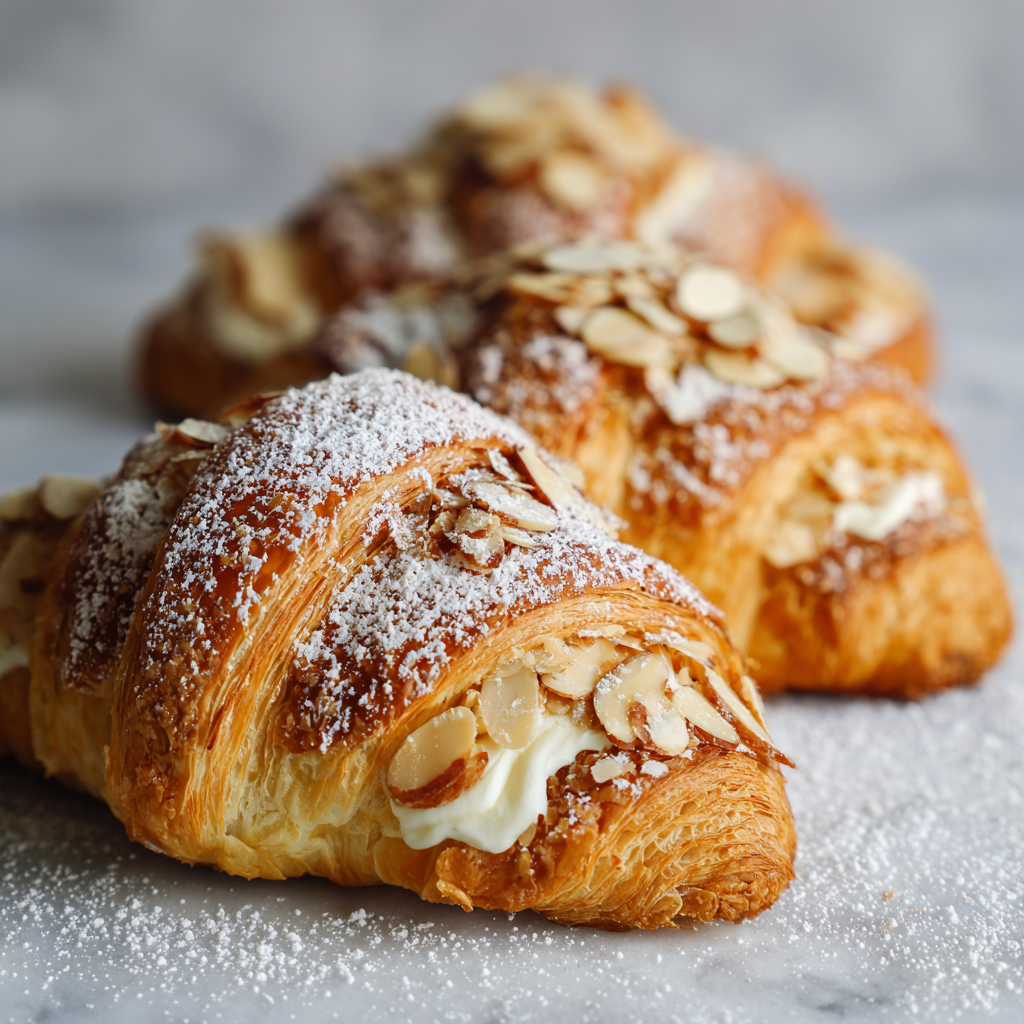
Homemade Almond Croissants : Bakery-Style & Easy to Make
The Simple Joy of a Perfect Almond Croissant
There’s a particular kind of magic that happens in a kitchen just as the sun is coming up. It’s the quiet hum of the oven warming, the nutty, sweet aroma of toasting almonds beginning to fill the air, and the gentle promise of something truly wonderful coming to life. And for me, nothing captures that cozy, special-occasion feeling quite like a homemade Almond Croissant, fresh from the oven.
Picture this: a pastry that’s shatteringly crisp on the outside, giving way to impossibly soft, buttery layers within. Then, the surprise—a rich, marzipan-like almond cream (we call it frangipane in the chef world) that’s both sweet and deeply nutty. It’s finished with a snowy dusting of powdered sugar that melts just slightly on the warm surface. Is your mouth watering yet? Mine certainly is.
For years, I thought these were a treat reserved for professional bakers and fancy Parisian cafés. I’d order them with my coffee, feeling a little extravagant, never dreaming I could make them at home. Then, I discovered the secret: you don’t have to be a pastry chef with three days to spare. With a few simple ingredients and a little know-how, you can create bakery-level Almond Croissants that will make your entire house smell like a dream and have everyone at your table feeling deeply, truly spoiled.
This recipe is my love letter to that feeling. It’s about taking something simple—even a day-old croissant—and transforming it into pure gold. It’s perfect for lazy weekend brunches, holiday mornings, or when you simply want to say “I love you” with food. So, tie on that apron (messy is encouraged here!), and let’s bake some joy together.
A Café in the Rain & The Croissant That Changed Everything
My love affair with the almond croissant began not in France, but on a drizzly, gray afternoon in a tucked-away café in Seattle. I was in college, stressed over finals, and desperately needed a cozy escape. I ducked into this little spot, the windows steamy from the espresso machine, and ordered a coffee and the first thing that caught my eye: an almond croissant.
When it arrived, it wasn’t just a pastry; it was an experience. It was warm, almost too hot to touch, and the powdered sugar drifted down like the rain outside. That first bite was a revelation—the contrast of textures, the intense almond flavor, the way it paired with the bitter coffee. It was more than a snack; it was a moment of pure comfort. I sat there for an hour, watching the world go by, feeling completely at peace. I’ve been chasing that feeling in my own kitchen ever since.
Now, whenever I make these, that memory comes flooding back. It reminds me that the best food isn’t just about fuel; it’s about creating a moment of pause, a pocket of happiness. And the beautiful part? You can create that moment for yourself, right at home, no rain required (though it does add to the ambiance!).
What You’ll Need: Simple Ingredients, Big Flavor
Gathering your ingredients is the first step in the kitchen dance. Here’s everything you need to make four gloriously indulgent almond croissants. Don’t be fooled by the short list—each one plays a starring role!
For the Almond Cream (Frangipane):
- ½ cup almond flour: This is the heart of the flavor! Using finely ground almond flour (not almond meal, which is coarser) gives our frangipane that luxuriously smooth, melt-in-your-mouth texture. Chef’s Insight: For a toastier flavor, you can spread the almond flour on a baking sheet and toast it in the oven at 350°F for 5-7 minutes before using. Let it cool completely first!
- ¼ cup unsalted butter, softened: The base of our cream. Unsalted lets you control the salt level. It MUST be soft to room temperature so it creams beautifully with the sugar. Quick Tip: If you forgot to take it out, cut it into small cubes and let it sit for 15-20 minutes. No microwave!
- ¼ cup granulated sugar: Sweetens the deal. I use regular white sugar here for a clean sweetness that lets the almond shine.
- 1 large egg: Our binder. It gives the frangipane structure and a lovely richness as it bakes. Pro Tip: Crack it into a small bowl first to avoid any shell sneaking into your perfect cream.
- ½ teaspoon almond extract: This is the flavor booster! It intensifies the nutty aroma beautifully. A little goes a long way. Substitution: You can use vanilla extract in a pinch, but the almond character won’t be as pronounced.
- A tiny pinch of salt: Never underestimate the power of salt in sweets! It balances the sugar and heightens all the other flavors.
For Assembly & Baking:
- 4 day-old croissants: This is the secret weapon! Slightly stale croissants are actually perfect—they’re sturdier for filling and soak up the syrup without becoming mushy. Don’t have day-old? Fresh works too! Just be gentle. You can use store-bought, bakery-bought, or even homemade if you’re feeling ambitious.
- 2 tablespoons sliced almonds: For that iconic crunchy topping. They toast up golden in the oven, adding fantastic texture and visual appeal.
- Powdered sugar, for dusting: The final, snowy touch. It looks beautiful and adds a whisper of extra sweetness.
- Simple Syrup (Optional but Recommended): Just ½ cup water + 2 tablespoons sugar simmered together. This is my “bakery-style” hack! Brushing it inside the croissant adds moisture and a subtle sweetness that takes these from good to “oh-my-goodness” incredible.
Let’s Bake! Your Step-by-Step Guide to Almond Croissant Bliss
Ready to create some magic? Follow these steps, and you’ll be a frangipane pro in no time. I’ve sprinkled in my favorite tips and hacks to ensure your success.
- Preheat & Prep: First things first, preheat your oven to 350°F (175°C). This gives it plenty of time to reach a steady, even temperature, which is key for pastries. Line a baking sheet with parchment paper. No parchment? A light coating of butter or non-stick spray will do. My Little Ritual: I always do this first. It’s like setting the stage before the actors (the croissants) come out!
- Make the Simple Syrup (If Using): In a small saucepan, combine the ½ cup water and 2 tablespoons of sugar. Bring it to a gentle simmer over medium heat, stirring just until the sugar completely dissolves. This takes only 2-3 minutes. Once clear, remove it from the heat and let it cool for a few minutes. Chef’s Hack: I often add a drop of almond extract to this syrup for an extra flavor punch!
- Create the Frangipane Filling: In a medium bowl, add your softened butter and granulated sugar. Using a hand mixer (or a sturdy whisk and some elbow grease!), beat them together for 1-2 minutes until the mixture is light, fluffy, and pale in color. This “creaming” process incorporates air, making the filling lighter. Scrape down the sides of the bowl. Add the egg and beat until fully combined. Now, add the almond flour, almond extract, and that all-important pinch of salt. Mix on low speed just until everything is smooth and homogenous. Be careful not to overmix. You should have a thick, spoonable, dreamy almond paste. Set this aside.
- Prepare the Croissants: Take your croissants and, using a serrated bread knife, slice them horizontally. Here’s the trick: slice almost all the way through, but leave one edge attached, like a book! This creates a perfect pocket for our filling and helps them hold their shape. If you’re using the simple syrup, now is the time. Use a pastry brush (or a spoon in a pinch) to lightly brush the inside of each croissant with the syrup. Don’t drench it—just a light, even coating. This adds moisture and flavor.
- Fill & Assemble: Open your croissant “books.” Spoon about 1-2 tablespoons of the frangipane onto the bottom half. Use the back of the spoon to spread it evenly. Don’t be shy, but also don’t overfill, or it might ooze out too much during baking. Close the croissant gently. Now, take another spoonful (about a tablespoon) and spread a thin, even layer of the almond cream over the top of the croissant. This creates that classic bakery look and gives the sliced almonds something to cling to.
- Add the Finishing Touch & Bake: Sprinkle the sliced almonds generously over the frangipane on top of each croissant. Gently press them down so they stick. Place the croissants on your prepared baking sheet. Slide them into the preheated oven and bake for 12-15 minutes. You’re looking for the frangipane to be set and golden brown, the almonds on top to be toasted, and the whole croissant to be heated through and crisp.
- The Grand Finale: Carefully remove the baking sheet from the oven. Let the croissants cool on the sheet for at least 5-10 minutes. They are molten-lava hot inside! This resting time lets the filling set a bit. Just before serving, use a fine-mesh sieve to dust the tops with a generous cloud of powdered sugar.
How to Serve Your Masterpiece
Presentation is part of the fun! Place a warm croissant on a simple, elegant plate—a plain white or vintage china piece works beautifully. That dusting of powdered sugar is your best friend for instant “wow” factor. I love serving these on a wooden board for a rustic brunch spread. The perfect partner? A strong, hot cup of coffee, a frothy cappuccino, or a pot of black tea. The bitter notes cut through the sweetness perfectly. For a truly decadent weekend treat, add a small dollop of lightly sweetened whipped cream or a side of fresh berries on the plate. Now, sit down, take a bite, and savor the moment you created.
Make It Your Own: Fun Variations to Try
Once you’ve mastered the classic, the kitchen playground opens up! Here are a few of my favorite twists:
- Chocolate-Almond Dream: Before adding the frangipane, tuck a few dark chocolate chips or a thin piece of a dark chocolate bar inside the croissant. The melted chocolate paired with the almond cream is next-level.
- Berry Bliss: Add a layer of raspberry or apricot jam inside the croissant, underneath the frangipane. The sweet-tart fruit is a gorgeous contrast to the nutty cream.
- Gluten-Free Friendly: Use your favorite gluten-free croissants! The frangipane is naturally GF, so this swap works like a charm.
- Orange Zest Delight: Add the zest of one small orange to the frangipane mixture. The citrus brightens the whole flavor profile beautifully.
- “Everything” Danish Style: Skip the sliced almonds and top with a streusel crumble before baking for a different kind of crunchy, Danish-inspired treat.
From My Kitchen to Yours: A Few Parting Thoughts
This recipe has been a living, evolving thing in my kitchen. I’ve made it for nervous first dates (it worked!), for heartbroken friends (it helped), and for sleepy-eyed family on Christmas morning (it became a tradition). I once, in a pre-coffee haze, accidentally used salted butter and forgot to reduce the salt pinch. The result was oddly, wonderfully salted-caramel-esque! A happy accident, but I still recommend unsalted for control.
The biggest lesson I’ve learned? Don’t stress about perfection. If the frangipane oozes out a little, that’s just more crispy, caramelized goodness. If the powdered sugar doesn’t dust perfectly, it still tastes incredible. Cooking, especially baking like this, is an act of love. The slight imperfections are what make it homemade and heartfelt. So have fun with it, put on some good music, and enjoy the process as much as the delicious result.
Your Questions, Answered
Q: Can I make the frangipane ahead of time?
A: Absolutely! You can prepare the almond cream, cover it tightly, and store it in the refrigerator for up to 3 days. Let it come to room temperature and give it a good stir before using, as it will firm up when chilled.
Q: My croissants got a bit soggy. What happened?
A> The most likely culprit is too much simple syrup. Remember, you’re just brushing for moisture, not soaking. Also, using a very fresh, super soft croissant can lead to sogginess—day-old is truly ideal here. Ensure your oven is fully preheated so they start cooking and crisping immediately.
Q: Can I freeze assembled but unbaked almond croissants?
A> Yes, you can! Assemble them completely (including the almonds on top), then place them on a baking sheet and freeze until solid. Once frozen, transfer them to a freezer bag. When ready to bake, bake straight from frozen, adding 3-5 extra minutes to the baking time. The frangipane may not brown quite as much, but they’ll still be delicious.
Q: What’s the best way to store leftovers?
A> They are truly best the day they are made. However, you can store any cooled leftovers in an airtight container at room temperature for 1 day. To recrisp, warm them in a 300°F oven for 5-8 minutes. I don’t recommend refrigerating, as it can make the pastry tough.

Homemade Almond Croissants : Bakery-Style & Easy to Make
Description
There’s something extra special about an almond croissant — crisp, flaky layers, a rich almond cream center, and a snowy dusting of powdered sugar. The best part? You don’t need to make croissant dough from scratch. With store-bought croissants and a quick almond filling, you can turn a simple pastry into a café-worthy treat in under 30 minutes. Perfect for brunch, holidays, or a cozy morning upgrade.
Ingredients
For the Almond Cream (Frangipane)
-
½ cup almond flour (finely ground)
-
¼ cup unsalted butter, softened
-
¼ cup granulated sugar
-
1 large egg
-
½ tsp almond extract
-
Pinch of salt
For Assembly
-
4 croissants (preferably day-old)
-
2 tbsp sliced almonds
-
Powdered sugar, for dusting
Optional Simple Syrup (Recommended)
-
½ cup water
-
2 tbsp sugar
-
Optional: drop of almond or vanilla extract
Instructions
Preheat oven to 350°F (175°C). Line a baking sheet with parchment paper.
In a small saucepan, simmer water and sugar for 2–3 minutes until dissolved. Cool slightly. Add a drop of almond extract if you like.
In a bowl, beat softened butter and sugar until light and fluffy (about 1–2 minutes).
Add egg and mix until smooth.
Stir in almond flour, almond extract, and salt until thick and creamy. Set aside.
Slice each croissant horizontally like a sandwich, keeping one edge attached.
Lightly brush the inside with simple syrup if using.
Spread 1–2 tablespoons almond cream inside each croissant. Close gently.
Spread a thin layer of almond cream on top of each croissant.
Sprinkle sliced almonds over the tops and press lightly so they stick.
Bake for 12–15 minutes until golden, crisp, and the almond topping is set and lightly toasted.
Cool 5–10 minutes, then dust generously with powdered sugar before serving.
Notes
-
Day-old croissants work best — they absorb filling without getting soggy.
-
Use almond flour, not almond meal for smooth texture.
-
Don’t overfill or the cream will spill out too much while baking.
-
Warm, not hot serving temp gives the best texture and flavor.
-
Toast almond flour first (optional) for deeper nutty flavor.
Nutritional Information (Per Croissant, Approximate)
Calories: ~330 | Carbohydrates: ~25g | Fat: ~22g | Protein: ~7g
Prep Time: 10 mins | Bake Time: 15 mins | Total Time: 25 mins | Makes: 4 croissants
Note: Nutritional information is an estimate calculated using the specific ingredients listed. Values may vary based on the brand of croissant and exact quantities used.
Final Thoughts: The Simple Joy of a Perfect Almond Croissant
In the end, this isn’t just a recipe—it’s an invitation. An invitation to slow down, to savor, and to create a small, sweet moment of joy in your own kitchen. Whether you’re baking for yourself on a quiet morning or for loved ones gathered around your table, these almond croissants are more than pastry; they’re edible warmth, a hug in food form.
Remember my rainy Seattle café? What I yearned for wasn’t just the croissant, but the feeling it gave me: a sense of peace, indulgence, and presence. And that’s the true magic of this recipe—you don’t need a Parisian bakery or a special occasion to capture that feeling. You just need a few simple ingredients, a warm oven, and the willingness to treat yourself.
So the next time you have a day-old croissant, don’t see it as stale—see it as potential. See it as the beginning of something golden, fragrant, and deeply satisfying. Baking these is a gentle reminder that the finest pleasures often come from the simplest transformations, and that a little butter, sugar, and care can turn an ordinary morning into something quietly extraordinary.
Thank you for baking with me. May your kitchen always be filled with wonderful aromas, your pastries be ever flaky, and your moments at the table be sweet.