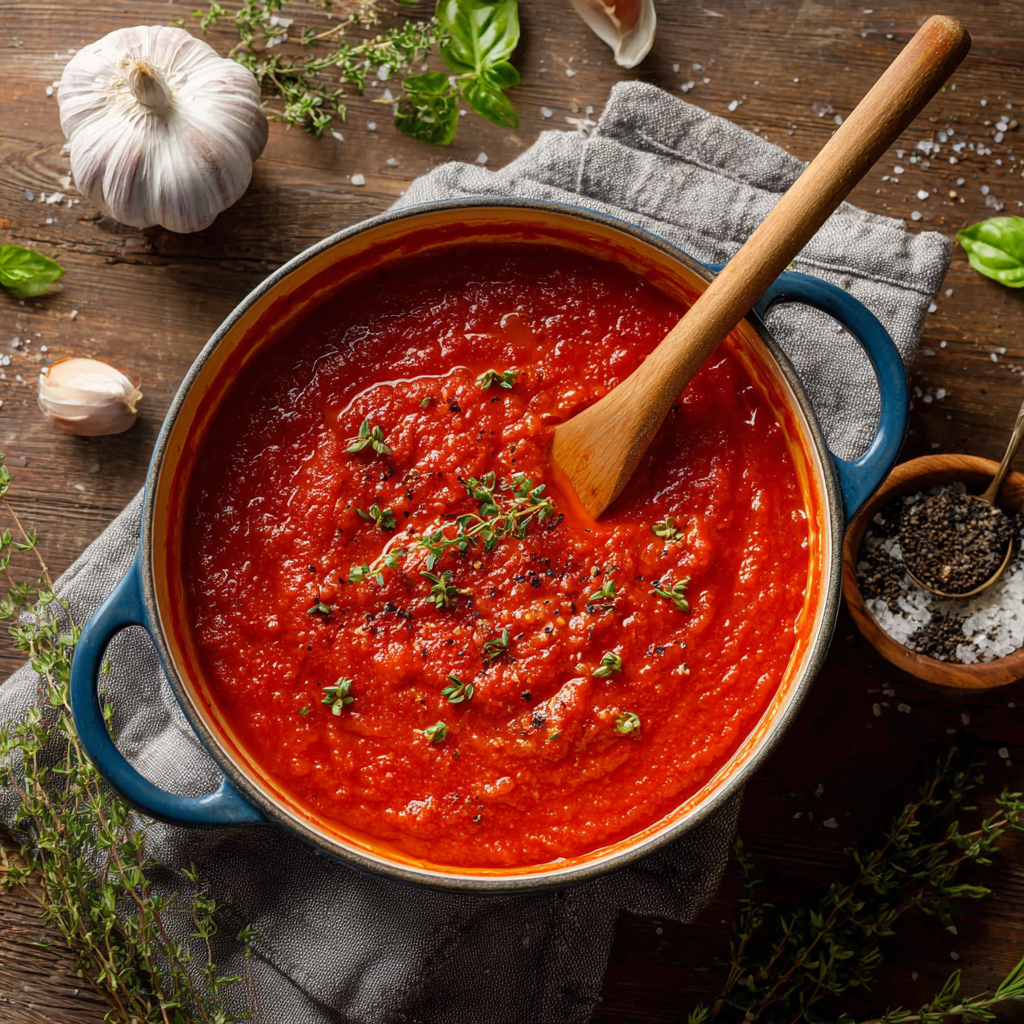
Healthy Tomato Sauce Recipe : Simple, Clean & Homemade
The Sauce That Changed My Kitchen (And My Weeknights!)
Hey there, friend. Can I tell you a secret? For the longest time, I bought my tomato sauce in jars. Yep, Olivia Bennett, self-proclaimed home cook enthusiast, had a pantry shelf dedicated to store-bought marinara. My excuse was always the same: “Who has the time?” But then, I’d look at the ingredient list—the added sugars, the preservatives with names I couldn’t pronounce, the vague “natural flavors”—and feel a tiny pang of kitchen guilt. I knew the tomatoes I bought fresh were gorgeous, so why was the cooked-down version of them so… complicated?
Then, one snowy Sunday when I was stuck inside, I decided to try. Just a pot, some pantry staples, and 30 minutes. Friends, that batch of sauce was a revelation. The kitchen smelled like an Italian grandmother’s hug (the best kind of hug, truly). The flavor was bright, clean, and intensely tomato-y—not masked by sugar or too much dried herb. It tasted… real. And the best part? It was embarrassingly simple.
This healthy tomato sauce recipe is now my weekly warrior. It’s my definition of “simple, clean, and homemade.” It proves that wholesome, from-scratch cooking doesn’t require fancy skills or a whole afternoon. It’s just about letting good ingredients shine. Whether you’re drowning a bowl of pasta, topping a homemade pizza, or giving your zucchini noodles something to cling to, this sauce is your new flavor foundation. Let’s get that pot simmering and fill your kitchen with the coziest smell imaginable.
A Snow Day & The Simmering Pot That Started It All
This sauce’s origin story is one of my favorites. It involves my niece, Sophia, who was about five at the time and the world’s most skeptical eater of anything “red” or “saucy.” On that fateful snow day, she was at my house, her nose pressed against the window, waiting for flakes to pile up. To kill time, I started chopping an onion. She wrinkled her nose. I minced garlic. “Smelly!” she declared. But when I poured those gorgeous crushed tomatoes into the pot and the first bubbles of a simmer started, she drifted over to the stove, pulled up a stool, and just… watched.
“What’s it doing?” she asked. “It’s getting happy,” I told her. “The heat is making all the flavors become friends.” I let her stir (very carefully) and add the pinch of red pepper flakes (“just for a little adventure,” I whispered). For 25 minutes, that pot quietly bubbled away while we played cards. The entire house warmed with the most incredible aroma. When it was time to eat, the skeptical kid who hated “red sauce” asked for “the soup we made.” I tossed it with some pasta, and she devoured it. She called it “Snow Day Magic Sauce.” The name stuck in our family. It taught me that the magic isn’t in complexity; it’s in the process, the smell, and the story you create while it simmers. Now, every time I make it, I think of her, that snowy window, and the power of a patiently simmering pot.
Gathering Your Flavor Friends
Here’s the beautiful part: this is a pantry power play. You likely have most of this already. Let’s walk through why each ingredient is here and how you can swap things if needed!
- 2 tablespoons extra virgin olive oil: Our flavor foundation. A good EVOO adds a fruity, peppery depth you just can’t get from other oils. It’s what we sauté in, and a bit of its flavor stays in the sauce. Chef’s insight: Don’t be tempted to crank the heat too high when you start—we want to infuse, not burn!
- 1 small onion, finely diced: The sweet, savory backbone. When cooked slowly, onions melt into a subtle sweetness that balances the tomatoes’ acidity. Substitution tip: A shallot or two works beautifully for a slightly more delicate flavor.
- 3 cloves garlic, minced: The aromatic heartthrob. We add it after the onion so it doesn’t burn and turn bitter. Chef’s hack: Use a microplane to grate the garlic if you want it to almost dissolve into the sauce seamlessly.
- 28 oz can crushed tomatoes: The STAR. Look for a brand that lists just “tomatoes” and maybe citric acid. Avoid “tomato puree” or anything with added sugar or seasonings. We’re the bosses of flavor here! Insight: San Marzano-style tomatoes are famous for a reason—sweeter, less acidic, with fewer seeds. Worth the splurge for a special batch!
- 1 tablespoon tomato paste (optional): The flavor booster. This isn’t essential, but it adds a rich, concentrated umami depth. I love the little squeeze tubes so I don’t waste a whole can.
- 1 teaspoon dried oregano / ½ tsp dried basil: The herbaceous notes. Dried herbs work great here because they have time to rehydrate and bloom in the simmering sauce. If you have fresh basil, stir in a whole tablespoon, chopped, at the very end for a pop of bright flavor.
- Salt and black pepper, to taste: The essential enhancers. Salt is crucial—it wakes up every other flavor in the pot. Don’t be shy; add in increments and taste.
- Pinch red pepper flakes (optional): The gentle wake-up call. Just a pinch adds a layer of warmth, not heat. It’s my little secret for a sauce that feels more complex.
- 1 teaspoon balsamic vinegar OR 2 tbsp grated carrot (optional): The natural sweeteners. A touch of balsamic adds a gorgeous, subtle sweetness and acidity. The grated carrot is an old Italian nonna trick—it melts into the sauce, adding a natural sugar that cuts acidity without you ever tasting “carrot.”
Let’s Make Some Magic: Step-by-Step
Ready? Tie on your apron (embrace the mess!), and let’s cook. This is less about strict rules and more about building layers of flavor. You’ve got this.
- Build Your Aromatic Base: In a medium saucepan or Dutch oven, heat the olive oil over medium heat. Add the diced onion and a pinch of salt. The salt helps draw out moisture and speeds up the softening. Now, here’s the first chef hack: don’t rush this! Let the onion cook, stirring occasionally, for a good 4-5 minutes. You want them soft, translucent, and sweet, not browned. This patience builds a sweetness that forms the entire foundation of your sauce.
- Wake Up the Garlic: Add the minced garlic and stir constantly. We’re only cooking it for about 30 seconds—just until it becomes incredibly fragrant. If it starts to color even slightly, move quickly to the next step! Burnt garlic is bitter, and we’re all about sweet, mellow vibes here.
- The Tomato Party Starts: Pour in your entire can of crushed tomatoes. It will splutter a bit—that’s okay! Add the tomato paste (if using), dried oregano, basil, a good pinch of salt and pepper, and the red pepper flakes. Stir everything together until the tomato paste is fully dissolved and the herbs are swimming happily.
- The Simmer (Where the Magic Happens): Bring the sauce just to a bubble, then immediately reduce the heat to low. You want a gentle, lazy simmer—just a few bubbles breaking the surface here and there. Let it cook uncovered for 20-30 minutes, stirring every 5-10 minutes to prevent sticking on the bottom. This is non-negotiable downtime. The simmer is reducing the sauce, concentrating the flavors, and mellowing the sharp acidity of the tomatoes. Your kitchen will start to smell incredible.
- Final Flavor Adjustments: After 20 minutes, give it a taste. This is your moment! Need more salt? Add it. Want more herb flavor? Add a pinch more dried oregano. Now is the time to stir in your optional balsamic vinegar or grated carrot if you’re using it. Let it simmer for another 5 minutes to blend.
- Smooth or Chunky? You Decide! For a silky, restaurant-style sauce, use an immersion blender right in the pot (careful of splatters!) or transfer to a standing blender in batches (vent the lid and cover with a towel). I often just give it a few pulses to break it down a bit but leave some texture. Prefer a rustic, chunky sauce? Leave it as is! No wrong answers here.
- Taste, Adjust, and Fall in Love: Give it one final taste. A squeeze of fresh lemon juice can add a last-minute sparkle if it feels a bit flat. A drizzle of fresh olive oil on top when serving? Divine. Your sauce is ready to change the game.
How to Serve Your Homemade Masterpiece
This sauce is the ultimate culinary multi-tool! For classic pasta night, toss it generously with al dente spaghetti or rigatoni, saving a little pasta water to help it cling. Use it as a perfect pizza sauce, spreading a thin layer over your dough. It’s amazing over spiralized zucchini noodles for a low-carb feast, as a base for shakshuka (eggs poached in tomato sauce), or even as a dipping sauce for homemade meatballs or mozzarella sticks. Pour leftovers into a mason jar—it keeps in the fridge for a week or freezes beautifully for up to 3 months.
Make It Your Own: 5 Flavorful Twists
- “Everything But The Kitchen Sink” Veggie: Sauté a diced bell pepper and a handful of sliced mushrooms with the onion for a heartier, chunky vegetable sauce.
- Creamy Vegan Dream: Finish the sauce by stirring in ¼ cup of unsweetened almond milk or a few spoonfuls of raw cashew butter for incredible richness.
- Puttanesca-Inspired Kick: Add 2 tablespoons of rinsed capers and a handful of chopped Kalamata olives with the tomatoes. Anchovy fillets (they’ll melt in) add incredible salty depth.
- Herb Garden Fresh: Skip the dried herbs and stir in a ¼ cup of chopped fresh basil and parsley right at the end.
- Meaty Sunday Gravy Vibe: Brown ½ lb of ground turkey or Italian sausage in the pot before adding the onion. Drain excess fat, then proceed. You’ll have a meaty, robust sauce in no time.
Olivia’s Chef Notes & Kitchen Confessions
This recipe is a living thing in my kitchen! The first time I made it, I was so scared of under-seasoning that I over-salted it. My husband, bless him, drank two full glasses of water with dinner. Lesson learned: season in steps! I’ve also learned that the sauce’s flavor deepens overnight, so making it ahead is always a smart move. One funny fail: I once tried to quadruple the batch in a pot that was way too small. Let’s just say my stovetop looked like a tomato massacre scene. Use a big pot—the sauce likes to bubble and dance as it reduces. Now, I always double the recipe and freeze half. Finding a jar of “Snow Day Magic Sauce” in my freezer on a busy Tuesday is a gift from past Olivia to present, very-hungry Olivia.
Your Questions, Answered!
Q: My sauce tastes a bit acidic or sharp. How can I fix it?
A: This is the most common issue with homemade tomato sauce! Don’t worry, it’s an easy fix. Acidity means it needs balance. Stir in 1 teaspoon of balsamic vinegar, a tablespoon of grated carrot, or even a tiny pinch of sugar. Simmer for another 5 minutes. Often, just cooking it a little longer (another 10-15 minutes on low heat) will also mellow it out beautifully.
Q: Can I use fresh tomatoes instead of canned?
A> Absolutely! You’ll need about 3-4 pounds of fresh Roma or plum tomatoes. Score an “X” on the bottom, blanch them in boiling water for 60 seconds, then plunge into ice water. The skins will peel right off. Chop the flesh and simmer it down (it will take longer, 45-60 minutes) until thickened to your liking.
Q: How can I make this sauce thicker?
A> The simplest way is to let it simmer uncovered for longer. The evaporation will naturally thicken it. If you’re in a rush, you can stir in an extra tablespoon of tomato paste. For a silky thickener, blend 2 tablespoons of the sauce with a few raw cashews or a tablespoon of olive oil until smooth, then stir it back in.
Q: Is it okay to use all fresh herbs instead of dried?
A> Of course! Dried herbs have a more concentrated, earthy flavor that stands up to long cooking. If using fresh, triple the amount (e.g., 1 tablespoon fresh oregano) and add them in the last 5-10 minutes of cooking. Adding them at the very end preserves their bright, fresh color and flavor.
Healthy Tomato Sauce Recipe : Simple, Clean & Homemade
Description
There’s something special about a pot of tomato sauce gently simmering on the stove. This homemade version is fresh, bright, and made with real pantry ingredients—no hidden sugars or hard-to-pronounce additives. It comes together in about 30 minutes and works for pasta, pizza, veggies, or protein bowls. Once you try it, it’s hard to go back to the jar.
Ingredients
-
2 tbsp extra virgin olive oil
-
1 small onion, finely diced
-
3 cloves garlic, minced
-
1 can (28 oz) crushed tomatoes
-
1 tbsp tomato paste (optional, for deeper flavor)
-
1 tsp dried oregano
-
½ tsp dried basil (or 1 tbsp fresh, added at end)
-
Salt and black pepper, to taste
-
Pinch red pepper flakes (optional)
-
1 tsp balsamic vinegar or 2 tbsp finely grated carrot (optional, to balance acidity)
Instructions
-
Sauté the Onion
Heat olive oil in a saucepan over medium heat. Add onion and a pinch of salt. Cook 4–5 minutes until soft and translucent. -
Add Garlic
Stir in garlic and cook about 30 seconds, just until fragrant. Don’t let it brown. -
Add Tomatoes & Seasoning
Pour in crushed tomatoes. Stir in tomato paste (if using), oregano, basil, pepper, chili flakes, and a good pinch of salt. Mix well. -
Simmer Gently
Bring to a light bubble, then reduce heat to low. Simmer uncovered for 20–30 minutes, stirring occasionally, until slightly thickened. -
Balance the Flavor
Taste and adjust salt and pepper. If the sauce tastes sharp, add balsamic vinegar or grated carrot and simmer 5 more minutes. -
Blend (Optional)
Leave chunky, or blend with an immersion blender for a smooth sauce.
Notes
-
Don’t rush the onions — softening them slowly builds natural sweetness.
-
Simmer uncovered so excess water cooks off and flavor concentrates.
-
Too acidic? Add grated carrot or a tiny drizzle of balsamic and keep simmering.
-
Too thin? Cook 10 minutes longer or add 1 extra teaspoon tomato paste.
-
Make a double batch — it freezes well for up to 3 months.
Nutritional Information*
*Approximate values per ½ cup serving. This will vary based on the specific brands of tomatoes and oil you use.
- Calories: 70
- Fat: 4g
- Saturated Fat: 0.5g
- Carbohydrates: 8g
- Fiber: 2g
- Sugar: 5g (naturally occurring from tomatoes)
- Protein: 2g
- Sodium: 180mg
Prep Time: 10 mins | Cook Time: 25 mins | Total Time: 35 mins | Yield: About 3 cups
Final Thoughts
The Sauce That Changed My Kitchen (And My Weeknights!)
Hey there, friend. Can I tell you a secret? For the longest time, I bought my tomato sauce in jars. Yep, Olivia Bennett, self-proclaimed home cook enthusiast, had a pantry shelf dedicated to store-bought marinara. My excuse was always the same: “Who has the time?” But then, I’d look at the ingredient list—the added sugars, the preservatives with names I couldn’t pronounce, the vague “natural flavors”—and feel a tiny pang of kitchen guilt. I knew the tomatoes I bought fresh were gorgeous, so why was the cooked-down version of them so… complicated?
Then, one snowy Sunday when I was stuck inside, I decided to try. Just a pot, some pantry staples, and 30 minutes. Friends, that batch of sauce was a revelation. The kitchen smelled like an Italian grandmother’s hug (the best kind of hug, truly). The flavor was bright, clean, and intensely tomato-y—not masked by sugar or too much dried herb. It tasted… real. And the best part? It was embarrassingly simple.
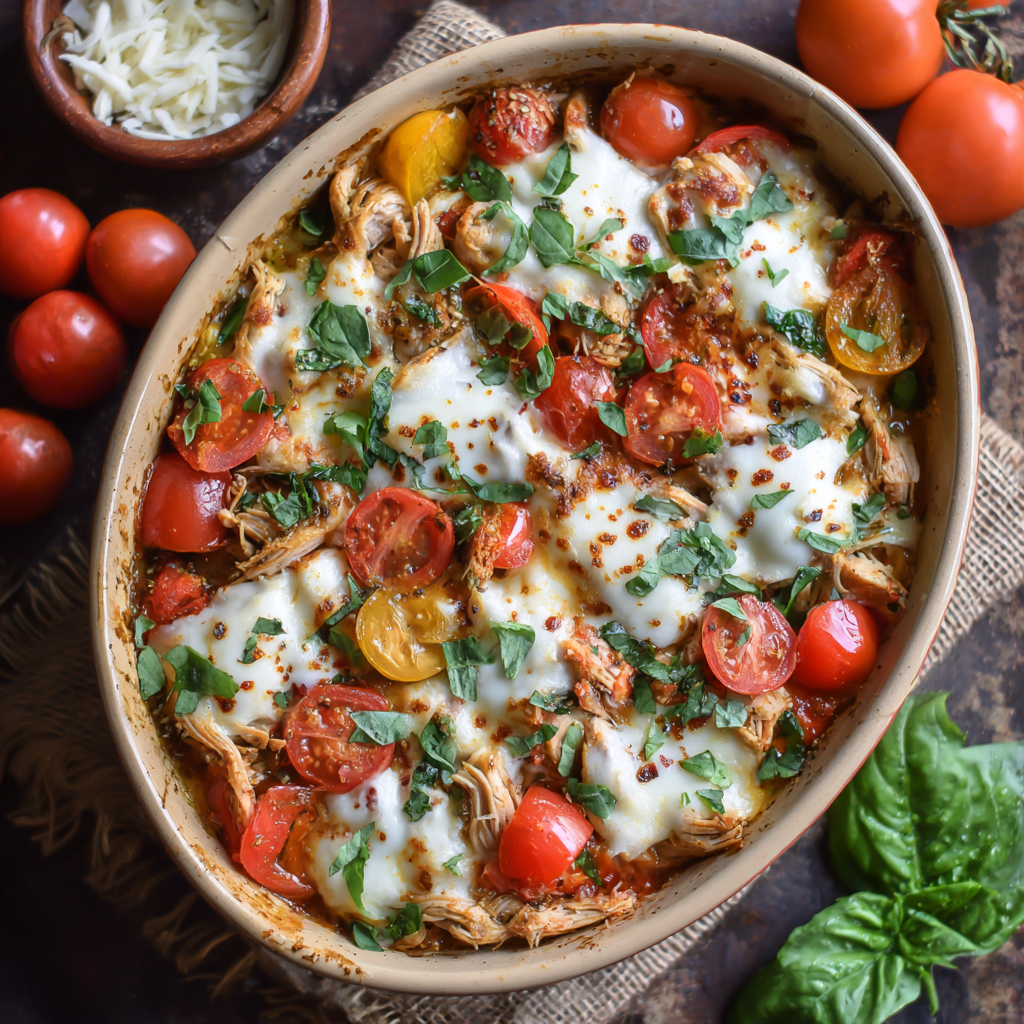
Cheesy Chicken Caprese Casserole (Low Carb & Gluten-Free)
Cheesy Chicken Caprese Casserole: Your New Go-To Comfort Food (Low Carb & Gluten-Free!)
Hey there, friend! Come on in, grab an apron, and let’s get something incredibly delicious bubbling in the oven. If your idea of a perfect dinner involves minimal cleanup, maximum flavor, and that magical moment when melted cheese pulls into a perfect, gooey strand… well, you and I are on the same page today.
This Cheesy Chicken Caprese Casserole is the love child of a classic Italian insalata caprese and the coziest, most satisfying casserole you can imagine. We’re talking juicy shredded chicken, sweet pops of tomato, tender veggies, and not one, not two, but three kinds of glorious cheese, all baked into a dish that’s as wholesome as it is indulgent. It’s naturally gluten-free, low in carbs thanks to a clever veggie swap, and packed with so much bright, fresh flavor from basil and balsamic that you’ll feel like you’re eating sunshine.
I created this recipe for those nights when you want something deeply comforting but also want to feel good after eating it. It’s for busy weeknights, for meal prep that actually excites you, and for feeding a crowd without breaking a sweat. This isn’t just throwing ingredients together; it’s building layers of flavor that sing in harmony. So, preheat that oven, and let’s make a memory—one cheesy, bubbly, unforgettable bite at a time.
A Taste of Summer, Any Day of the Year
This recipe always takes me back to a wildly impromptu dinner party I threw a few summers ago. My garden was exploding with basil and cherry tomatoes, and I had a friend coming over who was trying to eat lower-carb. I wanted to make something that captured the essence of a classic Caprese salad—those perfect, simple flavors of ripe tomato, fresh mozzarella, and basil—but turn it into a hearty main event.
I started pulling things out of the fridge: leftover roasted chicken, some cauliflower rice, an onion. I began layering flavors in my trusty Dutch oven, and before I knew it, the whole kitchen smelled like an Italian trattoria. When I pulled that bubbling, golden dish out of the oven, scattered with halved mozzarella pearls and blistered tomatoes, my friend’s eyes lit up. We ate it straight from the dish, with big green salads on the side, laughing and talking for hours. It was one of those effortless, joyful meals that just worked. That’s the magic I want to share with you—the ability to create a little bit of that summer-garden joy, no matter the season.
Gathering Your Flavor Builders
Here’s everything you’ll need. Don’t stress about being exact—cooking is about intuition! I’ve included my favorite tips and swaps to make this recipe work for you.
Casserole Base
- 1½ lb chicken breasts, cooked and shredded: The star protein! Using pre-cooked chicken (like a rotisserie chicken) is my ultimate weeknight hack. It saves so much time. You can also use thigh meat for more richness.
- 1 tbsp olive oil: Our cooking fat. It adds a fruity depth that butter doesn’t have, which is perfect for Mediterranean flavors.
- 2 yellow onions, diced: The sweet, savory foundation of our sauce. Let them get soft and translucent—this builds a ton of flavor.
- 1 red bell pepper, diced: Adds a sweet crunch and gorgeous color. Don’t skip it!
- 5 cloves garlic, minced: Because more garlic is always the answer. Fresh is best here!
- Salt and black pepper, to taste: Season in layers. Taste as you go!
- 2 tsp Italian seasoning: A quick flavor bomb of oregano, thyme, basil, and rosemary. If you have fresh herbs, use them!
- 1 tsp red chili flakes (optional): Just a hint of warmth in the background. It doesn’t make it spicy, just interesting.
- 3 tbsp tomato paste: This is our secret weapon for a rich, concentrated tomato flavor. Let it cook for a minute with the onions to caramelize slightly.
- 3 cans (15 oz each) diced tomatoes: The body of our sauce. I like the fire-roasted kind for extra smokiness.
- 3 tbsp balsamic vinegar: The magic touch! It adds a sweet-tart complexity that makes the whole dish taste more expensive.
Vegetables & “Grains”
- 4 cups kale, chopped (or spinach): We’re sneaking in greens! Kale holds up beautifully in the bake. If using spinach, stir it in at the very end before baking so it doesn’t vanish.
- 2 cups cooked quinoa: Adds heartiness and a lovely, slightly nutty texture. It also helps soak up the delicious juices. Omit for a stricter low-carb version.
- 4 cups cauliflower rice: Our brilliant low-carb stand-in! It adds bulk and nutrients without weighing you down. You won’t even taste it—it just becomes part of the delicious saucy base.
Cheese & Toppings (The Best Part!)
- 1 cup shredded parmesan cheese: Stirred right into the mix for a salty, umami punch. Use the good stuff from the refrigerated section, not the shelf-stable can.
- 2 cups shredded mozzarella cheese (divided): Half gets mixed in for gooeyness throughout, half gets sprinkled on top for that iconic golden crust.
- 12 oz mozzarella pearls (ciliegine), halved: These little balls of fresh mozzarella are a game-changer. They create irresistible, creamy pockets of cheese throughout the casserole.
- Fresh basil, chopped: Non-negotiable for that true Caprese flavor. Add some before baking and a fresh scatter after for maximum aroma.
- 15 oz cherry or grape tomatoes, halved: The final flourish! They roast and slightly blister in the oven, becoming little bursts of sweet, juicy flavor against the rich, cheesy base.
Let’s Build Some Deliciousness: Step-by-Step
Follow these steps, and you’ll have a masterpiece. I’ve tucked my favorite kitchen hacks right in with each step.
- Preheat and Prep: Fire up your oven to 375°F (190°C). Lightly grease your favorite 9×13 inch (or similar) casserole dish. This is also the perfect time to shred your chicken if you haven’t already. Chef’s Hack: A stand mixer with the paddle attachment can shred cooked chicken breasts in about 30 seconds. Life-changing!
- Sauté the Aromatics: In a large pot or Dutch oven, heat the olive oil over medium heat. Add the diced onions and a pinch of salt. Sauté for 5-7 minutes until they’re soft and turning translucent. Now add the diced red pepper and cook for another 5 minutes, until it’s all starting to smell sweet and wonderful.
- Wake Up the Garlic & Spices: Push the veggies to the side a bit and add the minced garlic to the center of the pot. Let it cook for just 30-60 seconds until incredibly fragrant—don’t let it brown! Then, stir everything together and add the tomato paste, Italian seasoning, salt, pepper, and chili flakes. Stir well and let it cook for another minute. Chef’s Insight: Cooking the tomato paste like this, called “blooming,” deepens its flavor immensely.
- Build Your Sauce: Pour in the cans of diced tomatoes (with their juices) and the balsamic vinegar. Give it a good stir, bring it to a lively simmer, then reduce the heat to medium-low. Let it bubble away for 10-15 minutes, stirring occasionally, until the liquid has reduced by about half. You want a thick, spoonable sauce, not a soup.
- Bring It All Together: To the thickened sauce, add the shredded chicken, chopped kale, cauliflower rice, and cooked quinoa. Stir everything until it’s beautifully combined and heated through. The kale will start to wilt down into the sauce. Remove the pot from the heat—this is crucial!
- The First Cheese Wave: Off the heat, stir in the shredded parmesan and ONE cup of the shredded mozzarella. Mix until the cheese is melted and stringy, creating a wonderfully cohesive filling. Chef’s Tip: Adding cheese off the heat prevents it from seizing up or becoming grainy.
- Assemble for Glory: Transfer the entire saucy, cheesy mixture into your greased casserole dish. Spread it out evenly. Now, for the fun part: scatter the halved mozzarella pearls and the remaining 1 cup of shredded mozzarella over the top. Artfully place the halved cherry tomatoes cut-side up, and sprinkle generously with chopped fresh basil.
- Bake to Perfection: Pop the dish into your preheated oven. Bake for 15-20 minutes, until the cheese is completely melted, bubbly, and has those perfect golden-brown spots. If you want a deeper color, you can broil for the last 1-2 minutes, but WATCH IT LIKE A HAWK.
- The Hardest Part—Rest! Take the casserole out of the oven and let it rest for 5-10 minutes before serving. This allows the flavors to settle and makes it much easier to slice and serve neatly. Use this time to toss a quick salad or set the table!
How to Serve This Beautiful Bake
I love bringing the whole casserole dish straight to the table—it’s rustic and inviting! Use a large spoon or spatula to scoop out generous portions. For a perfect plate, serve it alongside a simple arugula salad dressed with lemon juice and a drizzle of olive oil. The peppery greens cut through the richness of the casserole beautifully. A slice of crusty garlic bread (or a gluten-free alternative) is also a fantastic friend for mopping up any extra sauce. It’s a complete, crowd-pleasing meal all on its own!
Make It Your Own: Fun Variations
This recipe is a fantastic canvas! Here are a few ways to play with it:
- Mediterranean Twist: Swap the chicken for cooked Italian sausage (mild or hot), and add a handful of chopped kalamata olives and artichoke hearts to the mix.
- Zucchini Boat Style: For a fun individual presentation, skip the casserole dish. Scoop the filling into halved, par-baked zucchini boats, top with cheese, and bake until tender.
- Ultra-Creamy Version: Stir in 4 oz of softened cream cheese or ½ cup of ricotta when you add the first round of mozzarella for an even richer, more decadent texture.
- Pesto Swirl: After transferring the mix to the dish, dollop ½ cup of store-bought or homemade pesto on top and use a knife to swirl it lightly before adding the cheese topping.
- Strict Keto: Simply omit the quinoa and double-check that your tomato products have no added sugar. The cauliflower rice keeps it perfectly keto-friendly!
Olivia’s Kitchen Notes
This recipe has become a living, breathing thing in my kitchen. The first time I made it, I completely forgot to add the balsamic vinegar. It was still good, but it was missing that “wow” factor. Now, I won’t make it without it! I’ve also learned that the type of mozzarella pearls matters. The ones packed in water (ciliegine) are superior to the drier, pre-shredded kind for the topping—they melt into creamy pools of heaven.
My biggest kitchen fail with this? Trying to speed up the sauce reduction by cranking the heat to high. I ended up with a splattered stovetop and a slightly scorched bottom layer. Lesson learned: low and slow for a perfect, deep-red sauce. Now, I use that simmering time to clean up and get my toppings ready. It’s all part of the cozy, messy, wonderful process of cooking from the heart.
Your Questions, Answered
Q: Can I make this ahead of time?
A: Absolutely! Assemble the entire casserole (through step 7), cover tightly, and refrigerate for up to 24 hours. When you’re ready, bake it straight from the fridge, adding 5-10 extra minutes to the baking time since it will be cold. You can also freeze the unbaked, assembled casserole for up to 3 months. Thaw overnight in the fridge before baking.
Q: My casserole turned out a bit watery. What happened?
A: This usually means the sauce didn’t reduce enough in step 4, or the vegetables (like fresh spinach or zucchini) released a lot of water. To fix it next time: 1) Really let that tomato sauce simmer and thicken. 2) If using frozen cauliflower rice, thaw it completely and squeeze it in a clean kitchen towel to remove excess moisture. 3) If it’s already baked and watery, you can carefully drain a bit of liquid from the corner of the dish.
Q: I don’t have quinoa. What can I use instead?
A: No problem! You can use an equal amount of cooked rice, farro, or even small pasta like orzo (for a non-gluten-free version). For a pure low-carb/keto version, just leave it out and add an extra cup of cauliflower rice or some chopped zucchini.
Q: Can I use fresh tomatoes instead of canned for the sauce?
A: I don’t recommend it for this specific recipe. Canned tomatoes are picked and packed at peak ripeness, giving a consistent, robust flavor and acidity that’s perfect for a sauce that cooks relatively quickly. Fresh tomatoes would make the sauce too watery unless you cooked it for hours.

Cheesy Chicken Caprese Casserole (Low Carb & Gluten-Free)
Description
If you love cozy, cheesy dinners but still want something balanced and protein-packed, this Cheesy Chicken Caprese Casserole is about to become your new favorite. It brings together tender chicken, juicy tomatoes, basil, and plenty of melty cheese in one easy bake. It’s comforting, colorful, and perfect for busy weeknights, meal prep, or sharing with family. Bonus: it’s naturally low carb and gluten-free.
Ingredients
Base
-
1½ lb cooked chicken breast, shredded or chopped
-
1 tbsp olive oil
-
1 large onion, diced
-
1 red bell pepper, diced
-
4 cloves garlic, minced
-
Salt and black pepper, to taste
-
2 tsp Italian seasoning
-
½–1 tsp chili flakes (optional)
-
3 tbsp tomato paste
-
2 cans (14–15 oz each) diced tomatoes, drained slightly
-
2 tbsp balsamic vinegar
Veggie Bulk (Low-Carb Boost)
-
3 cups cauliflower rice (fresh or thawed & squeezed dry)
-
2 cups chopped kale or spinach
Cheese & Toppings
-
¾ cup grated parmesan
-
2 cups shredded mozzarella, divided
-
8–10 oz fresh mozzarella pearls or chunks
-
1½ cups cherry tomatoes, halved
-
¼ cup fresh basil, chopped
Instructions
-
Preheat Oven
Heat oven to 375°F (190°C). Lightly grease a 9×13-inch casserole dish. -
Sauté Aromatics
Heat olive oil in a large pan over medium heat. Cook onion with a pinch of salt for 4–5 minutes until soft. Add bell pepper and cook 3 more minutes. Stir in garlic for 30 seconds. -
Build Flavor
Add tomato paste, Italian seasoning, pepper, and chili flakes. Cook 1 minute, stirring. Add diced tomatoes and balsamic vinegar. Simmer 8–10 minutes until thickened. -
Combine Filling
Stir in chicken, cauliflower rice, and greens. Cook 2–3 minutes until greens wilt slightly. Remove from heat. -
Add First Cheese Layer
Mix in parmesan and 1 cup shredded mozzarella. Stir until melty and combined. -
Assemble
Transfer mixture to baking dish. Top with remaining shredded mozzarella, mozzarella pearls, and cherry tomatoes. -
Bake
Bake 20–25 minutes until hot and bubbly with golden spots on top. Rest 5–10 minutes before serving. Sprinkle fresh basil over the top.
Notes
-
Use rotisserie chicken to save time.
-
Drain or squeeze cauliflower rice so the casserole isn’t watery.
-
Add cheese off heat when mixing into the filling to keep it smooth.
-
Want extra browning? Broil for 1–2 minutes at the end (have an adult watch closely).
-
Make ahead: Assemble and refrigerate up to 24 hours before baking.
Nutritional Information (Approximate, per serving)
Servings: 8 | Prep Time: 15 mins | Cook Time: 45 mins | Total Time: ~1 hour
Calories: 480 | Protein: 42g | Fat: 22g | Saturated Fat: 10g | Carbohydrates: 24g | Net Carbs: ~17g | Fiber: 7g | Sugar: 10g | Sodium: 780mg
Note: Nutritional info is an estimate calculated with the ingredients listed, including quinoa.
Final Thoughts
And there you have it, friend—a bubbling, golden, impossibly cheesy casserole that proves eating well doesn’t mean sacrificing an ounce of comfort. This Cheesy Chicken Caprese Casserole has quietly become one of my most-requested recipes, and I think I know why. It hits every single note we crave in a truly great meal: it’s satisfying without being heavy, elegant without being fussy, and packed with so much flavor that no one will ever guess it’s low-carb and gluten-free.
What I love most about this dish is how it manages to feel like both a weeknight lifesaver and a dinner party showstopper. On those frantic Tuesday evenings when you’re running on empty, it’s there for you—especially if you’ve been smart enough to stash a pre-assembled version in your freezer. But it also shines when you want to impress, arriving at the table all bronzed and bubbly, with those blistered cherry tomatoes and creamy mozzarella pearls peeking through a blanket of melted cheese. It’s the kind of meal that makes people lean in, spoons ready, asking for the recipe before they’ve even finished their first bite.
I hope as you make this, you’ll take a moment to breathe in that incredible aroma filling your kitchen—the sweetness of simmering tomatoes, the peppery whisper of fresh basil, the unmistakable scent of cheese transforming into something magical. That’s the smell of love, my friend. That’s the smell of nourishment, of slowing down, of gathering around something made with care.
So go ahead, scoop yourself a generous portion. Let those long cheese pulls stretch across the dish and onto your plate. Pair it with something simple—a crisp green salad, maybe a glass of something red and lovely—and settle in. You’ve earned this. You’ve created something truly delicious, and that’s always worth celebrating.
Now I’d love to hear from you! When you make this Cheesy Chicken Caprese Casserole—and I know you will—come back and let me know how it went. Did you try one of the variations? Add your own twist? Burn the garlic and start over like I definitely never have? (Okay, maybe once or twice.) Drop a comment, tag me in your photos, or just send a little note. There’s nothing that makes my day quite like knowing one of my recipes has found a happy home in your kitchen.
Until next time, keep your stove warm and your heart full.
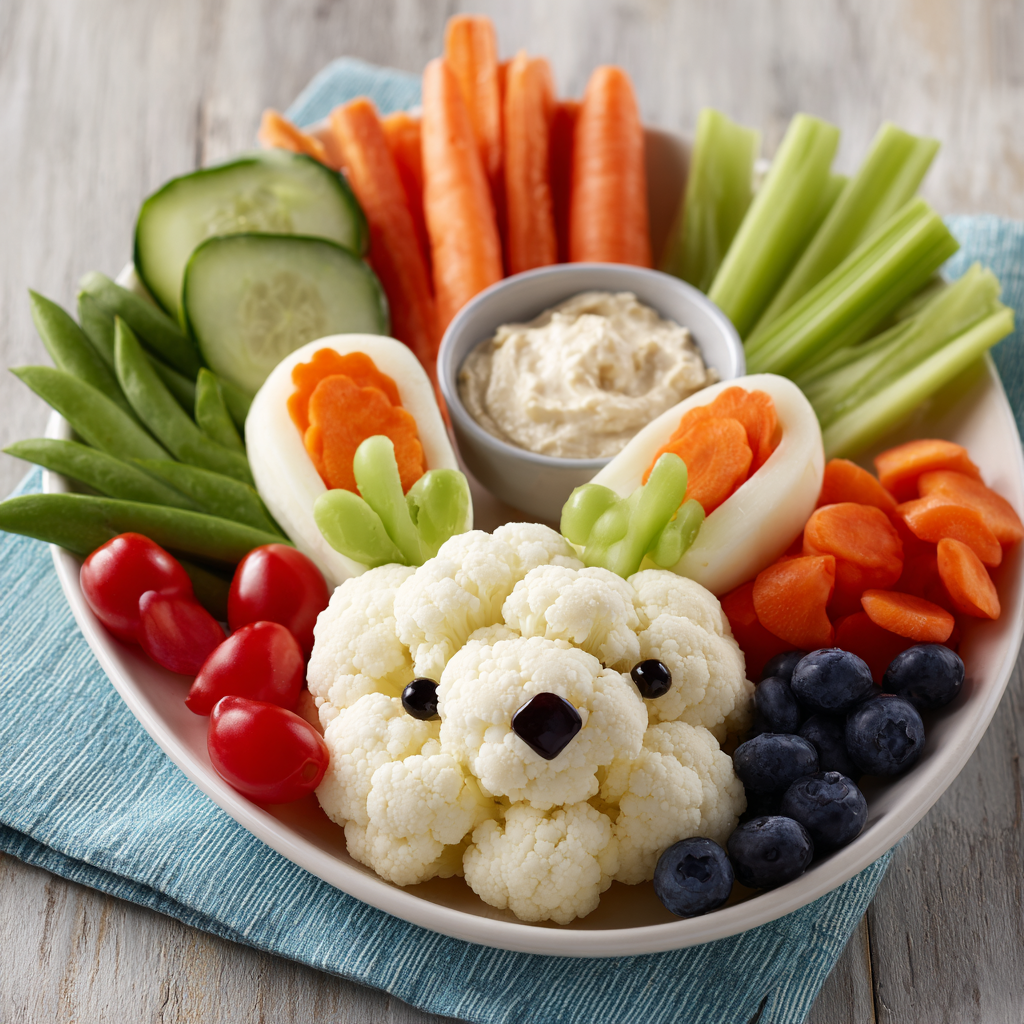
Bunny-Shaped Fruit & Veggie Platters : Fun, Fresh & Kid-Approved
Bring on the Spring Smiles: Your New Favorite Party Trick is Here!
Hey there, friend! Can you feel it? That little shift in the air, the extra hour of sunshine, the first brave daffodils poking through the earth? Spring is whispering, and with it comes a craving for all things fresh, bright, and brimming with life. And let’s be real—it also brings a calendar dotted with gatherings where we want to bring something that says, “I care, and I also have a fun streak a mile wide.” Enter the star of today’s kitchen adventure: the Bunny-Shaped Fruit & Veggie Platter.
This isn’t just another snack plate. This is a centerpiece, a conversation starter, a magic trick that turns “please eat your veggies” into “can I have the bunny’s nose?” I live for recipes like this—the kind that merge effortless beauty with wholesome goodness and a giant dose of joy. You don’t need a culinary degree or fancy tools, just a big platter, a handful of colorful produce, and about 20 minutes of playful arranging. It’s the perfect project to do with little helpers in the kitchen, and the result is a guaranteed smile-maker for Easter brunch, school parties, baby showers, or just a sunny Tuesday that needs a lift. So, tie on your (probably already flour-dusted) apron, and let’s create something unforgettable together!
Why This Bunny Hops Straight to My Heart
This silly, veggie-filled bunny takes me right back to my grandma’s linoleum kitchen floor, sitting cross-legged with my cousin, giggling uncontrollably. Every spring, she’d task us with “building the salad” for Sunday supper. To us, it wasn’t a salad; it was an edible landscape. Cucumber sticks became logs, radish roses were… well, roses, and a lone, perfectly round tomato was always the setting sun. We’d arrange and rearrange, narrating a grand story until the adults called us to the table.
When I set out the ingredients for this platter, that same feeling of playful creativity washes over me. I’m not just prepping food; I’m crafting a moment. I imagine the wide-eyed wonder of a kid seeing a cauliflower bunny for the first time, or the delighted chuckle from a friend who wasn’t expecting a work of art next to the deviled eggs. Food has this incredible power to connect—to stories, to people, to simple happiness. This bunny platter is my edible hug, my way of passing on that kitchen-floor joy. It’s proof that feeding the people you love can be nourishing for the soul, too, and a whole lot of fun in the process.
Gathering Your Garden: What You’ll Need
Here’s the beautiful part: this “recipe” is incredibly forgiving. Think of this list as your inspiration palette—swap colors and textures based on what’s seasonal, what’s on sale, or what your crew loves most. The goal is a vibrant mix of colors, crunch, and sweetness.
- 1 large head of cauliflower: This is our bunny’s fluffy face! Look for one that’s tight, heavy for its size, and creamy white with bright green leaves clinging to the stem. The leaves add a perfect rustic touch. Chef’s Insight: Don’t toss the core! Slice it thinly—it’s crunchy, mild, and perfect for the platter border.
- 2 baby cucumbers or 2 long celery sticks: Our iconic bunny ears. Baby cucumbers are firm and seedless, giving a smooth green look. Celery has fantastic crunch and those classic pale green ribs. Substitution Tip: Trimmed, blanched asparagus spears or even long, thin slices of jicama work beautifully too.
- 1 small bowl of ranch OR hummus: The bunny’s cozy center. Ranch is a classic kid-pleaser, but a creamy roasted red pepper hummus adds amazing color and protein. Chef’s Insight: Place the bowl on the platter first to anchor your design. A little ramekin or even a small teacup works great.
- Cherry or grape tomatoes: Our bunny’s rosy cheeks! I love using a mix of red and yellow for extra sunshine. Pro Tip: Pat them dry with a paper towel so they don’t make the platter watery.
- Baby carrots: These multi-taskers are perfect for the nose, for outlining the bunny, or just filling in as a classic snack. Chef’s Insight: For a more refined look, use “rainbow” baby carrots or peel and slice full-sized carrots into sticks.
- Sugar snap peas or green beans: A burst of the most gorgeous spring green! They’re fantastic for creating a grassy border or outlining the bunny’s shape. Substitution Tip: Broccoli florets or trimmed radishes add a similar pop of color and crunch.
- Strawberries or red grapes: Our accent fruit for sweetness and brilliant color. Sliced strawberries look like little hearts. Chef’s Insight: If using grapes, keep them in small clusters for easy grabbing and a lush, full look.
- 2 black olives or blueberries: The all-important eyes! Pitted whole black olives are easy to place. Blueberries give a sweeter, fruit-focused alternative. Fun Twist: Use two small dollops of cream cheese or a dot of hummus with a single black sesame seed in the center for each eye.
- 1 thin slice of baby carrot: That adorable little pink nose! Just a tiny round is all you need. Use a vegetable peeler to get a perfect, thin slice.
Let’s Build a Bunny: A Step-by-Step Story
Ready to play with your food? Let’s do this! Clear a big space on your counter, grab your largest platter or a clean cutting board, and let’s bring this bunny to life. Remember, there’s no wrong way—just your way.
- Set Your Stage. Place your small bowl of dip slightly below the center of your platter. This isn’t just a dip; it’s the anchor point for our bunny’s head and body. Visualize the bunny’s face floating above it.
- Create the Fluffy Face. Break your cauliflower into medium-sized florets. Start placing them snugly together above the dip bowl to form a roundish, fluffy bunny head. Let some florets overlap and tumble a bit for texture. This is the base of our character! Chef’s Hack: If a floret is too big, use your hands to gently break it into the perfect size. No knife needed!
- Give It Ears. Take your cucumbers or celery and place them angled outward from the top of the cauliflower head. They should look like they’re perked up and listening! For cucumber, you can slice one in half lengthwise for two perfect ears.
- Add the Sweetest Face. Now for the personality! Use your olives or blueberries for eyes, placing them close together near the center-top of the cauliflower face. Right below them, add that tiny carrot round for a nose. Then, flank the dip bowl (or just below the cauliflower) with two cherry tomatoes for cheerful, blushing cheeks.
- Frame and Fill with Color. This is where the party happens. Start arranging your carrots, snap peas, strawberries, and any other veggies in clusters and lines around the bunny. Create a “lawn” at the bottom with sugar snap peas. Use carrot sticks to frame one side. Tuck clusters of grapes or berries into any gaps. There’s no rule—just keep going until the platter looks bountiful and bursting with color. Pro Tip: Work from the outside in, creating a vibrant border that leads the eye to the star of the show: the bunny.
- The Final Flourish. Take a step back. What’s missing? Maybe a few extra pea pods by the ears for greenery? A final strawberry placed just so? Add those last little touches. Then, for a professional, polished look, give any empty spots on the platter a light sprinkle of fresh herbs—chopped dill or parsley adds a whisper of green and makes everything look intentional.
Presenting Your Masterpiece
Carry this platter to the table with pride! Place it right in the center where everyone can see. I love pairing it with other spring favorites—think fluffy quiche, lemonade in mason jars, or a basket of warm rolls. The beauty of this platter is its interactive, communal nature. There’s no careful slicing or serving required; guests can just dig in, creating their own perfect bite of crunch and dip. Watch as the first person spots the bunny and points it out—that’s your moment, chef. You’ve just created more than a snack; you’ve created a happy memory.
Make It Your Own: Endless Bunny Possibilities
- The Fruit Bunny: Swap the cauliflower for a mound of green grapes or broccoli florets. Use pineapple chunks for ears (held with toothpicks) and berries for all the facial features. Perfect for a sweeter tooth!
- Rainbow Swaps: Embrace color! Use purple cauliflower, yellow cherry tomatoes, orange peppers sliced into sticks, and purple grapes. A rainbow bunny is a showstopper.
- Allergy-Friendly/Dairy-Free: The dip is the key. Use a vegan ranch, a black bean dip, guacamole, or a simple olive oil and balsamic drizzle in the center bowl.
- “Fancy” Grown-Up Bunny: Elevate the flavors. Use endive leaves and radishes for crunch, marinated mozzarella balls (ciliegine) for cheeks, and a bowl of sophisticated lemon-herb white bean dip or tzatziki.
- Breakfast Bunny: For an Easter brunch, make a pancake bunny face on a big plate, and use this fruit and veggie platter as the “garden” surrounding it.
Olivia’s Kitchen Notes & Stories
This bunny has evolved more than any recipe in my box! The first time I made it, I was so worried about it being “perfect” that I spent an hour meticulously placing each pea. My husband walked in, grabbed a carrot, and said, “Cute rabbit!” before I’d even finished the eyes. It was a wonderful reminder: the joy is in the gesture, not the precision. Now, I embrace the slightly wonky ear, the cheek tomato that’s a different size. It has character!
My biggest tip? Have a “test snack” while you build. Quality control is essential, right? This platter is meant to be relaxed, fun, and a reflection of the season’s best. If your cauliflower is on the smaller side, make a whole family of baby bunnies on a board! There are no rules, only delicious, colorful results.
Your Questions, Answered!
Q: Can I make this ahead of time?
A: Absolutely! Prep is your best friend. Wash and dry all your produce, cut what needs cutting, and store components separately in airtight containers in the fridge. The cauliflower head can even be broken into florets a day ahead. Assemble the platter no more than 1-2 hours before serving to keep everything crisp and fresh. Add delicate berries last.
Q: The cauliflower florets keep falling everywhere! How do I get them to stay put?
A: Great question! Start with a stable base. Place your dip bowl first, then build the cauliflower around and above it, kind of like you’re building a wall. Nestle the florets tightly together; they’ll hold each other up. If you’re really struggling, you can lightly spread a thin layer of cream cheese or hummus on the platter where the face will go to act as “glue,” but it’s usually not necessary.
Q: My kids are picky. Will they actually eat this?
A: The magic of a platter like this is that it often works better than a plate served just to them. It’s interactive, colorful, and fun. They can choose what they want to try without pressure. Involving them in the building process is the ultimate win—they’re far more likely to eat the carrot nose they placed themselves! I’ve seen the most veggie-skeptical kid go straight for the snap peas because they were part of the “bunny’s garden.”
Q: What’s the best platter to use?
A: A large, round or oval wooden board, a white ceramic platter (makes the colors *pop*!), or even a simple rimmed baking sheet lined with parchment or kale leaves for a natural look. Use what you have—the food is the star.
Bunny-Shaped Fruit & Veggie Platters : Fun, Fresh & Kid-Approved
Description
Spring parties are brighter when the food is playful, colorful, and easy to enjoy. This Bunny-Shaped Fruit & Veggie Platter is a fun, no-cook recipe that turns fresh produce into a cheerful centerpiece. It’s perfect for Easter, school gatherings, or family brunch, and it helps everyone snack on something wholesome while smiling. No special tools needed — just a big plate and a little creativity.
Ingredients
Spring parties are brighter when the food is playful, colorful, and easy to enjoy. This Bunny-Shaped Fruit & Veggie Platter is a fun, no-cook recipe that turns fresh produce into a cheerful centerpiece. It’s perfect for Easter, school gatherings, or family brunch, and it helps everyone snack on something wholesome while smiling. No special tools needed — just a big plate and a little creativity.
Instructions
-
Prepare the Dip
Mix all yogurt dip ingredients in a small bowl if making your own. Place the bowl slightly below the center of a large platter — this helps anchor the bunny design. -
Build the Bunny Face
Arrange cauliflower florets above the dip bowl in a tight circle or oval to form the bunny’s fluffy head. -
Add the Ears
Place cucumber halves or celery sticks at the top of the head, angled outward like bunny ears. -
Create the Face
Add blueberries or olives for eyes. Place a thin carrot slice for the nose and cherry tomatoes for cheeks. -
Make the Garden Border
Arrange the remaining fruits and vegetables around the bunny in colorful clusters. Fill empty spaces so the platter looks full and bright. -
Chill Until Serving
Cover loosely and refrigerate if not serving right away. Best served within 1–2 hours of assembly.
Notes
-
Dry produce well so the platter doesn’t get watery.
-
Cluster, don’t scatter — grouped foods look more abundant.
-
Let kids help place the face pieces — they’ll be more excited to eat it.
-
Use color contrast (red, green, orange, white) to make the bunny pop.
-
Prep ahead: Cut veggies and make dip a day early; assemble later.
A Note on Nourishment
While I’m not a dietitian, I can tell you this platter is a celebration of whole, real foods. It’s packed with fiber from all the veggies and fruits, vitamins like C from the bell peppers and strawberries, and antioxidants from the colorful produce. It’s a fantastic way to add a spectrum of nutrients to any gathering in the most delightful way possible. Remember, healthy eating should be joyful, and this platter is exactly that.
Final Thoughts
Bring on the Spring Smiles: Your New Favorite Party Trick is Here!
Hey there, friend! Can you feel it? That little shift in the air, the extra hour of sunshine, the first brave daffodils poking through the earth? Spring is whispering, and with it comes a craving for all things fresh, bright, and brimming with life. And let’s be real—it also brings a calendar dotted with gatherings where we want to bring something that says, “I care, and I also have a fun streak a mile wide.” Enter the star of today’s kitchen adventure: the Bunny-Shaped Fruit & Veggie Platter.
This isn’t just another snack plate. This is a centerpiece, a conversation starter, a magic trick that turns “please eat your veggies” into “can I have the bunny’s nose?” I live for recipes like this—the kind that merge effortless beauty with wholesome goodness and a giant dose of joy. You don’t need a culinary degree or fancy tools, just a big platter, a handful of colorful produce, and about 20 minutes of playful arranging. It’s the perfect project to do with little helpers in the kitchen, and the result is a guaranteed smile-maker for Easter brunch, school parties, baby showers, or just a sunny Tuesday that needs a lift. So, tie on your (probably already flour-dusted) apron, and let’s create something unforgettable together!
Healthy Easter Snack Board (Fresh, Colorful & Crowd-Friendly)
Your New Easter Tradition: A Healthy, Happy Snack Board Everyone Will Love
Hey there, friend! Olivia here, apron probably already dusted with a little paprika. Can you feel it? That light, hopeful buzz in the air? Spring is officially doing its magic, and Easter is rolling in with all its promise of fresh beginnings, longer days, and, of course, seriously good food. But let’s be real for a second: sometimes holiday eating can feel… heavy. Between the casseroles, the glazed ham, and a truly heroic number of chocolate bunnies, our bodies (and our energy levels) often start pleading for something bright, crunchy, and revitalizing.
That’s exactly why I’m absolutely obsessed with creating this Healthy Easter Snack Board. Think of it as a breath of fresh air on your holiday table. It’s not about restriction; it’s about celebration! Celebration of color, of texture, of the first gorgeous produce of the season. This board is a vibrant, edible centerpiece that invites everyone to gather, graze, and chat. It’s perfect for keeping hangry kids (and adults!) at bay before the big meal, it shines as the star of a light brunch, and it’s the ultimate hostess hack because you can assemble it in 20 minutes flat. No fancy skills required—just a love for beautiful, delicious food that makes people feel good. So, grab your biggest platter or board, and let’s create something unforgettable together.
The Easter Egg Hunt That Inspired a Better Snack Strategy
This recipe was born out of pure, beautiful chaos—specifically, the chaos of my family’s annual Easter egg hunt. Picture it: a swarm of sugar-hyped cousins in pastel dresses and tiny suits, sprinting across my parents’ lawn, while the adults sipped coffee and tried to keep track of who found the golden egg. The aftermath was always the same: a crash landing on the couch, surrounded by a mountain of candy wrappers, with everyone too full of jellybeans to even think about the beautiful spring feast my mom had spent hours preparing.
One year, I decided to stage a little intervention. Before the hunt began, I laid out a huge wooden board on the patio table. I piled it high with crisp sugar snap peas, juicy strawberries, cheerful orange carrot sticks, and a big bowl of herby yogurt dip. I called it the “Bunny Fuel Station.” And you know what? The kids descended on it. They dipped, they crunched, they fueled up on real food. The candy frenzy that followed was a little less frantic, and when we all sat down for dinner later, there were actual appetites at the table. That’s the magic I want for you. This board isn’t just food; it’s a mood. It’s about setting the tone for a day of joyful, balanced celebration.
Gathering Your Rainbow: Ingredients & Chef Insights
Here’s the beautiful part: this isn’t a rigid recipe. It’s a formula for deliciousness. Use this as your guide, and feel free to swap based on what’s fresh at your market or what your people love most. We’re building a canvas of colors, textures, and flavors.
- Fresh Fruit (The Sweet & Juicy Corner):
- Strawberries: Look for vibrant red berries with green caps. They look like little hearts and bring a classic spring sweetness. Chef’s Insight: If they aren’t super sweet, a tiny drizzle of honey over the cluster works wonders.
- Grapes: Red, green, or a mix! They’re easy, no-prep, and their little bursts of juice are so refreshing. Pro Tip: Keep a small bunch intact for a beautiful, cascading effect on the board.
- Pineapple Chunks: Their tropical sunshine flavor is a surprise hit. Substitution: Mandarin orange segments or mango chunks are fabulous too.
- Blueberries or Raspberries: These add a gorgeous deep hue. Blueberries are sturdy, while raspberries are delicate. Place them last to avoid squishing!
- Veggies (The Crunchy & Fresh Squad):
- Baby Carrots: No peeling required! Their natural sweetness is perfect for dipping. Chef’s Hack: For extra flair, use rainbow carrots—the purple and yellow ones are stunning.
- Cucumber Slices: I prefer English cucumbers for fewer seeds. Their cool, watery crunch is essential. Try cutting some into ribbons with a veggie peeler for a fun twist.
- Bell Pepper Strips: Use all the colors—red, yellow, orange. They’re like edible confetti. Insight: Slice them thinly so they’re easy to scoop up dip with.
- Snap Peas: The ultimate snackable veggie. That satisfying *snap* and their bright green color scream spring.
- Protein & Dips (The Heart of the Board):
- Hard-Boiled Eggs, Halved: A non-negotiable for Easter! They’re packed with protein to keep everyone satisfied. Chef’s Secret: For easy peeling, use slightly older eggs and shock them in an ice bath after boiling.
- Hummus: A creamy, dreamy anchor. Classic is great, but don’t be afraid of a roasted red pepper or beet hummus for extra color. Substitution: White bean dip or a whipped feta spread are incredible here.
- Plain Greek Yogurt: The base for our herby dip. Its tang and creaminess are perfect. Why Greek? It’s thicker and higher in protein than regular yogurt.
- Yogurt Dip Add-Ins:
- Lemon Juice: Freshly squeezed, please! It brightens up the whole dip.
- Garlic Powder: Gives a mellow, savory flavor without the sharp bite of raw garlic.
- Salt and Pepper: Season in layers. Taste as you go!
- Fresh Herbs (Dill or Chives): The star of the show. Dill tastes like spring, and chives add a mild oniony punch. Tip: Scissors are your best friend for chopping herbs quickly.
- Extras (The Finishing Touches):
- Mixed Nuts or Almonds: For healthy fats and a satisfying crunch. I love using smoked almonds for a flavor boost.
- Optional: Whole-Grain Crackers or Pita Wedges: For those who want a carb-y vehicle for all that delicious dip. Toasting pita wedges with a sprinkle of za’atar takes it to the next level.
Building Your Edible Masterpiece: Step-by-Step
Ready to play with your food? This is the fun part. We’re not just dumping ingredients on a board; we’re creating little landscapes of flavor. Follow these steps, and you’ll have a board that looks like it came from a gourmet market.
- Prep Your Canvas & Dips First. Pull out your largest board, platter, or even a clean baking sheet lined with parchment. Get your small bowls for dips ready. Now, make the yogurt dip: in a bowl, combine 1 cup of Greek yogurt, a big squeeze of lemon juice (about 1 tbsp), ½ tsp garlic powder, a pinch of salt and pepper, and a hearty handful of chopped fresh dill or chives. Stir, taste, and adjust. Want more zing? Add lemon. More savoriness? More garlic powder. This is your creation! Set the dip and your hummus in their bowls on the board first to act as anchors. Chef’s Hack: Place the bowls on slightly crumpled parchment paper or lettuce leaves to keep them from sliding and to add visual texture.
- Create Your Fruit & Veggie Clusters. Don’t scatter items randomly. Group them! Place all your strawberries in one lush, red pile. Heap the pineapple chunks nearby. Let your grapes spill out of a small bunch. Do the same with the veggies—pile the snap peas together, fan the cucumber slices in a line, make a confetti pile of bell pepper strips. This “clustering” method looks intentional, abundant, and makes it easy for people to find their favorites. Pro Tip: Put wetter items (like cucumber) on a small plate or near the edge to keep the board dry.
- Strategically Place the Protein & Fill Gaps. Take your halved hard-boiled eggs and arrange them in a little sunburst pattern near a dip. Now, step back and look at your board. See any big empty spaces? That’s where your nuts and any crackers come in! Scatter almonds or mixed nuts in little piles to fill gaps. They add wonderful texture and color variation. Tuck a few sprigs of fresh dill or rosemary directly onto the board for a gorgeous, fragrant, spring-ready finish. Chef’s Secret: The final sprinkle of herbs is like putting on jewelry—it pulls the whole look together.
- The Final Touch: Embrace Imperfection! Your board is done when it looks abundant, colorful, and inviting. It doesn’t need to be symmetrical or perfect. In fact, a little rustic charm is what makes it feel homemade and loving. Drizzle a tiny bit of olive oil over the hummus and add one last crack of black pepper. You’ve just created the ultimate centerpiece for connection and joy.
How to Serve & Savor Your Creation
Place your finished board right in the center of the action—on the coffee table, the kitchen island, or the dining table. I love putting out small plates, napkins, and a bunch of cocktail forks or tiny tongs (they make snacking feel extra special). The beauty of this board is that it serves itself! Encourage everyone to dig in, try a bit of everything, and discover their favorite flavor combo. It’s a conversation starter, a work of art, and the most delicious way to kick off your Easter celebration.
Make It Your Own: Delicious Twists & Swaps
The formula is your playground! Here are a few ways to mix it up:
- Mediterranean Twist: Swap the yogurt dip for tzatziki, add kalamata olives, marinated artichoke hearts, and blocks of feta cheese. Use za’atar-spiced pita chips.
- Everything Bagel Board: Flavor the Greek yogurt dip with everything bagel seasoning. Include mini bagels or bagel chips, smoked salmon, capers, and thinly sliced red onion.
- Dairy-Free Delight: Use a vegan yogurt for the dip and a dairy-free pesto or baba ganoush instead of hummus. Ensure your crackers are vegan.
- Sweet-Lover’s Board: Lean into fruit! Add dark chocolate chunks, coconut flakes, almond butter for dipping, and little squares of coffee cake.
- Add a Cheesy Element: A small wheel of brie or some sharp cheddar cubes never hurt anybody. They add richness and make the board feel even more indulgent.
Olivia’s Kitchen Notes & Stories
This board has evolved more than my taste in kitchen towels over the years. It started as a simple veggie platter, but I quickly learned that the magic is in the *abundance* and the *surprises*. The year I added smoked almonds and lemon-herb yogurt dip was a game-changer—people couldn’t stop talking about it! One Easter, my niece decided she only wanted to eat “the green things” (cucumbers, snap peas, and grapes), and it was the easiest win for getting a kid to eat veggies I’ve ever seen.
My biggest tip? Don’t stress. This is supposed to be fun. If your strawberries are a little lopsided, who cares? If you forget the nuts, no one will notice. The goal is to create a feeling of welcoming generosity. The messier the apron, the better the memories, right? Now, go build that board and watch your people gather around it. That’s the whole point.
Your Questions, Answered!
Q: How far in advance can I assemble this board?
A: You can prep all your components 1 day ahead! Wash and chop veggies, store them in airtight containers with a damp paper towel to keep crisp. Make the dips and hard-boil the eggs. The *full assembly* is best done 1-2 hours before serving so nothing gets soggy. Add delicate berries and fresh herbs right before you serve.
Q: My board looks sparse. How do I make it look full and abundant?
A: This is a common worry! The secret is to fill every single inch. Use small bowls for dips to create height. Cluster ingredients tightly and use nuts, herbs, or even edible flowers to fill any remaining gaps. More clusters, less scattering, creates a lush, overflowing look.
Q: What’s the best way to transport a snack board?
A: For road trips or potlucks, I’m a fan of the “travel and assemble” method. Pack all your prepped ingredients in separate containers and a roll of parchment paper. When you arrive, lay the parchment on their table, place your bowls, and build the board fresh in 5 minutes. It stays perfect!
Q: I need to make this nut-free. What can I use instead?
A: Absolutely! Swap the nuts for other crunchy elements like roasted chickpeas, pumpkin seeds (pepitas), sunflower seeds, or even whole-grain pretzel sticks. You’ll still get that satisfying texture.
Healthy Easter Snack Board (Fresh, Colorful & Crowd-Friendly)
Description
Spring gatherings call for something fresh, bright, and easy—and this Healthy Easter Snack Board is exactly that. It’s a no-cook, mix-and-match platter packed with crunchy veggies, juicy fruit, protein-rich eggs, and creamy dips. Perfect as a light appetizer, brunch centerpiece, or “fuel station” before the big meal, it comes together fast and makes everyone happy without feeling heavy.
Ingredients
Fresh Produce
-
1 cup strawberries, halved
-
1 cup grapes
-
1 cup pineapple or mandarin segments
-
1 cup blueberries or raspberries
-
1–2 cucumbers, sliced
-
1 cup baby carrots
-
1 cup snap peas
-
2 bell peppers, sliced into strips
Protein & Dips
-
4 hard-boiled eggs, halved
-
1 cup hummus (any flavor)
-
1 cup plain Greek yogurt
Yogurt Herb Dip Mix-Ins
-
1 tbsp lemon juice
-
½ tsp garlic powder
-
Salt and black pepper to taste
-
2 tbsp chopped fresh herbs (dill or chives)
Crunchy Extras (Optional)
-
½ cup mixed nuts or seeds
-
Whole-grain crackers or pita wedges
Instructions
-
Make the Herb Yogurt Dip
In a small bowl, mix Greek yogurt, lemon juice, garlic powder, salt, pepper, and chopped herbs. Stir well and chill while you prep the board. -
Prepare the Board Base
Place a large platter or board on your counter. Set small bowls of hummus and yogurt dip on the board first—these act as anchors. -
Arrange in Clusters
Add fruits and vegetables in grouped piles rather than spreading them out. Cluster strawberries, grapes, cucumbers, carrots, and peppers separately for a full, colorful look. -
Add Protein
Arrange the halved hard-boiled eggs near the dips. -
Fill the Gaps
Scatter nuts, seeds, or crackers into any open spaces. Garnish with extra herbs if you like. -
Serve Immediately
Keep chilled until serving and enjoy within a couple of hours for best freshness.
Notes
-
Think color: Use at least 4–5 different colors of produce for a festive look.
-
Cut thin: Slim slices make dipping easier and reduce mess.
-
Prep ahead: Chop veggies and make dips up to 1 day in advance; assemble shortly before serving.
-
Nut-free option: Swap nuts for roasted chickpeas or pretzels.
-
Extra fun: Use small cookie cutters to shape cucumbers or cheese into spring shapes.
Nutritional Information*
*Approximate values per serving (based on 8 servings). This is an estimate as your board composition may vary.
- Calories: 220
- Protein: 10g
- Carbohydrates: 22g
- Fat: 11g
- Fiber: 5g
Servings: 6-8 | Prep Time: 20 minutes | Cook Time: 0 minutes
Final Thoughts
Your New Easter Tradition: A Healthy, Happy Snack Board Everyone Will Love
Hey there, friend! Olivia here, apron probably already dusted with a little paprika. Can you feel it? That light, hopeful buzz in the air? Spring is officially doing its magic, and Easter is rolling in with all its promise of fresh beginnings, longer days, and, of course, seriously good food. But let’s be real for a second: sometimes holiday eating can feel… heavy. Between the casseroles, the glazed ham, and a truly heroic number of chocolate bunnies, our bodies (and our energy levels) often start pleading for something bright, crunchy, and revitalizing.
That’s exactly why I’m absolutely obsessed with creating this Healthy Easter Snack Board. Think of it as a breath of fresh air on your holiday table. It’s not about restriction; it’s about celebration! Celebration of color, of texture, of the first gorgeous produce of the season. This board is a vibrant, edible centerpiece that invites everyone to gather, graze, and chat. It’s perfect for keeping hangry kids (and adults!) at bay before the big meal, it shines as the star of a light brunch, and it’s the ultimate hostess hack because you can assemble it in 20 minutes flat. No fancy skills required—just a love for beautiful, delicious food that makes people feel good.
As we wrap up this little journey together, I want you to take a deep breath. The pressure to create something “perfect” for holiday gatherings is real, but here’s my secret: perfection is wildly overrated, but connection? That’s everything. This board isn’t about impressing anyone with culinary gymnastics—it’s about creating a moment. A moment where cousins gather around and actually talk instead of staring at screens. A moment where someone discovers they actually love snap peas dipped in herby yogurt. A moment where the kids are happily munching on real food, leaving room for exactly one well-deserved chocolate bunny ear later.

Easter Bunny Jello Parfait in a Jar : Easy No-Bake Mason Jar Dessert (Gluten Free)
Easter Bunny Jello Parfaits: Your New Favorite No-Bake Holiday Magic
Hey there, friend! Olivia here. Can you feel it? That little hum of excitement in the air? Spring is peeking through, daffodils are nodding in the breeze, and my kitchen is officially buzzing with holiday energy. I absolutely live for this time of year—the planning, the gathering, the sheer joy of a table full of loved ones. But let’s be real for a hot second: as much as I love a from-scratch masterpiece, sometimes you need a showstopper that doesn’t require you to be chained to the oven all day.
Enter my absolute favorite trick for effortless Easter entertaining: the Easter Bunny Jello Parfait. Imagine layers of fluffy, cloud-like pastel gelatin mousse, stacked high in a cute mason jar, and crowned with a whimsical bunny Peep and a shower of sprinkles. It’s a dessert that looks like you fussed for hours, but the secret is that it’s gloriously no-bake, surprisingly simple, and 100% gluten-free. These parfaits are pure, edible joy. They make kids (and let’s be honest, adults too) light up with delight. They’re portable, portion-perfect, and add that Pinterest-worthy pop of color to your Easter brunch or dinner table without any of the stress. So, tie on your favorite apron (the cute one with the pockets!), and let’s make some holiday magic that’s as fun to create as it is to eat.
A Spoonful of Nostalgia: My Jelly Journey
This recipe always takes me right back to my grandma’s linoleum-floored kitchen. Easter at her house meant two things: a lace tablecloth heavy with food, and her famous “ribbon jelly salad” wiggling proudly in a giant cut-glass bowl. To me, that shimmering tower of red, green, and yellow was the height of sophistication. I’d watch, mesmerized, as she carefully poured each layer, the whole process wrapped in the quiet patience that only grandmas possess.
My version is a little less patient (hello, instant gratification!) and a lot more playful. I’ve traded the formal salad for individual jars you can hold in your hand, swapped solid jelly for a fluffy mousse, and added a bunny on top because—why not? It’s a happy nod to those cherished memories, but with a modern, Instagram-ready twist. It captures that same sense of wonder and celebration, proving that sometimes, the best new traditions are just old ones dressed up in a pastel party dress.
Gathering Your Pastel Palette: Ingredients & Insights
Here’s everything you’ll need to build these edible rainbows. The beauty of this recipe is its flexibility—I’ll give you all my best tips and swaps!
- Strawberry, Grape, Lemon, & Berry Blue Gelatin (½ a 3 oz package each): This is our color story! Using four different flavors gives each layer its own unique, fruity personality. Chef’s Insight: You can absolutely use sugar-free gelatin here with fantastic results. Feel like mixing up the colors? Lime, orange, or raspberry are all fabulous choices!
- Boiling Water (3 cups total) & Cold Water (1⅓ cups total): The hot water dissolves the powder perfectly, and the cold water helps it start to cool down and set. Always use freshly boiled water for the clearest, smoothest gelatin.
- Whipped Topping (16 oz, thawed): This is the magic ingredient that transforms firm jelly into a light, moussey cloud. Make sure it’s fully thawed so it folds in smoothly. Substitution Tip: For a richer flavor, you can use an equal amount of freshly whipped heavy cream sweetened with a tablespoon or two of powdered sugar. For a dairy-free version, a non-dairy whipped topping works great.
- Whipped Cream, Pastel Sprinkles, & Bunny Peeps: The grand finale! The extra whipped cream adds height, the sprinkles give a festive crunch, and the Peep is the star of the show. Fun Swap: Try a chick Peep, a chocolate bunny, or even a homemade piped buttercream bunny for a totally custom look.
- 5 (8-ounce) Mason Jars: Our edible canvas. The clear glass shows off every beautiful layer. Don’t have jars? Clear plastic cups or even pretty glasses work in a pinch!
Let’s Layer! Your Step-by-Step Guide to Parfait Perfection
Ready? Let’s do this. I’ll walk you through each step with all my favorite kitchen hacks to ensure your parfaits are flawless.
- Dissolve the Gelatin: Grab four medium mixing bowls. Add ½ a package of each gelatin flavor to its own bowl. Now, carefully pour ¾ cup of boiling water into each bowl. Whisk, whisk, whisk until every last granule has vanished. This is key for a smooth texture. Then, stir in ⅓ cup of cold water into each bowl. Little Chef Hack: Set these bowls on a kitchen towel in the fridge—it prevents any sliding and makes for easy transport.
- The First Chill: Pop all four bowls into the refrigerator. We’re not looking for a full set here, just a slight thickening. Think “syrupy” or like raw egg whites. This should take about 20-30 minutes. Do not skip this step! It’s what allows the whipped topping to blend in evenly instead of just melting.
- Create the Mousse: Once slightly thickened, pull out one bowl at a time. Gently fold in about 1 cup of the thawed whipped topping. Use a spatula and a light hand—we’re incorporating air, not beating it out. Fold until you have a beautifully smooth, homogenous, and fluffy pastel mousse. Repeat with each color. Pro Tip: If your mixture seems a bit lumpy, a quick whisk can smooth it out, but be gentle.
- Set to Perfection: Return all four bowls to the fridge. Now we let the mousse firm up enough to pipe and hold sharp layers. This takes 1 to 1.5 hours. It should be thick and spoonable, like softly set pudding. Patience is your friend here!
- The Art of Layering: This is the fun part! Spoon each color into a separate piping bag fitted with a large round tip (or just snip the corner off a zip-top bag). Starting with your bottom color (I love purple!), pipe about a 1-inch layer into each jar. Gently tap the jar on the counter to settle and smooth the layer. Repeat with the next color, tapping again. Continue until all four colors are stacked. My Secret: Tapping is non-negotiable! It removes air bubbles and gives you those clean, restaurant-quality lines.
- The Final Chill: Cover the jars loosely with lids or plastic wrap and refrigerate for at least 4 hours, or ideally overnight. This long chill ensures every layer is perfectly set and the flavors have time to mellow and meld beautifully.
- Dress to Impress: Just before serving, pipe or dollop a little fresh whipped cream on top, add a generous pinch of pastel sprinkles, and lovingly nestle a bunny Peep right on top. Ta-da! You’ve just created edible happiness.
Serving Up the Smiles
Presentation is everything with these little gems! I love lining them up down the center of my Easter table as a edible centerpiece. You can also set them on a tray garnished with a few scattered jelly beans or fresh spring flowers. Provide long-handled spoons so everyone can dive all the way down to the bottom layer in one glorious scoop. Watch as they turn the jar, admiring the layers before that first sweet, fluffy bite.
Make It Your Own: Delicious Twists & Swaps
The fun doesn’t stop here! This recipe is a fantastic base for creativity.
- Tropical Bunny: Use pineapple, lime, mango, and berry blue gelatin. Top with a toasted coconut flake and a pineapple chunk.
- Sherbet Dream: Mix ½ cup of blended raspberries or strawberries into the corresponding gelatin layer before adding the whipped topping for a fresh fruit swirl.
- “Bunny Bait” Crunch: Add a thin layer of crushed vanilla wafers or gluten-free graham crackers between the mousse layers for a fun textural surprise.
- Adult Elegance: For a sophisticated twist, replace 2 tablespoons of the cold water in each flavor with a corresponding liqueur (like Chambord for berry, limoncello for lemon).
- Vegan/DF Adaptation: Use agar-agar flakes (prepare according to package directions for a mousse) and your favorite brand of non-dairy whipped topping. Check that your sprinkles and Peeps are vegan-friendly (many brands are!).
Olivia’s Kitchen Notes & Stories
This recipe has seen some… interesting… experiments in my kitchen. The first time I made it, I was so impatient I tried to layer it before the mousse was set. Let’s just say we ended up with “Easter Bunny Jello Soup in a Jar.” Not the look I was going for! I’ve also learned the hard way that gelatine sets faster than you think. I once answered a phone call mid-process and came back to a bowl of rubber. Now, I set a timer for everything and treat it like a sacred meditation. Over the years, I’ve streamlined the process (piping bags are a game-changer!) and learned that making them the night before is not just convenient, it actually makes them taste better. The flavors become friends overnight. So, embrace the make-ahead magic—your future, less-stressed holiday self will thank you.
Your Questions, Answered!
Q: My layers are blending together, not staying separate! What did I do wrong?
A: This almost always means the mousse wasn’t chilled long enough before layering. Each layer needs to be thick enough to support the weight of the next one. If it’s still too runny, just pop the bowl back in the fridge for another 15-20 minutes and test again. Also, always tap the jar firmly to settle each layer flat before adding the next.
Q: Can I make these more than a day ahead?
A: Absolutely! They keep beautifully for 2-3 days in the fridge. Just wait to add the final whipped cream, sprinkles, and Peep until right before you serve, so the toppings stay fresh and the Peep doesn’t dry out or bleed color.
Q: Help! My gelatin didn’t set at all.
A: Oh no! This is usually a ratio issue. Did you accidentally add too much liquid? Or perhaps the water wasn’t boiling hot enough to fully dissolve the powder? If it’s still soupy after the full chilling time, you can try re-melting it gently (microwave in short bursts) and starting the process again, ensuring your measurements are precise.
Q: I can’t find the exact gelatin flavors. What should I do?
A: No problem at all! Use what you can find. Any four pastel colors will look stunning. You can even use two packages of the same flavor divided in half to make two different colored layers by adding a drop or two of natural food coloring to one portion. Get creative with your palette!

Easter Bunny Jello Parfait in a Jar : Easy No-Bake Mason Jar Dessert (Gluten Free)
Description
A pastel, no-bake, layered treat that’s whimsical, colorful, and perfect for Easter. Gluten-free, fun, and surprisingly simple to make!
Ingredients
-
½ package each (3 oz) strawberry, grape, lemon, and berry blue gelatin
-
3 cups boiling water (divided)
-
1⅓ cups cold water (divided)
-
16 oz thawed whipped topping (or sweetened whipped cream)
-
Whipped cream, pastel sprinkles, and Bunny Peeps for garnish
-
5 (8-oz) mason jars or clear cups
Instructions
-
Dissolve Gelatin
-
Divide each gelatin flavor into 4 bowls. Add ¾ cup boiling water to each; whisk until fully dissolved. Stir in ⅓ cup cold water per bowl.
-
-
Slightly Chill
-
Refrigerate each bowl for 20–30 minutes until the mixture thickens slightly, like syrup.
-
-
Create the Mousse
-
Fold in about 1 cup whipped topping into each gelatin bowl, gently combining to keep it airy and smooth.
-
-
Chill for Layering
-
Return to fridge 1–1.5 hours until thick and spoonable.
-
-
Layer the Parfaits
-
Use piping bags (or a zip-top bag with the corner snipped). Pipe 1-inch layers into jars in your desired order, tapping jars gently after each layer to remove air bubbles.
-
-
Final Chill
-
Cover jars loosely and refrigerate at least 4 hours or overnight.
-
-
Garnish & Serve
-
Top with whipped cream, sprinkles, and a bunny Peep before serving.
-
Notes
-
Tropical Bunny: Pineapple, lime, mango, berry blue gelatin; top with toasted coconut and a pineapple chunk.
-
Sherbet Dream: Fold blended raspberries or strawberries into the corresponding gelatin layer.
-
Bunny Bait Crunch: Add crushed vanilla wafers or graham crackers between layers.
-
Adult Elegance: Replace 2 tbsp cold water per layer with liqueur (Chambord, limoncello).
-
Vegan/DF: Use agar-agar and non-dairy whipped topping; ensure toppings are vegan-friendly.
Nutritional Info (Per 1 Jar)
Please note: This is an approximate calculation based on the specific ingredients listed and can vary significantly with substitutions, especially using sugar-free or dairy-free alternatives.
- Calories: 311
- Fat: 23g
- Carbohydrates: 23g
- Sugar: 22g
- Protein: 4g
**Yield:** 5 servings | **Prep Time:** 10 minutes | **Chill Time:** 6 hours | **Total Time:** 6 hours 10 minutes
Final Thoughts: A Little Jar Full of Easter Magic
And there you have it, sweet friend—five little jars, each one a tiny tower of pastel joy, topped with a marshmallow bunny who looks almost as pleased to be there as you should feel right now.
Here’s the truth about recipes like this one: they’re not really about the gelatin.
Oh, sure, the layers are pretty. The colors photograph beautifully, and the Peep on top gets all the Instagram love. But that’s not why you made these. You made them because Easter morning should feel special. Because you wanted to put something on the table that makes the kids gasp and the grandparents pull out their phones. Because somewhere in the back of your mind, you remember what it felt like to be small and see something magical waiting just for you.
These parfaits carry that same energy—the energy of a holiday that believes in pastel colors and marshmallow bunnies and dessert before 10 a.m. because why not?
So here’s my final piece of advice, wrapped up with a bow:
Don’t stress about perfectly straight layers. The slightly wobbly ones have more personality.
Don’t panic if you drop a sprinkle or two on the floor. That’s just a gift for the Easter cleaning fairy.
And for heaven’s sake, save one jar for yourself. Sit down somewhere quiet, take that first spoonful all the way to the bottom, and let the soft, sweet, nostalgic cloud of it remind you why we do this whole holiday thing in the first place.
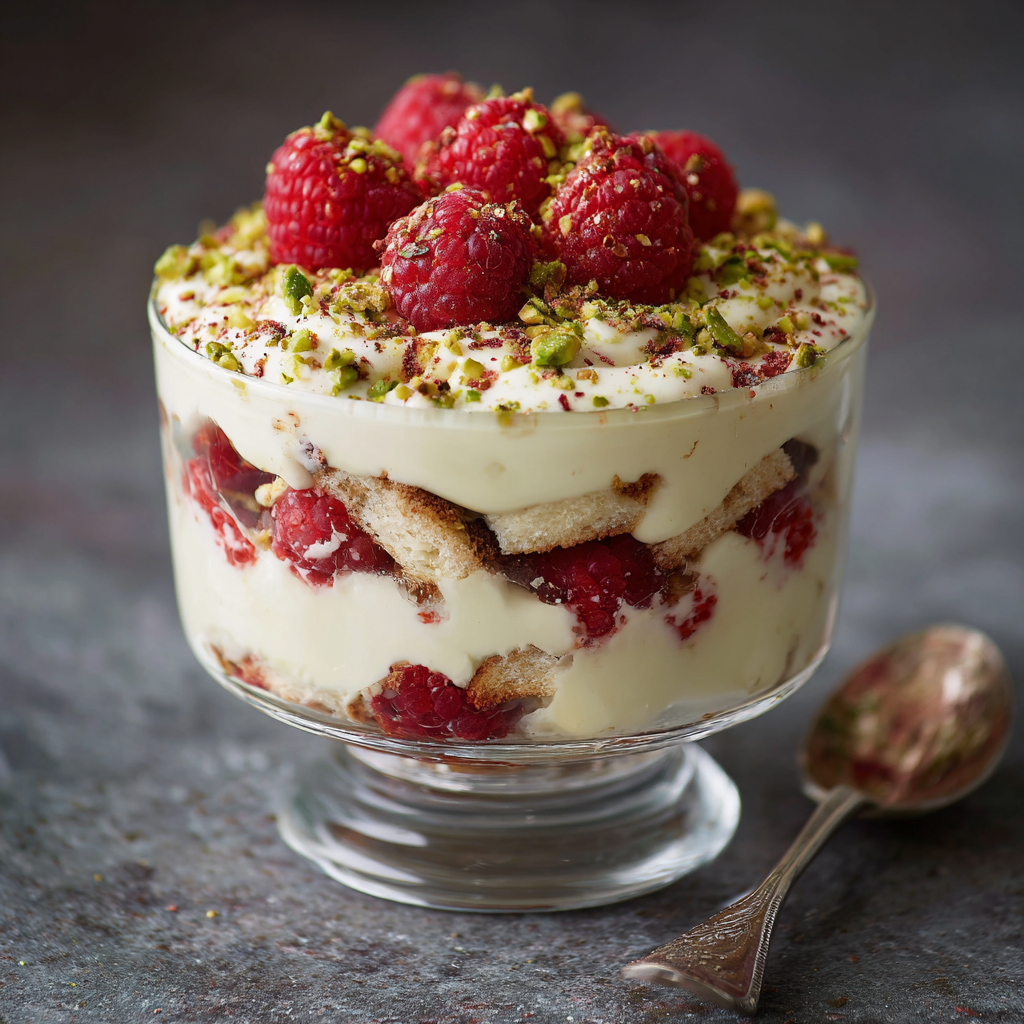
White Chocolate, Raspberry & Pistachio Tiramisu : A Stunning No-Bake Dessert to Impress
White Chocolate, Raspberry & Pistachio Tiramisu: Your New Go-To Showstopper Dessert
Hey there, friend! Come on in, pull up a stool. Can you smell that? It’s the warm, nutty scent of toasted pistachios mingling with the rich aroma of espresso. That, my friend, is the sound of a regular Tuesday about to get a whole lot more delicious. If you’ve ever thought that making an impressive, restaurant-worthy dessert was out of your league, I’m here to tell you—with a wink and a whisk—that you are so very wrong. Today, we’re throwing out the rulebook on traditional tiramisu and building something truly magical, layer by gorgeous layer.
This White Chocolate, Raspberry & Pistachio Tiramisu is my love letter to no-bake desserts. It’s for the host who wants to wow their guests without being stuck in the kitchen all day. It’s for the home cook who craves a project that feels fancy but is secretly a breeze. We’re talking clouds of mascarpone cream kissed with melted white chocolate, tart bursts of raspberry, the satisfying crunch of pistachios, and all of it nestled between coffee-kissed ladyfingers. It’s a symphony of textures and flavors that looks like it came from a patisserie window but comes straight from your heart (and fridge!). So, tie on that apron—the messy one is always the best—and let’s create something unforgettable together.
The Dessert That Stole the Show (And My Heart)
This recipe wasn’t born in a flash of genius, but in a mild panic! A few summers ago, I was asked to bring a dessert to my best friend’s bridal shower. The July heat was sweltering, the theme was “elegant garden party,” and my oven was firmly OFF. I needed something stunning, cool, and that could feed a crowd. I stared into my fridge, saw mascarpone and berries, and thought, “What if…?”
I started layering, tasting, and tweaking. The classic tiramisu was my template, but I wanted brighter, fruitier, more… *summer*. I folded white chocolate into the cream for a subtle sweetness, smashed some raspberries for a tangy swirl, and grabbed pistachios for that gorgeous green crunch. When I arrived at the party, I placed it on the table next to a towering cake, thinking it was just a nice little side dish. Reader, it vanished first. The combo of cool, creamy, crunchy, and tangy was an instant hit. Now, it’s my most requested dessert for any gathering. It proves that the best recipes often come from a little kitchen chaos and a lot of love.
Gathering Your Flavor Symphony: Ingredients & Insights
Here’s where the magic starts. Each ingredient plays a crucial role, and knowing your “whys” makes you a more confident cook. Let’s break it down:
- 8 oz mascarpone cheese: This is the star. It’s rich, velvety, and less tangy than cream cheese. For the best texture, let it sit at room temperature for 20-30 minutes before using. Chef’s Insight: If you’re in a pinch, full-fat cream cheese can work, but the flavor will be tangier and the texture denser.
- 1 cup heavy whipping cream: This whips up to give our filling its dreamy, cloud-like body. Make sure it’s very cold for the best volume.
- ½ cup powdered sugar: It dissolves instantly, preventing graininess in our cream. No substitutions here!
- 1 teaspoon vanilla extract: Our flavor enhancer. Use the real stuff—it makes a difference.
- 4 oz white chocolate, melted: Look for a good quality baking bar, not chips (they have stabilizers that can seize). We’re adding a delicate sweetness and silkiness. Chef’s Insight: Melt it slowly! A double boiler or 15-second bursts in the microwave, stirring between each, is the key.
- 1 cup fresh raspberries + extra for garnish: Their bright, tart pop cuts through all the richness. Frozen can work in a pinch, but thaw and drain them very well to avoid a soggy dessert.
- ½ cup pistachios, shelled and chopped: They bring that incredible crunch and a beautiful, subtle saltiness. Toast them in a dry pan for a few minutes to unlock their full, nutty aroma.
- 1 cup brewed espresso or strong coffee, cooled: The foundation of any tiramisu! Strong coffee works, but espresso has the intense, robust flavor that holds up to the other ingredients.
- ¼ cup coffee liqueur (optional, but glorious): Like Kahlúa or Tia Maria. It deepens the coffee flavor. For an alcohol-free version, just use more espresso or a splash of coffee extract.
- 1 package (about 24) ladyfingers (Savoiardi): These dry, sponge-like cookies are perfect for soaking. You’ll find them in the international aisle.
Let’s Build This Beauty: Step-by-Step with Chef’s Tips
Ready? Let’s get layering. I’ll walk you through each step with all my favorite hacks so you feel like a pro.
Step 1: The Dreamy White Chocolate Cream. In a large, chilled bowl (this helps the cream whip faster!), combine the room-temperature mascarpone, heavy cream, powdered sugar, and vanilla. Using a hand mixer or stand mixer, whip on medium-high until you get soft, billowy peaks. This means when you lift the beaters, the peak folds over gently. Don’t overwhip! Now, take your slightly cooled, melted white chocolate. With a rubber spatula, gently fold it into the cream mixture. Think of it as gently scooping from the bottom and folding over—you want to keep all that air you just whipped in. Set this heavenly cream aside.
Step 2: The Coffee Bath & Pistachio Prep. In a shallow bowl or pie dish, mix your cooled espresso and coffee liqueur (if using). Set it near your assembly station. Grab your pistachios—if you haven’t already, give them a rough chop. I like some finer bits and some bigger pieces for varied texture.
Step 3: The Art of the Dip. This is the only place you can go wrong, so listen up! Take a ladyfinger and quickly dip it into the coffee mixture. We’re talking a one-second dip, flip, one-second dip on the other side. You want it moistened and flavored, not saturated and soggy. It should still have some structural integrity. If it starts to fall apart in your fingers, you’ve gone too far. Practice on one—it’s your sacrificial cookie!
Step 4: Layering Like a Boss. You can use a 9×9 dish, a trifle bowl, or individual glasses. I love glasses because you can see all the beautiful layers! Start with a single layer of dipped ladyfingers, breaking them to fit if needed. Spoon or pipe a generous layer of the white chocolate cream over them. Now, scatter a handful of fresh raspberries and a sprinkle of chopped pistachios. Repeat! Ladyfingers, cream, berries, nuts. Always finish with a beautiful top layer of the cream. This is your canvas for garnish later.
Step 5: The Patience Game (The Hardest Part!). Cover your tiramisu tightly with plastic wrap. This is non-negotiable—it prevents fridge smells and a skin from forming. Now, walk away. Let it chill for at least 4 hours, but honestly, overnight is magic. This waiting time allows the flavors to marry, the coffee to mellow, and the cream to set up perfectly so every slice is clean and gorgeous.
Presenting Your Masterpiece
Just before serving, it’s glamour time! Pile the extra fresh raspberries on top, sprinkle with the remaining toasted pistachios, and for a final touch, you can dust it with a little cocoa powder or powdered sugar. I love serving it in the dish with a big spoon for family-style comfort, or in those individual glasses for a plated restaurant feel. A sprig of mint adds a lovely fresh touch. Serve it straight from the fridge—that cool, creamy bite is everything.
Make It Your Own: Delicious Twists & Swaps
- Berry Bliss: Swap raspberries for fresh blackberries or a mix of summer berries. Frozen mixed berries, thawed and well-drained, work great year-round.
- Chocolate Lover’s Dream: Use dark chocolate instead of white chocolate in the cream, and garnish with dark chocolate shavings and a few cacao nibs for crunch.
- Nut-Free & Fabulous: Omit the pistachios and use toasted coconut flakes instead. The texture is still amazing!
- Citrus Zing: Add the zest of one orange or lemon to the cream mixture, and use a citrus liqueur like Grand Marnier in place of the coffee liqueur for a bright twist.
- Decaf/Dairy Modifications: Use decaf espresso. For a dairy-free version, use coconut cream and a plant-based mascarpone alternative (just note, the texture will vary).
Olivia’s Notebook: Extra Bits & Bobs
This recipe has evolved so much since that first bridal shower! I’ve learned that toasting the pistachios is a game-changer—it takes them from “nice” to “WOW.” I’ve also started sometimes smashing a few of the raspberries and swirling them into the cream for a beautiful marbled effect. And a funny story: I once accidentally used salted pistachios. Everyone raved about the “salted caramel” note they tasted! It was a happy accident that proved a little salt in dessert is always a good idea. Don’t be afraid to play. The base recipe is your trusty friend; the variations are where your personality shines.
Your Questions, Answered!
Q: My cream mixture looks runny/grainy after adding the white chocolate. What happened?
A: This usually means your white chocolate was too hot when folded in, or it seized. If it’s runny, just pop the whole bowl back in the fridge for 20 minutes, then re-whip briefly. If it’s grainy from seized chocolate, there’s no fixing it, but it will still taste delicious! Next time, ensure your melted chocolate is just warm to the touch, not hot.
Q: Can I make this ahead of time?
A: Absolutely! That’s one of its best features. It needs that long chill anyway. You can assemble it fully 24-48 hours in advance. Just hold off on the final garnish until right before serving.
Q: My ladyfingers got too soggy and the layers collapsed. Help!
A: Ah, the classic dip-and-drown. It happens! Remember, it’s a *dip*, not a swim. If they’re too wet, they can’t support the layers. For your next batch, be more quick-wristed. For this batch? Call it a “deconstructed tiramisu parfait” and serve it in bowls with a smile. It will taste just as good.
Q: I can’t find mascarpone. What’s the best substitute?
A: A mix of 8 oz full-fat cream cheese (softened) and 1/4 cup sour cream or full-fat Greek yogurt can mimic the tang and richness in a pinch. Whip it all together with the cream.

White Chocolate, Raspberry & Pistachio Tiramisu : A Stunning No-Bake Dessert to Impress
Description
White Chocolate, Raspberry & Pistachio Tiramisu
A no-bake, show-stopping dessert that’s creamy, fruity, and nutty—perfect for impressing guests without spending all day in the kitchen.
Ingredients
-
8 oz mascarpone cheese, room temperature
-
1 cup heavy whipping cream, cold
-
½ cup powdered sugar
-
1 tsp vanilla extract
-
4 oz white chocolate, melted & slightly cooled
-
1 cup fresh raspberries (plus extra for garnish)
-
½ cup pistachios, shelled & chopped (toasted for best flavor)
-
1 cup brewed espresso or strong coffee, cooled
-
¼ cup coffee liqueur (optional, like Kahlúa; or extra espresso for alcohol-free)
-
1 package ladyfingers (about 24 Savoiardi cookies)
Instructions
-
Make the White Chocolate Cream
-
In a large, chilled bowl, whip mascarpone, heavy cream, powdered sugar, and vanilla until soft peaks form.
-
Gently fold in the slightly cooled melted white chocolate, keeping the mixture light and airy.
-
-
Prep Coffee & Nuts
-
Combine espresso and coffee liqueur in a shallow dish.
-
Roughly chop toasted pistachios; set aside.
-
-
Dip the Ladyfingers
-
Quickly dip each ladyfinger in the coffee mixture—1 second per side—so they’re moistened but not soggy.
-
-
Layer the Tiramisu
-
Use a 9×9 dish, trifle bowl, or individual glasses.
-
Layer: ladyfingers → white chocolate cream → raspberries → chopped pistachios.
-
Repeat layers, finishing with a top layer of cream.
-
-
Chill
-
Cover tightly with plastic wrap.
-
Refrigerate at least 4 hours, ideally overnight, to let flavors meld and cream set.
-
-
Garnish & Serve
-
Top with extra raspberries, toasted pistachios, and optional cocoa powder or powdered sugar.
-
Serve chilled, straight from the fridge.
-
Notes
-
Berry Swap: Blackberries or a mix of summer berries.
-
Chocolate Twist: Use dark chocolate instead of white; garnish with shavings or cacao nibs.
-
Nut-Free: Omit pistachios; try toasted coconut flakes instead.
-
Citrus Zing: Add orange or lemon zest to the cream; use Grand Marnier instead of coffee liqueur.
-
Dairy-Free: Substitute coconut cream and plant-based mascarpone.
Nutritional Information*
*Approximate values per serving (1 of 8):
Calories: ~350 | Fat: 22g | Saturated Fat: 13g | Carbohydrates: 32g | Sugar: 20g | Protein: 6g
Well, that’s it, my friend! You’ve got everything you need to create a dessert that’s as joyful to make as it is to eat. I can’t wait for you to share it, savor it, and make some messy, happy memories of your own. Now, go forth and impress! Don’t forget to tag me if you share a photo—seeing your creations is my favorite part. Until next time, happy cooking!
Final Thoughts
White Chocolate, Raspberry & Pistachio Tiramisu: Your New Go-To Showstopper Dessert
And just like that, with a gentle dusting of powdered snow and a scatter of emerald pistachios, you’ve done it. You’ve transformed simple pantry ingredients—ladyfingers, cream, chocolate, berries—into something that looks and tastes like it belongs in the glass case of a Venetian café. But here’s the secret you now carry with you: it wasn’t complicated. It was just love, layered with intention.
This White Chocolate Raspberry Pistachio Tiramisu is more than a dessert. It’s a promise you keep to yourself and the people around your table. The promise that you don’t need a pastry degree to create beauty. That feeding people well doesn’t require all day in a hot kitchen. That some of the most memorable meals end not with a store-bought carton, but with a spoon you hold out and say, “Here—I made this. Taste.”
I hope this recipe becomes one of your signature dishes. The one friends request for birthdays. The one that elicits texts the morning after a dinner party: “Can I have that tiramisu recipe? Please?” The one you make just for yourself on a quiet Sunday, because you deserve a slice of something exquisite. I hope it teaches you that no-bake isn’t “cheating”—it’s smart, it’s intentional, and it’s often more elegant than its oven-baked cousins.
What I love most about this tiramisu is how it holds both luxury and humility in the same bite. White chocolate whispers elegance; raspberries burst with everyday brightness. The pistachios? They’re the crunch of reality—imperfect, varied, utterly themselves. That’s what homemade dessert should be: not flawless, but full of character. Not fussy, but made with care.
So the next time you need a showstopper—for a holiday table, a potluck, a dinner party, or just a Tuesday that feels like it deserves more—remember this stack of coffee-kissed cookies and cloud-soft cream. Remember that you already have everything you need: ingredients, intuition, and the willingness to try.
Now close the refrigerator door, let that tiramisu rest and transform, and wash your whisk with satisfaction. The hardest part—the waiting—is the only thing left. And when you finally pull back that plastic wrap and cut into those perfect layers, know that somewhere, in her own little kitchen, another home cook is doing the same thing. Learning, layering, loving. That’s what this recipe is, really. Not just dessert. Connection.
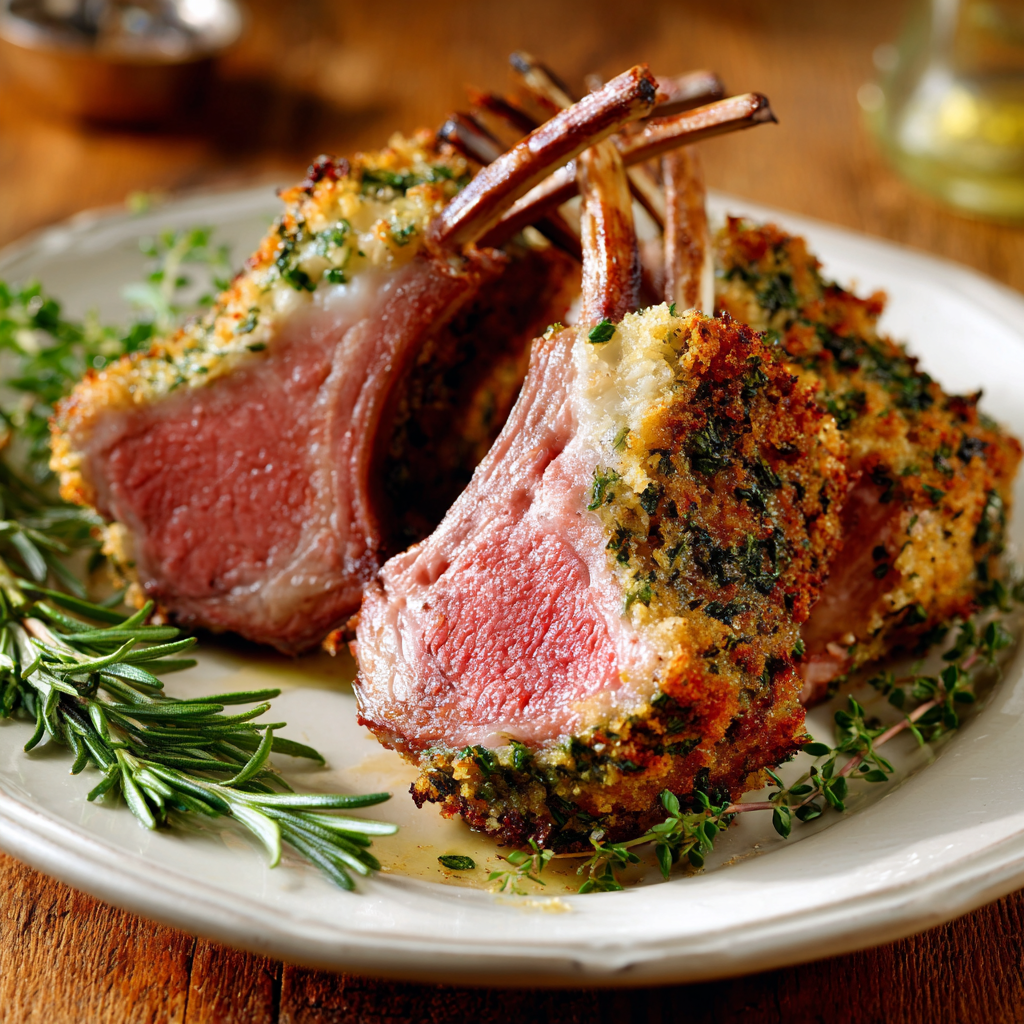
Herb-Crusted Rack of Lamb (Elegant Easter & Holiday Main)
The Herb-Crusted Rack of Lamb That Steals Every Holiday Show
Picture this: the kitchen is buzzing with happy chatter, the oven is humming, and that incredible, savory aroma of garlic and rosemary has everyone drifting in from the living room, asking, “Is it ready yet?” That, my friends, is the magic of a perfectly roasted herb-crusted rack of lamb. It’s the star of the table—the dish that makes an occasion feel special without requiring you to have a culinary degree.
If the thought of cooking lamb feels a little fancy or intimidating, I’m here to tell you to take a deep breath and grab your apron. We’re going to walk through this together, step-by-step. This recipe is my go-to for Easter, intimate dinner parties, or any time I want to turn a regular Sunday into a celebration. It looks absolutely stunning (hello, those elegant, frenched bones!), but the process is surprisingly simple. The secret is in the sear, the flavorful crust, and trusting a simple timer. We’re aiming for tender, juicy, pink-perfect lamb every single time. So, let’s roll up our sleeves, make a little mess, and create something unforgettable. Your table (and your guests) will thank you.
A Lamb Lesson & A Grandmother’s Smile
My love for this dish started in my Nana’s kitchen, though it wasn’t exactly a success story at first. I was about sixteen, determined to impress her by cooking Easter dinner. I chose a rack of lamb from a magazine, feeling very sophisticated. I seared it… a bit too enthusiastically. Let’s just say the smoke alarm became an uninvited guest, and the crust went from “golden” to “decidedly charred.” I was mortified, but Nana just chuckled, opened a window, and said, “Sweetheart, flavor hides a multitude of sins.” She showed me how to gently scrape off the worst of the burnt bits, whip up a quick new herb paste, and roast it anyway.
That lamb, patched up with love and laughter, was still delicious. More than that, it was a lesson I carry with me every time I cook: don’t fear the mistakes, because often, dinner (and joy) is more resilient than we think. Now, whenever the scent of rosemary and garlic hits a hot pan, I think of her. Cooking this dish feels like honoring that spirit—creating something beautiful and sharing it, imperfectly perfect, with the people you love.
Gathering Your Flavor Arsenal
Here’s everything you’ll need to build this masterpiece. I’ve added my little notes and swaps so you can shop and cook with confidence!
- 2 racks of lamb (about 1.5–2 lbs total), frenched: Ask your butcher to “french” the racks—this means cleaning the meat off the ends of the rib bones. It makes for a gorgeous presentation and makes slicing easier. No butcher? Some high-end grocery stores sell them pre-frenched. Chef Insight: Look for racks with a nice, thick layer of fat on top (this is flavor!) and a good amount of meat on the loin.
- 2 tbsp olive oil: Our cooking fat and binder for the crust. A good, robust extra virgin olive oil adds depth.
- 3 garlic cloves, minced: Non-negotiable for that foundational aroma. For a milder flavor, you can grate it instead of mincing.
- 2 tbsp fresh rosemary, finely chopped: Lamb’s best friend! Fresh is key here—dried rosemary can be woody and harsh. If you must sub, use 2 tsp dried, but crush it finely in your palm first.
- 1 tbsp fresh thyme, chopped: Adds an earthy, slightly floral note.
- 1 tbsp fresh parsley, chopped: Brings a fresh, green brightness that balances the richer herbs.
- 1/2 cup breadcrumbs (or panko): Panko gives a lighter, crispier texture, while regular breadcrumbs make a more traditional, tighter crust. Gluten-free? Use your favorite GF panko—it works perfectly.
- 1 tsp Dijon mustard: This is our “glue”! It helps the crust adhere and adds a wonderful tangy background note that cuts through the richness.
- 1 tsp salt & 1/2 tsp black pepper: Seasoning is everything. Don’t be shy with the salt on the meat itself.
- Optional: lemon zest for brightness: A little zest (about 1/2 a lemon’s worth) stirred into the herb mix is my secret weapon. It doesn’t make the dish lemony, just wonderfully vibrant.
Step-by-Step: From Pan to Perfection
Let’s break this down. Follow these steps, and you’ll have a restaurant-quality main dish that’s deceptively easy.
Step 1: Prep & Preheat. Take your lamb out of the fridge about 30 minutes before cooking. This lets it come to room temperature, which is the #1 trick for even cooking. Pat the racks very dry with paper towels—this is crucial for a good sear! While it’s resting, preheat your oven to a hot 400°F (205°C).
Step 2: The Golden Sear. Heat a large, heavy-bottomed skillet (cast iron is my hero here) over medium-high heat. Season the lamb racks generously all over with salt and pepper. Once the pan is hot, place the racks in, fat-side down. You should hear a confident sizzle. Sear for 2-3 minutes until that fat cap is deeply golden and crisp. Don’t move it! Let it develop that beautiful crust. Sear the meaty side for just 1 minute to get some color. Remove from the pan and set aside on a plate. Chef Hack: If there’s a lot of rendered fat in the pan, pour most of it out, but save a tablespoon or two. You can mix it into your herb paste for extra lamb-y flavor!
Step 3: Build That Fragrant Crust. In a medium bowl, combine the olive oil, minced garlic, chopped rosemary, thyme, parsley, breadcrumbs, Dijon mustard, and lemon zest (if using). Mix it well until it looks like a cohesive, fragrant paste. If it seems a bit dry, add another tiny drizzle of olive oil.
Step 4: Crust & Assemble. Brush the top (meaty side, not the bones) of each seared rack with a thin layer of Dijon mustard. This is your edible glue. Then, firmly press the herb-breadcrumb mixture onto the mustard, packing it into an even, generous layer. Don’t be gentle—you want it to stick!
Step 5: The Roast & The Rest. Place the racks, herb-crust side up, on a roasting pan or rimmed baking sheet lined with foil or parchment for easy cleanup. For medium-rare, which is ideal for lamb, roast for 18-22 minutes. The best way to know for sure? Use a meat thermometer! Pull the lamb when the internal temperature reads 130°F (54°C) for medium-rare. Remember: The temperature will rise about 5-10 degrees while resting. Speaking of which… once out of the oven, transfer the racks to a cutting board, tent loosely with foil, and let them rest for a full 10 minutes. This is non-negotiable! It allows the juices to redistribute, ensuring every slice is juicy, not dry.
Step 6: Slice & Serve. Using a very sharp knife, slice between the ribs to create individual chops. Arrange them on a platter, maybe with some fresh herbs for garnish, and prepare for the applause.
Plating Your Masterpiece
Presentation is part of the fun! I love to slice the rack completely and fan the chops out on a large wooden board or a beautiful white platter. Scatter some extra fresh rosemary sprigs, thyme, or even edible flowers around for a pop of color. For a more family-style feel, you can place the whole, unsliced racks on the platter and let someone do the honors at the table—it’s a great little moment. Serve immediately while the crust is crisp and the lamb is warm.
Make It Your Own: Flavor Twists & Swaps
- Mediterranean Twist: Add 2 tbsp of finely chopped sun-dried tomatoes and a pinch of red pepper flakes to the herb paste. Swap parsley for fresh oregano.
- Mustard & Herb Deluxe: Use a mix of whole grain mustard and Dijon for the “glue,” and add 1 tbsp of chopped fresh tarragon to the crust.
- Nutty Crunch: Replace half the breadcrumbs with finely chopped pistachios or walnuts for incredible texture and flavor.
- Spring Herb Garden: Use equal parts fresh mint, parsley, and chives along with the rosemary for a lighter, brighter crust perfect for Easter.
- Garlic Lover’s Dream: Roast a whole head of garlic and squeeze the sweet, soft cloves into the herb paste instead of using raw minced garlic.
Chef’s Notes: Lessons from a Messy Apron
This recipe is my old faithful, but it’s evolved. I used to be terrified of undercooking lamb, which led to… well-done lamb. Not ideal. Investing in a simple digital meat thermometer gave me the confidence to cook it perfectly pink every time. It’s the best $15 you’ll spend for your kitchen confidence.
Another funny thing: I once, in a pre-coffee haze, used Italian-seasoned breadcrumbs. It was… not terrible, but it tasted oddly like lamb meatballs! Stick to plain breadcrumbs or panko so you control the seasoning. Finally, don’t skip the sear. That initial step builds a flavor foundation you just can’t get from the oven alone. Embrace the sizzle!
FAQs & Kitchen Rescue Tips
Q: My herb crust is falling off! What did I do wrong?
A: The most common culprit is not patting the lamb dry before searing, or not using the mustard “glue.” Make sure the meaty side is dry before brushing on the mustard, and really press that crust on firmly. If a little falls off during slicing, just sprinkle it back over the plated chops—no one will know!
Q: Can I prepare this ahead of time?
A> Absolutely! You can sear the lamb and make the herb paste a few hours ahead. Keep them separate in the fridge. Let the lamb sit out for 20-30 minutes before you plan to cook, then apply the crust and roast. Don’t apply the crust hours ahead, as the breadcrumbs can get soggy.
Q: What side dishes do you recommend?
A> This lamb pairs beautifully with creamy, dreamy sides. Think parmesan risotto, whipped goat cheese mashed potatoes, or roasted asparagus with hollandaise. For something lighter, a crisp arugula salad with shaved fennel and a lemon vinaigrette is fantastic.
Q: I don’t have a meat thermometer. How do I know it’s done?
A> The “touch test” can help: press the center of the meaty part gently. For medium-rare, it should feel like the fleshy part of your palm when you touch your thumb and middle finger together. But honestly, for a special cut like this, a thermometer is your best friend for guaranteed results.
Herb-Crusted Rack of Lamb (Elegant Easter & Holiday Main)
Description
A show-stopping centerpiece that’s tender, juicy, and full of flavor! Perfect for Easter, holidays, or any dinner you want to feel special.
Ingredients
-
2 racks of lamb (1.5–2 lbs total), frenched
-
2 tbsp olive oil
-
3 garlic cloves, minced
-
2 tbsp fresh rosemary, finely chopped
-
1 tbsp fresh thyme, chopped
-
1 tbsp fresh parsley, chopped
-
½ cup breadcrumbs (or panko)
-
1 tsp Dijon mustard
-
1 tsp salt
-
½ tsp black pepper
-
Optional: ½ tsp lemon zest
Instructions
-
Prep & Preheat
-
Remove lamb from fridge 30 min before cooking.
-
Pat dry with paper towels.
-
Preheat oven to 400°F (205°C).
-
-
Sear the Lamb
-
Heat a heavy skillet over medium-high.
-
Season lamb with salt & pepper.
-
Place fat-side down in skillet; sear 2–3 min until golden.
-
Sear meaty side 1 min. Remove and set aside.
-
-
Make Herb Crust
-
Combine olive oil, garlic, rosemary, thyme, parsley, breadcrumbs, Dijon mustard, and lemon zest (if using) into a paste.
-
-
Apply Crust
-
Brush seared lamb with mustard.
-
Press herb-breadcrumb mixture evenly on top.
-
-
Roast & Rest
-
Place lamb on a roasting pan, crust-side up.
-
Roast 18–22 min for medium-rare (130°F/54°C internal).
-
Tent with foil and rest 10 min.
-
-
Slice & Serve
-
Slice between ribs into individual chops.
-
Arrange on a platter and garnish with fresh herbs.
-
Notes
-
Pat lamb dry for a crispy crust.
-
Press the crust firmly; mustard acts as glue.
-
Meat thermometer = best friend for perfect doneness.
-
Can prep herb paste and sear lamb ahead; apply crust just before roasting.
Serving Suggestions
-
Parmesan risotto or whipped goat cheese mashed potatoes.
-
Roasted asparagus, hollandaise, or a crisp arugula salad with lemon vinaigrette.
Nutritional Information*
Prep Time: 20 minutes | Cook Time: 20 minutes | Total Time: 50 minutes (including rest) | Servings: 4
*Estimated per serving: Calories: ~520 kcal | Protein: ~34g | Fat: ~40g | Carbohydrates: ~6g
Note: Nutritional information is an estimate based on the ingredients listed and can vary based on specific products used.
Final Thoughts
And there it is—your rack of lamb, glorious and golden, resting on a cutting board while the kitchen settles into that satisfied hush that follows a job well done. The crust is fragrant with rosemary and garlic, the bones are elegantly clean, and somewhere in the distance, your guests are pulling corks and setting out plates. This moment? This is what we cook for.
I think about that sixteen-year-old version of myself, standing in my Nana’s smoke-filled kitchen, convinced I’d ruined Easter. The lamb was too dark, the smoke alarm was still beeping apologetically, and I was this close to bursting into tears. But Nana didn’t panic. She didn’t scold. She just reached for a knife, scraped away the char, and said something I’ve never forgotten: “The only ruined dinner is the one nobody shares.”
That lamb was served. It was eaten. It was loved—not because it was perfect, but because it was made with intention, rescued with grace, and placed on a table surrounded by people who didn’t care about a slightly overzealous sear. They cared that we were together.
So here’s what I want you to take away from this recipe, beyond the temperatures and timing, beyond the herb ratios and the crucial importance of resting: You are more than capable of this.
I know lamb can feel like a “special occasion” ingredient, the kind of thing you order at restaurants but hesitate to attempt at home. It carries this aura of formality, of needing permission. But here’s the truth: a rack of lamb is just a beautiful cut of meat. It wants the same things a good steak wants—high heat, bold seasoning, and someone paying attention. It doesn’t require a culinary degree or a fancy French upbringing. It requires confidence, which you now have, and maybe a meat thermometer, which I hope you’ll finally buy yourself.
And if something goes sideways? If the crust slips or the lamb comes out more medium than medium-rare? So what. Flavor hides a multitude of sins. A little extra rosemary never hurt anyone. And honestly? Your guests aren’t sitting there with a doneness chart; they’re sitting there grateful, hungry, and charmed by the fact that you cooked for them at all.
This dish has a way of making people feel celebrated. There’s something about those elegantly frenched bones, that fragrant, crackling crust, that rosy-pink interior that says, Tonight is special. You are special. And the beautiful, secret irony is that you didn’t have to spend all day in the kitchen to create that feeling. You seared, you crusted, you roasted, you rested. Forty-five minutes, start to finish. And now here you are, the person who made the thing everyone’s photographing.
So go ahead. Carry that platter to the table. Let the “oohs” and “ahhs” wash over you. Watch someone take that first bite and close their eyes involuntarily—that’s the good stuff, the culinary equivalent of a deep sigh. Pour the wine, pass the mint sauce, soak up the warmth of a table full of people you love.
This is the meal you’ll make for anniversaries and Easters, for New Year’s Eve and for no reason at all except that Tuesday felt like it needed a little elevation. This is the recipe your friends will text you about afterward: “Okay, I need that lamb recipe. Immediately.” This is the dish that, years from now, someone will request when they come home for the holidays.
And when they do, you’ll think of this moment. The warmth of the oven. The scent of rosemary still clinging to your sweater. The satisfying heft of a well-seasoned cast iron pan. Maybe even a little smoke alarm that didn’t go off this time.
Because you practiced. Because you trusted yourself. Because you showed up.
Now go make something unforgettable.
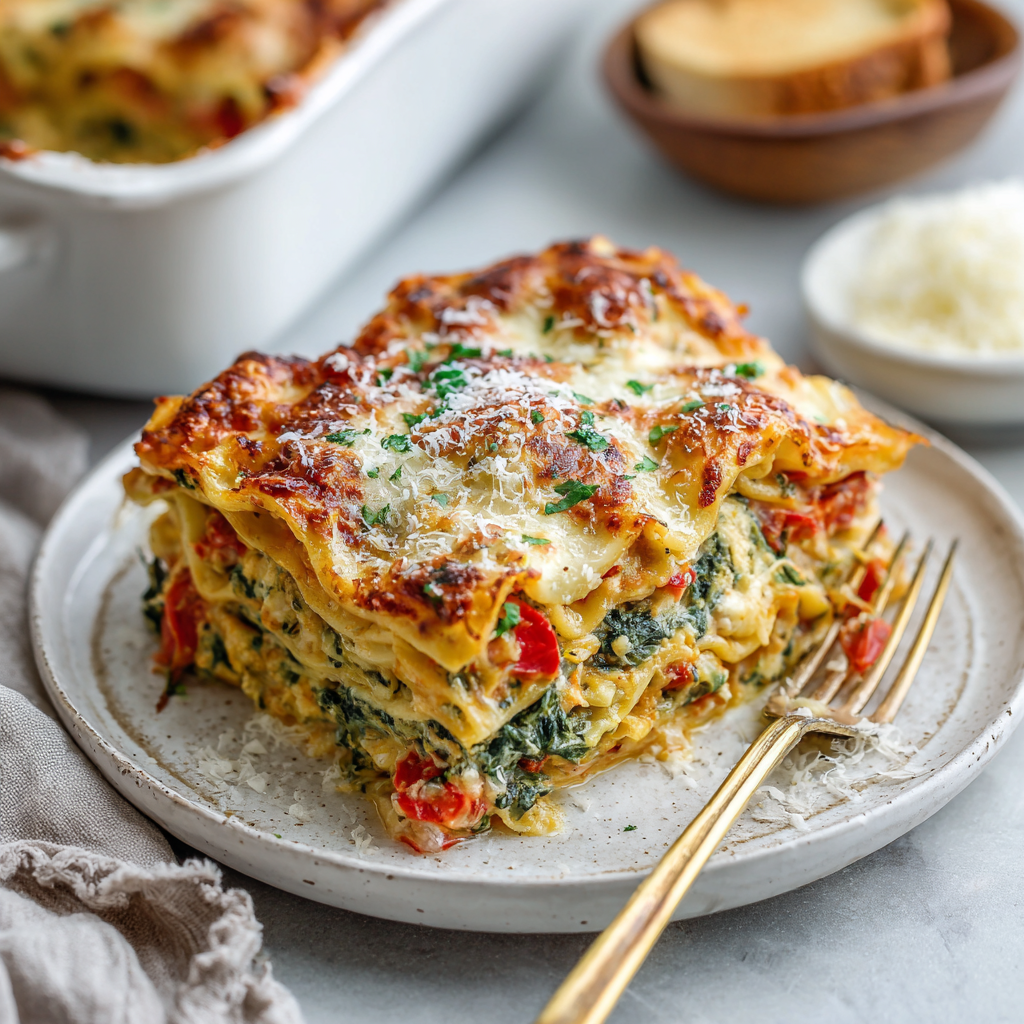
Vegetable Lasagna with Ricotta and Spinach : Comforting, Cheesy & Family-Friendly
Gather ‘Round the Table: Let’s Make a Lasagna That Hugs You Back
Hey there, kitchen friend! Olivia here. Can we talk about that magical moment when you pull a baking dish from the oven, and the smell of bubbling tomato sauce, toasted cheese, and herbs just… wraps around you? It’s an instant mood-lifter, a universal sign that good things (and full bellies) are coming. That’s the exact feeling I want to bottle up and share with you today with this, my all-time favorite Vegetable Lasagna with Ricotta and Spinach.
Now, I know what you might be thinking. “Lasagna? That’s a project.” But trust me, this isn’t a fussy, all-day affair. This is cozy, achievable, heart-warming cooking. We’re talking layers of tender noodles, a creamy, garlicky ricotta-spinach situation, sweet roasted veggies, and just the right amount of gooey, golden cheese. It’s the kind of dish that makes everyone—from the pickiest little eater to the most discerning foodie uncle—light up when they see it on the table.
This recipe is my love letter to nourishing comfort food. It’s packed with colorful vegetables, feels indulgent but balanced, and is built for sharing. Whether you’re feeding your family on a busy Wednesday, prepping meals for the week, or need a stunning centerpiece for a vegetarian holiday spread, this lasagna has your back. So, tie on that apron (messy is totally welcome here), preheat your oven, and let’s build something beautiful together.
The Lasagna That Started It All: A Tale of Two Sisters & One Tiny Apartment
This recipe takes me straight back to my first apartment with my sister, Emma. We were both broke, newly “adulting,” and our culinary skills peaked at boxed mac and cheese. One brutally cold Sunday, homesick and tired of takeout, we decided to tackle a “real” dish. We pooled our cash for ingredients, blasted music, and embarked on our first lasagna adventure with the determination of chefs on a cooking competition.
It was… chaotic. We forgot to salt the pasta water. We may have used a questionable “pizza blend” cheese. Our kitchen was approximately the size of a postage stamp. But as that rich, savory aroma filled our tiny home and we sat on the floor (we didn’t have a table yet) eating steaming squares straight from the pan, something clicked. This wasn’t just food; it was a tangible expression of care, creativity, and shared effort. That lasagna became our celebratory meal for every small win—a new job, a passed exam, just making it through a tough week. This version, refined over years but still holding that same spirit, is the edible hug I want to pass on to you.
Your Cast of Characters: Simple Ingredients, Big Flavor
Here’s everything you’ll need. I’ve added my little notes next to each—why it’s there, swaps you can make, and insider tips to make your lasagna shine!
- 9 lasagna noodles: The foundation! No-boil noodles work brilliantly here and save a step, but traditional work great too. For a gluten-free twist, use your favorite GF noodles—just check the package for layering instructions.
- 2 tbsp olive oil: For sautéing our veggie dream team. Extra virgin gives the best flavor.
- 1 small onion, diced & 2 cloves garlic, minced: The aromatic base that builds so much depth. Chef’s Insight: Let the onion get soft and translucent before adding the garlic—it keeps the garlic from burning and turning bitter.
- 1 zucchini, sliced & 1 red bell pepper, chopped: Our veggie stars! They add sweetness, color, and texture. Feel free to swap in mushrooms, yellow squash, or even some roasted eggplant.
- 2 cups fresh spinach, chopped: It wilts down to almost nothing, packing in nutrients and a lovely, earthy flavor. Frozen thawed and squeezed-dry spinach works in a pinch—use about 1/2 a (10 oz) package.
- 2 cups ricotta cheese: The creamy heart of the layer! For the best texture and flavor, seek out whole-milk ricotta. Pro Tip: Give it a quick stir in its container before measuring—it often separates.
- 1 large egg: Our binding agent. It helps the ricotta layer set up beautifully so you get clean slices.
- 2 cups marinara sauce: The saucy blanket. Use a good-quality jarred sauce you love, or your favorite homemade recipe. You’ll need about 24 ounces.
- 1½ cups shredded mozzarella cheese: For that iconic, stretchy, melty top. I prefer to shred a block myself—pre-shredded bags often have anti-caking agents that can make melting less smooth.
- ½ cup grated Parmesan cheese: The flavor booster! Its salty, nutty punch is essential. Freshly grated Parmigiano-Reggiano is a game-changer.
- 1 tsp dried Italian seasoning: A quick herb blend. No Italian blend? Use 1/2 tsp dried oregano and 1/2 tsp dried basil.
- Salt & black pepper, to taste: Your flavor finishers. Don’t be shy—season each component as you go for a lasagna that sings from the inside out.
Let’s Build Those Beautiful Layers: A Step-by-Step Guide
Ready? Let’s cook with confidence! I’ll walk you through each step with all my favorite hacks to ensure lasagna success.
Step 1: Preheat & Prep. Get that oven going to 375°F (190°C). This is the perfect temperature for cooking everything through and getting a gorgeous, bubbly finish without burning. If using traditional noodles, cook them according to the package directions for al dente—they’ll soften more in the oven. Drain and lay them flat on a sheet of parchment or foil so they don’t stick together. Little Hack: Add a tiny splash of oil to the cooking water to prevent foaming and sticking.
Step 2: Sauté the Veggies. In a large skillet, heat the olive oil over medium heat. Add the onion and cook until soft and fragrant, about 4-5 minutes. Add the garlic and stir for just 30 seconds until you smell that gorgeous aroma. Now, toss in the zucchini and bell pepper. Cook, stirring occasionally, until they’re just tender but still have a little bite, about 6-7 minutes. Finally, stir in the massive pile of spinach in batches—it will wilt down dramatically. Season the whole mixture with a pinch of salt and pepper. Pro Tip: Once cooked, I like to drain the veggie mix in a colander for a few minutes to remove excess liquid. This is your secret weapon against a watery lasagna!
Step 3: Make the Ricotta Mixture. In a medium bowl, combine the ricotta, egg, Italian seasoning, 1/4 tsp of salt, and a few grinds of black pepper. Mix it until it’s smooth and homogenous. This is your “glue” and cream layer—taste it! Does it need more seasoning? Adjust now.
Step 4: Assemble with Love (This is the Fun Part!). Grab your 9×13 inch baking dish. Spread about 1/2 cup of marinara sauce thinly across the bottom. This prevents the first noodle layer from sticking. Now, layer in this order:
- Noodles: Place 3 noodles over the sauce, slightly overlapping.
- Ricotta: Spread half of the ricotta mixture evenly over the noodles. A small offset spatula is fantastic here, but the back of a spoon works perfectly.
- Veggies: Scatter half of your sautéed vegetable mixture over the ricotta.
- Cheese & Sauce: Sprinkle with 1/2 cup of mozzarella, then drizzle about 2/3 cup of sauce over everything.
Repeat these layers one more time: noodles, the remaining ricotta, the remaining veggies, another 1/2 cup of mozzarella, and another 2/3 cup of sauce.
Step 5: The Grand Finale. For the top layer, place your last 3 noodles. Spread the remaining sauce over them (you should have about 1/2 cup left), making sure the noodles are completely covered to prevent drying out. Sprinkle the remaining 1/2 cup of mozzarella and the entire 1/2 cup of Parmesan cheese evenly over the top. Chef’s Secret: That Parmesan on top is what gives you that incredible, crispy, golden-brown crust.
Step 6: Bake to Perfection. Cover the dish tightly with aluminum foil. This creates a steamy environment that cooks the noodles and melds the flavors. Bake for 30 minutes. Then, carefully remove the foil (watch the steam!) and bake for another 15-20 minutes, until the top is beautifully spotted with brown and the edges are bubbling enthusiastically.
Step 7: The Most Important Step—REST! I know, it’s torture. But take the lasagna out and let it sit on the stovetop for a full 10-15 minutes. This allows the layers to set, making it possible to slice clean squares instead of a cheesy lava flow. It’s a non-negotiable step for picture-perfect (and mouth-safe!) portions.
How to Serve Your Masterpiece
Slide a spatula under a generous square and lift it onto a plate. I love serving this with a simple, bright side to cut through the richness. A crisp lemony arugula salad or a classic garlic bread for dipping into any saucy edges are perfect companions. For a full cozy feast, add a bowl of soup! It’s a complete, satisfying meal that turns any dinner into a special occasion.
Make It Your Own: Delicious Twists & Swaps
The beauty of this lasagna is its flexibility! Here are a few ways to play with the recipe:
- “Everything but the Kitchen Sink” Veggie: Add sautéed mushrooms, thinly sliced carrots, or roasted butternut squash to the vegetable layer.
- Protein Power: For a heartier version, brown 1/2 pound of Italian sausage or ground beef and layer it with the veggies. For a plant-based protein, stir a cup of cooked lentils into the marinara.
- Vegan Dream: Use vegan ricotta (or a cashew cream), omit the egg, and swap the cheeses for your favorite plant-based mozzarella and Parmesan. Ensure your noodles are egg-free.
- Fresh Herb Burst: Stir 1/4 cup of chopped fresh basil or parsley into the ricotta mixture for a brighter flavor.
- White Sauce Version: Swap the marinara for a simple béchamel sauce for a creamy, decadent “lasagna bianca.”
Olivia’s Kitchen Notes & Stories
This recipe has been my culinary companion for over a decade, and it’s evolved as I have. The biggest lesson? Season every single layer. I used to be timid with salt, wondering why my finished dish tasted flat. A pinch in the veggies, a pinch in the ricotta—it makes all the difference. Also, don’t fear the “watery veg” step. I learned that the hard way after a particularly soupy lasagna in 2015 (we called it “lasagna stew”). Draining them is a foolproof fix!
And a funny story: I once accidentally used cinnamon instead of Italian seasoning (similar-looking jars in a pre-coffee haze). It was… interesting. Not terrible, but definitely a unique “autumnal” twist I wouldn’t recommend. Now I always smell my spices first!
Your Lasagna Questions, Answered
Q: My lasagna always turns out watery. What am I doing wrong?
A: This is THE most common issue! The culprits are usually watery veggies or ricotta. My top tips: 1) Drain your sautéed veggies in a colander after cooking. 2) Use whole-milk ricotta (lower-fat versions have more water). 3) Don’t over-sauce—stick to the measurements. 4) Let it rest after baking; the liquid gets reabsorbed as it sits.
Q: Can I make this ahead of time?
A: Absolutely! Assemble the entire lasagna, cover tightly, and refrigerate for up to 24 hours before baking. You may need to add 5-10 minutes to the covered baking time since it’s starting cold. You can also freeze the unbaked, assembled lasagna for up to 3 months. Thaw in the fridge overnight before baking.
Q: Do I have to boil the noodles first?
A> Not if you use “no-boil” or “oven-ready” lasagna noodles! Just ensure there’s enough sauce around them. For regular noodles, boiling to al dente is best. You can also try the “soak” method: soak regular noodles in hot tap water for 20 minutes until pliable, but the texture can be less consistent.
Vegetable Lasagna with Ricotta and Spinach : Comforting, Cheesy & Family-Friendly
Description
A comforting, cheesy, and veggie-packed lasagna that hugs you back! Layers of tender noodles, creamy ricotta-spinach, roasted vegetables, and melty cheese make this a weeknight winner or a show-stopping centerpiece.
Ingredients
-
9 lasagna noodles (regular or no-boil)
-
2 tbsp olive oil
-
1 small onion, diced
-
2 cloves garlic, minced
-
1 zucchini, sliced
-
1 red bell pepper, chopped
-
2 cups fresh spinach, chopped (or ½ 10-oz package frozen, thawed & squeezed dry)
-
2 cups ricotta cheese
-
1 large egg
-
2 cups marinara sauce (24 oz)
-
1½ cups shredded mozzarella cheese
-
½ cup grated Parmesan cheese
-
1 tsp dried Italian seasoning (or ½ tsp oregano + ½ tsp basil)
-
Salt & black pepper, to taste
Instructions
-
Preheat oven to 375°F (190°C).
If using regular noodles, boil until al dente. Drain and lay flat to prevent sticking. -
Sauté vegetables
Heat olive oil in a large skillet over medium heat.
Add onion, cook 4–5 min until soft. Add garlic, cook 30 sec.
Toss in zucchini and bell pepper, cook 6–7 min until slightly tender.
Add spinach in batches until wilted. Season with salt & pepper. Drain excess liquid. -
Make ricotta mixture
In a bowl, combine ricotta, egg, Italian seasoning, ¼ tsp salt, and pepper. Mix until smooth. -
Assemble lasagna (first layer)
-
Spread ½ cup marinara on the bottom of a 9×13 pan.
-
Layer 3 noodles.
-
Spread half ricotta mixture.
-
Top with half the veggies.
-
Sprinkle ½ cup mozzarella and drizzle ~⅔ cup sauce.
-
-
Assemble lasagna (second layer)
-
Layer 3 noodles.
-
Spread remaining ricotta mixture.
-
Add remaining veggies.
-
Sprinkle ½ cup mozzarella and drizzle ~⅔ cup sauce.
-
-
Top layer
-
Layer final 3 noodles.
-
Spread remaining sauce (~½ cup).
-
Sprinkle remaining ½ cup mozzarella and all Parmesan cheese.
-
-
Bake
Cover with foil and bake 30 min. Remove foil, bake another 15–20 min until top is golden and bubbly. -
Rest
Let sit 10–15 min before slicing. This helps layers set for clean squares.
Notes
-
Drain sautéed vegetables to prevent watery lasagna.
-
Season each layer for maximum flavor.
-
No-boil noodles save time—just ensure sauce coverage.
-
Make ahead: Assemble and refrigerate up to 24 hours, or freeze unbaked for up to 3 months.
Final Thoughts
Gather ‘Round the Table: Let’s Make a Lasagna That Hugs You Back
The timer has beeped. The foil is off. And there it sits—your very own lasagna, golden and bubbling, sending ribbons of fragrant steam up toward your kitchen ceiling.
Take a moment. Just breathe it in.
That scent—the sweet depth of slow-cooked tomatoes, the earthy whisper of spinach and garlic, the nutty promise of Parmesan crisped to perfection—is older than memory itself. It’s the smell of Sunday suppers and holiday tables. Of someone waiting up with a plate kept warm. Of coming home.
You did this. With your own two hands, a bit of patience, and ingredients that cost far less than takeout for four. You transformed flour, cheese, and vegetables into this. A dish that doesn’t just feed people—it holds them.
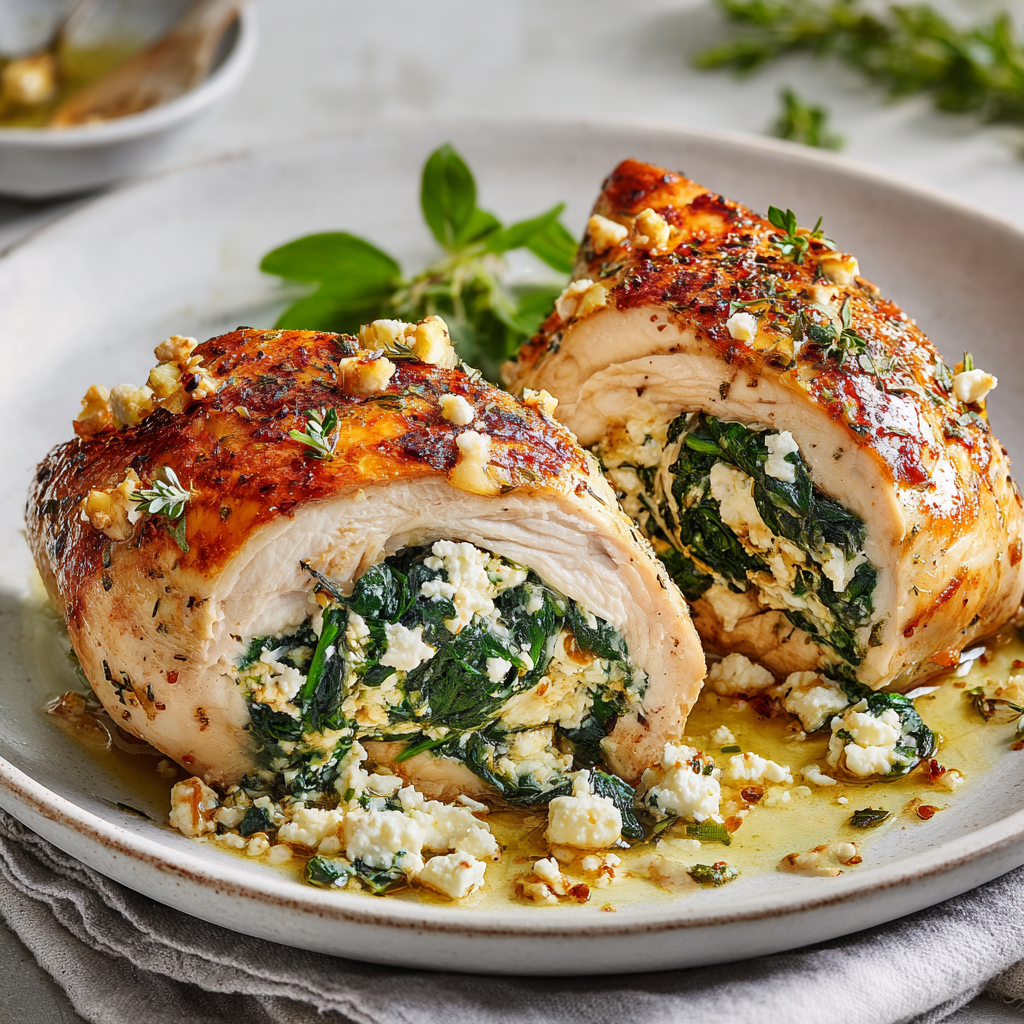
Stuffed Easter Chicken with Spinach and Feta : Juicy, Flavorful Holiday Main
The Easter Centerpiece That’s as Joyful to Make as It Is to Eat
Hey there, friend! Come on in, grab an apron, and let’s get something wonderful simmering. Is there anything better than the buzz of a kitchen before a holiday meal? The chatter, the clinking of glasses, and that incredible aroma that wraps around everyone like a hug. For years, I believed that creating a stunning Easter centerpiece meant hours of complicated prep and a mountain of dishes. I’d watch gorgeous roasts come out of ovens on TV, all golden and glorious, and think, “Maybe next year.”
But here’s the beautiful truth I’ve learned in my messy, joyful kitchen: special doesn’t have to mean complicated. What makes a meal memorable isn’t just the flavor (though that’s crucial!), it’s the feeling it creates. It’s about gathering around the table, sharing stories, and serving something made with genuine love that doesn’t leave the cook exhausted in a corner.
That’s why this Stuffed Easter Chicken with Spinach and Feta has become my absolute go-to. It looks and tastes like you fussed for hours—juicy, herb-kissed chicken with a surprise pocket of garlicky greens and tangy cheese—but it comes together with such ease. It’s light enough for a spring afternoon yet feels wholly celebratory. It’s the main dish that lets you be a guest at your own party, and today, I’m so excited to walk you through every simple, satisfying step. Let’s turn simple ingredients into your new holiday tradition.
The Easter That Almost Wasn’t (And The Recipe That Saved It)
I have to confess, this recipe was born from a near-catastrophe. Picture it: my third Easter hosting our big, loud, wonderful family. I’d ambitiously decided to tackle a legendary, 12-hour braised leg of lamb. You can probably guess where this is going. After a marathon morning of searing, deglazing, and obsessive oven-checking, I opened the pot to find… well, let’s just call it “well-done shoe leather.” My heart sank. The table was set, the family was an hour away, and my grand centerpiece was inedible.
In a panic, I stared into my fridge. Chicken breasts, a bag of spinach that needed using, and a block of feta from a prior Greek salad night. I had nothing to lose. I whipped up this filling, stuffed the chicken, and threw it in the oven with a silent prayer. What came out 30 minutes later was nothing short of a miracle—golden, juicy, and bursting with flavor. The crazy part? Everyone raved about it. My uncle asked for the recipe, my niece declared it her new favorite, and we all laughed about the Great Lamb Disaster of 2018. It was a powerful reminder that sometimes, the best traditions start with a happy accident and that showing up with something heartfelt (and delicious) always beats perfection.
Gathering Your Flavor Makers
Here’s everything you’ll need to create this sunshine-on-a-plate dish. I’ve added my little notes and swaps so you can shop and cook with confidence!
- 4 boneless, skinless chicken breasts: Look for ones that are roughly the same size so they cook evenly. Chef’s Tip: If they are very thick, you can gently pound the thicker end to an even ¾-inch thickness. This helps them cook uniformly and makes stuffing easier!
- 2 cups fresh spinach, chopped: The fresh pop of green is lovely here. Quick Swap: You can use one 10-oz package of frozen chopped spinach, thawed and squeezed very, very dry in a clean kitchen towel. This is a fantastic budget-friendly option!
- ¾ cup crumbled feta cheese: The salty, tangy star! I prefer block feta crumbled by hand for better texture. Flavor Twist: Try a Mediterranean herb-infused feta for an extra layer of flavor. For a milder taste, goat cheese or even a well-drained ricotta would be lovely.
- 2 cloves garlic, minced: Because what’s a cozy dish without garlic? Fresh is best here for that sharp, aromatic punch.
- 2 tbsp olive oil, divided: We’ll use half for sautéing our filling and half for searing. A good extra-virgin olive oil adds a beautiful fruitiness.
- ½ tsp salt & ½ tsp black pepper: The essential flavor enhancers. Always season your chicken well, both inside and out.
- ½ tsp paprika: This adds a subtle sweetness and helps with that gorgeous golden color. Smoked paprika would add a wonderful, warm depth if you have it!
- ½ tsp dried oregano or thyme: I adore oregano here for its classic Greek vibe, but thyme is a wonderfully earthy alternative. Use what you love!
- Toothpicks: Our little kitchen helpers to keep all that yummy stuffing tucked safely inside while baking.
Let’s Get Cooking: Your Foolproof Guide
Ready? Tie your apron, put on some good music, and let’s transform these simple ingredients into something spectacular. I’ll be right here with you for every step.
- Preheat & Prep: Start by preheating your oven to 375°F (190°C). Lightly grease a baking dish with a bit of olive oil or non-stick spray. This simple step prevents any sticking and makes cleanup a dream. Chef’s Hack: While the oven heats, take your chicken breasts out of the fridge. Letting them sit at room temperature for 10-15 minutes helps them cook more evenly from edge to center.
- Wilt the Spinach: In a medium skillet, heat 1 tablespoon of olive oil over medium heat. Add the minced garlic and sauté for just 30 seconds until fragrant—don’t let it brown! Toss in all that fresh spinach. It will look like a mountain, but watch it magically wilt down in minutes. Stir it gently until it’s fully wilted and bright green. Transfer it to a bowl and let it cool for a few minutes. Why we cool it: This keeps the feta from melting into a hot mess when we mix it in!
- Create the Filling: To your slightly cooled spinach, add the crumbled feta cheese. Give it a good stir until the cheese and spinach are beautifully tangled together. Taste it (my favorite part!)—the feta is usually salty enough, but you can add a tiny pinch of pepper here if you like. Set this glorious filling aside.
- Master the Pocket: Lay a chicken breast flat on your cutting board. With a sharp paring knife, carefully cut a horizontal slit along the thicker, long side of the breast. Imagine you’re creating a little cave or pouch inside. Cut deep, but stop about ½ inch from the opposite edge and sides—you don’t want to cut all the way through! Repeat with all breasts. Pro-Tip: If you’re nervous, place your hand flat on top of the breast to steady it. A confident, smooth cut is safer than a hesitant one.
- Season & Stuff: Now, season generously! Sprinkle the salt, pepper, paprika, and dried herbs inside each pocket and all over the outside of the chicken. This builds flavor in every single bite. Next, divide the spinach-feta mixture evenly among the four breasts. Use a spoon to gently press the stuffing into the pocket, but don’t overfill—about 2-3 tablespoons per breast is perfect. Seal each one shut with 2-3 toothpicks. It doesn’t have to be pretty, just secure!
- Sear to Perfection: Heat the remaining 1 tablespoon of olive oil in your skillet over medium-high heat. Once the oil is shimmering, add the stuffed chicken breasts. We’re not cooking them through here, just searing for 2-3 minutes per side to get a gorgeous, golden-brown crust. This step locks in juices and adds incredible flavor and texture. Don’t move them until it’s time to flip for the best sear!
- Bake to Juicy Tenderness: Carefully transfer the seared chicken to your prepared baking dish. Place it in the preheated oven and bake for 20-25 minutes. The cook time depends on the thickness of your breasts. The only way to know for sure is with a meat thermometer. Insert it into the thickest part of the chicken (avoiding the stuffing) – it should read 165°F (74°C).
- The Most Important Step: Rest! Once out of the oven, tent the baking dish loosely with foil and let the chicken rest for 5 full minutes. I know it’s tempting to dive right in, but this allows the juices to redistribute throughout the meat. If you cut it immediately, all those precious juices will run out onto the cutting board, leaving you with dry chicken. Trust me, this wait is worth it!
Plating Your Masterpiece
Now for the fun part—making it look as good as it tastes! Remove the toothpicks carefully. I love to slice each stuffed breast on a slight diagonal, fanning the slices out on a warm platter or individual plates. The reveal of that vibrant green and white filling is always a showstopper. Drizzle any delicious pan juices over the top. Serve it alongside simple roasted spring vegetables (asparagus and baby carrots are perfect), a big, herby rice pilaf, or a crisp salad with a lemony vinaigrette. The bright, savory flavors of the chicken pair beautifully with almost anything!
Make It Your Own: Creative Twists
This recipe is a wonderful canvas for your creativity! Here are a few ways to play with it:
- Sun-Dried Tomato & Kalamata: Add 2 tbsp chopped sun-dried tomatoes and 2 tbsp chopped Kalamata olives to the filling for a Mediterranean punch.
- Mushroom & Swiss: Swap the spinach for sautéed mushrooms and use shredded Swiss or Gruyère cheese.
- Spicy Kick: Add a pinch of red pepper flakes to the spinach while sautéing and use a peppercorn-crusted feta.
- Gluten-Free & Lower-Carb: This recipe is naturally both! Just ensure all your added ingredients (like pre-crumbled cheese) are gluten-free.
- Herb Garden Delight: Stir 2 tablespoons of fresh, chopped herbs (dill, parsley, chives) into the filling right before stuffing.
From My Kitchen to Yours
This recipe has evolved so much since that fateful Easter. I’ve learned that using a meat thermometer is non-negotiable for perfect juiciness every single time. I’ve also had my share of kitchen giggles—like the time I forgot the toothpicks and tried to use uncooked spaghetti strands to seal the chicken (spoiler: it didn’t work). The beauty of this dish is in its flexibility and forgiving nature. Don’t stress about making the “perfect” pocket. Even if a little filling sneaks out during baking, it just gets crispy and delicious. The goal is a happy cook and a happy table. This stuffed chicken has seen me through busy weeknights, last-minute dinner parties, and yes, every Easter since The Lamb Incident. It’s a recipe that feels like a warm hug, and I hope it becomes one for you, too.
Your Questions, Answered!
Q: My stuffing keeps leaking out while baking! What am I doing wrong?
A> Don’t worry, this happens to the best of us! First, make sure you’re not over-stuffing the pocket—leave a little room. Second, ensure your toothpicks are securing the opening well; sometimes crossing them in an “X” helps. Finally, a good sear creates a bit of a “seal” on the outside. If a little leaks, it’s okay! It will taste great either way.
Q: How can I prevent the chicken from drying out?
A> The two guardians of juiciness are not overcooking and resting. Please, I beg you, use a meat thermometer. Oven temperatures and breast sizes vary wildly. Pull it at 165°F and let it rest. Also, the stuffing itself helps insulate and keep the meat moist from the inside!
Q: Can I prepare this ahead of time?
A> Absolutely! You can stuff and secure the chicken breasts, place them on a plate, cover tightly, and refrigerate for up to 24 hours before cooking. Let them sit at room temp for 15 minutes before searing. You can also make the filling 1-2 days ahead.
Q: My chicken didn’t get a good golden sear. Why?
A> The pan probably wasn’t hot enough. Make sure your oil is shimmering before adding the chicken. Also, don’t crowd the pan—cook in batches if needed. And resist the urge to move them around! Let them develop that beautiful crust.
Stuffed Easter Chicken with Spinach and Feta : Juicy, Flavorful Holiday Main
Description
A bright, spring-ready centerpiece that looks impressive but is surprisingly easy. Juicy chicken breasts are filled with garlicky spinach and tangy feta, then seared and baked until golden and tender. Perfect for Easter or any special family meal.
Ingredients
-
4 boneless, skinless chicken breasts
-
2 cups fresh spinach, chopped
(or 1 cup frozen spinach, thawed and squeezed very dry) -
¾ cup crumbled feta cheese
-
2 cloves garlic, minced
-
2 tbsp olive oil, divided
-
½ tsp salt
-
½ tsp black pepper
-
½ tsp paprika
-
½ tsp dried oregano or thyme
-
Toothpicks
Instructions
-
Preheat oven to 375°F (190°C). Lightly grease a baking dish.
-
Cook the spinach
Heat 1 tbsp olive oil in a skillet over medium heat. Add garlic and cook 30 seconds.
Add spinach and cook until wilted (2–3 minutes). Remove from heat and cool slightly. -
Make filling
Stir feta into the cooled spinach. Set aside. -
Cut pockets
Slice a deep pocket into the thick side of each chicken breast without cutting through. -
Season
Mix salt, pepper, paprika, and herbs. Season inside and outside of chicken. -
Stuff
Spoon spinach–feta mixture into each pocket (don’t overfill). Secure with toothpicks. -
Sear
Heat remaining 1 tbsp olive oil in skillet over medium-high heat.
Sear chicken 2–3 minutes per side until golden. -
Bake
Transfer to baking dish and bake 20–25 minutes, until internal temp reaches 165°F (74°C). -
Rest
Let rest 5 minutes. Remove toothpicks, slice, and serve.
Notes
-
Pound very thick breasts slightly for even cooking.
-
Don’t skip the sear — it adds flavor and helps seal the pocket.
-
Use a thermometer for perfectly juicy chicken.
-
Add chopped herbs, sun-dried tomatoes, or olives to the filling for variation.
Nutritional Information (Per Serving, Approximate)
Calories: 320 | Fat: 18g | Saturated Fat: 6g | Carbohydrates: 3g | Fiber: 1g | Sugar: 1g | Protein: 35g | Cholesterol: 115mg | Sodium: 750mg
Note: Nutritional information is an estimate provided for convenience and may vary based on specific ingredients and portion sizes used.
Prep Time: 15 minutes | Cook Time: 30 minutes | Total Time: 45 minutes | Servings: 4
Final Thoughts
Come, pull up a chair. The oven is off, the kitchen is settling into that quiet, satisfied hum, and there it sits—your golden, herb-fragrant Stuffed Easter Chicken resting under its little foil tent. The table isn’t fully set yet. The napkins need folding, the glasses need filling, and somewhere in the other room, someone you love is probably asking, “How much longer?” But right now, in this small pocket of stillness, I want to talk to you.
This is what I want you to remember:
You just made a centerpiece. Not a recipe—a centerpiece. You took simple, humble ingredients—chicken breasts that were probably on sale, a bag of spinach that needed using, a block of feta that wasn’t part of any grand plan—and you turned them into the thing everyone will gather around. The thing they’ll photograph. The thing your niece will request next year, and the year after that, and the year after that, until it’s not “Auntie’s Easter Chicken” anymore but simply the Easter chicken. The one that tastes like home.
I think sometimes we get so caught up in the idea of “holiday cooking” as this grand, stressful performance that we forget what it’s actually supposed to be. It’s not about proving anything. It’s not about impressing anyone. It’s about this: a warm kitchen, good smells drifting through the house, and the quiet satisfaction of making something with your own hands that nourishes the people you love. That’s it. That’s the whole secret.
And here’s the thing about this particular dish—it doesn’t need a holiday. Yes, it was born from an Easter panic and it wears springtime flavors like a sundress, but don’t save it for just one Sunday in April. Make it on a random Wednesday when you need a little brightness. Make it for a dinner party when you want to seem effortlessly impressive. Make it on a night when you’re tired and the week has been long and you just want to eat something that feels like a hug. It will be there for you, every single time, no questions asked.
I meant what I said at the beginning: special doesn’t have to mean complicated. The proof is right there on your counter, golden and glorious, with its secret pocket of greens and cheese. No fancy techniques. No obscure ingredients. No hours of hovering and stressing. Just you, a few good things from your fridge, and the willingness to try.
So go ahead. Finish setting that table. Pour the wine. Let the family gather and ooh and aah over your beautiful creation. And when someone inevitably asks, “How did you make this?”—because they will, they always do—smile and tell them the truth. It was easy. It was joyful. You should make it too.
And then save yourself the best piece, the one with the extra bit of crispy edge and the most stuffing. You earned it.
From my messy, happy kitchen to yours—happy Easter, friend. Or happy Tuesday. Or happy whatever day you decided to make something beautiful.
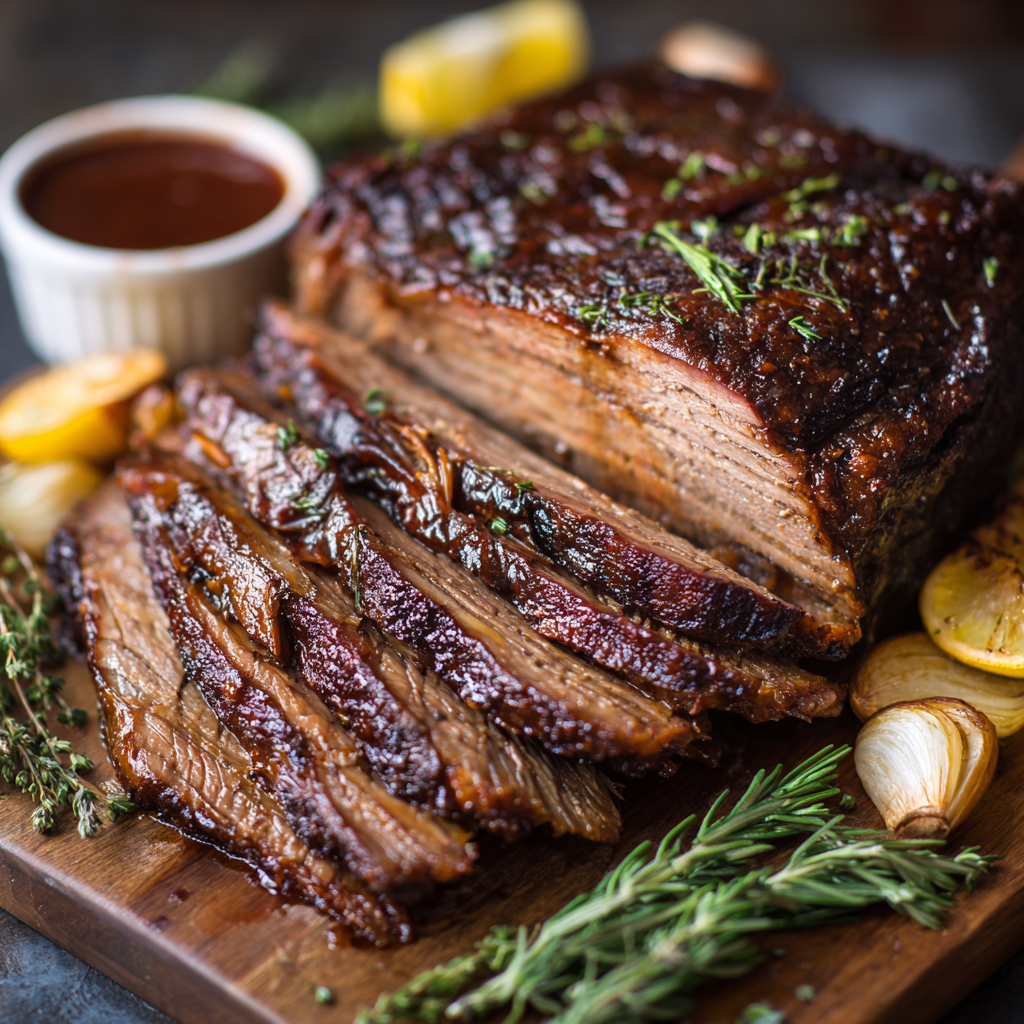
Slow-Roasted Beef Brisket (Tender, Juicy & Holiday-Ready)
The Magic of Slow-Roasted Beef Brisket: Your New Favorite Centerpiece
Hey there, friend! Come on in. Can you smell that? It’s the deep, savory, impossibly good scent of garlic and onions softening into sweetness, mingling with the rich perfume of beef that’s been roasting for hours. It’s the smell of anticipation, of a gathered table, of a meal that says “you are loved.” That, my friend, is the magic of a perfectly slow-roasted beef brisket.
If the idea of cooking a large cut of meat makes you a little nervous, I’m here to give you the biggest virtual hug and tell you: you’ve got this. This isn’t about fancy techniques or constant fussing. This is about patience, a few simple ingredients, and letting low, gentle heat work its transformative power. We’re going to turn a tough cut into something so tender you can practically pull it apart with a fork, with slices that are juicy, flavorful, and utterly impressive.
Whether you’re planning a holiday table for Easter, a cozy Sunday supper, or any gathering where you want a main dish that does all the talking (in the most delicious whisper), this brisket is your answer. So, tie on your apron—the messy ones are the most loved—and let’s create some memories together. This is more than a recipe; it’s an invitation to slow down, savor the process, and deliver pure comfort on a platter.
My First Brisket & The “Trust the Process” Lesson
I have to confess, my first brisket was a leap of faith that felt more like a stumble. It was for a big family Thanksgiving, and I, in my youthful kitchen confidence (read: naivety), decided to go off-book. I cranked the heat, thinking I could outsmart the clock. What emerged hours later was… less than tender. Let’s just say it had character. And required very sharp knives.
But then my grandma, the undisputed queen of comfort food, took me under her wing. She showed me her method: low heat, a tight cover, and time. “Stop poking it, Livvy,” she’d say. “Let it do its thing.” The next one I made under her watchful eye was a revelation. The connective tissue had melted into unctuous, flavor-packed goodness, the meat was yielding, and the pan juices were liquid gold. That experience taught me the core philosophy of my kitchen: respect the ingredients, trust the process, and good things come to those who wait (especially in a 300°F oven). This recipe is that lesson, shared with you.
Gathering Your Flavor Team: Simple Ingredients, Big Impact
Here’s what you’ll need. Don’t be fooled by the short list—each player has a crucial role. I’ve added my notes so you know exactly why it’s there and what you can swap if needed.
- 4–5 lb beef brisket: This is the star! Look for a cut with a nice cap of fat on one side—that’s your flavor and moisture insurance. A “packer cut” is great, but a flat cut works beautifully too. Don’t trim too much fat!
- 2 tbsp olive oil: Our glue for the spice rub and a helper for browning. Any neutral oil like avocado or canola works perfectly.
- 2 tsp salt (preferably kosher): Crucial for seasoning the meat deeply. Kosher salt is less salty by volume than table salt and easier to control. If using fine table salt, start with 1.5 tsp.
- 1 tsp black pepper: Freshly cracked is ideal for the brightest flavor, but pre-ground is just fine in a pinch.
- 2 tsp smoked paprika: This is my secret weapon! It adds a warm, smoky depth that makes the brisket taste like it’s been kissed by a wood fire. Sweet paprika works if it’s all you have.
- 1 tsp garlic powder & 1 tsp onion powder: These pantry heroes create a foundational savory flavor that permeates the meat perfectly. Fresh is great for the braise, but powder sticks to the rub better.
- 1 large onion, sliced: They’ll caramelize and soften into a sweet bed for the brisket, flavoring the juices. Yellow or white onions are perfect.
- 4 garlic cloves, smashed: Smashing, not mincing, lets them release flavor slowly without burning. No need to peel!
- 2 cups beef broth: This creates the steam-braising environment. Use low-sodium if possible, as we’ve already salted the meat. A rich bone broth is a fabulous upgrade.
- 1 tbsp tomato paste (optional): My little “umami booster.” It adds a touch of richness and color to the pan sauce. Don’t worry, it won’t taste like tomatoes!
- Fresh thyme or rosemary (optional): A few sprigs add an aromatic, herby note. Dried herbs (1 tsp) can be sprinkled in with the rub.
Step-by-Step: Your Path to Brisket Bliss
Ready? Let’s walk through this together. I promise it’s more waiting than working.
- Preheat & Prep: Position your oven rack in the lower third and preheat your oven to 300°F (150°C). This low-and-slow temperature is non-negotiable for tenderness. While it heats, pat your brisket very dry with paper towels. This is KEY for the spice rub to stick and for proper browning. Chef’s Tip: A dry surface = a beautiful sear (if you choose to sear) and better bark.
- The Flavor Rub: In a small bowl, mix the salt, pepper, smoked paprika, garlic powder, and onion powder. Drizzle the olive oil all over the brisket, then massage the spice mix onto every surface. Don’t be shy! Get it on all sides. This isn’t just seasoning; it’s creating a flavor crust. Chef’s Tip: You can do this step up to 24 hours ahead, wrap the brisket, and let it marinate in the fridge. The flavor penetration is incredible!
- Build Your Braising Bed: Scatter the sliced onions and smashed garlic cloves in the bottom of a roasting pan or a large, heavy-duty Dutch oven. Place the brisket on top, fat side up. This is important! As the fat renders during the long cook, it will baste the meat continuously, keeping it juicy.
- Add the Liquid: Pour the beef broth around the sides (not over the top, to keep your rub intact). If using, add the tomato paste and whisk it a bit into the broth. Tuck in your fresh herb sprigs. Chef’s Tip: For an extra layer, a splash of red wine or a tablespoon of Worcestershire sauce in the broth is divine.
- The Long, Slow Roast: Cover the pan very tightly with a lid or a double layer of heavy-duty aluminum foil. This traps the steam, creating a braising environment that breaks down the tough fibers. Place it in the oven and… walk away. For at least 3.5 hours. Do not peek! Trust the process. We’re looking for a probe thermometer to read around 200-205°F for “pull-apart” tenderness, or for a fork to slide in and out with zero resistance. This usually takes 4 to 4.5 hours total.
- Uncover & Brown: In the last 30 minutes of cooking, carefully remove the foil. This allows the top to brown and the sauce to reduce slightly. The aroma at this point is your reward for patience.
- The Most Important Step: Rest! Once out of the oven, loosely tent the brisket with foil (not tight) and let it rest on the counter for at least 20-30 minutes. This allows the frantic, hot juices to redistribute throughout the meat. If you slice it right away, all those beautiful juices will run out onto the cutting board. Patience, grasshopper!
- Slice & Serve: Transfer the brisket to a cutting board. Look for the direction of the muscle fibers (the “grain”). Using a sharp knife, slice against the grain (perpendicular to those lines). This shortens the muscle fibers, making each piece melt-in-your-mouth tender. Serve with the strained or simply skimmed, glorious pan juices poured over the top.
How to Serve Your Masterpiece
Presentation is part of the joy! Slice the brisket and fan it out on a large, warm platter. Pour some of those rich, onion-studded pan juices right over the top. Garnish with a few fresh thyme sprigs or a sprinkle of flaky sea salt for a pretty touch. This brisket loves classic, comforting sides: creamy mashed potatoes or parsnip puree to soak up the juice, simple roasted carrots or green beans, a bright, tangy coleslaw for crunch, or a big, buttery dinner roll for mopping. Keep it simple and let the brisket shine.
Make It Your Own: Delicious Variations
Once you master the basic method, the world is your brisket! Here are a few fun twists:
- Texas-Style BBQ: Swap the spice rub for 2 tbsp coarse black pepper, 1 tbsp kosher salt, and 1 tsp garlic powder. Skip the broth and use 1 cup of beef broth mixed with ½ cup of apple cider vinegar. Smoke it if you have a smoker, or roast as directed—the vinegar adds amazing tang.
- Sweet & Sticky Asian-Inspired: For the liquid, use 1 cup beef broth + ½ cup soy sauce (or tamari) + ⅓ cup honey or brown sugar + 2 tbsp rice vinegar. Add a few slices of fresh ginger to the onion bed.
- Set-It & Forget-It (Slow Cooker): After seasoning, follow all steps but place everything in your slow cooker. Cook on LOW for 8-10 hours. For a better texture, transfer to a baking sheet and broil for 3-5 mins after cooking to brown the top.
- Wine-Braised Elegance: Replace 1 cup of the beef broth with a dry red wine like Cabernet Sauvignon. Add a bay leaf. The result is incredibly rich and perfect for a dinner party.
- Keto/Paleo Friendly: This recipe is naturally great! Just ensure your broth has no sugar, skip the optional tomato paste if strict, and serve with cauliflower mash and roasted veggies.
Chef’s Notes: A Few More Things From My Kitchen to Yours
Over the years, this recipe has become my culinary security blanket. It’s the dish I bring to potlucks when I want to hear a collective “Wow!” and the one I make on rainy Sundays just because. It has evolved—sometimes I add a splash of coffee to the braising liquid for depth (sounds weird, tastes amazing!), sometimes I throw in a handful of whole mushrooms.
The biggest evolution? My attitude. I no longer stress the exact hour. I use the fork test as my guide, and if dinner is late because the brisket needed another 30 minutes, so be it. It’s always worth the wait. And the leftovers? Even better the next day. Shredded on tacos, piled high on a sandwich with pickles, or chopped into chili. This recipe is a gift that keeps on giving. Most importantly, remember that the slight mess in your kitchen, the waiting, the gathering—it’s all part of the love you’re cooking into this meal. You’re doing great.
Your Brisket Questions, Answered
Let’s tackle some common hiccups before they happen:
- Q: My brisket seems tough/dry. What went wrong?
A: The two most likely culprits are not cooking it long enough or slicing it with the grain. Brisket needs to reach an internal temp of 200-205°F to break down all the collagen into gelatin. If it’s below that, it can be tough. If it’s dry, it may have been overcooked (past 210°F) or not had enough fat. Always slice against the grain! - Q: Can I sear the brisket before roasting?
A: Absolutely! It adds fantastic flavor. After step 2, heat a skillet with a little oil over medium-high. Sear the brisket for 3-4 minutes per side until deeply browned, then proceed to step 3. You can even sear it right in your Dutch oven if it’s oven-safe. - Q: The fat cap is really thick. Should I trim it?
A: Trim it down to about ¼ inch thickness. You want some fat to render and baste the meat, but a massive cap won’t fully render and can make the dish greasy. A little fat is flavor; a huge slab is just fat. - Q: How do I store and reheat leftovers?
Slow-Roasted Beef Brisket (Tender, Juicy & Holiday-Ready)
Description
A slow-roasted brisket is one of those meals that feels special without requiring complicated techniques. With low heat, simple seasoning, and enough time, a tough cut turns into fork-tender slices packed with rich flavor. It’s perfect for holidays, family dinners, or any day you want a true comfort-food centerpiece.
Ingredients
-
4–5 lb (1.8–2.3 kg) beef brisket
-
2 tbsp olive oil
-
2 tsp kosher salt
-
1 tsp black pepper
-
2 tsp smoked paprika
-
1 tsp garlic powder
-
1 tsp onion powder
-
1 large onion, sliced
-
4 garlic cloves, smashed
-
2 cups beef broth (low sodium preferred)
-
1 tbsp tomato paste (optional)
-
2–3 sprigs thyme or rosemary (optional)
Instructions
-
Preheat oven
Heat to 300°F (150°C). Place rack in lower third. -
Prep the brisket
Pat brisket dry. Rub all over with olive oil. -
Season
Mix salt, pepper, paprika, garlic powder, and onion powder. Coat brisket on all sides. -
Build the pan
Scatter onions and smashed garlic in a roasting pan or Dutch oven. Place brisket on top fat side up. -
Add liquid
Pour broth around (not over) the meat. Stir tomato paste into the liquid if using. Add herbs. -
Cover tightly
Seal with lid or double foil — tight seal is important for tenderizing steam. -
Slow roast
Roast 4–4½ hours without opening often. Brisket is ready when a fork slides in easily or internal temp reaches 200–205°F (93–96°C). -
Uncover to brown
Remove cover for the last 30 minutes to develop color and reduce sauce. -
Rest
Rest loosely tented with foil for 20–30 minutes. -
Slice correctly
Slice against the grain for maximum tenderness. Spoon pan juices over top.
Notes
-
Leave about ¼ inch fat cap — it keeps meat moist.
-
Tight cover = tender brisket. Steam is your friend.
-
Don’t rush the temperature — tenderness comes late.
-
If it’s tough, it likely needs more time, not less.
-
A thermometer removes guesswork.
Final Thoughts
Take a moment. Really. Pause right here, before you dive into slicing or plating or serving eager guests. Just stand at your counter, peek through the oven door, and breathe in that impossibly rich aroma filling your kitchen. This is it. This is the moment patience becomes reward, and simple ingredients become something sacred.
You just made brisket. Brisket. That intimidating, centerpiece-worthy, Sunday-supper-showstopper of a dish. And here’s what I hope you’re realizing: it was never about the meat. It was about the rhythm—the quiet confidence of seasoning by feel, the trust required to close the oven door and walk away, the deep satisfaction of pulling back the foil to reveal something you created, slowly and surely, with your own two hands.
This recipe isn’t really a recipe at all. It’s permission. Permission to stop rushing. Permission to let time do what time does best—transform, tenderize, deepen. Permission to serve a meal that didn’t demand you hover over it, that didn’t leave you frazzled while your guests arrive. While they sip wine and laugh in the other room, your brisket is simply… finishing. Doing its job. Making you look like a hero while you actually enjoy your own party.
And isn’t that the best kind of cooking? The kind that feeds everyone, including the cook?
I think about my grandma often when I make this. Not because I’m recreating her recipe—I’ve tweaked and tested and made it my own over the years—but because I finally understand what she was really doing in that warm, flour-dusted kitchen of hers. She wasn’t just feeding us. She was showing us, bite after tender bite, that some things can’t be rushed. That love, in its purest form, is patience with an apron on.
That’s what this brisket is, friend. It’s patience you can eat.
So tonight, when you set that platter on the table and watch everyone go quiet for that first bite, remember: you didn’t just follow instructions. You paid attention. You trusted yourself. You learned when to act and when to wait—a skill that carries far beyond the kitchen. And if the slices aren’t magazine-perfect? If the sauce is a little thin or the onions stuck to the pan? Not one person at that table will notice or care. They’ll remember how it tasted. How it felt. How you made them feel.
That’s the magic you actually made today.
Now go pour those pan juices over everything. Lick the spoon when no one’s looking. Accept the compliments with a humble smile while secretly knowing exactly how good you are. And tomorrow, when you’re standing in front of the open fridge at noon, staring at those glorious leftovers? Make a sandwich so tall it barely fits in your mouth. Shred some into your eggs. Call it dinner and eat it straight from the container.
You earned every bite.