The Secret to the Easiest, Most Flavorful Scones? Your Sourdough Discard!
Hey there, friend! Come on in and pull up a stool. Is there anything better than the quiet hush of a Sunday morning, a hot cup of tea steaming beside you, and the promise of something warm, buttery, and freshly baked? I live for those moments. And if you’re anything like me, you also live with a little jar of sourdough starter bubbling away on your counter, a project of love that sometimes leaves you wondering, “What am I going to do with all this discard?”
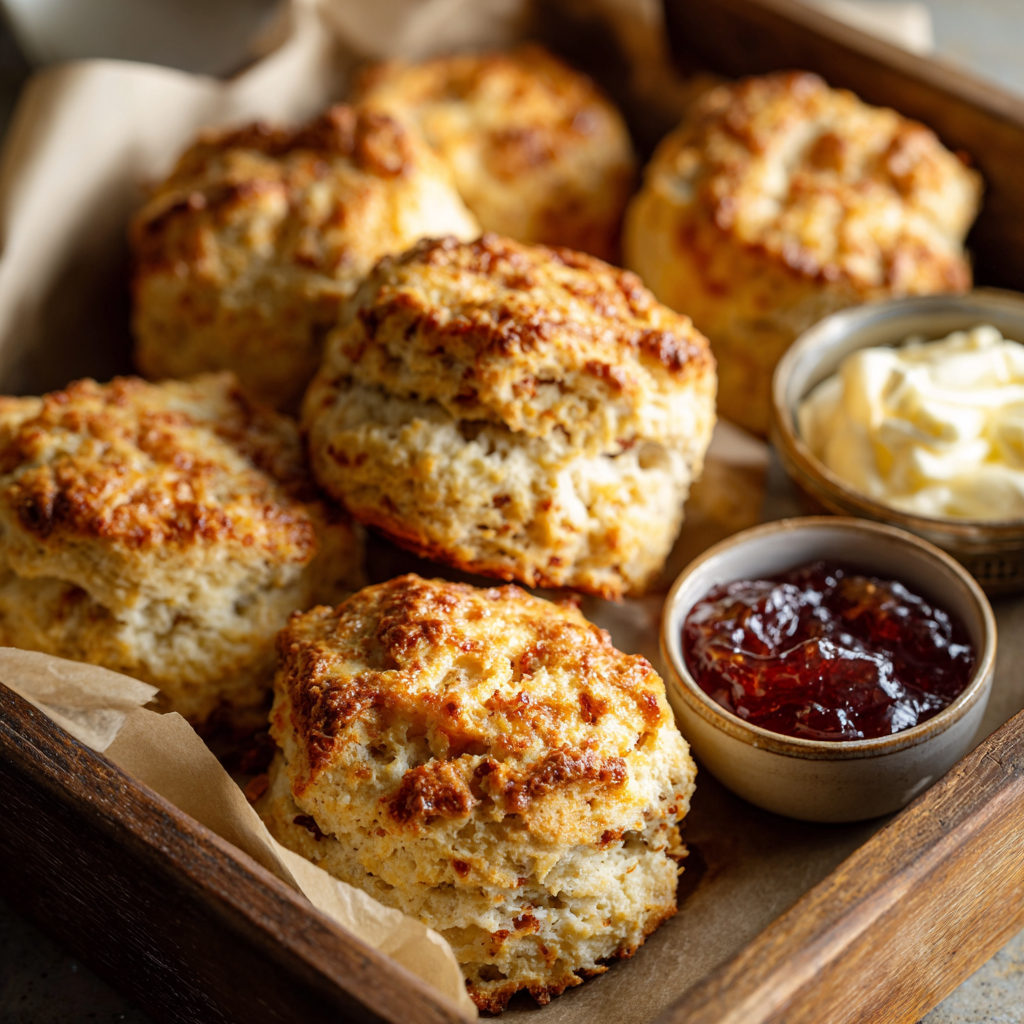
Well, I have the absolute most delicious answer for you. Today, we’re turning that tangy, leftover starter into the most incredible, flaky, tender sourdough discard scones you’ve ever tasted. Forget everything you think you know about scones being dry or complicated. These are the opposite. They come together in minutes, bake up golden and glorious, and have this subtle, sophisticated tang that makes them utterly irresistible.
Whether you slather them with jam and clotted cream for the most proper of tea times, split them warm for a weekday breakfast, or even fold in some sharp cheddar and herbs for a savory twist, these scones are your new kitchen superhero. They rescue your discard from the compost bin and transform it into pure, cozy magic. So, tie on that apron (messy is totally welcome here), and let’s bake something simple and spectacular together.
A Tale of Two Scones & A Happy Accident
This recipe was born from a happy little kitchen accident, as the best ones often are. A few years back, I was in a serious British baking phase, fueled by too much television and a craving for a proper cream tea. I was meticulously making classic scones when my eye landed on my jar of sourdough discard, begging to be used. On a whim, I swapped out some of the liquid in my recipe for a big, gloppy spoonful of that discard.
Friends, it was a revelation. The scones that emerged from the oven had a deeper, more complex flavor—a gentle tang that played so beautifully against the sweet jam and rich cream. The texture was even better: still beautifully flaky, but with an almost melt-in-your-mouth tenderness that my previous batches lacked. It felt like I’d unlocked a secret level of home baking. Now, making scones without my sourdough discard feels like leaving out a key friend from the party. That jar isn’t just leftover; it’s a flavor powerhouse waiting to make everything taste a little more interesting.
Gathering Your Simple, Star-Quality Ingredients
Here’s the beautiful part: you likely have everything you need already. The magic is in how we treat them!
- 1 cup (125g) all-purpose flour: Our trusty base. For extra-tender scones, you can swap in ½ cup of cake flour, but all-purpose works perfectly.
- 2 tablespoons sugar: Just a touch for balance. Chef’s Tip: Omit this entirely if you’re going the savory route with cheese and herbs!
- 1 ½ teaspoons baking powder: Our main leavening hero, giving the scones their rise and lift.
- ¼ teaspoon baking soda: The perfect partner to our acidic sourdough discard. It reacts with the tang to give an extra little boost of airiness.
- ¼ teaspoon fine sea salt: Never, ever skip the salt! It makes all the flavors pop and balances the sweetness.
- 4 tablespoons (½ stick/56g) cold unsalted butter, cubed: This is non-negotiable—COLD is key! I often freeze my butter for 15 minutes and then grate it on a box grater for the easiest, most even distribution. This creates those beautiful, steamy pockets that lead to flakiness.
- ½ cup (about 135g) sourdough discard: Unfed, straight-from-the-fridge discard is perfect. Its thickness can vary; we’ll adjust for that with our next ingredient.
- 2–3 tablespoons milk or heavy cream: Start with 2 tablespoons. The discard adds a lot of moisture! We’ll add just enough to bring everything together without making the dough wet.
- Optional Add-Ins: This is your playground! A handful of dried currants, fresh blueberries, chopped dark chocolate, shredded sharp cheddar with chives, or everything bagel seasoning for the top.
Step-by-Step: Let’s Make Some Magic
Ready? This goes so fast. The key is a light touch and keeping things cold.
Step 1: Preheat & Prep. Crank your oven to 400°F (200°C). This hot oven is crucial for that immediate rise and golden crust. Line a baking sheet with parchment paper. No mess, no sticking—easy cleanup is a chef’s best friend.
Step 2: Whisk the Dry Team. In a medium bowl, whisk together the flour, sugar, baking powder, baking soda, and salt. Whisking is better than sifting here—it aerates the flour and ensures all those leaveners are evenly distributed. No one wants a baking soda pocket!
Step 3: Cut in the Cold Butter. Scatter your very cold, cubed (or grated!) butter over the flour mixture. Now, use your fingertips, a pastry cutter, or even two forks to “cut” the butter into the flour. You’re looking for a coarse, crumbly mixture with pieces of butter ranging from pea-sized to oat-flake sized. Those visible butter bits are your ticket to flakiness. Chef’s Hack: If your hands are warm, run them under cold water first. We want to melt the butter in the oven, not in our hands.
Step 4: Bring in the Discard. Make a well in the center of your crumbly mixture. Plop in your ½ cup of sourdough discard. Using a fork or a silicone spatula, gently start to stir and fold, just until the discard is roughly incorporated. It will look shaggy and dry—that’s perfect!
Step 5: Add the Liquid. Drizzle in 2 tablespoons of milk or cream. Gently mix. The dough should start to clump together when pressed. If it’s still very dry and won’t hold, add the extra tablespoon, a teaspoon at a time. The goal is a dough that just barely comes together—over-mixing or adding too much liquid is the enemy of tender scones.
Step 6: Fold in Your Extras (If Using). Now’s the time to gently fold in those berries, chocolate, or cheese. A few gentle folds is all it takes.
Step 7: Shape & Cut. Turn the dough out onto a lightly floured surface. With floured hands, gently pat it into a circle about ¾-inch thick. Don’t use a rolling pin—just pat it! Using a sharp knife or a bench scraper, cut the circle into 6 or 8 wedges, like a pizza. Pro Tip: For higher-rising scones, cut straight down; don’t saw back and forth.
Step 8: Bake to Golden Perfection. Place the wedges on your prepared baking sheet, leaving a little space between them. Brush the tops lightly with a bit of extra milk or cream—this gives them that gorgeous, glossy, golden-brown finish. Bake for 15-18 minutes. They’re done when the tops are lightly golden and the bottoms are a deeper golden brown. Your kitchen will smell like heaven.
Serving Up Your Masterpiece
Let the scones cool on the sheet for just a minute or two, but serve them warm! That’s when they’re at their absolute best. Split them open with your hands (it’s more authentic than a knife, I swear) and watch the steam escape. Slather with good butter that melts into the layers, a dollop of clotted cream and your favorite berry jam for the classic touch. For savory scones, a pat of herb butter or a slice of sharp cheese is divine. Pair it with your favorite tea, coffee, or even a glass of cold milk.
Get Creative: Endless Flavor Twists!
The basic formula is your canvas. Here are a few of my favorite ways to play:
- Lemon Blueberry: Add the zest of one lemon to the dry ingredients and fold in ½ cup fresh blueberries.
- Cheddar Chive Savory Scones: Omit the sugar. Fold in ½ cup shredded sharp cheddar and 2 tbsp chopped fresh chives.
- Chocolate Chunk & Sea Salt: Fold in ⅓ cup chopped dark chocolate. After brushing with cream, sprinkle with a pinch of flaky sea salt before baking.
- Everything Bagel: Omit sugar. After brushing with cream, sprinkle generously with everything bagel seasoning.
- Gluten-Free: Use a 1:1 gluten-free all-purpose flour blend. The texture will be slightly more crumbly but still delicious.
Chef’s Notes & Kitchen Confessions
I’ve made these scones probably a hundred times now, and they’ve never let me down. My biggest lesson? Don’t fear the shaggy dough. When you first mix it, you’ll think, “This is too dry, I must add more milk!” Resist! As you pat it together, it miraculously comes alive. Also, I once forgot the baking soda (we all have those days). The scones were still tasty but denser and less golden. So don’t skip your leaveners!
This recipe has evolved to be my ultimate “clean out the fridge” bake. A little leftover discard, some cheese nubs, herbs that are wilting… it all finds a home here. It feels less like baking and more like a fun, delicious puzzle. And the joy of handing a warm scone to a friend? That never gets old.
Your Questions, Answered!
Q: My dough is really wet and sticky. What happened?
A: No worries! Sourdough discard hydration can vary wildly. If it’s too wet to pat out, simply add a little more flour, a tablespoon at a time, until it’s workable. Next time, start with just 1 tablespoon of milk and add from there.
Q: Can I make these ahead of time?
A> Absolutely! You have two great options: 1) Mix the dry ingredients and cut in the butter, then store this mixture in the fridge overnight. In the morning, add the wet ingredients and bake. 2) Shape and cut the scones, place them on the baking sheet, and freeze solid. Then transfer to a bag. Bake from frozen, adding 2-4 extra minutes.
Q: Why are my scones not rising much?
A> Three likely culprits: 1) Your baking powder/soda might be old (check the expiration date!). 2) The butter was too warm and melted into the flour before baking. 3) The dough was overworked. Remember, gentle is the name of the game.
Q: Can I use active, bubbly starter instead of discard?
A> You can, but the result will be slightly different. Active starter will make the scones rise a bit more and can make the texture slightly more bread-like. The tang will be milder. It still works great!

Flaky Sourdough Discard Scones : Easy, Buttery & Perfect for Tea
Description
If you bake sourdough, you already know the question: what do I do with all this discard?
These sourdough discard scones are the answer. They’re buttery, flaky, and tender with a subtle tang that makes them taste bakery-special—without any complicated steps. They come together fast, bake beautifully, and work just as well for sweet jam-and-cream mornings as they do for savory cheese-filled afternoons.
Ingredients
(Makes 6–8 scones)
-
1 cup (125 g) all-purpose flour
-
2 tablespoons sugar (omit for savory scones)
-
1½ teaspoons baking powder
-
¼ teaspoon baking soda
-
¼ teaspoon salt
-
4 tablespoons (56 g) cold unsalted butter, cubed or grated
-
½ cup sourdough discard (unfed)
-
2–3 tablespoons milk or heavy cream
-
Optional add-ins:
-
Sweet: blueberries, chocolate chips, dried fruit
-
Savory: shredded cheddar, chives, herbs
-
Instructions
-
Preheat oven to 400°F (200°C). Line a baking sheet with parchment paper.
-
In a bowl, whisk flour, sugar, baking powder, baking soda, and salt.
-
Cut in the cold butter using fingers or a pastry cutter until the mixture looks crumbly with pea-sized butter pieces.
-
Add sourdough discard and gently mix.
-
Stir in 2 tablespoons of milk or cream until the dough just comes together. Add the last tablespoon only if needed.
-
Fold in any add-ins.
-
Turn dough onto a lightly floured surface and gently pat into a ¾-inch thick circle.
-
Cut into wedges and place on the baking sheet.
-
Brush tops with a little milk or cream.
-
Bake for 15–18 minutes, until golden on top and bottom. Serve warm.
Notes
-
Keep everything cold. Cold butter = flaky layers.
-
Don’t overmix. A shaggy dough is good dough.
-
Discard hydration varies. If dough feels wet, add flour 1 tablespoon at a time.
-
Freeze before baking (optional): 10 minutes in the freezer helps them rise higher.
Nutritional Information (Per Scone, Recipe Makes 8)
Calories: ~200 | Total Fat: 10g | Saturated Fat: 6g | Cholesterol: 25mg | Sodium: 180mg | Total Carbohydrates: 24g | Dietary Fiber: 1g | Sugars: 4g | Protein: 3g
*Note: This is an estimate and will vary based on specific ingredients and add-ins used.*
Final Thoughts
This recipe is more than just a clever way to use up sourdough discard—it’s a gateway to a whole new way of thinking about baking. It’s about embracing imperfection, trusting your instincts, and finding joy in the simple, tangible act of making something with your hands. These scones have become a weekend ritual in my kitchen, a little promise of warmth and comfort that’s never more than 20 minutes away.
What I love most is how this recipe welcomes you exactly as you are. Are you a meticulous baker? Great, weigh your ingredients. Are you a “little of this, little of that” cook? Perfect, eyeball it. Is your discard thick like paste or thin like batter? We can adjust. Baking should feel like an invitation, not a test, and these scones are the most forgiving, gracious hosts.
So, the next time you look at that jar of discard, don’t see a chore. See potential. See the makings of a quiet moment of peace with a warm pastry, a shared laugh over breakfast with someone you love, or the simple satisfaction of creating something delicious from what you already have. That’s the real magic.